
Welcome To The Inflation Olympics
Every generation thinks the next one has no idea what real financial pain looks like. But in this particular generational argument, the numbers are not nearly as close as millennials may think.
 Dmytro Zinkevych, Shutterstock
Millennials Did Experience Real Inflation
The recent inflation surge was not imaginary. U.S. inflation reached 9.1% in June 2022, the highest 12-month increase since November 1981. Gasoline, food and housing costs were among the biggest contributors, so households felt it almost everywhere they looked.

But That Was The Starting Point
Nine-percent inflation sounds terrifying—and it was. Yet Americans who lived through the late 70s and early 80s watched inflation climb well beyond that level and remain painfully high for much longer. The difference becomes clearer once the two eras are placed side by side.

Peak Inflation Was Much Worse
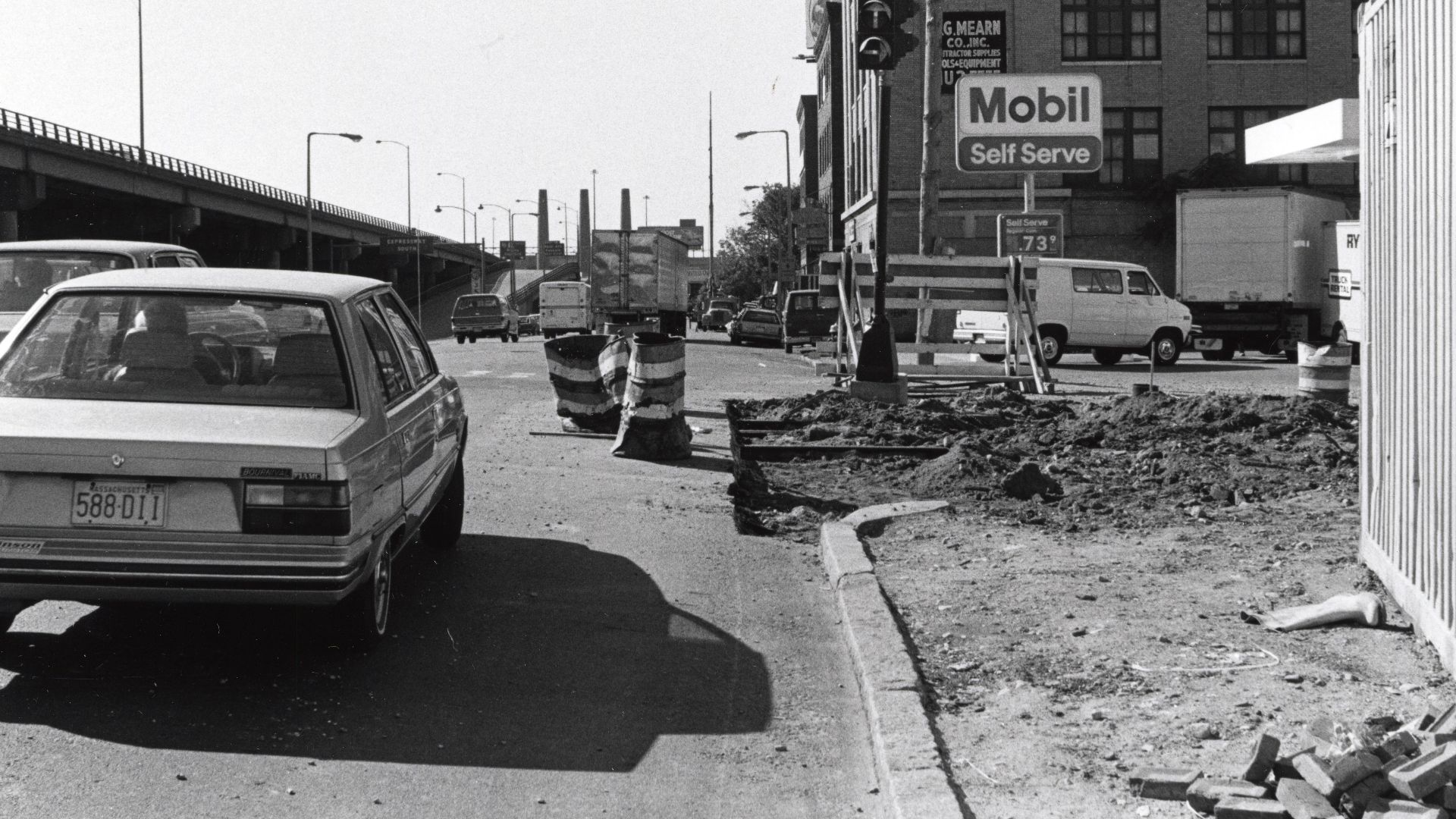
Recent inflation peaked at 9.1%. In March 1980, the same measure reached 14.8%. That means prices were rising more than five percentage points faster than they were at the worst moment of the recent surge. It remains the largest 12-month CPI increase recorded during the modern inflation era.
 City of Boston Archives from West Roxbury, United States, Wikimedia Commons
And It Was Not One Brief Spike
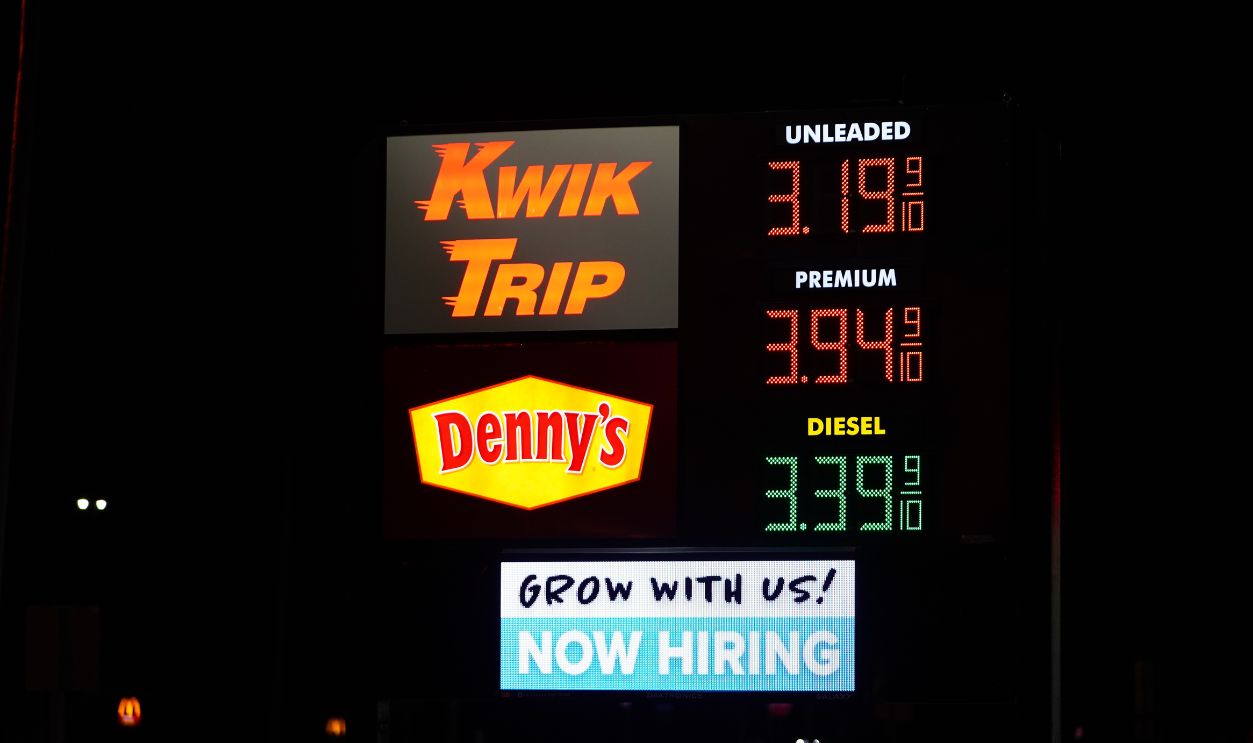
The recent surge accelerated sharply in 2021, peaked in 2022 and then began easing. The earlier crisis arrived in repeated waves. Inflation reached 12.3% in 1974, slowed without completely disappearing, then surged back to 14.8% in 1980. Families thought the worst might be over—then it returned even stronger.
 Aaron of L.A. Photography, Shutterstock
Double Digits Became Almost Normal
Inflation first crossed 10% again in March 1979. It remained at or above that level for more than two years, aside from a brief dip, and was still running at 10% in April 1981. Millennials endured months of frightening headlines. Boomers endured an entire stretch of life built around them.
 Warren K. Leffler, Wikimedia Commons
Food Prices Were Even More Brutal
During the first major 70s inflation wave, food inflation reached 20.3%. During the second, it peaked at 13.1%. By comparison, food prices rose 10.4% during the year ending June 2022—extremely painful, but still roughly half the earlier peak.

Energy Prices Were A Disaster
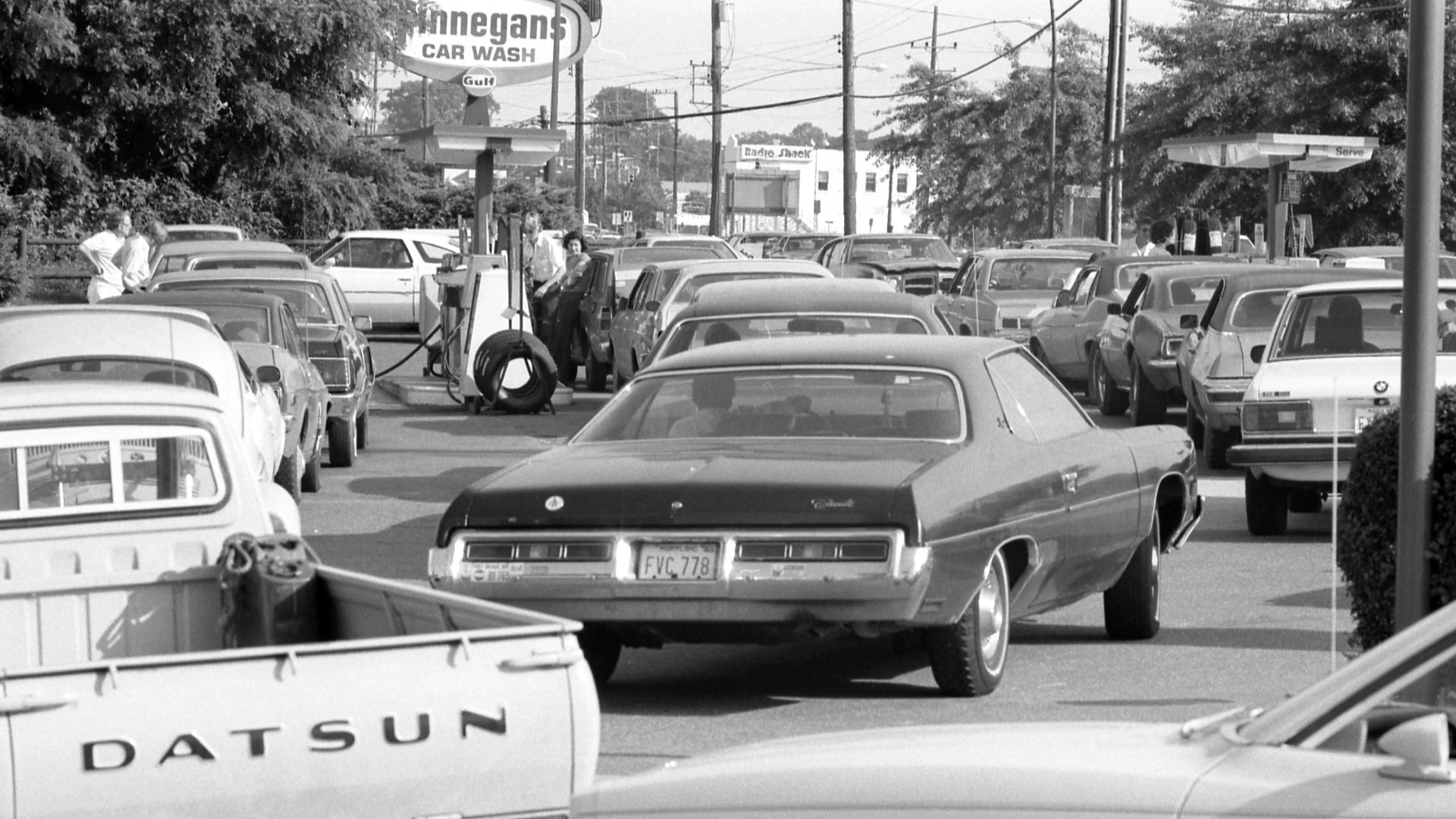
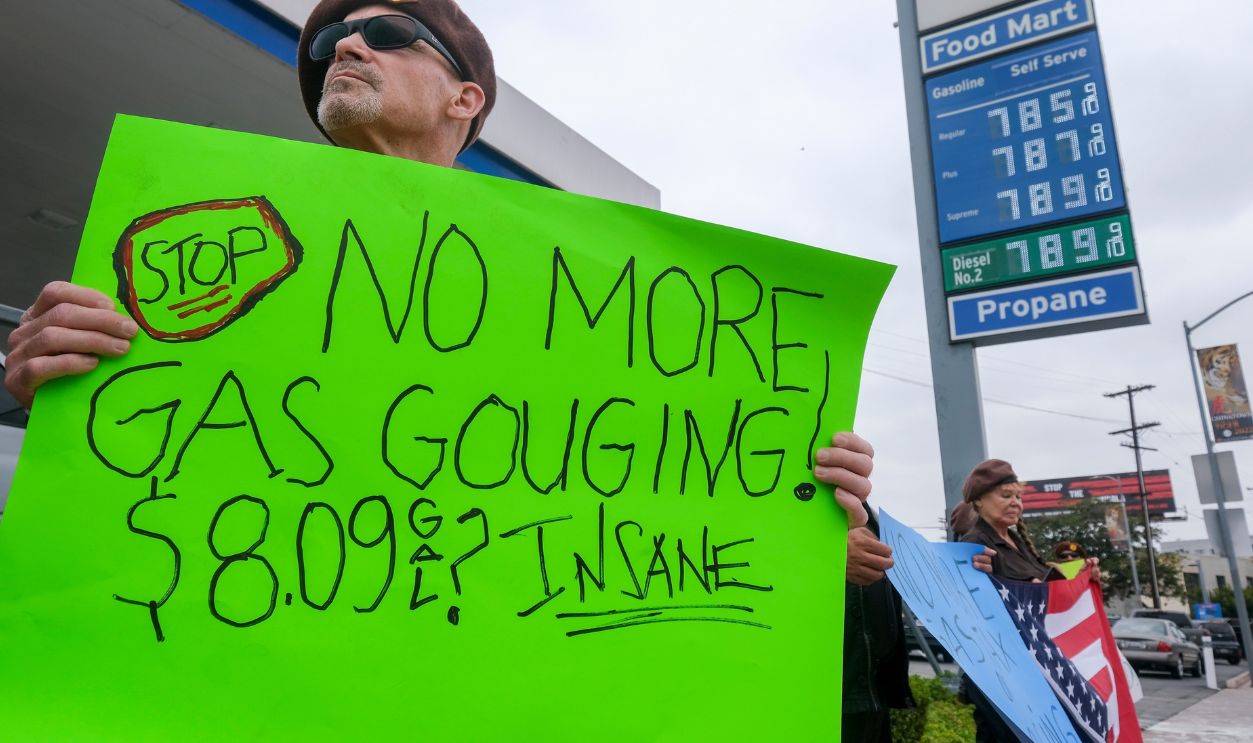
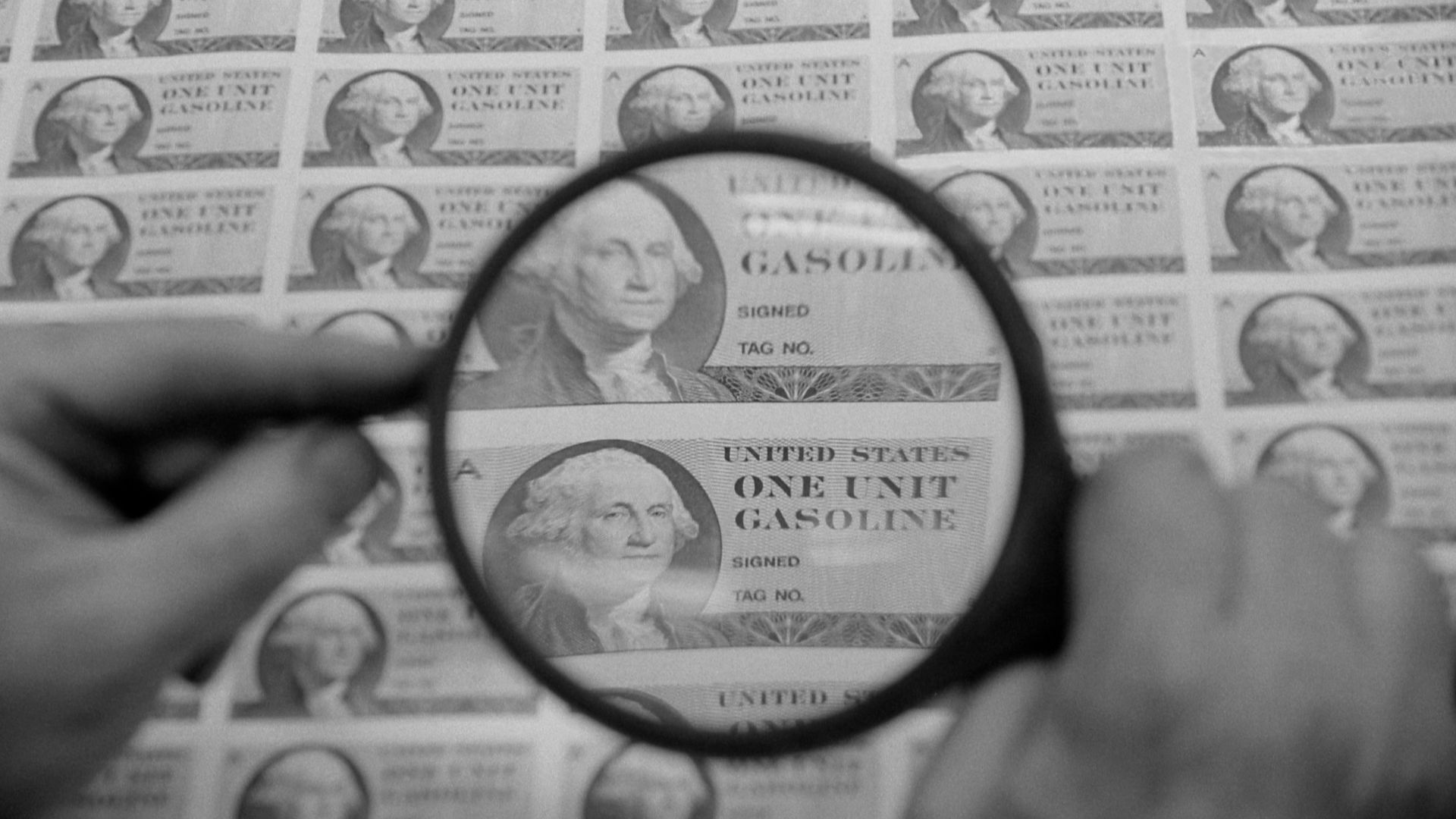
Energy inflation reached 47.1% in March 1980. The recent surge came close, with energy prices rising 41.6% in the year ending June 2022, but the earlier crisis was layered onto years of fuel shortages, unstable prices and repeated economic shocks. It was not merely one ugly trip to the gas station.
The Paychecks Could Not Keep Up
Median family income rose by 7.3% in 1980, which sounds impressive until consumer prices rose 13.5%. After inflation, real median family income fell 5.5%—the largest annual decline recorded in the postwar period at that time. A raise could arrive and still leave the family much further behind.

Then It Happened Again
Real median family income fell another 3.5% in 1981. It dropped another 1.4% in 1982, marking three consecutive years of declining purchasing power. Boomers did not merely lose ground during one surprising burst. Many families watched their inflation-adjusted income shrink year after year.

The Recent Squeeze Was Shorter
Real wages also suffered during the recent inflation surge, and households were right to be angry about it. However, the earlier crisis combined deeper income losses with years of double-digit inflation. It was not simply that everything became expensive. Families had far less reason to believe conditions would improve anytime soon.

Then Borrowing Became Almost Impossible
The average 30-year fixed mortgage rate reached 18.63% in October 1981. By comparison, it was 6.66% on July 30, 2026. Today’s rate is uncomfortable. The early-80s rate was in a completely different universe—nearly three times as high.

Imagine Seeing 18% On A Mortgage
Someone borrowing at 18.63% was not dealing with a slightly higher monthly payment. Interest swallowed an enormous share of every payment, dramatically reduced buying power and priced many families out of the market. Home prices were lower, but getting the money to purchase one could feel almost impossible.

Car Loans And Credit Hurt Too
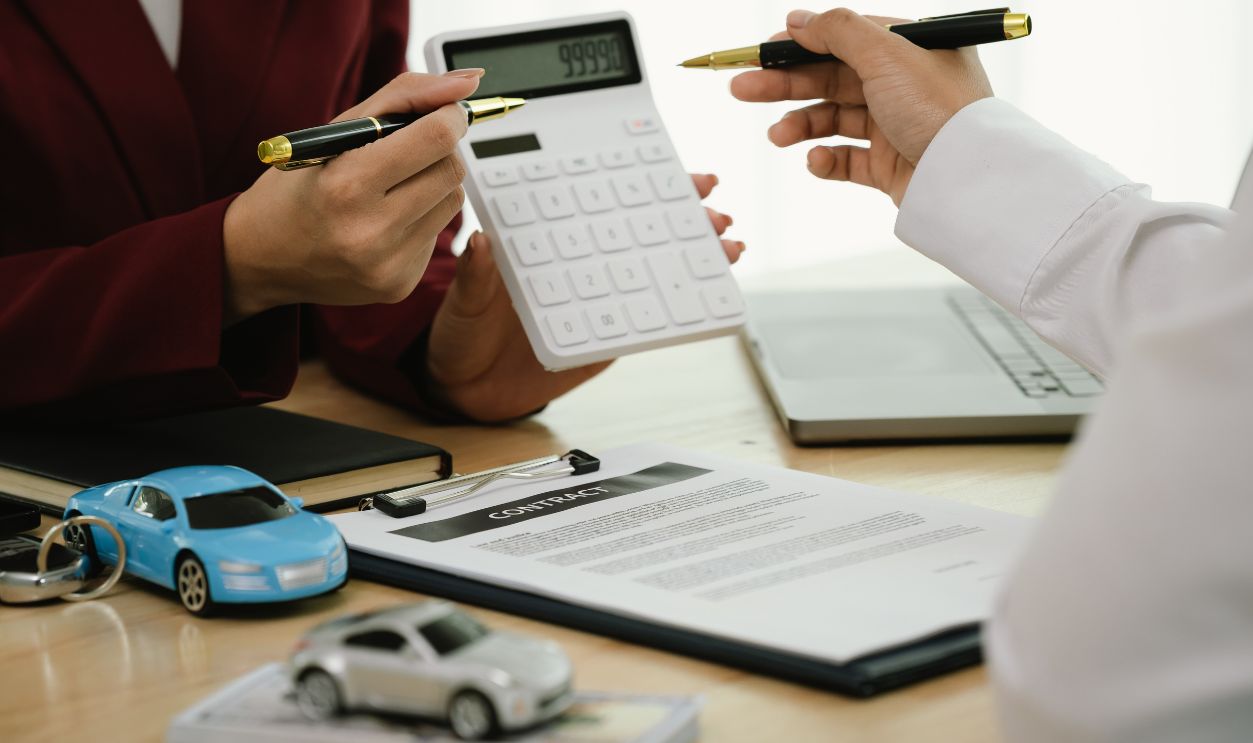
Mortgage rates receive most of the attention, but the problem extended far beyond housing. The federal funds rate approached 20%, making borrowing more expensive throughout the economy. Cars, business investments and other financed purchases were all affected as policymakers deliberately tried to slow spending.
 Natthawadee Jana, Shutterstock
Compare That With Today
The effective federal funds rate was approximately 3.63% in July 2026. That is not a direct consumer borrowing rate, but it shows the enormous difference between the two environments. Boomers faced inflation that was higher while the financial system charged dramatically more to borrow money.
 Panumas Yanuthai, Shutterstock
The Cure Was Nearly As Painful
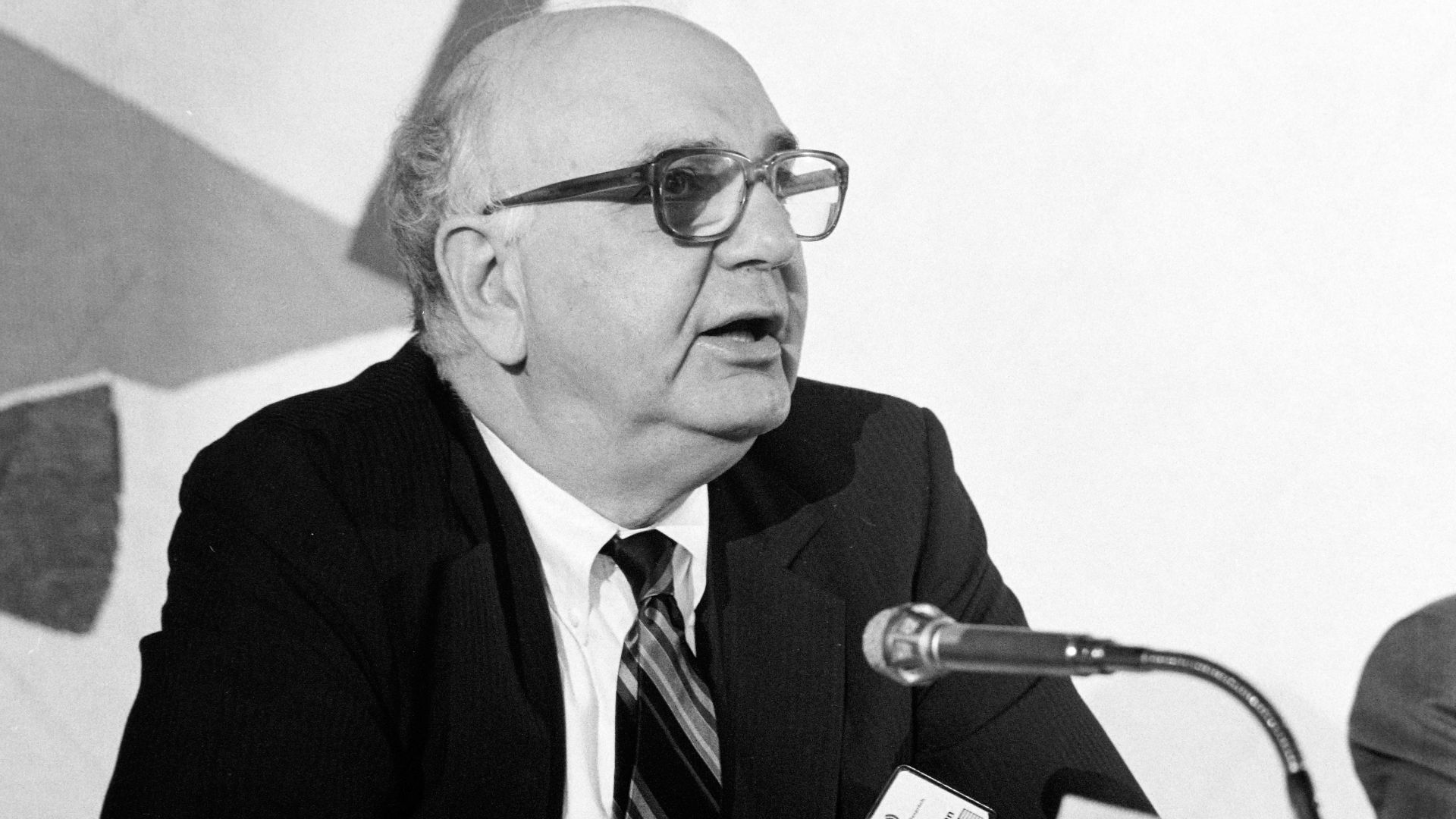
Federal Reserve Chair Paul Volcker maintained extremely tight monetary policy to break inflation. The economy entered a severe recession as high rates battered industries that depended heavily on borrowing, particularly construction and manufacturing. Inflation eventually fell—but only after families absorbed a tremendous amount of additional pain.
 Regina Kuhne , Wikimedia Commons
Unemployment Reached 10.8%
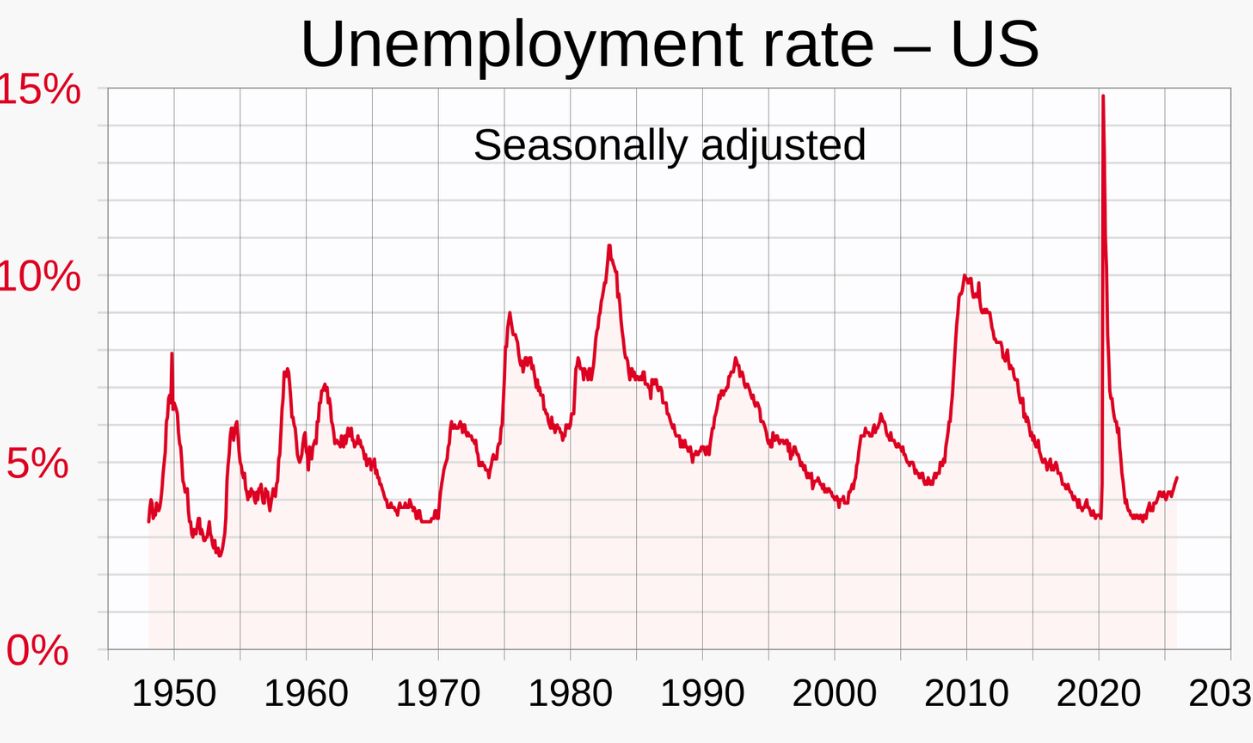
Unemployment peaked at 10.8% in late 1982. By comparison, the unemployment rate was 4.2% in June 2026. Millennials faced rising prices in a relatively strong employment market. Boomers faced rising prices followed by a downturn that left more than one in 10 workers officially unemployed.
Some Industries Were Hit Even Harder
Manufacturing, construction and the auto industry absorbed much of the damage. By the end of 1982, unemployment reached 22% in residential construction and 24% among auto manufacturers. The workers most exposed to high interest rates were often the same ones suddenly wondering whether their jobs would survive.

That Is The Real Difference
Millennials experienced a serious inflation spike. Boomers experienced years of inflation, repeated energy shocks, collapsing purchasing power, mortgage rates approaching 19% and unemployment above 10%. The recent crisis hurt. The earlier one had enough time to change how an entire generation thought about money.
 Warren K. Leffler, U.S. News & World Report Magazine, Wikimedia Commons
Millennials Still Have One Powerful Argument
Housing prices are now substantially higher. The median price of a newly built home rose from $330,900 in 2020 to $417,400 in 2025. Younger buyers may face a lower mortgage rate than Boomers did, but they often need a much larger down payment and must finance a far bigger purchase.

The Housing Math Is Not Simple
An 18.63% mortgage on a cheaper house was brutal. A 6.66% mortgage on a house costing more than $400,000 can also be brutal. Millennials have a legitimate case that entering the housing market now requires enormous savings, a high income or the sudden discovery of extremely generous parents.

But Housing Does Not Erase Everything Else
Today’s expensive homes do not change the inflation comparison itself. Boomers faced a higher peak, a much longer crisis, steeper declines in real family income, borrowing rates near 20% and far higher unemployment. Millennials may have the stronger housing complaint. Boomers still have the stronger overall inflation case.
 Dmytro Zinkevych, Shutterstock
Inflation Today Has Fallen Dramatically
Annual inflation was 3.5% in June 2026. That remains above the Federal Reserve’s preferred long-term pace, and today’s prices are still painful, but it is nowhere near the 14.8% peak of 1980. Even food inflation was 3%, compared with peaks of 13.1% and 20.3% during the earlier waves.

Lower Inflation Does Not Mean Lower Prices
Millennials are correct about one frustrating detail: when inflation slows, most prices do not return to their old levels. They simply rise more slowly. A grocery basket that became expensive during 2022 usually remained expensive afterward, which explains why frustration can continue long after the peak inflation rate has disappeared.

Their Complaints Are Not Completely Ridiculous
Telling millennials they have nothing to complain about will probably end the conversation before it begins. Housing is expensive, prices remain much higher than before the recent surge, and many younger adults feel that their incomes have not provided the progress they expected. That frustration is real—even when the historical comparison is not close.
 Dmytro Zinkevych, Shutterstock
Start With What Actually Happened
The best way to make younger people understand is not to say, “You kids have it easy.” Explain that the earlier crisis reached nearly 15%, remained severe for years and ended with mortgage rates near 19% and unemployment above 10%. Those numbers do far more work than another lecture about avocado toast.
 YAKOBCHUK VIACHESLAV, Shutterstock
Then Acknowledge The Housing Problem
Admitting that younger buyers face a brutal housing market makes the rest of the argument more credible. It shows that the comparison is not about dismissing every modern struggle. It is about recognizing that one difficult category does not make today’s entire inflation experience equal to what happened four decades ago.

There Is A Clear Winner—Unfortunately
Millennials lived through the worst U.S. inflation surge in four decades. Boomers lived through the crisis being used as the comparison. They faced higher inflation for longer, vastly worse borrowing costs, repeated losses in real income and a recession severe enough to push unemployment into double digits. Millennials can dislike today’s prices. But the numbers say Boomers had it much, much worse.

You Might Also Like:
Places You Can Buy A Waterfront Home That Are Actually Affordable
If you own a one-million-dollar home, this is how much it will be worth in 10 years (in each state).