The Flying Ice Dilemma
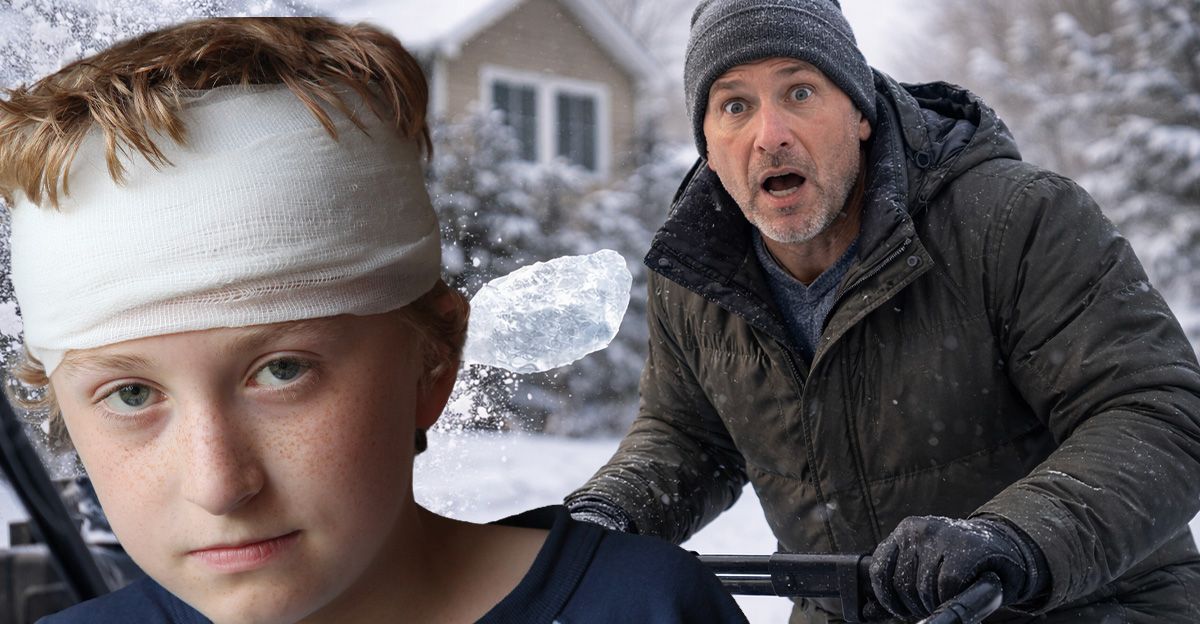
Winter chores are supposed to be boring. You fire up the snow blower, clear the driveway, grumble about the cold, and move on with your day. But when a chunk of ice turns into an unexpected projectile and your neighbor’s son ends up concussed, things get serious fast. Suddenly, you’re not thinking about snow—you’re thinking about hospital bills, insurance, and whether you’re about to get stuck with a very expensive problem.
The Quick Answer (But It Depends)
Short answer: maybe. Longer answer: it depends on whether you were legally responsible for the injury and what kind of insurance coverage you have. This isn’t an automatic “yes, you pay” situation, but it’s also not something you can shrug off and ignore. Liability hinges on details—how the accident happened, what precautions you took, and how the law views your actions.
 Karolina Grabowska www.kaboompics.com, Pexels
What Actually Happened Matters
In personal injury situations, facts rule everything. Was the snow blower throwing ice because the driveway wasn’t cleared first? Did the ice ricochet in an unusual way? Or was the neighbor’s son standing unusually close? These specifics shape whether the injury was an unavoidable accident or something you could have reasonably prevented.
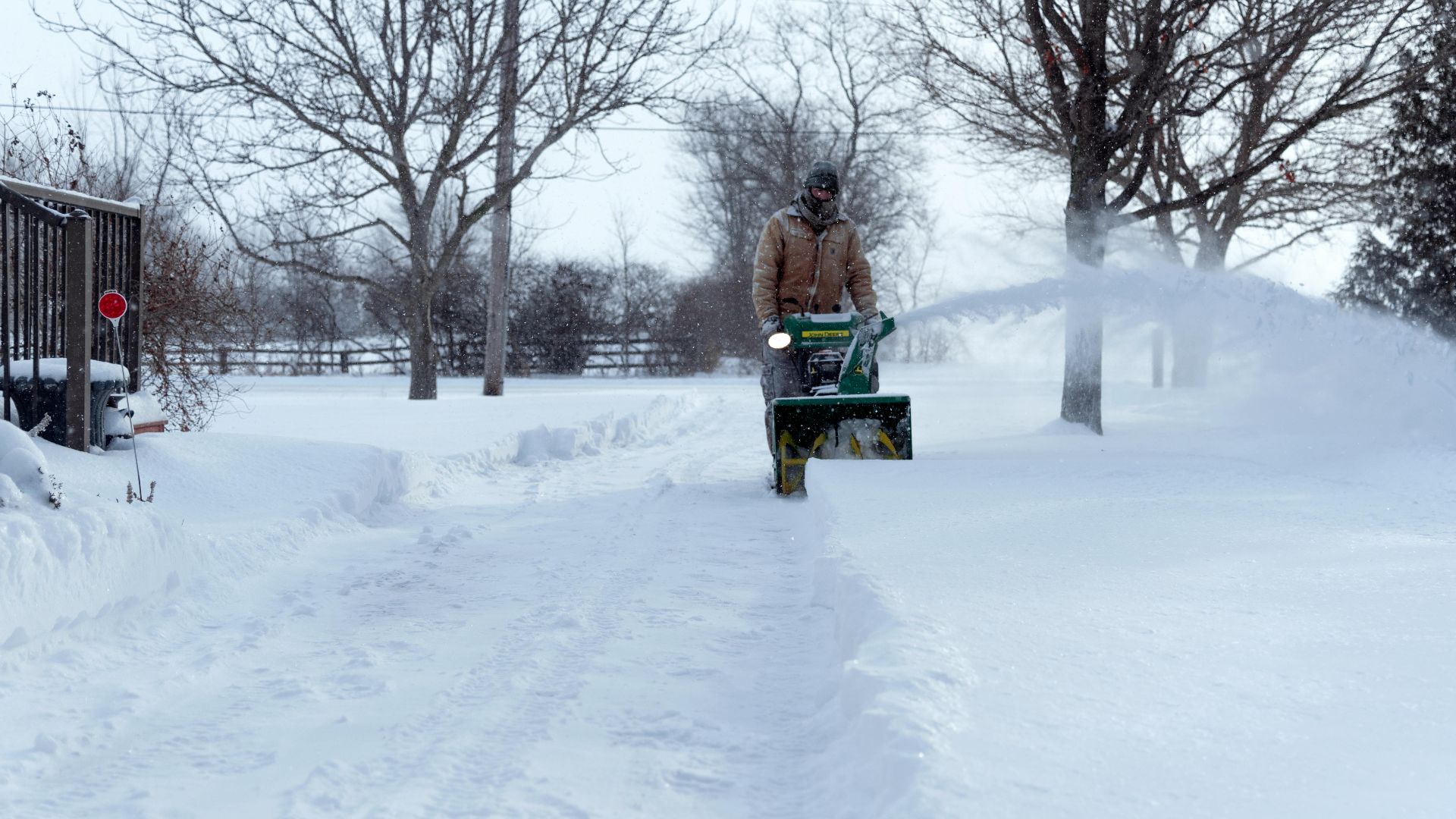
Negligence 101, Without The Law School
Most injury cases boil down to negligence. That’s legal-speak for failing to act with reasonable care. If a typical person in your shoes would have noticed the risk and taken steps to reduce it, and you didn’t, that’s where liability can creep in. No powdered wigs required to understand that.

Was Snow-Blowing Inherently Dangerous?
Snow blowers aren’t toys, but they’re also common household tools. Using one doesn’t automatically make you liable for injuries. Courts usually look at whether you used it in a normal, careful way—or whether you turned a routine task into a risky one.
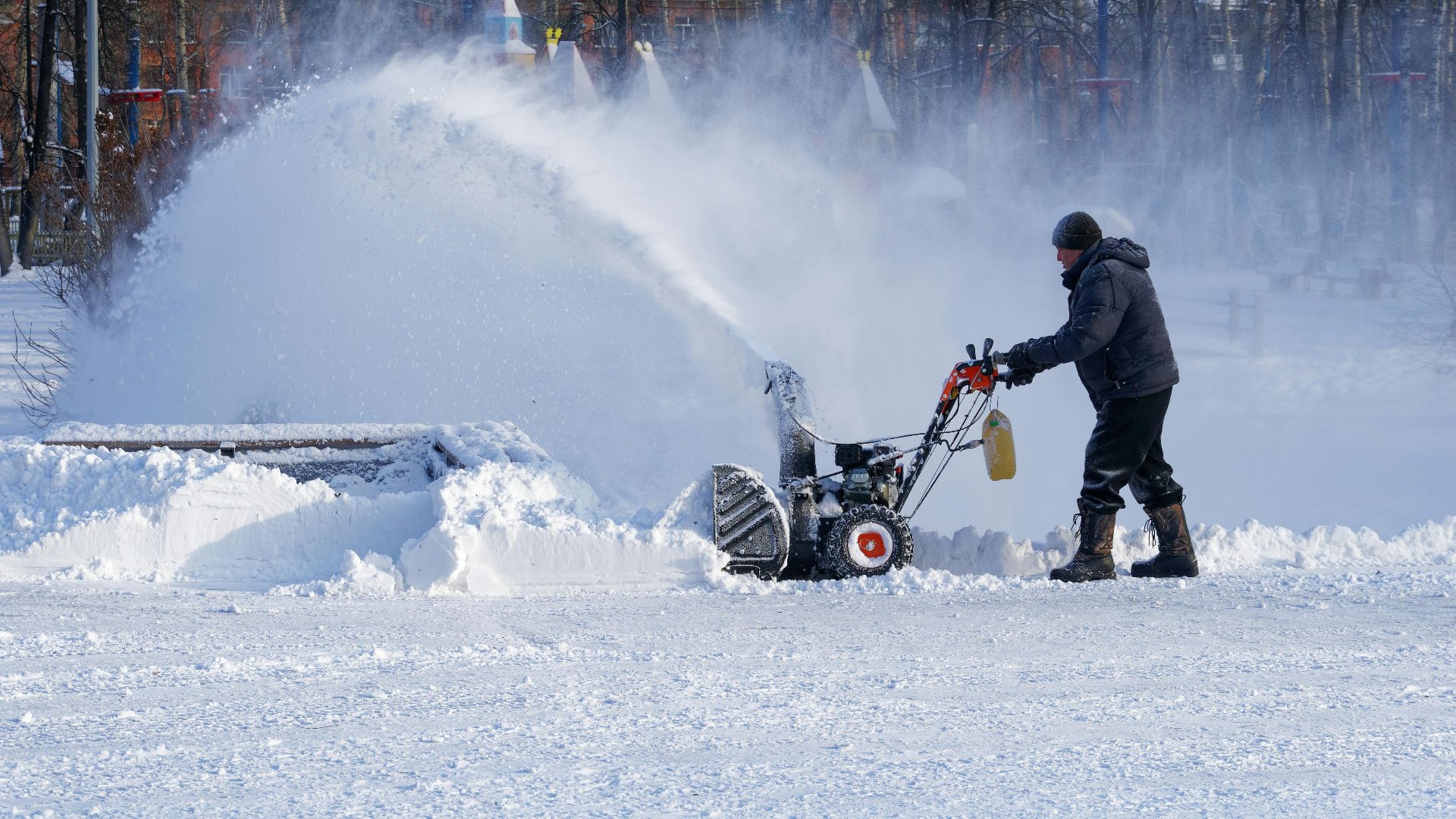
The Role Of Reasonable Care
Reasonable care might mean checking for rocks and ice chunks before starting, pointing the chute away from people, and stopping if someone wanders too close. You’re not expected to eliminate every possible risk, but you are expected to act like someone who doesn’t want to hurt anyone.
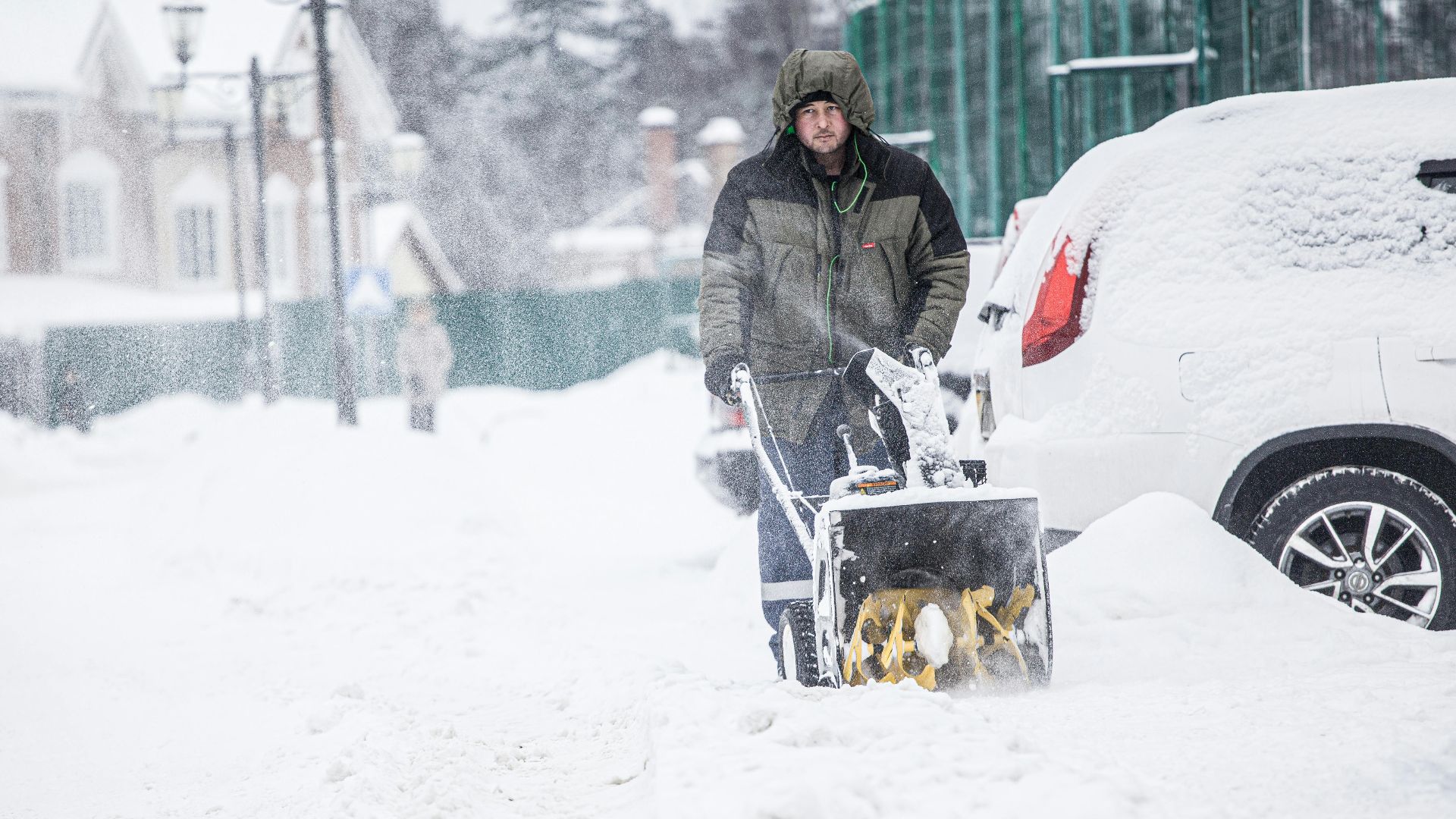
Where Was The Neighbor’s Son Standing?
Location matters—a lot. If the child was playing near the driveway while you were actively snow-blowing, responsibility might be shared. If he was on the sidewalk or in his own yard and ice still reached him, that strengthens the argument that the situation was foreseeable and preventable.

Did You Follow The Manufacturer’s Rules?
Instruction manuals are boring until they matter. If the manufacturer warns against blowing toward people or operating with hidden debris—and you ignored that—that can weigh against you. Following the rules won’t guarantee immunity, but breaking them can definitely hurt your case.
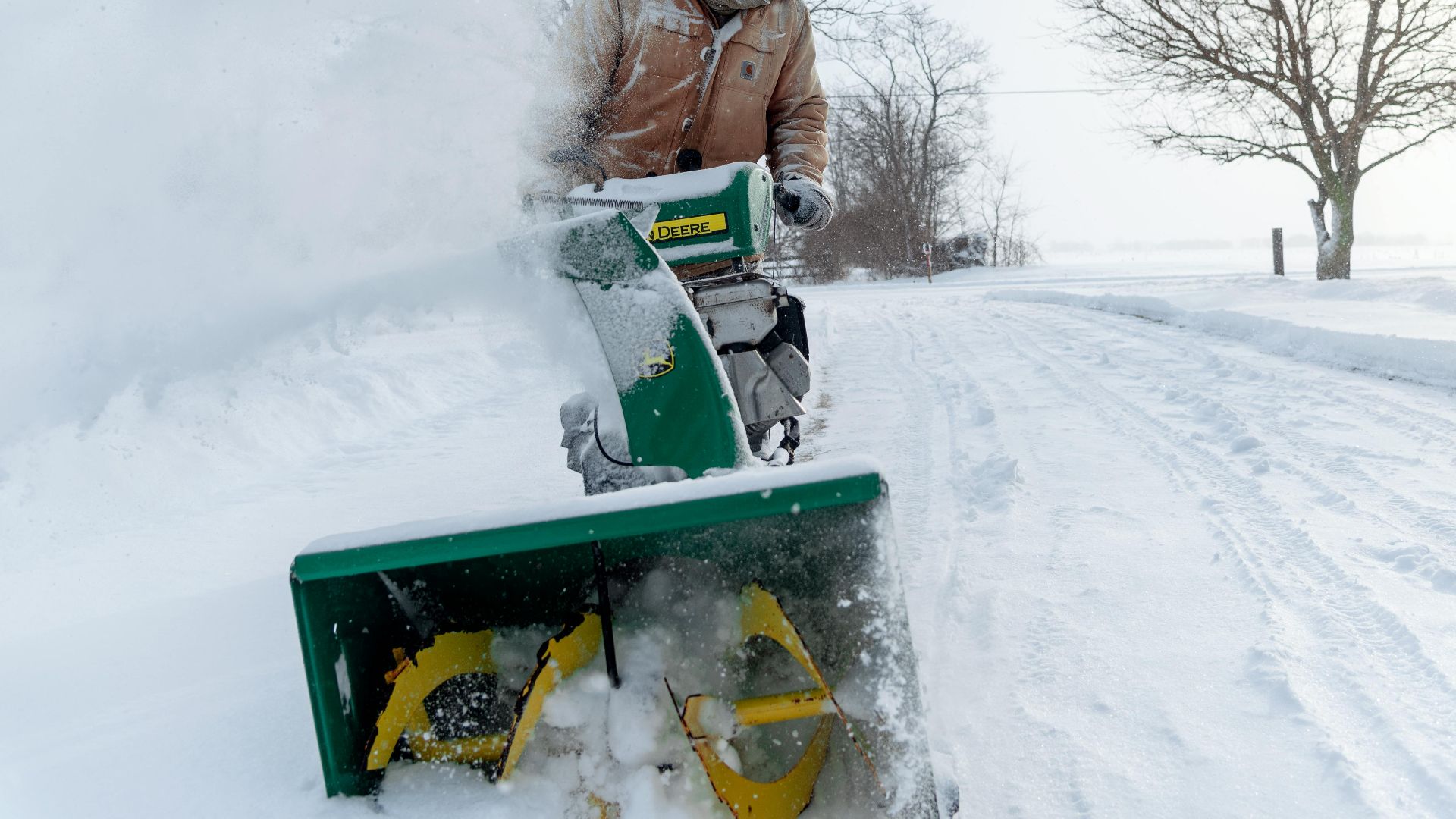
Ice, Debris, And Foreseeability
Flying snow is expected. Flying ice chunks are a gray area. If your driveway is known to ice over, it’s more foreseeable that hard debris could shoot out. Foreseeability is a legal favorite: if you could reasonably see the risk coming, you’re expected to manage it.
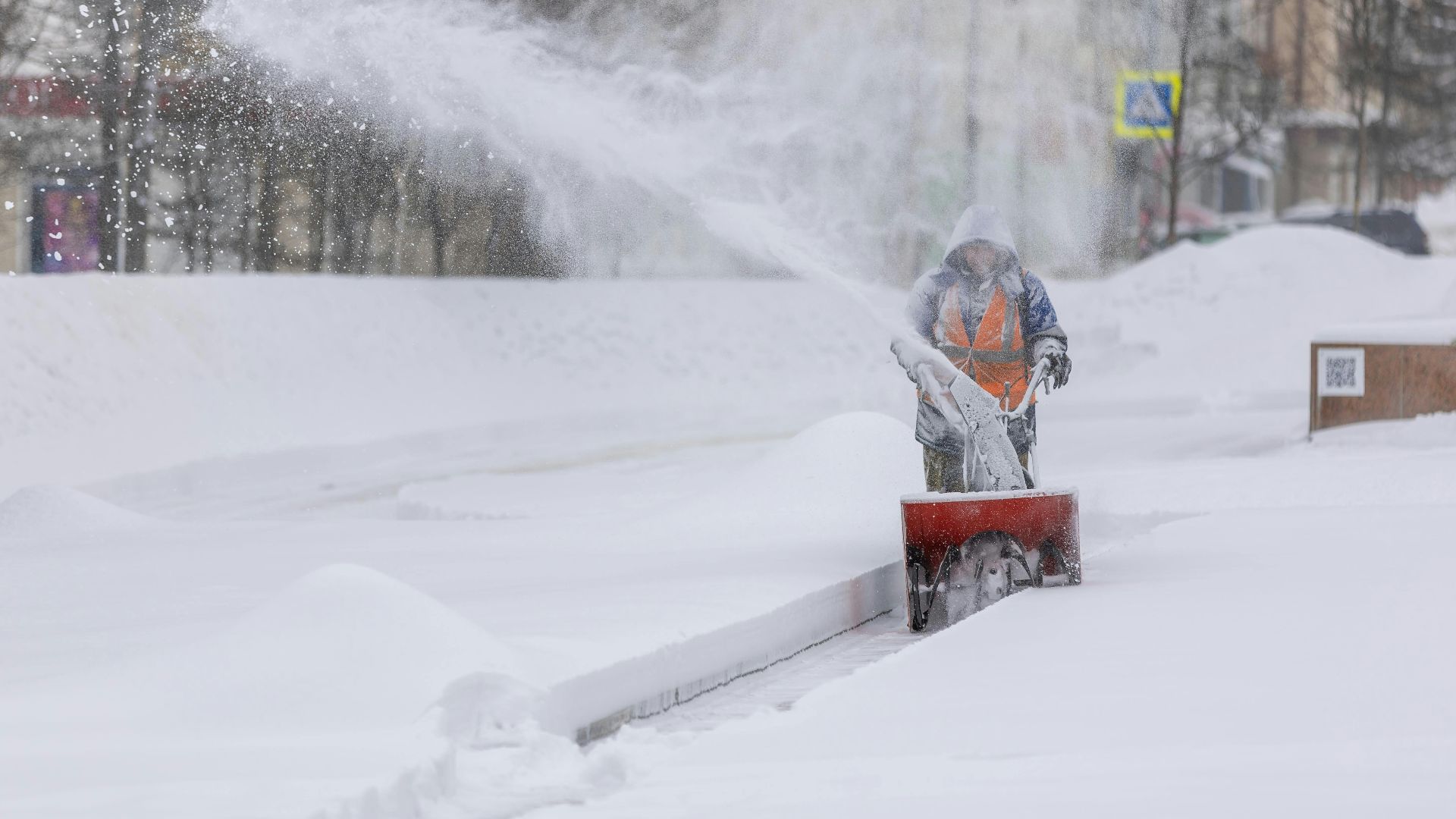
Homeowner’s Insurance To The Rescue
Here’s the good news. Most homeowners’ insurance policies include personal liability coverage. That’s designed for exactly this type of “oops, someone got hurt” scenario. If you’re found legally responsible, your insurer may cover medical bills, legal fees, and even a settlement.

What Personal Liability Coverage Usually Covers
Personal liability coverage typically pays for injuries to others caused by your negligence, both on and off your property. Limits often start around $100,000 and go much higher. Translation: you probably won’t be writing a check for the full hospital bill yourself.

Medical Payments Coverage Explained
Many policies also include “medical payments” coverage. This can pay smaller medical bills quickly, without determining fault. It’s often used as a goodwill gesture and can help keep minor incidents from turning into full-blown legal battles.

When Insurance Might Say “Nope”
Insurance isn’t a magic wand. If you were acting recklessly, violating policy terms, or intentionally doing something dangerous, coverage could be denied. Likewise, if you don’t have homeowners’ insurance at all, the financial risk lands much closer to home.

What If You Were Renting?
Renters aren’t off the hook automatically. Renters’ insurance often includes personal liability coverage too. If you don’t have it, though, you could be personally responsible—even if the driveway belongs to your landlord.

What If The Injury Was Serious?
A concussion is no joke. More serious injuries raise the stakes because medical costs, missed school or work, and long-term effects can all factor into damages. The higher the costs, the more likely insurance companies and lawyers get involved.
 Muhammad Azzam Al-Sheikh Yusuf, Pexels
Comparative Negligence And Shared Fault
Many states use comparative negligence rules. That means fault can be split. If you were 60% responsible and the injured party was 40% responsible, payments may be reduced accordingly. Liability doesn’t have to be all-or-nothing.
Do You Have To Pay Out Of Pocket Right Away?
Usually, no. You shouldn’t hand over cash or promise payment before talking to your insurer. Paying out of pocket too quickly can complicate coverage and liability questions. First call should be to your insurance company, not your checkbook.

Should You Talk To The Neighbor First?
Yes—with empathy, not defensiveness. Express concern and explain that you’re contacting your insurance company. Avoid admitting fault or making promises. You’re being human, not negotiating a settlement over the fence.

When A Lawyer Enters The Chat
If injuries are severe or fault is disputed, attorneys may get involved. At that point, communication usually goes through insurance companies and legal counsel. It sounds intimidating, but it’s standard procedure—not a sign that you’ve automatically “lost.”

Could Criminal Charges Apply?
In most cases, no. Accidental injuries from routine activities rarely lead to criminal charges unless there was extreme recklessness. This is overwhelmingly a civil matter about money, not guilt.

How Courts Have Viewed Similar Accidents
Courts often side with homeowners who took reasonable precautions and still had an accident. They’re less forgiving when someone ignored obvious risks. These cases tend to hinge on behavior, not bad luck.

What To Do Immediately After An Accident
Document what happened. Take photos of the area, note weather conditions, and write down your recollection while it’s fresh. Notify your insurer promptly. These steps protect you if questions arise later.

How To Prevent This Next Time
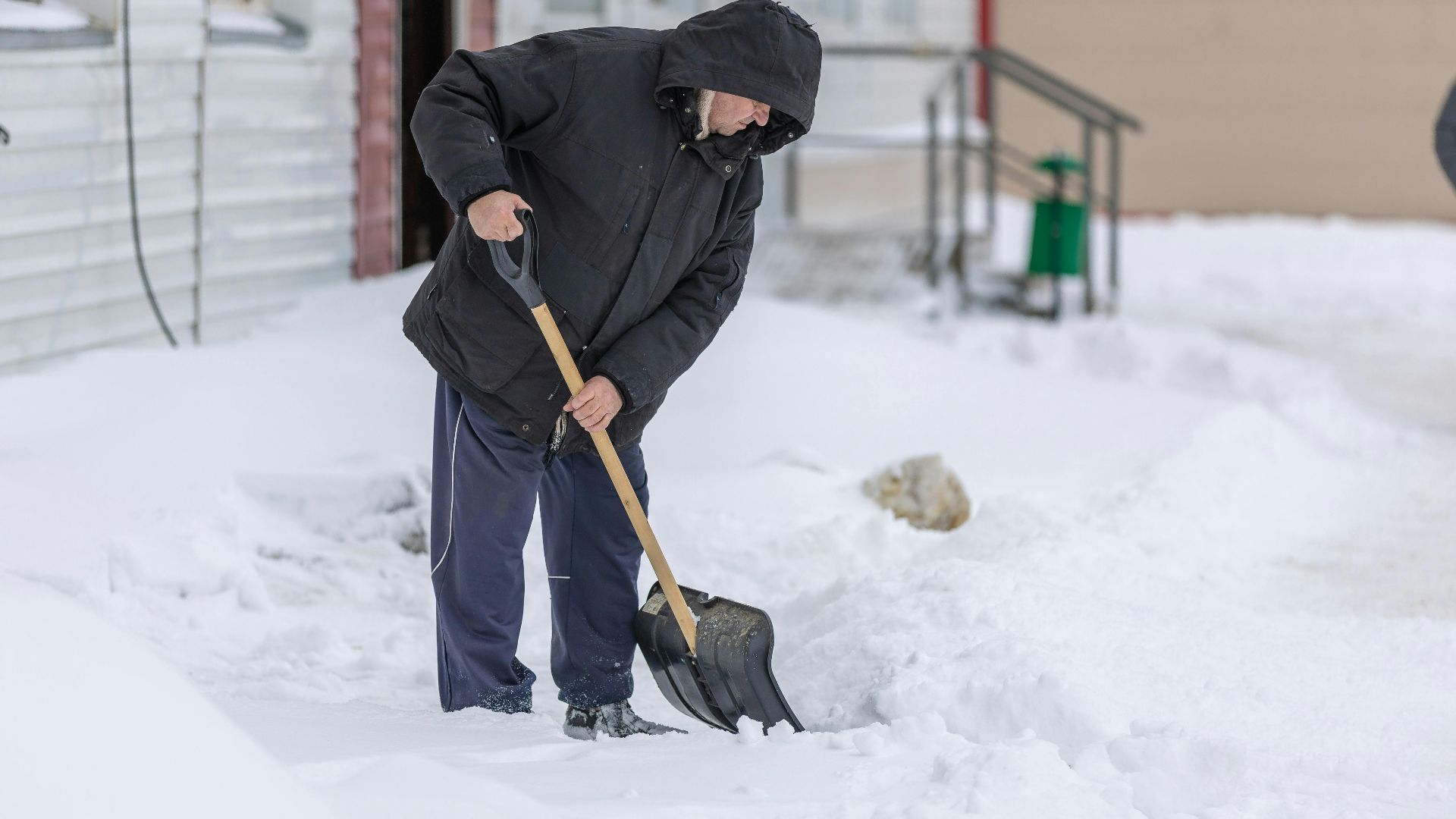
Clear ice before snow-blowing. Aim the chute away from people and roads. Pause if someone is nearby. Sometimes prevention is just slowing down and being extra cautious—even when it’s freezing and you want to be done already.
The Emotional Side Nobody Talks About
Accidents like this feel awful. Guilt, stress, and anxiety are normal reactions. Remember that accidents happen, and systems like insurance exist because no one is perfect—especially in winter.

State Laws Can Change The Outcome
Liability rules vary by state. Some are more homeowner-friendly; others favor injured parties. While the general principles are similar, local law can tip the balance, which is why insurers handle these cases carefully.

A Realistic Best- And Worst-Case Scenario
Best case: your insurance covers the medical bills, tensions cool down, and everyone moves on. Worst case: coverage disputes arise, and you face partial out-of-pocket costs. The reality usually lands somewhere in between—not catastrophic, but not trivial either.
 Karolina Grabowska www.kaboompics.com, Pexels
Clearing Snow Without Clearing Your Savings
So, do you have to pay the hospital bill? Possibly—but not automatically, and probably not alone. Liability depends on care, context, and coverage. The smartest move is to involve your insurer, act responsibly, and learn from the experience. Winter may be unavoidable, but financial disaster usually isn’t.

You May Also Like:
How the 1982 Copper and Zinc Pennies Changed US Coinage Forever