When One Cent Stopped Being Simple
Pocket change rarely earns a second look, yet one ordinary year quietly rewired the penny’s future. A cost problem, a midstream decision, and a coin nobody bothered to announce created a split that still echoes in jars and rolls today. Some cents aged with dignity. Others did not. That difference matters more than it sounds. Stick around and look closer. The smallest denomination ended up carrying one of the strangest modern money stories hiding in plain sight.
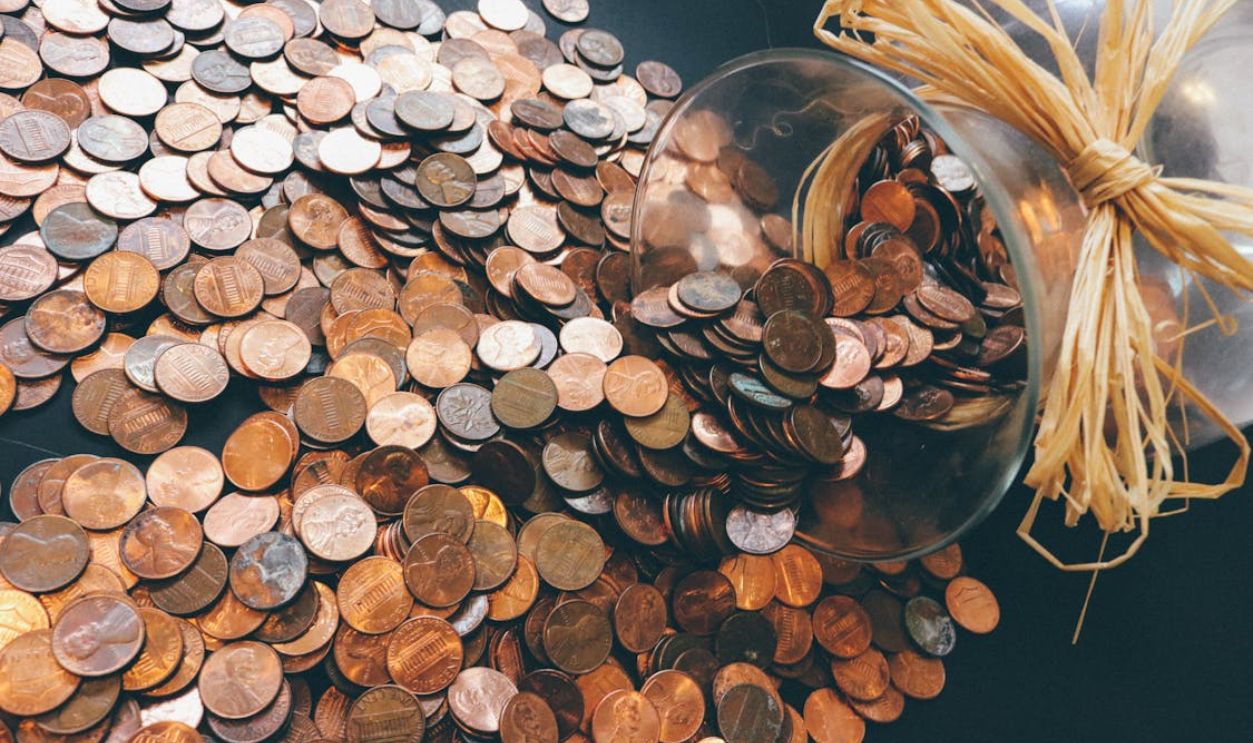
 Katt Yukawa, Unsplash, Modified
Why 1982 Changed The Penny Forever
For decades, US pennies followed the same copper formula. Rising metal costs finally forced a change in 1982. That year became a transition rather than a clean break. As a result, pennies struck months apart can differ entirely in composition, even though they look identical.
Copper Became Too Expensive To Ignore
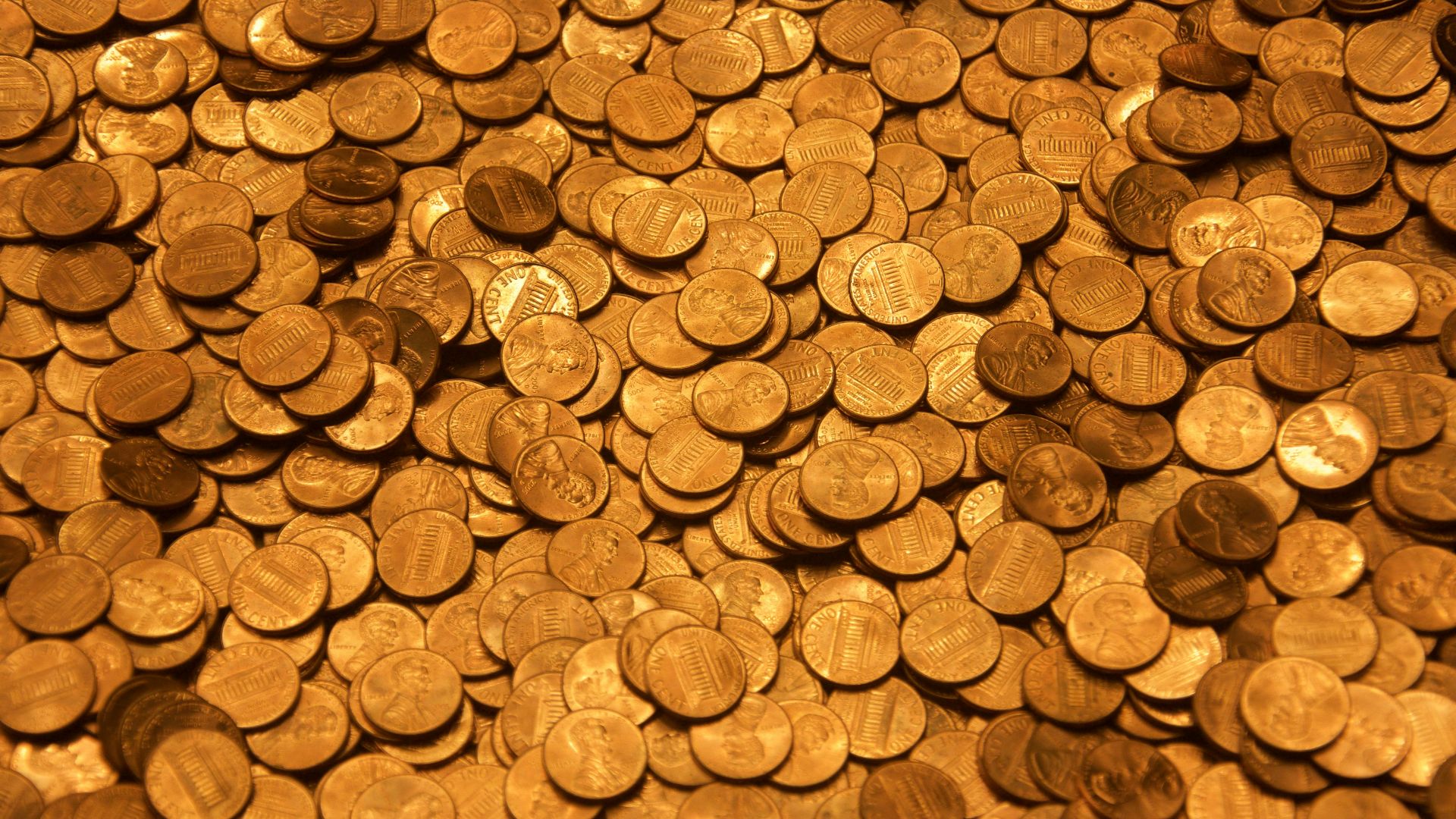
By the late 1970s, copper prices climbed high enough to threaten production costs. Eventually, making a penny nearly costs more than one cent. Pressure mounted on the United States Mint, pushing officials toward a cheaper alternative that could stabilize expenses.

Two Pennies, One Date
In 1982, the Mint produced pennies using both copper and zinc. No recall followed. Instead, both versions entered circulation together. That overlap created long-term confusion, since date and mint mark alone provide no clue about what metal hides inside.
Weight Tells The Real Story
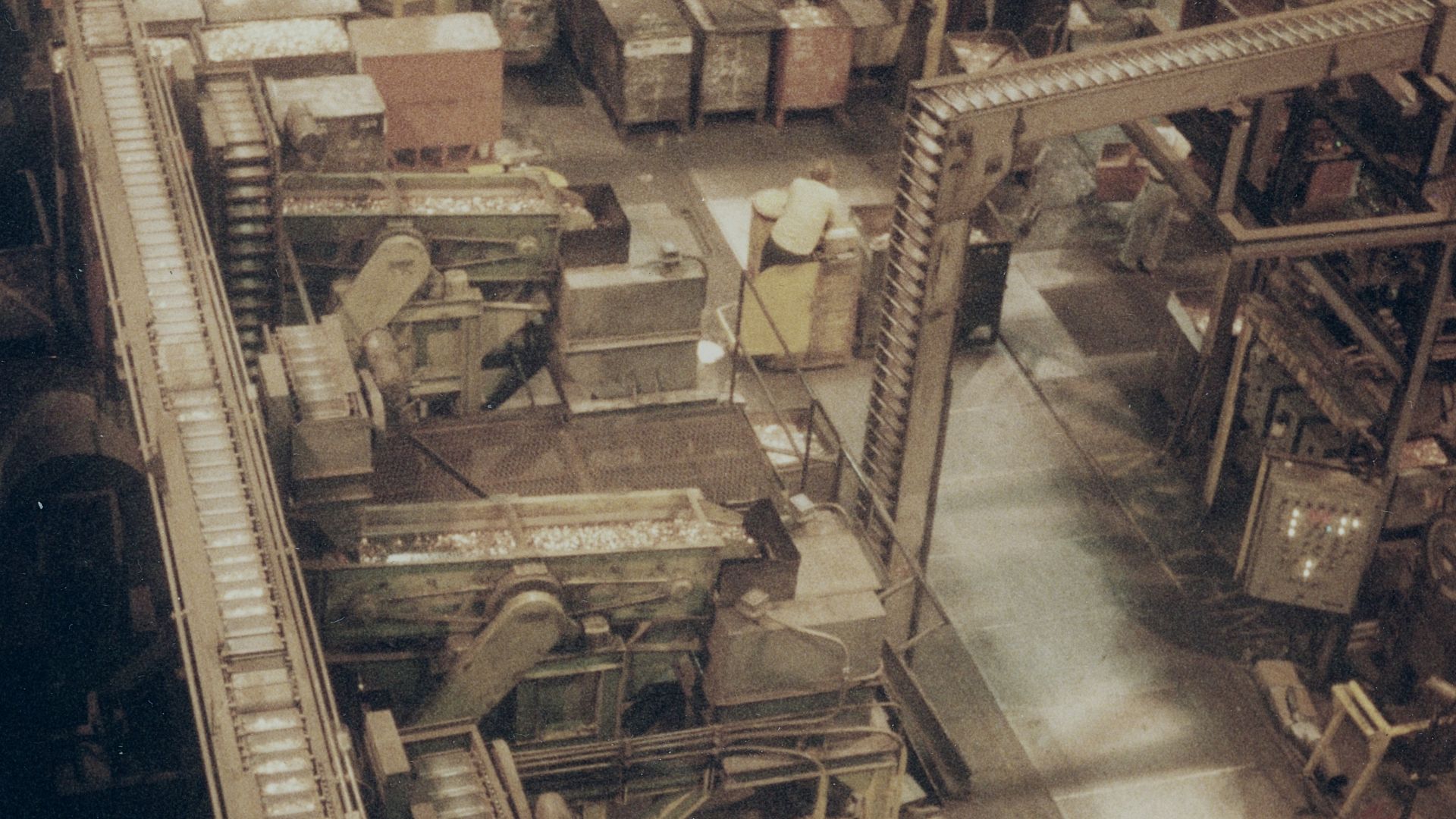
Composition differences reveal themselves through weight. Copper pennies register at about 3.11 grams, while zinc versions weigh closer to 2.5 grams. Because visual inspection fails, collectors rely on scales rather than eyesight to separate valuable examples from ordinary change.

Not All 1982 Copper Pennies Matter Equally
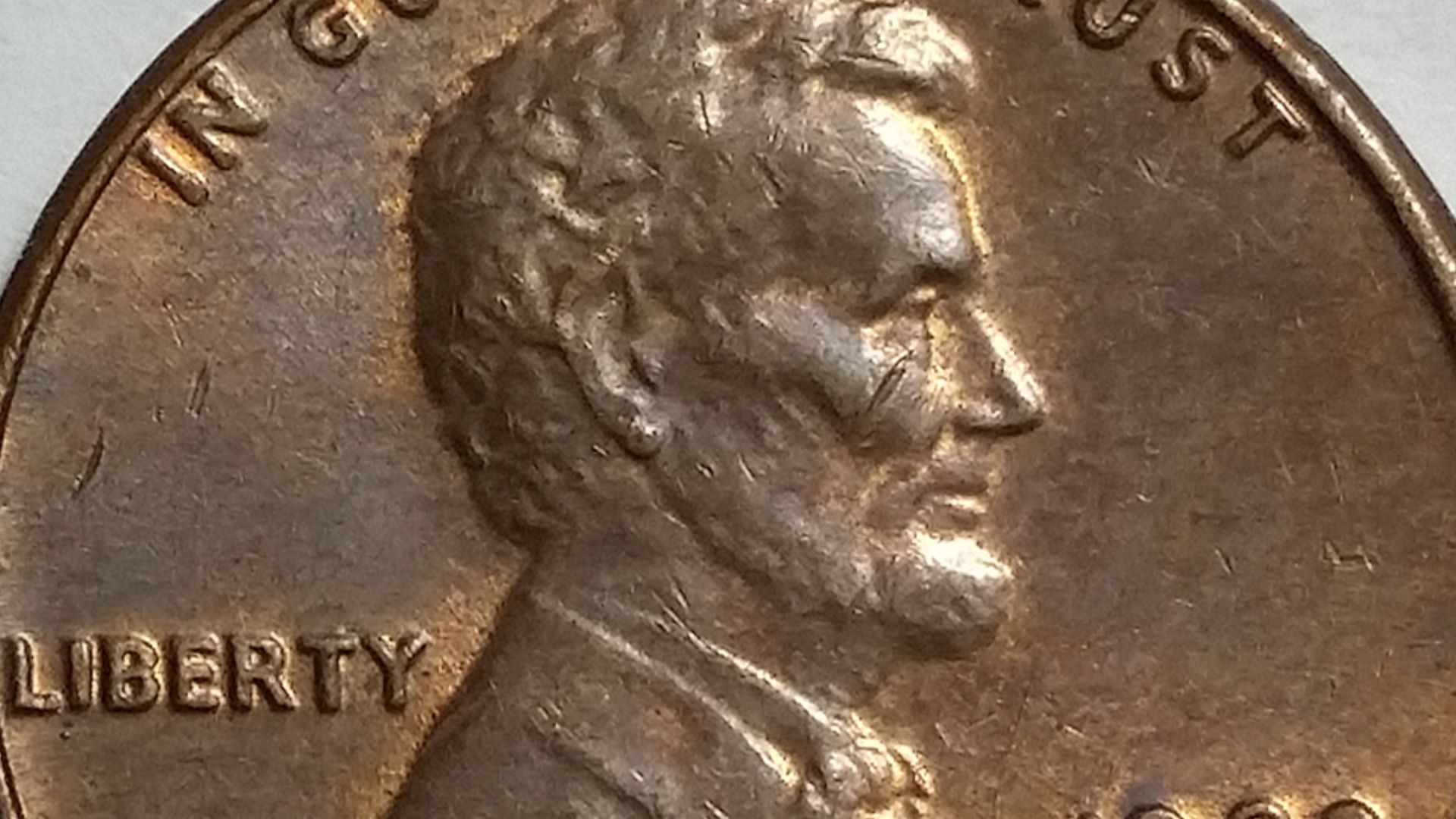
Some copper examples appear far more often than others, depending on where and when they were struck. Rarity varies by mint and production run. As a result, value grows slowly and unevenly, favoring specific coins rather than every copper penny saved.
Why Copper Pennies Were Never Recalled
Once zinc production began, the government allowed copper pennies to remain in circulation. Removing billions of coins would have cost more than leaving them in place. That decision quietly preserved a mixed supply, which later gave collectors something unusual to sort through.
Metal Value Versus Face Value
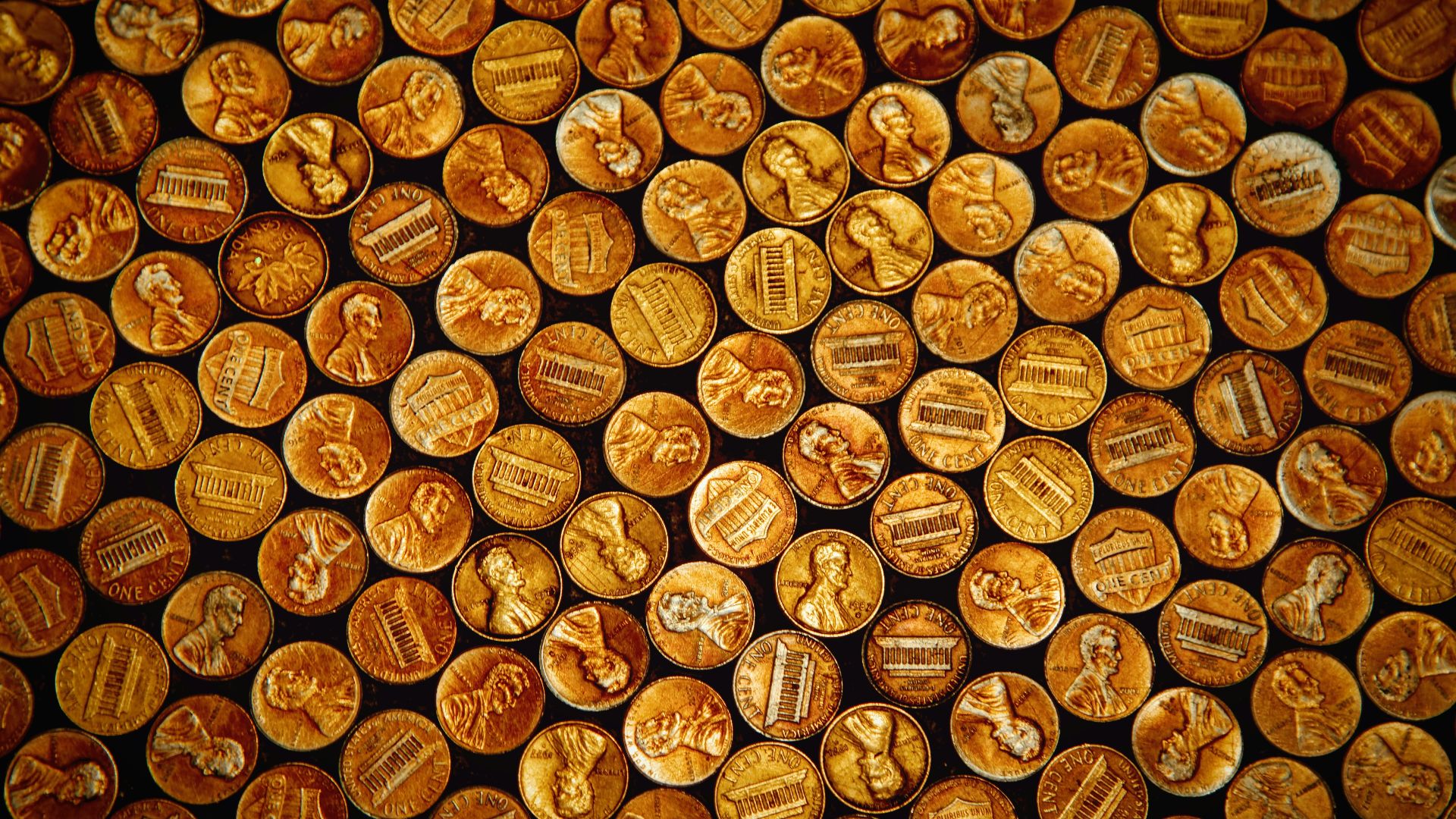
At various points, the copper inside older pennies has been worth more than one cent. Prices fluctuate, however, and profit remains unrealized. Because melting cents is illegal, value stays theoretical, reinforcing scarcity without removing coins officially from circulation.
Why Melting Is Not Allowed
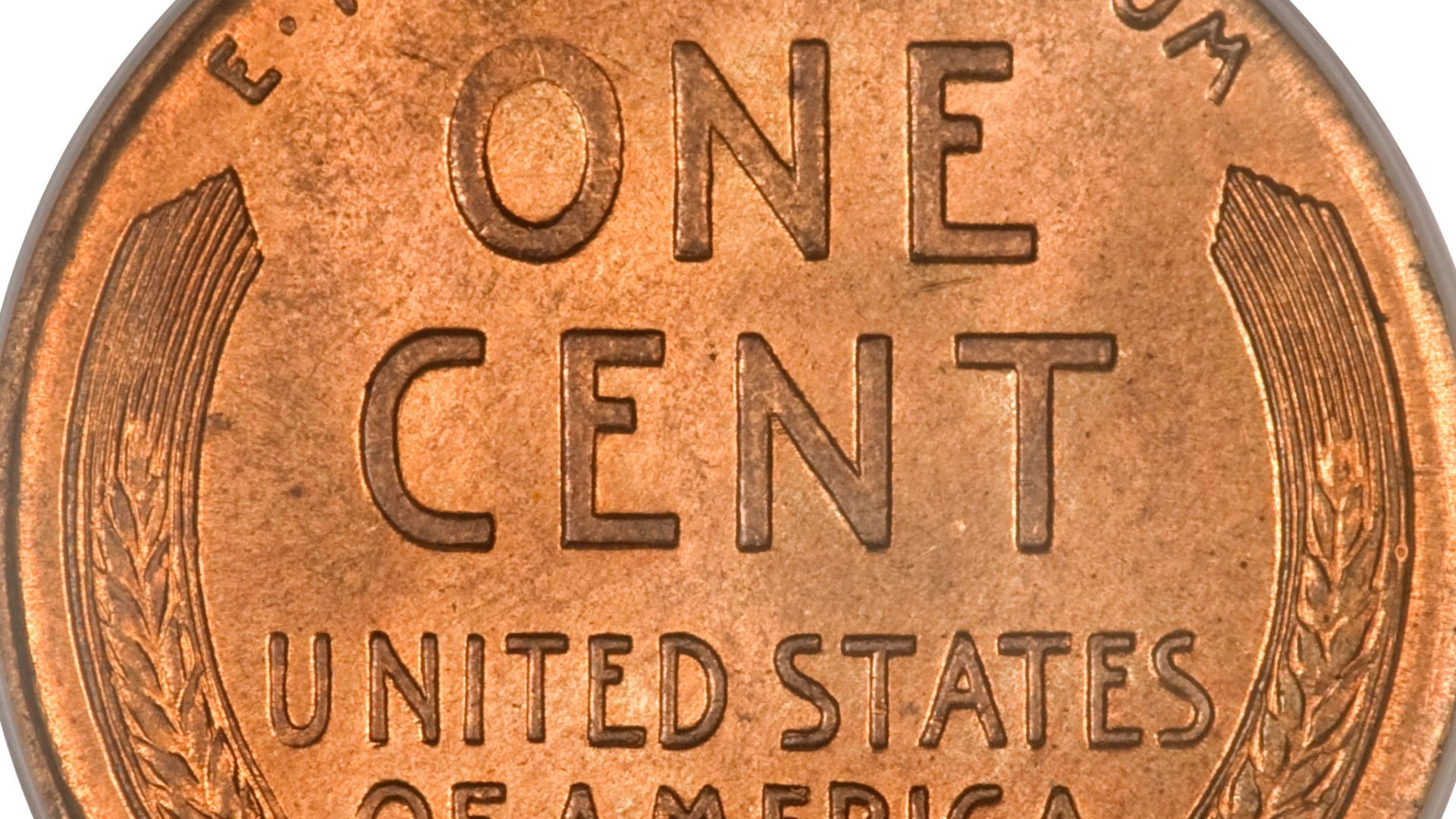
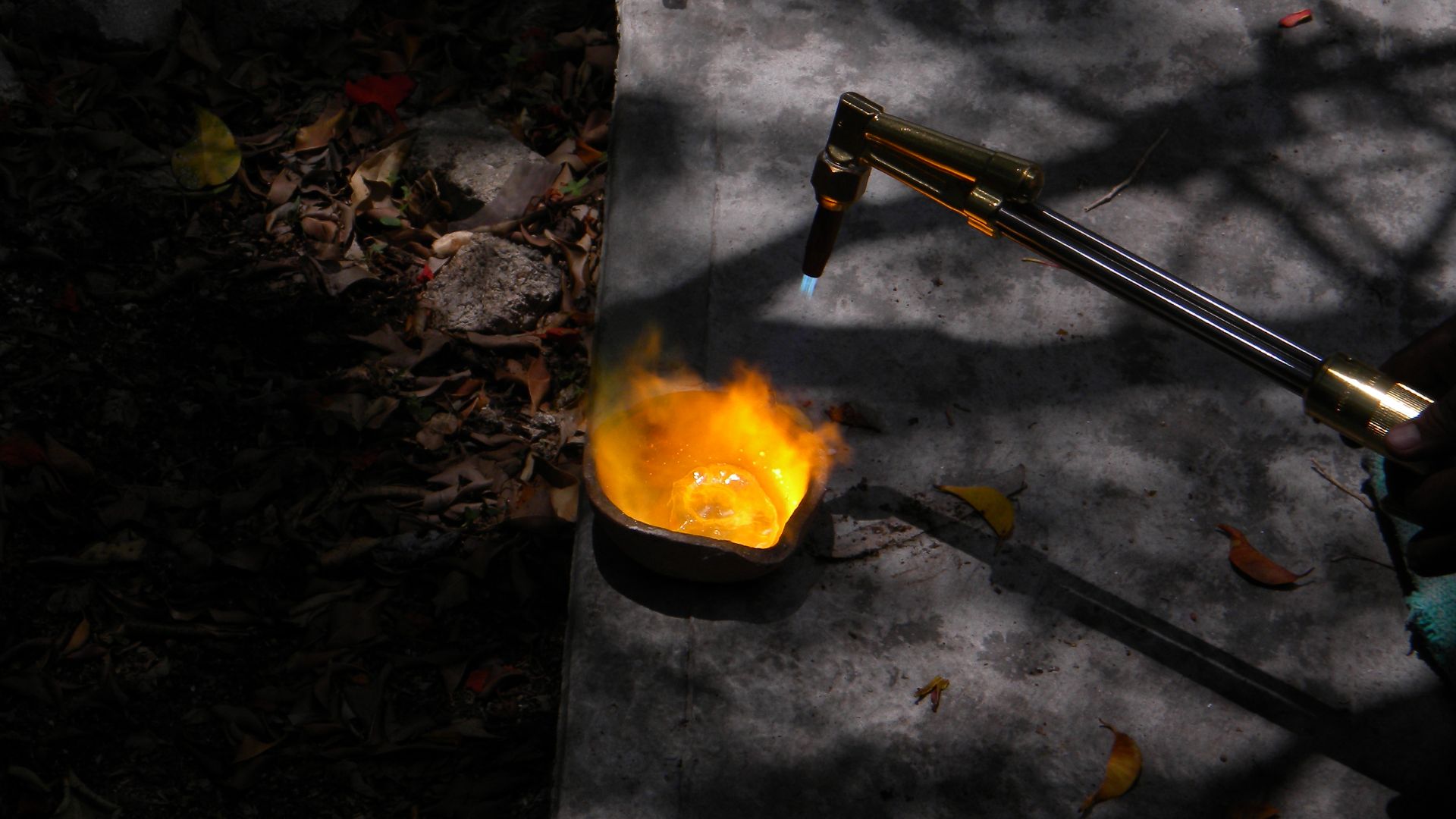
Federal rules prohibit melting or exporting pennies for metal recovery. The goal is to protect coin supply, not to aid collectors. These restrictions limit sudden supply loss, which keeps copper pennies circulating slowly while interest builds quietly over time.
 Maximilian Paradiz from Amsterdam, Netherlands, Wikimedia Commons
Hoarding Changed The Supply Curve
Collectors and roll hunters began setting aside copper pennies decades ago. Each coin removed reduces circulation slightly. That gradual process matters more than headlines. Over time, availability tightens without dramatic spikes, favoring patience rather than speculation.

Zinc Pennies Age Poorly
Zinc cores corrode quickly once copper plating breaks. Damage spreads fast, unlike solid copper coins. As zinc pennies degrade, they disappear through wear and rejection. That contrast leaves copper examples looking better longer, which subtly boosts collector preference.
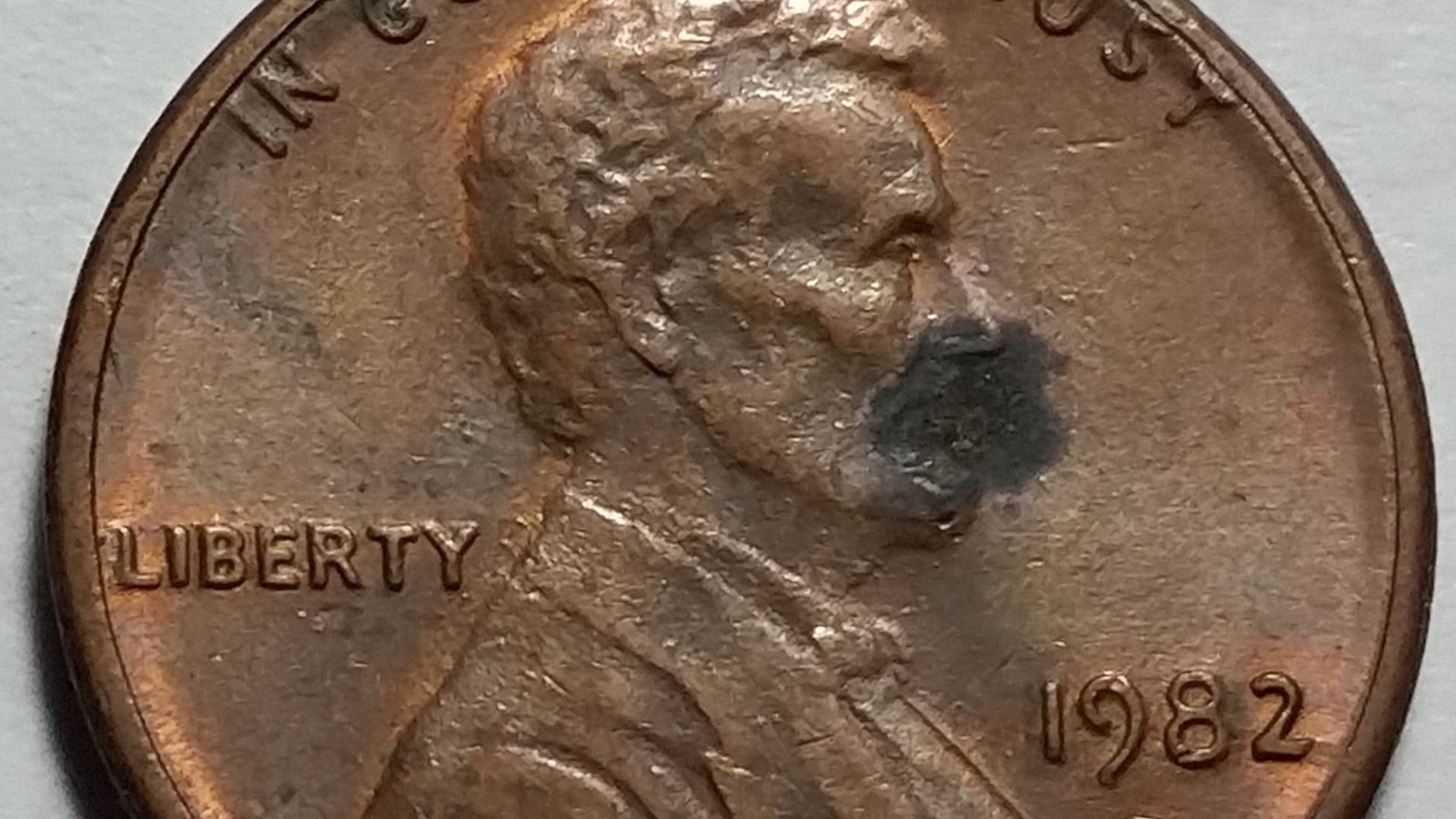
Condition Separates Interest From Value
Circulated copper pennies remain common. Condition changes everything. Uncirculated examples avoid surface wear and oxidation that lowers appeal. Because copper reacts slowly, preservation favors coins set aside early. Higher-grade pieces also attract consistent demand, while worn examples trade mainly as bulk metal proxies.
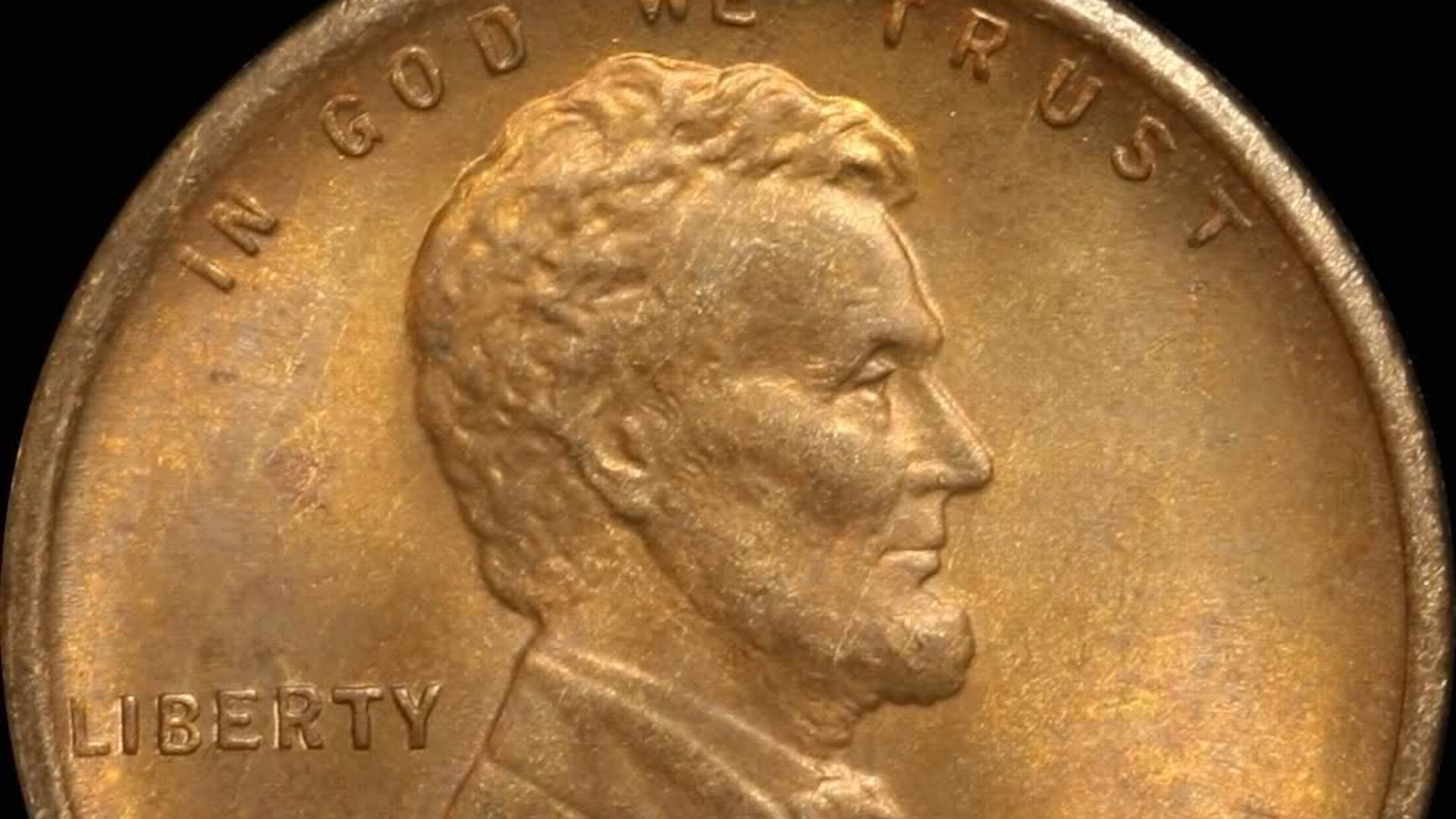 Coin: Victor David Brenner, Image by Lost Dutchman Rare Coins, Wikimedia Commons
Why Collectors Look Beyond Face Value
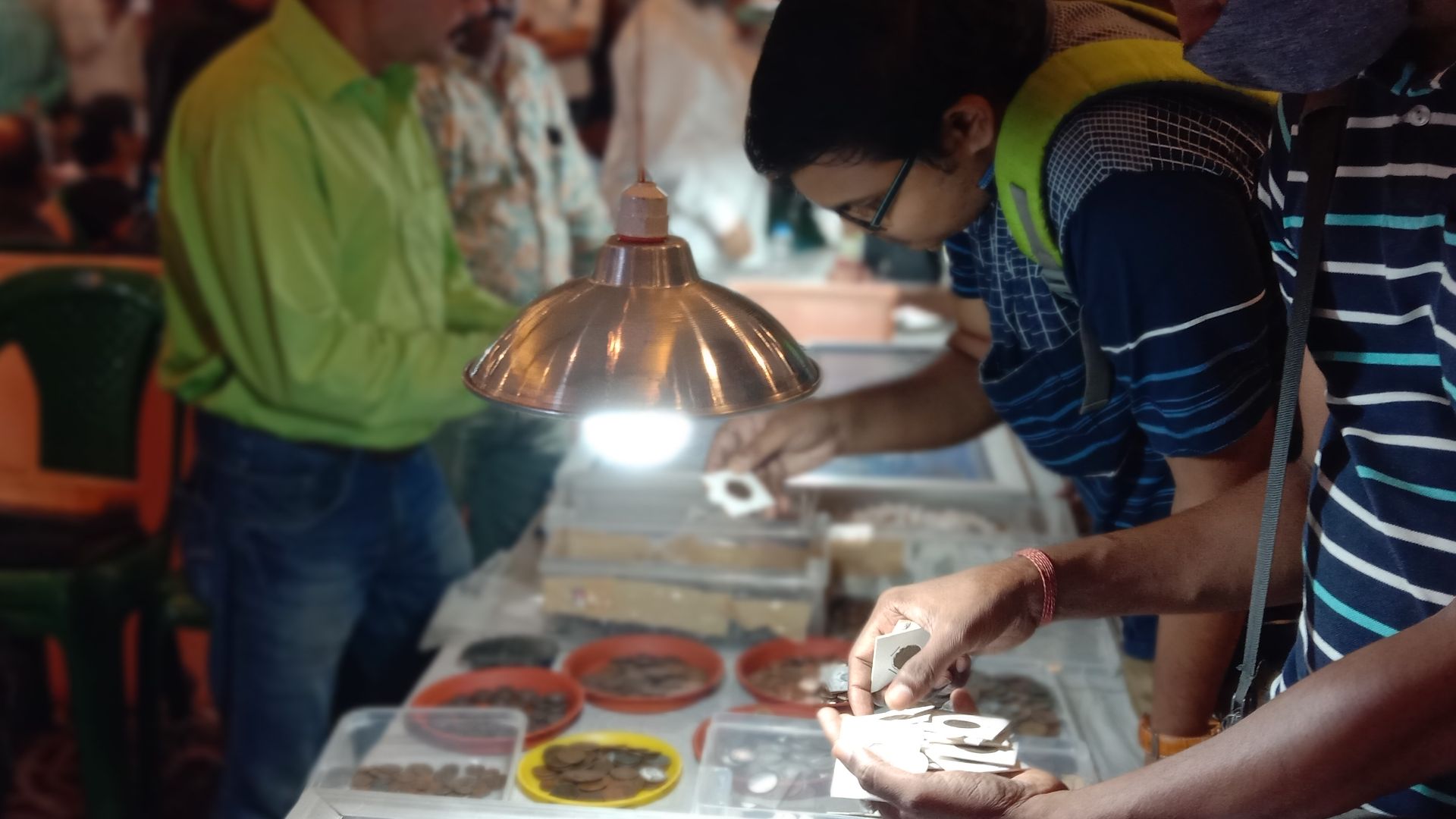
Collectors rarely chase copper pennies for quick profit. The appeal lies in material history and transition significance. Ownership feels tangible. Unlike novelty coins, copper cents reward patience. Value builds quietly through accumulation, not excitement, which keeps attention focused among serious hobbyists.
 Billjones94, Wikimedia Commons
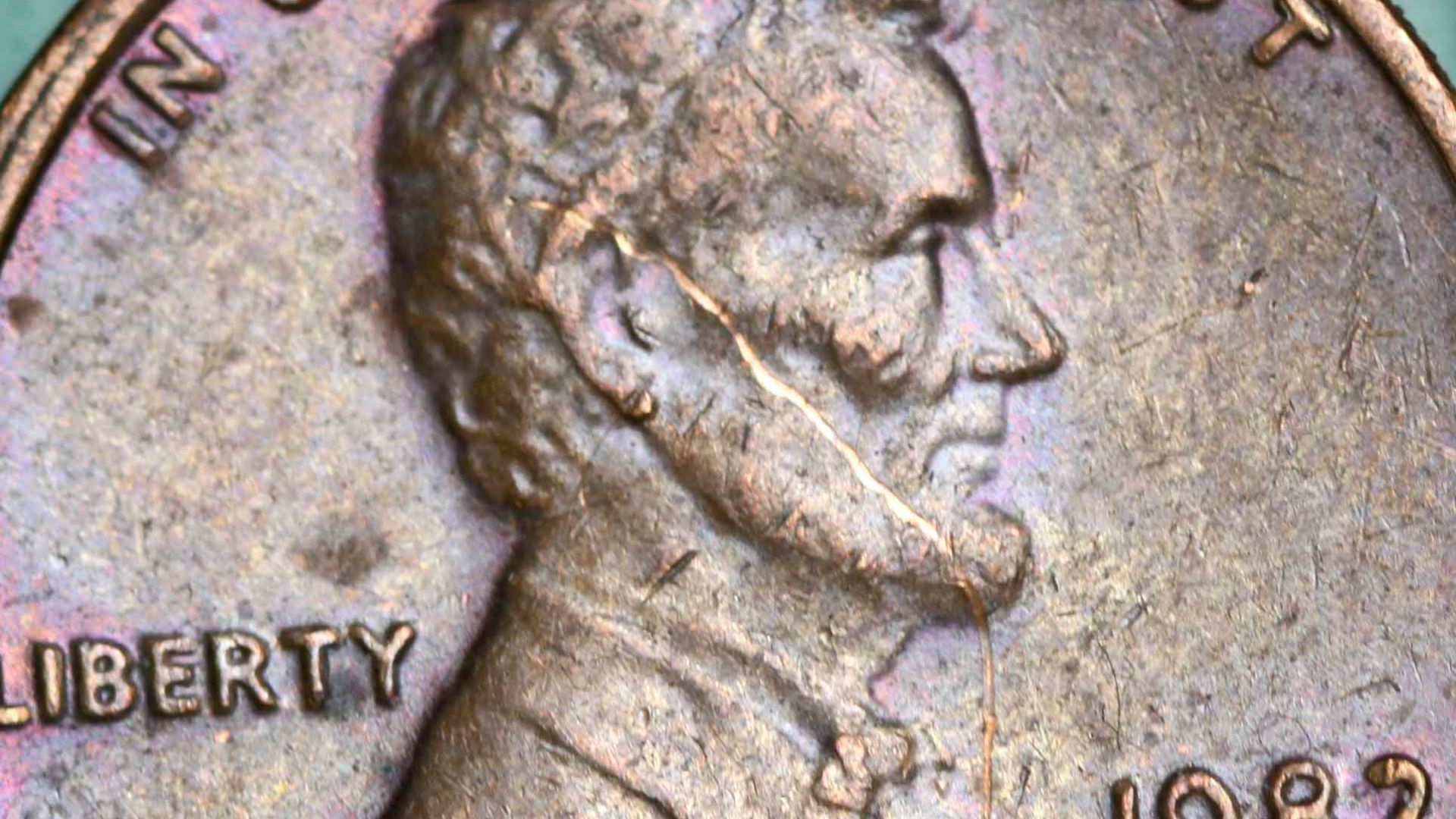
Errors Add Another Layer
Some 1982 pennies display recognized die varieties or striking anomalies. These remain separate from the metal value alone. Errors draw specialized interest, especially when paired with copper composition. Such coins command premiums based on scarcity, condition, and documentation rather than weight or melt comparisons.
 Mark Morgan from Trinidad, Wikimedia Commons
Why Dealers Stay Quiet About Prices
Bulk copper pennies trade above face value, yet prices fluctuate with metal markets. Dealers avoid public hype because margins stay narrow. Transactions happen steadily instead. That low visibility keeps demand stable, favoring informed buyers who understand long-term movement over dramatic short-term gains.
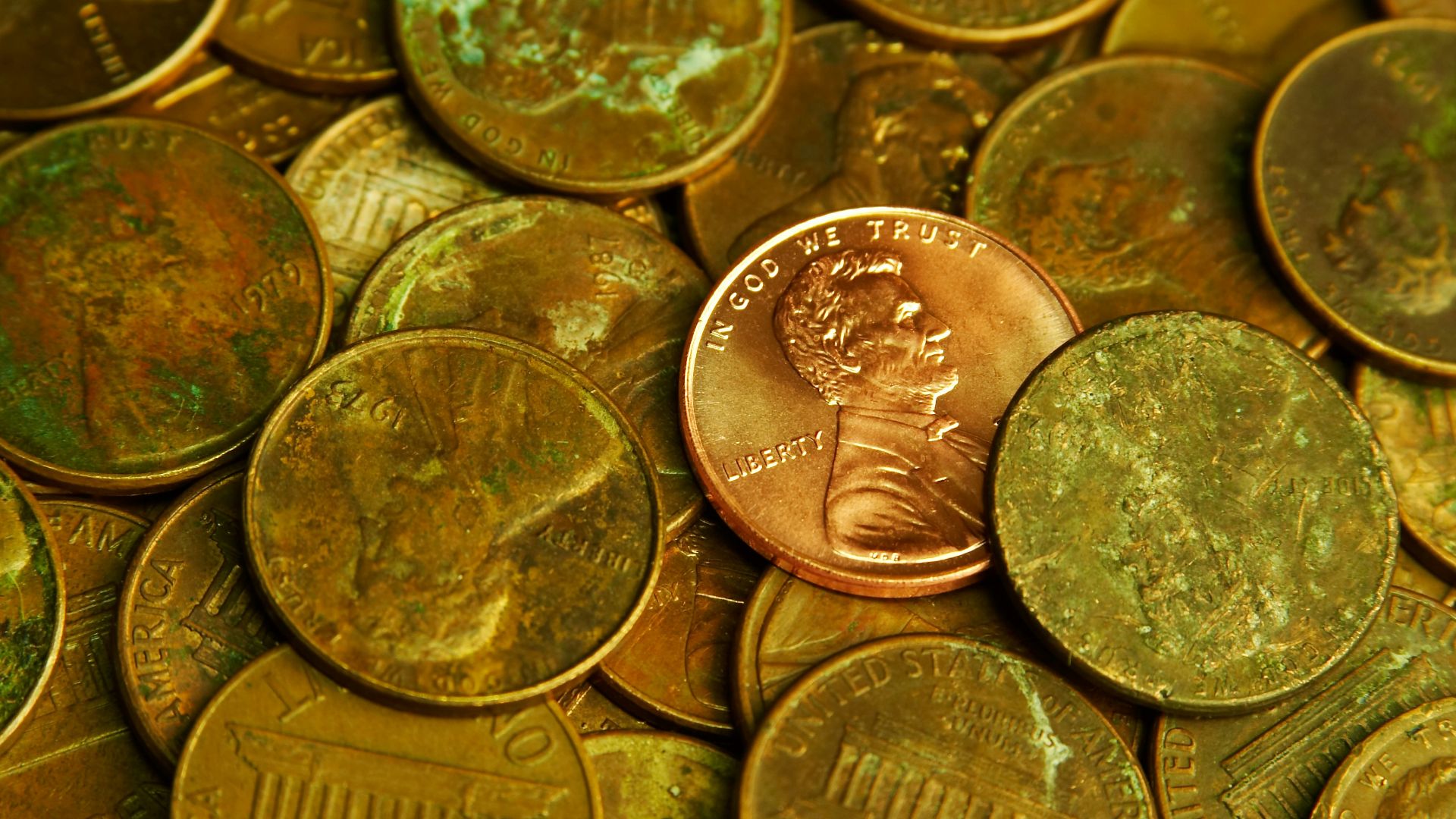
The Appeal Of The Last Copper Cent
People gravitate toward endings. The 1982 copper penny represents a closing chapter in everyday money. That emotional pull matters. Collectors value tangible transitions. Over time, that sense of finality sustains interest even when metal prices soften.
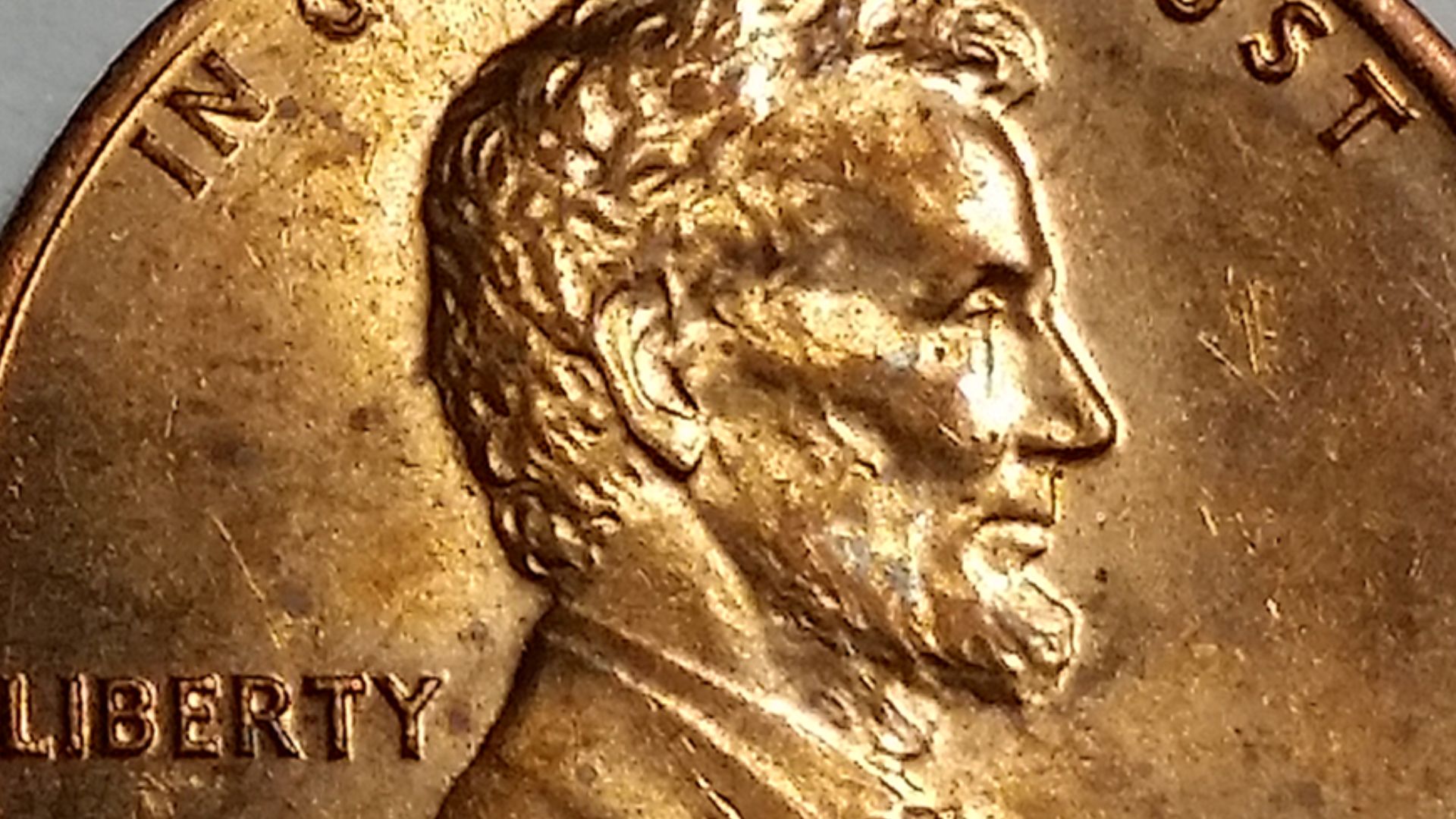
Inflation Brings Metal Back Into Focus
During inflationary periods, attention often returns to tangible materials. Copper benefits from that shift. Even small objects gain scrutiny. Pennies rarely lead the conversation, yet rising metal prices quietly reinforce why older compositions feel different and worth holding onto.
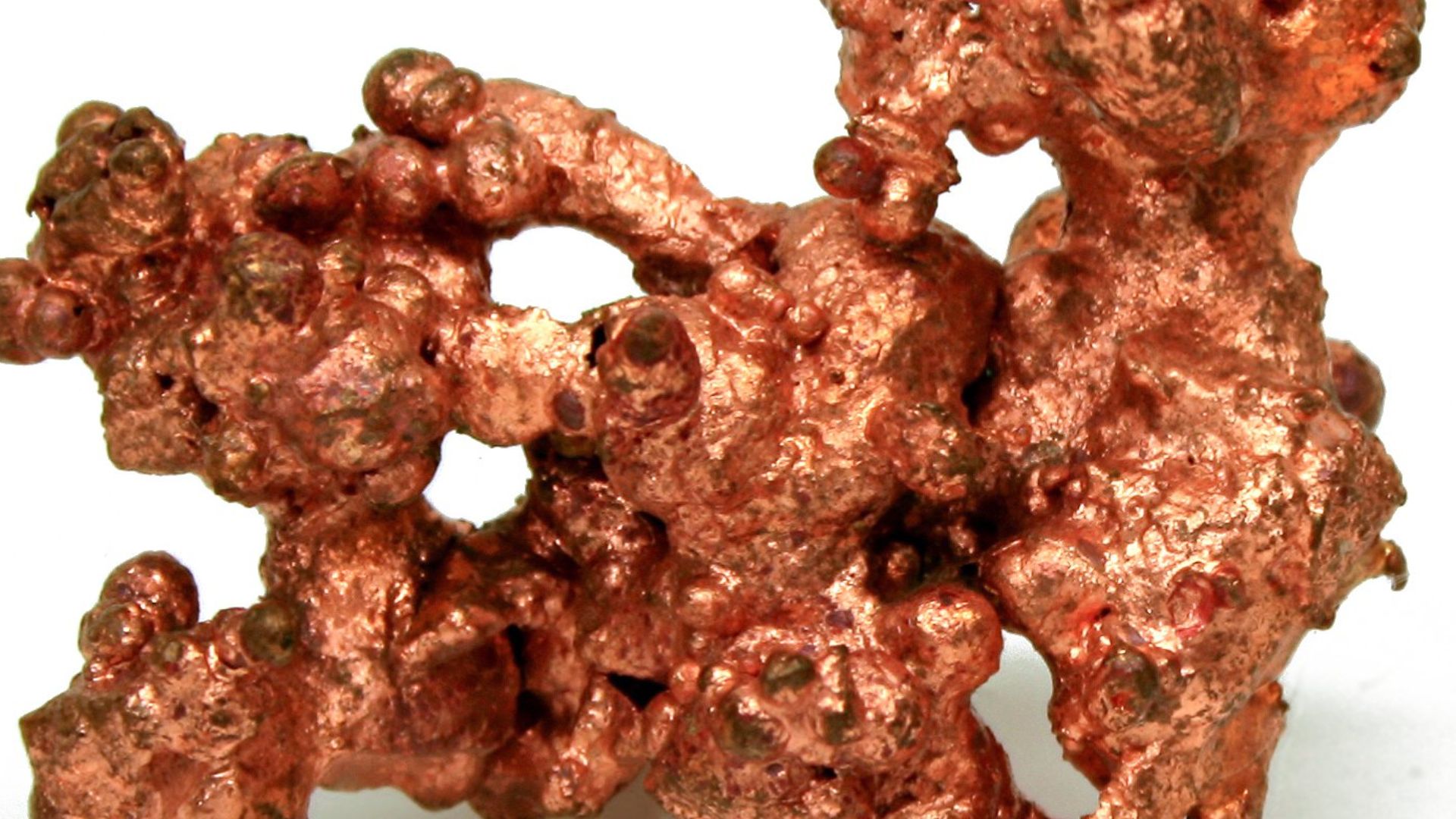 Native_Copper_Macro_Digon3.jpg: “Jonathan Zander (Digon3)
Why Supply Shrinks Without Headlines
Copper pennies leave circulation slowly through jars, rolls, and collections. No single event drives the change. Instead, removal happens one coin at a time. That pace matters. Gradual scarcity supports steady interest without the volatility seen in heavily promoted collectibles.
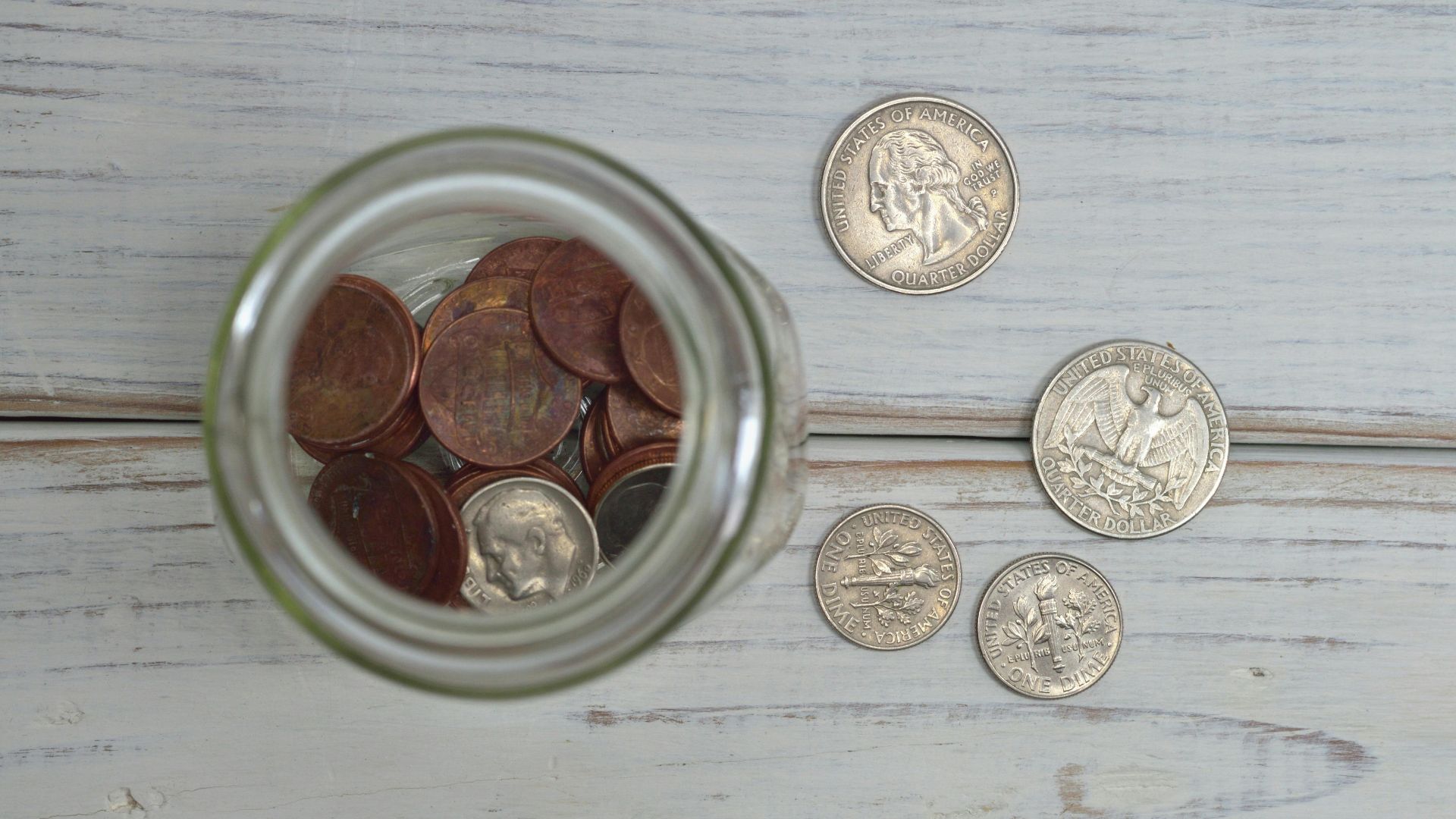
Banks Do Not Separate Pennies
Sorting coins by metal composition requires time and equipment that banks do not use. Processing also focuses on speed, not material analysis. As a result, copper and zinc cents continue mixing freely. Such randomness keeps discovery possible while preventing institutional interference.

Bulk Matters More Than Individual Finds
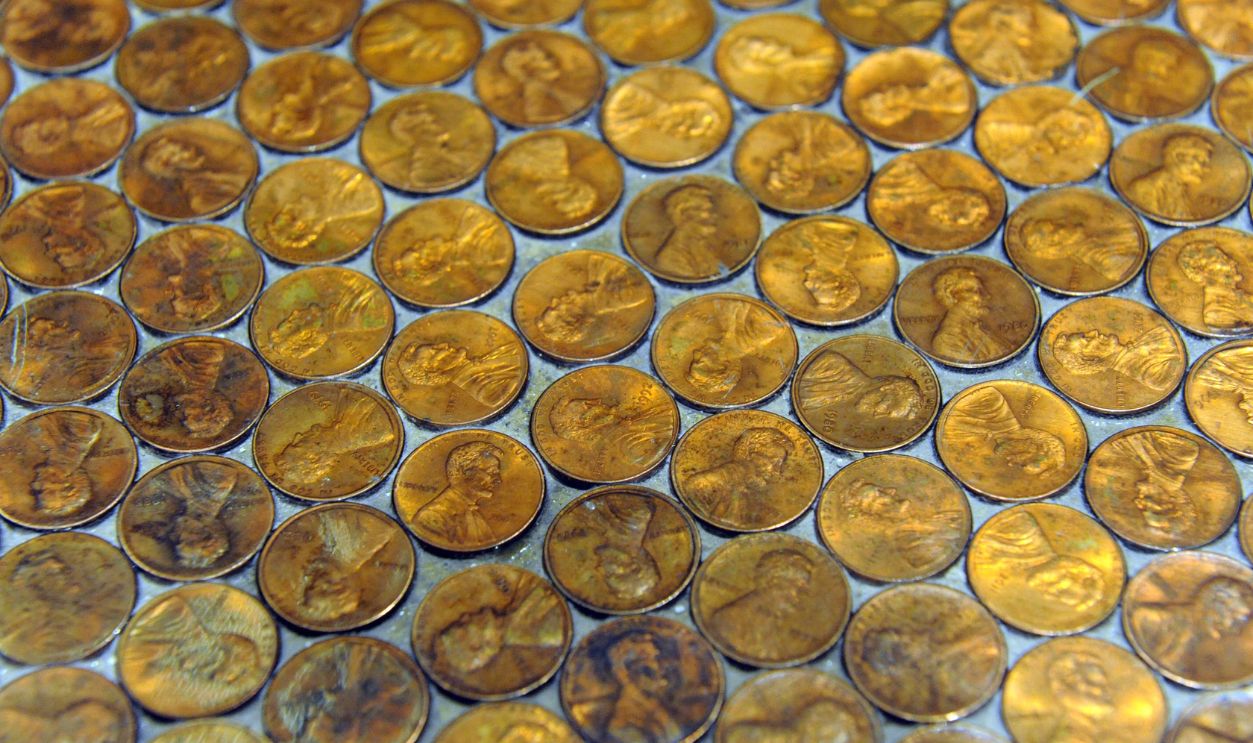
Isolated copper pennies hold limited appeal, but accumulation changes the equation. Value grows through quantity, and full rolls benefit most when metal prices climb. This approach favors patience and consistency, rewarding those who view progress in aggregate rather than individually.
 Albany Times Union/Hearst Newspapers, Getty Images
Why Growth Stays Quiet By Design
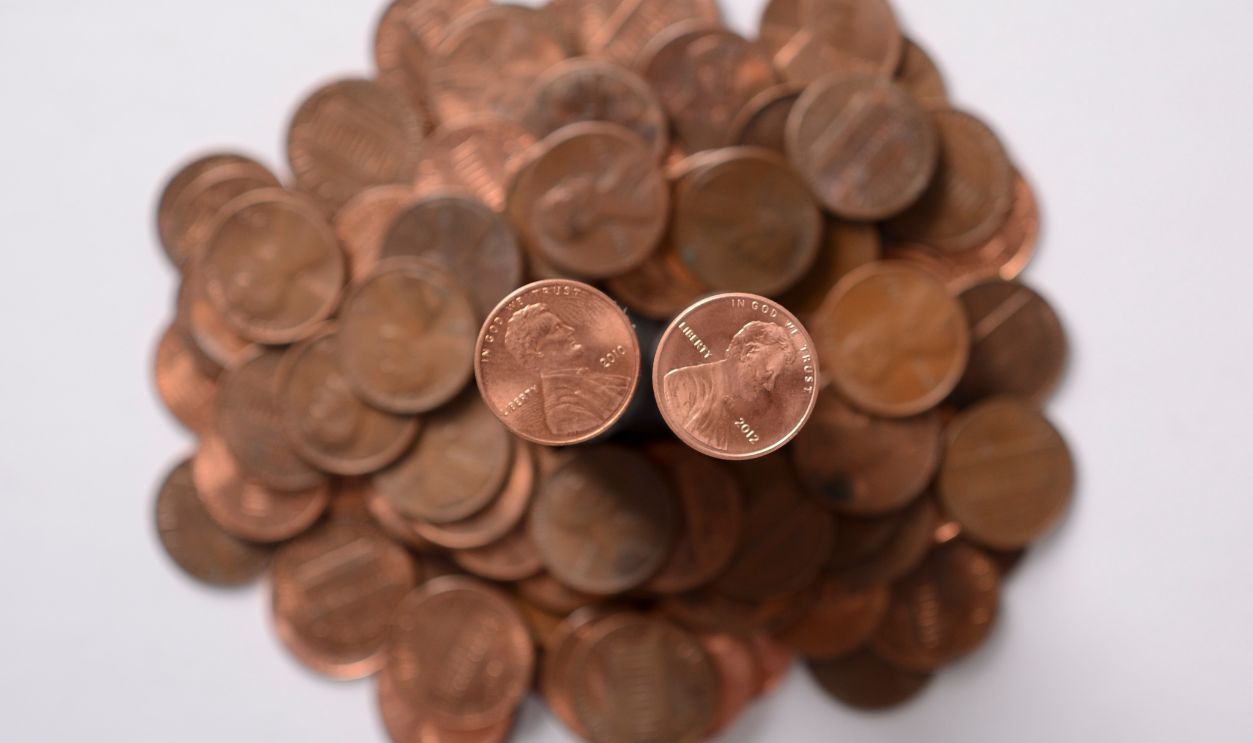
Copper pennies lack marketing and spectacle. No promotion pushes prices upward. Instead, value responds to metal markets and steady demand. That silence discourages speculation. Over time, the absence of noise becomes the feature that keeps participation grounded and informed.
 MediaNews Group/Reading Eagle, Getty Images
Condition Shapes Real Interest
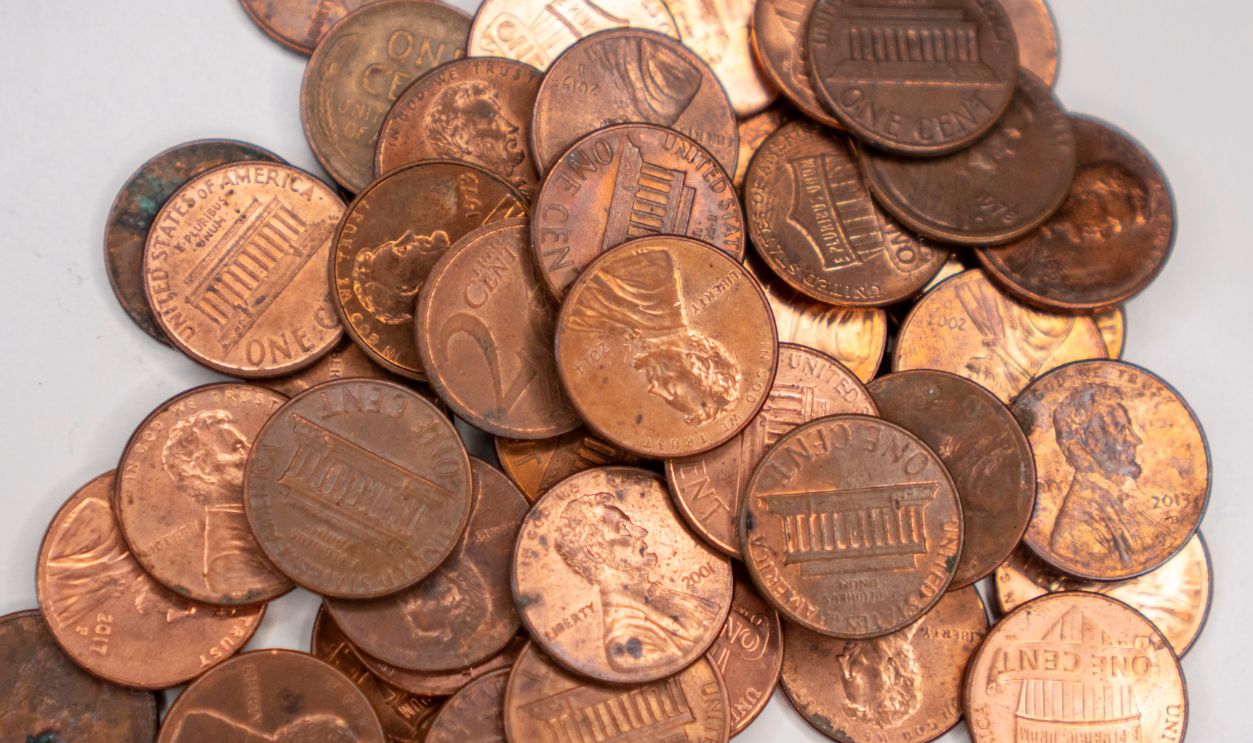
Surface wear separates curiosity from commitment. Heavy circulation dulls detail and darkens copper unevenly. Cleaner examples age better and feel more deliberate. Collectors gravitate toward coins set aside early, where preservation supports both visual appeal and long-term confidence.
Why Dealers Avoid Excitement
Pricing copper pennies leaves little room for speculation. Margins stay narrow. Volume matters. Dealers also prefer quiet transactions over noise. Stability benefits both sides, keeping expectations measured and discouraging short-term speculation driven by headlines instead of fundamentals.

Mint Transitions Rarely Leave Clear Paper Trails
Documentation from the 1982 shift remains incomplete in public records. Production changes occurred mid-year across multiple facilities, sometimes overlapping tooling and blanks. That lack of clean archival clarity prevents definitive mintage breakdowns, which sustains uncertainty and collector interest decades later.

Zinc Accelerates The Divide
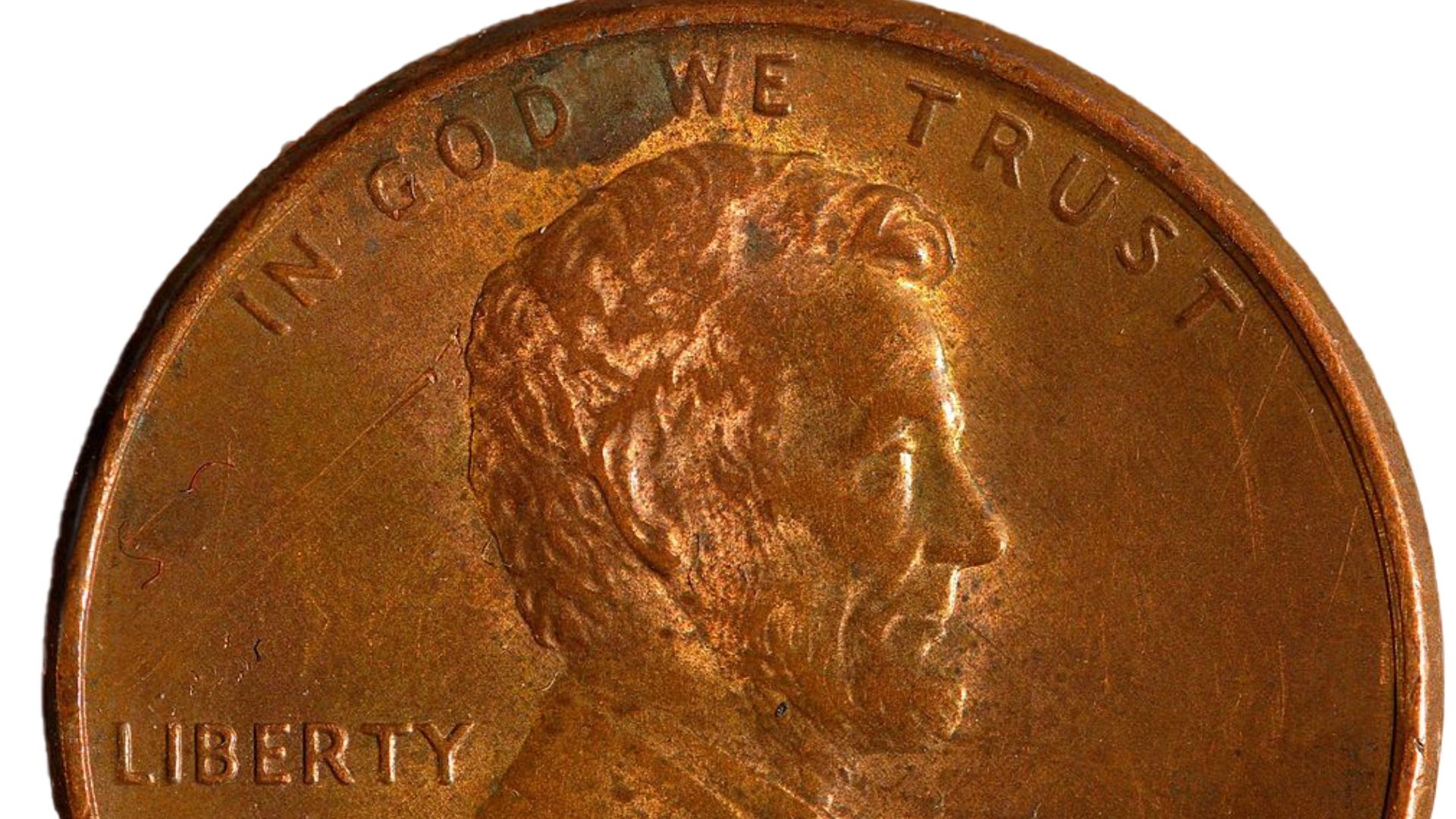
Once zinc cents start to fail, the decline happens fast. Plating breaks, corrosion spreads, and the coin looks rough almost overnight. Copper holds up better. Across decades, that visible difference shapes what people keep, even without conscious decision-making.
 Daniel Schwen, Wikimedia Commons
Why Hoards Stay Hidden
Once copper pennies leave circulation, they rarely make a comeback. People stash jars in basements, label boxes with vague intentions, and move on. Over the years, that quiet habit matters. Scarcity grows without fanfare, shaped by neglect rather than deliberate collecting.