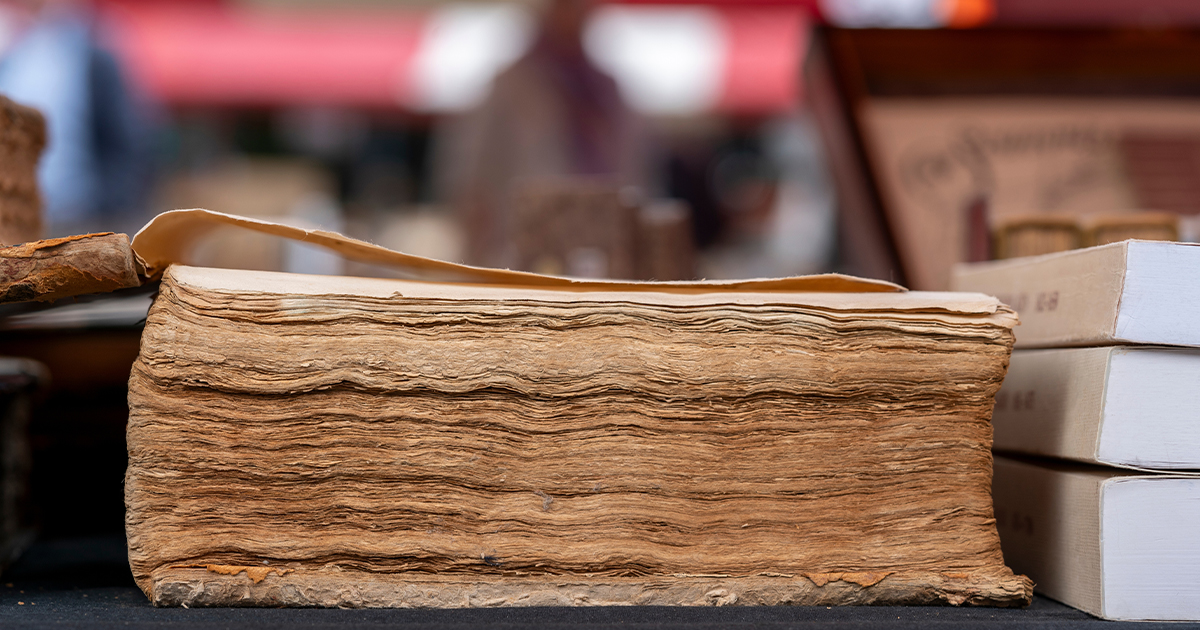
A Strange Old Book in a Pile of Donations
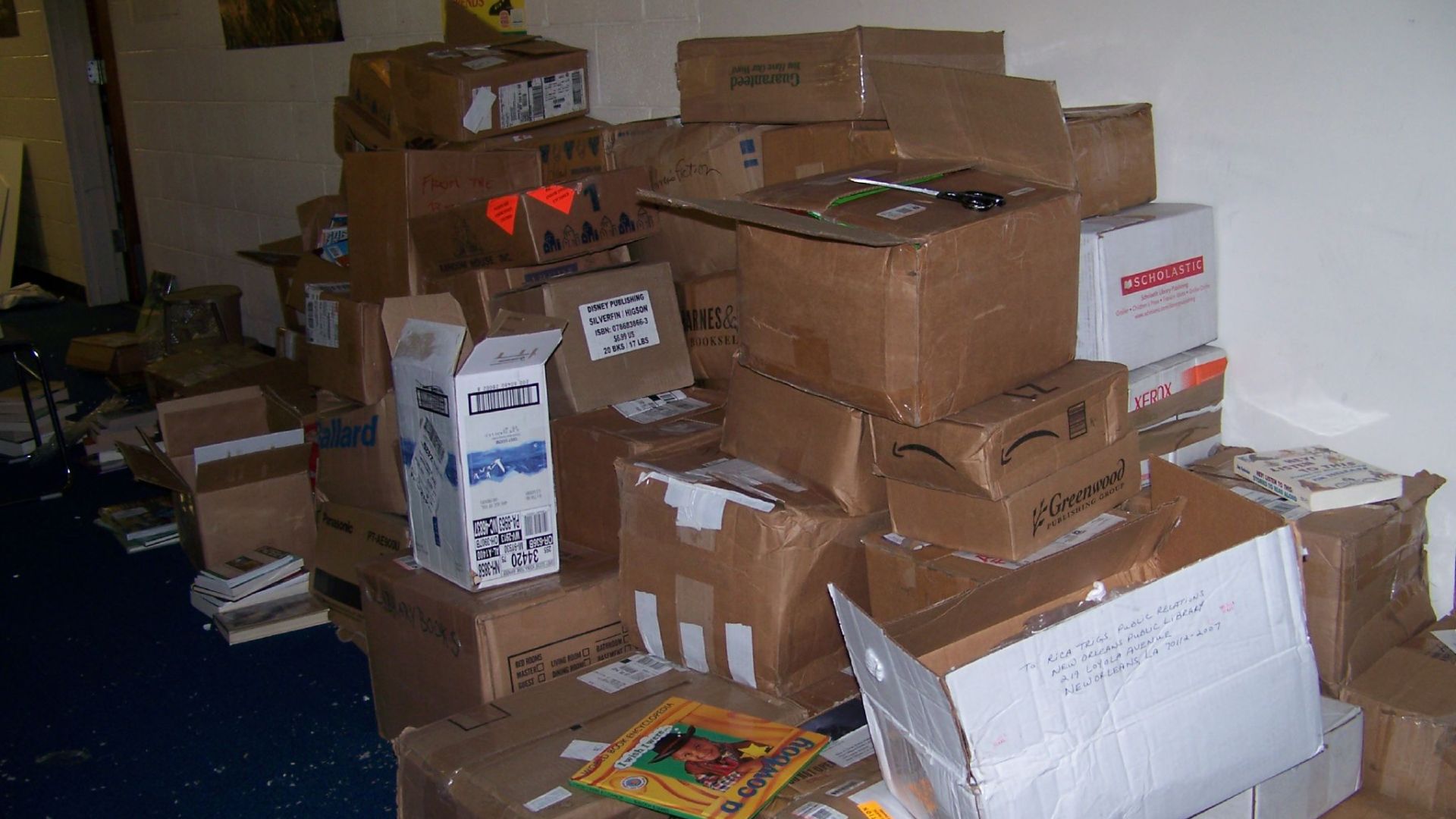
It was supposed to be another ordinary day at Michigan State University’s Surplus Store. Workers were sorting through a huge pile of donated books — thousands of them — when someone noticed a small, worn volume tucked near the bottom of a bin.
Just Another Donation?
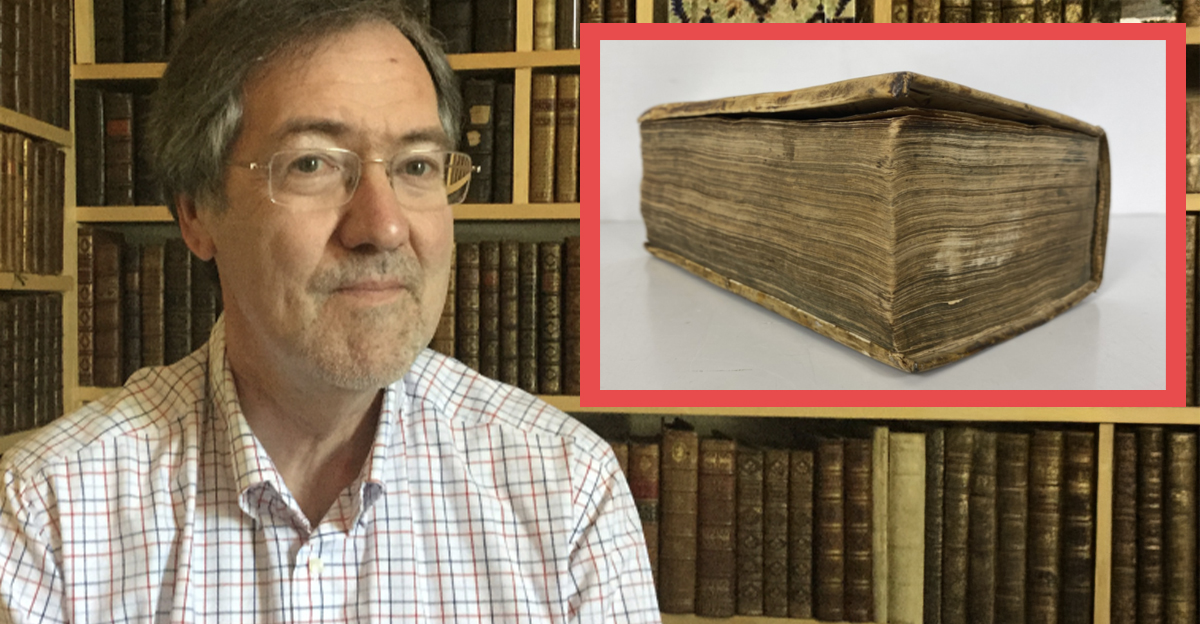
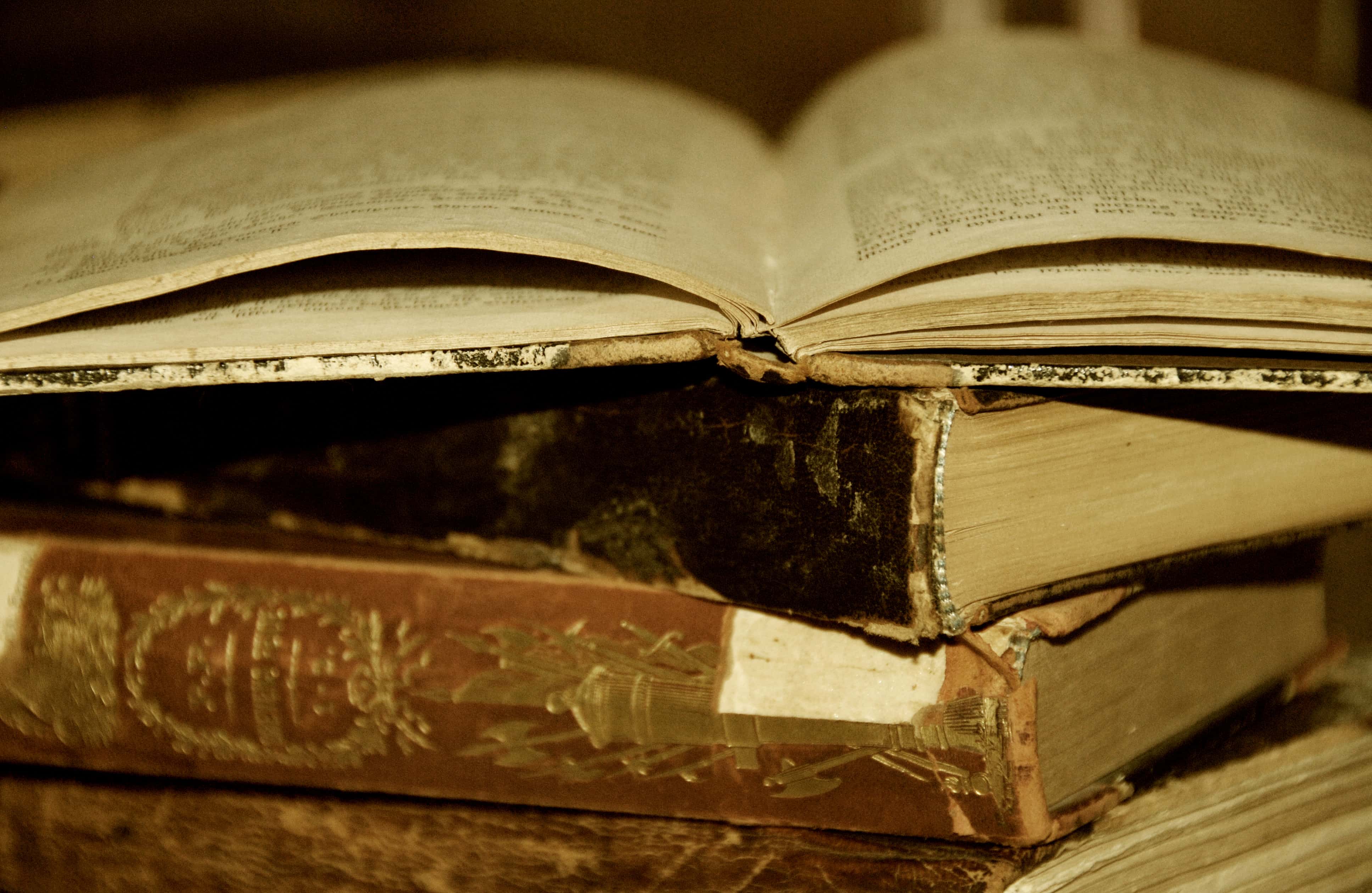
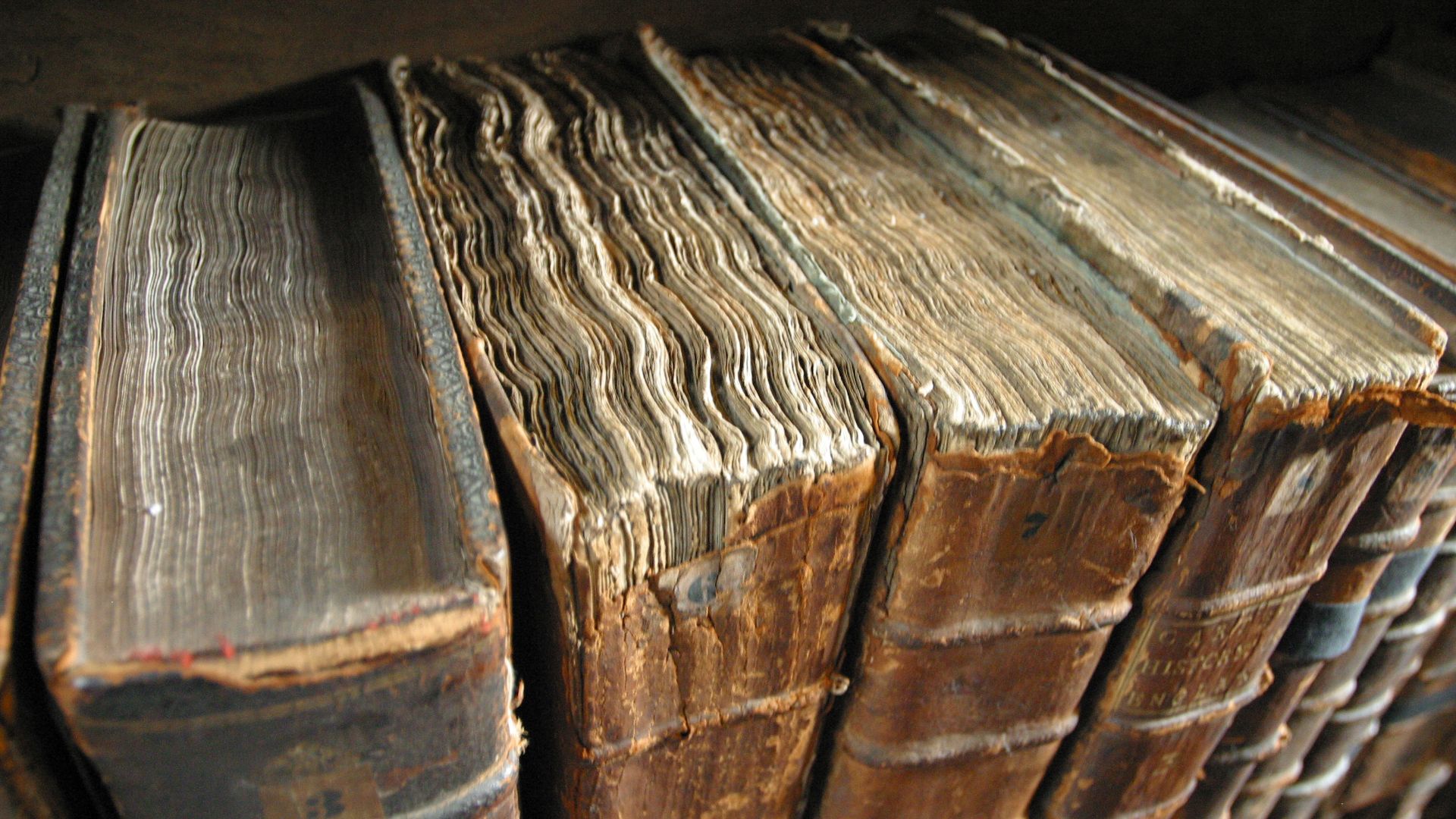
The book didn’t look like much. Its cover was faded, the pages yellowed, the leather brittle from age. Most people would’ve passed right over it. But something about it felt different — old, mysterious, almost too fragile to touch.
 Chris Lawton chrislawton, Wikimedia Commons
A Closer Look
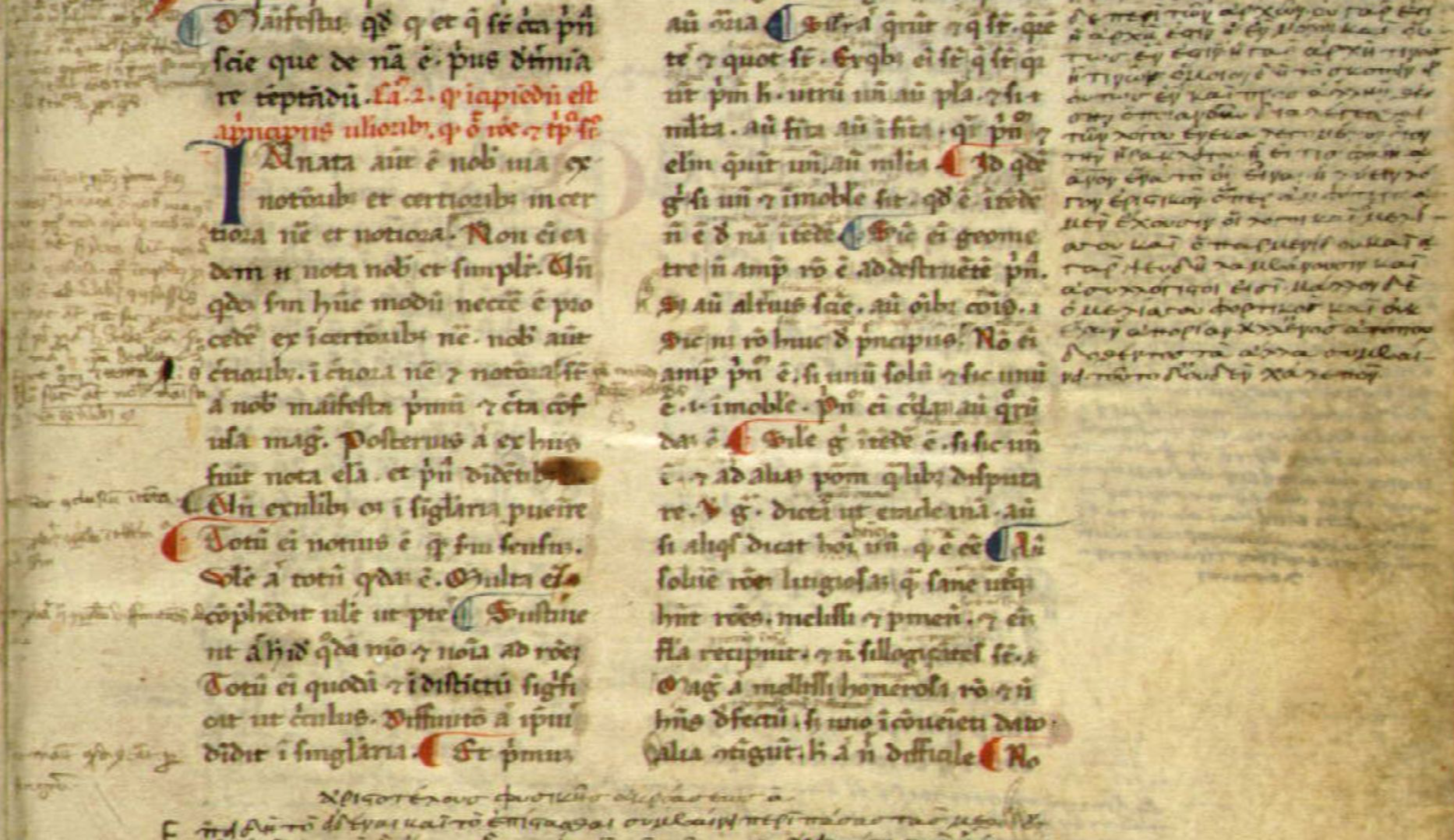
Curiosity got the best of one of the staff members, who gently opened the book. Inside were dense blocks of text, all in Latin, printed in a sharp, old-fashioned type. It was clear this wasn’t a modern reprint — it was the real deal.
The Smell of History
If you’ve ever opened an old book, you know that scent — paper, ink, and time mixed together. This one smelled like centuries. The workers joked that it might belong in a museum. Turns out, they weren’t far off.
 Bibliothek Wissenschaftspark Albert Einstein, Wikimedia Commons
A Little Research
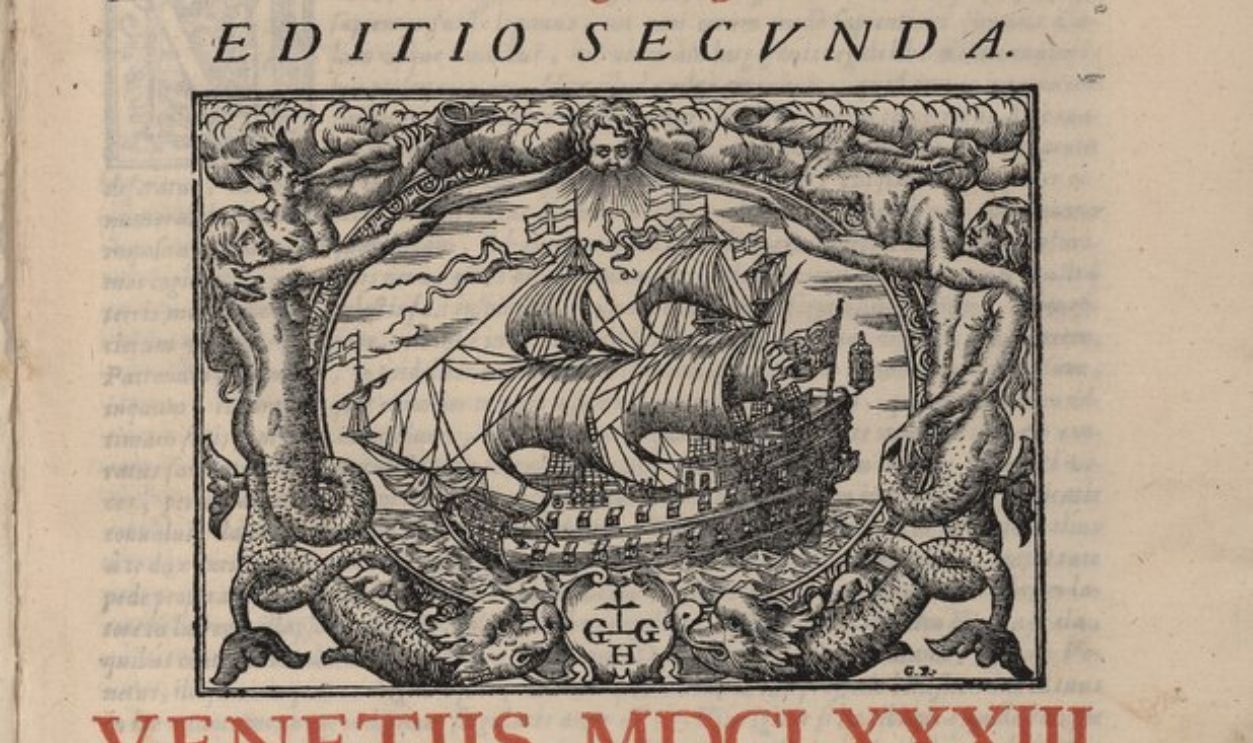
Before tossing it into the “to sell” pile, one staff member decided to look up the publisher’s mark. It was faint but legible — something about “Venetiis,” which means Venice. That detail alone raised eyebrows.
 Biblioteca Europea di Informazione e Cultura, Wikimedia Commons
From the Bins to the Back Room
The team took the book to their supervisor, who agreed it seemed unusual. They set it aside in the back room, away from the chaos of daily donations. That decision would soon prove to be a very smart one.
Experts Are Called In
A few days later, the store reached out to MSU’s library specialists. When they arrived and took a look, they instantly realized they were dealing with something rare — something that shouldn’t have been sitting in a donation bin at all.
 Moyan Brenn from Italy, Wikimedia Commons
The Language of Scholars
The text inside wasn’t English, but Latin — the academic language of European scholars in the 1600s. The printing style, the paper texture, and even the ink matched methods used more than 300 years ago.
 Jean-Christophe BENOIST, Wikimedia Commons
The Title Page Revelation
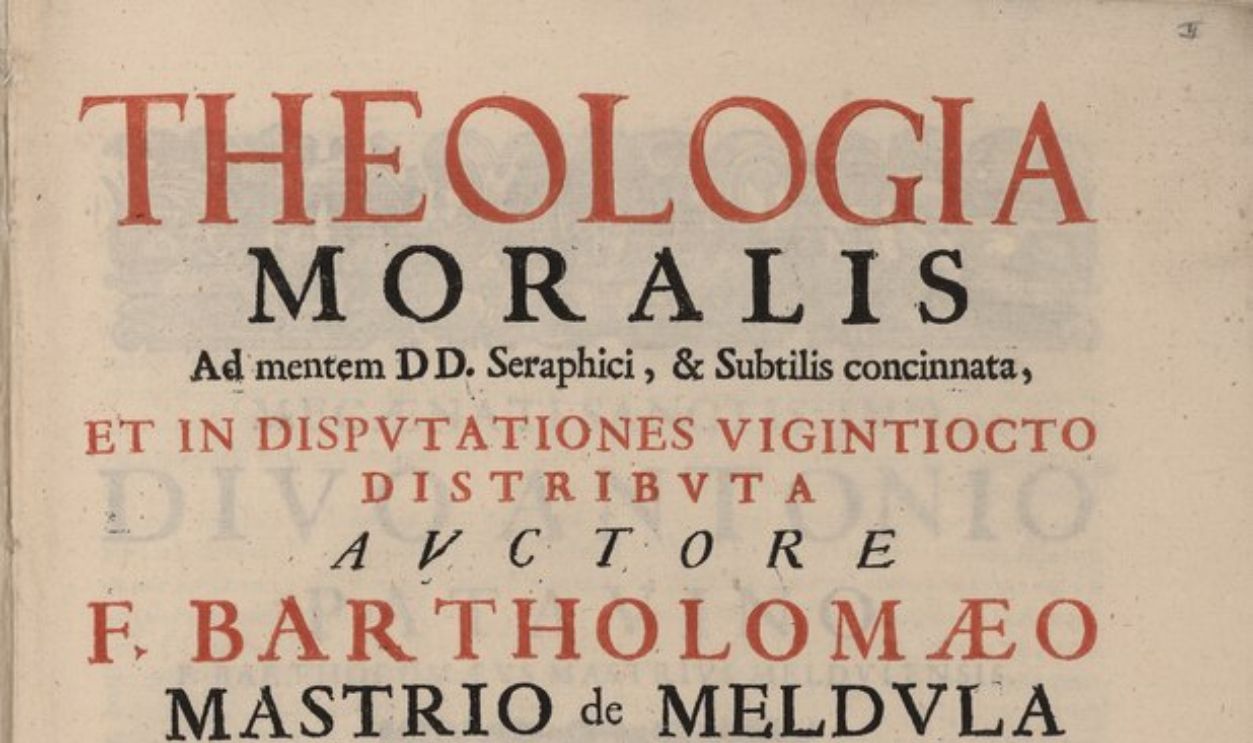
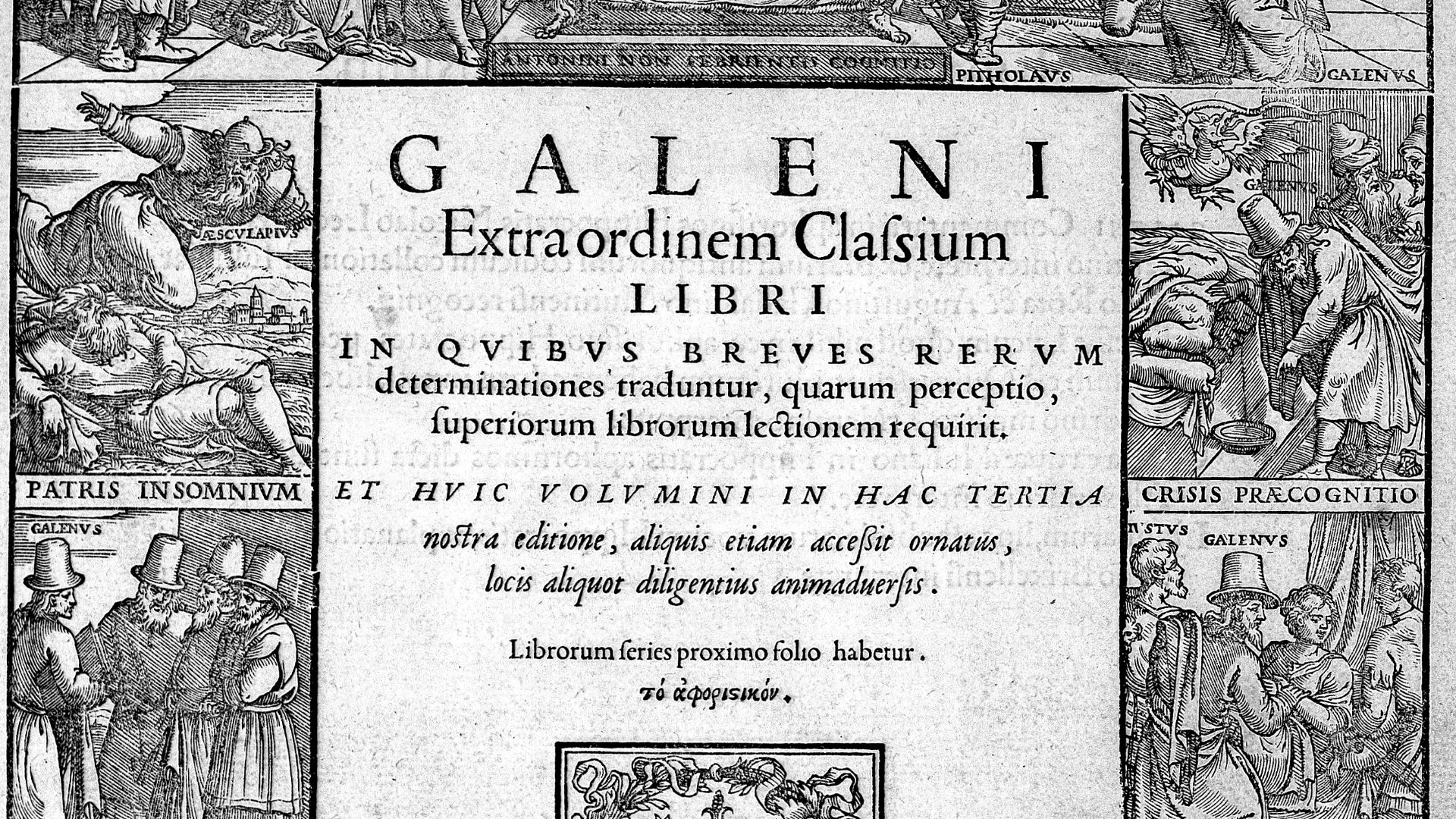
The title read 'Opera Omnia,' a collection of works by a renowned philosopher-theologian of the 17th century. This wasn’t just an old religious text — it was a complete bound volume from the early age of printing, when books were still precious, hand-bound objects.
Bound in History
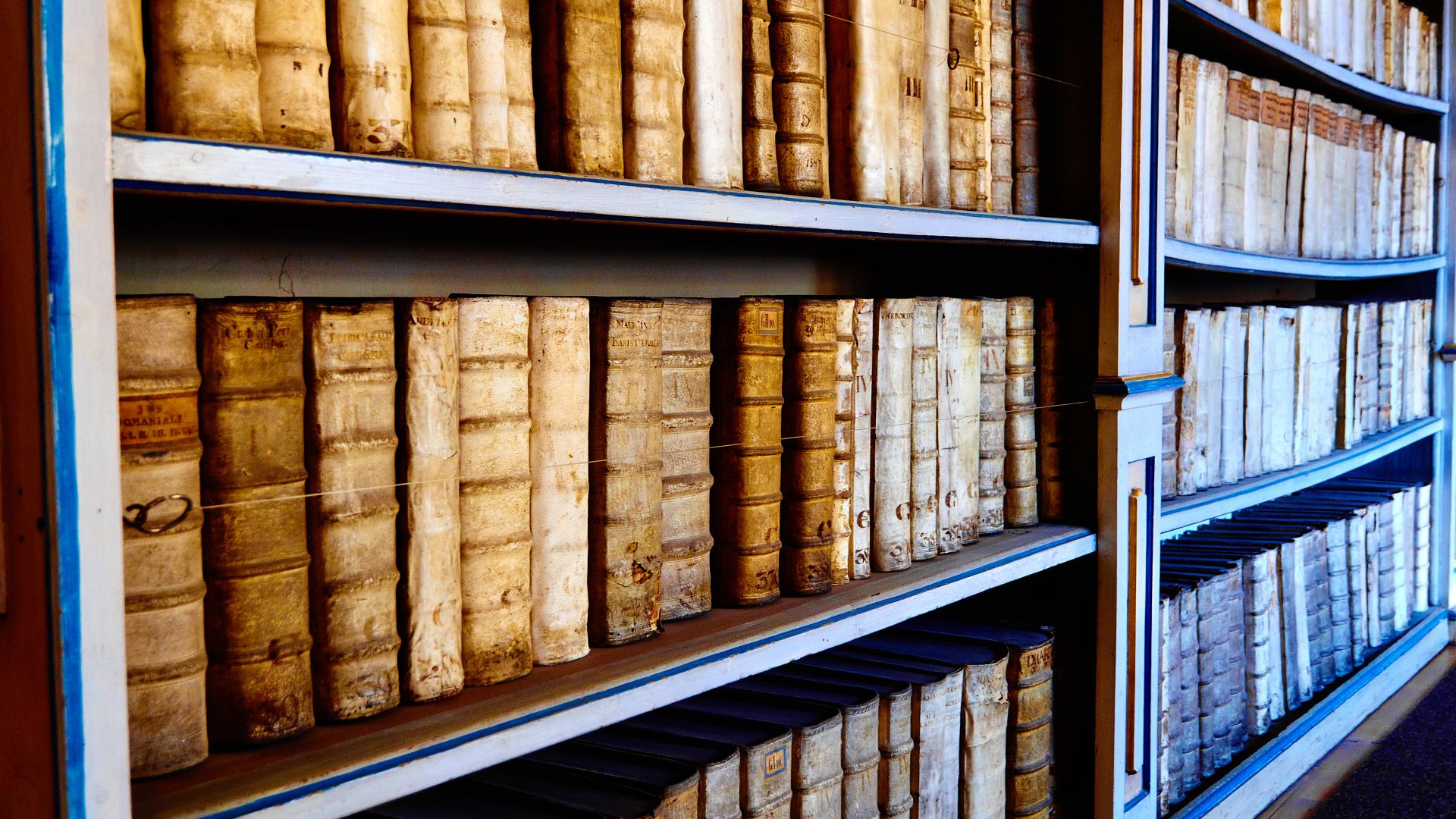
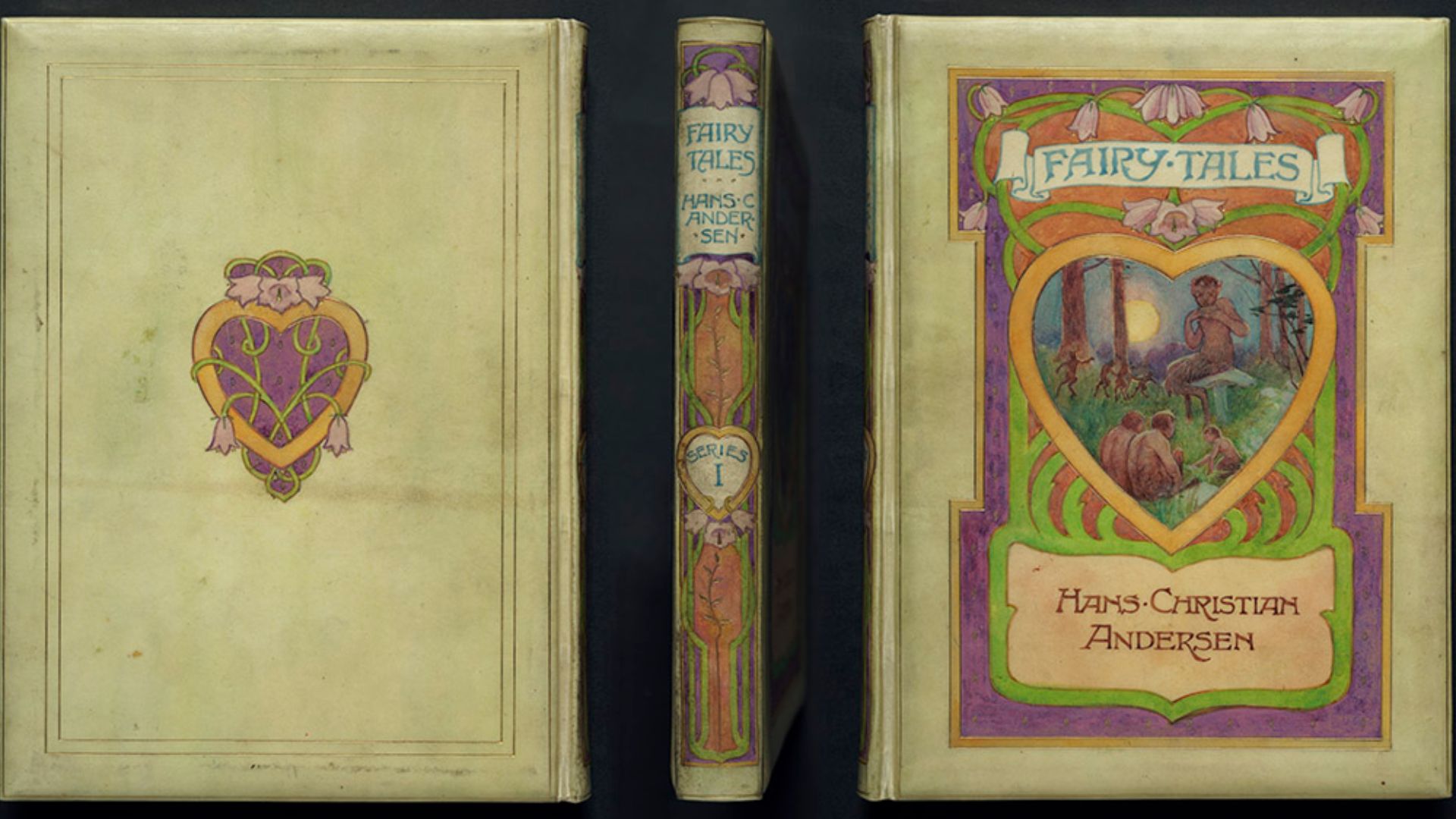
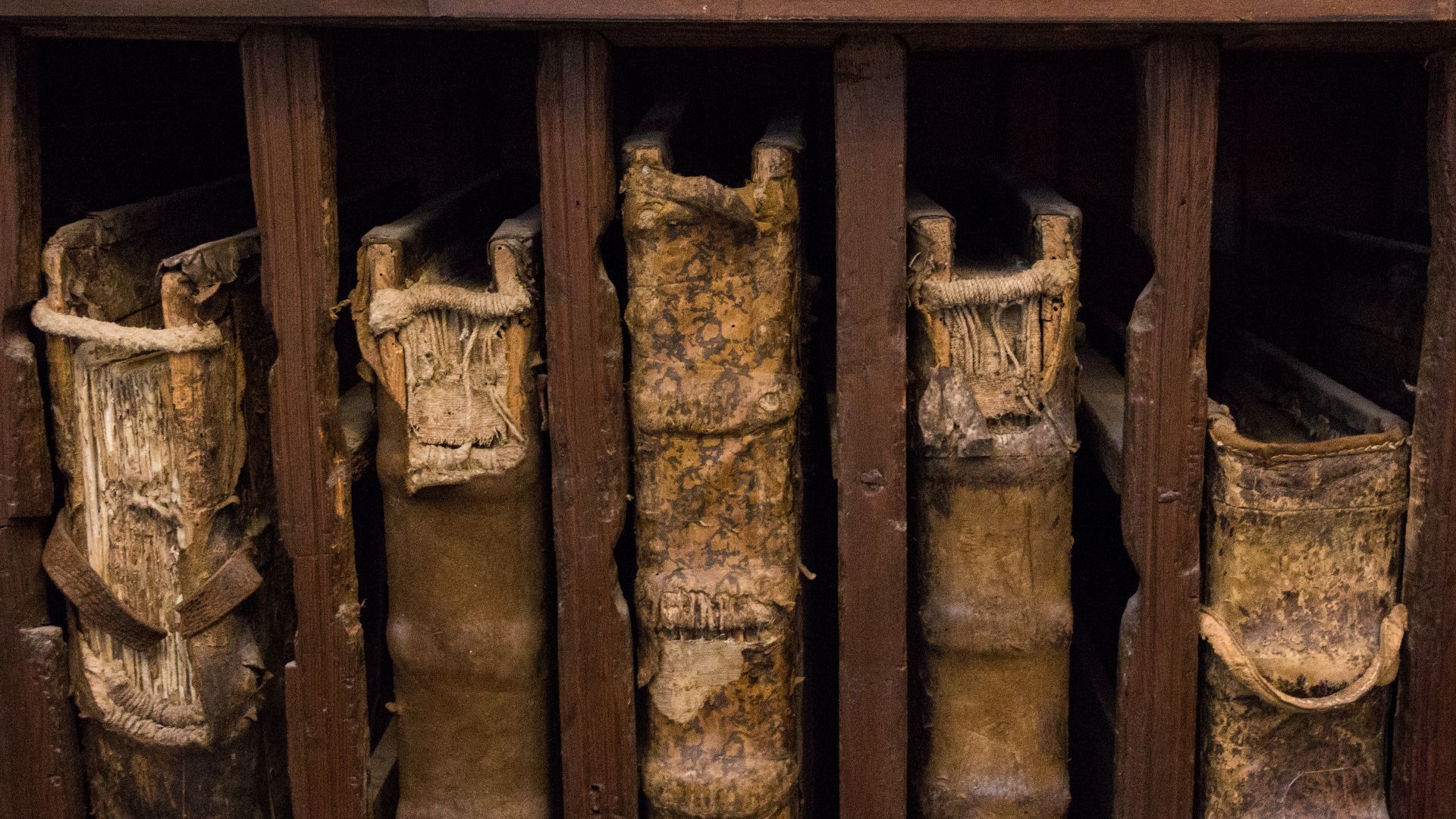
The cover’s material — real animal-skin leather — and the style of binding placed it squarely in the 1600s. It had clearly survived generations, traveling across time and continents to somehow end up in a Michigan donation pile.
 National Library NZ on The Commons, Wikimedia Commons
How Did It Get There?
No one knows exactly. It might’ve come from a private collection, a family estate, or even a retired scholar’s library. Somewhere along the line, it got mixed into a regular donation box — and nearly disappeared into obscurity.
 Falling Outside The Normal Moral Constraints, Wikimedia Commons
The Library’s Reaction
MSU’s library team could hardly believe it. Among 20,000 pounds of books they receive each year, this one was unlike anything they’d ever seen. Finding it was like striking gold — academic gold.
 The original uploader was Jeffness at English Wikipedia., Wikimedia Commons
What Makes It So Rare
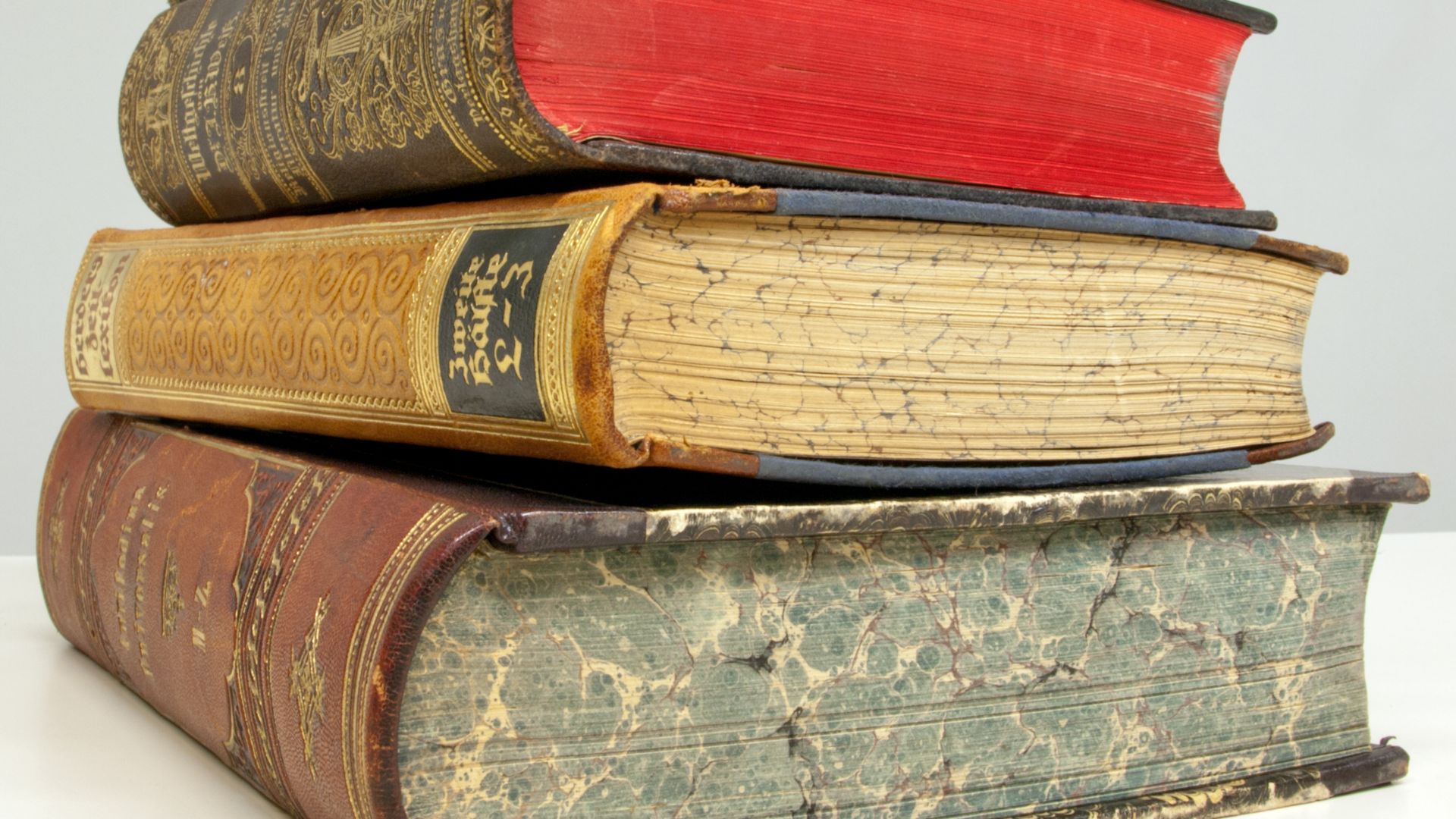
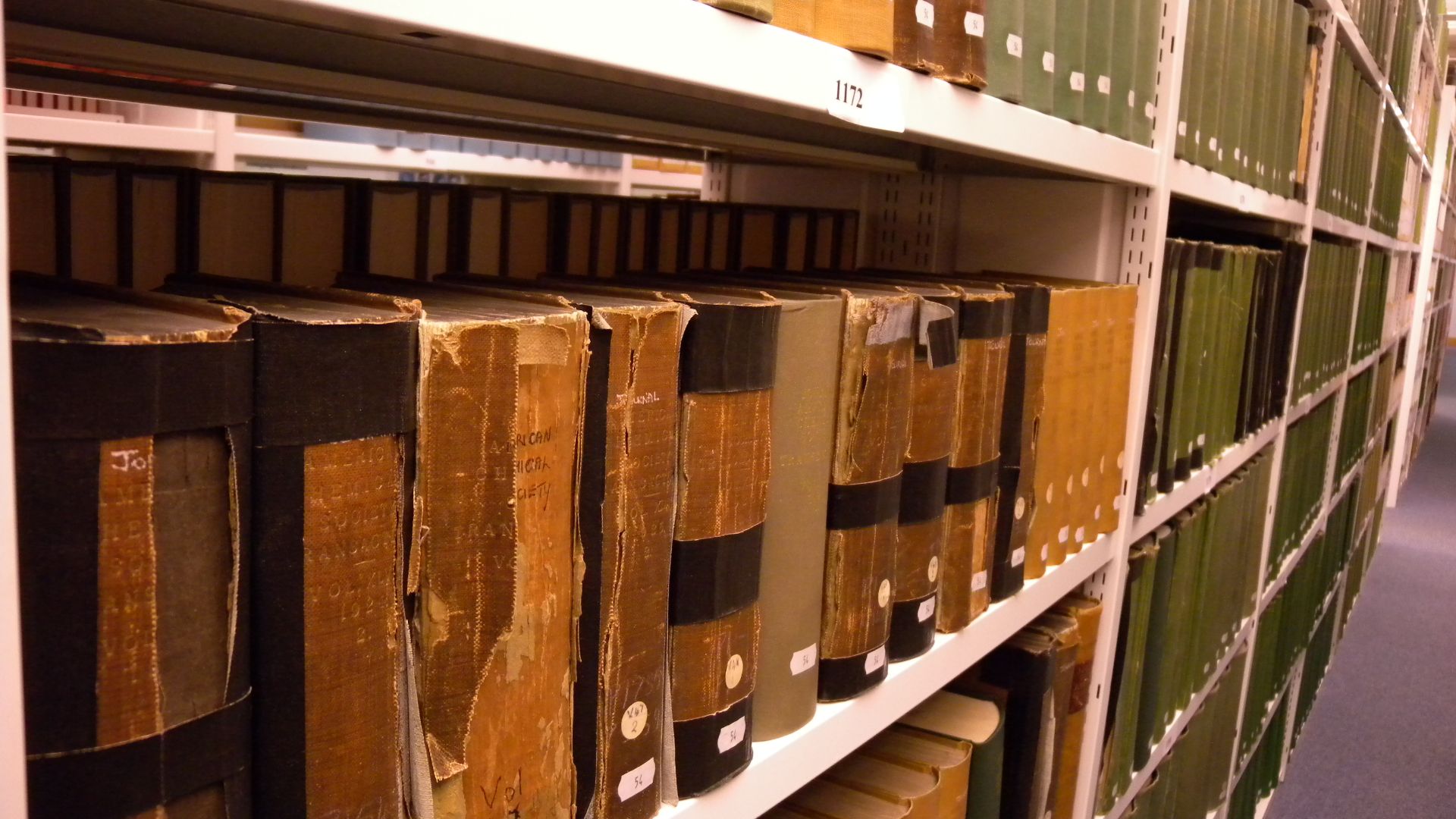
Books from the 1600s don’t often survive in good condition, especially outside museums or private archives. Many have been lost to time, war, or decay. But this one? Its pages were still intact, its binding strong, and its text perfectly legible.
 Ch. Maderthoner, Wikimedia Commons
Hidden in Plain Sight
Imagine that — a centuries-old artifact sitting quietly in a donation bin between old textbooks and outdated novels. It’s a reminder that history doesn’t always hide in grand places. Sometimes it hides in plain sight.
 ALA TechSource from Chicago, USA, Wikimedia Commons
The Big Question: What to Do With It?
Once MSU confirmed just how rare the book was, they had a decision to make. Should they keep it? Auction it? Send it somewhere special? The answer came quickly — this find was too valuable to let go.
 InfoSources, Wikimedia Commons
A Safe New Home
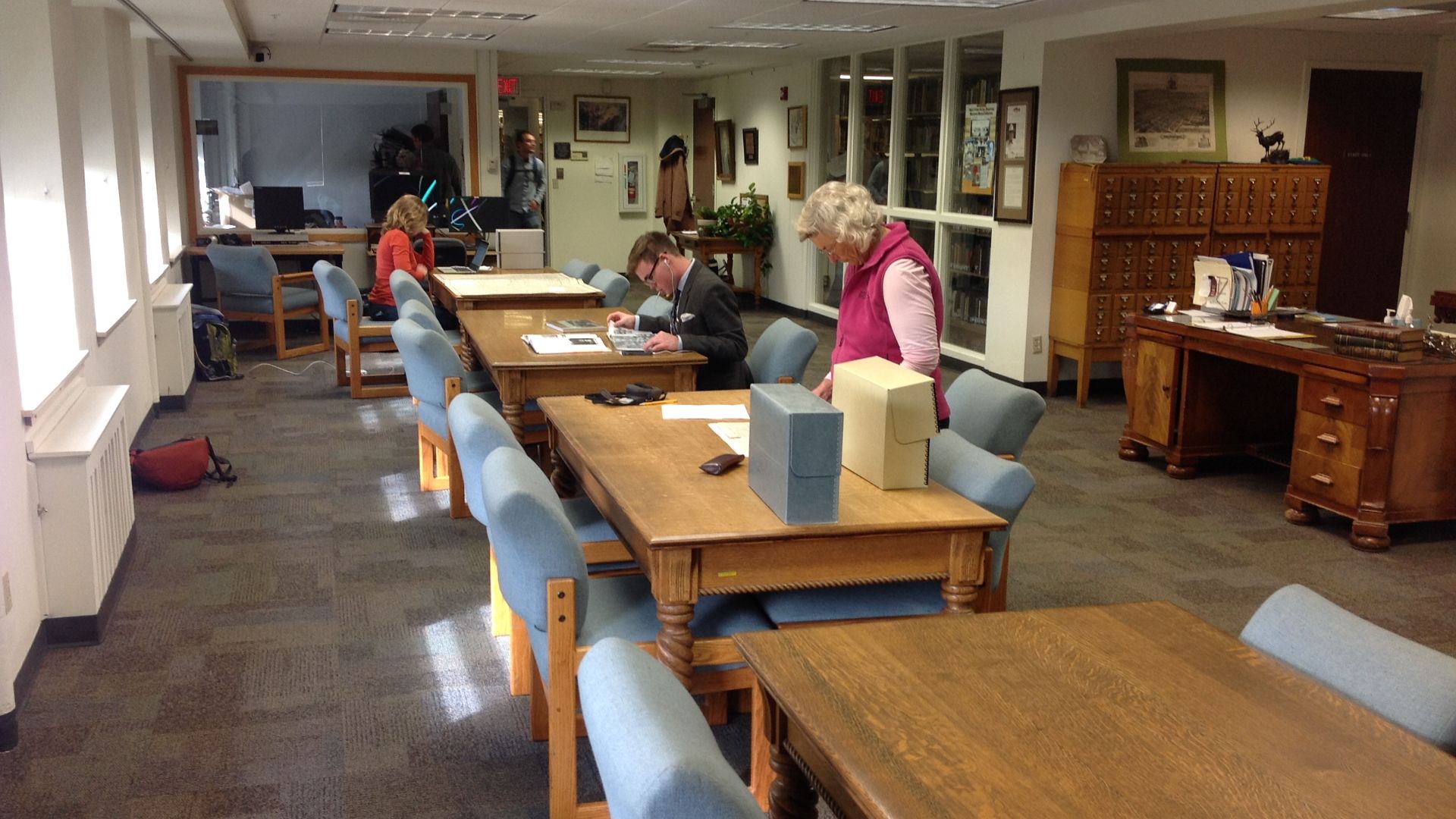
Instead of being sold, the book was formally transferred to Michigan State University Libraries, where it could be preserved, studied, and shared with scholars and students alike.
 Tom Murphy VII, Wikimedia Commons
Experts Weigh In
Library historians called it “a remarkable discovery,” noting that it represents one of the oldest printed works ever found in the region. The fact that it turned up in a donation bin made the find even more extraordinary.
 Heather Hultman, Wikimedia Commons
From Forgotten to Famous
What was once just another dusty donation quickly became the talk of the campus — and soon, of the internet. News outlets from around the world shared the story of the rare book that almost slipped through the cracks.
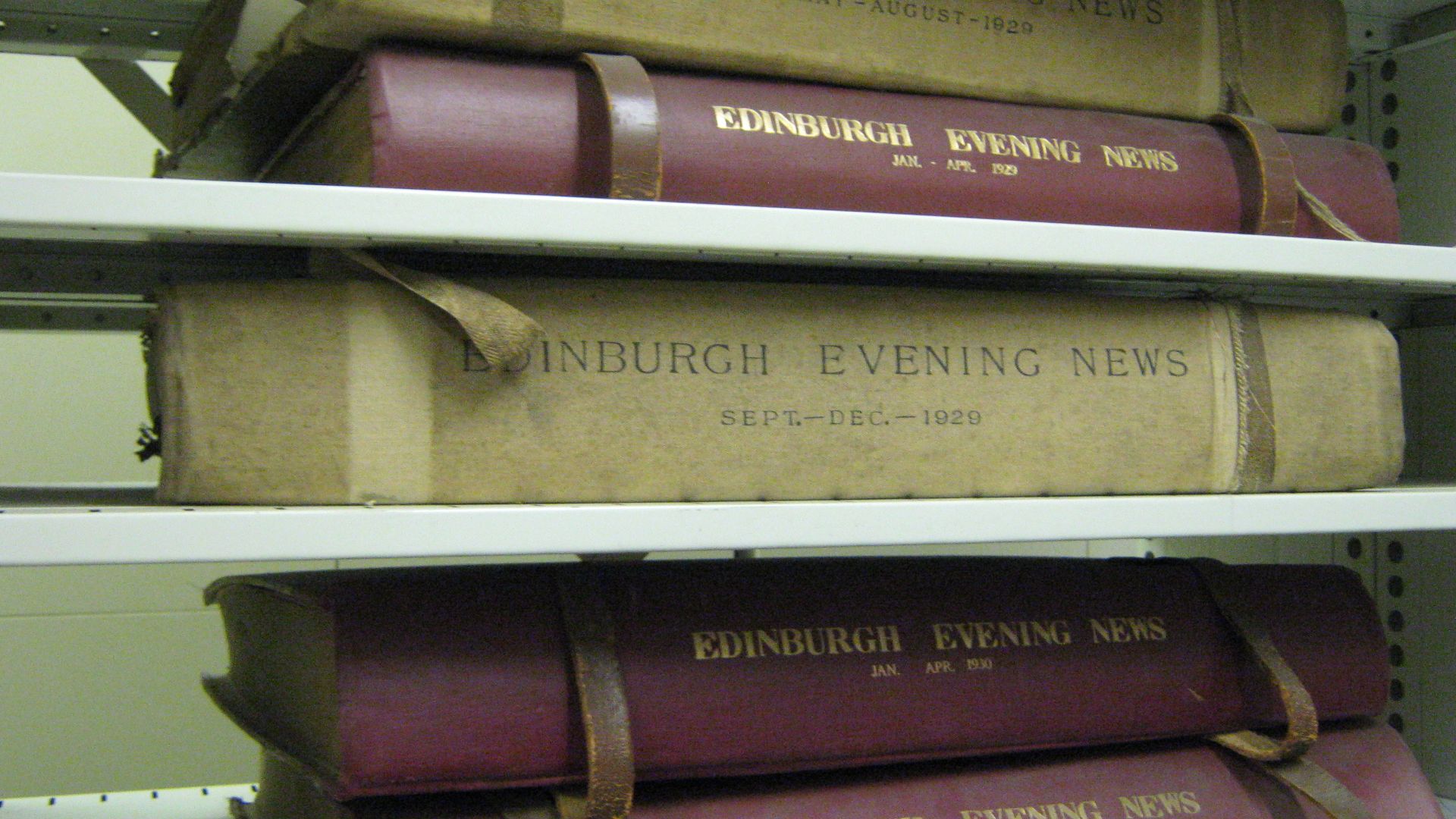 Brian McNeil, Wikimedia Commons
A Touch of Mystery
Even now, no one knows who donated it or how it made its way to Michigan. Its quiet journey from 17th-century Europe to a Midwestern university adds an almost romantic air of mystery to the find.
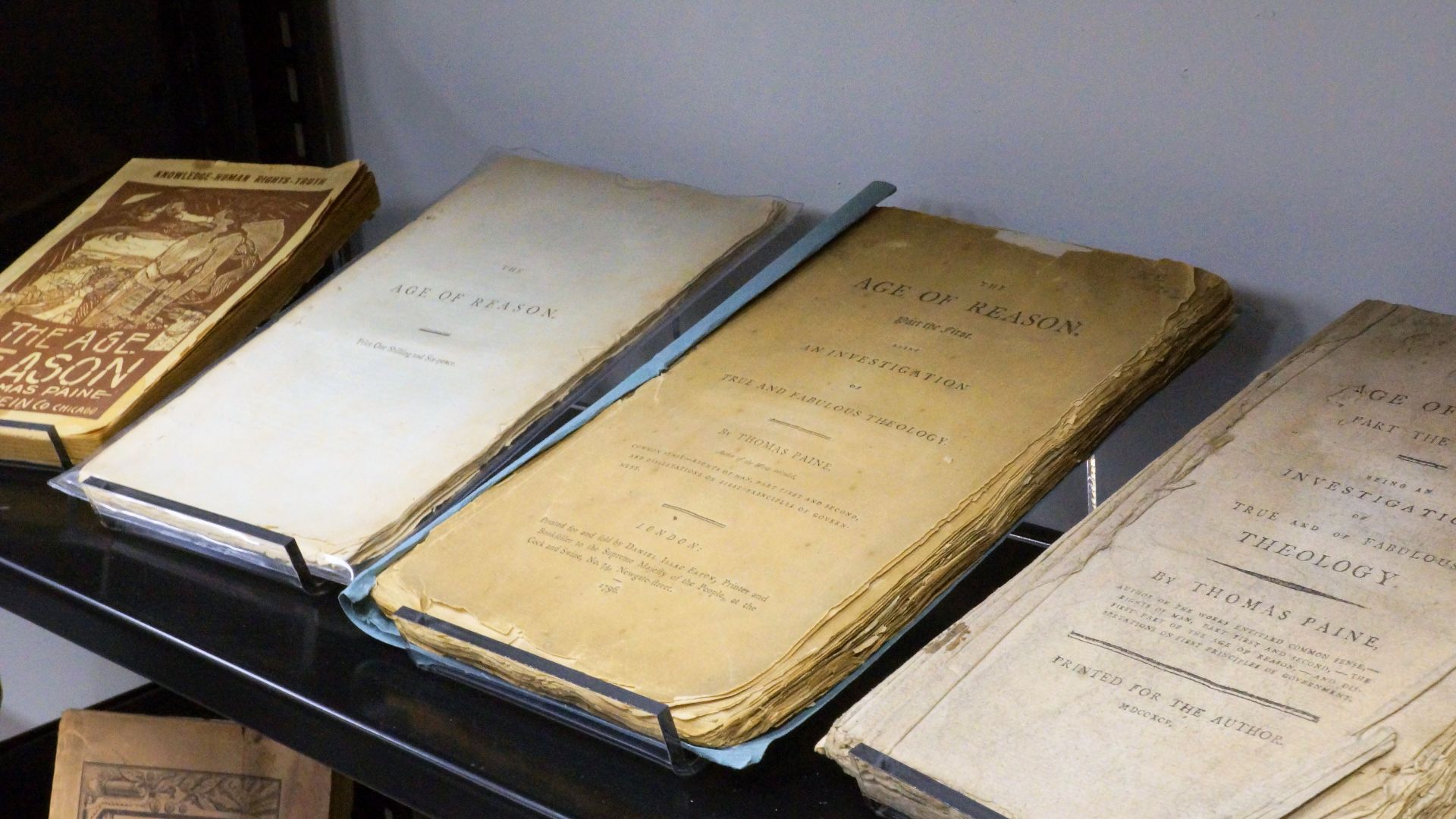
A Glimpse Into the Past
Holding the book, one librarian said it felt like shaking hands with history — like being momentarily connected to the scholars, printers, and readers who first handled it nearly four centuries ago.
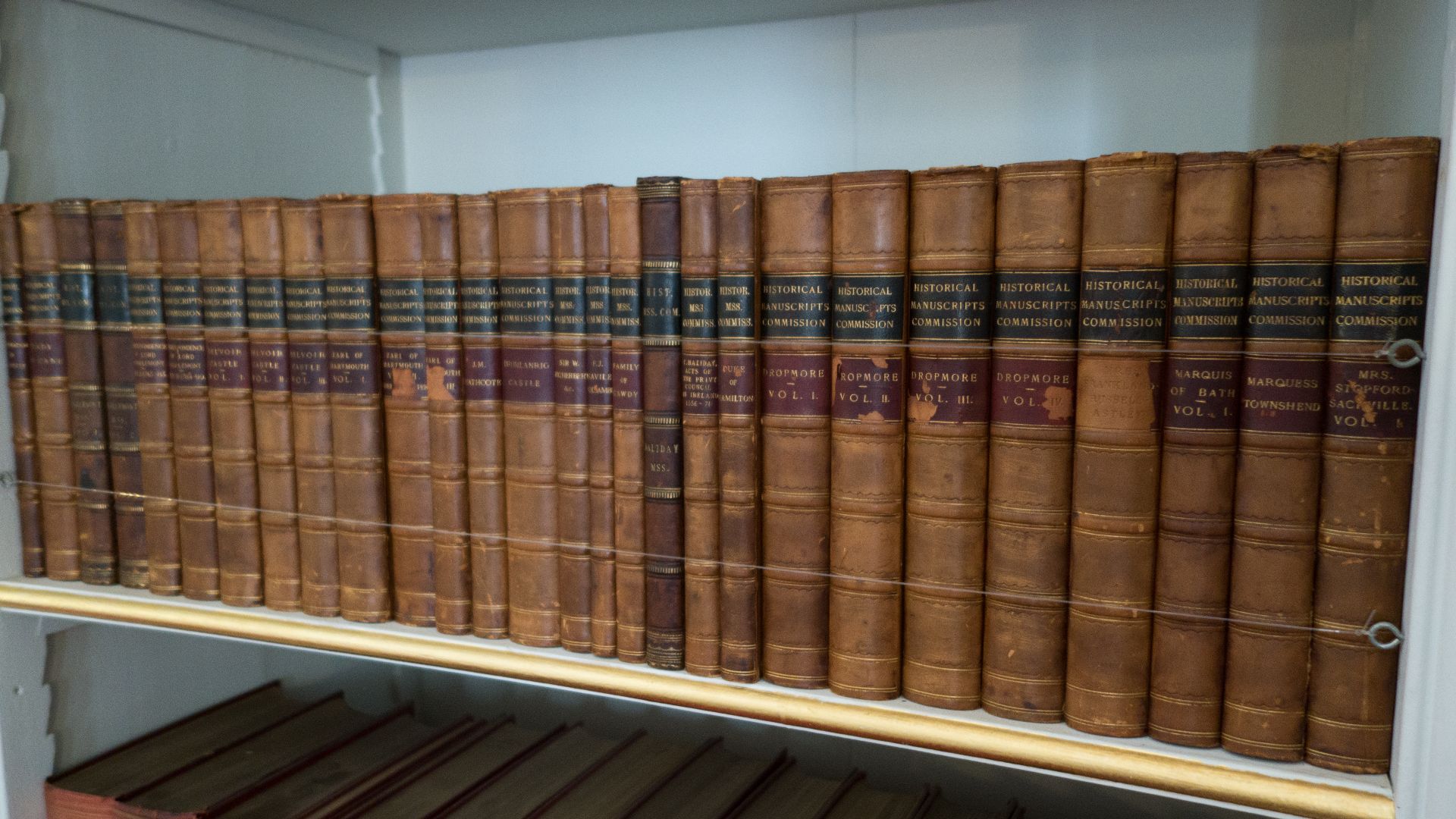
The Hidden Value of Curiosity
If no one had stopped to look twice, that book might’ve been lost forever. Instead, curiosity — that small spark of “hmm, this looks interesting” — saved a piece of history.
 Thomas Quine, Wikimedia Commons
From Trash to Treasure
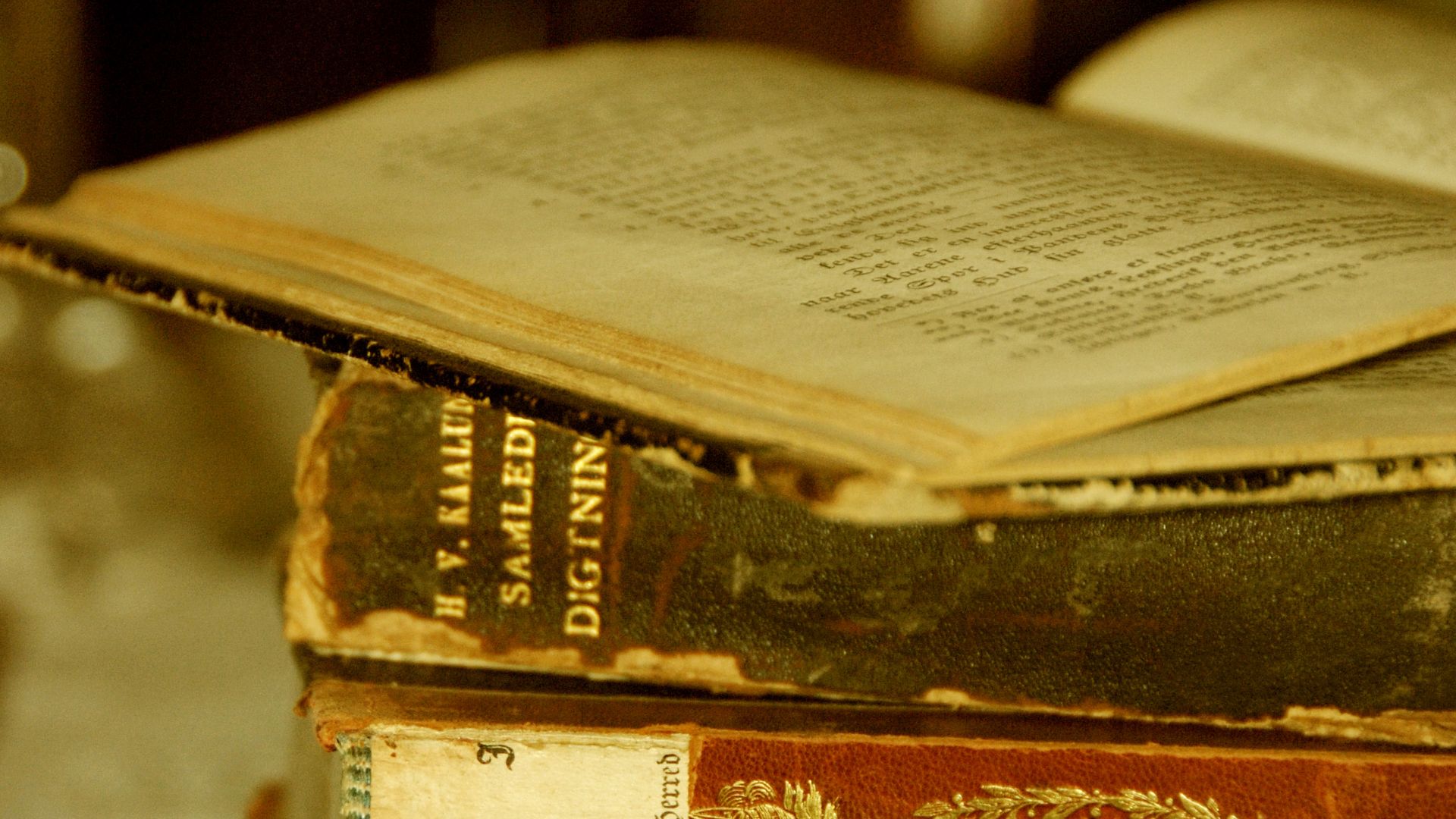
The value of the book isn’t just monetary — it’s cultural. But make no mistake: this wasn’t some casual thrift-store find. Experts estimate that a surviving 17th-century text like this could easily be worth tens of thousands of dollars on the collector’s market.
 Lin Kristensen from New Jersey, USA, Wikimedia Commons
From Donation Bin to Preservation Room
Today, the 17th-century book rests safely in the university’s rare book collection — protected, admired, and cherished. Once nearly lost, it’s now a timeless reminder of how the past has a funny way of finding its way back to us.
 Michael Kastelic, Wikimedia Commons
You May Also Like:
Ohio Woman’s $2.99 Goodwill Painting Turns Out to Be a Hidden Masterpiece Worth Nearly $3,000
A Virginia woman bought a vase for $3.99 at Goodwill, then sold it at an auction for over $107K.
Old Collector Plates That Are Serving Up Serious Cash