
What's Wrong With Exchanging Coins for Bills?
You dump a pile of coins on the counter, expecting a quick exchange. Instead, the teller pauses and says, “We may have to report this.” Report what? It’s just coins… right?
Well—this is where things get surprisingly serious, and a little more complicated than most people realize.

Why the Teller Even Said That
Bank employees are trained to identify transactions that fall outside normal behavior. It’s not personal—it’s policy. When something unusual shows up, like a large volume of coins, they’re required to take a closer look and sometimes escalate it.
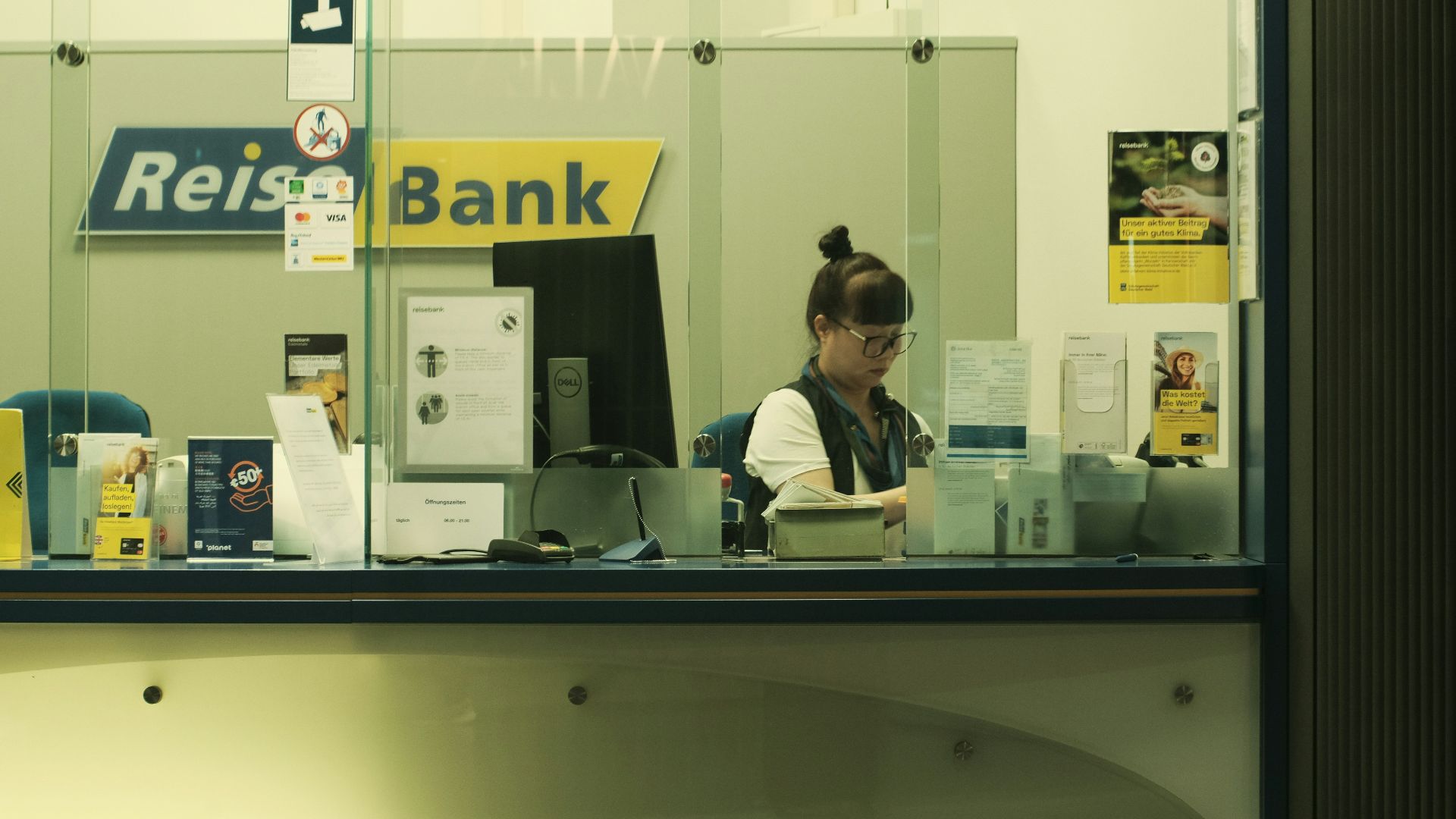
Banks Are Required to Watch for Suspicious Activity
Financial institutions must follow anti-money laundering (AML) laws. These laws require them to monitor transactions and report anything that appears unusual, structured, or inconsistent with typical customer behavior—even if the amount itself isn’t particularly large.
 TECNIC Bioprocess Solutions, Unsplash
What Counts as “Suspicious”?
Suspicious activity isn’t just about big dollar amounts. It’s about patterns, context, and behavior. Transactions that are hard to explain, unusually structured, or inconsistent with someone’s normal banking habits can all trigger internal review.

So… Is $500 Really That Big of a Deal?
On its own, $500 isn’t a reporting threshold. But $500 entirely in coins is uncommon enough to stand out. Banks expect certain patterns—so when something breaks that pattern, it may trigger attention regardless of the amount.
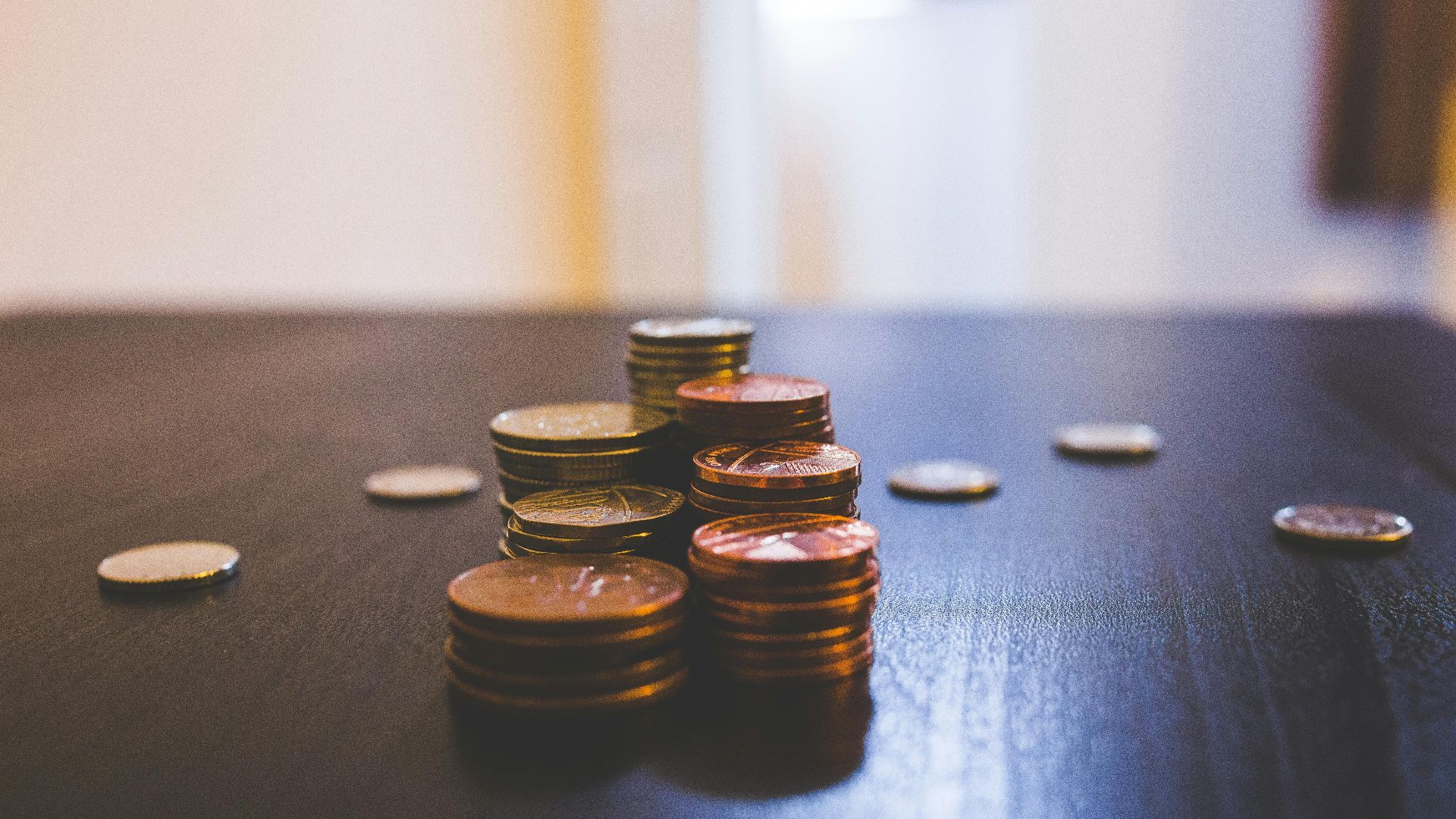
Coins vs. Cash—Why It Matters
Coins are less commonly used for large transactions and harder to trace to a single source. Unlike cash withdrawals or deposits, large coin exchanges can appear fragmented, which makes banks more cautious about where the money originated.

Where Did All Those Coins Come From?
This is one of the first questions a bank might consider. Coins could come from savings, tips, vending businesses, or collections. But without context, a large quantity of coins can appear inconsistent or unclear in origin.

Could This Trigger a Formal Report?
It might—but not automatically. If the teller believes the situation is unusual enough, they may escalate it internally. From there, compliance staff decide whether it meets the criteria for further documentation or reporting.

What Kind of Report Are We Talking About?
Banks can file a Suspicious Activity Report (SAR). This is not something you’re notified about—it’s sent to regulators when a transaction appears unusual or potentially linked to illegal activity, even if no crime is proven.

Does This Mean You Did Something Wrong?
No. A report does not mean you’re accused of anything. It simply documents activity that stands out. Most reports never lead to further action—they’re part of routine monitoring required by law.

Why Banks Are So Careful About This
Banks face strict penalties if they fail to report suspicious activity. Because of that, they often err on the side of caution. Even minor or harmless transactions can be flagged if they fall outside expected patterns.

Could You Be Questioned?
Possibly, but usually informally. A teller may ask where the coins came from just to understand the context. Providing a clear, reasonable explanation often resolves any concern quickly without further action.

What If You Just Saved Coins Over Time?
That’s completely normal and legal. Many people accumulate coins over months or years. However, from the bank’s perspective, they don’t know that unless you explain it—so context becomes important.

Why Not Just Use a Coin Machine?
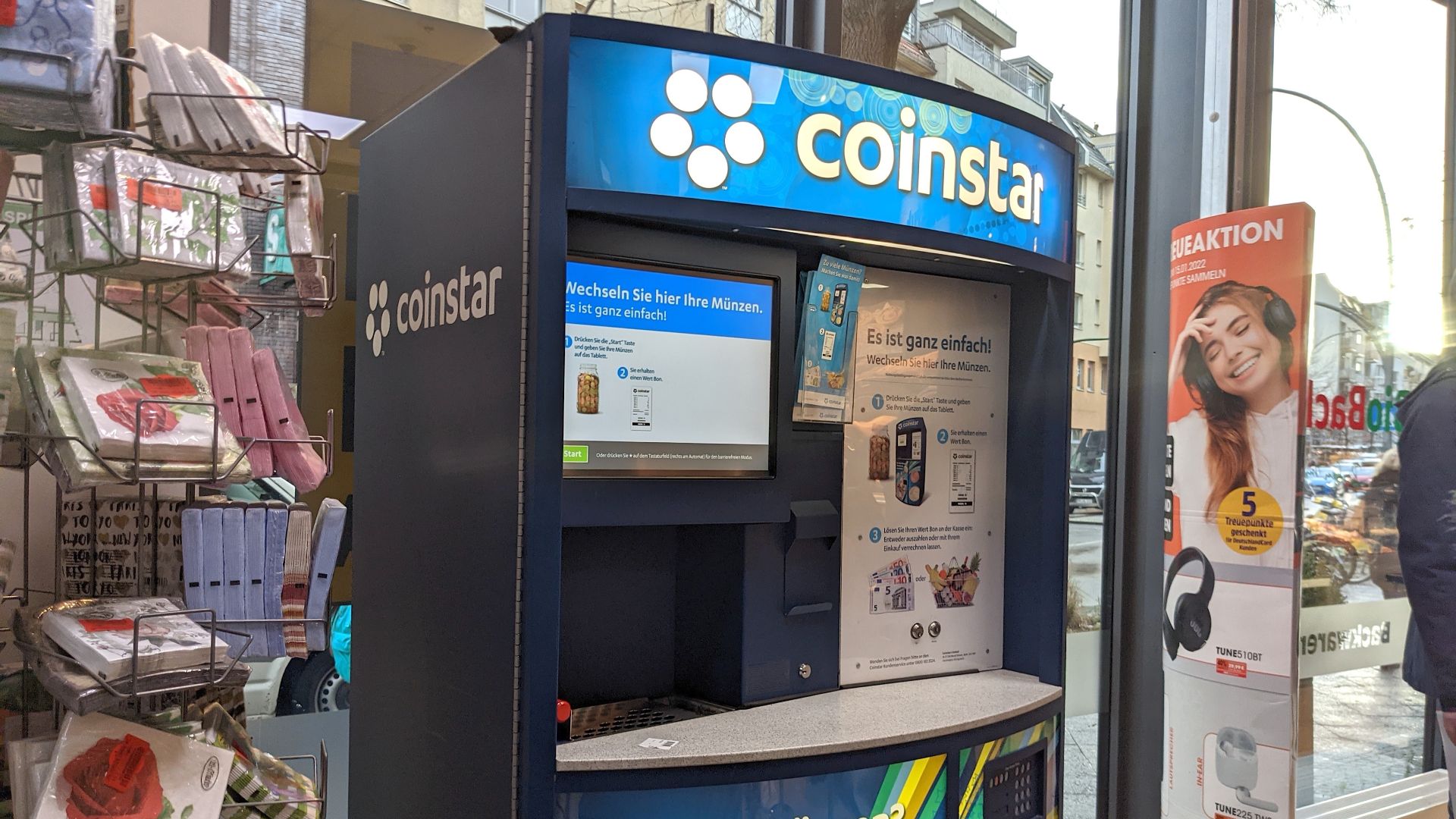
Coin-counting machines or pre-rolled coins make transactions look more routine. When coins are organized and easier to process, they tend to attract less attention compared to dumping large amounts of loose change.
Is This Actually Common?
Yes, unusual deposits happen regularly. Banks are trained to notice them, but most are harmless. It’s the irregularity—not the coins themselves—that triggers additional attention from staff and internal systems.

Could This Affect Your Account?
In most cases, no. A single unusual transaction is unlikely to cause problems. However, repeated or unexplained activity could lead to increased monitoring or restrictions, depending on the bank’s internal policies.

So… Why Did This Feel Like a Big Deal?
Because the teller flagged it in real time. Most monitoring happens behind the scenes, but when something stands out at the counter, it can feel more serious than it actually is.

What Should You Do in This Situation?
Be straightforward. Explain where the coins came from—whether it’s savings, a business, or collected change. Clear answers help bank staff document the transaction properly and move forward without unnecessary escalation.

So… What Was the Teller Really Getting At?
They weren’t reporting coins specifically—they were reacting to an unusual transaction pattern. Large amounts of loose change can sometimes resemble attempts to avoid typical tracking methods, which is why banks treat it carefully.

The Bottom Line Before You Bring in a Bucket of Change Again
You didn’t do anything wrong—but you triggered a system designed to flag unusual activity. $500 in coins isn’t illegal, but it’s uncommon enough to warrant attention. A simple explanation usually clears things up quickly.

You May Also Like: