This Went From Normal To Messy Fast
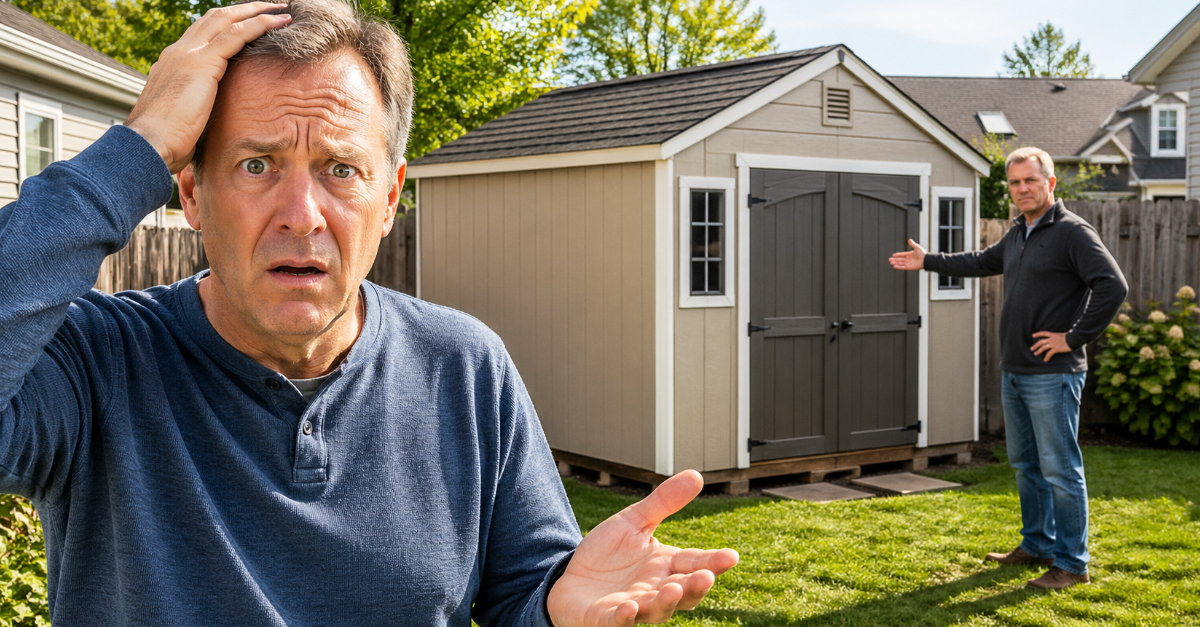
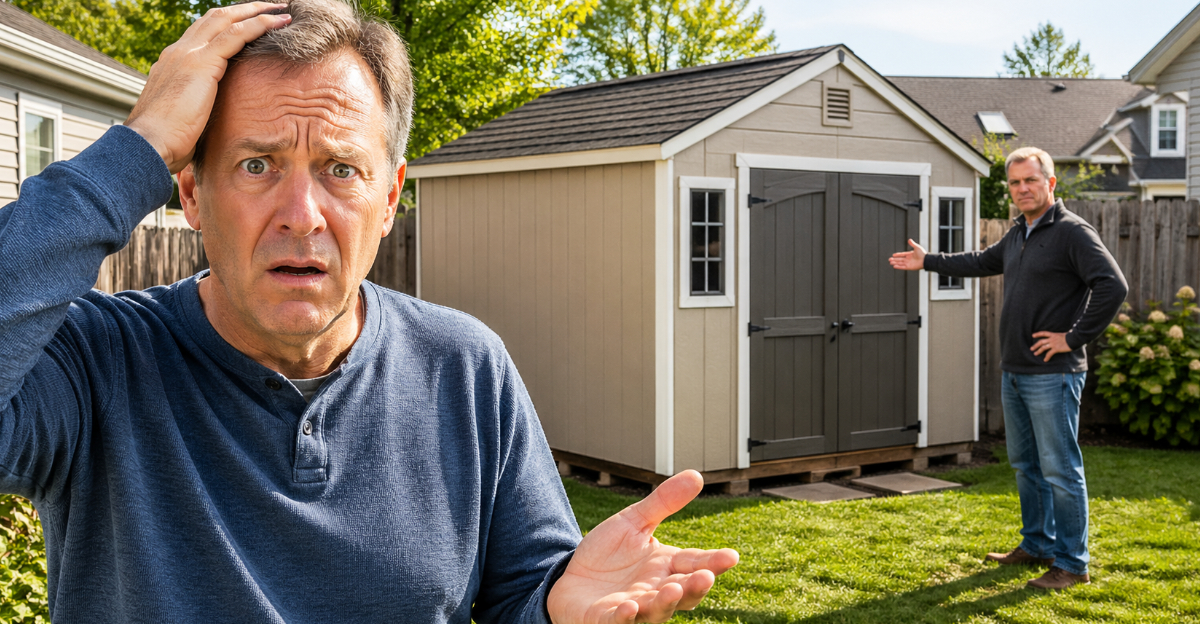
Everything looked fine for years. You built your shed on your land. No problem. Then suddenly, updated city records and a new survey flipped everything. Now it’s not even your land anymore.
Is it still your shed? Can your neighbor really take it over?
The Survey Is What Actually Matters
City maps and tax records are often approximate and not legally binding. A licensed land survey is what defines property boundaries in a legal sense. If a new survey shows the shed is over the line, that carries serious weight—even if no one noticed for years. But surveys can sometimes be challenged or differ slightly, so they’re not always the final word on their own.
This Situation Has A Name
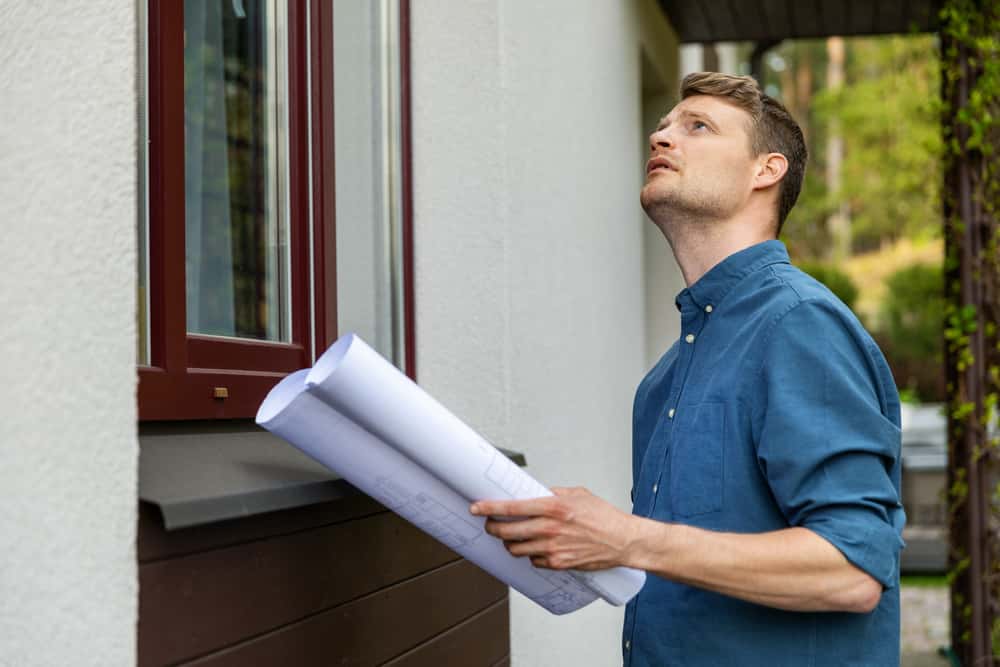
Legally, this is called an encroachment. It happens when a structure crosses onto someone else’s land without permission. Sheds, fences, garages, and even parts of houses end up in this situation more often than most people realize.
It Doesn’t Matter Who Built It
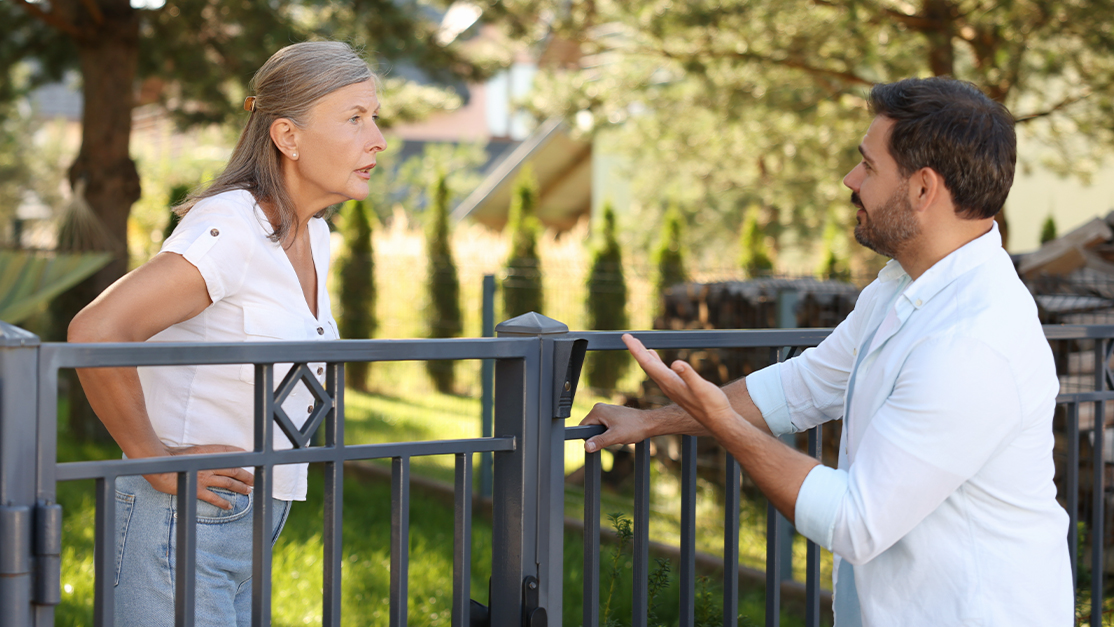
This is the part that surprises people the most. Even if you paid for the shed, planned it, and built it yourself, that doesn’t automatically give you rights to keep it on land you don’t legally own.

Land Ownership Usually Wins
In most cases, the owner of the land has the stronger legal claim. That means your neighbor may have the right to demand changes—even if the situation feels unfair or came as a total surprise to you. That said, courts sometimes weigh fairness and cost before forcing a strict outcome.

That Doesn’t Mean They Get Everything
Your neighbor doesn’t automatically gain ownership of your shed just because it’s on their land. But they can push for control over what happens to it, including removal, relocation, or restrictions on how it’s used going forward.

Can They Just Take It Over And Use It?
Not really—this is where things get misunderstood. Even if the shed is technically on their land, your neighbor usually doesn’t automatically gain the right to use your structure like it’s theirs. Ownership of the land and ownership of the shed are separate issues. They can push for removal or a legal resolution, but simply taking it over without an agreement or court backing is generally not how this is supposed to work.

Yes, They Can Ask You To Move It
In many cases, a property owner can demand that an encroaching structure be removed or relocated. This is especially true if the issue is recent or was only just discovered through a new survey—but enforcement often depends on negotiation or a legal ruling.

But It’s Not Always That Simple
Courts don’t always force immediate removal. They may consider fairness, cost to move the structure, and how long it has been there before deciding what outcome makes the most sense. In some cases, they look at whether removal would be extremely costly compared to minimal harm and may allow it to stay with compensation instead.

Time Can Change Everything
If that shed has been there for a long time: often 10, 15, or even 20+ years depending on your location, your legal position may be stronger than you initially think.
 RealPeopleStudio, Shutterstock
You Might Have A Legal Defense
There are a few legal concepts that could work in your favor, depending on the exact facts and where you live. These defenses can sometimes prevent removal or lead to compensation instead.

One Is Adverse Possession
This means that if you’ve used the land openly, continuously, and without permission for a long period, you might be able to claim ownership of that portion. The rules are strict and often require exclusive use and, in some places, payment of property taxes. They vary widely by state or province.

Another Is A Prescriptive Easement
This doesn’t give you ownership of the land, but it may give you the legal right to keep using that space. Think of it as a long-term usage right rather than full control or title.

There’s Also Boundary By Acquiescence
If both you and your neighbor treated the existing boundary as correct for many years without questioning it, that shared understanding can sometimes matter legally and influence how a court views the dispute.

Good Faith Actually Matters
If you built the shed believing it was fully on your property, courts tend to treat that differently than if someone knowingly built over the line. Honest mistakes are often handled more flexibly.
The Neighbor’s Intent Matters Too
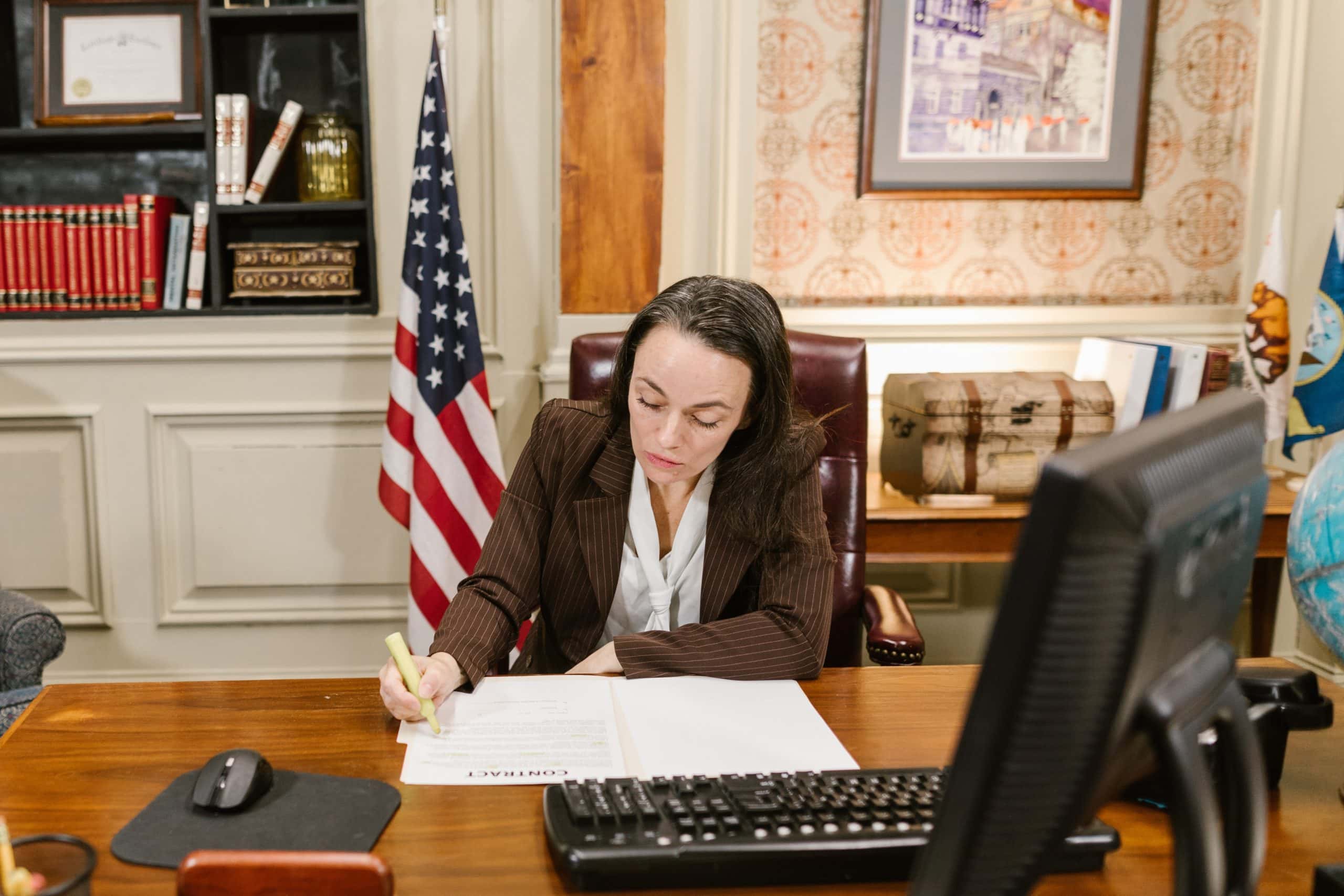
If your neighbor is trying to resolve a real boundary issue, that’s one thing. If they’re trying to take advantage of a technicality to gain use of your structure, that can influence negotiations or legal outcomes.

You May Need To Negotiate
A lot of these situations don’t end in court. Instead, people work out agreements like paying for the small strip of land, sharing usage rights, or formally adjusting the boundary through legal paperwork.

Buying The Land Is Sometimes An Option
If the encroachment is small, your neighbor might agree to sell that portion of land to you. This can be one of the cleanest long-term fixes and avoids ongoing disputes or future complications.

Moving The Shed Might Be The Reality
If no agreement is reached and legal defenses don’t apply, you may have to move or remove the shed. It’s frustrating and can be costly, but sometimes it’s the simplest way to resolve the issue.

Do Not Ignore This
Letting the issue sit unresolved can make things worse over time. Your neighbor could escalate legally, and delays can reduce your negotiating leverage or limit the options available to you.

A Survey Dispute Isn’t The End Of The Story
Just because one survey says something doesn’t mean it’s final. In some cases, getting a second survey or reviewing the original legal description can uncover discrepancies or errors worth challenging.
A Real Estate Lawyer Can Change Everything
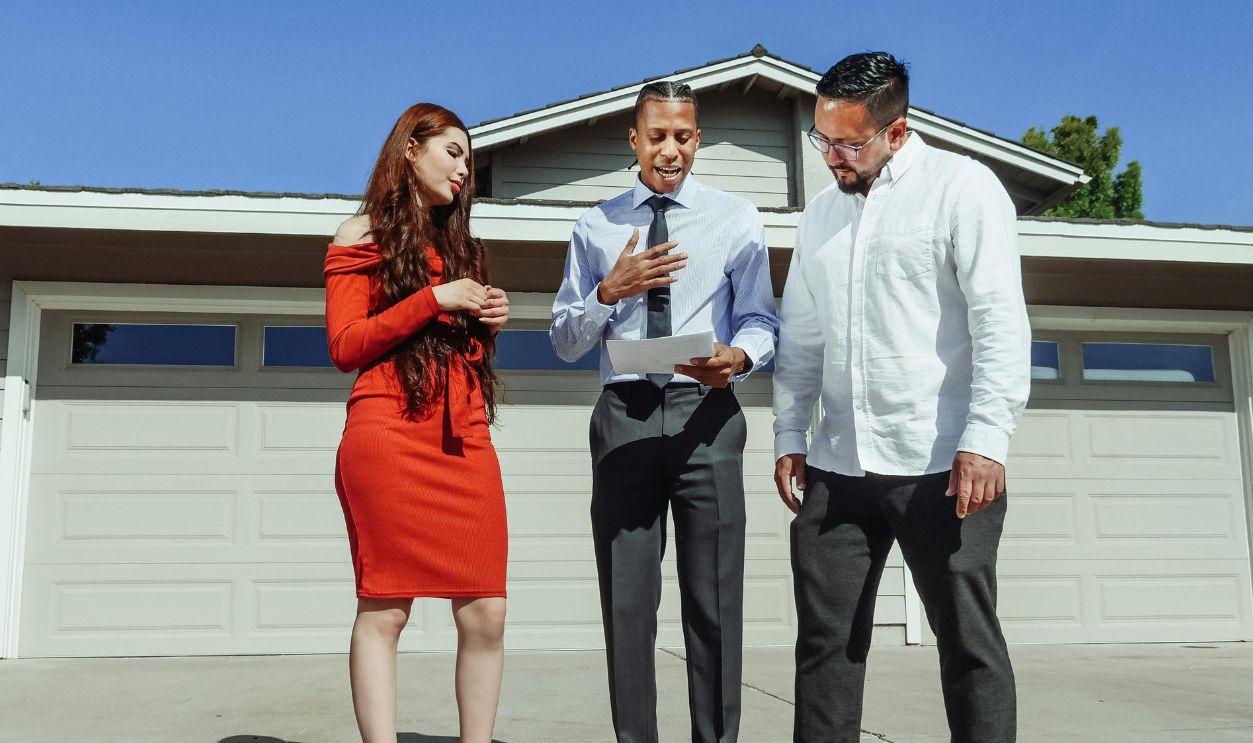
This is one of those situations where a short consultation can make a huge difference. Laws vary widely depending on where you live, and small details can completely change the outcome.

So…What Should You Actually Do?
Start by confirming the survey is accurate, then figure out how long the shed has been there. From there, review your legal options and try to negotiate before things escalate further. You may not automatically lose the shed—but you do need to act quickly and carefully.

You Might Also Like: