
When Someone Else’s Mess Literally Lands On You
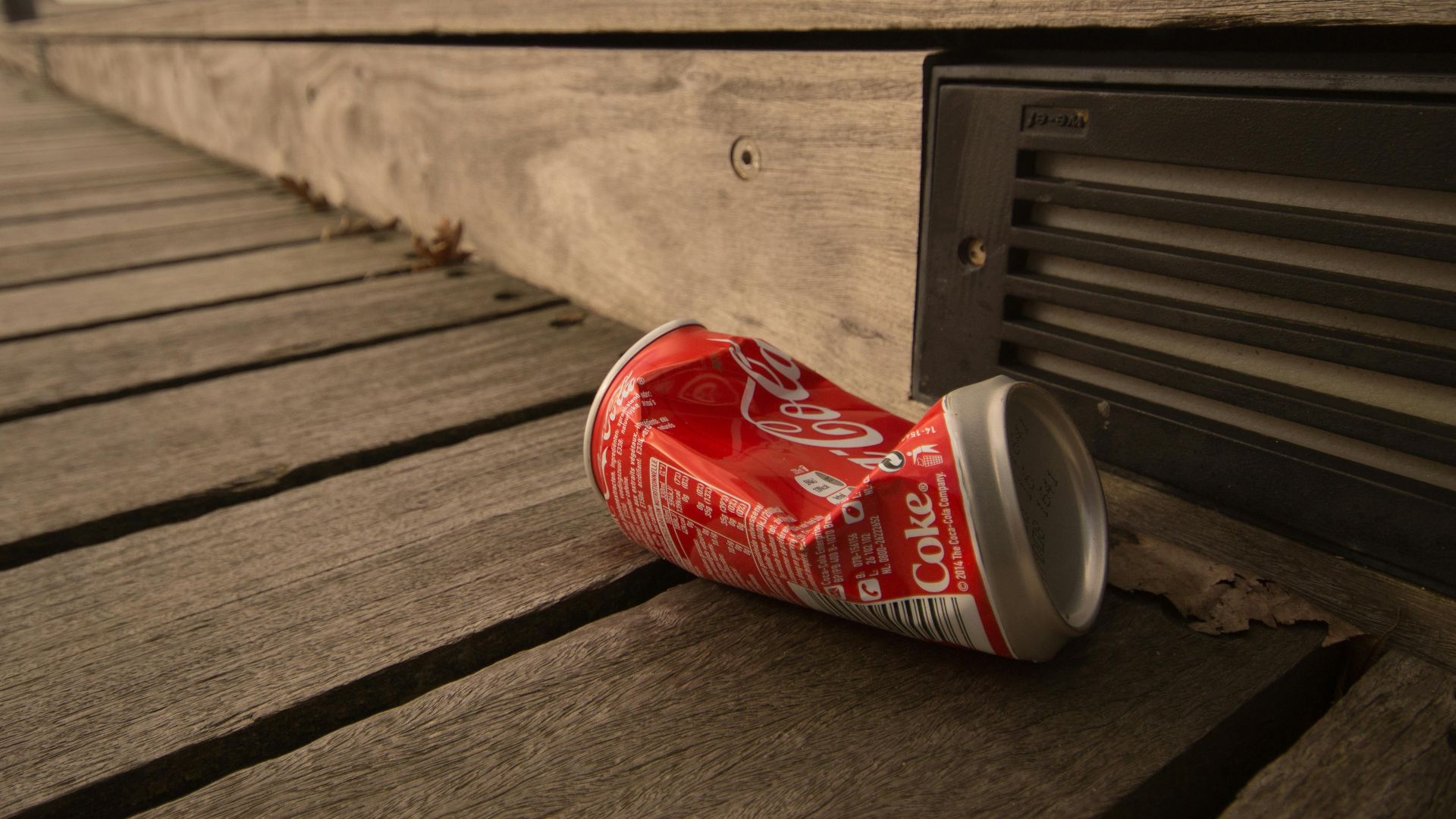
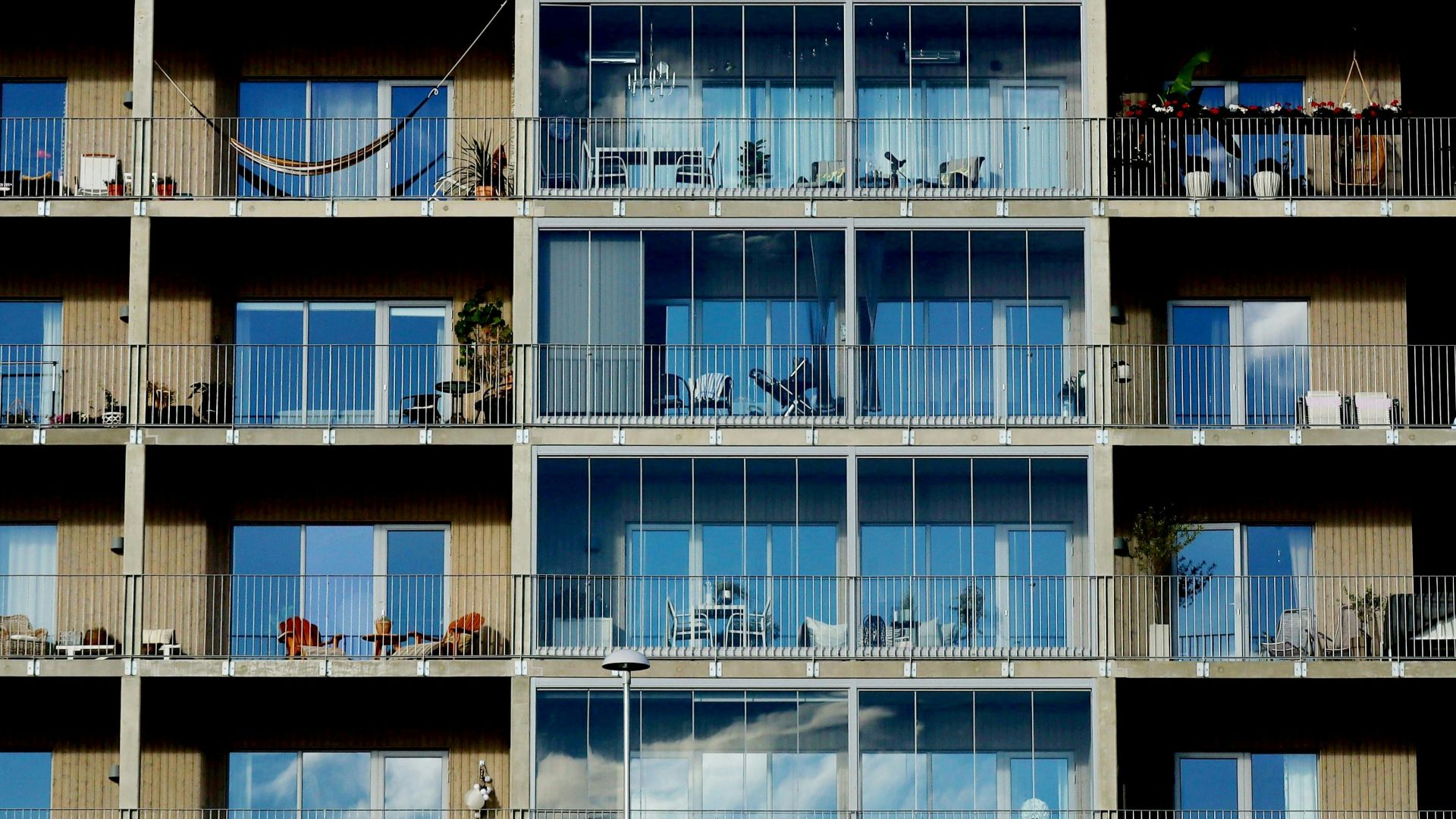
At first, it might’ve seemed like a one-off thing. Maybe a wrapper or some small debris falling from above. But now it’s becoming a pattern. Items are regularly ending up on your patio, and it’s clearly coming from your upstairs neighbors. You tried to handle it directly by asking them to stop, but instead of fixing the issue, they got defensive or even hostile. Luckily, while it might seem like you’re stuck dealing with both the mess and the tension, you're not.

This Isn’t Just Annoying, It’s A Real Issue
When someone is dropping or throwing items onto your space, it’s more than just inconsiderate behavior. It can be considered a nuisance, and in some cases even a safety concern depending on what’s being dropped. If objects are falling regularly, there’s also a risk of damage or injury, which makes the situation more serious than it might seem at first.

Most Buildings Have Rules Against This
In most apartments or condos, there are clear rules about not throwing or dropping anything from balconies. These rules are usually part of lease agreements or building bylaws, and they exist for exactly this kind of situation. Even if your neighbors act like it’s no big deal, there’s a good chance they’re already violating building policy.

Start Documenting Everything Right Away
Before taking things further, start keeping a record of what’s happening. Take photos of anything that lands on your patio, and note when it happens. If you can safely capture video of items being dropped, that’s even better. A consistent record helps show this isn’t just a one-time issue, but an ongoing problem.

Keep Track Of Patterns And Timing
It also helps to notice patterns. Does it happen at certain times of day? After gatherings? On weekends? The more specific your notes are, the easier it is to show that this is a repeated behavior, not random accidents.

You Already Tried Talking, And That Matters
Even though your neighbor reacted badly, the fact that you tried to address it directly works in your favor. It shows you made a reasonable effort to resolve things before escalating. You don’t need to keep pushing that route if they’re uncooperative, you’ve already done your part there.

Put Your Complaint In Writing To Management
If you haven’t already, report the issue to building management in writing. Be clear and specific. Describe what’s happening, how often, and how it’s affecting you. Attach photos if you have them. Written complaints are much harder to ignore than casual conversations.

Follow Up If Nothing Changes
If management doesn’t respond or the issue continues, follow up. One complaint can get lost or brushed off, but consistent, documented reports show that the problem isn’t going away. It also builds a record if you need to escalate later.

Mention Safety And Property Concerns
Make sure you’re framing the issue properly. This isn’t just about annoyance. Dropped items can damage property or cause injury. Highlighting those risks makes the situation more serious in the eyes of management.

Check Your Lease Or Building Rules
Take a look at your lease or condo bylaws and find any sections about balcony use, cleanliness, or nuisance behavior. If you can point to specific rules your neighbor is violating, it strengthens your complaint significantly.

Talk To Other Tenants
If this is happening to you, it might be happening to others too. Talk to neighbors nearby and see if they’ve experienced similar issues. When multiple tenants complain about the same behavior, management is much more likely to step in and enforce the rules.

Avoid Direct Confrontation Going Forward
Since your neighbor already reacted negatively, it’s best not to keep confronting them directly. That can escalate things quickly and make the situation more stressful. Let management or proper channels handle it instead.

Consider Filing A Formal Complaint
If informal complaints aren’t working, ask management about their formal complaint process. This often triggers a more official response, like written warnings or enforcement actions.

Local Bylaws Might Apply Too
Depending on where you live, there may be local bylaws about littering, debris, or property interference. Dropping items onto someone else’s space can fall under those rules, especially if it’s ongoing.
You Can Contact Local Authorities If Needed
If management refuses to act and the behavior continues, you may be able to report it to local bylaw enforcement or a non-emergency city service line. This is usually a last step, but it can be effective in persistent cases.

Think About Protecting Your Space In The Meantime
While you’re working through the issue, you might want to take some temporary steps to protect your patio. Covers, netting, or moving valuable items can help reduce damage while the situation gets sorted out.
Mediation Can Be An Option
If things feel stuck and you want to avoid escalation, mediation is another route. A neutral third party can sometimes help both sides come to an agreement without turning it into a bigger conflict.

This Can Fall Under “Quiet Enjoyment”
Tenants generally have a right to use and enjoy their space without ongoing disruption. If debris is constantly falling into your patio, that can interfere with that right, especially if it’s affecting how you use your space.

Stay Consistent And Don’t Drop The Issue
Situations like this often don’t get fixed overnight. The key is consistency. Keep documenting, keep reporting, and don’t assume silence means it’s being handled. The more consistent you are, the harder it is for others to ignore.

Final Thoughts: You Don’t Have To Put Up With It
If your upstairs neighbors are dropping junk onto your patio, you’re not expected to just deal with it, even if they got upset when you brought it up. Between building rules, tenant rights, and local regulations, you have multiple ways to push for a solution. Focus on documenting the problem, keeping your complaints in writing, and using the proper channels. It may take some persistence, but situations like this usually get resolved when the right pressure is applied.

You May Also Like:
My landlord is refusing to return my deposit over "abnormal wear and tear". Do I have any recourse?