The Mess No One Volunteers For
The first sign was a damp patch that wouldn’t stop spreading, and suddenly the whole place felt upside down. Fixing the damage was the easy part. Figuring out who’s actually financially responsible became the part no one warns you about.

When Your Neighbor’s Leak Becomes Your Burden
When water pours into your ceiling from the unit above, the damage feels unfair. Floors buckle, and repairs can’t wait. It makes sense to pay first just to stop the mess. But covering the cost doesn’t automatically erase your right to seek reimbursement.

How Water Damage Travels In Multi-Unit Buildings
In condos, a single burst pipe or clogged drain upstairs can send water directly into the units below. Gravity pulls moisture through ceilings and electrical spaces. Even a small leak can spread quickly, which causes damage far from the original source.
 Infrogmation, Wikimedia Commons
Understanding Who May Be Liable For The Damage
Liability depends on what failed and who controlled it. The neighbor may be at fault if their appliance or plumbing was poorly maintained. Sometimes the condo association is responsible if shared pipes or building systems caused the leak. Determining this early shapes your next steps.
Documenting The Damage Properly
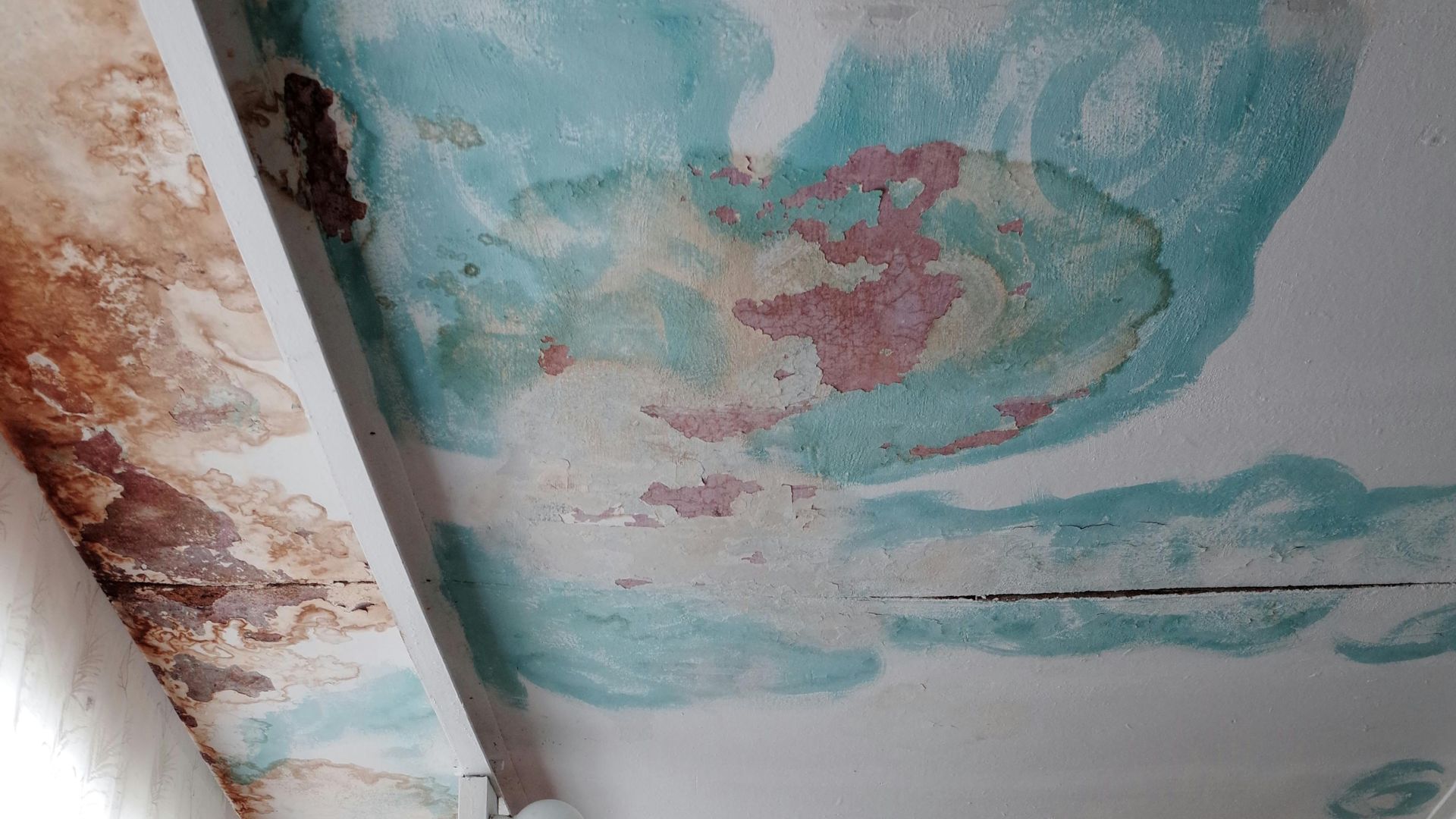
Start by photographing every soaked surface, stained ceiling, and damaged belonging. Record times, dates, and how the leak progressed. Keep repair receipts and communication screenshots. Good documentation helps show the full impact of the incident and strengthens any insurance claim or reimbursement request you make.
Get A Professional Assessment Of The Leak Source
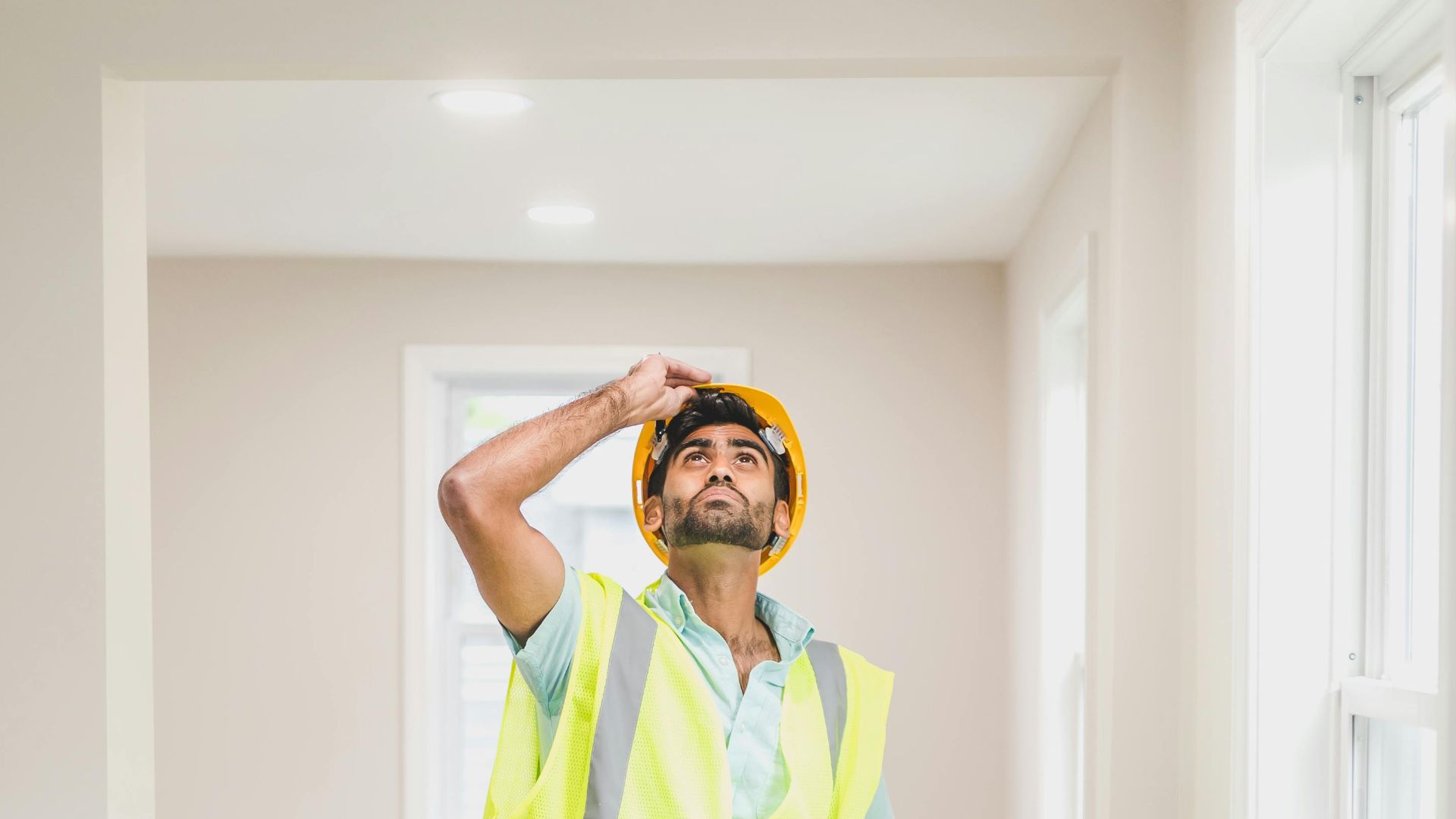
A licensed plumber or building inspector can pinpoint exactly where the water started. Their report shows whether the issue came from a neighbor’s fixture or hidden structural problems. This clarity matters because insurers and associations rely heavily on verified source documentation.
When The Condo Association Is Responsible
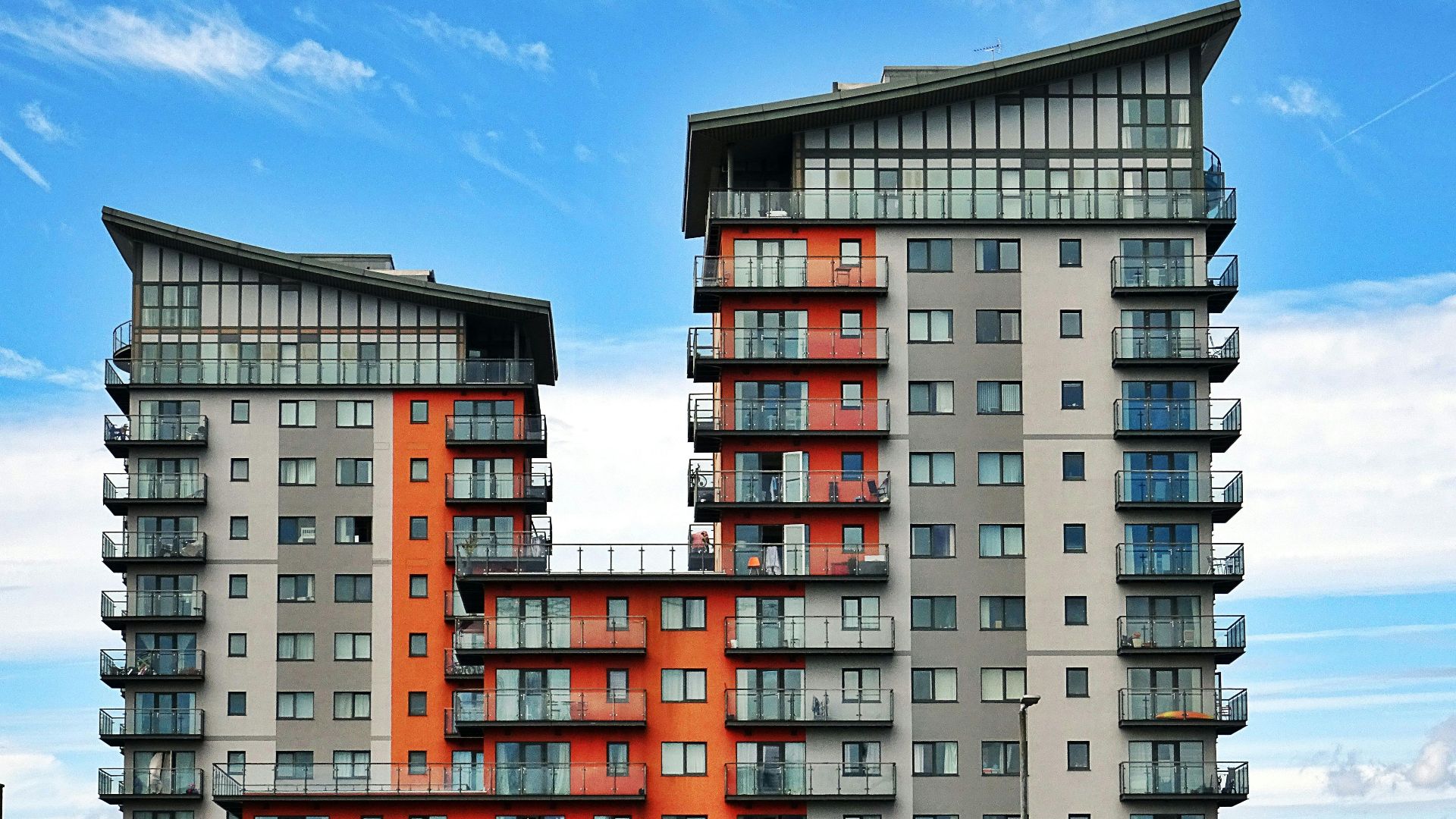
Condo associations typically handle “common elements” like shared plumbing lines and building infrastructure. If the leak began in any of these areas, responsibility may fall on them. Their maintenance records and inspection history often help determine whether the association failed to prevent foreseeable damage.
 SevenStorm JUHASZIMRUS, Pexels
When The Neighbor Is Responsible
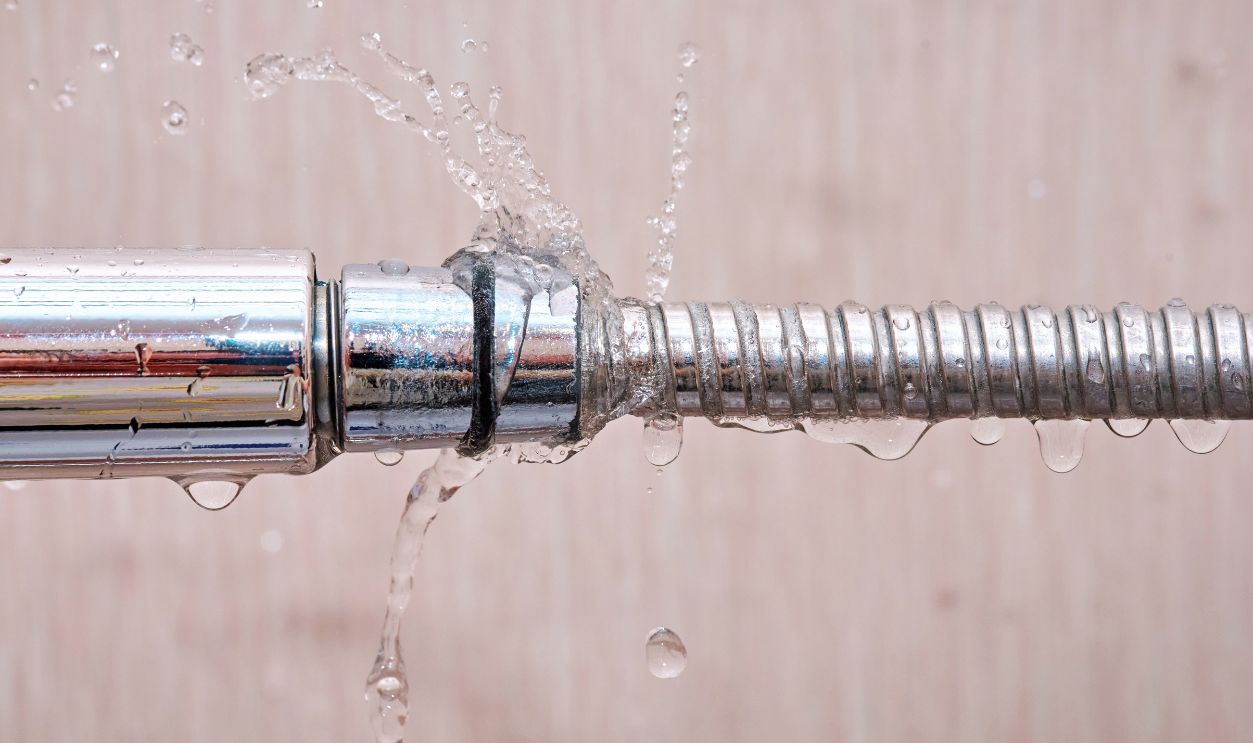
A neighbor becomes responsible if their actions—or lack of maintenance—caused the leak. Overflowing bathtubs, ignored pipe drips, faulty washing machine hoses, and aging appliances are common triggers. If their negligence led to the failure, they may need to cover the repairs to your unit.
Understanding Your Own Homeowner’s Insurance Coverage
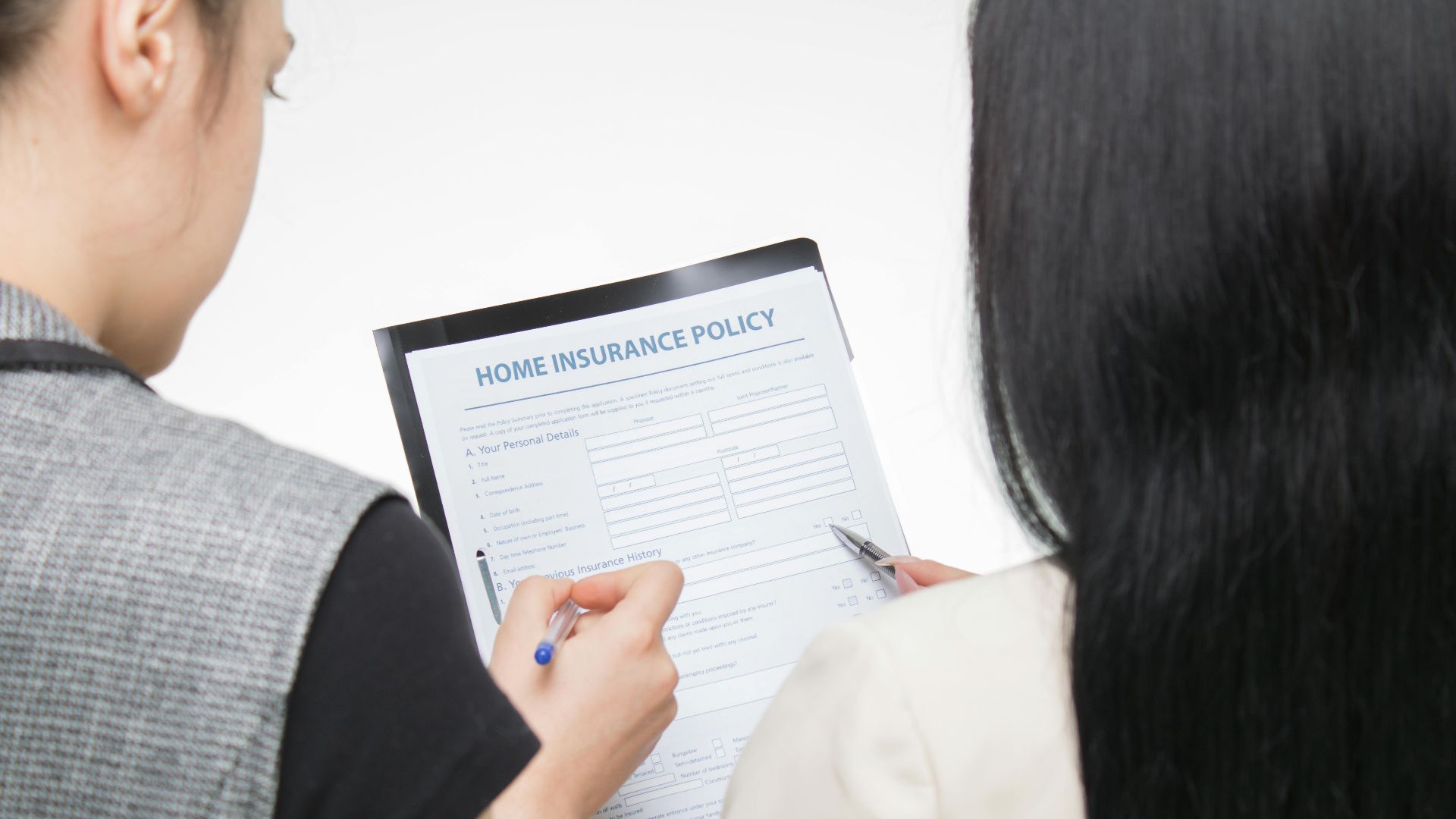
Your condo insurance (HO-6 policy) usually covers interior finishes and temporary living costs. While it may not fix structural components the HOA controls, it often helps you recover out-of-pocket expenses. Knowing these limits early prevents surprises when you file a claim.
What Your Neighbor’s Liability Insurance Can Cover
If your neighbor has liability coverage, their policy may pay for your repairs along with your damaged belongings, and hotel stays if your home becomes unusable. This coverage activates when their actions—or their unit’s plumbing fixtures—are proven to have caused the water damage.

Approaching The Neighbor
Begin calmly and explain what happened, showing photos if needed. Ask whether they’ve notified their insurance company and request their policy details. Keeping the conversation polite increases cooperation, which often makes the reimbursement process faster and smoother for both sides.
When The Neighbor Refuses To Cooperate
If a neighbor avoids responsibility or refuses to share insurance information, don’t panic. You can notify your insurer, file a written incident report with the condo association of the property, and rely on official assessments to establish facts without needing the neighbor’s cooperation.

Filing An Incident Report With The Condo Association
Most associations require written reports of water leaks. Once notified, they review building systems and may send maintenance staff to inspect. Their records help clarify whether a shared component failed, which becomes important when deciding who should pay for the damage.
Understanding Subrogation
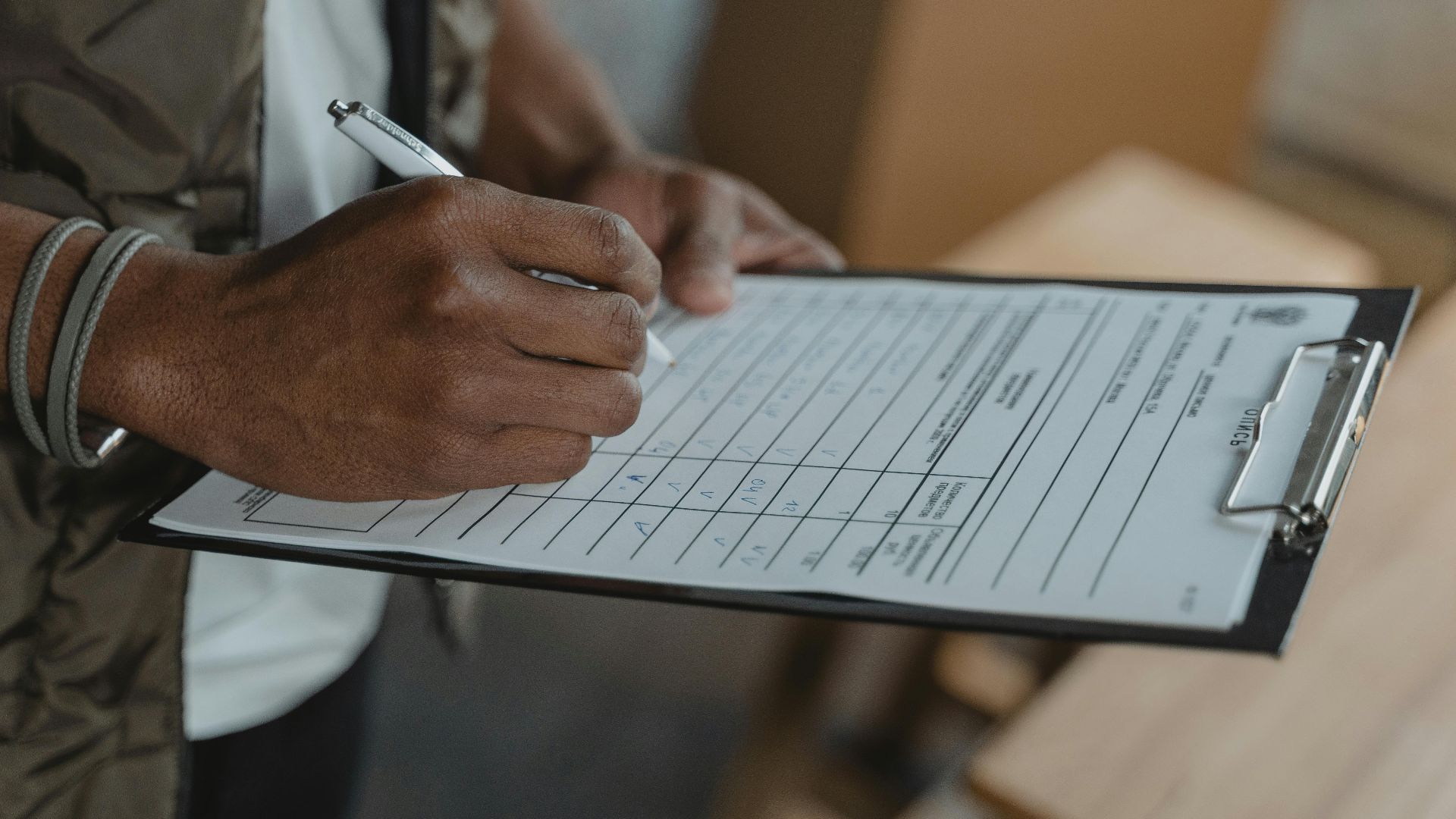
If your insurer pays for repairs, they may later “subrogate,” meaning they pursue the responsible party for reimbursement. This process happens behind the scenes. It protects you from direct conflict and still allows you to recover costs without lengthy disputes.

Collecting Repair Estimates And Why Multiple Quotes Matter
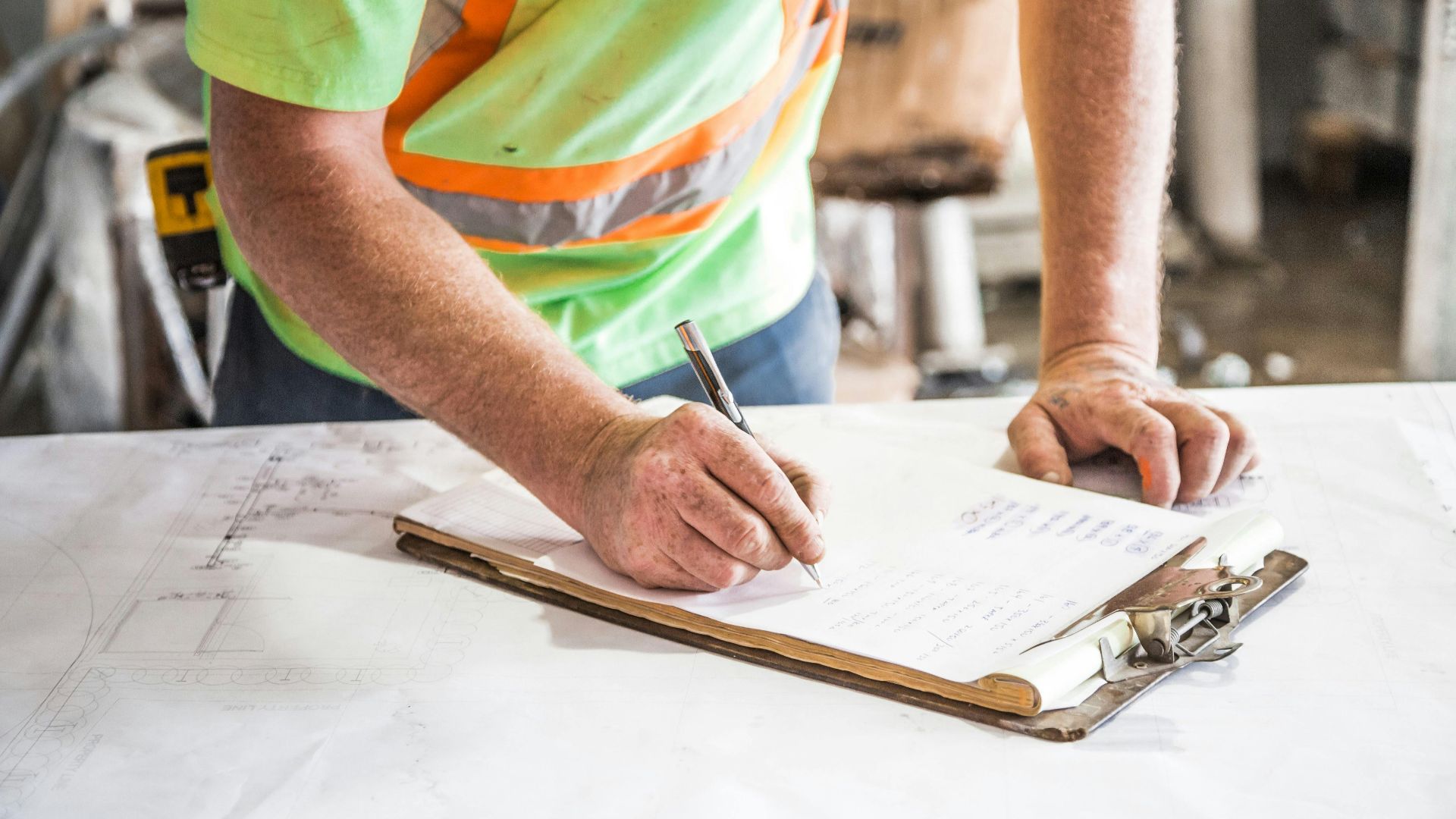
Start by getting detailed written estimates from licensed contractors. Each quote should list everything that is required to go ahead with the job. These documents show the true scope of damage and give insurers a clear baseline for evaluating what the repairs should reasonably cost.
Collecting Repair Estimates And Why Multiple Quotes Matter (cont.)
Multiple quotes prevent overcharging and help you prove your costs are legitimate. Insurers often compare estimates to spot inflated pricing. When several professionals agree on the range, your reimbursement request becomes harder to dispute and far easier for insurers to approve.

Tracking All Out-Of-Pocket Costs You Want Reimbursed
Keep every receipt, from emergency drying services to hotel stays and replaced belongings. Water damage causes layered expenses, and insurers only reimburse what you prove. A simple folder—or digital file—ensures nothing gets overlooked when you request compensation. People tend to forget smaller expenses, but they can add up, too.

Handling Mold And Secondary Damage Claims
Moisture can create mold within 24–48 hours, and insurers treat mold as separate damage. To link it to the original leak, document timelines and inspection reports. This helps show the mold didn’t result from neglect but from unavoidable water exposure.

When The HOA Says, “This Is Between You And Your Neighbor”
Associations sometimes distance themselves, but that doesn’t automatically remove their responsibility. If shared building systems were involved, the HOA must address them. Request written explanations and inspections so responsibility is determined based on evidence, not assumptions. You can also take legal action.
When The Neighbor Claims “It Wasn’t My Fault”
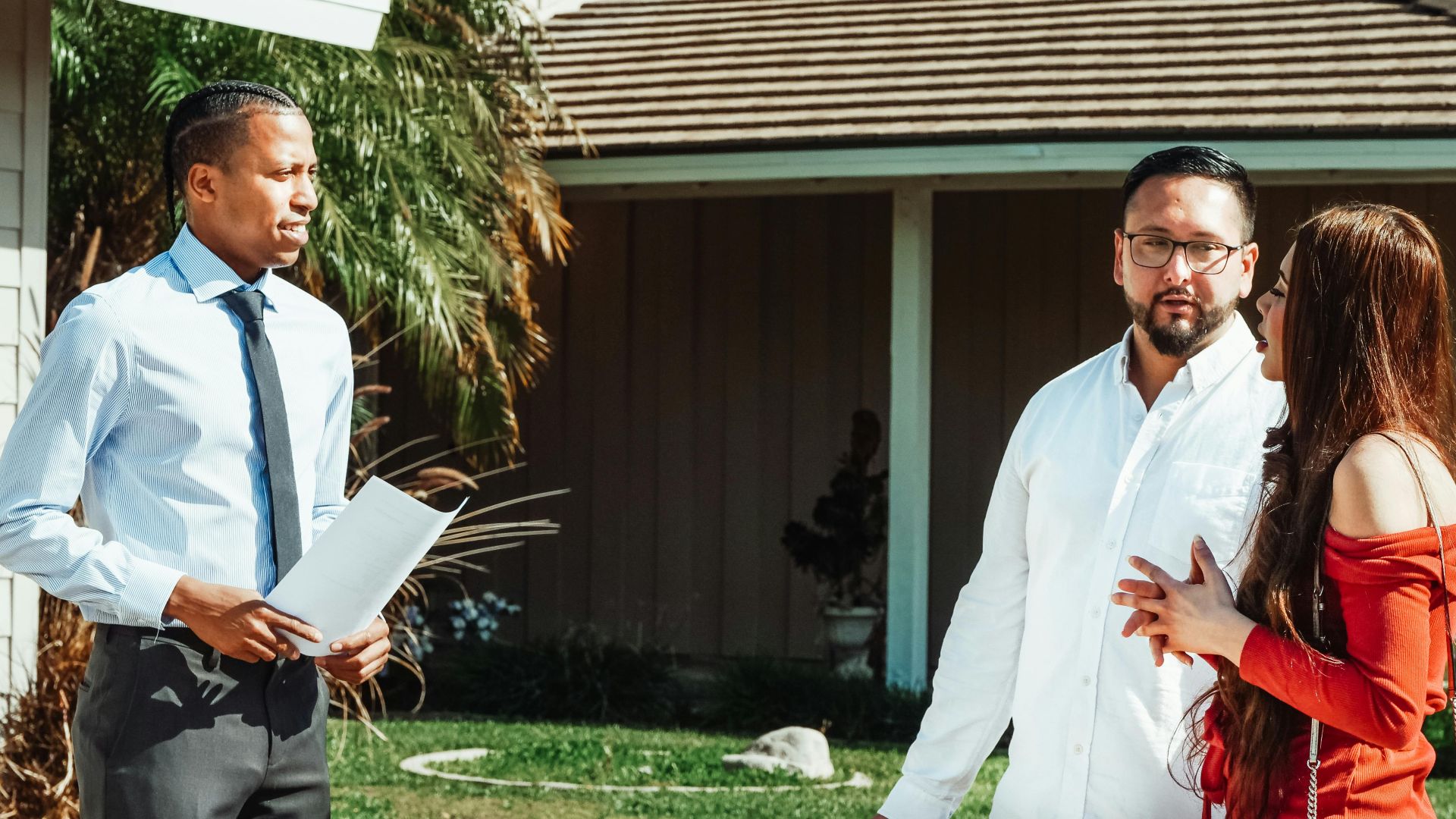
A neighbor may insist they didn’t cause the leak, especially if the issue wasn’t obvious. In these cases, inspection reports and plumber findings become vital. These independent records help show whether the leak resulted from an issue that was likely the fault of your neighbor.

Mediation As A Low-Conflict Solution
Mediation brings in a neutral professional who helps both sides reach an agreement without going to court. It’s faster than legal action and often leads to practical solutions. Mediators focus on facts—not emotions—making it easier to settle repair costs fairly.

Small Claims Court
Another option you have is small claims court, which is designed for everyday disputes and doesn’t require a lawyer. You present all the verified documents with photos to show what happened. If the judge agrees that the neighbor or HOA is responsible, you can be awarded reimbursement for your losses.
What You Must Prove To Recover Costs In Court
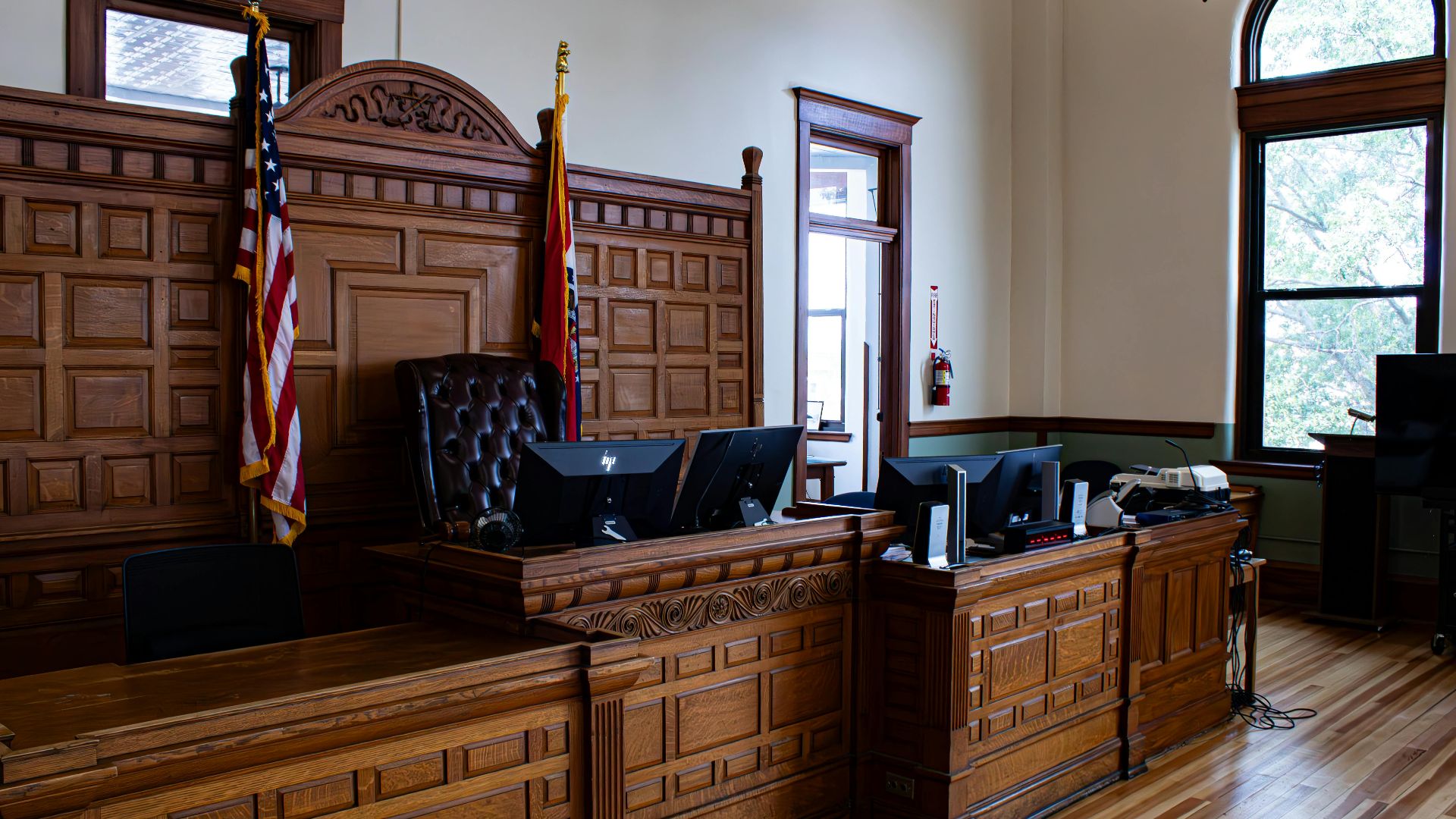
Courts look for four things: proof of damage, proof of the leak’s source, proof that someone’s actions or negligence caused it, and proof of your expenses. Clear documentation helps you meet each requirement and strengthen your case in the court of law.

Understanding Local Laws About Water Damage Liability
States differ in how they assign responsibility for leaks. Some require proof of negligence, while others hold owners accountable for problems originating in their units. Knowing your state’s rules helps you understand what evidence matters most and how strong your reimbursement claim can be.

When A Lawyer Becomes Necessary
If the responsibility is disputed or the HOA and neighbor refuse to cooperate, an attorney can help. Lawyers interpret insurance policies, state laws, and condo bylaws. They can ensure you don’t lose money simply because others won’t take responsibility. However, this can be costly.

Preventing Future Leaks And Setting Expectations With Neighbors
Regular inspections and updated appliance hoses with neighbors reduce future risks. Many leaks come from aging fixtures or unnoticed drips. Encouraging everyone to report small issues early helps prevent major damage and protects every unit in the building, reducing such disputes.