When Your Building Starts Feeling Like A Hotel
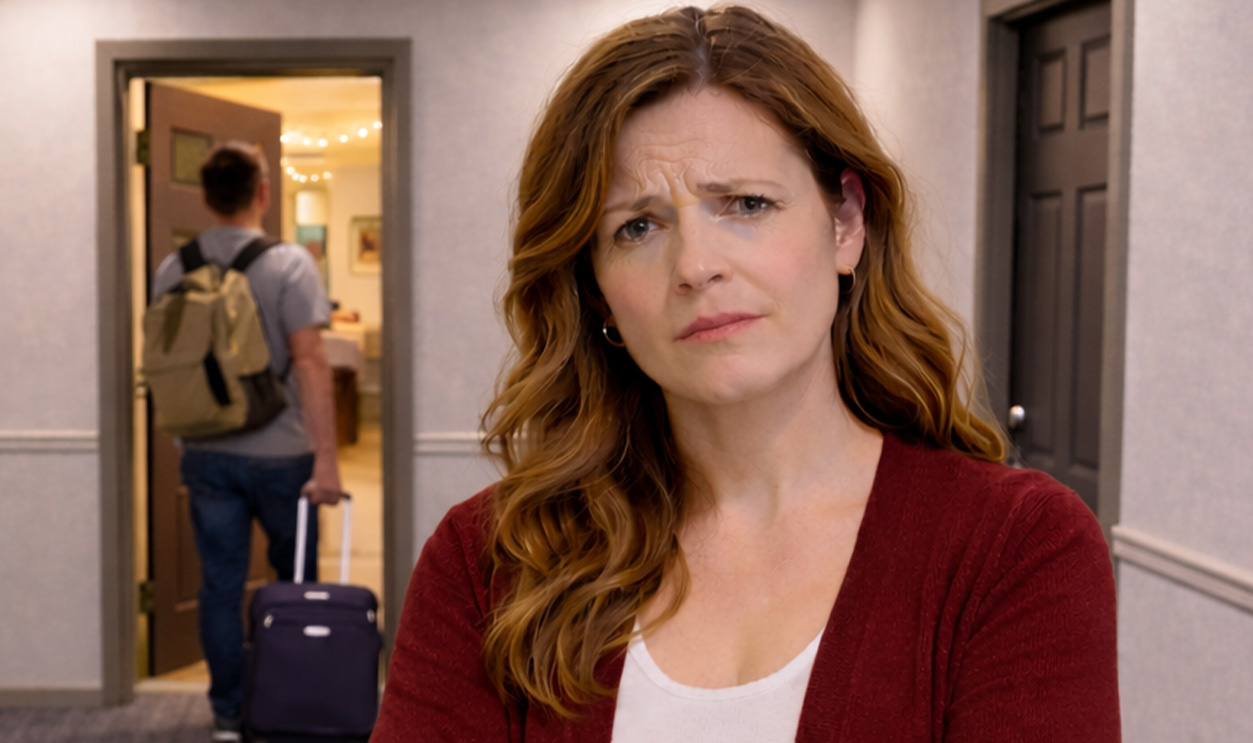
You moved into your apartment expecting a normal routine and some sense of stability but lately, it feels like your building has turned into a mini hotel. There are new people every few days, noise late at night, strangers wandering the halls, and a general lack of accountability. After a bit of digging, you realize your neighbor is running an Airbnb out of their unit. You bring it up to management, expecting them to step in, but nothing really changes. So, where do you go from here?
Short-Term Rentals Are Often Against The Rules
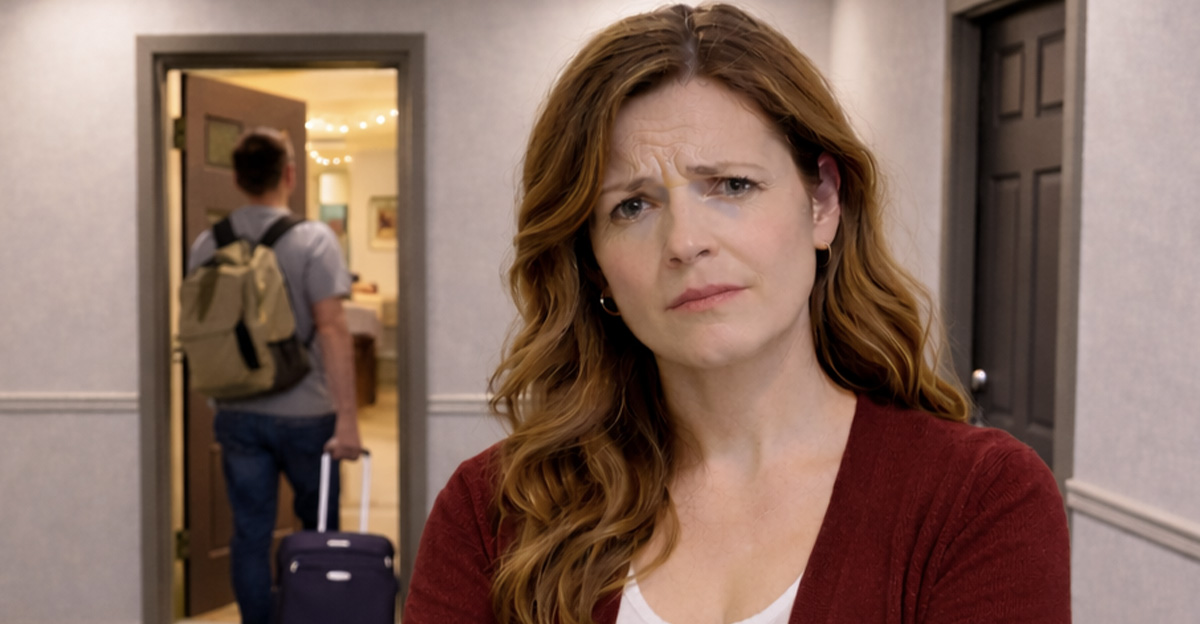
Most apartment buildings and condos have rules about subletting or short-term rentals. Even if they don’t explicitly say “no Airbnb,” there’s often language that restricts short-term stays or limits how units can be used. That’s why this situation usually isn’t as simple as your neighbor makes it seem.
Your Lease Is Your First Line Of Defense
Start by going through your lease or building handbook. Look for anything about subletting, guests, or commercial use of units. If short-term rentals are restricted, you’ve got something concrete to point to when dealing with management.

Local Laws Might Also Be On Your Side
Many cities have strict rules around Airbnb-style rentals. Some require permits, others limit how often a unit can be rented, and some ban them outright in certain types of buildings. If your neighbor isn’t following those rules, it’s not just a building issue, and you might be able to report the unit to local authorities. Many cities have dedicated complaint systems for unlawful Airbnb listings.

The Real Issue Is The Impact, Not Just The Airbnb
Even if your neighbor tries to argue that Airbnb is allowed, the bigger issue is what it’s causing. Noise, security concerns, and constant turnover of strangers can all affect your ability to live comfortably.

Start Documenting Everything
If you haven’t already, start keeping track of what’s happening. Note dates, times, and specific incidents. Whether it’s loud parties, hallway noise, or unfamiliar people accessing shared spaces, write it down.

Photos And Videos Can Help
If it’s safe to do so, take photos or short videos of disruptions. This gives you something concrete to show management instead of just describing the problem.
 Andreas Papadopoulos, Unsplash
Keep A Consistent Log
A one-time complaint is easy to ignore. A pattern is not. Keeping a running log over time shows that the issue is ongoing and affecting your daily life.

Report Issues In Writing, Not Just In Person
If you’ve only spoken to management casually, switch to written communication. Send emails outlining the problem, include examples, and reference any rules being violated. This creates a record.

Follow Up, Don’t Just Send One Message
If nothing happens after your first complaint, follow up. Sometimes things get ignored simply because they aren’t pushed. Being consistent makes it harder for management to brush it off.

Talk To Other Tenants
There’s a good chance you’re not the only one dealing with this. Talk to neighbors and see if they’re experiencing the same issues. Chances are, they are. When several residents raise the same concern, management is much more likely to act. It shifts the issue from a personal complaint to a building-wide problem.
 Christina @ wocintechchat.com M, Unsplash
Report The Listing To Airbnb
Airbnb has its own reporting system. If the listing violates building rules or local laws, you can report it directly through their platform. While it doesn’t always lead to immediate action, it can put pressure on the host.

Security Concerns Are A Big Deal
Constant turnover of guests can raise real safety issues. People who don’t live in the building may have access to entry codes, keys, or shared amenities. This is something management should take seriously.
Management Still Has A Responsibility
Even if they’re slow to act, management isn’t off the hook. They’re responsible for enforcing building rules and maintaining a safe, livable environment. Ignoring repeated complaints can become its own issue.

Escalate If You’re Being Ignored
If your property manager isn’t responding, look for the next level up. This could be a management company, a condo board, or even a corporate office. Sometimes things only move when you go higher.

Mediation Can Be A Middle Ground
If things are getting tense, mediation can help. It’s a way to resolve the issue without jumping straight into legal action, especially if you’re dealing with a neighbor you’ll continue living near.

You Have A Right To Quiet Enjoyment
In many places, tenants have a legal right to “quiet enjoyment” of their home. If constant Airbnb activity is disrupting your living conditions, that could become a bigger issue legally.

Legal Advice Might Be Worth Considering
If the situation is ongoing and seriously affecting your quality of life, it may be worth talking to a tenant lawyer or housing clinic. They can help you understand your options based on local laws.

Avoid Confronting Guests Directly
It might be tempting to say something to the guests themselves, but it usually doesn’t help. They’re temporary and may not know the situation. It’s better to deal with the host or management.

Final Thoughts: You’re Not Stuck With It
If your neighbor is running an Airbnb and it’s disrupting your life, you don’t have to just deal with it. Between building rules, local laws, and tenant protections, you have multiple ways to push for change. It might take persistence, documentation, and possibly involving others, but you do have leverage. The key is staying consistent and using the right channels until something finally gets done.

You May Also Like: