
When Your Backyard Suddenly Has An Audience
You step outside to enjoy some fresh air, maybe sip your coffee, and then you notice it—a small, dark lens pointed right at your yard. Your neighbor just installed security cameras, and suddenly your private space doesn’t feel so private anymore. It’s an uncomfortable situation, and figuring out where you stand isn’t always straightforward.
Security Cameras Are Usually Allowed
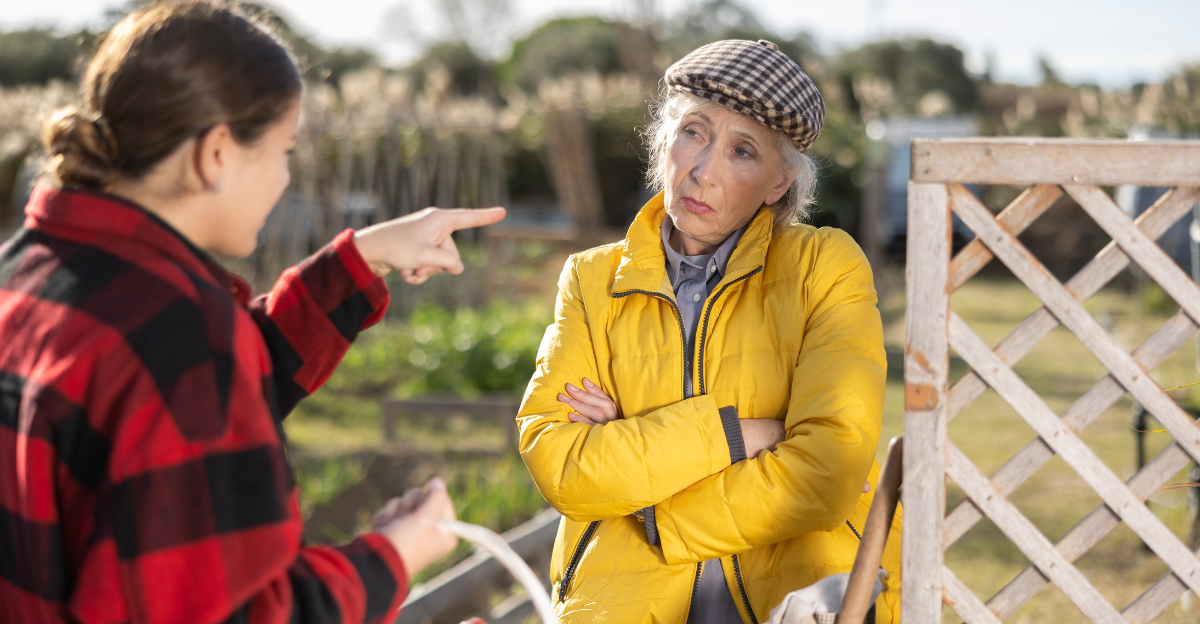
Homeowners are generally free to install cameras on their own property for safety. Covering entry points, driveways, and the outside of the home is widely accepted, and most people wouldn’t think twice about it. The idea is simple: you’re allowed to protect what’s yours.
But There Are Boundaries
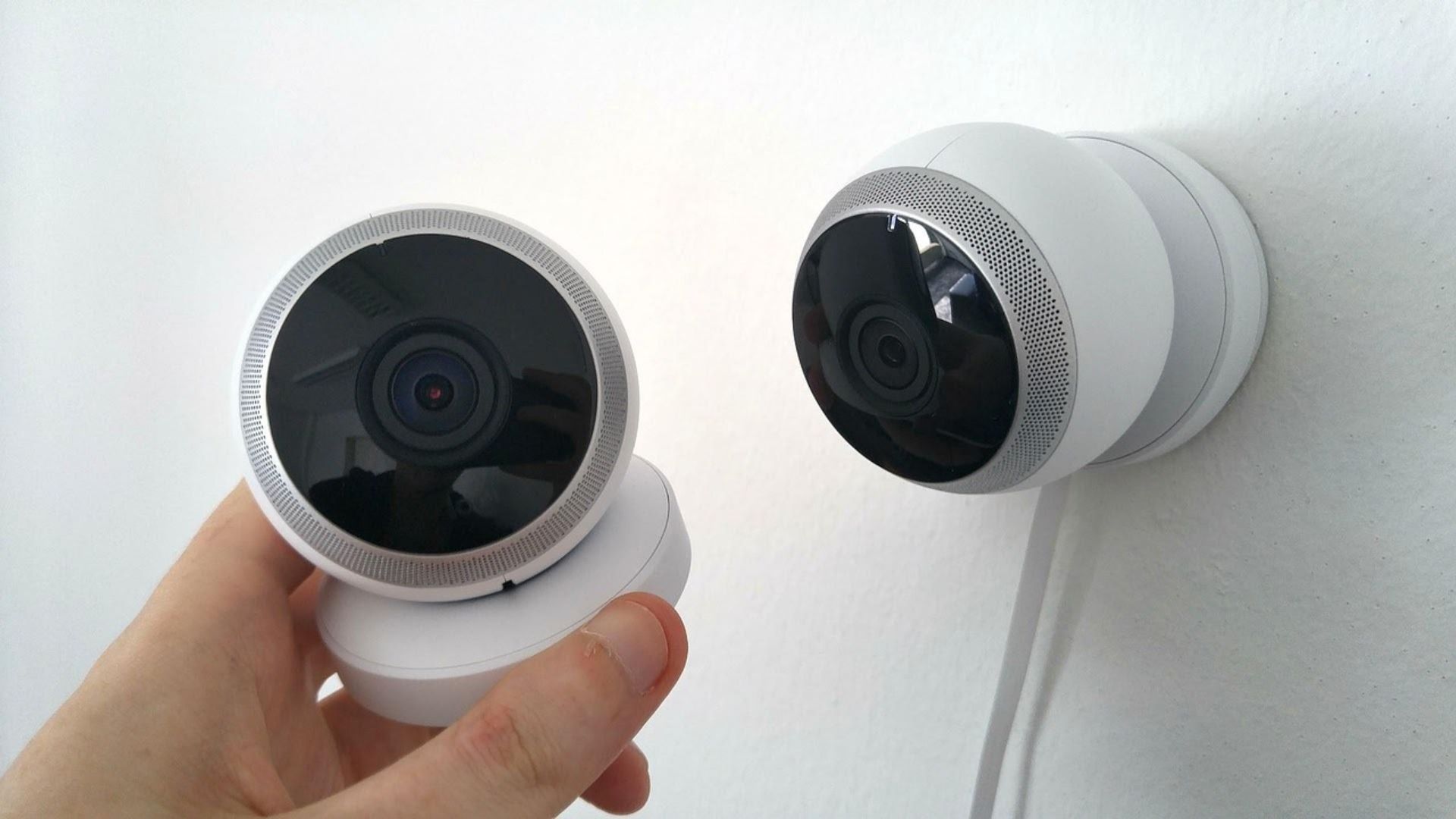
That freedom has limits, especially when cameras start capturing areas beyond the owner’s property. The moment a device focuses on someone else’s space, the situation becomes more complicated. It’s no longer just about protection—it’s about respecting personal boundaries.
What “Reasonable Expectation Of Privacy” Means
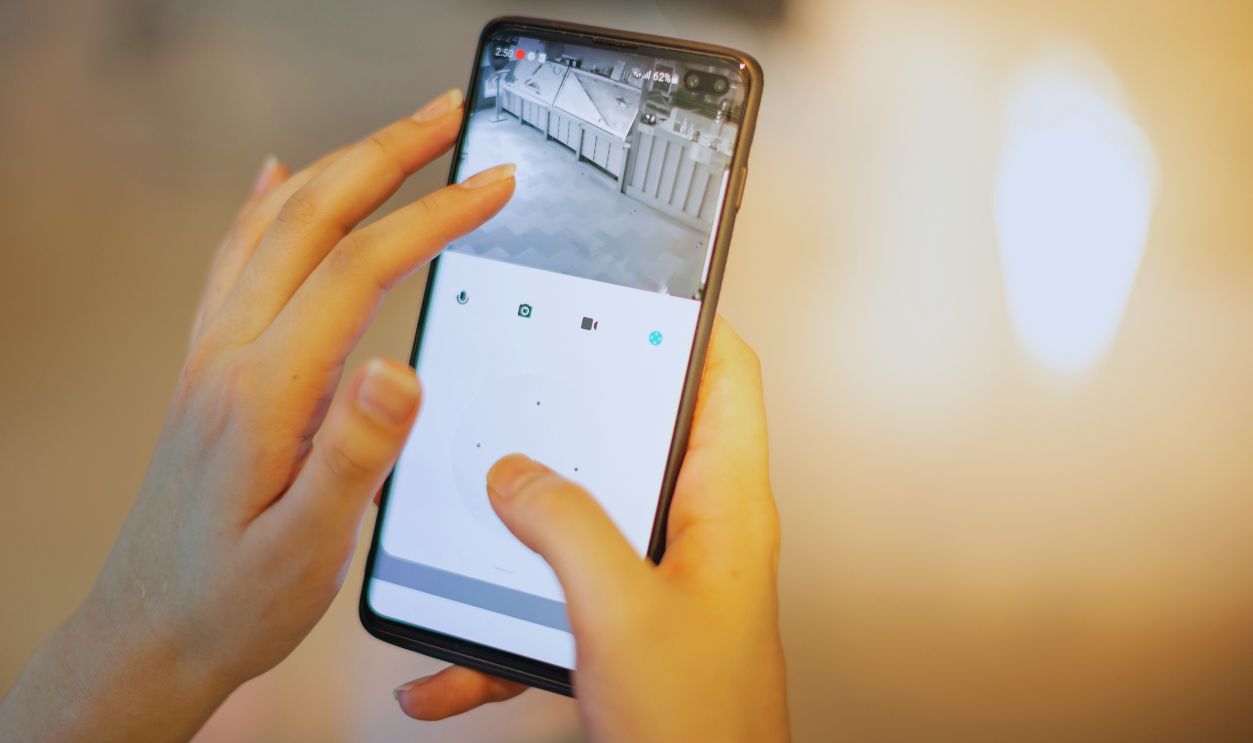
This phrase shows up often in surveillance discussions, and it boils down to whether a typical person would expect privacy in a certain spot. Indoors, the answer is almost always yes. Outside, things become less clear, which is where most disputes begin.
Where Your Backyard Fits In
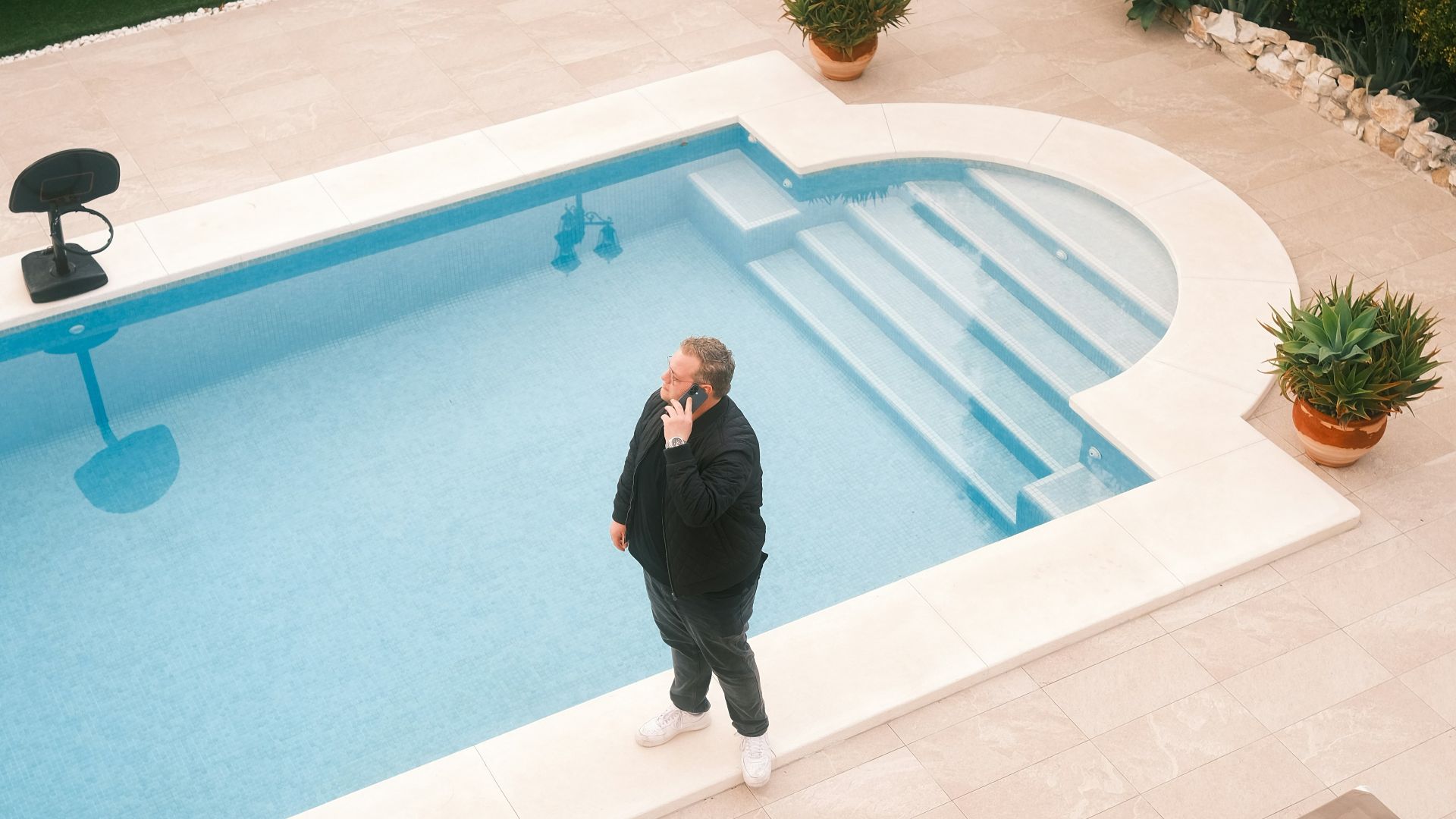
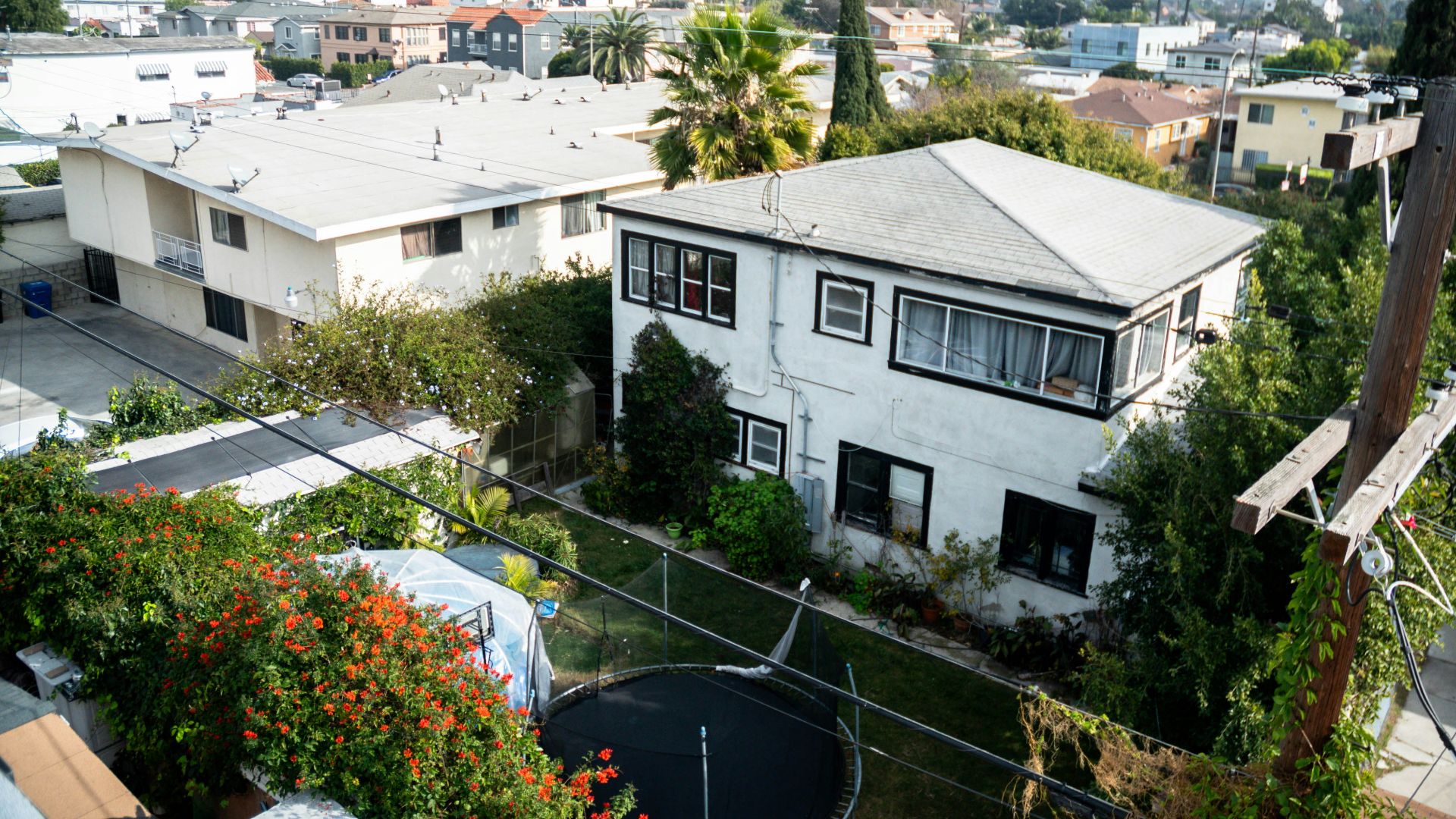
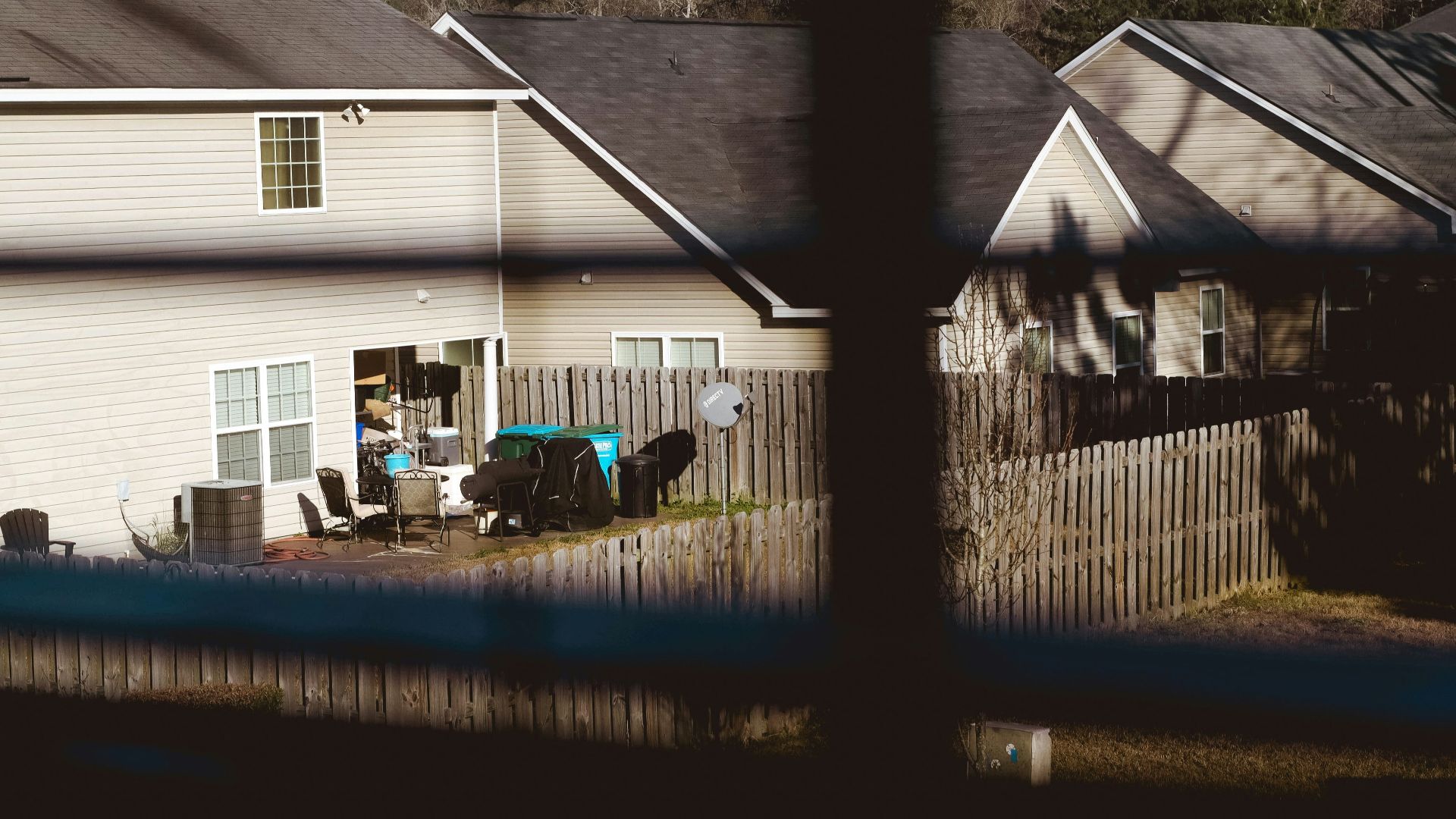
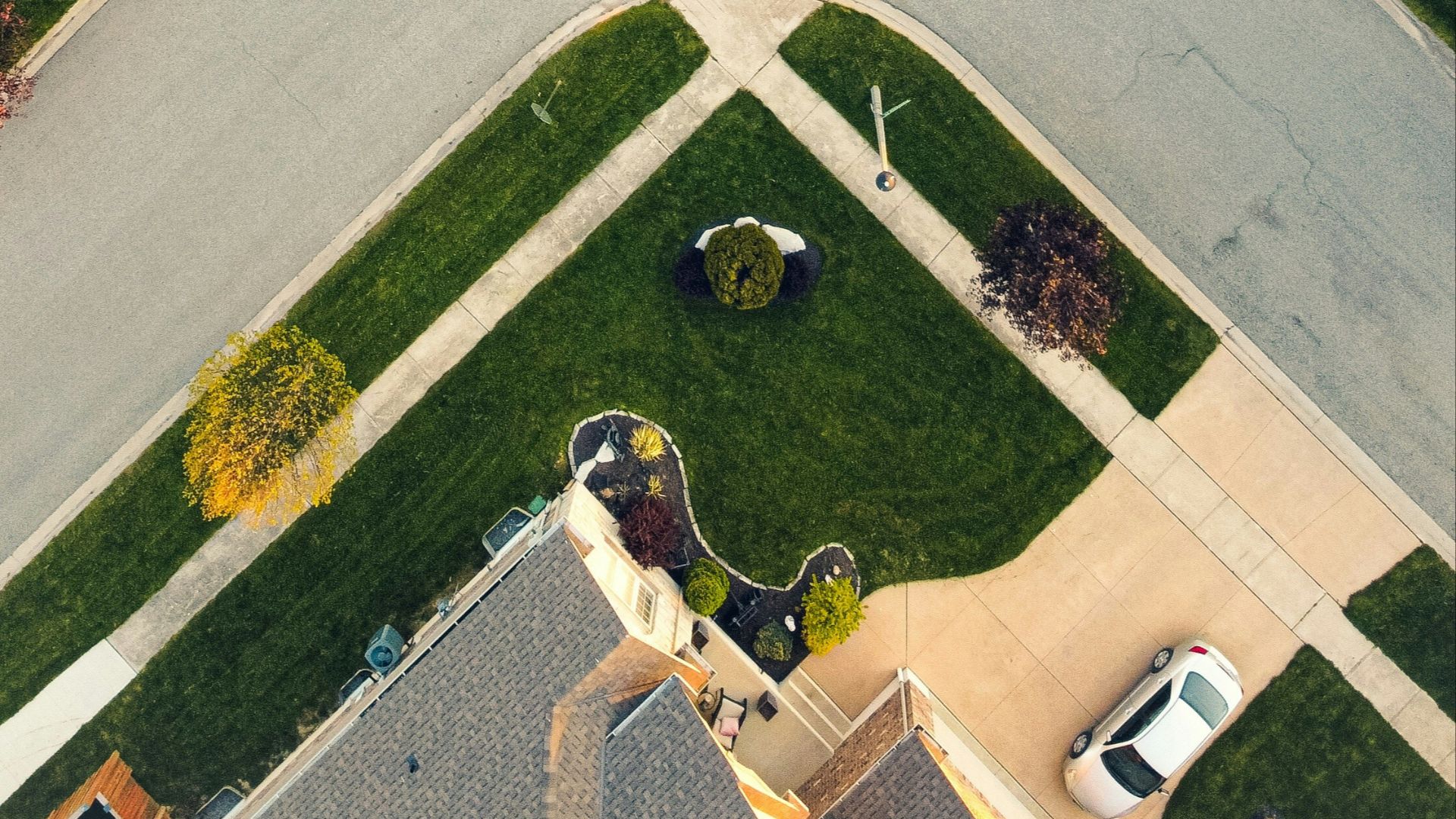
Backyards fall into a gray zone because they are private property but still outdoors. If your yard is easily visible from neighboring homes or elevated viewpoints, expectations can shift. That visibility can weaken claims that the space is fully private.
Open Vs. Shielded Spaces
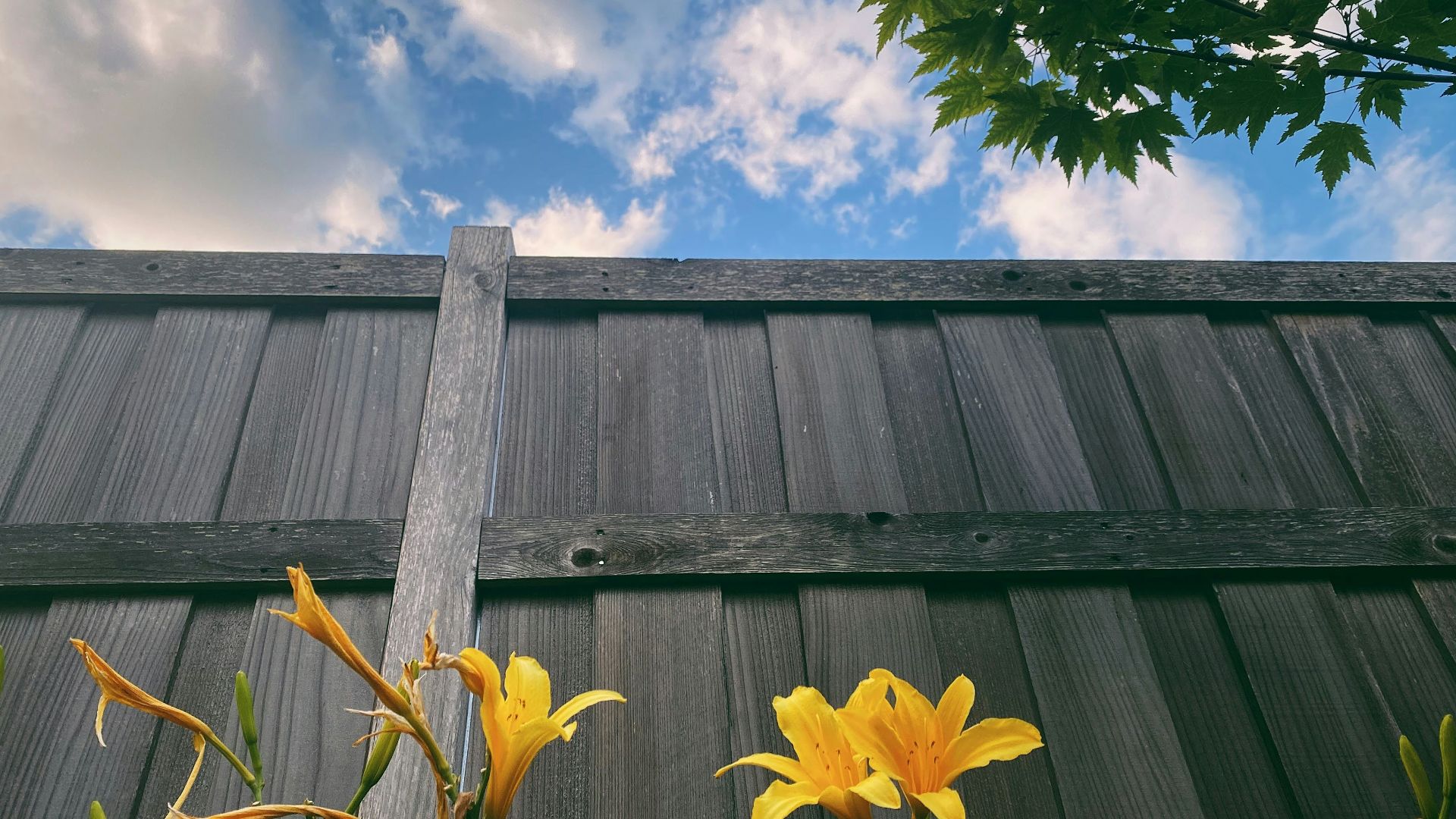
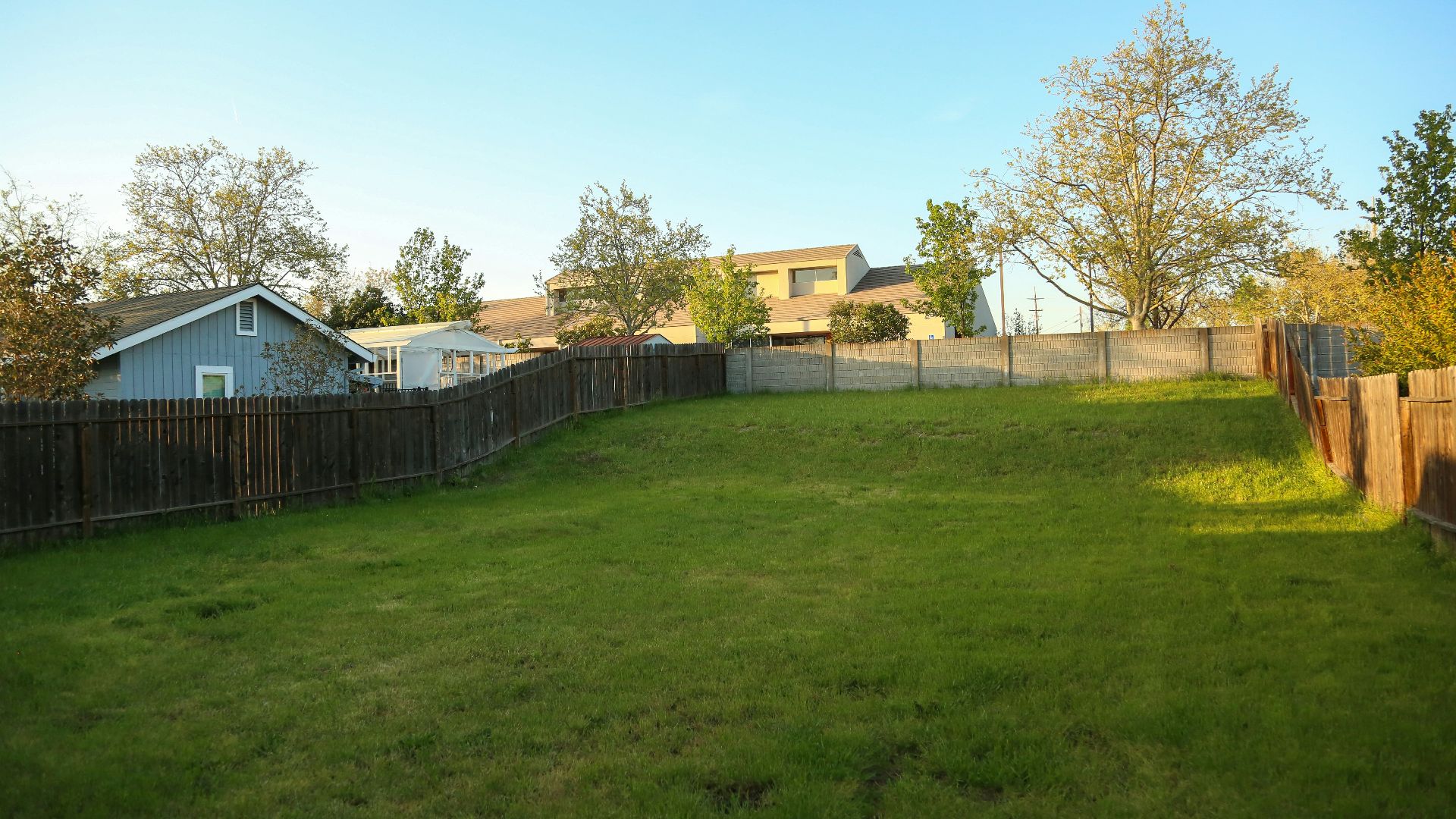
A wide-open yard is treated differently from one surrounded by tall fences or dense hedges. Barriers signal that you’re trying to keep the space private, which can strengthen your position. Without them, others may argue that the area is already exposed.
Camera Placement Changes Everything
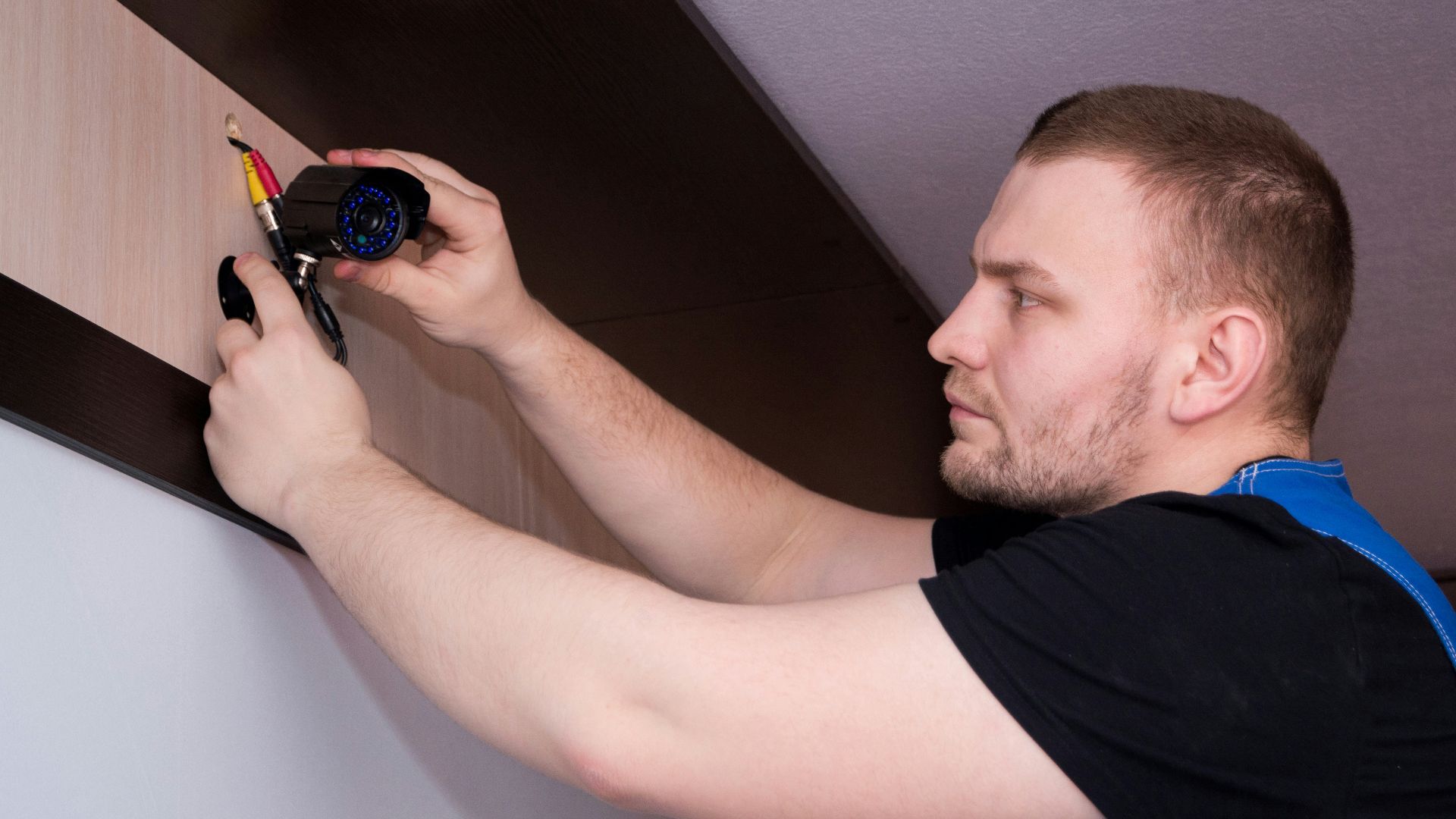
A camera aimed at a driveway that happens to catch part of your yard is one thing. A device clearly pointed straight into your backyard is another. Where it’s directed often matters more than the camera itself.
Why Intent Matters
Context plays a big role in how these situations are judged. If the goal is to monitor a home’s perimeter, that’s usually seen as reasonable. If the setup seems focused on watching a neighbor, it starts to look questionable.
Audio Recording Raises More Concerns
Video alone is one issue, but recording sound can create bigger problems. Some places have strict rules about capturing conversations, especially without consent. A camera that records audio can cross a line much faster than one that doesn’t.
Public Areas Are Different
Recording streets, sidewalks, and other shared spaces is generally accepted. Those areas don’t carry the same expectation of privacy as a backyard. That distinction often becomes a key factor in disputes.
Rules Can Vary By Location
Laws surrounding surveillance are not identical everywhere. Some regions have stricter standards, especially when it comes to audio or how much of a neighbor’s property can be captured. Where you live plays a big role in how things are interpreted.

You Don’t Own The View
There’s also the idea that no one controls what can be seen from another property. If your yard is already visible from next door, a camera capturing that same angle may not automatically be considered intrusive. This is one of the more frustrating aspects for homeowners.
When It Starts Feeling Like Harassment
If a camera seems to follow your movements or is adjusted to keep you in frame, the situation changes. At that point, it may feel less like security and more like targeted monitoring. That shift can make a big difference.
Signs The Camera Goes Too Far
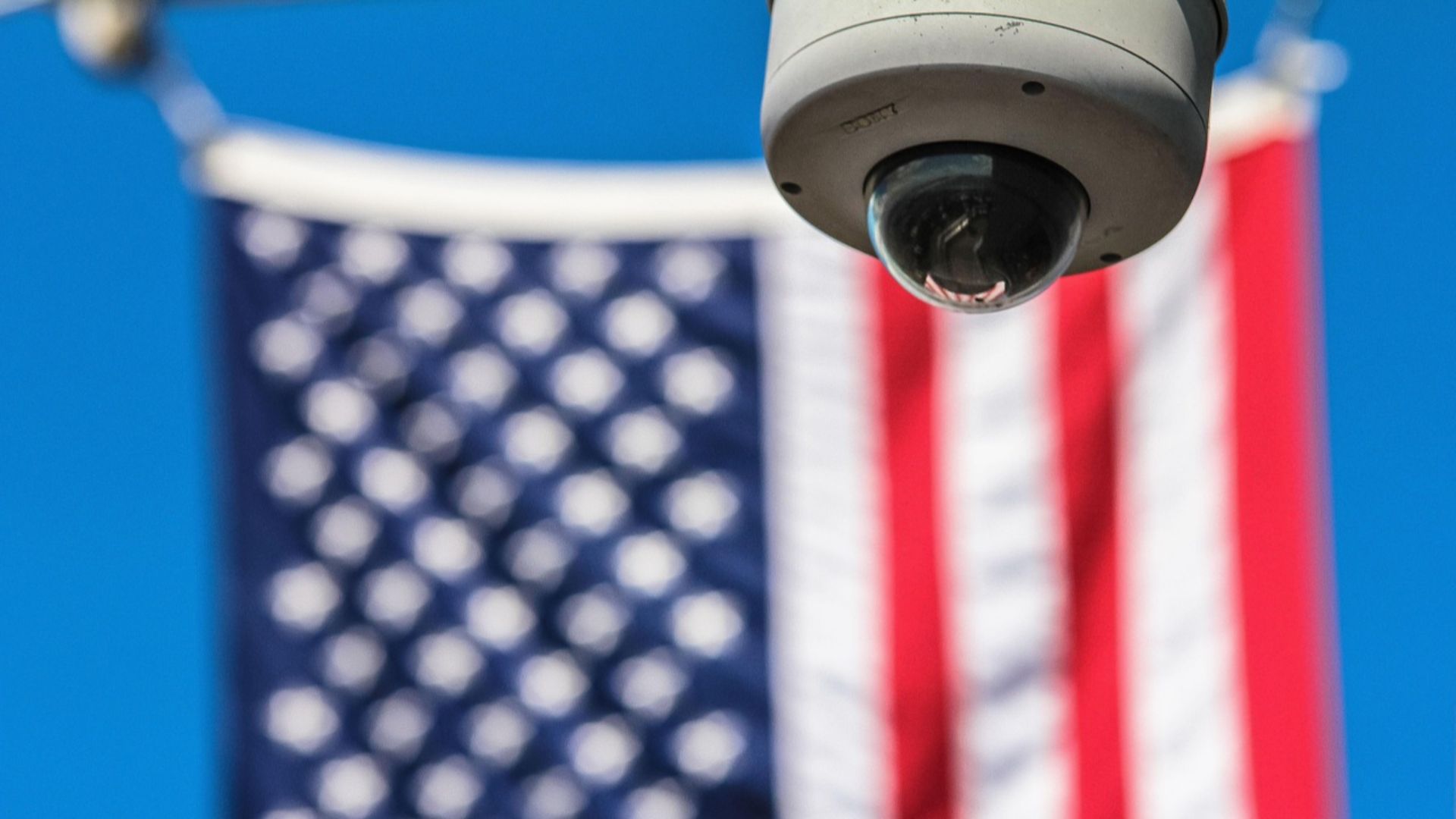
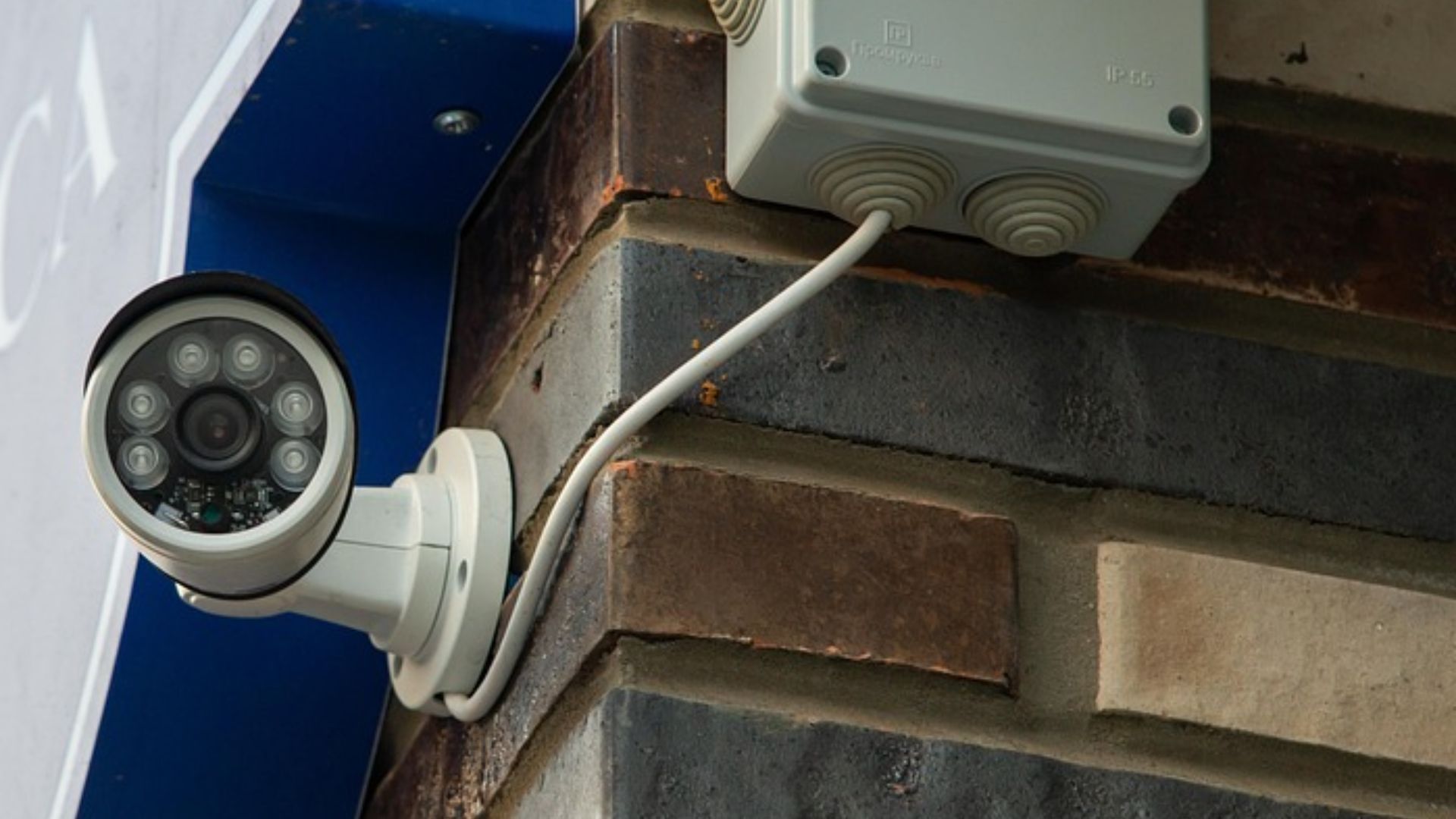
Devices pointed directly at windows, patios, or areas where people gather can raise red flags. These setups often look less like general surveillance and more like focused observation. That’s when concerns tend to escalate.

Hidden Cameras Are A Bigger Problem
Cameras that are concealed tend to be viewed more negatively than visible ones. Transparency matters, and people are more likely to object when they don’t even know they’re being recorded. Hidden devices aimed at private areas are especially concerning.
Start With A Conversation
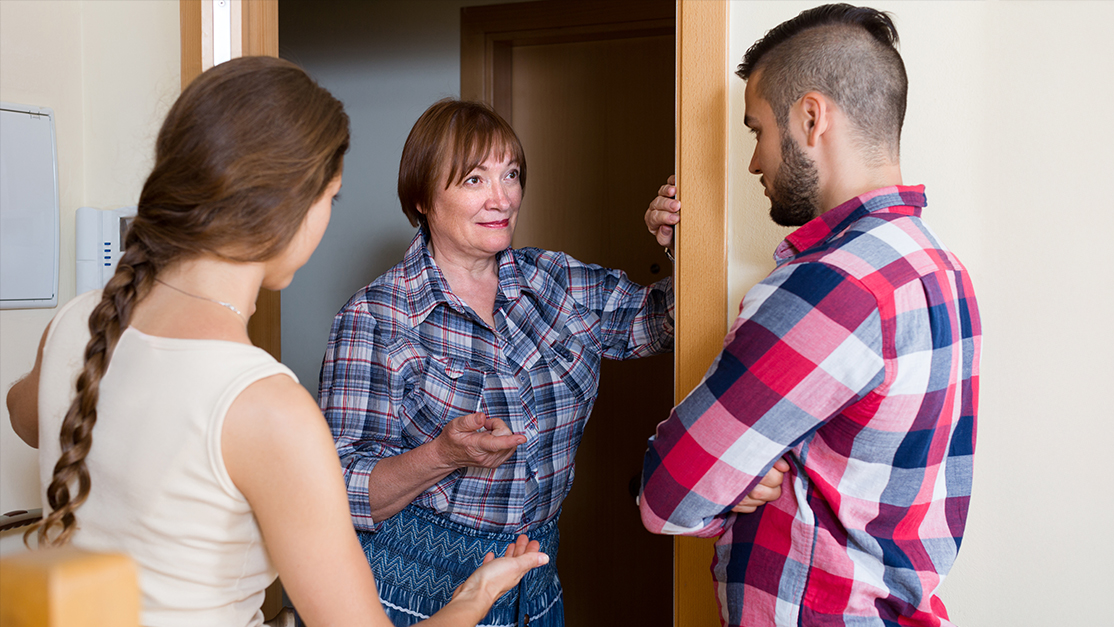
Before assuming the worst, it can help to talk to your neighbor. They may not realize how much of your yard is visible on their system. A simple conversation can sometimes resolve the issue quickly.
Keep A Record Of What You See
If the problem continues, documenting the setup can be useful. Take note of camera angles, positions, and any changes over time. Having clear evidence can help if things escalate.

Look Into Local Guidelines
Checking local rules can give you a better understanding of what’s acceptable. Some areas have clear guidelines about surveillance and privacy, while others rely more on general principles. Knowing the specifics can help you decide your next step.
Consider Physical Privacy Fixes
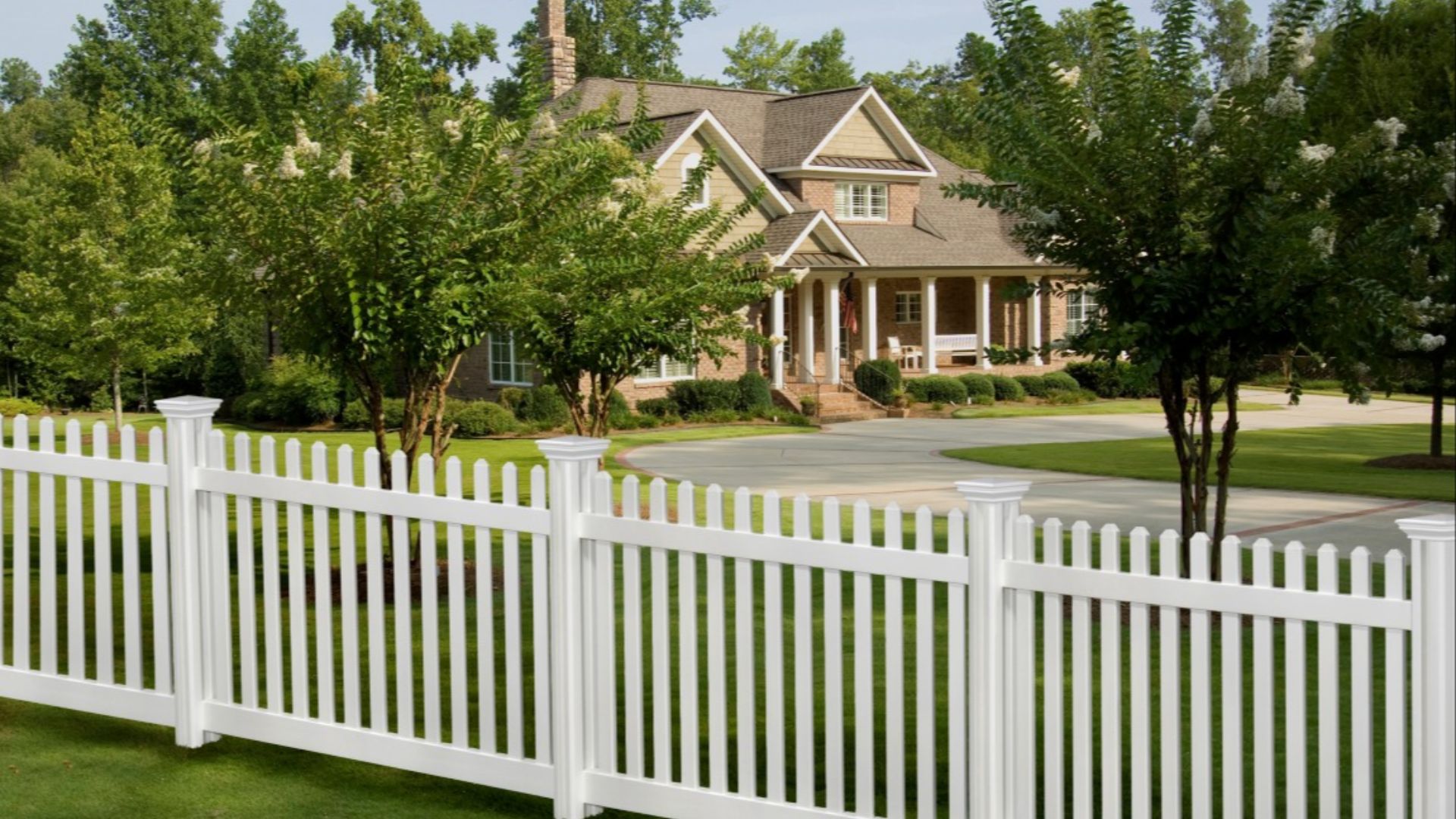
If you want a quick solution, adding privacy features can make a big difference. Fences, screens, and landscaping can block unwanted views without needing confrontation. It’s not always ideal, but it’s effective.
 Deniseesser, Wikimedia Commons
When Professional Advice Makes Sense
If the situation feels invasive or ongoing, speaking with a professional can help clarify your options. They can assess whether the setup crosses a line and what actions you can take. Sometimes a second opinion is worth it.

Mediation Can Keep Things Civil
Disputes between neighbors can escalate quickly, but mediation offers a calmer path. A neutral third party can help both sides reach an agreement without turning it into a bigger conflict. It’s often less stressful than formal action.

The Bottom Line
Your neighbor can install cameras, but that doesn’t mean your privacy disappears. If the setup clearly focuses on your space in a way that feels intrusive, you may have grounds to push back. The key is finding where protection ends and intrusion begins.
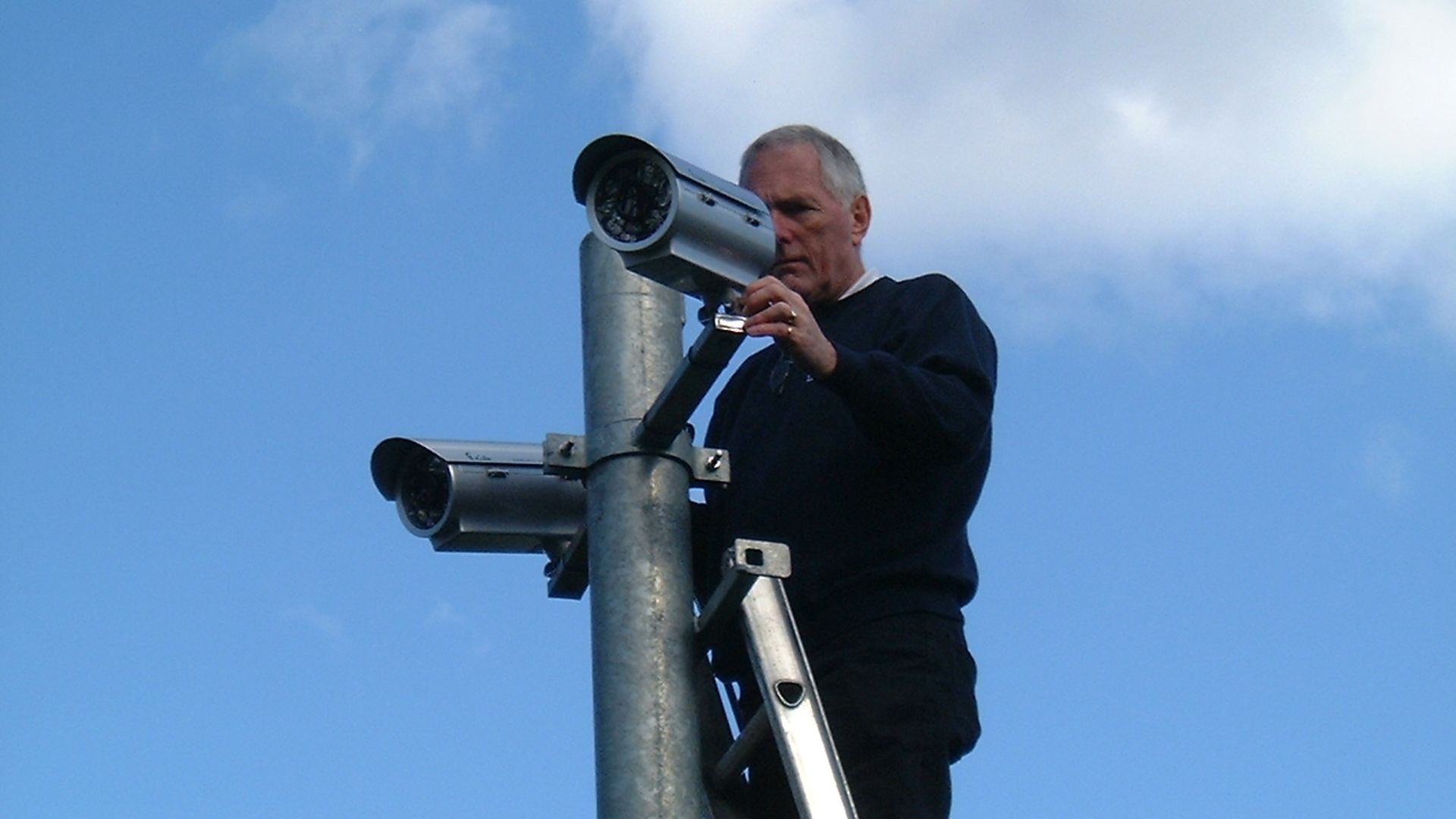 Tekno electro solutions pvt ltd, Wikimedia Commons
It’s All About Balance
In the end, this situation is about balance between security and privacy. One person’s effort to feel safe shouldn’t make someone else feel watched. When that balance tips too far, it’s worth addressing.

You May Also Like: