Aesthetic Rules Vs. Solar Rights: Can Your HOA Really Say No?
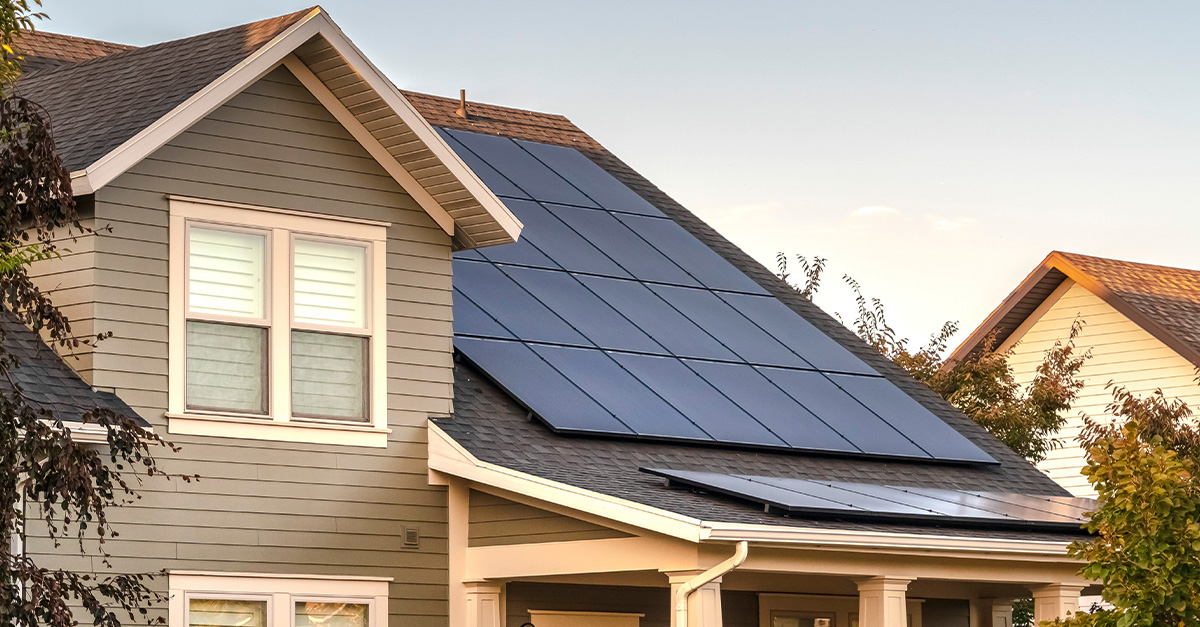
Installing solar panels sounds like a smart move: lower power bills, more energy independence, and a greener home. Then the HOA steps in and says the panels violate the neighborhood’s “aesthetics” clause, and suddenly your eco-friendly upgrade feels like a legal drama. The good news is that HOAs usually do not have unlimited power, and in many states, the law gives homeowners real protection.

Why This Dispute Happens So Often
This fight is common because HOAs want homes to look neat and uniform, while homeowners want practical upgrades that save money. Solar panels land right in the middle of that conflict because they are visible and valuable. So the answer is not always simple, but it is often better for the homeowner than the HOA suggests.
What An Aesthetics Clause Usually Covers
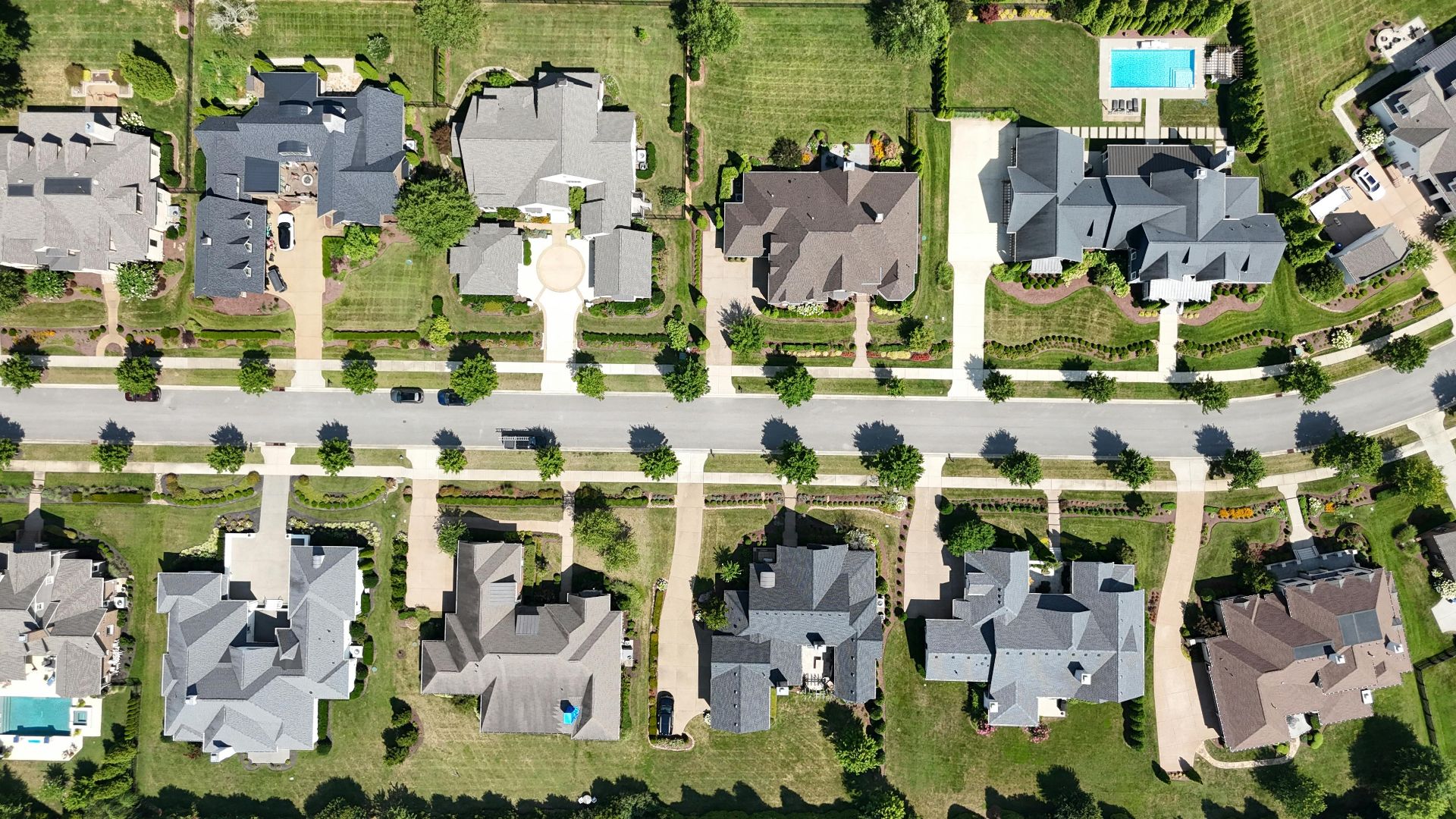
An aesthetics clause usually gives the HOA or architectural committee authority over exterior changes to your home. That can include things like paint colors, fences, landscaping, sheds, and roof changes. HOAs rely on these clauses heavily, but broad language does not always mean they can ban whatever they dislike.

Your HOA Rules Do Not Override State Law
Many homeowners think signing HOA documents means the association always wins. That is not true. HOA rules still have to comply with state law, and when a rule conflicts with a state statute, the law generally controls. So even if the contract gives the HOA design authority, that does not always mean it can block solar panels.

State Solar Laws Can Limit HOA Power
Many states have solar access or solar rights laws that restrict how much an HOA can interfere with rooftop solar. These laws exist because lawmakers do not want private neighborhood rules wiping out clean-energy improvements. In those states, an HOA may still impose reasonable restrictions, but it often cannot stop installation altogether.

A Ban Is Not The Same As A Restriction
This difference is crucial. An HOA might not be allowed to say, “No solar panels at all,” but it may be able to require certain adjustments if they do not seriously reduce performance. The legal issue is often whether the HOA is regulating appearance or effectively killing the project.
What Counts As A Reasonable Restriction
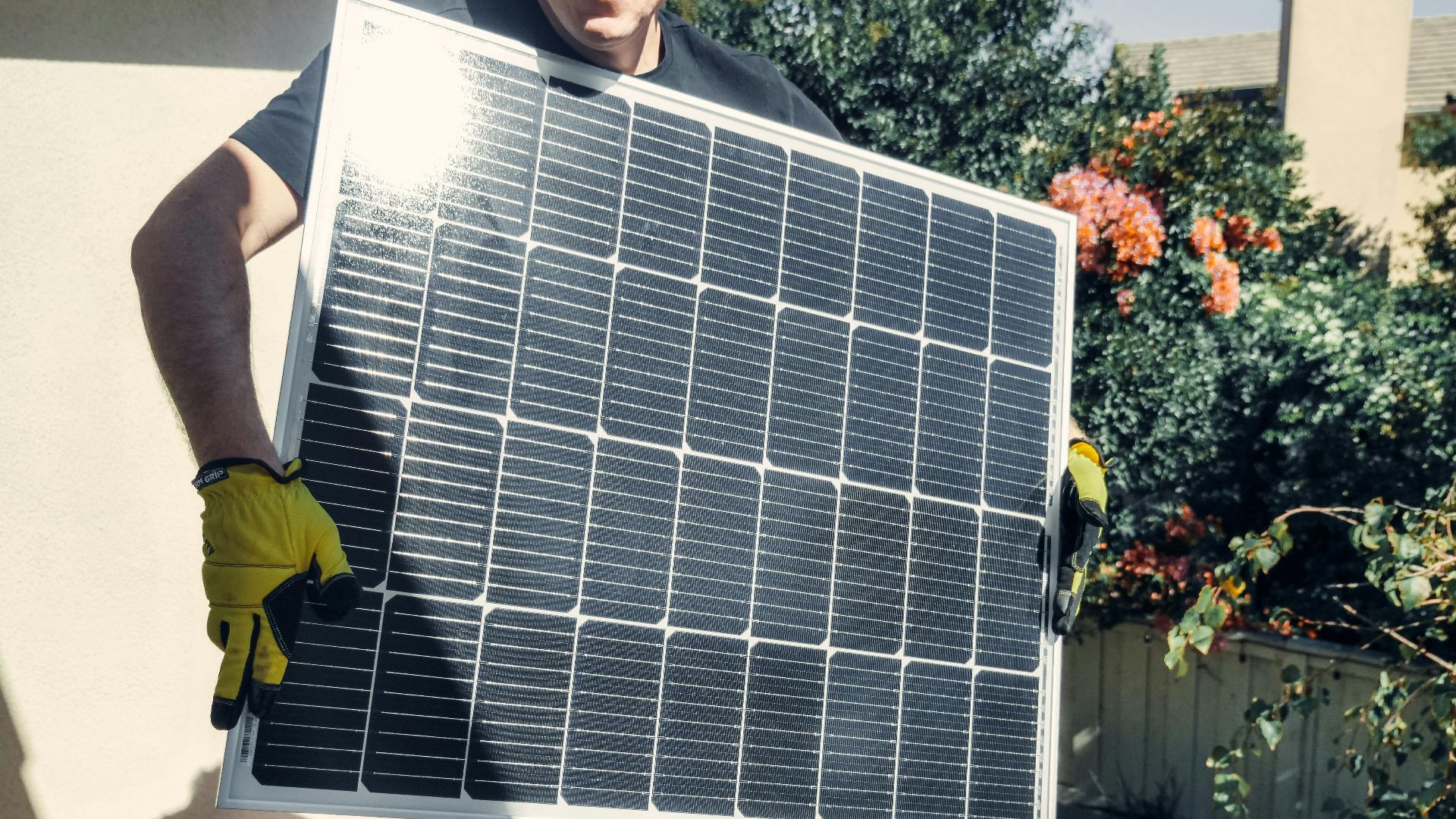
A reasonable restriction may involve details like panel framing, conduit placement, or installation style if those changes do not hurt the system much. An unreasonable restriction is one that makes the system too costly, too weak, or barely worth installing. If the HOA’s “compromise” ruins the value of the system, that may go too far.

Roof Placement Is Usually The Flashpoint
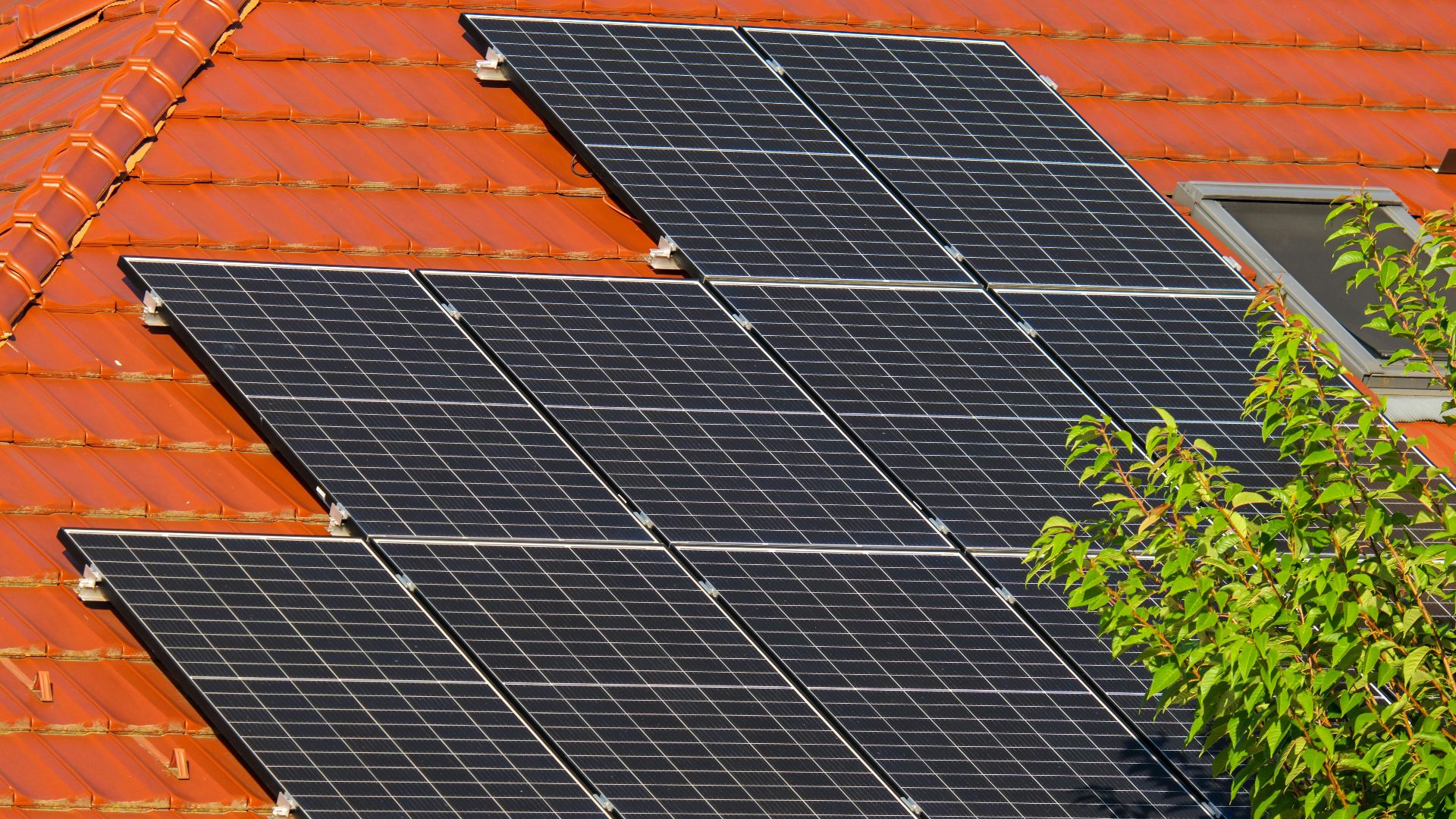
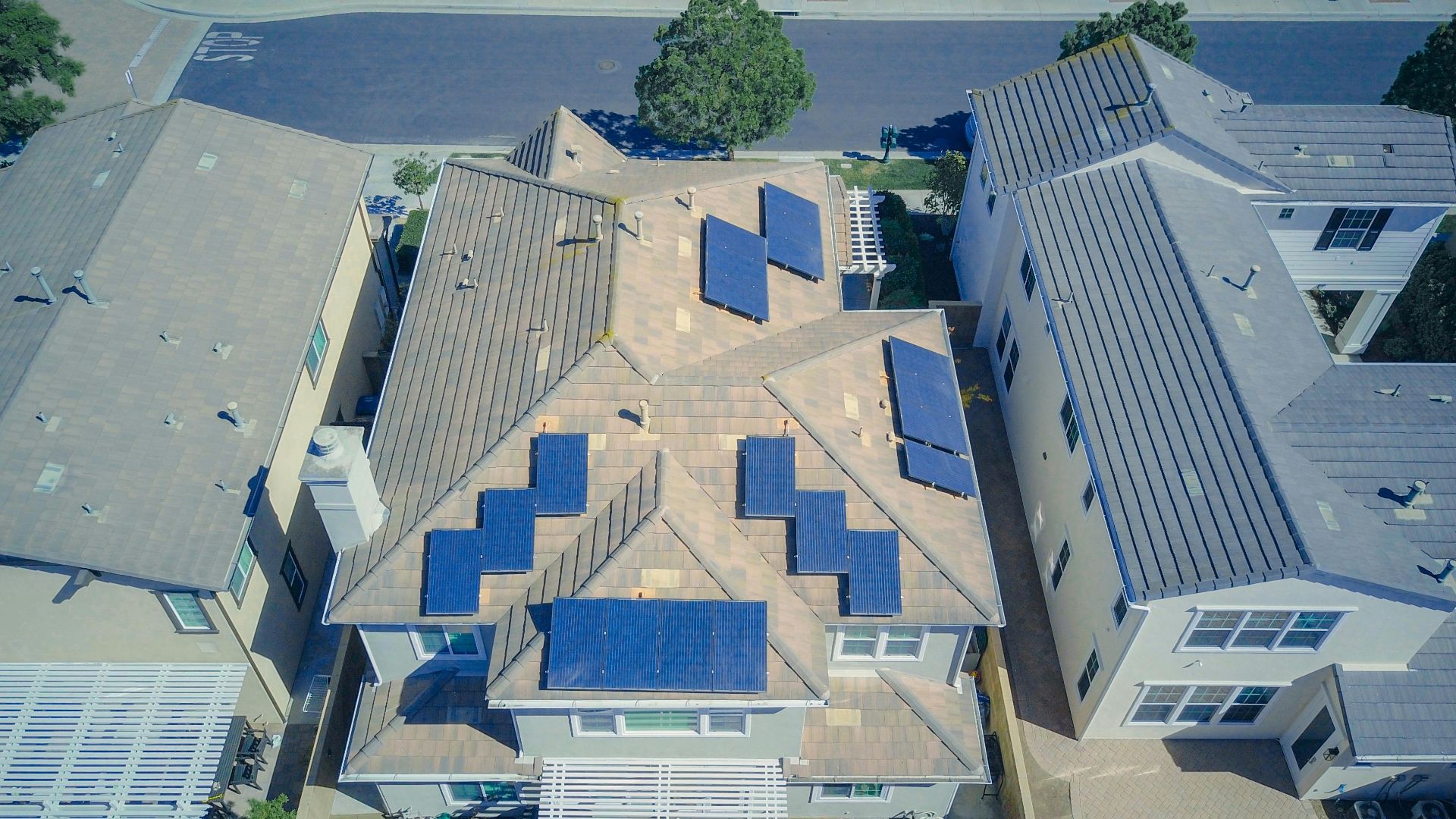
The biggest battle is often where the panels go. HOAs may want them moved to the back of the roof so they are less visible from the street. That sounds harmless until the front-facing side gets the best sunlight. If the HOA’s preferred placement significantly lowers production, that can become a real legal issue.
Your State Matters More Than HOA Opinions
This is one of those issues where location changes everything. Some states strongly protect homeowners’ solar rights, while others give HOAs more room to regulate. That means the most important question is not whether the board hates the look of panels, but what your state law says.
You Still Need To Follow The Approval Process
Even if the HOA cannot legally ban your system, you should not skip the approval process. Most associations require plans, specs, and formal applications before exterior work begins. If you ignore those steps, the HOA may shift the dispute from solar rights to procedural violations, which only makes your life harder.

Read Your Governing Documents Carefully
Before arguing with anyone, review the HOA declaration, bylaws, rules, and architectural guidelines. Look for language covering roof changes, exterior improvements, solar equipment, and approval standards. Sometimes the HOA leans on vague wording and hopes you will not challenge it. The more specific the documents are, the better you can judge your position.

Get The Denial In Writing
If the HOA rejects your request, ask for the denial in writing and request the exact rule they say you violated. This forces the board to be specific and gives you a paper trail. Once the HOA has to spell out its reasoning, weak objections often become a lot easier to challenge.

Check Whether Others Already Have Solar
Look around your neighborhood and nearby HOA communities. If other homes already have visible solar panels, that may tell you a lot about how the rules are actually enforced. HOAs like to talk about consistency, but they do not always practice it.

Selective Enforcement Can Hurt The HOA
If similar installations were approved before and yours is denied, that may matter. HOAs generally cannot apply rules in an arbitrary or uneven way. A new board may dislike what an older board approved, but that does not automatically make their rejection fair or enforceable.

Performance Loss Is A Major Issue
If the HOA wants the system moved or redesigned, ask your installer to estimate how much energy production would be lost. That information can be one of your strongest arguments. A board may think a different layout is no big deal, but the numbers may show otherwise.

Extra Costs Matter Too
It is not just about sunlight. Some state laws also protect homeowners from restrictions that make solar systems significantly more expensive. That can happen if the HOA requires special mounting, hidden wiring, or a less efficient design that needs more panels.
Safety Concerns Are A Different Matter
HOAs may have a stronger argument if they raise legitimate safety concerns, such as structural load, drainage, or fire access. But those concerns should be real, not just dressed-up aesthetic complaints. If your system is professionally designed and code-compliant, the HOA may have less room to object.

Building Codes Still Count
Solar projects usually require permits, inspections, and compliance with local building codes. That can actually help you, because official approvals support your position that the installation is safe and properly planned. The HOA may have opinions, but code officials have real authority.
Try Talking Before Going To War
It is tempting to turn this into a full-scale fight immediately, but a calm conversation can sometimes solve the problem. Ask exactly what the board objects to and whether there is a workable compromise. You do not need to give up your rights, but it helps to start with a level head.

Your Installer Can Be A Great Ally
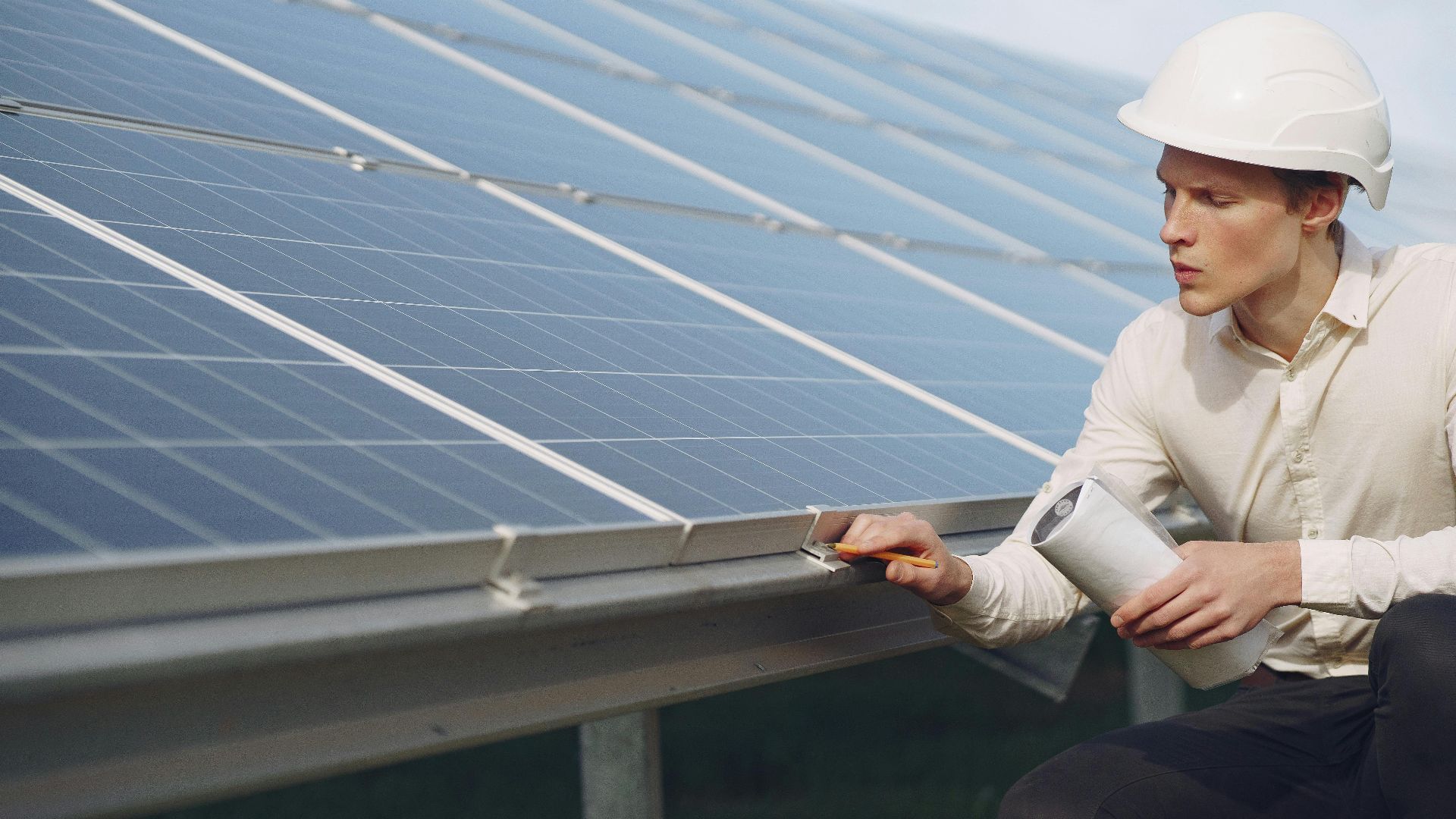
A good solar installer has probably dealt with HOA review boards before. They can provide drawings, production estimates, and practical explanations about why some placements work and others do not. Sometimes technical facts from an expert carry more weight than homeowner frustration.

Mediation May Be Worth Trying
If the board refuses to budge, mediation may be a smart next step. It is often cheaper and faster than going to court, and it can push both sides toward a realistic solution. It also helps show that you made a good-faith effort to resolve the dispute.

When It Makes Sense To Call A Lawyer
If the HOA is still digging in, it may be time to speak with a real estate or HOA attorney in your state. A lawyer can review the governing documents, denial letter, and local solar laws to tell you whether the association is overstepping. Sometimes a short legal review can save a long headache.

Do Not Assume The HOA Knows The Law
HOA boards are often run by volunteers, not legal experts. Some simply repeat old practices without checking whether they still comply with current law. A board may sound very confident when it cites the aesthetics clause, but confidence does not always equal correctness.

Keep A Record Of Everything
Save your application, emails, denial notices, installer reports, production estimates, and meeting notes. Good documentation can make a huge difference if the disagreement escalates. It shows that you followed the process and that the HOA’s objections may not be as solid as they seem.

So, Can The HOA Actually Stop You?
Sometimes yes, but often not just because of an aesthetics clause. In many states, an HOA can regulate how solar panels are installed, but it cannot impose rules that make the system impractical or ineffective. The real question is whether the restriction is lawful and reasonable.

What To Do Next
Start by checking your state’s solar laws, reviewing your HOA documents, and getting any rejection in writing. Then ask your installer to compare the cost and performance of the HOA’s preferred design versus your original plan. If the board still refuses to cooperate, mediation or legal advice may be the next step.

The Bottom Line On Solar And HOA Rules
Your HOA may have a voice, but it usually does not have total control. Aesthetics clauses can be powerful, but they do not automatically erase your right to improve your home. If your state protects solar access, the board may need a much stronger argument than “we do not like how it looks.”
You May Also Like: