
When Your Neighbor’s Drainage Becomes Your Problem
You notice water pooling near your foundation after heavy rain. At first, it seems minor...until it gets worse. Your basement starts flooding, and you realize your neighbor’s downspout is sending runoff straight into your yard. You bring it up, expecting an easy fix, but they refuse to change anything. Now you’re left dealing with the damage and wondering what you can do. The good news is you don’t have to accept it. Situations like this are common, and there are clear steps you can take to fix it.

Property Owners Usually Can’t Redirect Water Onto Neighbors' Land
In most places, homeowners aren’t allowed to intentionally direct water onto someone else’s property in a way that causes damage. This includes things like downspouts, drainage pipes, or grading changes that funnel water toward a neighboring lot.

This Falls Under Drainage And Nuisance Law
Legally, these situations are often handled under drainage rules or something called private nuisance. The idea is pretty straightforward. You can use your property, but not in a way that harms your neighbor’s property.

Natural Water Flow Is Treated Differently
It’s important to understand the difference between natural runoff and artificial redirection. If water naturally flows downhill from your neighbor’s property, that’s often allowed. But if they’ve altered the flow by directing it through a downspout or pipe toward your yard, that’s a different story.
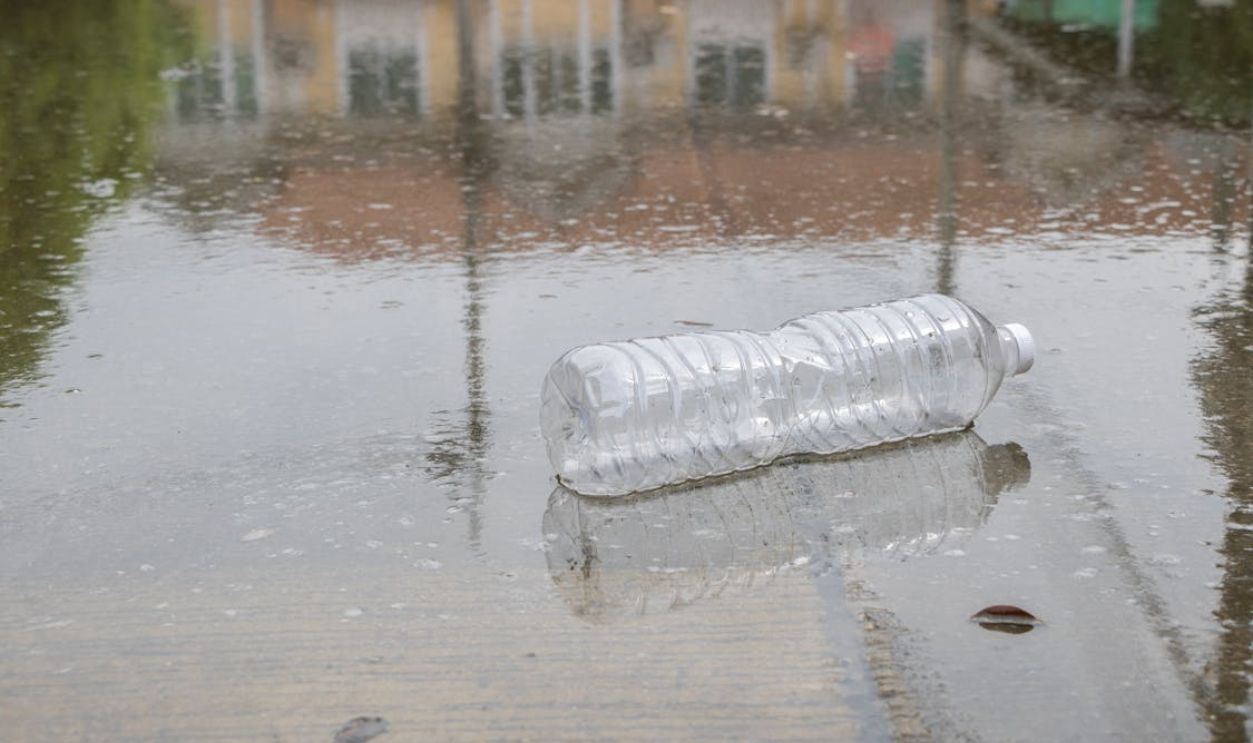
A Downspout Aimed At Your Property Strengthens Your Case
If the downspout is clearly pointed toward your yard, that’s a strong piece of evidence. It shows the water isn’t just happening naturally, it’s being directed in a specific way that could be causing the problem.
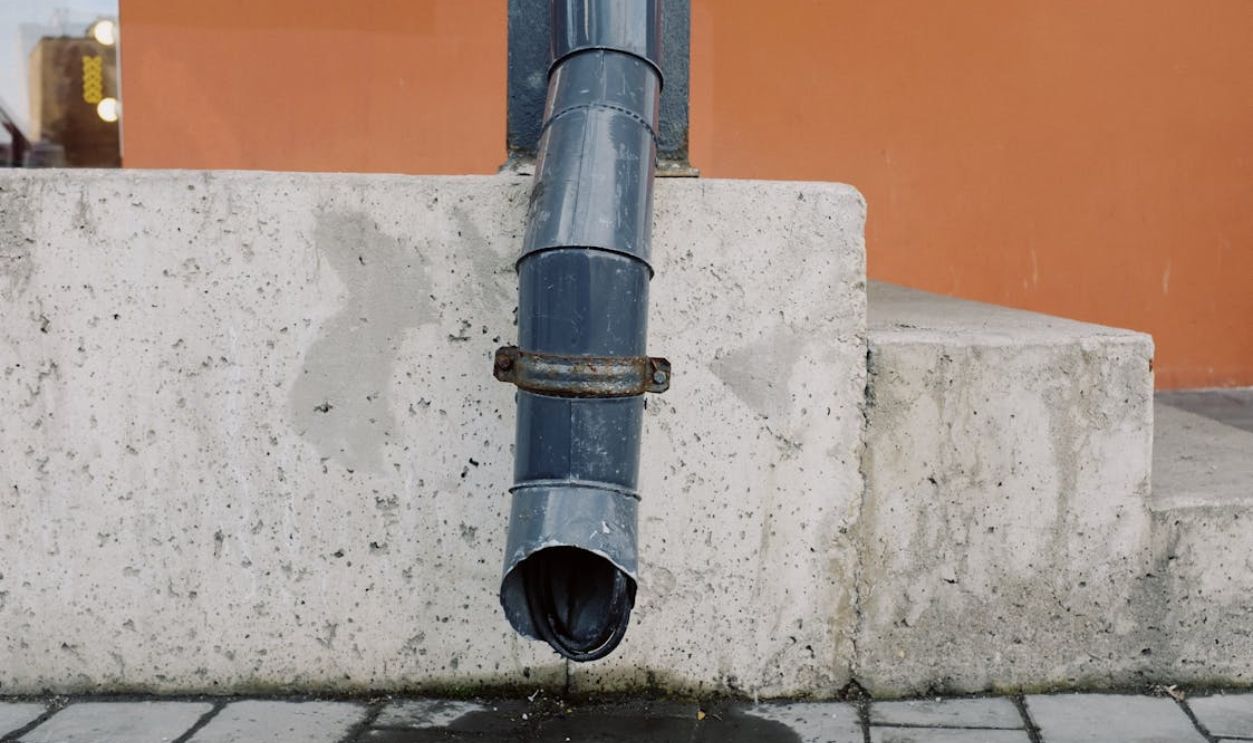
Start By Documenting Everything
Before taking any action, gather evidence. Take photos and videos during rainstorms showing where the water is coming from and how it’s entering your property. The more clearly you can show the source, the better.

Keep A Record Of The Damage
Track any flooding, repairs, or damage to your basement over time. Save receipts for repairs, cleanup, or waterproofing work. This helps show that the issue isn’t minor and is causing real financial harm.

Try Talking It Out First
Even if you’ve already had one conversation, it can be worth trying again. Approach it calmly and focus on the problem, not blame. Sometimes people are more willing to cooperate when they understand the extent of the damage.

Follow Up With A Written Request
If talking doesn’t work, put your request in writing. A simple message or letter asking them to redirect the downspout creates a record that you tried to resolve things reasonably.

Check Local Bylaws And Regulations
Many municipalities have rules about drainage and water runoff. Some specifically prohibit directing water onto neighboring properties. Looking up your local bylaws can give you a clearer idea of your rights.

Your Municipality May Be Able To Step In
If your neighbor’s setup violates local codes, you may be able to file a complaint. A city inspector may come out, assess the situation, and require your neighbor to make changes.

A Professional Opinion Can Help
Hiring a contractor, drainage specialist, or engineer can strengthen your case. They can explain how the water is being redirected and how it’s affecting your property, which can be useful if things escalate.
 LinkedIn Sales Solutions, Unsplash
Temporary Fixes Might Be Necessary
While you’re dealing with the issue, you may need to protect your own property. This could include extending your own drainage, installing barriers, or improving grading to keep water away from your foundation.

Don’t Let The Problem Get Worse
Water damage can escalate quickly. Even if you’re planning to pursue action against your neighbor, it’s important to address the issue on your end to prevent more serious structural damage.

You May Have Grounds For A Nuisance Claim
If the runoff is causing ongoing problems, you may be able to file a nuisance claim. This argues that your neighbor’s actions are interfering with your ability to use and enjoy your property.

Compensation Could Be On The Table
If you’ve already spent money fixing water damage, you may be able to recover those costs. This usually requires showing that the neighbor’s actions directly caused the damage.

Small Claims Court Is An Option
If the damages fall within your local limit, small claims court can be a practical route. It’s generally faster and less expensive than a full lawsuit, and many property disputes are handled this way.

A Lawyer Can Help You Understand Your Options
If the situation is serious or ongoing, speaking with a property or real estate lawyer can give you a clearer path forward. They can review your evidence and explain what your chances are.

Mediation Can Help Avoid Escalation
If you want to avoid court, mediation is another option. A neutral third party can help both sides come to an agreement without turning it into a legal battle. Issues like this can become personal quickly, so make sure to stay focused on the problem and not let things escalate unnecessarily.

Final Thoughts: You Don’t Have To Just Deal With It
If your neighbor’s downspout is flooding your basement, you’re not expected to just live with it. While natural runoff is often allowed, intentionally directing water onto your property usually isn’t. By documenting the issue, checking local laws, and taking the right steps, you can push for a solution and potentially recover your losses. It may take some effort, but you do have options.

You May Also Like: