
The Surprise Bill After Moving Out
You thought everything was settled and taken care of when you moved out, but now your former landlord is demanding money for newly discovered water damage to the floor and rug that didn’t get noticed at the time you moved out. It feels unfair, especially since months have passed. The key question is whether they can legally pursue you after the tenancy ends and what steps they have to follow to be able to do so.

Yes, Landlords Can Sometimes Charge Later
In the United States, landlords can pursue former tenants for damages after move-out. However, this doesn’t mean they can simply send a bill and expect payment. There are legal procedures they have to follow, and your responsibility depends on state law, evidence, and whether the damage can actually be tied to your tenancy.

There’s Usually A Time Limit
Each state has its own statute of limitations for property damage claims. In many states, landlords have several years to file a claim in court. A demand made three months after move-out is generally still within the allowable timeframe, but that doesn’t automatically mean the claim is valid.

They Cannot Force Payment Without A Judgment
A landlord can’t legally force you to pay just because they say you owe money. If you dispute the charge, they have to file a claim in court, often in small claims court. Only a judge can determine whether you are responsible and how much you must pay.

Security Deposit Rules Are Critical
Most states require landlords to return your security deposit within a specific timeframe, often 14 to 30 days, along with an itemized list of any deductions. If they failed to include this damage in that accounting, it may weaken their claim, depending on state law.

Late Claims Can Be Questioned
If a landlord discovers damage months later, it raises legitimate concerns. They must prove that the damage occurred during your tenancy. If other tenants have lived there since, or if the unit was vacant and accessible, it becomes harder to link the damage directly to you.
Damage Has To Be Proven
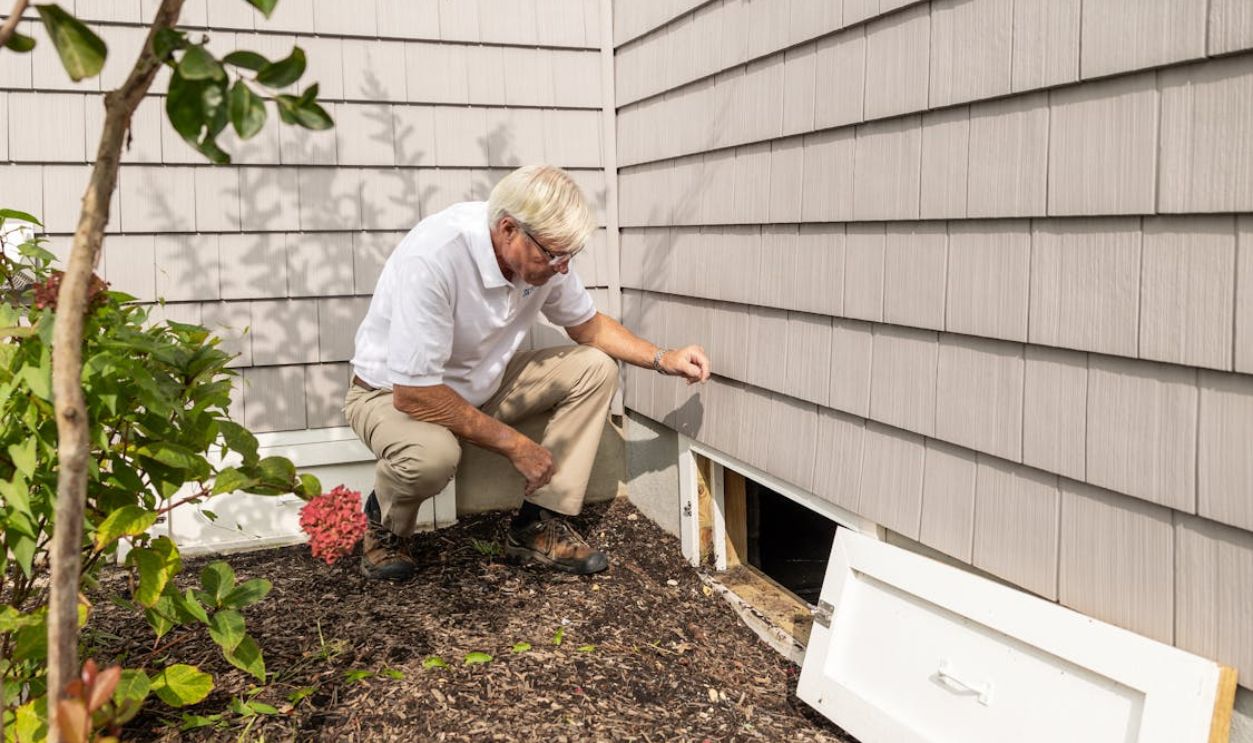
The burden of proof here is on the landlord. They have to show that the damage exists, that it exceeds normal wear and tear, and that you and your roommate were the ones that caused it. This normally requires photos, inspection reports, or invoices at a minimum. Without solid evidence, their claim may not hold up in court.

Normal Wear And Tear Is Not Your Responsibility
Tenants aren’t responsible for normal everyday wear and tear. Carpets age, fade, and show minor wear naturally over time. Only excessive damage, such as flooding caused by negligence or misuse, could be considered your responsibility under most state laws.
Move-Out Documentation Is Key
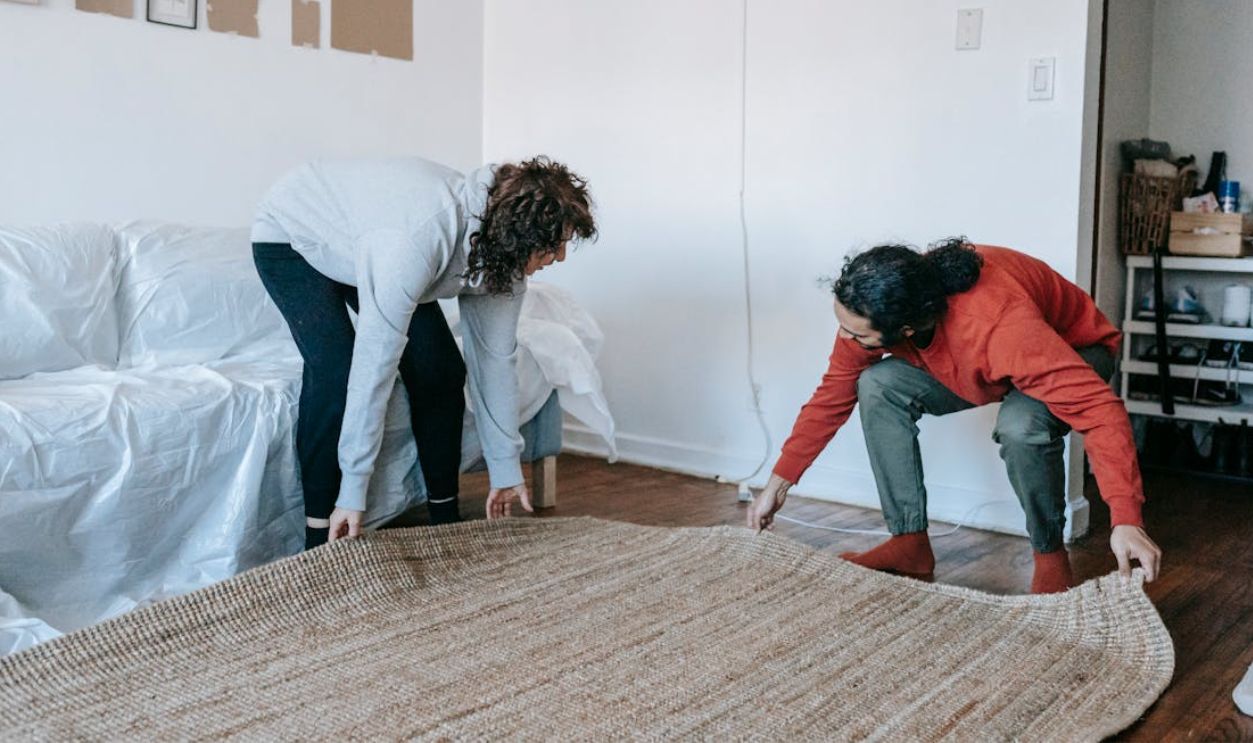
If you completed a move-out inspection or took photos when leaving, that evidence can be extremely valuable. If no damage was noted at the time, it supports your position. Courts often rely heavily on documented condition reports when deciding these disputes.

Deposits And Additional Claims Are Separate
Even if your security deposit has already been returned, a landlord may still try to pursue additional damages. However, as stated above, they must do so through proper legal channels. They cannot retroactively “reopen” the deposit without following the law.

The Cost Must Be Reasonable
Landlords can’t charge arbitrary amounts. They have to show actual costs for repair or replacement. Courts often consider depreciation, especially for items like rugs or carpets. You typically can’t be charged the full replacement cost for something that was already partially worn.
You’re Not Automatically Liable
Just because you receive a bill, it doesn’t mean you’re legally obligated to pay it. Liability has to be established through a legal process. Until a court rules in the landlord’s favor, the claim remains disputed and unenforceable.

You Have The Right To Dispute
If you think the charge is unfair or excessive, you have the right to dispute it. You can respond in writing, request proof, and defend yourself if the landlord files a claim. Many tenants successfully challenge unsupported or exaggerated damage claims.

Documentation Is Your Best Defense
Hang onto any photos, emails, lease agreements, and inspection reports related to your tenancy. These records can help show the condition of the property when you moved out and whether the landlord’s claim holds up.

Consider The Age Of The Carpet
Carpets and rugs have a limited life span, often estimated at five to ten years. Even if damage is proved to have occurred, you may only be responsible for the remaining value, not the cost of a brand-new replacement. Courts often apply depreciation in these kinds of situations.

Communication Can Help Resolve Things
Before the situation escalates, consider asking the landlord for detailed documentation. Ask him to provide you with photos, repair estimates, and proof that the damage occurred during your tenancy. Sometimes, clear communication can settle the issue without legal action.

Don’t Admit Fault Prematurely
Be careful about what you say in emails or texts. Don’t admit responsibility or agree to pay a cent without reviewing all the evidence beforehand. Even casual statements can be used against you if the dispute winds up in court.

What Happens If They Sue?
If the landlord files a lawsuit, you’ll be notified and given the opportunity to respond. These cases are often handled in small claims court, which is set up to be accessible. You can present your evidence and explain why you aren’t responsible.

When You Might Owe Money
If the landlord does successfully prove that you caused significant damage beyond normal wear and tear, a court may order you to pay. The amount will be based on evidence, reasonable costs, and depreciation, and not just the landlord’s initial demand.

Final Takeaway
A landlord can chase after you for months after moving out, but they can’t simply demand payment and expect compliance. They have to prove the damage, follow legal procedures, and win a judgment. Until that time comes, you have every right to question the claim and defend yourself.

You May Also Like: