A Surprise Rent Increase After The Sale
You just got the unexpected news that your landlord sold the building, and the new owner claims your lease is no longer valid. He says you have to accept a higher rent right away or move out. It may sound like an emergency, but before you panic, it’s important to know how leases usually work when rental property ownership changes.
 VH-studio, Shutterstock; Factinate
What Happens To A Lease After A Property Sale
In most cases, selling a rental property doesn’t cancel the existing lease. The lease is considered a binding contract tied to the property itself. When ownership changes, the new owner normally just takes over the landlord’s obligations. This means that the terms you originally agreed to generally remain in effect until the lease expiry date.

Lease Transfers With The Property
Real estate law generally treats leases as agreements that run with the land. This means the buyer takes the previous landlord’s place in the lease contract. The new owner is now responsible for honoring the agreement that the previous owner signed with you.

Fixed Term Leases Give Strong Protection
If you have a fixed term lease, like a one-year agreement, the new owner usually has to honor it until the end of the term. They can’t simply raise the rent or change conditions during that period unless the lease itself specifically allows for those changes.

Month To Month Tenancies Are Different
Tenants with month to month agreements have fewer protections. The new landlord can often change the rent or end the tenancy as long as they give proper written notice. The amount of notice necessary depends on state law and sometimes local housing regulations.
 Man looking through documents at workplace
Review The Lease Carefully
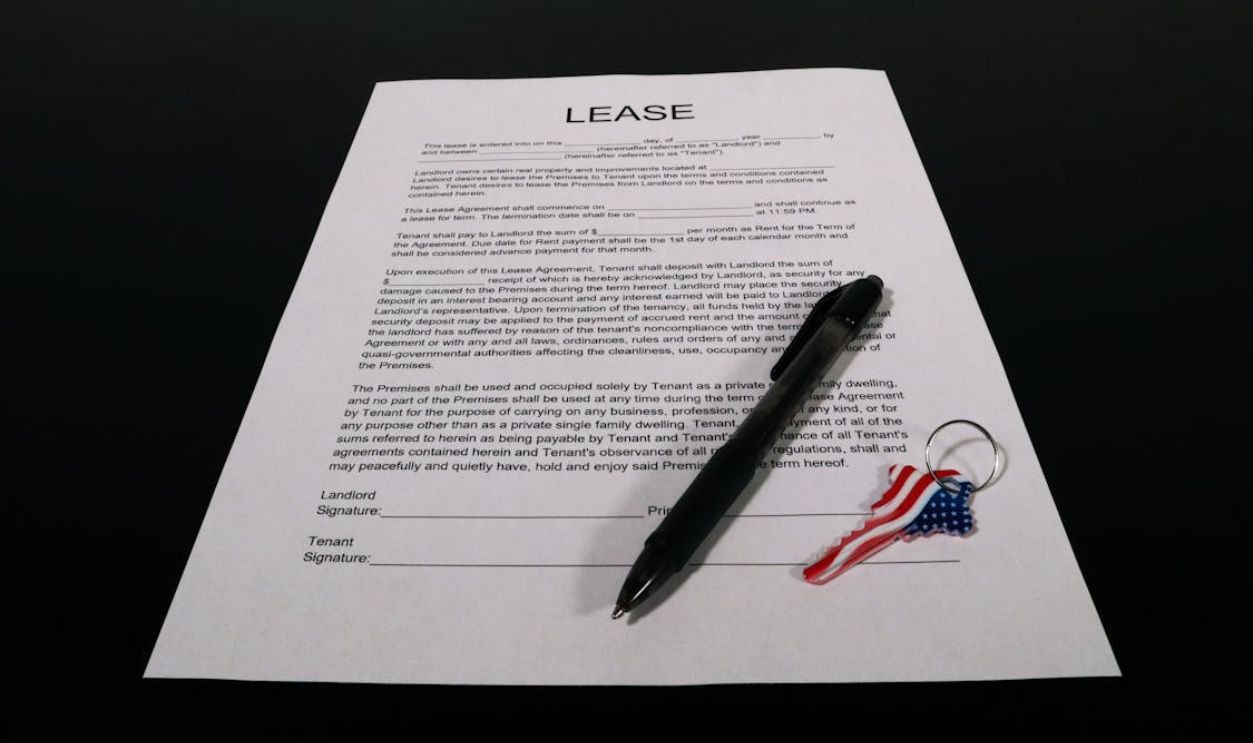
Your first step should be to look over the lease document itself. Some leases carry clauses explaining what happens if the property is sold. Others specify whether or not the landlord can modify rent or terminate the agreement early under certain circumstances.

The New Owner Takes The Old Owner’s Role
Legally speaking, the new owner usually replaces the previous landlord in the contract. All rights and responsibilities transfer to them. They have to collect rent, maintain the property, and follow the lease terms just like the original landlord had to do.

Security Deposits Must Transfer Too
When rental property changes hands, the security deposit usually transfers to the new owner as well. The previous landlord normally has to give the deposit funds to the buyer or return them to tenants. The new owner is now responsible for the deposit under the same terms.

Rent Can’t Be Raised During A Fixed Lease
If your lease locks in a specific rent amount, the new landlord generally cannot raise it before the lease expires. Even if property taxes or mortgage costs increased for the buyer, the current contract normally controls the rent until the end date.
State And Local Laws May Add Extra Protections
Tenant protections vary by state and city. Some jurisdictions have strong tenant rights laws that limit rent increases or require extended notice periods. Local rent control rules may also restrict how much a landlord can raise the rent after a property sale.

Notice Requirements Apply
Even in a situation where a landlord has the legal right to increase rent, they must usually provide advance notice. Many states require 30 or 60 days’ notice for rent increases in month-to-month tenancies. Failing to give proper notice could make the increase unenforceable.

Eviction Rules Don’t Change
A property sale doesn’t give a landlord the right to evict tenants immediately. Normal eviction laws still apply. The new owner has to follow the same legal eviction process as any other landlord if they want a tenant to leave.

Some Buyers Want Vacant Buildings
Occasionally, investors purchase buildings with the goal of renovating or converting them. They may hope tenants will leave voluntarily. In some cases, landlords offer buyouts to tenants willing to terminate their leases early.

Cash For Keys Agreements
One common strategy is called cash for keys. The landlord offers a sum of money in exchange for the tenant agreeing to move out before the lease ends. This arrangement is strictly voluntary and has to be agreed upon by both sides.

Communication Can Resolve Confusion
Sometimes the problem comes from misunderstanding rather than ill intent. The new owner may not yet understand the lease obligations they inherited. Calmly explaining that your lease is still valid could settle the dispute without having to resort to legal action.

Get Everything In Writing
If the new owner tries to claim that your lease no longer applies, keep records of all communication. Save emails, letters, and notices about rent changes or termination demands. Documentation is incredibly important if the disagreement turns into a legal dispute.

Tenant Rights Organizations Can Help
Local tenant advocacy groups and housing agencies often provide free guidance. They can explain your rights under local law and help you understand whether the landlord’s demands are legal.

Legal Advice May Be Worth It
If the landlord stubbornly insists on raising rent or terminating your lease early, speaking with a tenant attorney can clarify your options. A short consultation may help you determine whether the landlord is breaking the lease agreement.

When The Lease Finally Ends
Once the lease term expires, the new owner will then have the right to change the rent or set new lease conditions. At that point you can decide if you want to accept the new terms or move on to another property.

Knowing Your Rights Gives You Leverage
A building sale can bring a feeling of uncertainty, but tenants usually have stronger protections than they realize. In most situations, the lease is still fully enforceable even after an ownership change. Knowing your rights helps you respond calmly and stop a landlord from imposing changes that aren’t allowed.

You May Also Like:
How To Save On Rent: Strategies For Negotiating A Lower Lease