
Security Deposit Fights Like This Happen All The Time
If your landlord is blaming “abnormal wear and tear” for keeping your security deposit, especially when it all seems like very "normal" things, you may have options. Deposit disputes are one of the most common problems between renters and landlords, but the good news is that state laws often give tenants clear rights, deadlines, and ways to challenge improper deductions.
 MART PRODUCTION, Pexels, Modified
The Whole Dispute Usually Turns On One Question
Most of these cases come down to a simple issue: was it ordinary wear from everyday living, or was it real damage beyond normal use? That matters because landlords can usually charge for damage, but not for routine aging and expected deterioration.

What Normal Wear And Tear Usually Means
Normal wear and tear is usually the kind of decline that happens when someone lives in a home the way it is meant to be lived in. Think lightly worn carpet, small nail holes from hanging pictures, faded paint, loose door handles, or minor scuffs on floors and walls. The U.S. Department of Housing and Urban Development says normal wear and tear is deterioration caused by ordinary everyday use.

What Usually Crosses The Line Into Damage
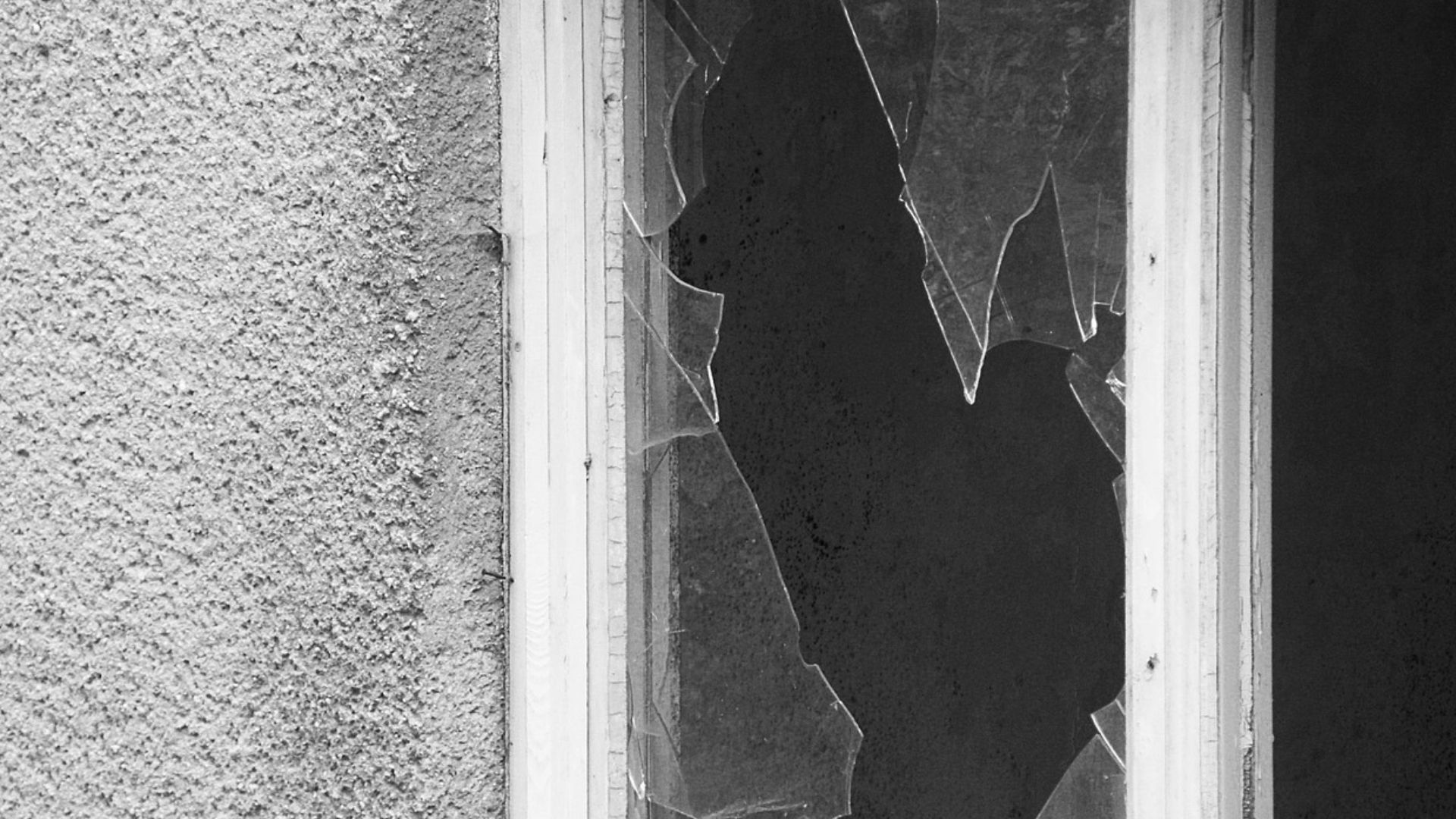
Damage is different because it goes beyond ordinary use. Large holes in walls, broken windows, missing fixtures, pet destruction, burns on counters, or stains and filth that require unusual cleaning may count as tenant-caused damage. Landlords are generally allowed to deduct for those losses if state law and the lease allow it.
Landlords Usually Cannot Charge You For Simple Aging
One of the biggest things renters miss is that landlords usually cannot make you pay for something just because it got older. Paint fades. Carpets wear out. Appliances lose value over time. A landlord generally cannot use your deposit to cover routine maintenance or upgrades that come with owning property.

HUD Guidance Shows Why Useful Life Matters
HUD guidance helps explain why full replacement charges can be unfair. If a carpet is already years into its useful life, a landlord may not be able to charge you the full cost of a brand-new one, even if you caused some damage. The reason is simple: landlords are not supposed to get a windfall by replacing an old item with a new one at your expense.
 ajay_suresh, Wikimedia Commons
State Law Sets Most Of The Rules
This is where things get specific. Security deposits are mostly controlled by state law, not one single federal rule that applies everywhere. That means the deadline for returning your deposit, the notice a landlord must give, and the penalties for breaking the rules can vary a lot depending on where you live.

Return Deadlines Can Make Or Break A Case
Many states require landlords to return the deposit or send an itemized statement within a set number of days after you move out. In California, landlords generally have 21 days. In New York, the deadline is generally 14 days. If a landlord misses the deadline, that can strengthen a tenant’s case and, in some states, lead to extra damages.

Many States Require An Itemized Statement
In many states, landlords cannot just say, “You damaged the place,” and keep the money. They often must provide an itemized list showing what was deducted and why. Some states also require receipts, invoices, or a good-faith estimate of repair costs.

No Details From The Landlord Could Matter A Lot
If your landlord kept the deposit but never sent a detailed accounting, that could be important. Courts and state laws often expect landlords to explain deductions clearly enough for tenants to evaluate whether the charges are valid. A vague claim about “wear and tear” may not be enough.

Your Lease Matters, But It Does Not Override State Law
Read your lease closely because it may spell out cleaning duties, move-out steps, or deposit terms. But a lease does not cancel out state consumer protections. If a lease tries to waive rights your state gives tenants, that part may not hold up.

Photos Can Decide The Outcome
The smartest renters treat move-in and move-out like building a case file. Take date-stamped photos and videos of every room, appliance, wall, and existing defect. If your landlord later claims damage that was already there or that looks like routine aging, those images can become your best proof.

Move-In Checklists Can Be Powerful Evidence
If you filled out a move-in inspection form when you got the keys, find it. Those checklists can show pre-existing stains, chipped paint, worn flooring, or other conditions the landlord already knew about. That makes it much harder to relabel old problems as new tenant damage.

Keep Every Piece Of Your Paper Trail
Save emails, texts, letters, rent records, and repair requests. If you told the landlord about a loose fixture, water leak, or crumbling paint while you still lived there, that can help show the issue was caused by age or was the landlord’s maintenance responsibility. Documents usually tell the story better than memory does.

Ask For Proof Behind The Charges
If the deductions look suspicious, ask the landlord in writing for supporting records. Request receipts, invoices, before-and-after photos, and an explanation of how the amount was calculated. A calm written request often works better than an angry phone call.

A Demand Letter Is Often The Next Step
If the landlord still refuses to return the deposit, the next move is often a formal demand letter. Explain why the claimed condition is normal wear and tear, cite your state’s deposit law, and give a deadline for payment. Send it in a way that creates a record, such as certified mail or another trackable method.

Small Claims Court Is Often Where This Gets Settled
Many deposit disputes end up in small claims court because the amount usually fits within those limits. The process is meant to be more accessible than full civil litigation. If you have photos, a checklist, your lease, and the landlord’s itemized deductions—or lack of them—you may have a strong foundation.

Some States Let Tenants Recover Extra Money
This is where a landlord’s bad call can get expensive. In some states, tenants may recover not only the wrongfully withheld deposit but also extra statutory damages if the landlord acted in bad faith or ignored legal requirements. The exact amount depends on state law, so local rules matter.

California Gives Tenants Clear Deposit Protections
California law is one of the clearest examples. Under California Civil Code section 1950.5, a landlord generally must return the deposit or provide an itemized statement within 21 days after the tenant moves out. The law also limits deductions to things like unpaid rent, cleaning needed to return the unit to the same level of cleanliness it had at move-in, and repair of damage beyond ordinary wear and tear.
 Quintin Soloviev, Wikimedia Commons
New York Uses A Shorter Deadline
New York’s 2019 tenant protections added a strict timing rule for many residential rentals. Landlords generally must provide an itemized statement and return any remaining deposit within 14 days after the tenant moves out. If the landlord does not comply, the landlord may give up the right to keep any part of the deposit.

Consumer Agencies Often Back Tenants On This Issue
Consumer protection offices regularly warn that security deposits are not a landlord’s extra repair fund. State attorneys general and local consumer agencies often explain that normal wear and tear cannot legally be charged to a tenant. Their guidance can also help tenants frame a complaint or demand letter.

You May Have Help Besides Going To Court
If you do not want to sue right away, you may still have options. Local legal aid groups, tenant unions, housing counseling agencies, and state or city consumer offices may offer forms, hotlines, or dispute guidance. Some courts also have self-help centers for people handling small claims cases without a lawyer.

Act Fast If You Want To Fight The Deduction
Do not wait months to challenge a deduction you think is improper. Memories fade, documents disappear, and legal deadlines eventually run out under your state’s statute of limitations. Moving quickly also shows that you are organized and serious.

Cleaning Charges Are A Common Flashpoint
Cleaning deductions are one of the most common reasons deposit fights start. In many places, landlords can charge for unusual filth or to restore a unit to the condition required by state law or the lease, but not for routine turnover cleaning that comes with doing business. The exact rule depends on your state.

Replacement Costs Should Make Sense
If a landlord charges you for replacing something, look closely at whether the amount is reasonable. A tenant who damages a ten-year-old carpet may not owe the cost of installing a brand-new premium carpet throughout the unit. Depreciation and useful life are often central to whether a deduction is fair.

The Best Arguments Are Specific Ones
Broad complaints usually do not work as well as point-by-point responses. Instead of saying, “This is unfair,” say, “The wall paint shows minor scuffing consistent with ordinary use, documented in the move-out photos, and state law does not allow deductions for normal wear and tear.” Specific arguments make you sound prepared and credible.

If A Lot Of Money Is At Stake, Legal Advice May Be Worth It
Small claims court works for many renters, but it is not right for every case. If your deposit is unusually large, your landlord is claiming major damage, or the facts are messy, talking to a local landlord-tenant lawyer may be worth the cost. Even a short consultation can show whether the landlord crossed the line.

The Bottom Line
Yes, you may have recourse if your landlord is refusing to return your deposit over what is really normal wear and tear. Your strongest tools are state law, written records, photos, itemization rules, and small claims court if needed. The landlord may own the property, but that does not mean they get to make up the rules on your deposit.
 ANTONI SHKRABA production, Pexels