
Can They Even Do That?
You open the notice and see your rent is going up. Then your friend chimes in saying it might not even be legal. Now you’re stuck wondering if your landlord is pushing their luck or if this is just how renting works. The truth is, it depends, but here’s the encouraging part: there are real rules around rent increases, and if something’s off, you absolutely have ways to push back instead of just accepting it.
Rent Increases Depend On Where You Live
There’s no single nationwide rule that limits rent increases in the US, which is why this situation can feel so unclear. Some states and cities have strict rent control or rent stabilization laws that cap increases, while others allow landlords to raise rent more freely. That means your friend might be right, but only if you live in an area with those protections. The first step is figuring out what rules actually apply in your specific city or state, because that’s what determines whether this increase is legal or just aggressive.

Your Lease Is Your First Line Of Defense
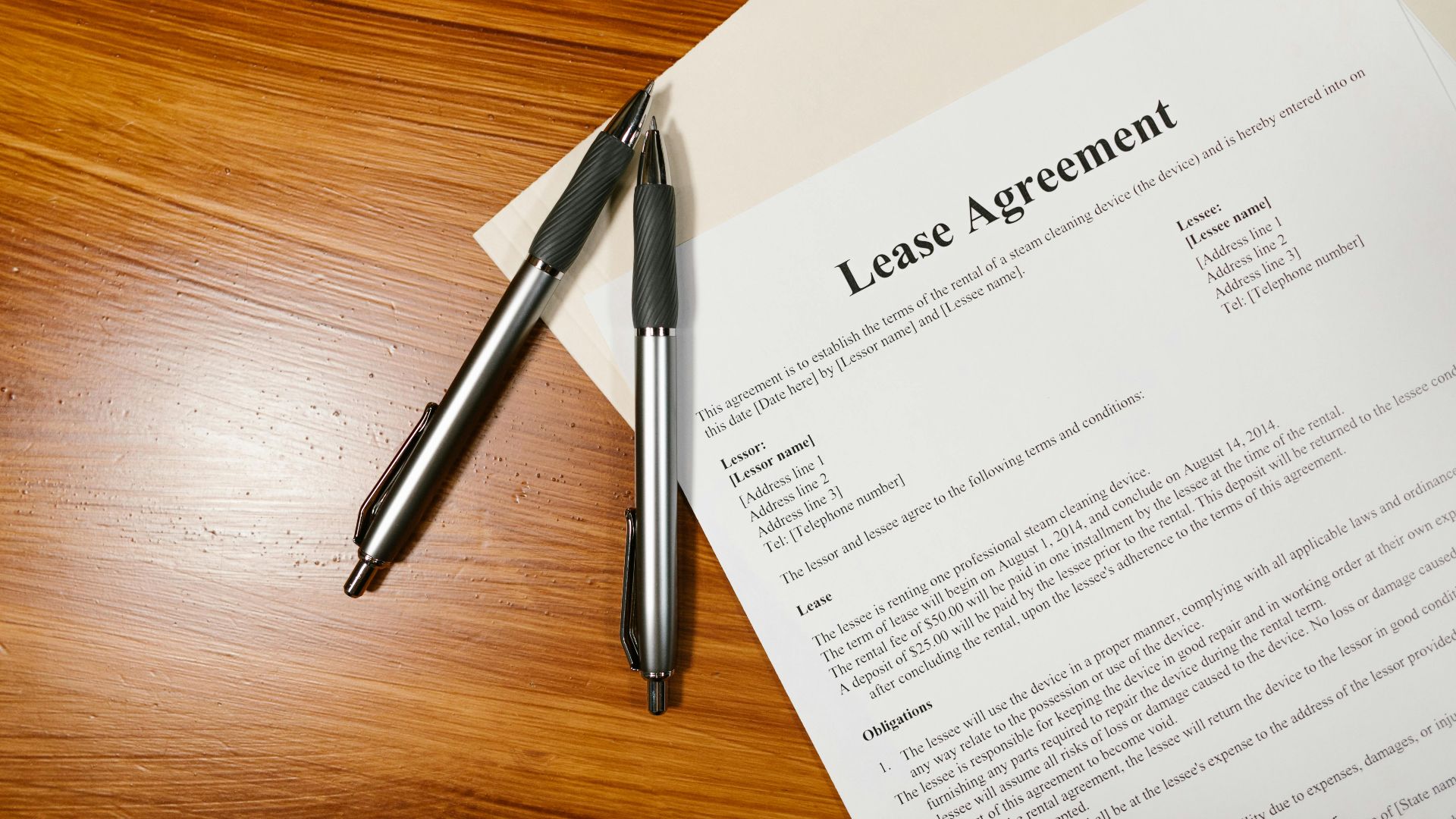
Before doing anything else, go back and read your lease carefully. If you’re in a fixed-term lease, like a 12-month agreement, your landlord typically can’t raise the rent until that term ends unless there’s a clause that specifically allows it. If there’s no such clause and they’re trying to increase your rent mid-lease, that’s something you can challenge right away. A lot of renters skip this step, but your lease is often the strongest protection you have.
Month-To-Month Tenants Have Different Rules
If you’re renting month-to-month, landlords usually have more flexibility when it comes to raising rent. That doesn’t mean they can do whatever they want, though, because they still have to follow proper notice requirements and local laws. In many places, they must give written notice before the increase takes effect, and the amount of notice can depend on how big the increase is. So even if the increase itself is allowed, the way it’s handled still matters.

Some Areas Have Rent Caps
In certain cities and states, rent increases are capped by law, especially in rent-controlled or rent-stabilized units. These laws can limit increases to a specific percentage each year, often tied to inflation or a fixed guideline. If you live in one of these areas, your landlord may not legally be allowed to raise your rent beyond that limit.

But In Many Places, There’s No Limit
Unfortunately, in many parts of the country, there are no hard caps on rent increases at all. That means landlords can raise rent significantly, even if it feels unreasonable or unfair. However, they still have to follow notice rules and cannot violate other laws like retaliation or discrimination. So even in areas without caps, you still have some protections to lean on.

Notice Requirements Are Key
One of the most important things to check is whether your landlord gave proper notice. Most states require at least 30 days’ notice for rent increases, but larger increases may require 60 or even 90 days. If your landlord didn’t follow these rules, the increase might not be enforceable yet. This is one of the easiest ways to challenge a rent hike if the process wasn’t handled correctly.

The Size Of The Increase Can Matter
In some areas, the amount of the increase affects how much notice is required. For example, a small increase might need 30 days’ notice, while a larger one requires more time. If your landlord gave short notice for a big jump in rent, that could be a violation. This is why it’s important to look at both the amount and the timing together.

Watch For Retaliation
If your rent suddenly increased right after you complained about repairs, reported code violations, or exercised your tenant rights, that could be retaliation. Retaliatory rent increases are illegal in many places, even if rent increases themselves are allowed. Timing is everything here, so think about what happened right before you received the notice. If it lines up, you may have a stronger case than you realize.

Not Every Increase Is Set In Stone
Even when a rent increase is technically legal, that doesn’t mean it’s final or non-negotiable. Some landlords raise rent expecting tenants to negotiate or leave, especially in competitive markets. That means you may have more room to push back than you think. Treat the notice as a starting point, not necessarily the final word.

Do Your Homework Before Responding
Before reacting, take some time to research your local laws and compare your rent to similar units in your area. Look at listings for comparable apartments and see what they’re going for. If your new rent is significantly higher than market value, that’s something you can bring up in a conversation.
 Tingey Injury Law Firm, Unsplash
Start With A Conversation
Once you’ve done your research, reach out to your landlord and ask about the increase. Keep the tone calm and professional, even if you’re frustrated. Ask how the new rent was calculated and whether there’s any flexibility. Sometimes landlords are more open to negotiation than you’d expect, especially if you’ve been a reliable tenant.

Yes, You Can Negotiate Rent
A lot of people don’t realize that rent can be negotiated, especially at renewal time. You might be able to agree on a smaller increase, spread it out over time, or lock in a longer lease at a lower rate. Landlords often prefer keeping a good tenant over risking vacancy, which gives you leverage. It’s always worth asking instead of assuming the answer is no.

Put Everything In Writing
If you challenge the increase or negotiate new terms, make sure everything is documented. Send your response by email or in writing so there’s a clear record of what was discussed. This can protect you if there are disputes later or if the situation escalates.

Get Help If You Need It
If you’re unsure about your rights, consider reaching out to a tenant organization or housing counselor. Many cities have free resources that can help you understand local laws and guide your next steps. They’ve seen situations like this before and can often spot issues you might miss.

Filing A Complaint Is An Option
If you believe your landlord violated rent control rules or notice requirements, you may be able to file a complaint with a housing authority. This can trigger an investigation or review of the increase. While it may take time, it’s a formal way to challenge something that seems illegal. It also shows your landlord you’re serious about your rights.

Legal Action As A Last Resort
If the situation is extreme or you’re being pressured unfairly, consulting a tenant lawyer may be worth it. Even a brief consultation can help you understand whether you have a strong case. Legal action isn’t always necessary, but it’s an option if things don’t resolve through conversation.

Have A Backup Plan Just In Case
Even if you push back, it’s smart to prepare for the possibility that the increase will stand. Start looking at other housing options early so you’re not rushed later. Having a backup plan reduces stress and gives you more control over your decision. It’s always better to be prepared than caught off guard.

You Have More Leverage Than You Think
It might feel like your landlord holds all the power, but that’s not entirely true. Between lease terms, notice requirements, and local laws, you have tools to work with. The key is understanding them and using them strategically. Once you do, the situation usually feels a lot less one-sided.

Final Thoughts
A rent increase can feel like it comes out of nowhere, especially when it’s higher than expected. But just because your landlord asked for more doesn’t mean it’s automatically valid or final. By reviewing your lease, understanding your local laws, and pushing back when needed, you give yourself the best chance of landing in a fairer situation. At the very least, you’ll know you explored every option instead of just accepting something that didn’t feel right.

You May Also Like: