
The Shocking Mail You Never Expected
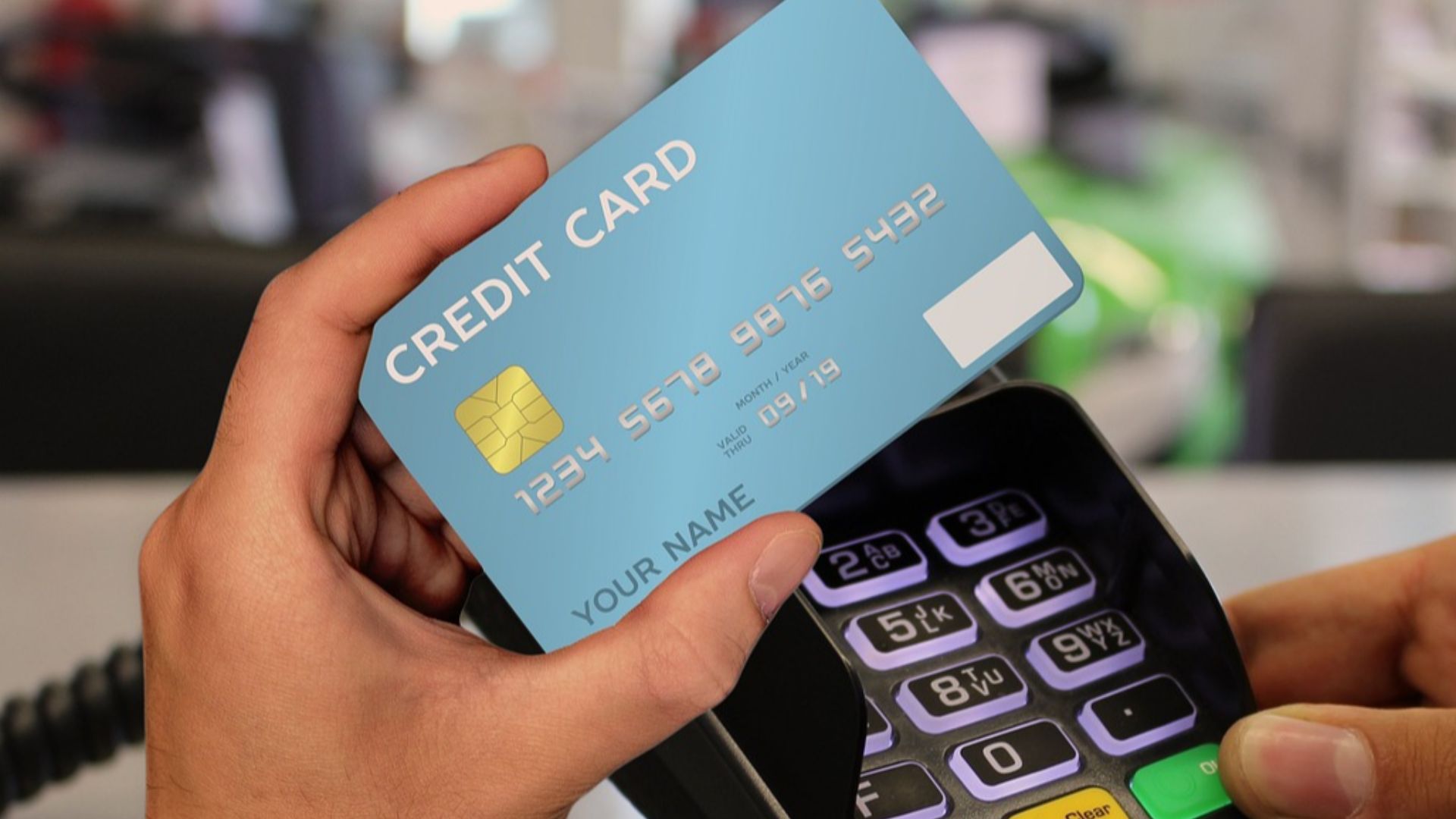
You check your credit report or open a collection notice and spot a credit card you never signed up for. Then it gets worse. Your parents opened it while you were in college, and now the balance is maxed out. This actually happens to many young Americans, and there's only one way to get out of paying it: Fight back.
 George Milton, Pexels, Modified
Here Is The Hard Truth
If someone opened a credit card in your name without your permission, that is identity theft, even if that person is your parent. The Federal Trade Commission says identity theft happens when someone uses your personal information without your permission to commit fraud. In simple terms, you usually are not automatically responsible just because you are related to the person who did it.
 Harrison Keely, Wikimedia Commons
Why This Feels So Complicated
Fraud by a family member hits differently. The emotional pressure can make you doubt what is legally true. But the legal issue is not whether the person is your parent. The real question is whether you approved the account or used it in a way that made you responsible.

What Counts As Authorized Use
If your parents applied for the card while pretending to be you, that is very different from adding you as an authorized user on their own card. An authorized user usually is not liable for the debt on the account under major card issuer policies and standard industry practice. The primary account holder is usually the one legally responsible for paying it back.

The Law Gives You Important Protections
The FTC tells identity theft victims to report fraudulent accounts and dispute them with the credit bureaus and the card issuer. The Consumer Financial Protection Bureau also explains that consumers can dispute inaccurate information on their credit reports. Those rights matter because a fake account can wreck your credit for years if nobody challenges it.

Your Liability Is Often Limited Or Zero
The CFPB says that under federal law, your liability for unauthorized credit card use is capped at no more than $50. Many card networks also promote zero liability policies for unauthorized charges, though the exact terms can vary. That does not mean every dispute gets fixed overnight, but it does mean the law does not start from the idea that you owe a huge balance you never approved.

The Big Question Is Whether You Knew
If you never knew about the card and never used it, your case is stronger. If you knew the account existed, used the card, made payments, or benefited from it, the issuer may argue that you accepted the debt. That can turn a straightforward fraud claim into a much messier dispute.
Start With Your Credit Reports
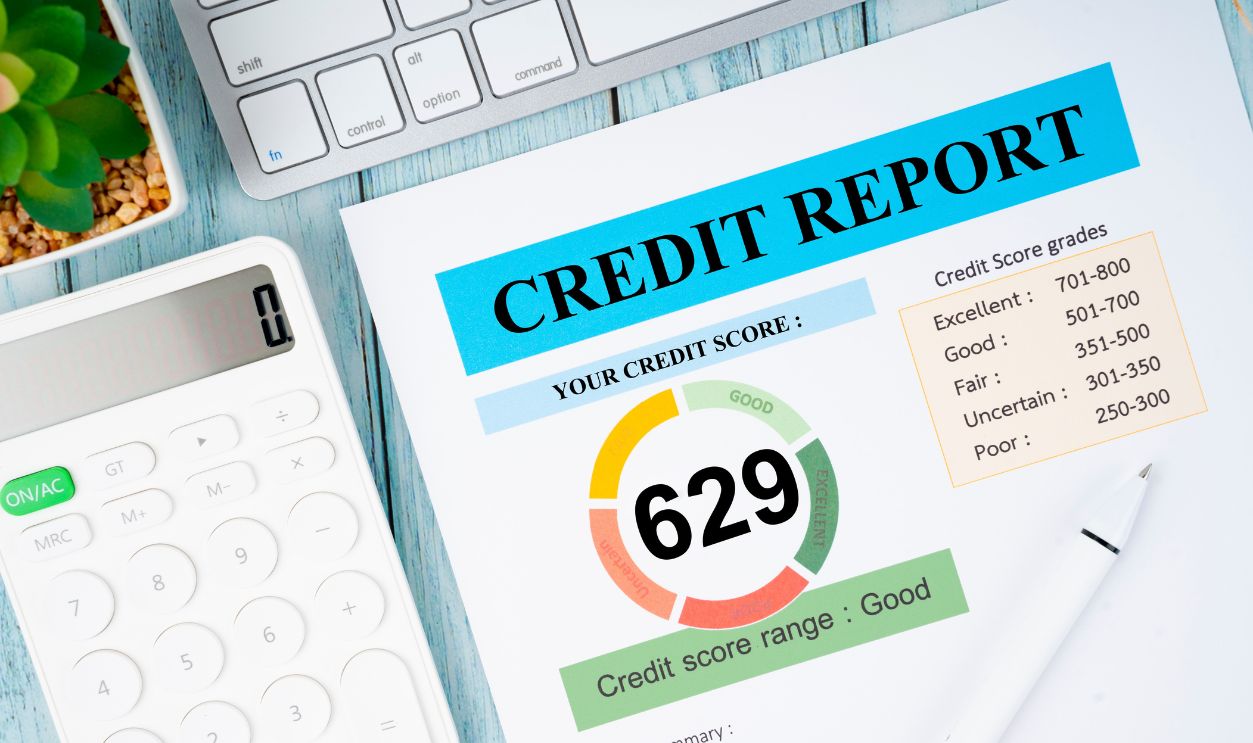
Go to AnnualCreditReport.com, the federally authorized site for free credit reports, and pull your reports from Equifax, Experian, and TransUnion. Look for the account opening date, payment history, balance, and any addresses tied to the account. Those details can help show when the account appeared and whether statements were sent somewhere you never saw.

Dates Matter More Than You Think
Write down exactly when you found the account and exactly when it was opened. Save screenshots, letters, emails, and account statements. A clear timeline can make your disputes more convincing and easier for investigators, creditors, and bureaus to follow.

Contact The Card Issuer Fast
Tell the issuer the account was opened without your permission and ask for the fraud department. Ask that the account be closed or frozen and request copies of the application and any records tied to the opening. Also ask how to submit an identity theft report and where to send supporting documents.

File An Identity Theft Report
The FTC runs IdentityTheft.gov, which helps victims build a recovery plan and create an identity theft report. That report can help when you dispute fraudulent accounts with card issuers and credit bureaus. It also creates a paper trail showing when you formally reported the fraud.

You May Also Need A Police Report
The FTC says some businesses may require a police report. This is often the hardest step when the person involved is a family member, but it can strengthen your case if the issuer wants more proof. If you choose this route, bring your ID, proof of address, account records, and your FTC identity theft report.
 Larry D. Moore, Wikimedia Commons
Dispute The Account With All Three Credit Bureaus
The CFPB and the credit bureaus explain that you can dispute fraudulent information on your credit reports. Submit the dispute to Equifax, Experian, and TransUnion, not just one of them. Include copies of your identity theft report, any police report, and a clear statement that the account was opened without your authorization.
 Tyler Lahti, Wikimedia Commons
Consider A Fraud Alert Or Credit Freeze
A fraud alert tells lenders to take extra steps to verify your identity before opening new credit. A credit freeze goes further by restricting access to your credit report, making it harder for anyone to open new accounts in your name. The FTC says freezes are free and must be placed separately with each bureau.

Family Fraud Is More Common Than People Realize
The AARP Fraud Watch Network has warned that child and family identity fraud is a real problem, often involving relatives who have easy access to Social Security numbers and other personal details. Exact situations vary, but experts regularly point to that easy access as what makes this kind of fraud so damaging. The financial damage and the betrayal usually show up together.

Being A Student Made You Vulnerable
College students are often easy targets because they may not check their credit regularly and may still use a parent’s address for mail. That combination can hide a new account for months or even years. By the time the student finds out, the balance may be huge and late payments may already be hammering the credit file.

What If Your Parents Say They Planned To Pay It
That does not erase the problem. An intent to repay does not turn an unauthorized account into an authorized one. If the account was opened without your permission, the core issue is still fraud.

What If They Only Used Your Information
Using your Social Security number, date of birth, or name to open an account without your okay is exactly the kind of conduct identity theft laws are meant to address. The FTC’s definition does not create a special exception for parents. Family status may affect your personal choices, but it does not change the facts.

What If You Used The Card A Few Times
This is where things get tricky. If you used the card after learning it existed, the issuer may argue that you accepted the account or at least benefited from it. If that happened, talk to a consumer law attorney quickly because your dispute may turn on specific facts, documents, and state law.

Could You Be Sued For The Balance
A creditor or collector may still try to collect if the account remains in your name and the fraud issue has not been resolved. That does not mean they are right. It means you need to move fast, dispute the debt, and keep records of every call and letter.

Debt Collectors Have Rules Too
If the account has gone to collections, the CFPB says you can ask a collector for information about the debt and dispute it. Do not ignore collection letters. Responding in writing helps protect your position and can stop a bad assumption from turning into a default judgment.

Your Credit Score Can Recover
Fraudulent accounts can drag down your score through high balances, late payments, and collections. But if the account is removed as fraudulent, the related damage can be corrected too. Recovery may take time, so keep checking your reports to make sure the account does not pop back up.
Should You Pay It Just To Keep The Peace
That is a personal choice, not a legal requirement in most true fraud cases. Paying might calm things down in the short term, but it may also muddy the record and make it harder to argue that the debt was unauthorized. Before you send money, think about the financial and legal fallout, not just the family drama.

When A Lawyer Is Worth It
If the issuer refuses to remove the account, if a collector is pressuring you, or if you partly used the card, get legal advice. A consumer protection or identity theft attorney can look at whether you accepted the debt and how to challenge inaccurate reporting. The National Association of Consumer Advocates can help people find lawyers in this field.

How To Protect Yourself Going Forward
Check your credit reports regularly, freeze your credit if you do not need new borrowing right away, and use strong account security. Keep Social Security cards, tax records, and school records locked up. Family access is often the weak spot, so basic document control matters more than most people think.

The Bottom Line On Responsibility
If your parents secretly opened a credit card in your name without your permission, you generally are not responsible for the debt just because they are your parents. But you do need to act quickly to report the fraud, dispute the account, and document everything. The law gives you real protections, but they work best when you use them fast and carefully.

The Most Important Next Step
Do not let shame or loyalty keep you stuck. Pull your reports, contact the issuer, file at IdentityTheft.gov, and consider a police report if needed. In a mess like this, dealing with it head-on is usually the fastest way to get your financial life back.