Strength In Shared Journeys
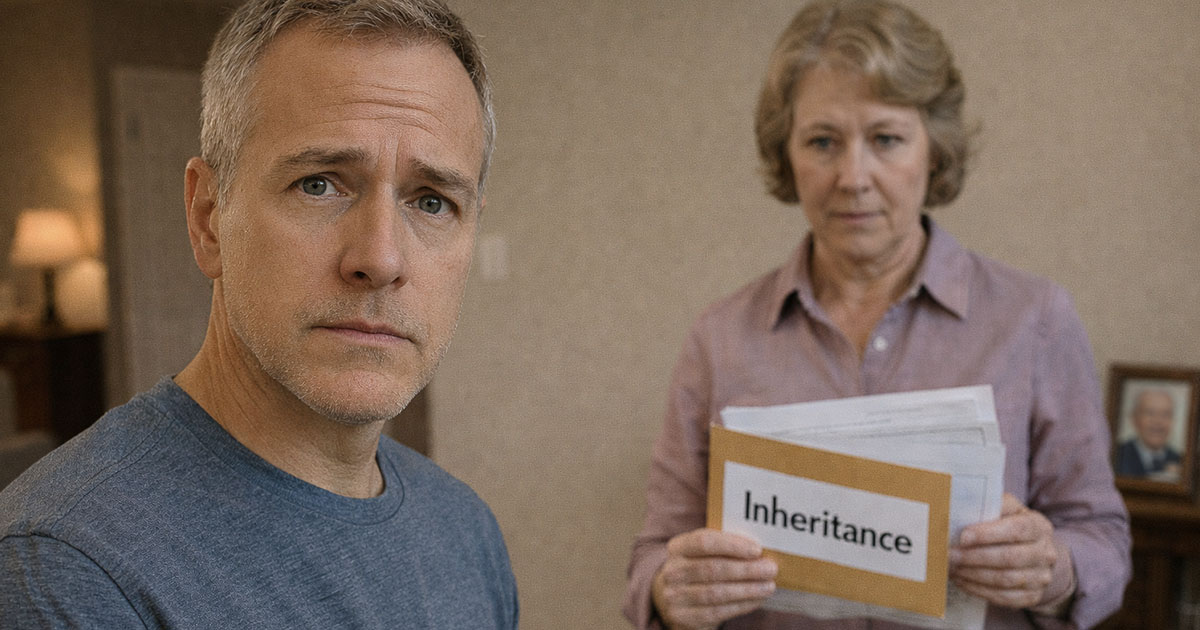
Marriage is more than vows and rings. With the right person, life takes on a new texture, where small choices, routines, and companionship quietly weave together to create something steady and lasting.

Longer Life Expectancy
Want to stick around longer? Getting married might help. A study published in PubMed Central reveals that married people enjoy extended lifespans, partly from reduced cardiovascular problems. Both heart disease and stroke risks drop significantly with a spouse by your side.

Lower Depression Rates
Depression rates tell an interesting story about marriage benefits. People in marriages show considerably less likelihood of battling depression than unmarried individuals. The ASPE research also emphasizes that partnership strengthens psychological well-being, creating environments where mental health flourishes.

Higher Net Worth
Money matters look different when married. Journal of Sociology research highlights that married people build net worth approximately 77% faster during midlife compared to unmarried individuals. This advantage comes from combined resources, shared expenses, and stability, enabling long-term wealth-building.

Increased Job Satisfaction
Your career might get a boost from saying "I do." Having a supportive partner creates stability that translates into better professional performance and overall workplace happiness. Washington University research study shows that a conscientious partner means you’ll likely have higher income levels and greater satisfaction at work.

Emotional Support Reduces Stress
Career longevity depends heavily on handling stress well, and marriage genuinely helps with that challenge. When you've got someone providing emotional backup at home, the pressure from work feels less overwhelming, which keeps burnout at bay for years.

Improved Recovery from Surgery
Facing major surgery? A spouse might actually improve your survival odds. Emotional encouragement combined with hands-on caregiving creates the ideal environment for healing, which ultimately leads to better outcomes when health crises hit and recovery becomes critical.

Stronger Immune System
Getting sick less often might genuinely be a marriage perk. The benefits of having a partner actually affect your body at the cellular level, boosting how well your immune system fights off infections and helping you bounce back faster when illness hits.

Enhanced Social Capital
Marriage opens doors you didn't even know existed. When two people merge their lives, they also merge their social circles, creating expanded networks that can lead to unexpected career opportunities. This social capital growth becomes a tangible professional advantage.

Better Financial Planning
Two heads are genuinely better than one when it comes to money. Couples who plan finances together tend to reduce risks while building stronger financial futures through shared decision-making. The collaborative approach creates more effective wealth-building strategies than going solo.

Reduced Risk Of Substance Abuse
Behavior patterns often change when someone's genuinely invested in your well-being. The stability that marriage brings may reduce substance abuse risks compared to single life. Mutual responsibility and emotional support could act as natural buffers against falling into alcohol or drug problems over time.

Greater Emotional Stability
Chaos kills progress, but marriage brings order to emotional life. It becomes a foundation of stability that supports sustained success over time. When personal life feels secure, people have mental bandwidth to focus on growth, innovation, and long-term planning.
Higher Workplace Commitment
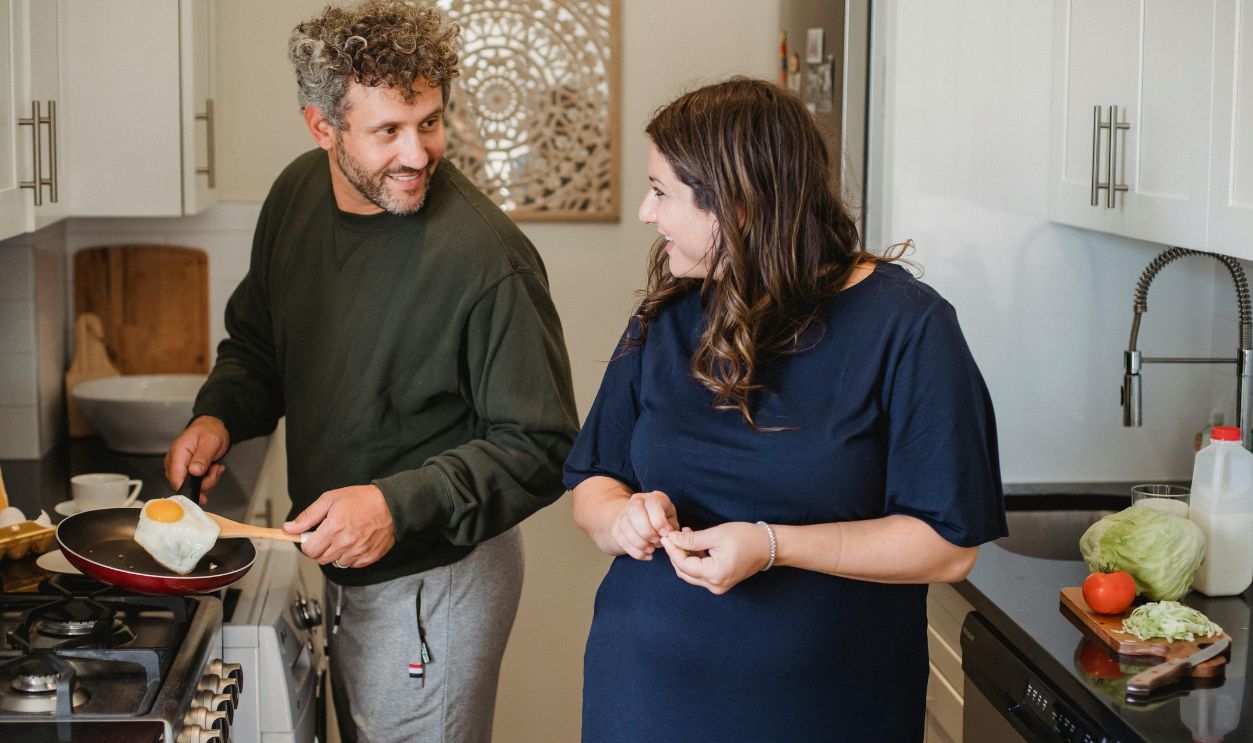
Employers might want to notice this pattern: married employees usually stick around longer and perform better. The stability from home life translates directly into workplace loyalty and consistent performance. Marriage correlates with increased commitment and reliability at work.

Dual-Career Support
Power couples aren't just lucky—they're strategic. When partners actively negotiate their individual ambitions and support each other's goals, both careers flourish rather than competing. This collaborative approach allows couples to thrive professionally without sacrificing either person's success.

Lower Financial Stress
Money anxiety drops when two people tackle expenses together instead of alone. Joint decision-making about bills and budgeting creates a safety net that solo earners simply don't have. When unexpected costs pop up, sharing the burden makes financial challenges feel manageable rather than overwhelming.

Higher Happiness Levels
Life satisfaction looks different when you've got someone to share both wins and losses with. Married people report higher happiness levels across the board compared to singles. That constant companionship and emotional bond create a foundation of contentment that makes everything else in life feel better.

Lower Risk Of Loneliness
Coming home to someone makes a bigger difference than most people realize. Couples experience significantly reduced isolation and stronger feelings of companionship in their daily lives. A partner’s consistent presence creates security against the loneliness epidemic affecting so many singles.

Faster Career Advancement
Ambition needs fuel, and spousal support provides exactly that. When a partner actively encourages career goals, advancement happens more quickly because that motivation translates into action. The belief and encouragement from home create momentum that drives professionals toward higher achievements and faster progression.

Better Financial Security In Retirement
Retirement planning becomes more effective when done as a team effort over decades. Couples who save together throughout their careers typically enter their golden years with substantially larger nest eggs. The combined discipline and pooled resources create comfort that allows retirees to actually enjoy their freedom.

Stronger Community Engagement
Marriage doesn't just connect two people—it connects them to the world around them. Married couples participate more actively in civic and community activities compared to singles. The partnership creates stability and motivation to engage with neighborhoods, volunteer organizations, and local causes that make communities stronger.

Higher Rates Of Home Ownership
Owning a house feels out of reach for many singles, but becomes realistic for married couples. Dual incomes mean larger down payments and better mortgage terms that make purchasing property feasible. Real estate ownership represents a major wealth-building milestone that partnership helps people reach earlier in life.

Lower Healthcare Costs
Medical bills add up fast, but married couples face lower overall healthcare expenses. Partners encourage preventive care and provide at-home recovery support that reduces hospital stays. The combined insurance benefits and mutual health accountability translate into thousands saved annually on medical costs.
Better Sleep Quality
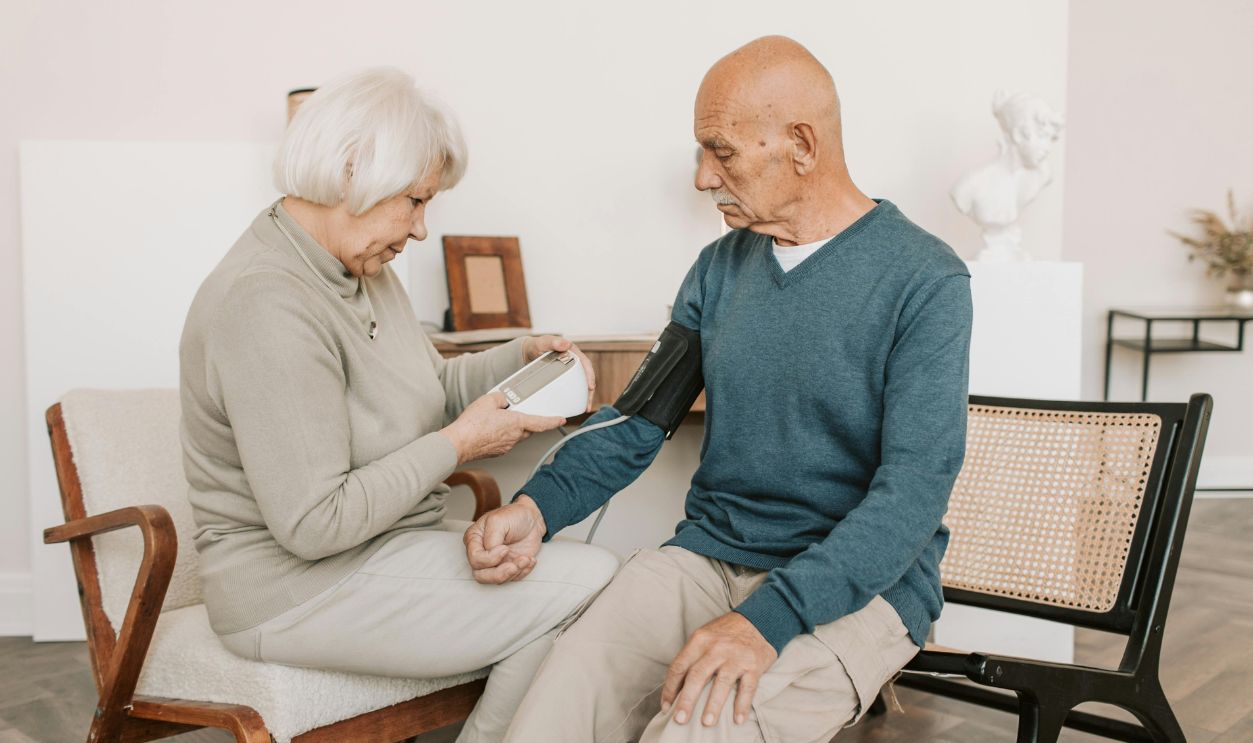
Sleep impacts everything from mood to productivity, and married people generally sleep better. The sense of security from having someone beside you reduces nighttime anxiety and promotes deeper rest. Better sleep quality translates into better overall health as well.

Reduced Risk Of Cognitive Decline
Brain health benefits from constant social engagement, which marriage provides naturally. Daily interactions with a spouse—discussing plans, solving problems together, sharing stories—create mental stimulation that protects against cognitive decline. The consistent companionship acts as a buffer against the memory issues that often accompany aging.

Shared Learning And Skill Growth
Marriage often exposes partners to new skills and knowledge. From learning financial literacy together to picking up hobbies or cultural practices, couples expand their capabilities in ways that singles may not. This shared growth strengthens adaptability and long‑term success.

Greater Resilience In Crisis
Setbacks hit everyone, but recovery looks different when you're not alone. Marriage naturally builds resilience and adaptability because partners help each other navigate both personal and professional crises. The emotional support and practical problem-solving that come from teamwork transform how people bounce back from difficulties.