A Whopper Of A Case
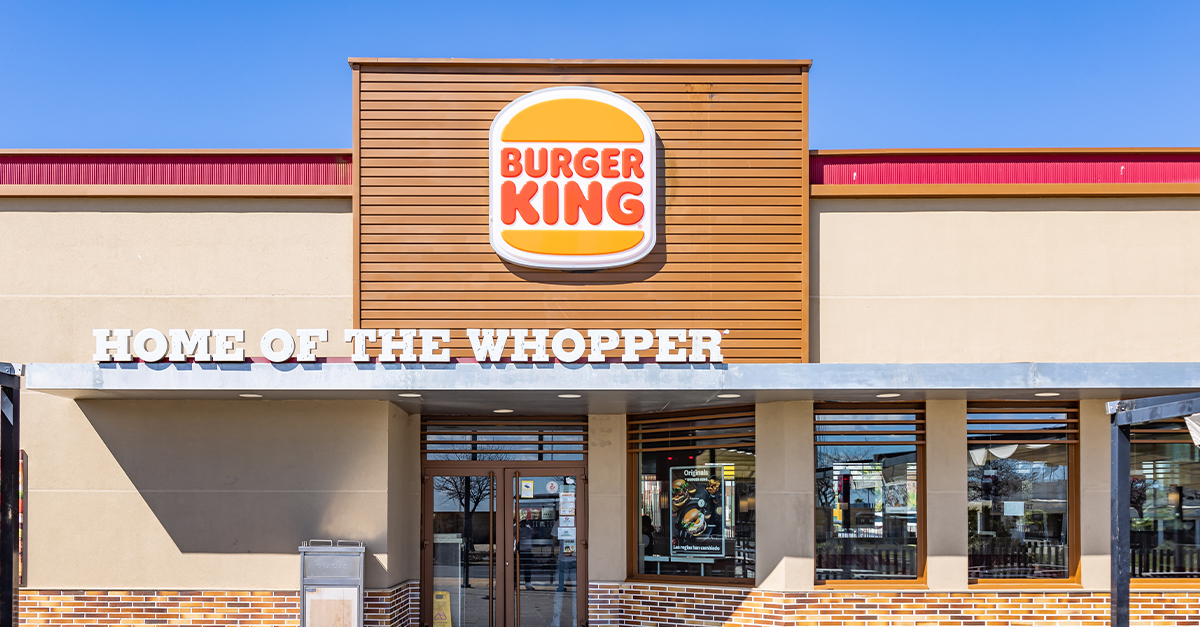
In 2022, 19 consumers filed a class action lawsuit that accused Burger King of misleading advertising with respect to its signature Whopper hamburger. The case hinges on the classic idea of whether the promotional images exaggerate the burger’s size and juiciness enough to mislead discerning customers and whether or not those exaggerations cross the line from marketing promotion into full-blown false advertising.
Who Filed The Class Action Suit
The lawsuit was brought by several random Burger King customers who claim they bought Whoppers based on advertising images that grossly overstated the size and plumpness of the burgers. The plaintiffs argue they relied on those visuals when choosing Burger King and say the actual product fell well short of expectations set by the ads.
The Core Allegation Against Burger King
At the core of the complaint is the claim that Burger King’s advertisements show Whoppers with thicker patties, more toppings, and larger overall dimensions than what the customers claimed they received in stores. Plaintiffs insisted this visual inflation goes way beyond normal food styling and is materially misleading to consumers.

Images Not Words
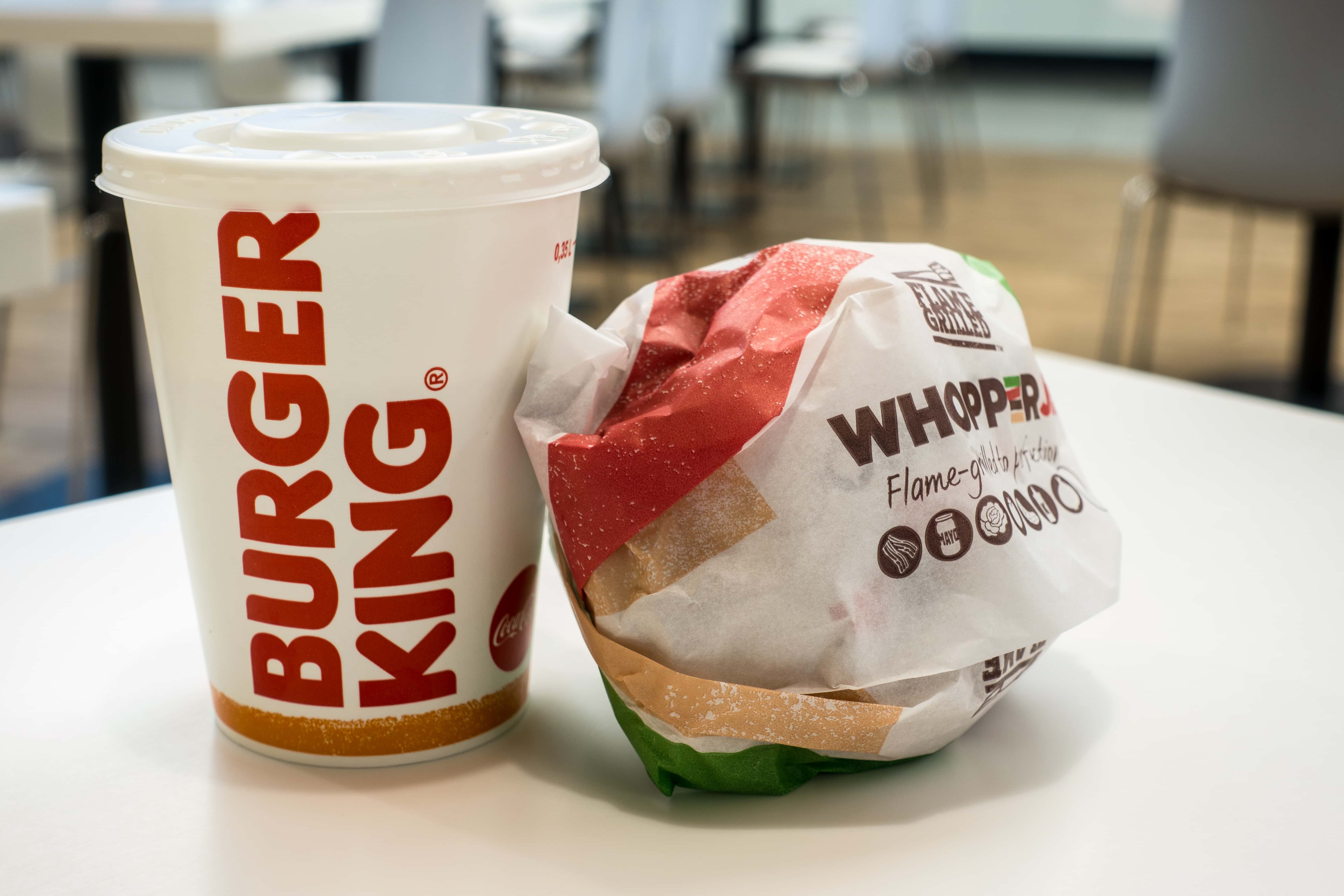
The lawsuit does not center on Burger King ad slogans like the famous “Have it your way!” or written promises, but strictly on photography. Plaintiffs argue that Burger King meticulously and deliberately staged and altered images to exaggerate product size in ways customers would not reasonably expect from standard food photography used across the fast-food industry.
Burger King’s Initial Defense Strategy
Burger King has argued that reasonable consumers who’ve been around the block understand that food images are stylized for the ads and that the photos aren’t literal representations of the final product that gets handed to them at the counter. The company says this kind of imagery is standard marketing practice and is protected as general promotional exaggeration rather than a one-to-one factual guarantee of size.
A Judge Let The Case Move Forward
A federal judge in May 2025 declined to dismiss the lawsuit, ruling that the alleged exaggerations were substantive enough to possibly mislead reasonable consumers. The decision stressed that some of the burger images looked far larger than the actual product, which could surpass the accepted advertising norms.
Legal Analysts Mull The Case’s Viability
Legal analysts say that this recent ruling suggests courts are increasingly willing to scrutinize visual advertising, and not just the typically hyperbolic claims of written ads. While plaintiffs still face the challenge of proving consumer reliance and damages, experts note that getting past the dismissal phase gives the case some meaningful momentum as it heads to trial.

The Standard Of The Reasonable Consumer
Central to the lawsuit is the notion of how a reasonable consumer should interpret fast food advertising. Burger King argues that customers expect embellishment, while plaintiffs say the degree of enlargement crosses the line of what’s acceptable. The jury may eventually have to decide where harmless embellishment ends and deception begins.
Similar Fast Food Lawsuits
Burger King is by no means alone in facing these kinds of claims. Subway, Taco Bell, and McDonald’s have all been subjected to similar lawsuits that accused them of misleading food advertising. Many were dismissed, but others resulted in settlements or ad changes, showing that the outcome depends on the scale of exaggeration.

What Makes The Whopper Case Different
Legal observers say the Whopper lawsuit is unusual because of the degree of visual disparity alleged. Court filings show images where the sandwich seems dramatically more plump and juicy than the real product, potentially exceeding the normal levels of exaggeration that consumers expect from food photography.
The Whopper’s Role In Burger King’s Identity
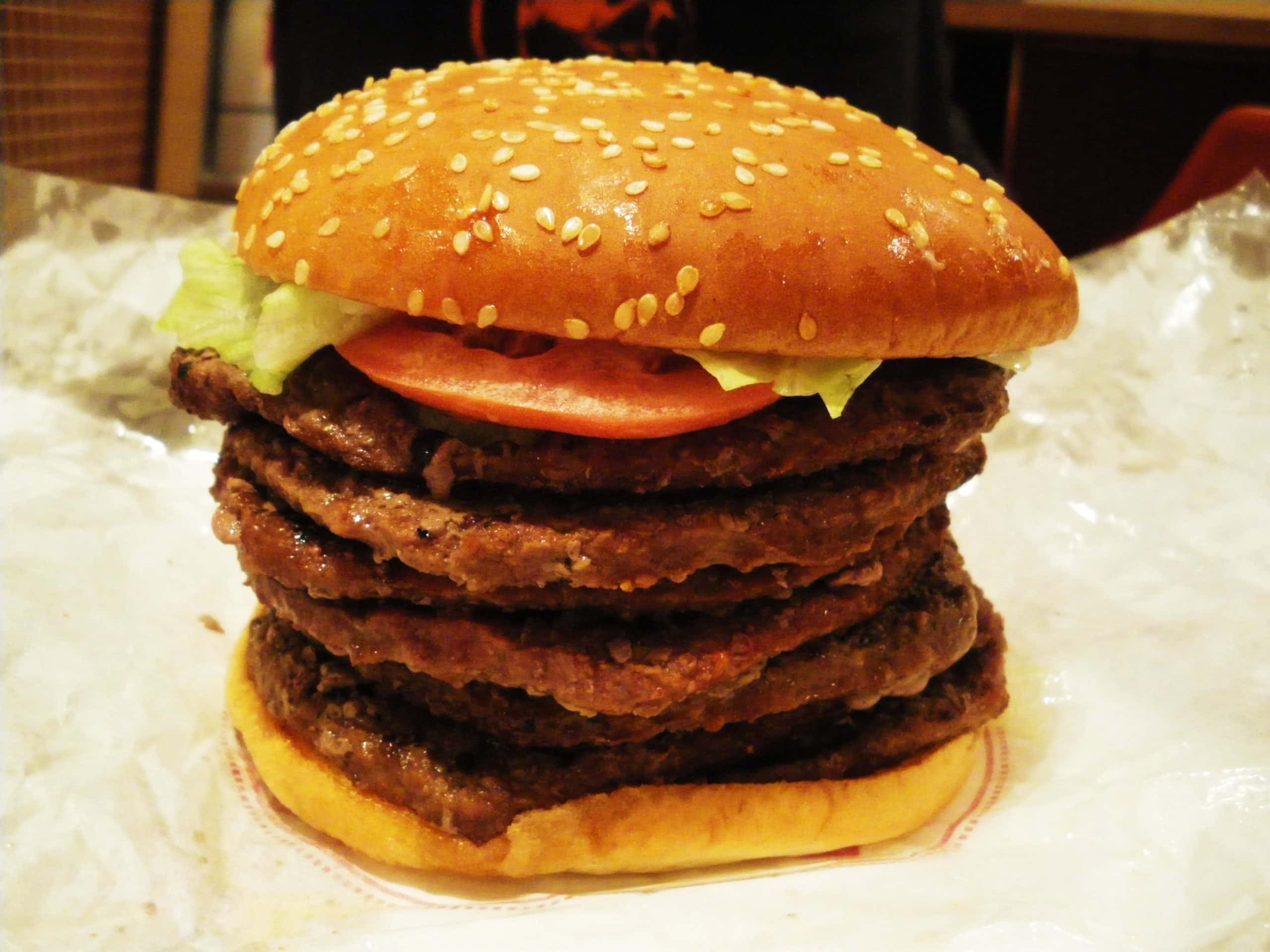
Introduced in 1957, the Whopper quickly became Burger King’s flagship menu item and a pivotal part of the brand’s identity. The sandwich helped distinguish the chain with its flame grilled patty and larger size, distinguishing it from McDonald’s and making disputes over its presentation particularly sensitive.
How Whopper Advertising Evolved
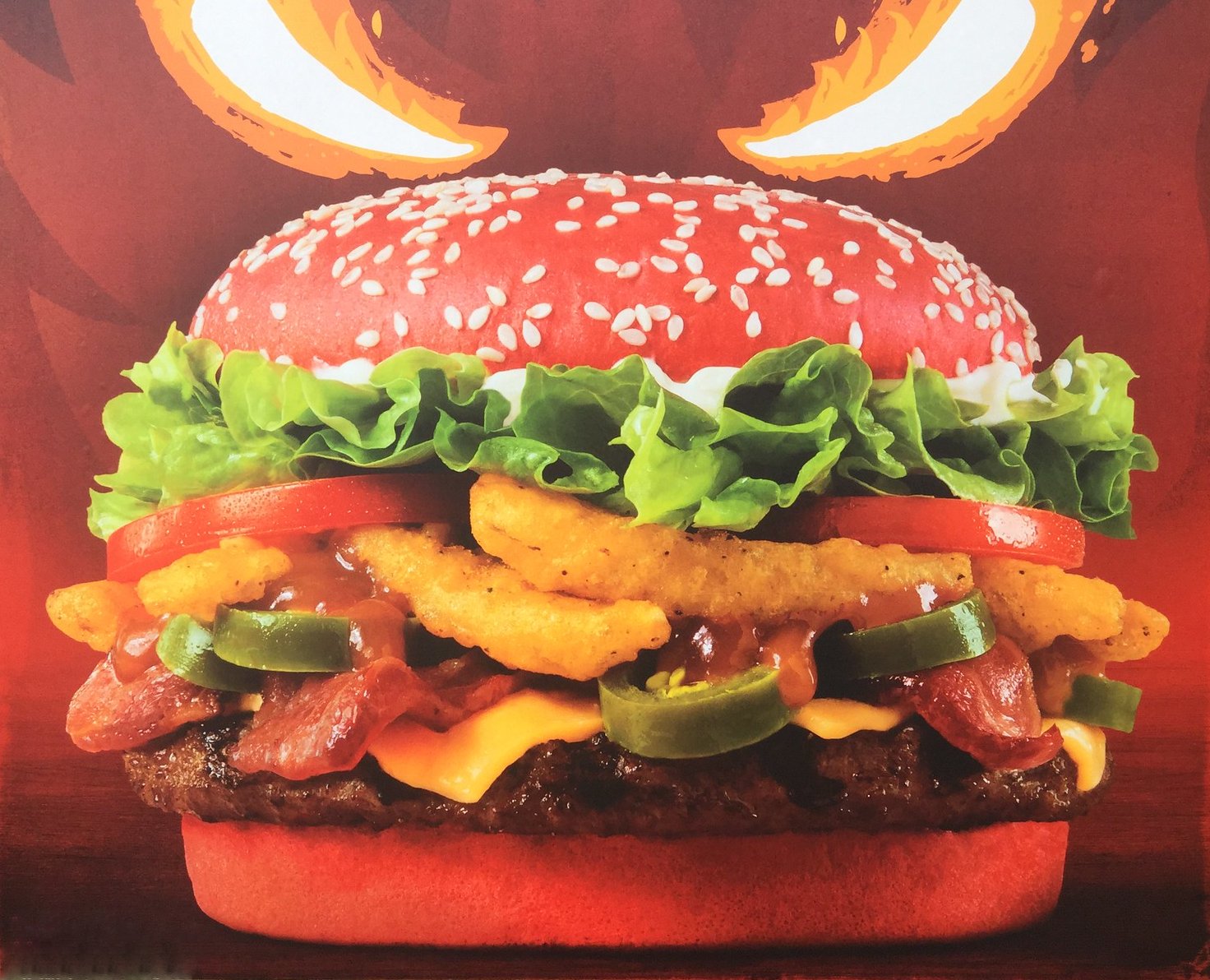
Over the decades, Whopper marketing has emphasized size, flame grilling, and customization. Ads often focus on visual abundance, leaning heavily on close-up images of the burger to show how delicious it is. Plaintiffs argue this long-standing marketing emphasis on the burger’s size reinforces consumer expectations that the actual burger itself doesn’t live up to.
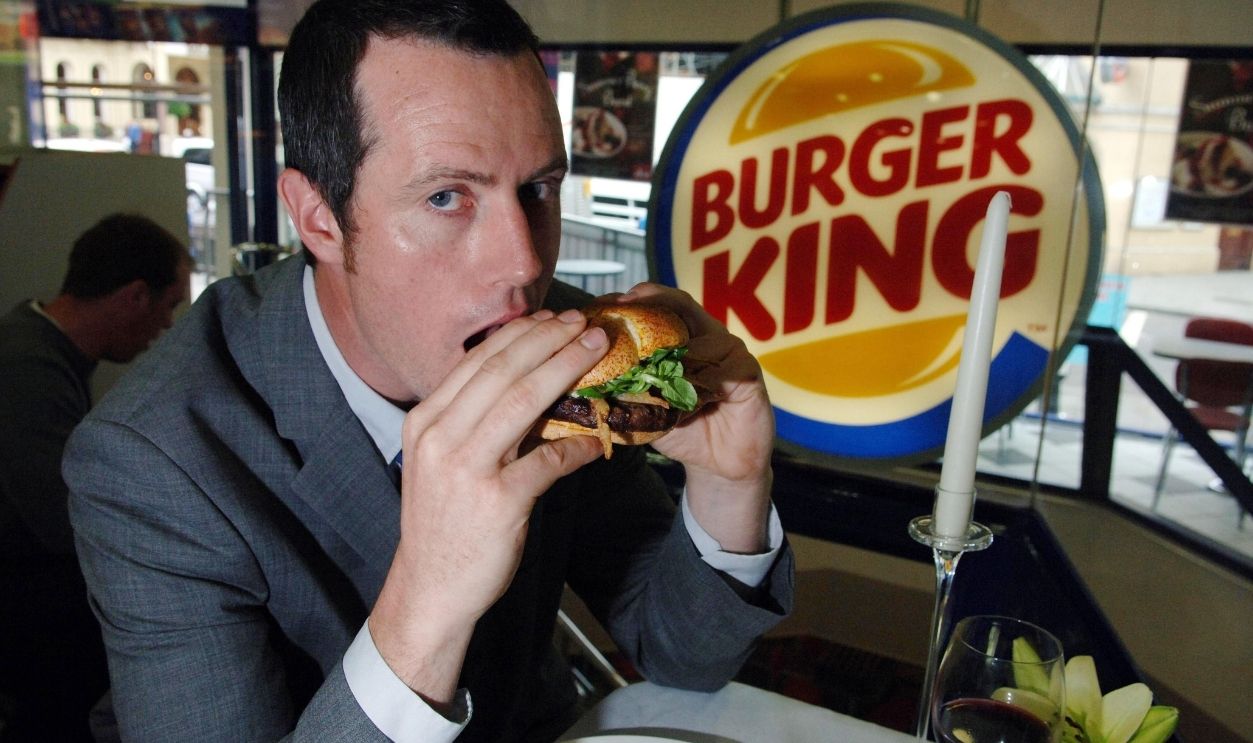 Tim Ireland - PA Images, Getty Images
Size Matters More Than Taste
Taste is subjective, but size is a measurable feature. Legal experts note that courts are more likely to take issue with visual claims that imply quantifiable attributes. If an image suggests significantly more meat or toppings than is actually delivered, it then becomes easier for plaintiffs to argue deceptive practices.

Possible Financial Risk For Burger King
If the plaintiffs prevail, Burger King could face damages, be forced to make advertising changes, or pay out a settlement to compensate consumers. While individual claims are small, class actions aggregate losses, creating meaningful financial and reputational risk even for international brands.
Burger King’s Public Response
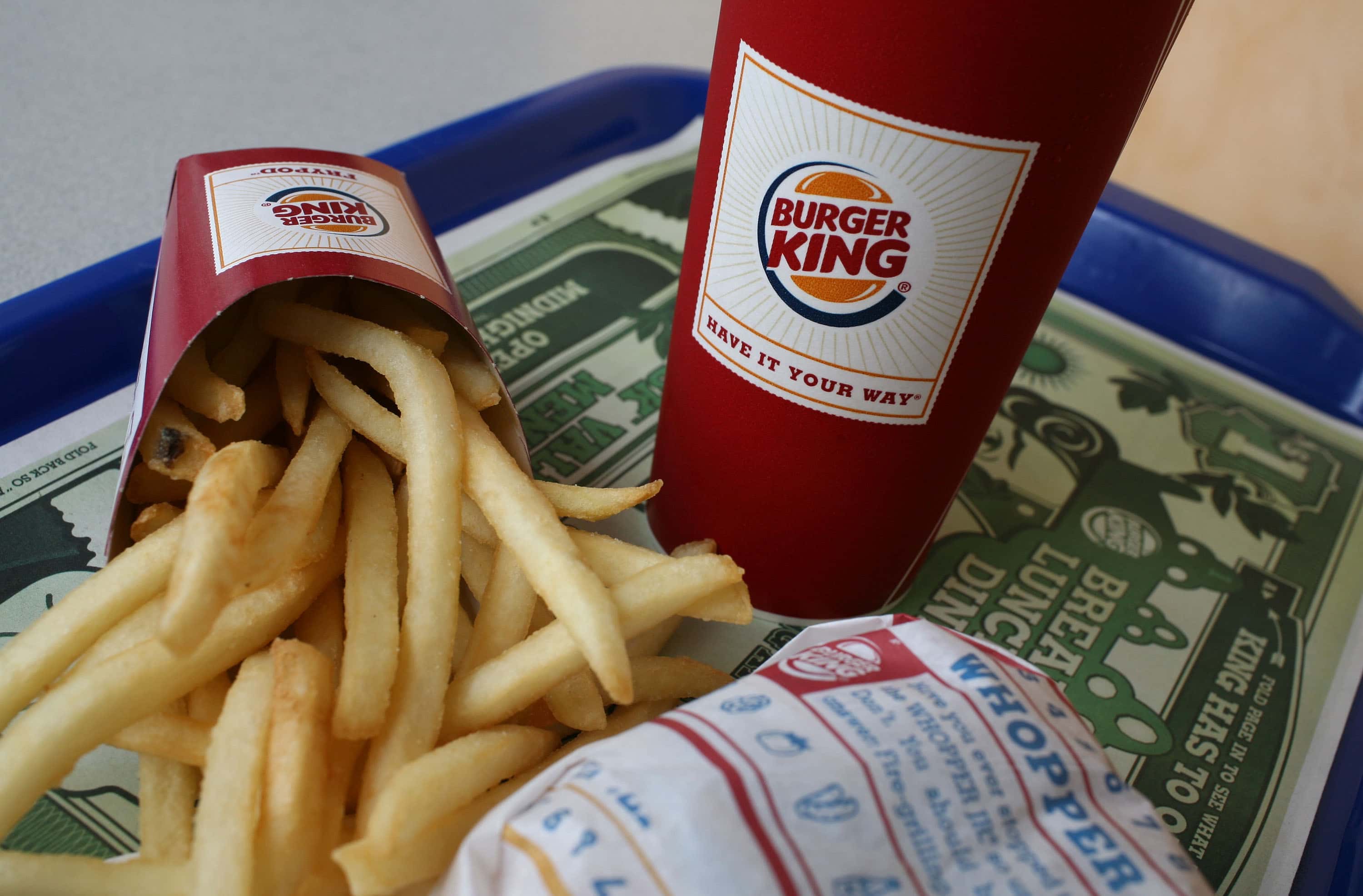
Burger King has largely framed the lawsuit as a misunderstanding of basic already agreed-upon advertising conventions. The company maintains that its food meets quality standards and that customers should be familiar with the concept of promotional imagery. It has thus far indicated no intent to change its Whopper advertising while this litigation continues.
 Nielsoncaetanosalmeron, Wikimedia Commons
Broader Implications For Food Marketing
This case could potentially end up having a big impact on how fast-food chains photograph and market their products. A plaintiff victory would clamp down on overly exaggerated imagery across the industry, while a defense win would reaffirm wide latitude for current accepted practices in food advertising and give food chains reason to breathe a sigh of relief.

Lawsuit’s Current Status
As of the latest updates, the case is still slowly going through pretrial stages with discovery ongoing. Both sides are preparing expert witness testimony on consumer perception, advertising practices, and damages as the lawsuit inches closer to a potential trial and a date with destiny.
What A Trial Would Likely Focus On
At trial, jurors would most likely compare Whopper ads directly to the actual burgers themselves. The central question would be whether the visual differences alone are reason enough to cause ordinary consumers to purchase and eat the burgers.

Settlement Vs Trial Possibilities
Many class action suits get settled before they ever get to trial. Analysts say Burger King is probably weighing their litigation costs against the potential reputational risk. The company may decide that it’s worth going to trial to try to avoid setting a precedent that hamstrings their future advertising flexibility.
Outlook As The Case Moves Forward
The Whopper lawsuit is a reflection of the growing sophistication of consumers and their willingness to subject visual marketing claims to close scrutiny. Regardless of the case’s outcome, it’s a clear indication that courts have to start taking consumer perceptions of images a lot more seriously. The case could reshape fast-food advertising standards or it could just as easily backfire and reinforce the industry’s time-honored ways of doing things.
You May Also Like: