A Lawsuit That Made Headlines
In 2013, Red Bull was the target of a class action lawsuit filed by Benjamin Careathers, a regular consumer who argued he was misled by the company’s marketing. The case challenged the brand’s claims of boosting performance and its signature slogan, “Red Bull gives you wings,” raising the issue of truth in advertising and how companies market energy drinks to impressionable people.
The Red Bull Image
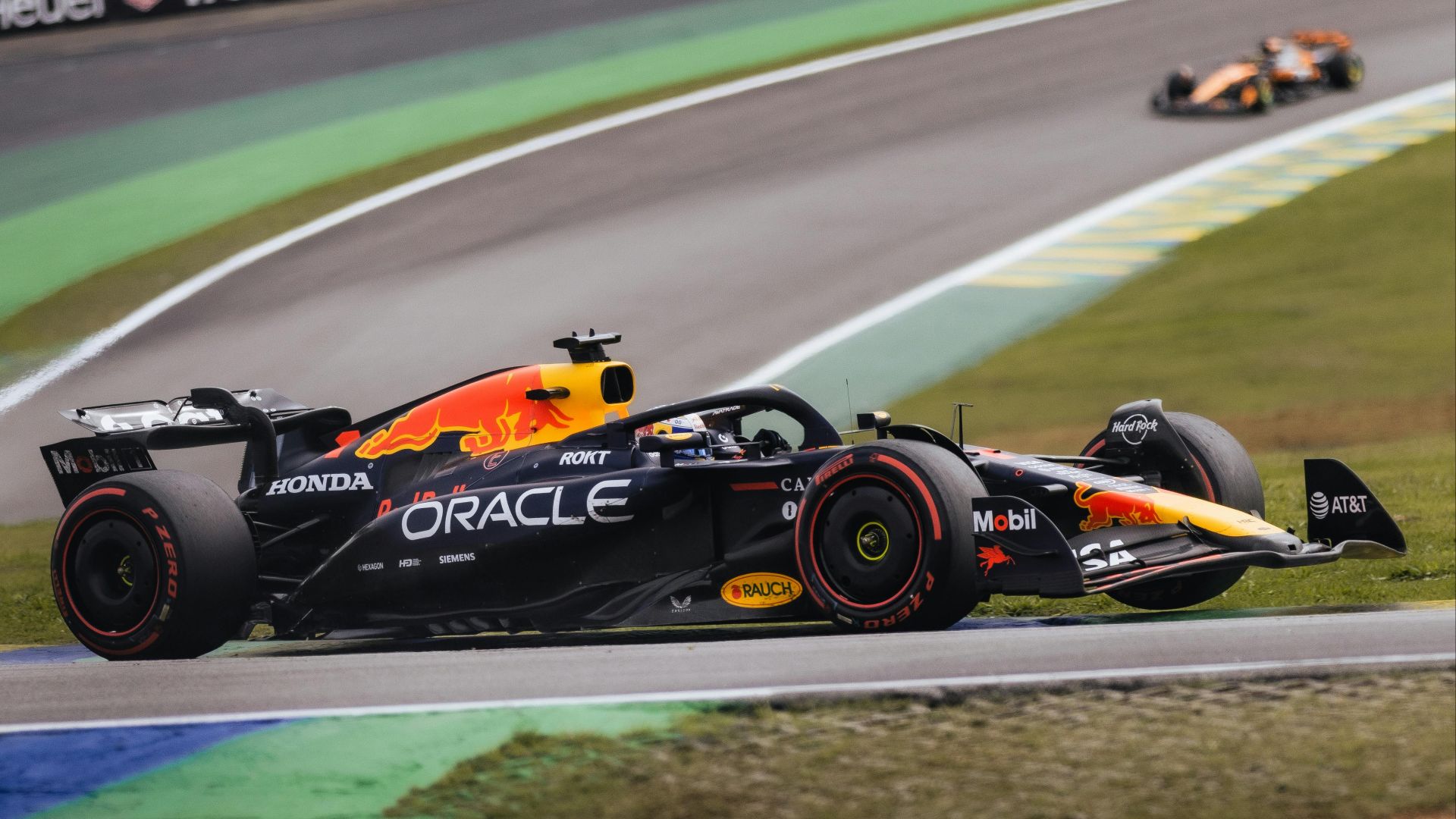
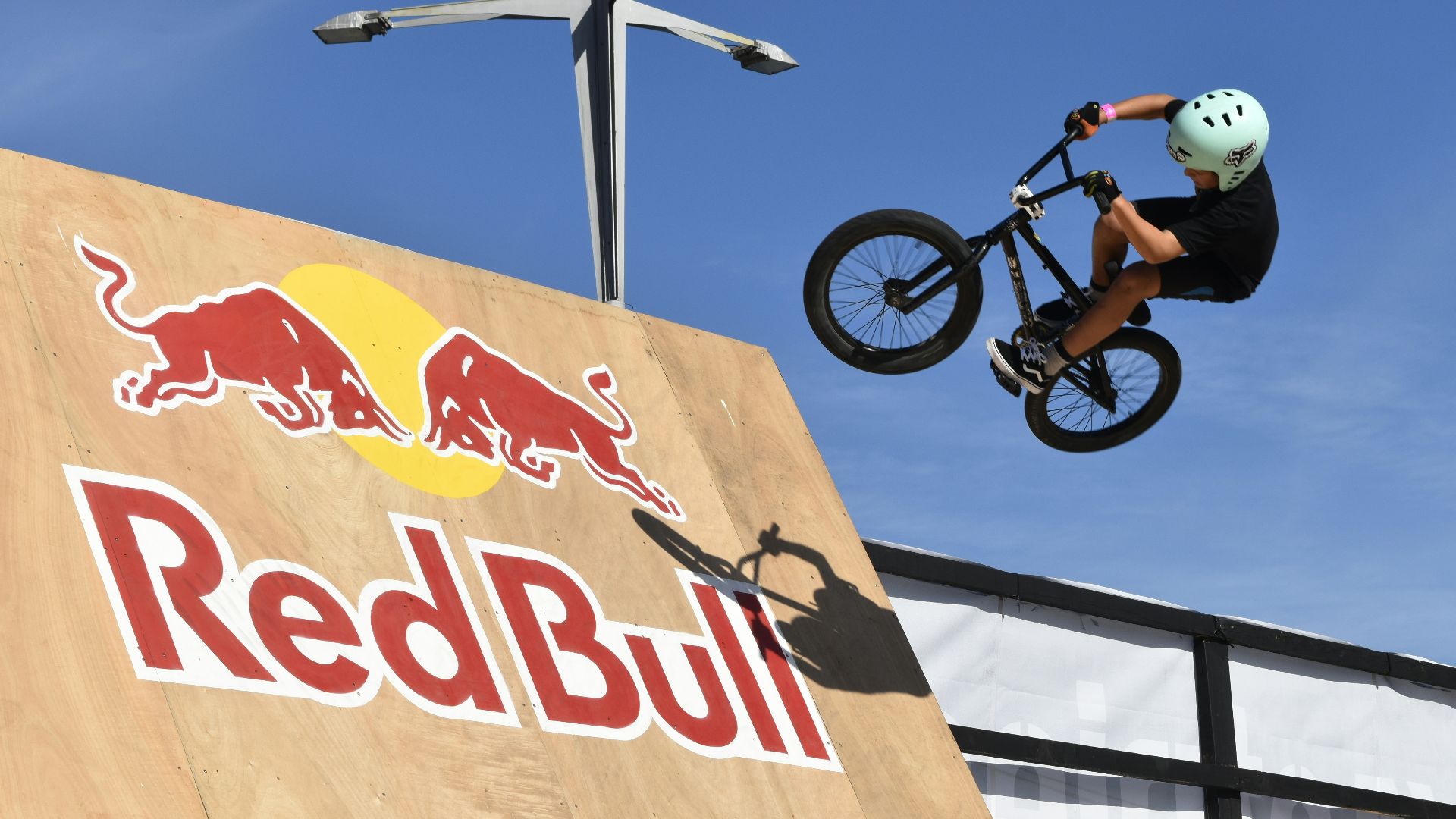
Since its launch in the late 80s, Red Bull has positioned itself as a powerful energy booster. The company spent millions associating the drink with extreme sports, intense focus, and performance at the limits of human capabilities. Over time this marketing theme helped Red Bull dominate the energy drink business, but it set the stage for lawsuits claiming exaggeration and misleading advertising.
Benjamin Careathers: The Lead Plaintiff
Benjamin Careathers testified that he’d been a loyal Red Bull drinker for more than 10 years, believing the product would one day finally come through on its promise of superior concentration and physical benefits compared to other drinks. His lawsuit alleged that Red Bull failed to back up its promoted benefits with scientific proof, relying instead on marketing that implied dramatic performance boosts that never came true.
Claims Of Misleading Advertising
The lawsuit asserted that Red Bull’s advertising suggested measurable improvements in performance that had no support in research. Careathers argued that slogans and imagery in commercials convinced consumers they could expect significant physical or cognitive improvement. The lack of proof, he claimed, meant consumers were paying a premium for promises that had no basis in the product’s actual effects.

The Famous Slogan Under Scrutiny
“Red Bull gives you wings” became central to the lawsuit. The plaintiff said the slogan misrepresented what the drink could do, implying a literal transformation into some higher-performance superhuman state. Red Bull defended the phrase as humorous and fantastical, but regulators and legal experts said that what most people view as exaggerations can be misleading if consumers think they bring real benefits.

Questions About Caffeine Content
Red Bull contains about the same caffeine level per ounce as a cup of coffee. The lawsuit emphasized that there was nothing special in Red Bull’s formula that would justify the company’s claims of such extreme energy or performance enhancement. Consumers, it argued, paid more for Red Bull expecting unique marvelous effects beyond a regular shot of caffeine, which they didn’t get. It wasn’t fair, they said.

Lack Of Scientific Support
Central to the complaint was the total lack of studies that proved Red Bull’s promised improvements in reaction time, mental focus, or athletic performance. While caffeine is known to temporarily increase alertness levels, the plaintiff claimed Red Bull’s marketing overstated these benefits. The suit pushed the issue that advertisers shouldn’t rely solely on vague or exaggerated promises to sell premium-priced beverages.
The Lawsuit Picked Up Momentum
Once the suit was filed, the class action quickly transfixed the nation’s attention. Consumers who felt similarly disgruntled at the lack of perceptible physical excellence were eligible to join the case. Legal commentators and other TV talking heads saw the lawsuit as part of a broader push to hold companies accountable for their lofty claims. The case sparked curiosity about how energy drinks are regulated and marketed across the country.

Red Bull Settled
In 2014, a weary Red Bull agreed to settle the lawsuit by paying $13 million, while also continuing to deny wrongdoing. The company said it chose the settlement route to avoid ongoing legal costs and distractions. Affected consumers could claim either a $10 payment or $15 worth of Red Bull products. This was a rare instance when a marketing slogan led to some major legal consequences.
They Didn’t Admit Guilt
Despite the settlement, Red Bull maintained that its advertising was truthful and fair. It stated that no scientific or regulatory authority had found the brand’s claims to be deceptive. But the large settlement amount and associated changes indicated that the company had figured out the need to temper its marketing and clarify what exact benefits its product could offer.
Changes Made After The Case
After the settlement, Red Bull updated parts of its marketing language. The famous slogan continues, but the company has since placed more emphasis on brand lifestyle than specific performance boosts. The shift helped protect the company from future disputes by moving away from claims that could be seen as scientifically testable hypotheses.
Ten-Dollar Refund Buzz
When news came out that consumers could get a $10 refund, excitement spread across the country. People rushed to file claims even if they rarely drank Red Bull. The unusual nature of the settlement sparked memes, videos, and social media jokes, turning a serious legal case into a pop-culture moment that put the drink under unexpected scrutiny.

The “Not Giving You Wings” Rumor
A widespread rumor later spread that Red Bull was sued specifically for “not giving people wings.” While it was good for a laugh, the claim was false. The real issue was exaggerated performance promises. The rumor spread so widely that fact-checking websites had to correct it. It goes to show the distortions that can spread on the internet.
Debunkers Get Busy
The rumor investigating website Snopes.com looked into the viral claims and confirmed that no one demanded literal wings. It clarified that the lawsuit focused on slogans implying tangible physical and mental improvements. Glad we got that out of the way!

Backlash Against Energy Drink Slogans
The case prompted broader criticism of the energy drink industry. Some consumers and health advocates argued that these beverages often rely on flashy marketing to target young people. Governments worldwide started looking more closely at caffeine-related health risks and whether companies should regulate the messaging that downplays side effects for certain consumers.

Other False Advertising Cases
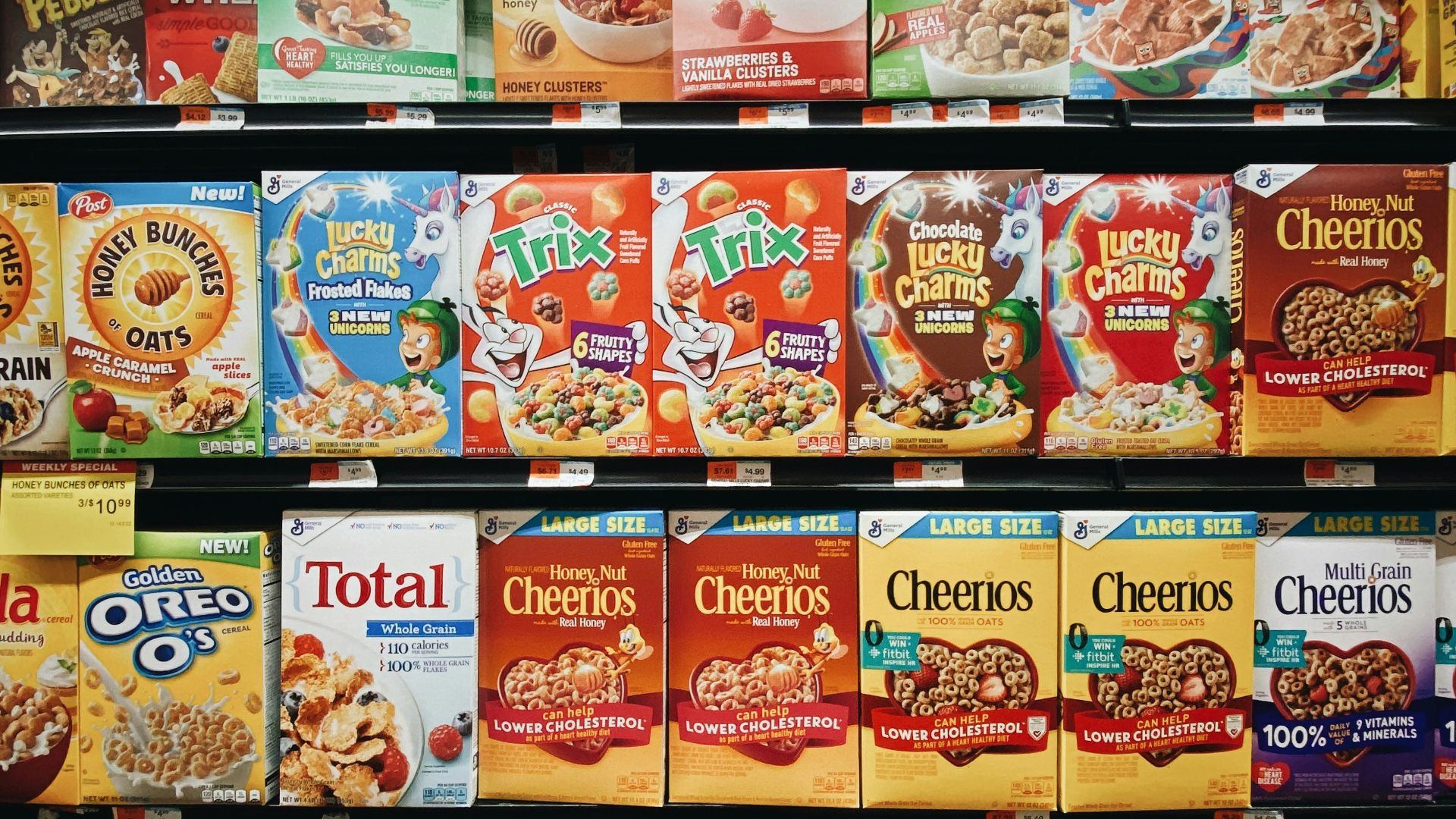
Red Bull joined a long and less-than-illustrious list of companies that had to pay for overstated product claims. From cereal brands accused of overblown health benefits to tech companies misstating performance, courts have repeatedly ruled that promotional puffery can’t replace proven results. The Red Bull case turned into a prime example for marketers of what can happen when creativity goes too far.
Red Bull Moved On
Despite the bad publicity, Red Bull continued its strong global sales. By doubling down on extreme sports sponsorships, brand-building events, and global expansion, the company kept customers aware of its identity beyond the right or wrong of scientific claims. Instead of shrinking, Red Bull’s cultural influence only grew after the lawsuit, proving the strength of its brand.
Brand Evolution And Safety Efforts
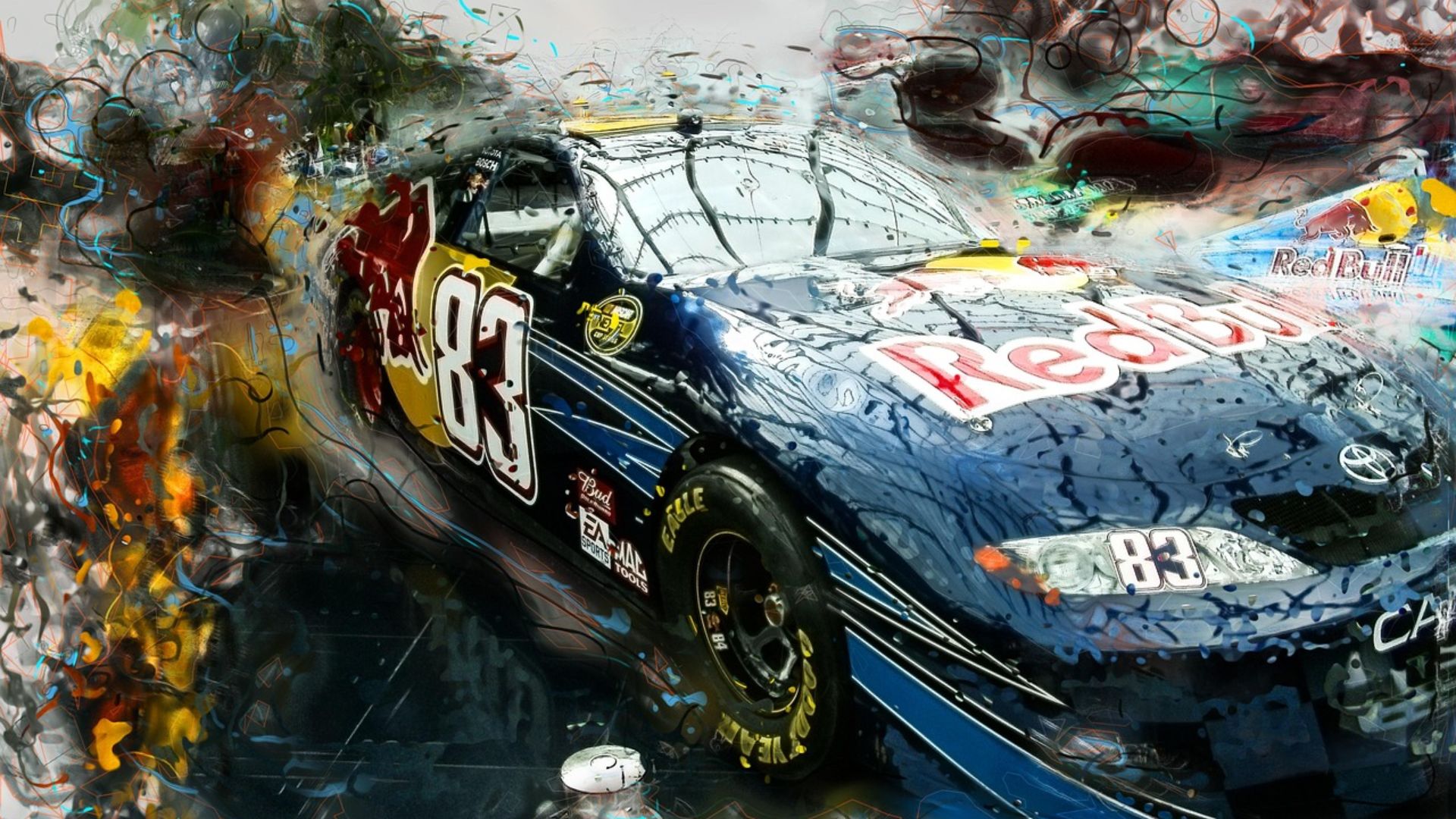
In the years since the settlement, Red Bull has promoted responsible consumption messaging and greater transparency around ingredients. With regulators watching over their shoulder and consumers better informed, the company advertised lifestyle and excitement instead of performance promises. This strategy reduced their legal exposure while keeping Red Bull on top of the competitive energy drink market.

Lawsuit’s Legacy
The lawsuit shows the importance of keeping marketing on the right side of science. Advertisers found out that even humorous exaggerations can cross over into misleading territory if they even hint at measurable benefits. Consumers also became more aware of how product claims influence expectations. The settlement set a precedent that has influenced energy drink marketing strategies to this day.

A Teachable Moment For Advertising
Red Bull’s case shows that a simple slogan can have massive legal consequences. The settlement didn’t damage the company’s dominance, but it sharpened industry awareness about truthful promotions. Ultimately, the case shows that powerful marketing must stay grounded in reality, and that customers deserve honesty when brands promise a boost.

You May Also Like:
McDonald's Has Another Lawsuit Over A Hot Coffee Spill Decades After The First
Law & Disorder: These Court Confessions Turned Cases Upside-Down