
When A Favor Backfires
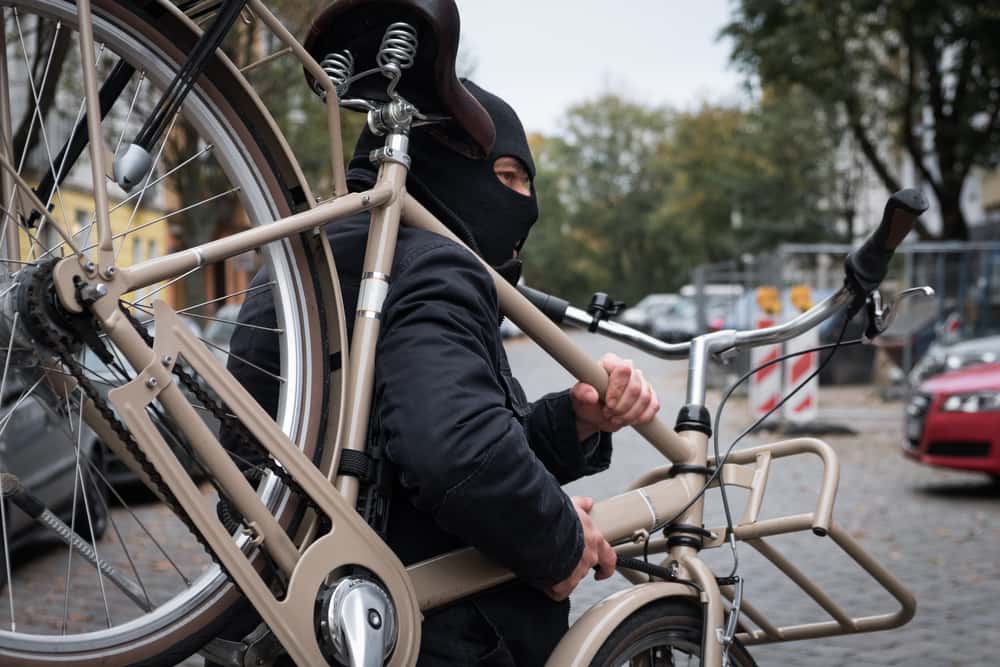
You agreed to do a favor for a friend and let him store his bicycle in your garage. Then someone broke in and stole it. Now your friend claims you’re financially responsible, is demanding money, and threatening legal action. You’re stunned, because you never agreed to insure the bike, and you don’t understand how a crime committed by a stranger is now your problem.
Why Your Friend Thinks You’re Responsible
Your friend probably assumes that because the bike was stored on your property, that you automatically then had the responsibility to protect it. It’s a common belief, but that’s not how liability usually works. Emotional expectations often get wrapped up with legal responsibility, especially when money and friendship are involved, and something goes wrong.
 Clément Bucco-Lechat, CC BY-SA 3.0, Wikimedia Commons
The Legal Concept Of Bailment
Legally, this situation is typically viewed as a bailment, meaning you temporarily held someone else’s property. Because this was a favor and not a paid contractual arrangement, the law generally requires only a reasonable level of care, not absolute protection. You’re not automatically liable just because the item was stolen while it happened to be in your possession.

Were You Negligent?
The real central legal issue is whether you were negligent. Negligence means failing to take the minimum reasonable precautions, not failing to stop a crime from happening. If your garage was reasonably secured and you didn’t go about things recklessly, most courts won’t hold you responsible for a thief’s actions.

Check Your Garage’s Security Measures
Think carefully about the condition of your garage at the time of the theft. Was the door locked? Were the locks actually functional? Did you take normal precautions any reasonable adult would take? Liability often depends on whether your actions or inactions made the theft more likely to happen than it otherwise would have.

Criminal Acts Break Liability Chains
In a lot of cases, a criminal act like theft is considered to be an intervening cause. This means the law puts the responsibility squarely on the criminal, not on someone who failed to prevent the crime. Unless your behavior made the theft foreseeable, easy, or a foregone conclusion, this principle is generally strong enough to protect homeowners from liability.
Check If You Made Any Promises
Think back on what you told your friend when he left the bike with you. Did you directly and explicitly promise to keep the bike safe, secure, or insured? Casual statements can sometimes be blown out of proportion later during disputes. If you never guaranteed protection of the item and only agreed to temporary storage, that’s a distinction that makes a significant difference in court.

Review Any Texts Or Messages
Collect all your texts, emails, or messages where the two of you discussed the bike storage. These records can sort out what the expectations were and show that the arrangement was informal. Avoid deleting anything, even if it seems insignificant. Clear written evidence often carries more weight than verbally recounting the story from memory when the dispute escalates.

Contact Your Homeowner’s Or Renter’s Insurance
Notify your insurer immediately, even if you think the claim has no basis. A lot of renter’s and homeowner’s policies include personal liability coverage that can provide legal defense. Be careful not to admit fault, just report the situation as factually as you can and follow your insurer’s instructions.

What Insurance Will And Won’t Cover
Your insurance may not reimburse your friend for the stolen bike, but it could still cover legal defense costs if he turns around and sues you. This distinction is important. Coverage for liability and coverage for property loss are two different things, and knowing which one of them applies in this situation helps you plan out your next steps.

Don’t Ignore Legal Papers
If your friend goes to the lengths of filing a lawsuit or serves you with legal papers, don’t hesitate or wait to respond. Ignoring the claim can cause a default judgment against you, even if his claim is weak. Deadlines are strict, and missing them can cause you some serious, avoidable problems.

Small Claims Court Realities
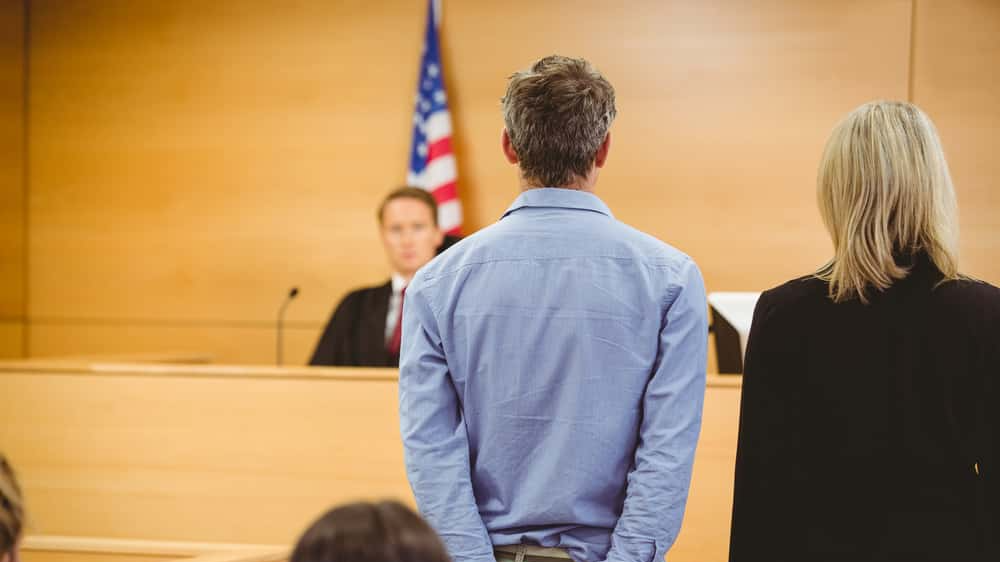
If this case ends up in small claims court, the judge will focus on the elements of reasonableness and common sense. You’ll have to explain what you agreed to, how you secured the garage from break-ins, and why the theft was outside your control. Being prepared is more important than mastering legal terminology.
Don’t Pay Just To Make It Go Away
Paying immediately might feel like a quick and dirty solution, but it can also imply responsibility and may even encourage further demands. Before you start offering to fork over money, be fully aware of your legal position. Settlements should be strategic decisions, not emotional knee-jerk reactions driven by fear or guilt.
Think About Mediation Or Settlement
If emotions are running high, mediation can help settle things down and resolve the dispute without a court battle. Even if you’re sure you’re not legally responsible, a negotiated resolution could preserve the relationship and limit stress, time, and expense of it all.

Consult A Local Attorney
If the bicycle was particularly valuable or the lawsuit is being pursued aggressively, consulting with a local attorney can clarify your exposure quickly. Many attorneys offer brief consultations at low cost. An attorney will quickly get you up to speed on whether your friend’s claim is weak or strong, and help you make informed decisions.

Prepare Your Defense Clearly
Organize photos of your garage, lock receipts, police reports, and timelines showing exactly what happened. Clear evidence that you undertook reasonable precautions strengthens your defense. Judges want to see and hear concrete facts, not convoluted and long-winded arguments about friendship or emotional fairness.

Friendship And Liability
Doing a favor for a friend doesn’t suddenly make you into an insurer. The law generally protects people who make efforts to help others unless they act recklessly. This principle is in place to stop everyday acts of human kindness from becoming legally risky in our day-to-day lives.

Friendship Going Forward
Legal disputes often permanently change the landscape of relationships. Friendships are no exception. But regardless of the outcome, think carefully about whether the friendship can still be salvaged. Sometimes settling the legal issue is easier than rebuilding trust once accusations and lawsuits start flying around.

Protect Yourself In The Future
In the future, always set clear boundaries when storing other people’s property. Avoid keeping high-value items for people, or at least put some expectations in writing. A short conversation at the start can prevent a whole lot of misunderstandings that later turn into legal and financial headaches.

You Can Fight This
Being sued doesn’t mean you’re automatically at fault. In most cases, you’re only liable if clear negligence caused the loss. With documentation, insurance support, and a calm, informed attitude, you can protect yourself both legally and financially.

You May Also Like:
My friend got a lift kit put in his truck instead of paying me back what he owes me. Now what?