

She Almost Walked Right Past It
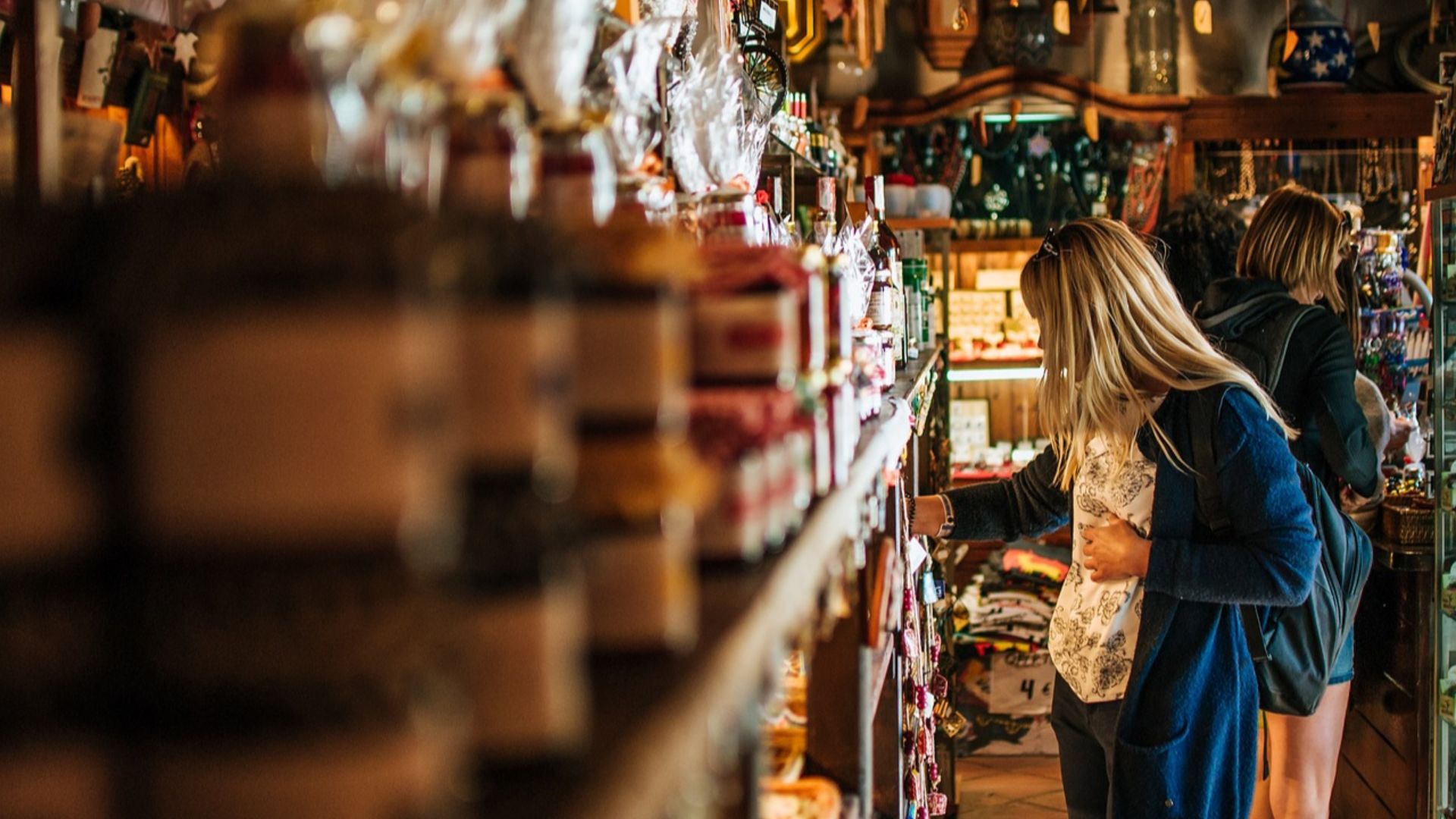
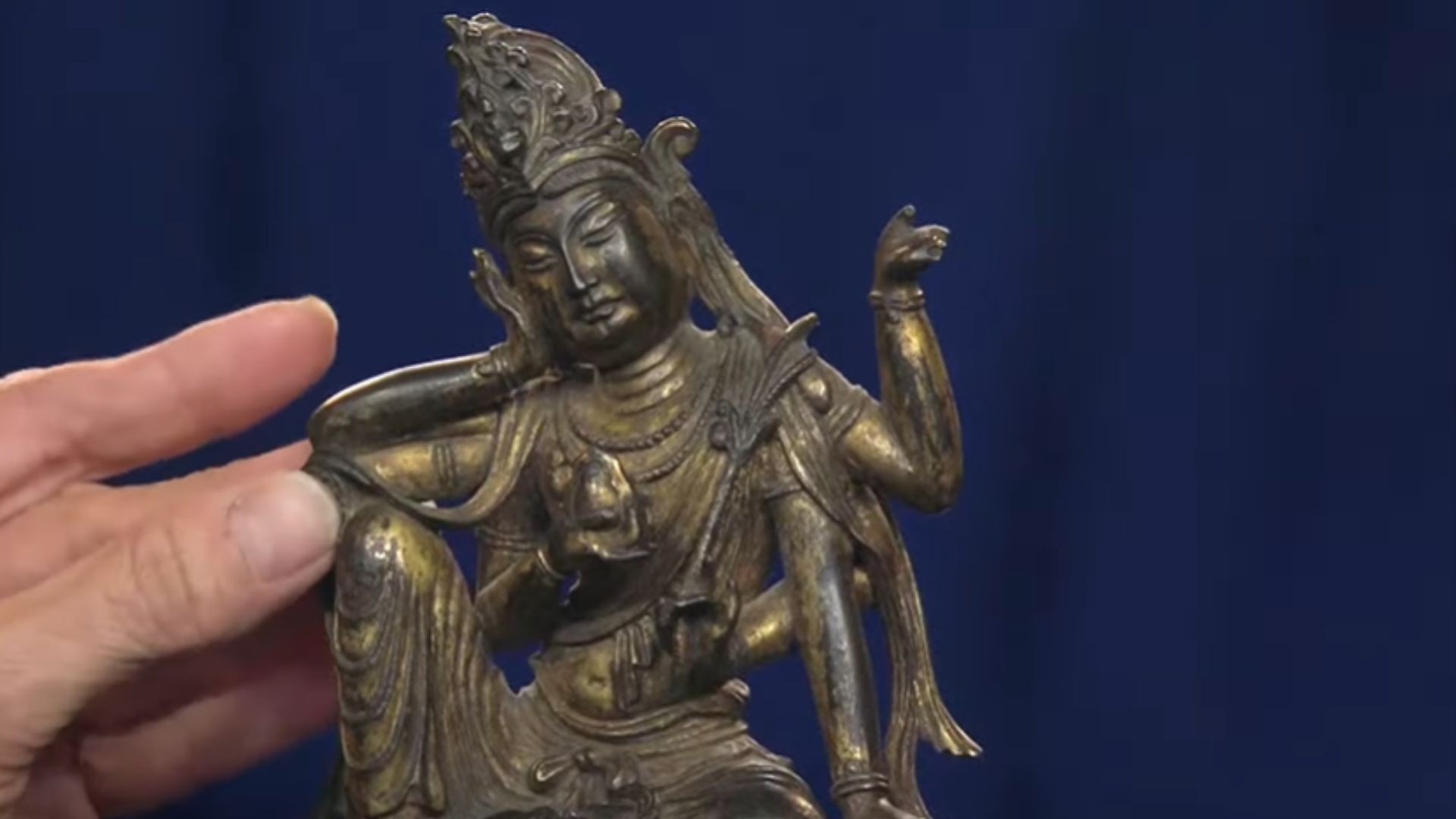
In the late 1990s, a woman browsing a garage sale in Kirkwood, Missouri, noticed a small bronze statue sitting among everyday household items. It was dusty, visibly worn, and missing part of an arm. Nothing about it screamed valuable—but something about it made her stop and look again.
A Casual Purchase With No Big Expectations
She paid somewhere between $75 and $100 for the statue, assuming it was simply an old decorative object. There was no paperwork, no provenance, and no hint of rarity. It wasn’t an investment—just an impulsive purchase she found visually appealing in the moment.

Even Dealers Had Ignored It
What made the purchase even more surprising was that antique dealers had already visited the sale. The owner later recalled assuming anything valuable would already be gone. The statue had been overlooked entirely, dismissed by professionals before she ever picked it up.
The Damage Worked Against It
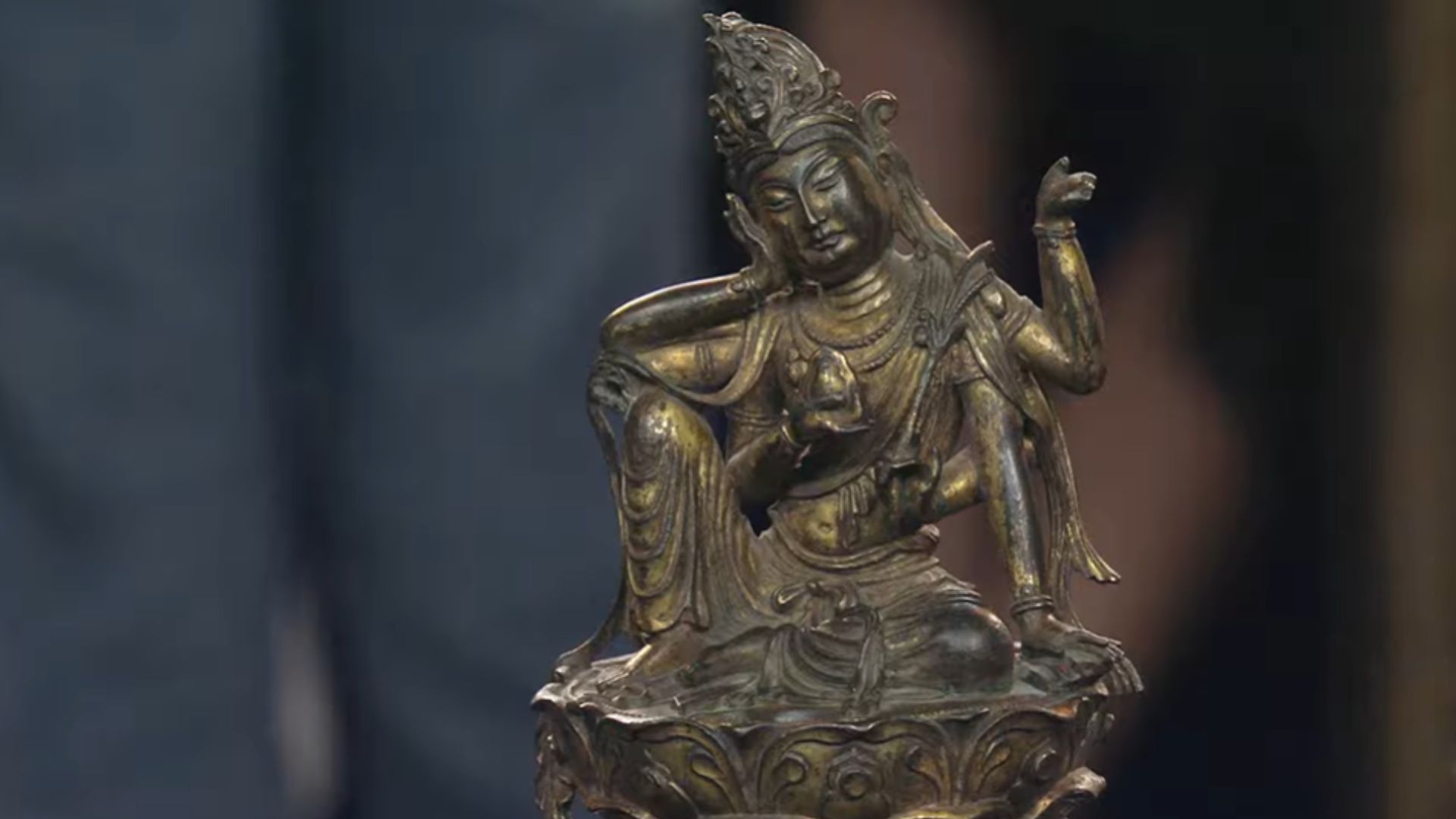
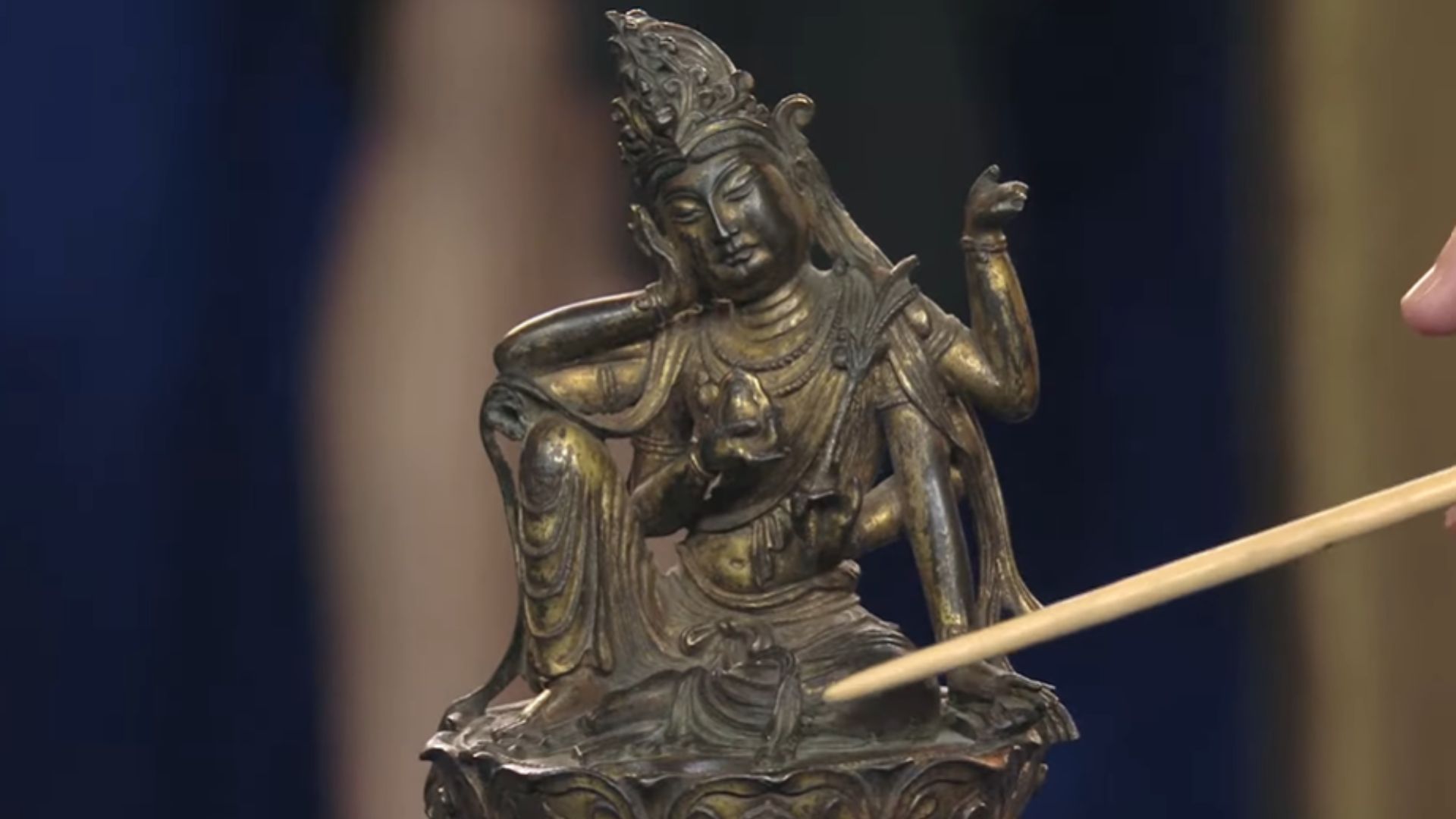
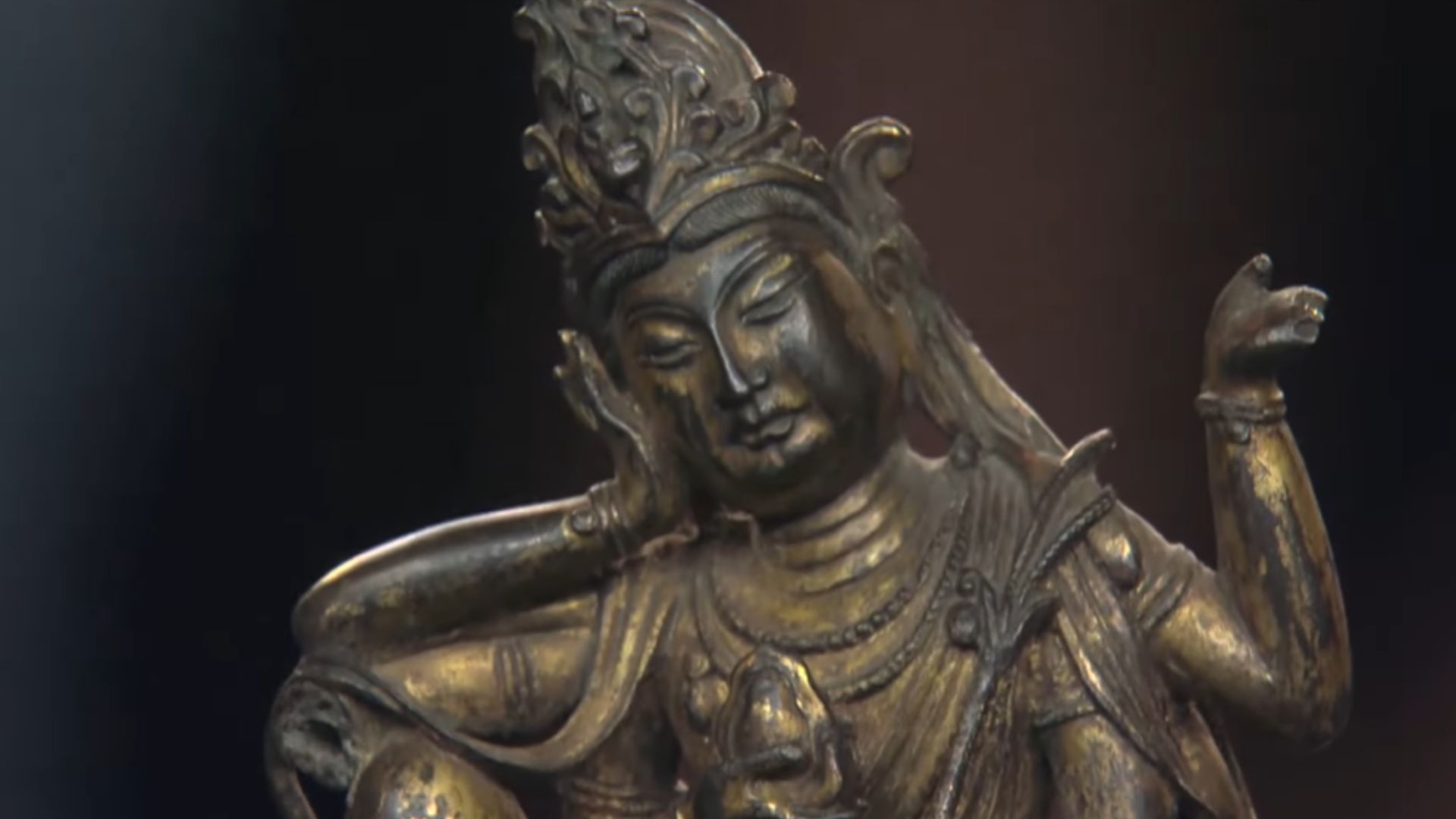
The statue’s condition didn’t help its case. Much of the original gilding had worn away, fine details were softened by age, and a missing arm made it look incomplete. To most people, those flaws would have suggested low value or modern reproduction.
 Screenshot from Extraordinary Finds: Extras | ANTIQUES ROADSHOW | PBS, PBS
It Lived Quietly For Years
After the purchase, the statue wasn’t immediately researched or appraised. It stayed with its owner for years, admired casually but never scrutinized. There was no urgency, no suspicion, and no reason to believe it carried historical or financial significance.
 Screenshot from Extraordinary Finds: Extras | ANTIQUES ROADSHOW | PBS, PBS
Curiosity Finally Took Over
Nearly two decades later, the owner decided to bring the statue to a PBS Antiques Roadshow appraisal event in St. Louis. She wasn’t chasing a reveal—just hoping to learn more about an object she’d lived with for years.
 Screenshot from Extraordinary Finds: Extras | ANTIQUES ROADSHOW | PBS, PBS
The Appraiser Noticed Something Immediately
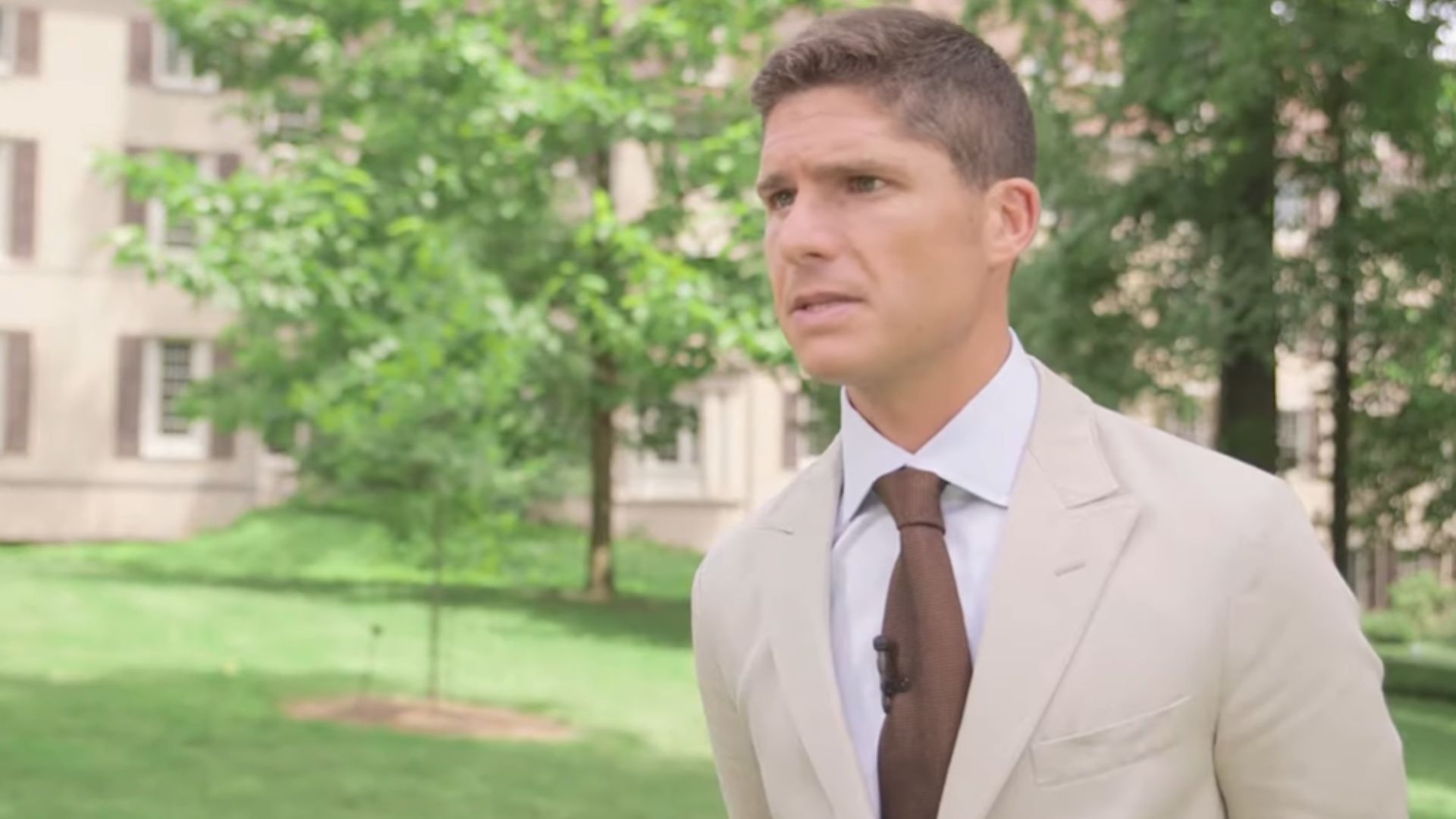
When Robert Waterhouse, a specialist in Asian art, examined the statue, his reaction was immediate. The craftsmanship, proportions, and casting quality pointed to something far more serious than a decorative bronze, despite the visible damage.
 Screenshot from Extraordinary Finds: Extras | ANTIQUES ROADSHOW | PBS, PBS
“This Is Not A Tourist Piece”
Waterhouse explained during the appraisal that the statue was clearly a devotional object. Its quality suggested it was made for worship, not decoration. He noted that the craftsmanship even hinted at a high-status—or possibly imperial—origin.
 Screenshot from Extraordinary Finds: Extras | ANTIQUES ROADSHOW | PBS, PBS
A Conservative First Valuation
Based on the information available at the time, Waterhouse offered a cautious retail estimate of roughly $100,000 to $125,000. He stressed that this was conservative, acknowledging there were still unanswered questions about age and origin.

The Story Didn’t End With The Show
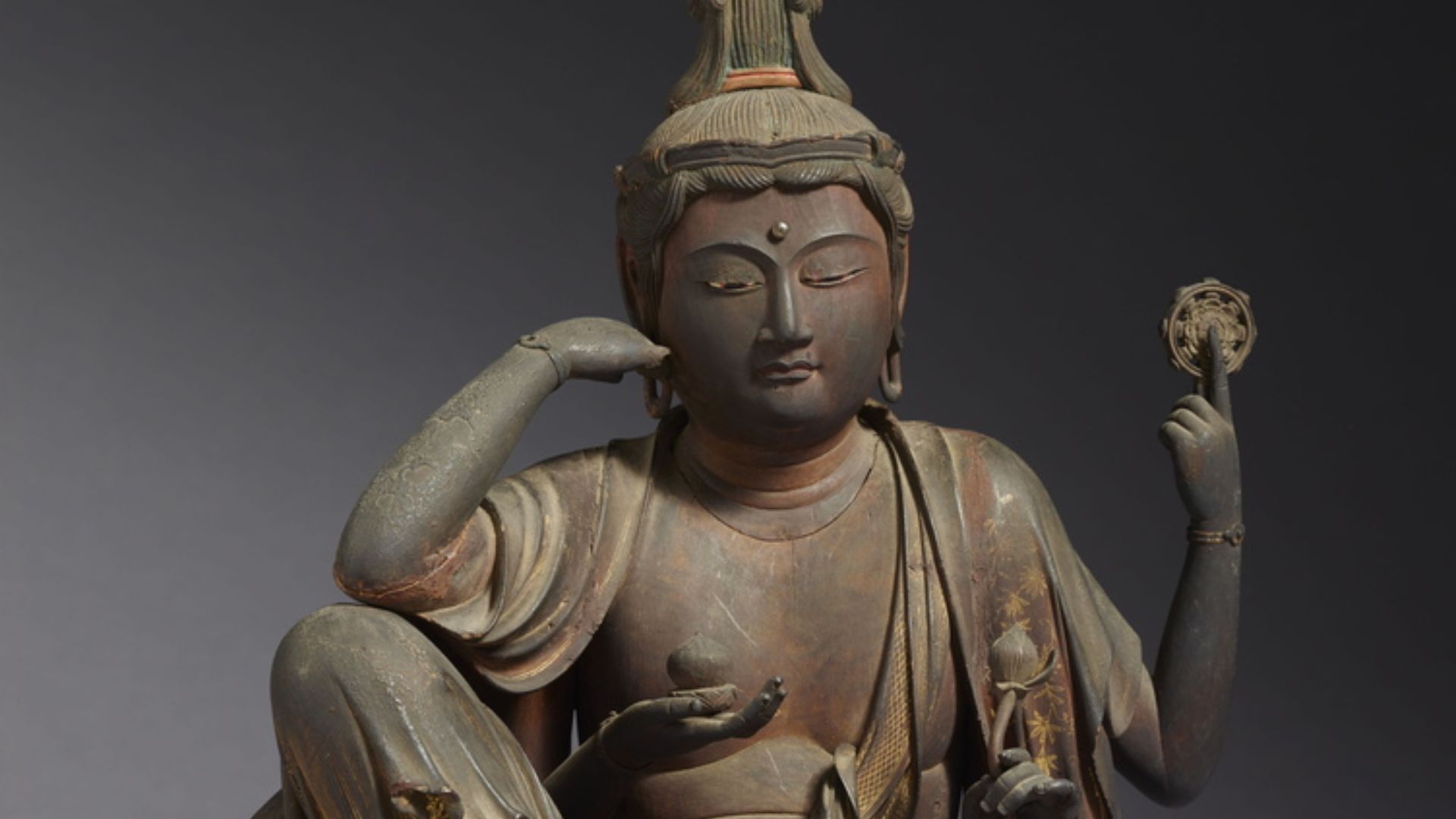
After the episode aired, the statue drew attention from scholars and specialists. Further research began almost immediately, with experts revisiting assumptions made during the appraisal and comparing the piece to known historical examples.
 National Museum Collection Integrated Search System, Wikimedia Commons
Early Assumptions Were Revisited
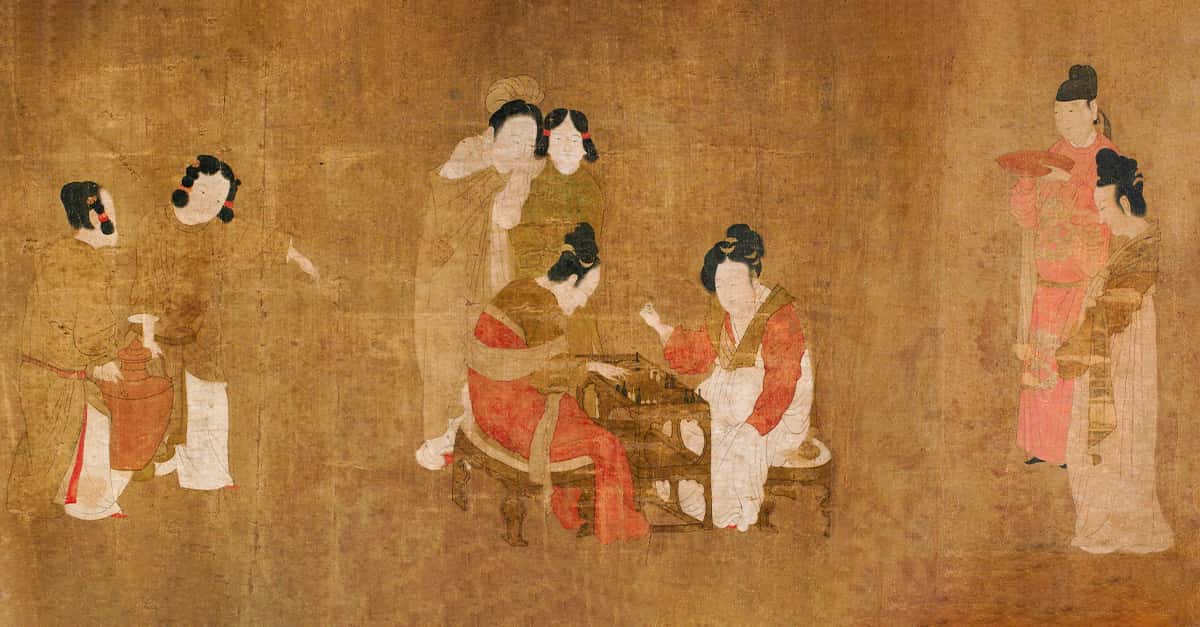
While early discussion placed the statue in a later dynasty, deeper scholarly analysis suggested it was much older. Experts ultimately concluded it likely dated to the Late Tang Dynasty or Five Dynasties period, around the 9th or 10th century.
A Rare Buddhist Figure Identified
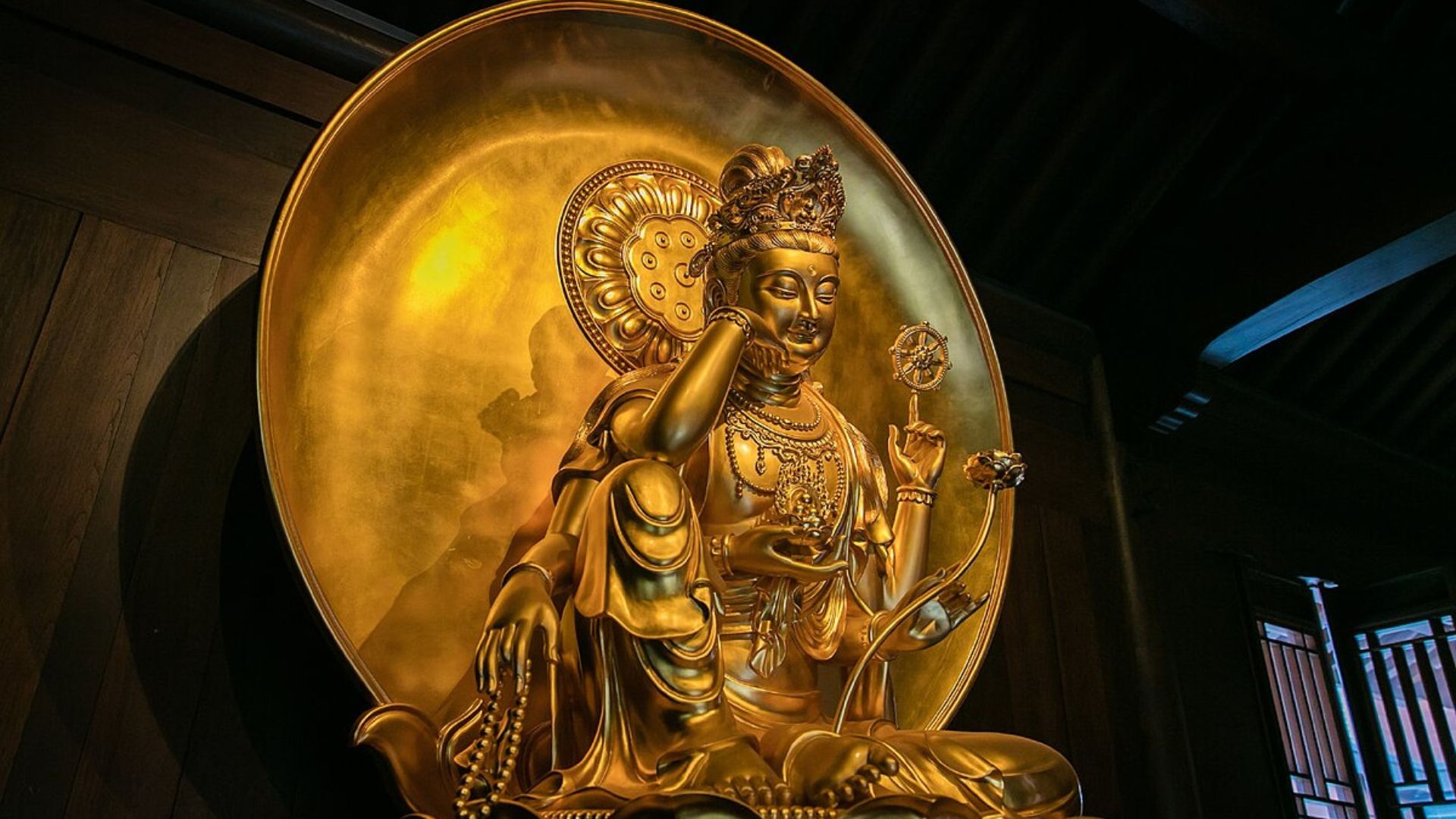
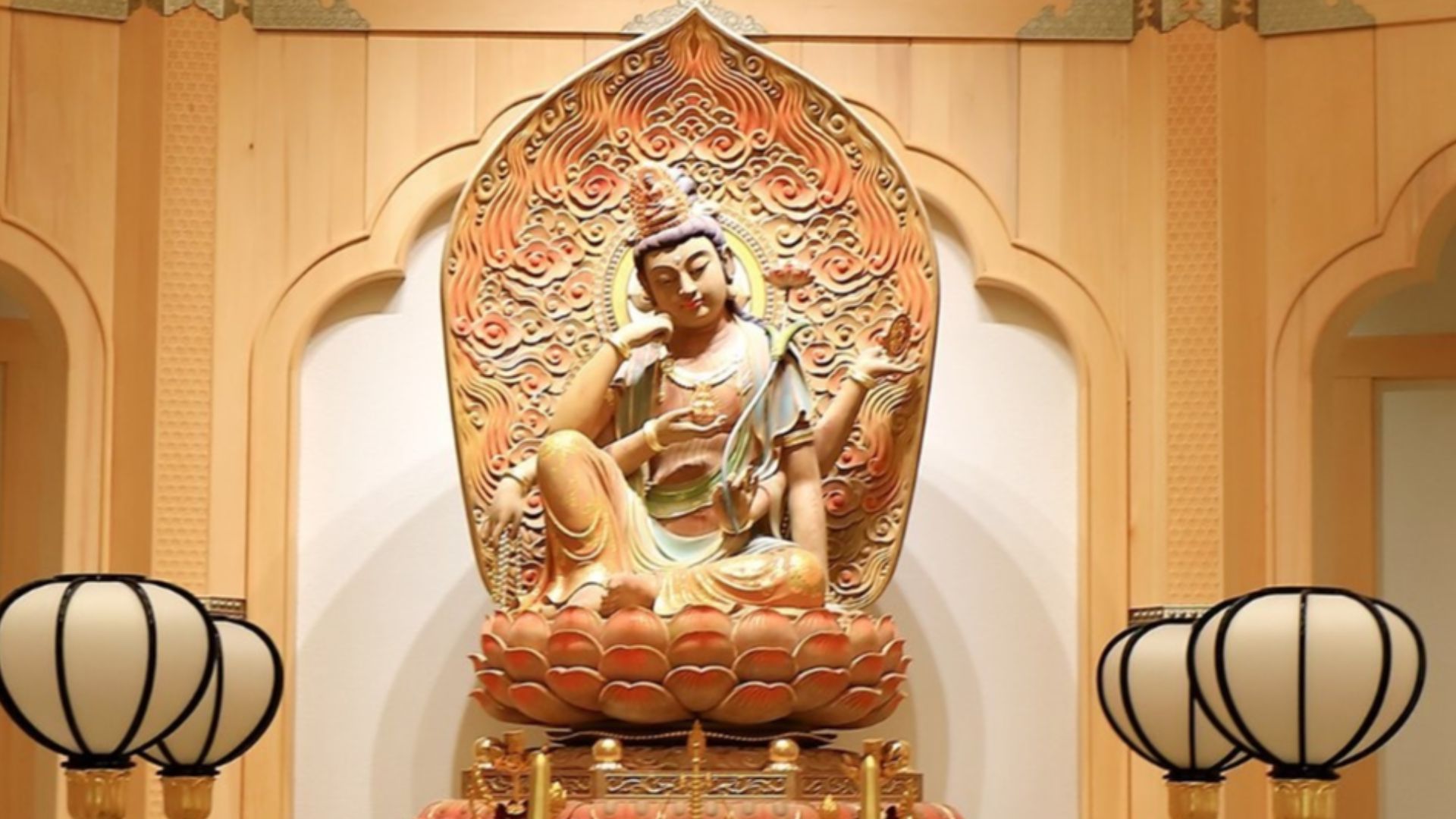
Specialists identified the statue as Cintamanicakra Avalokiteshvara, a rare six-armed form of the bodhisattva associated with compassion in Chinese Buddhism. This specific iconography is extremely uncommon in surviving bronze sculptures.
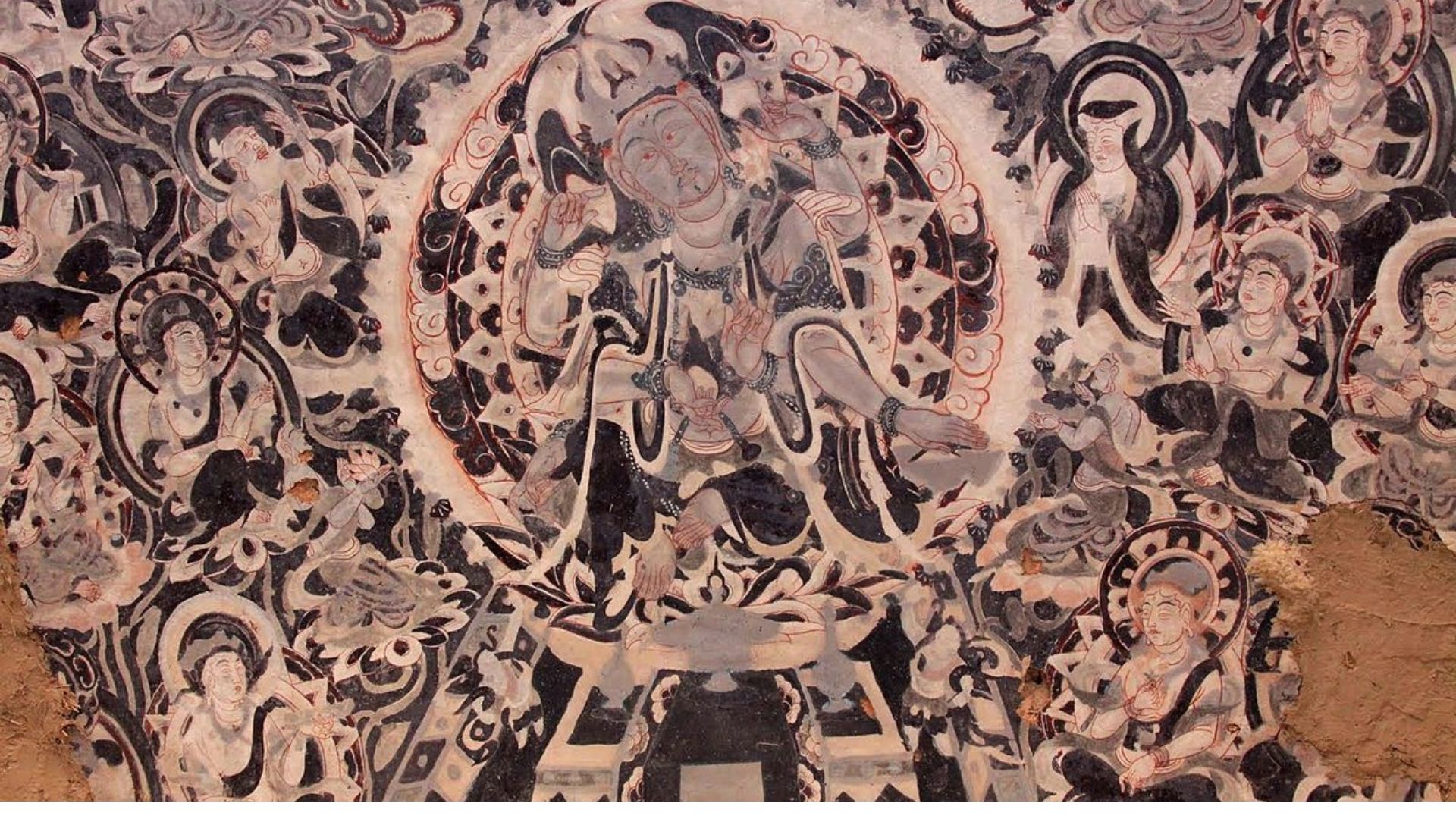 Photo by Bradley Mayhew, Wikimedia Commons
Why That Identification Changed Everything
Late Tang Buddhist bronzes of this quality are exceptionally rare, especially outside China. Once the statue’s identity and age were confirmed, its importance grew significantly—both academically and in the eyes of serious collectors.
 Nyarlathotep1001, Wikimedia Commons
Damage Became Proof, Not A Problem
Rather than diminishing value, the wear supported authenticity. Experts explained that devotional objects used over centuries are expected to show damage. In this case, the imperfections aligned perfectly with the statue’s age and religious use.
 Screenshot from Extraordinary Finds: Extras | ANTIQUES ROADSHOW | PBS, PBS
The Decision To Test The Market
With growing confidence in the scholarship behind it, the owner consigned the statue to Sotheby’s in New York. The goal was simple: let the global art market decide what the piece was truly worth.
 ajay_suresh, Wikimedia Commons
Modest Estimates, Serious Interest
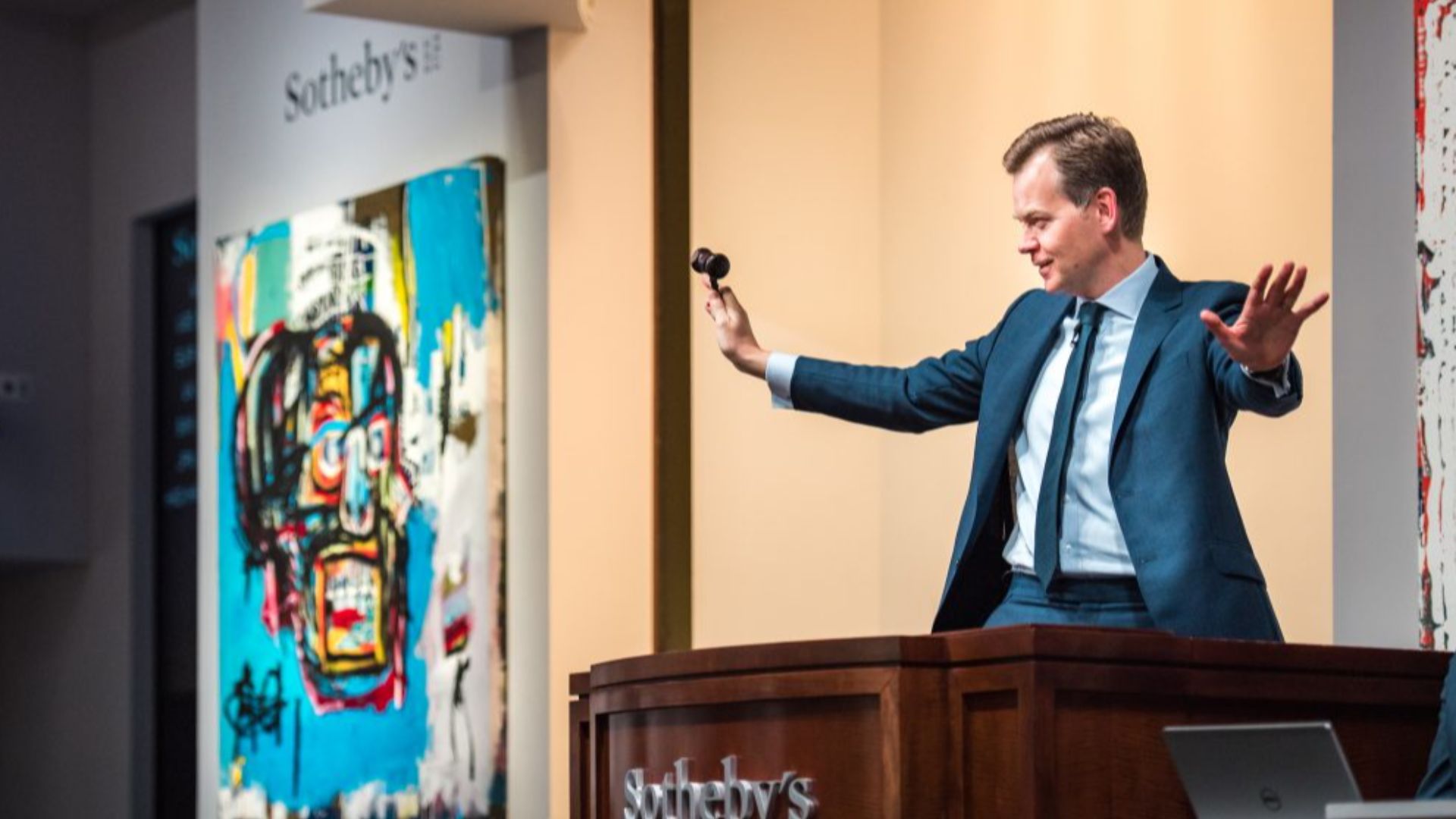
Despite its significance, the statue entered Sotheby’s Important Chinese Art auction with a pre-sale estimate of roughly $60,000 to $80,000. On paper, expectations remained restrained—at least initially.
 Sothebys117, Wikimedia Commons
Bidding Took Off Almost Immediately
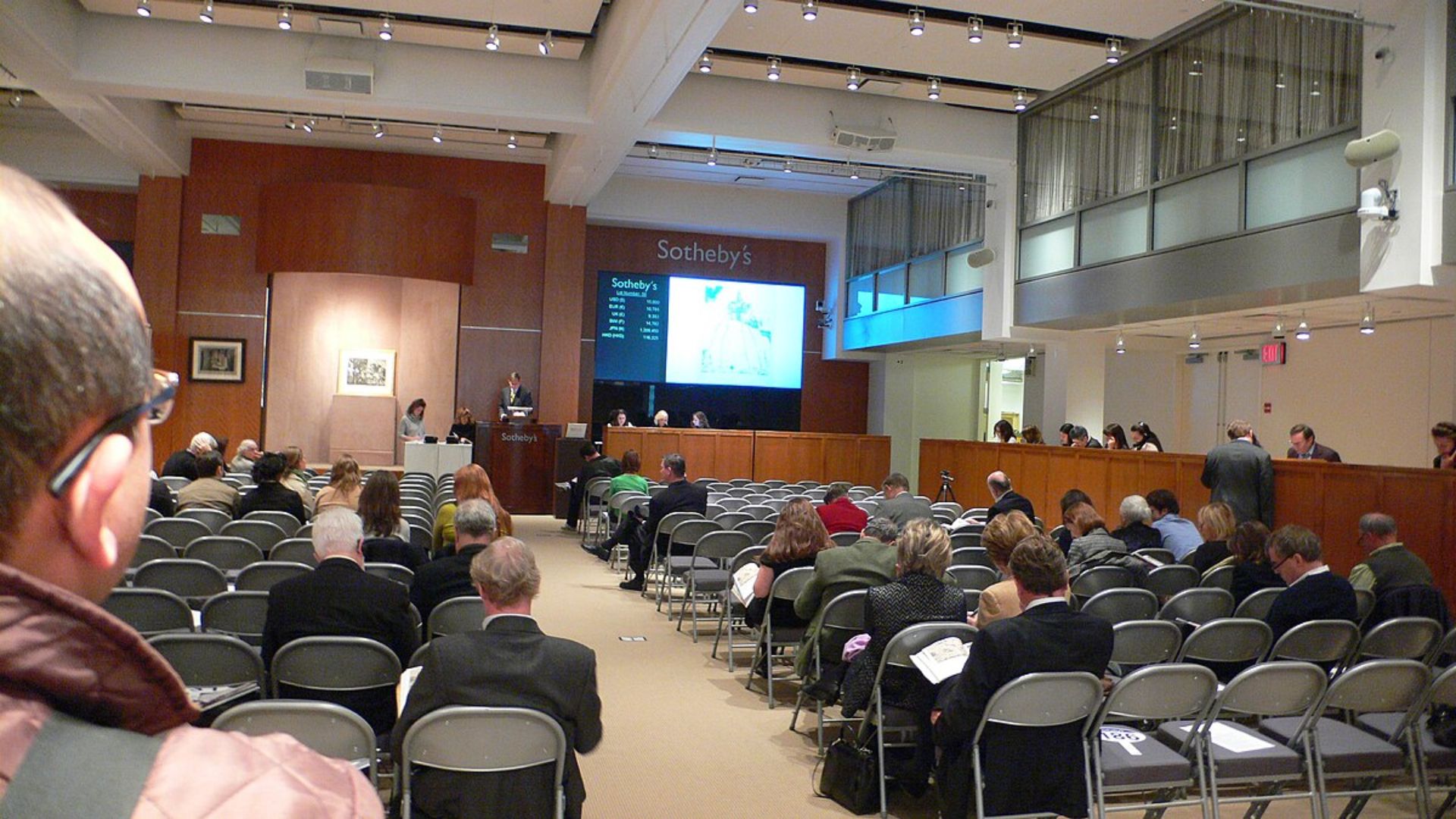
Once the lot opened, it became clear the estimate wouldn’t hold. Collectors quickly recognized how rarely pieces like this appear, and bidding escalated rapidly as interest intensified across the room.

A Seven-Minute Bidding Battle
According to Sotheby’s, the auction turned into a seven-minute bidding war. Multiple collectors competed aggressively, pushing the price higher with each bid as it became clear this was a once-in-a-generation opportunity.
 Nelson Pavlosky, Wikimedia Commons
The Final Price Stunned Everyone
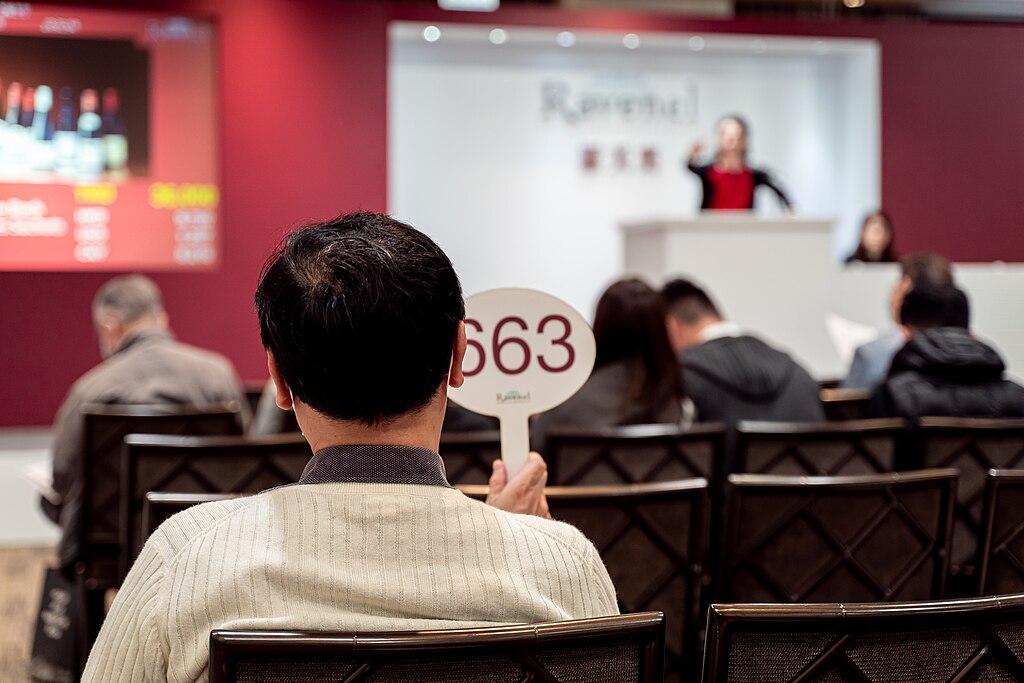
When the hammer finally fell, the statue sold for approximately $2.1 million. The result shocked observers and instantly reframed the story—from a surprising appraisal to one of the most remarkable rediscoveries in recent art history.
 Ravenelartgroup, CC BY-SA 4.0,Wikimedia Commons
Even The Appraiser Was Amazed
Robert Waterhouse later acknowledged that while he knew the statue was important, the final price exceeded even optimistic expectations. The auction confirmed just how rare and desirable the piece truly was.
 Screenshot from Extraordinary Finds: Extras | ANTIQUES ROADSHOW | PBS, PBS
Why Auctions Can Rewrite Value Overnight
Auction estimates are starting points, not ceilings. When rarity, scholarship, and global demand converge, competitive bidding often overrides logic—dramatically redefining what an object is worth in a matter of minutes.
 Fars Media Corporation, CC BY 4.0, Wikimedia Commons
A Reminder Hidden In Plain Sight
This story resonates because it feels impossible, yet it’s real. Important historical objects don’t always live in museums. Sometimes, they sit unnoticed in ordinary places until curiosity and expertise finally intersect.
 William Cho, Wikimedia Commons
One Small Decision Changed Everything
A moment of curiosity at a garage sale, followed by patience and expert insight, transformed a damaged statue into a multimillion-dollar rediscovery—proving that sometimes, history reveals itself only to those willing to look twice.
 Nyarlathotep1001, Wikimedia Commons
You Might Also Like:
These Old Dining Sets Are So Valuable, You'll Never Put Your Elbows On The Table Again
David Bowie Painting Bought For $5 At Donation Center Sells For $88k








_-_Jade_Buddha_Temple;_Shanghai,_China.jpg)
.jpg)


