A Quick Stop at a Thrift Store in California
In 1992, a woman named Teri Horton was in San Bernardino, California, when she stopped by a Goodwill thrift store to buy a cheap joke gift for a friend. The plan was to spend a few dollars and move on with her day. Then, something caught her eye.

An Eye Catching Item
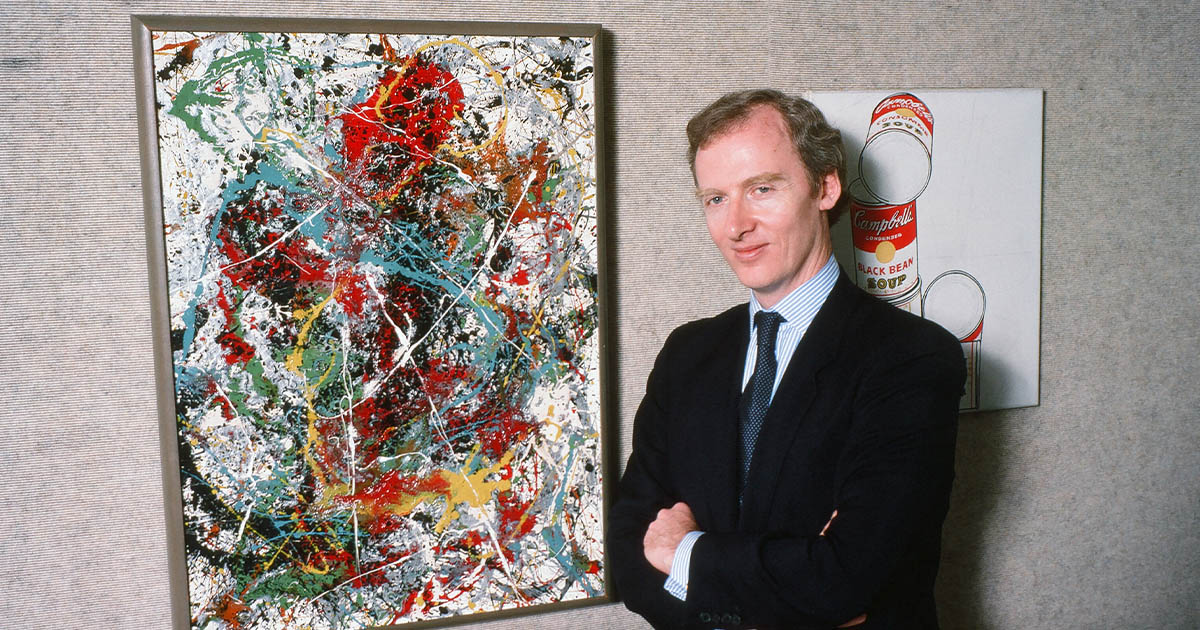
Near a pile of old furniture, Horton noticed a large abstract painting leaning against the wall. Thick splatters of black, white, red, and brown paint covered the canvas. It wasn’t framed or polished, but it immediately stood out from everything else around it.
 Screenshot from Who the $&% Is Jackson Pollock?, Picturehouse (2006)
Five Dollars Was All It Took
The painting was priced at $8, but Horton talked the clerk down to $5. She later said she bought it as a gag gift, thinking its strange look would get a laugh. At the time, she had no idea this purchase would follow her for decades.
 Screenshot from Who the $&% Is Jackson Pollock?, Picturehouse (2006)
The Gift That Didn’t Land
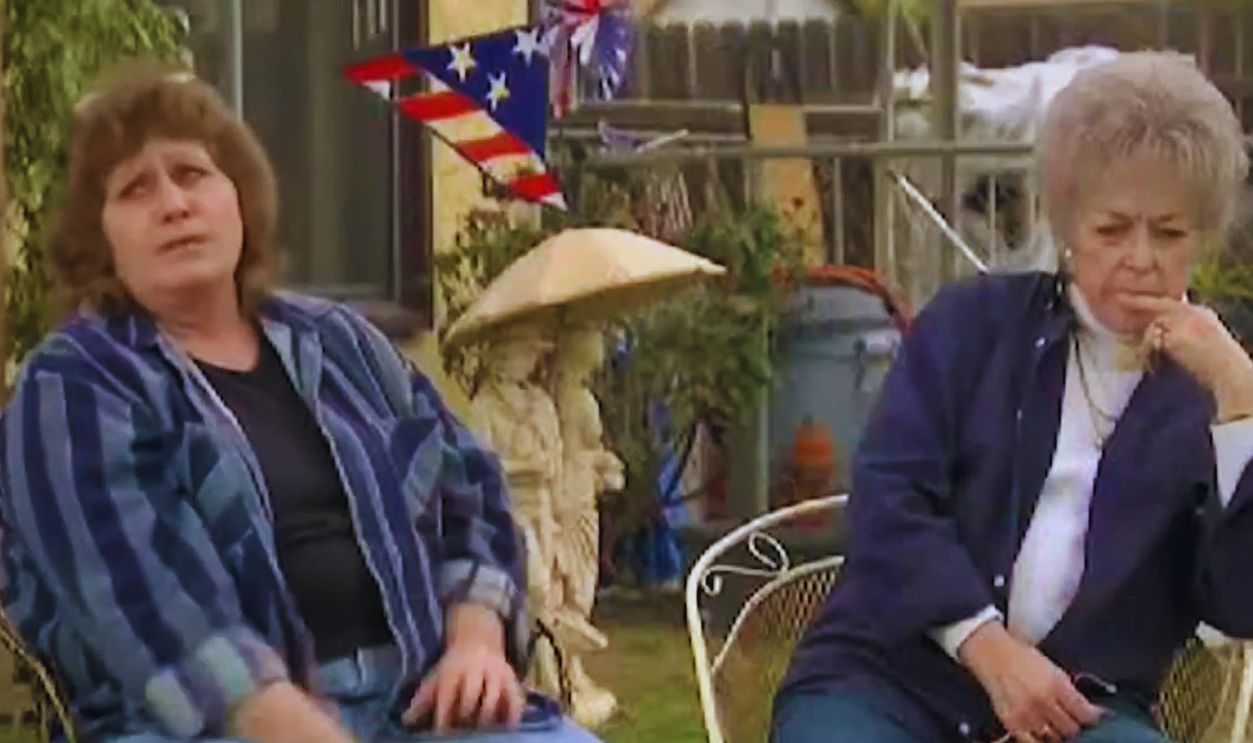
When Horton gave the painting to her friend, the reaction was instant—and negative. The friend didn’t want it, calling it ugly and awkward to hang. Horton took it back and leaned it against the wall in her trailer, where it stayed for some time.
 Screenshot from Who the $&% Is Jackson Pollock?, Picturehouse (2006)
A Comment That Changed Everything
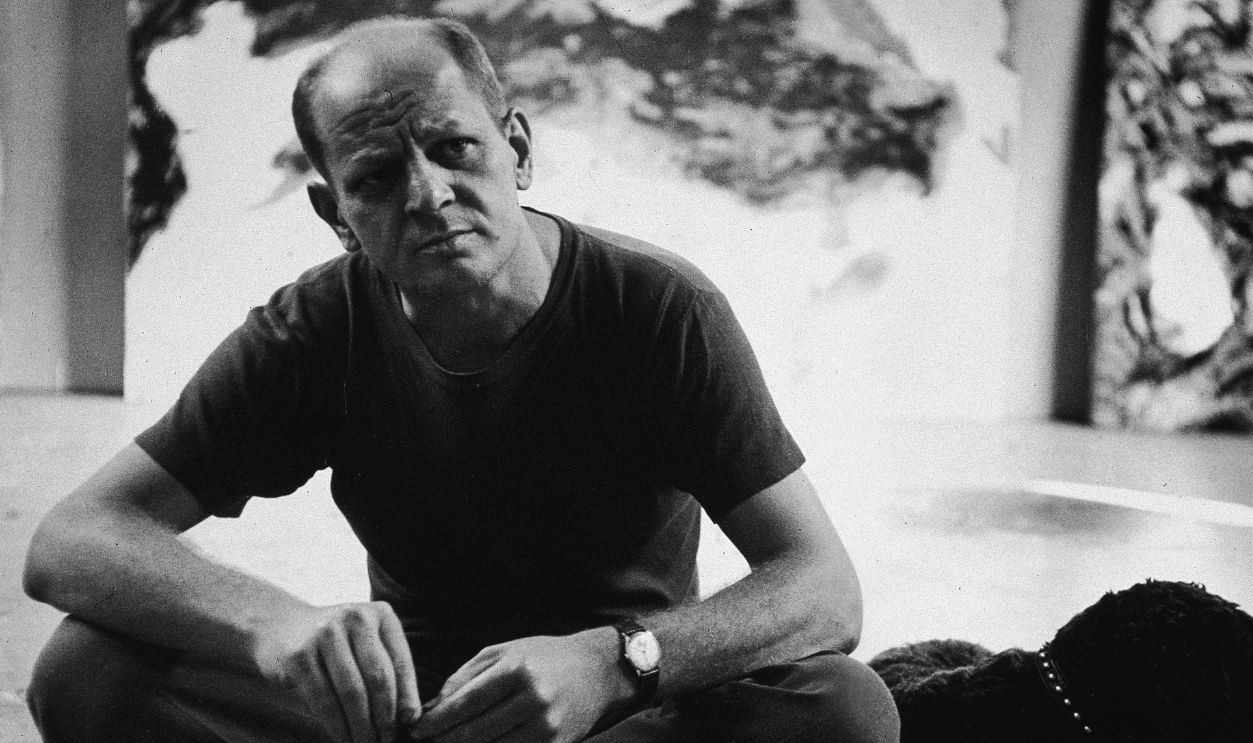
Not long after, someone visiting Horton noticed the painting and casually remarked that it looked like a Jackson Pollock. Horton laughed at first, but the comment stuck with her. She knew the name Pollock carried serious weight in the art world.
A Name Worth Looking Up
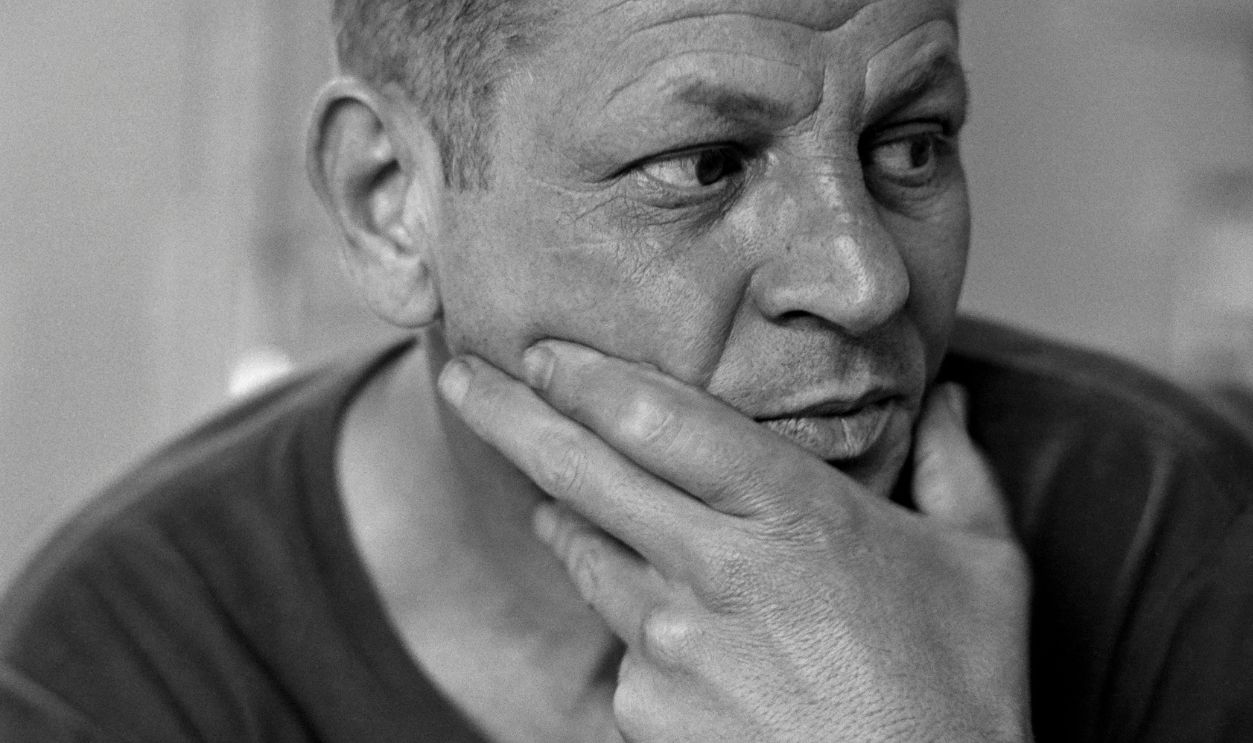
Curious, Horton searched for Jackson Pollock and quickly realized how significant the artist was. Pollock was a pioneer of abstract expressionism, and his paintings had sold for millions at major auctions. Suddenly, the painting felt very different.
The First Expert Takes a Look
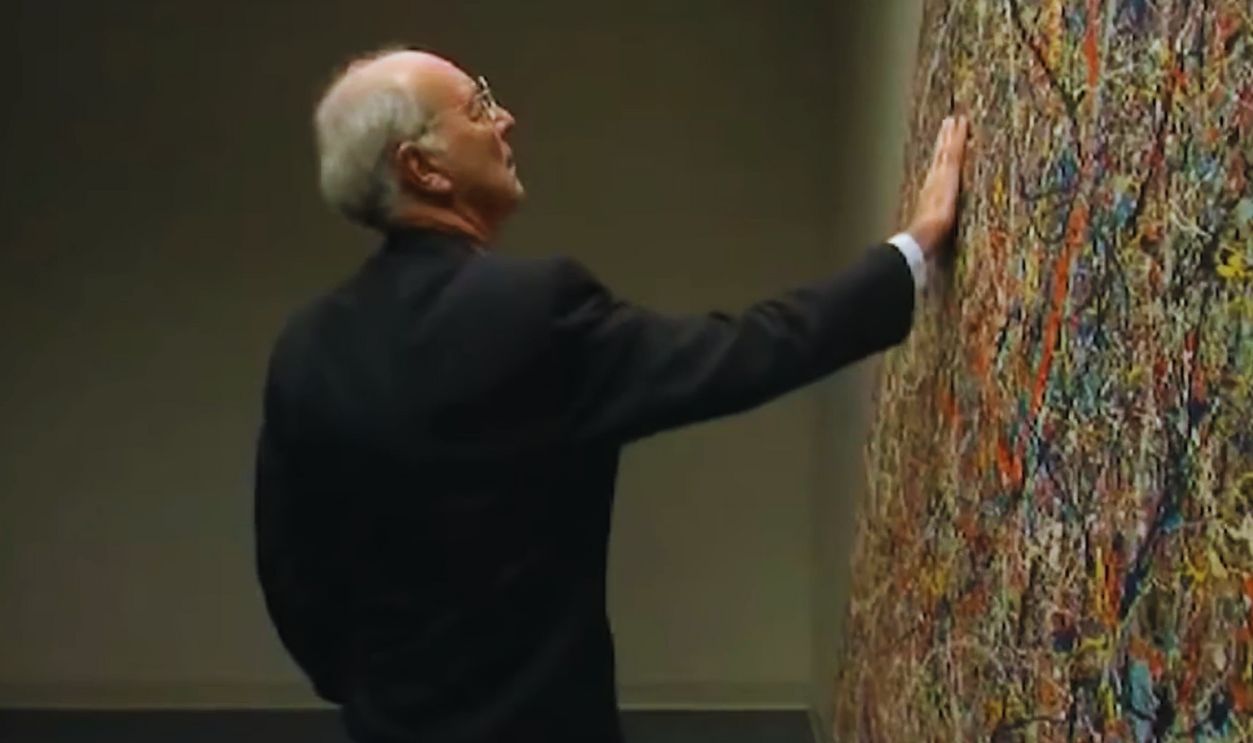
Horton brought the painting to an art expert who examined it carefully. Instead of dismissing it, the expert told her it was either worthless or incredibly important. That uncertainty pushed Horton further down the rabbit hole.
 Screenshot from Who the $&% Is Jackson Pollock?, Picturehouse (2006)
Science Enters the Picture
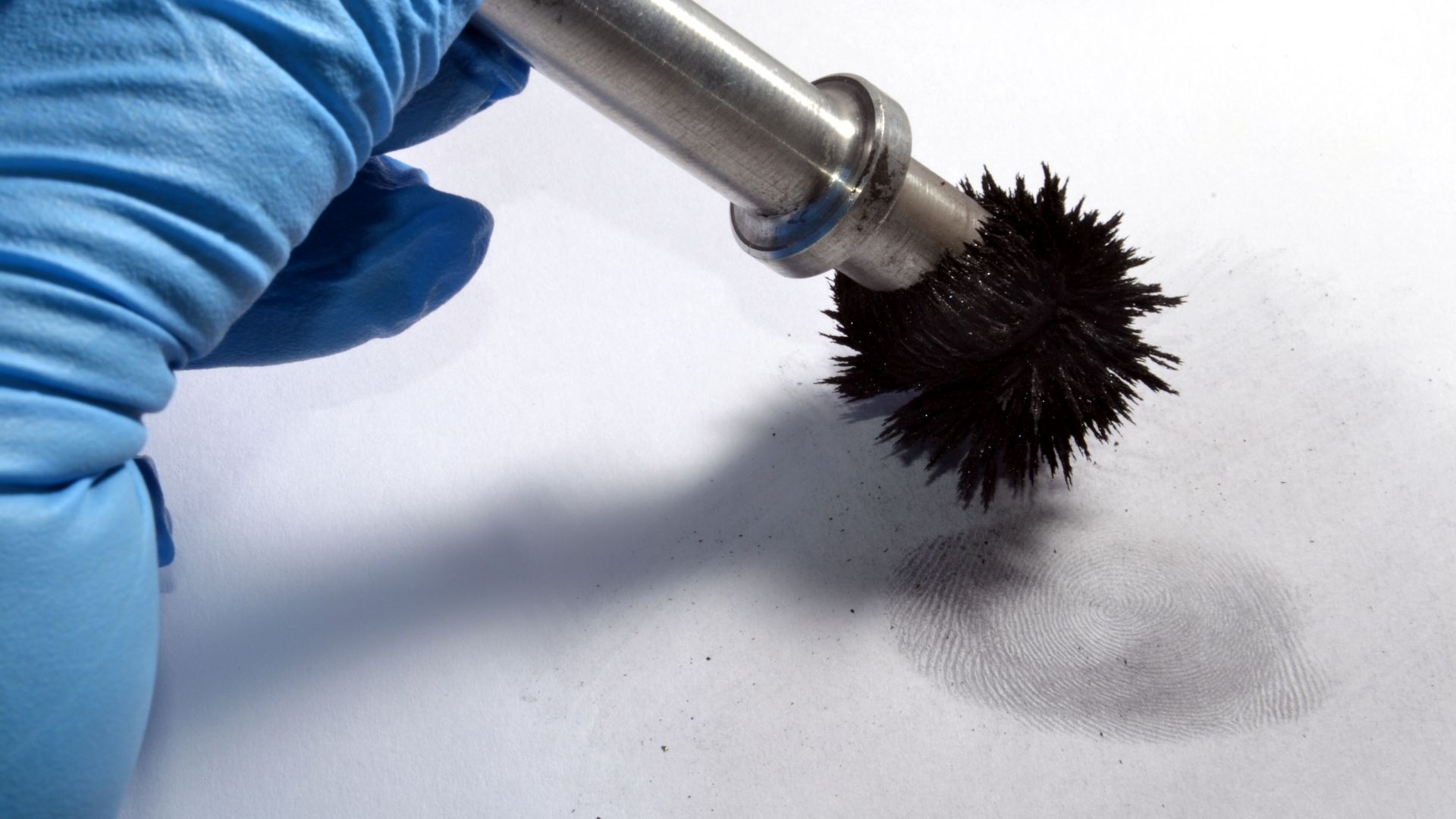
In the late 1990s, Horton had the painting tested using forensic methods, including fingerprint analysis. A fingerprint found in the paint was said to match Pollock’s known fingerprints. Supporters saw this as major evidence, while skeptics remained doubtful.
The Art World Pushes Back
Despite forensic claims, many art historians rejected the painting outright. Pollock rarely signed his work, and his estate refused to authenticate it. Without official backing, museums and auction houses stayed cautious.
 Screenshot from Who the $&% Is Jackson Pollock?, Picturehouse (2006)
A Painting Without Paperwork
One major issue was provenance, or ownership history. Horton couldn’t trace the painting’s journey before it appeared at Goodwill. In the art world, missing documentation often raises red flags, no matter how convincing the artwork looks.
 Screenshot from Who the $&% Is Jackson Pollock?, Picturehouse (2006)
Offers Start Rolling In
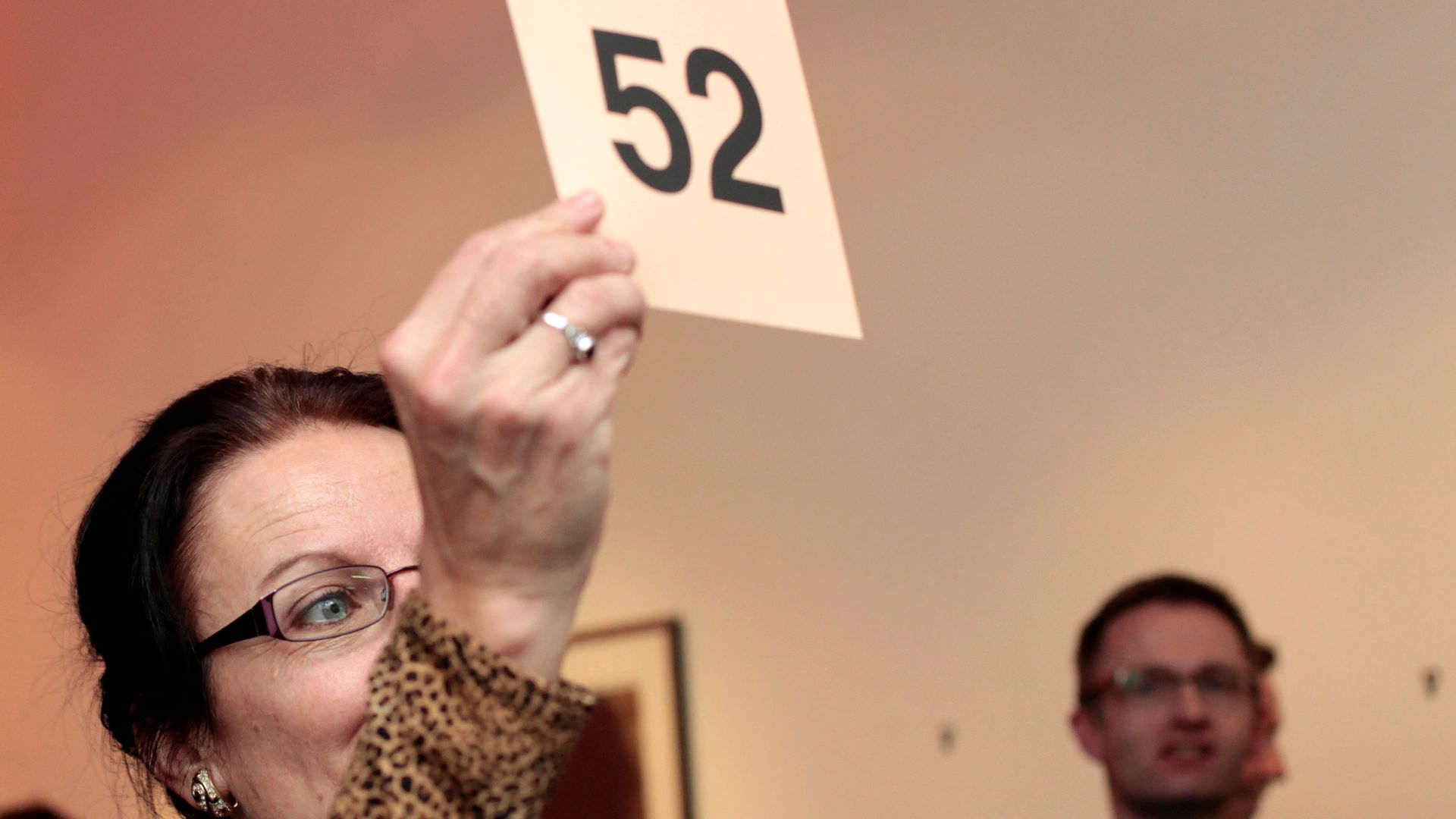
Even without universal acceptance, collectors began making offers. Horton reportedly received bids ranging from $2 million to $9 million, all of which she turned down. She believed selling for less would be a mistake.
 Financial Times, Wikimedia Commons
The Documentary That Changed Everything
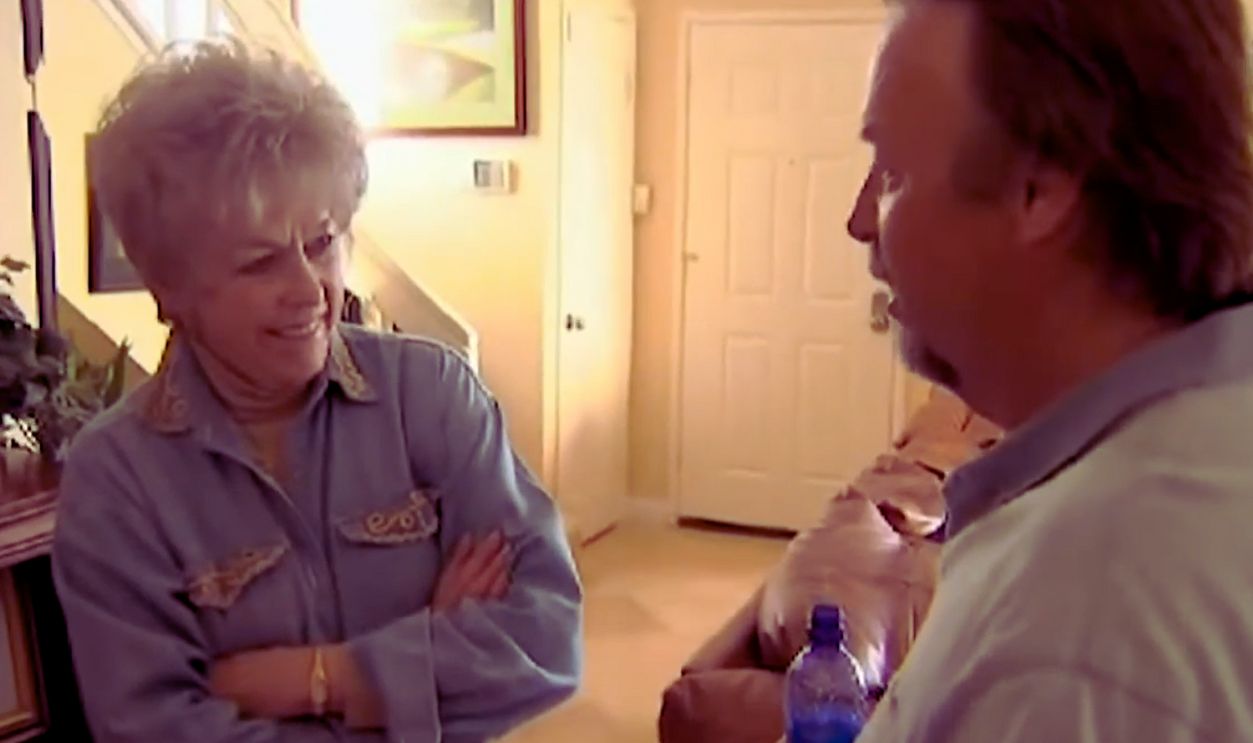
In 2006, Horton’s battle with the art world became the subject of the documentary Who the #$&% Is Jackson Pollock?. The film followed her struggle for recognition and brought the story to an international audience.
 Screenshot from Who the $&% Is Jackson Pollock?, Picturehouse (2006)
Years of Storage and Frustration
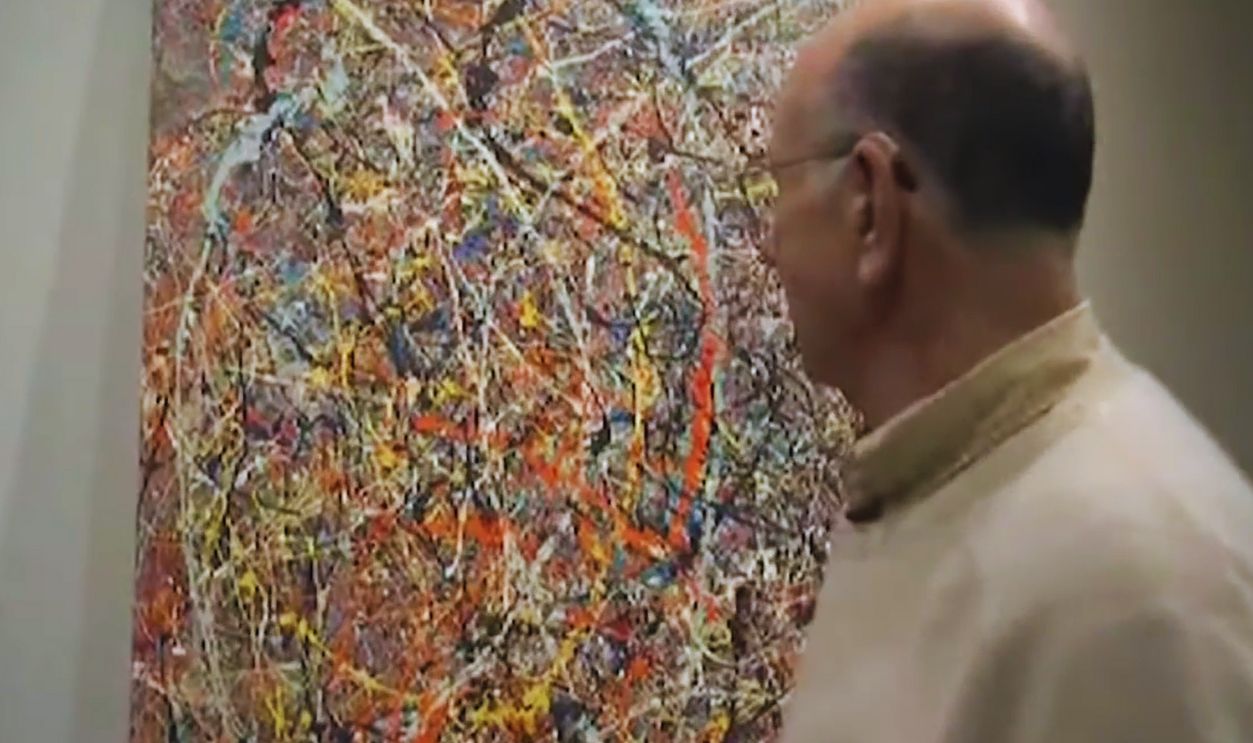
For years, the painting was rolled up and stored because Horton couldn’t afford proper conservation. She lived modestly and often spoke about how strange it felt to own something possibly priceless while struggling financially.
 Screenshot from Who the $&% Is Jackson Pollock?, Picturehouse (2006)
Experts Split Down the Middle
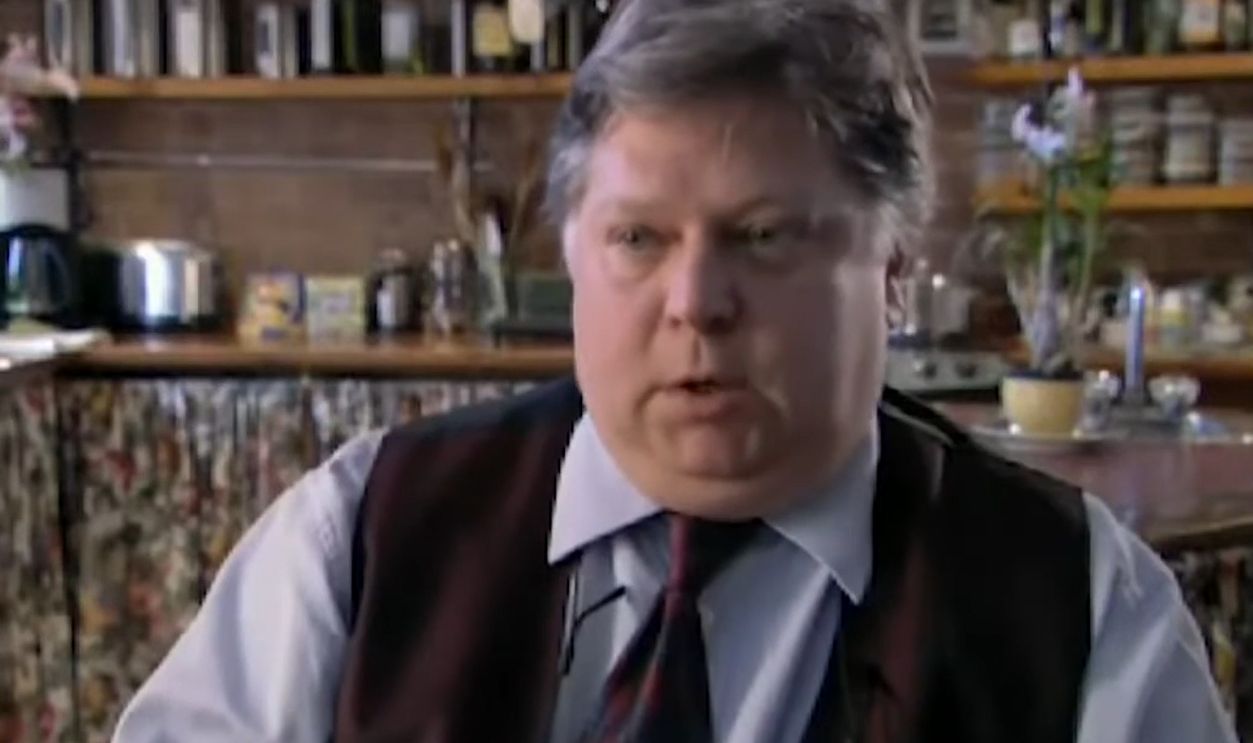
Some experts believed the painting matched Pollock’s late-1940s style perfectly. Others insisted Pollock never created it. The disagreement became deeply polarized, with no final verdict.
 Screenshot from Who the $&% Is Jackson Pollock?, Picturehouse (2006)
The Number That Shocked Everyone
Supporters of the painting’s authenticity estimated it could be worth as much as $50 million. That figure was based on Pollock’s auction history and comparable works sold at major auction houses.
 Nelson Pavlosky , Wikimedia Commons
What Horton Ultimately Did
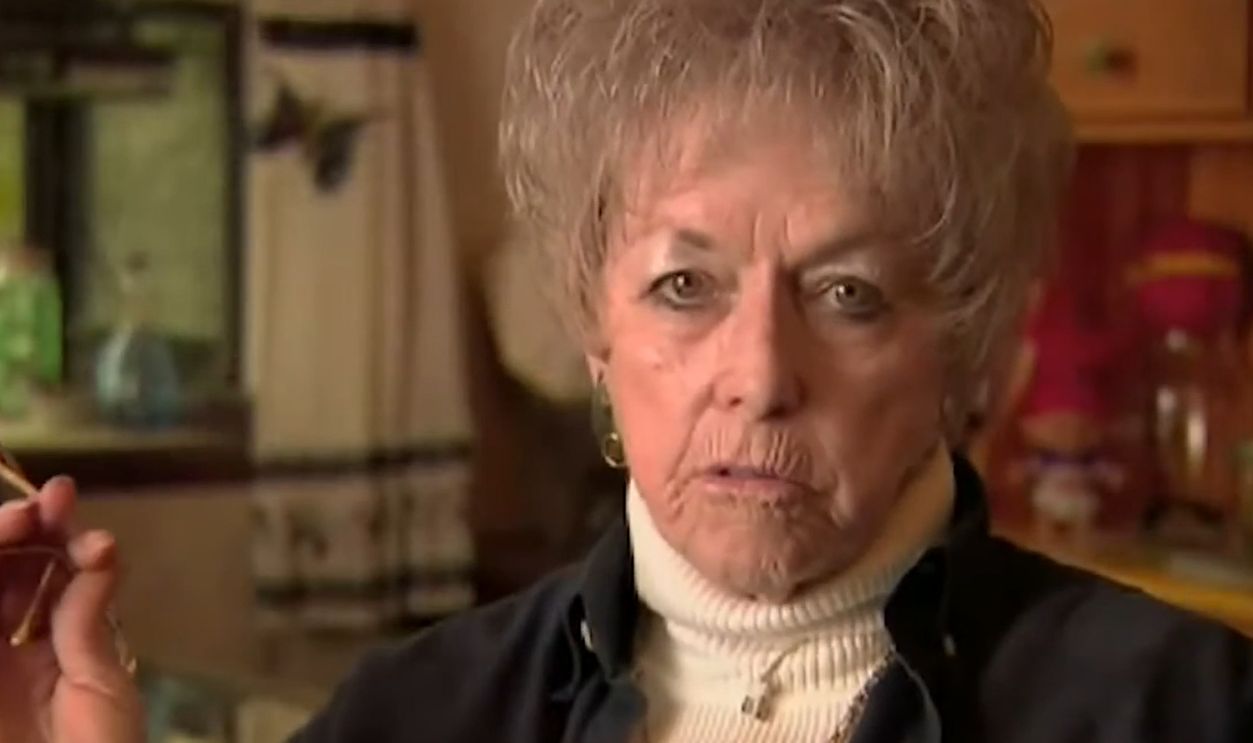
Despite global attention and massive offers, Teri Horton refused to sell the painting. She said she wouldn’t part with it unless it was fully recognized as authentic and valued accordingly.
 Screenshot from Who the $&% Is Jackson Pollock?, Picturehouse (2006)
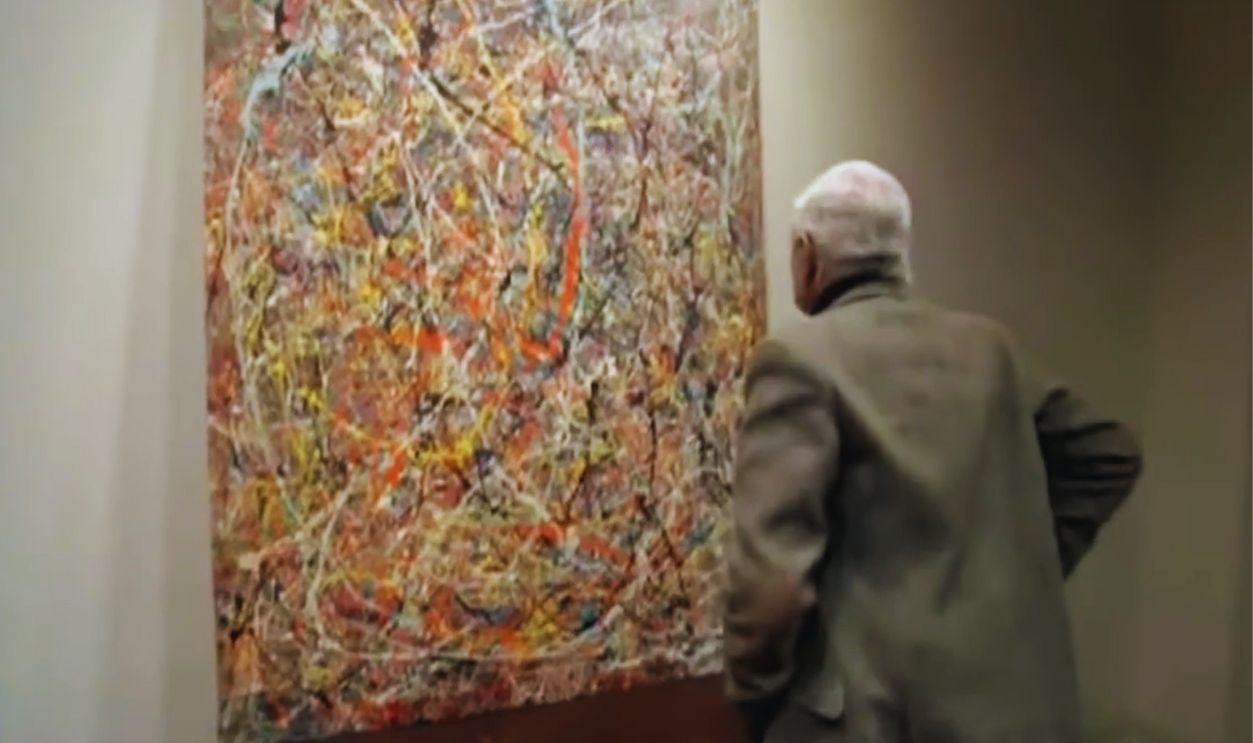
A $5 Painting That Changed Art Conversations
Whether authentic or not, Horton’s painting became one of the most famous thrift-store finds ever. It sparked conversations about gatekeeping, credibility, and who gets to decide what art is worth.
 Screenshot from Who the $&% Is Jackson Pollock?, Picturehouse (2006)
Why This Story Still Matters
This story isn’t just about money. It’s about chance, persistence, and standing your ground when experts disagree. It reminds us that history sometimes hides in unexpected places.
 Screenshot from Who the $&% Is Jackson Pollock?, Picturehouse (2006)
The Thrift Store Legend Lives On
Decades later, Horton’s $5 purchase still sparks debate. Her story continues to inspire thrift shoppers everywhere to take a closer look at what others overlook.
 Screenshot from Who the $&% Is Jackson Pollock?, Picturehouse (2006)
Common Valuable Thrift Store Finds
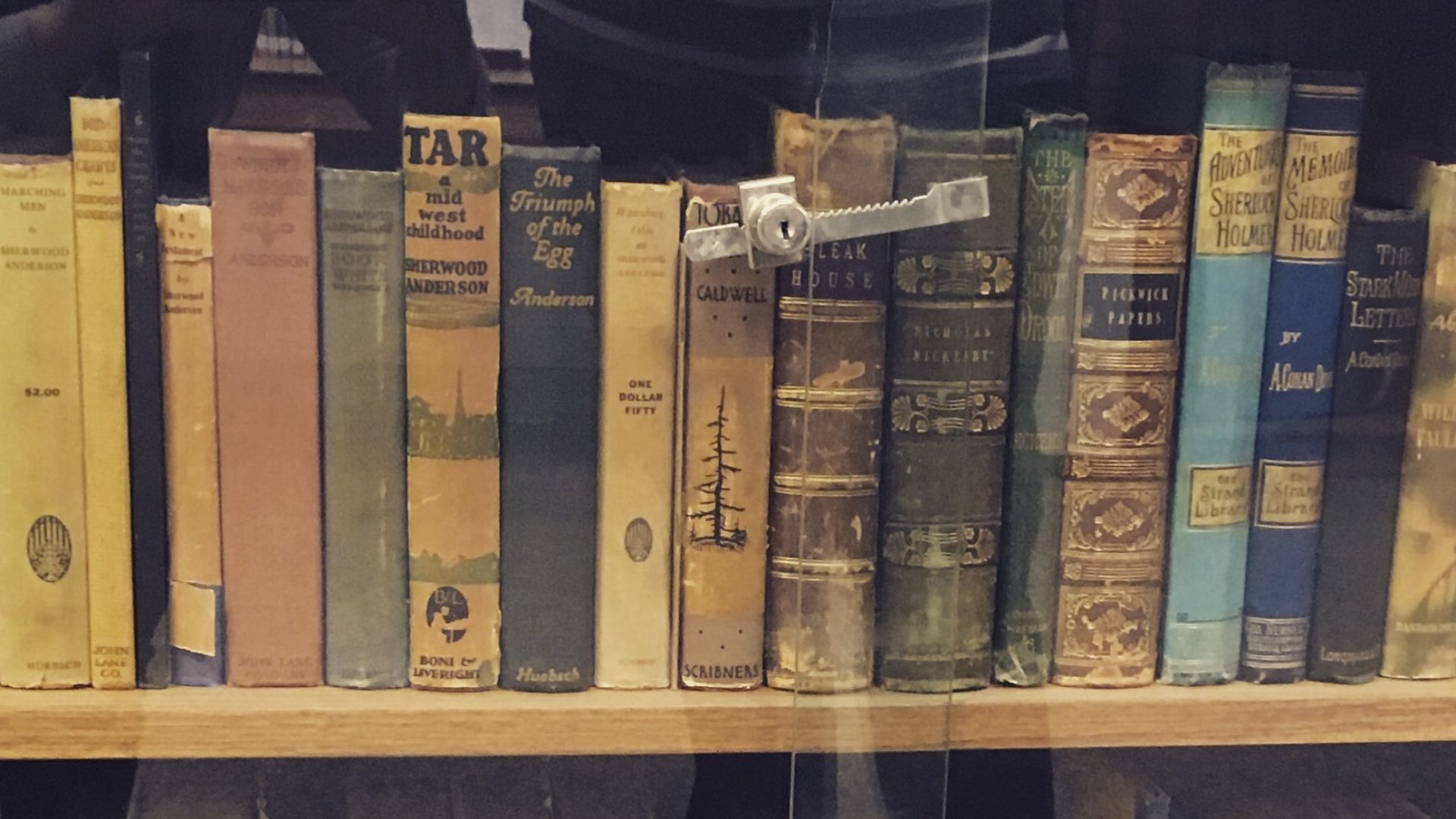
Vintage jewelry, first-edition books, original artwork, rare pottery, designer clothing, and collectible toys are among the most common high-value thrift store finds. Many valuable items blend in with everyday donations, waiting for someone curious enough to notice them.
 Texas State Library and Archives Commission from Austin, TX, United States, Wikimedia Commons
Another Thrift Store Discovery
A New Hampshire woman once bought a $3.99 painting at a thrift store that later turned out to be a long-lost N.C. Wyeth illustration worth nearly $200,000. Like Horton’s story, it proves major discoveries can happen in the most ordinary places.
 Unidentified photographer, Wikimedia Commons
You May Also Like: