
Treasure In Plain Sight
What looked like an ordinary vase on a charity shop shelf turned out to be a centuries-old Chinese masterpiece. A forgotten relic of dynasties past, now poised to fetch a fortune at auction.

Dorset Charity Shop Manager Suspects A Plate Holds Value
It started with curiosity. A charity shop manager in Dorset noticed an old plate with a glimmer that didn’t match its $2.54 price tag. Something about the glaze felt special, so instead of stacking it on the shelf, she set it aside for a closer look.
 Jonathan Billinger, Wikimedia Commons
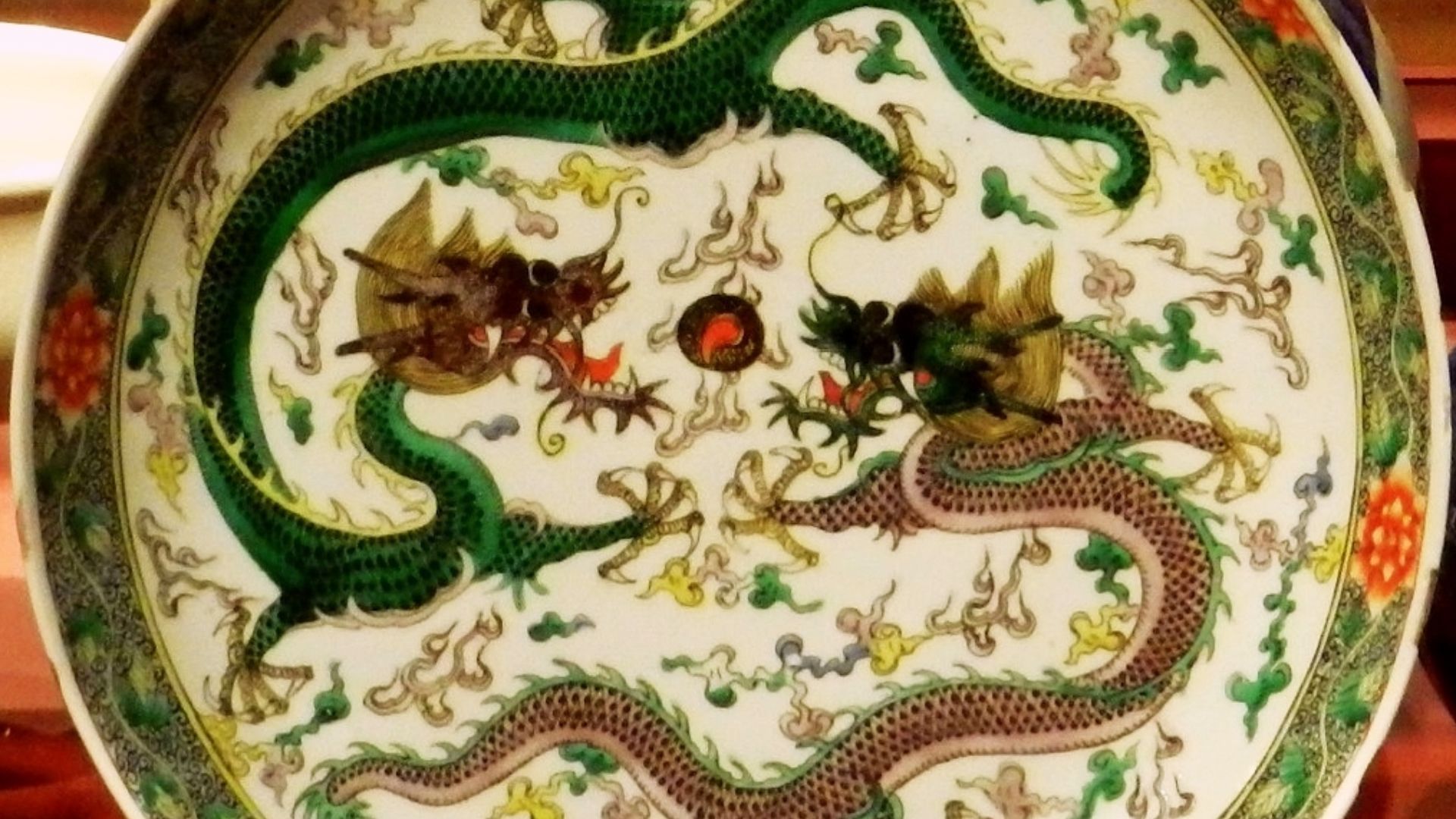
Blue And Yellow Dragon Dish Dates To The Daoguang Period
After some research, the plate’s colors revealed a clue. The brilliant blue and glowing yellow matched ceramics from China’s Daoguang period, which lasted from 1821 to 1850. Its vibrant tones hinted that this wasn’t a random piece of kitchenware but a relic of royal taste.
 Anonymous (Qing dynasty)Unknown author, Kangxi reign mark, Wikimedia Commons
Six-Character Mark Links Plate To Qing Dynasty Emperor
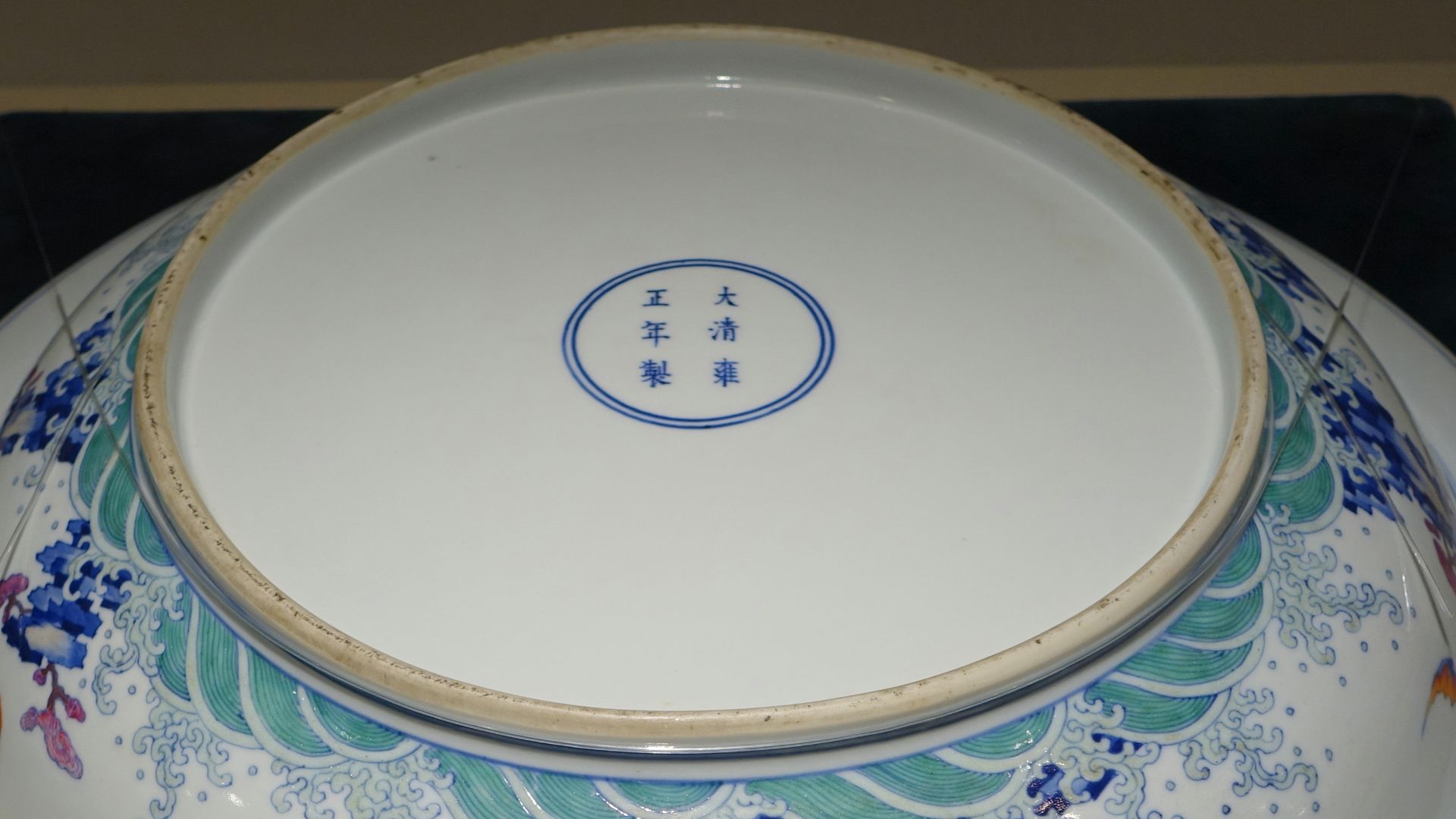
Turning it over revealed an even bigger surprise—a six-character mark that tied the dish directly to an emperor of the Qing dynasty. That small inscription elevated it from a pretty antique into a piece with imperial ties, carrying nearly two centuries of Chinese history.

Expert John Axford Confirms Nineteenth-Century Chinese Porcelain
When expert John Axford examined the dish, he quickly recognized the hand-painted artistry of nineteenth-century porcelain. What looked like a simple thrift store find was confirmed as a genuine artifact of imperial China.
 John Thomson, Wikimedia Commons
Woolley And Wallis Estimated The Dish
Once authenticated, the dish made its way to Woolley and Wallis, the esteemed auction house. Their valuation of an estimated worth of $2,540 stunned everyone involved. For a plate bought at the price of a cup of coffee, that number felt almost unreal.

Five-Clawed Dragon Chases Pearl Through Field Of Flames
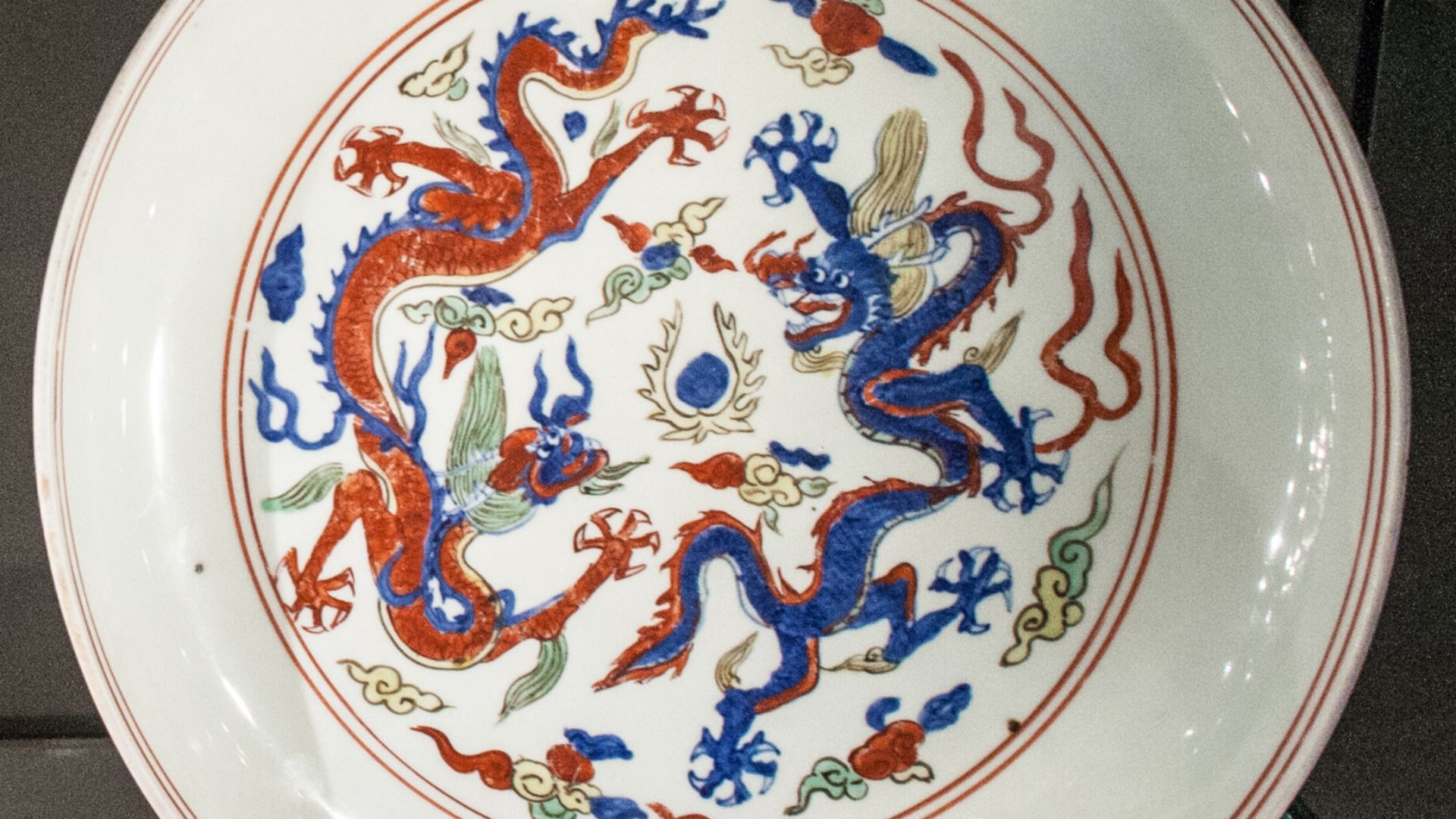
The plate’s centerpiece captured attention instantly. A five-clawed dragon swirling through clouds and fire as it pursued a flaming pearl. In Chinese art, this scene represents power and wisdom. The detailing was breathtaking.
 RootOfAllLight, Wikimedia Commons
Dragon Iconography Indicates Imperial Commission
In Chinese porcelain, the dragon is more than a mythic creature—it’s a royal emblem. Five claws on its feet were reserved for the emperor’s use alone. When that detail appears, it confirms the piece wasn’t just decorative but made for imperial command.
 Qing Dynasty Imperial Painter, Wikimedia Commons
Surrey Shopper Pays A Small Fee For A Bottle Vase
Meanwhile, in Surrey, another unsuspecting buyer picked up a tall bottle vase from a charity shop for just $127. It looked elegant but unremarkable to most eyes. The shopper, however, had an inkling it might be something worth a second opinion.
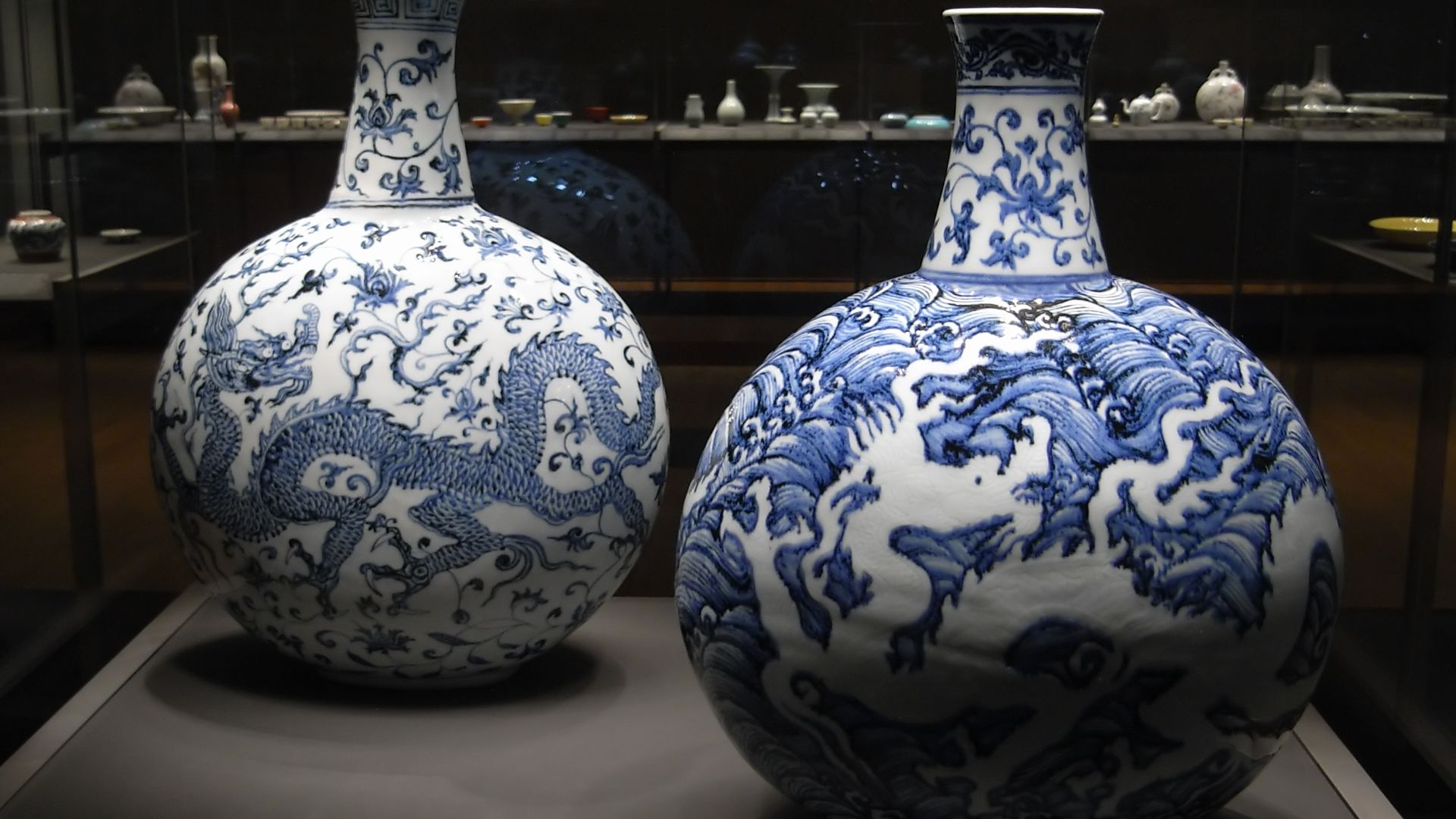
Blue And White Vase Features Three Dragons In Pursuit
The vase featured three fierce dragons painted in deep cobalt blue, and they were twisting through waves and clouds. Their fluid motion suggested mastery of brush and technique. The balance between design and proportion hinted that this wasn’t an average decorative piece at all.
 Prof. Gary Lee Todd, Wikimedia Commons
Artistic Quality Prompts Buyer To Seek Professional Appraisal
No ordinary piece, the vase seemed to whisper of practiced artistry. Its flawless balance and intricate finish hinted at skilled hands. Moved by curiosity, the buyer chose to seek an appraisal, unsure whether they’d discovered beauty or history.
Both Items Set For Fine Asian Art Sale In November
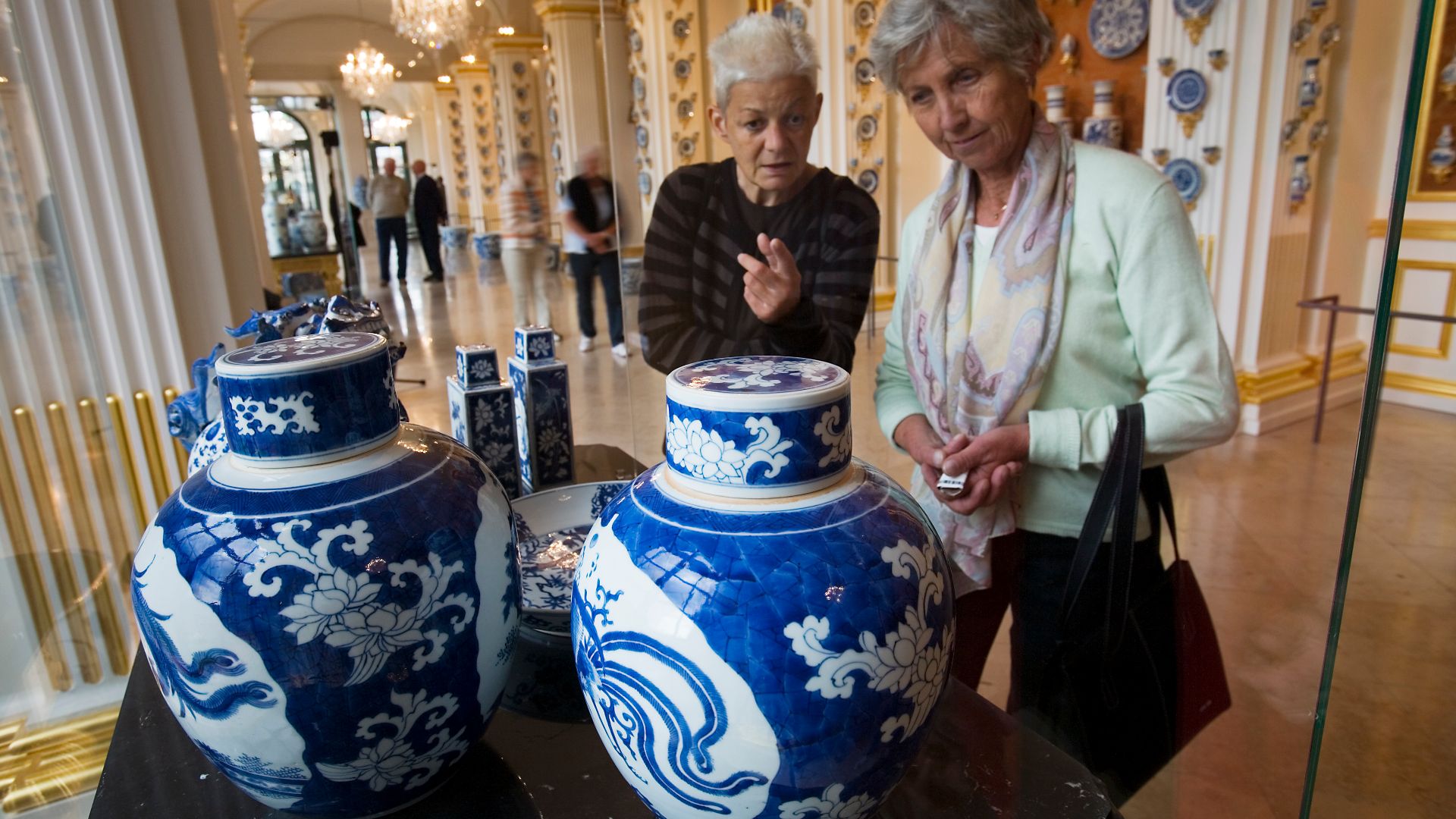
Before long, both the Dorset plate and the Surrey vase found their way to Woolley and Wallis’s Fine Asian Art Sale, scheduled for November. Collectors from across the globe began taking notice, eager to see if these forgotten finds would spark another bidding frenzy.
 Jorge Royan, Wikimedia Commons
Proceeds From Plate Sale Return To Dorset Charity
The Dorset charity shop’s good fortune didn’t end with discovery. When the plate was sold, the proceeds went right back to the store that had unknowingly housed a royal relic. The unexpected windfall became a story of generosity meeting good luck.
 Simon Barnes, Wikimedia Commons
Auction House Gains Reputation After Yuan Dynasty Record
Woolley and Wallis were already well-known among collectors, but their fame soared years earlier after setting a record with a Yuan dynasty discovery. Their knack for spotting extraordinary pieces in ordinary settings had earned them international respect.
 Jason22 and Chinyin, Wikimedia Commons
The Gourd Vase Sold In 2005
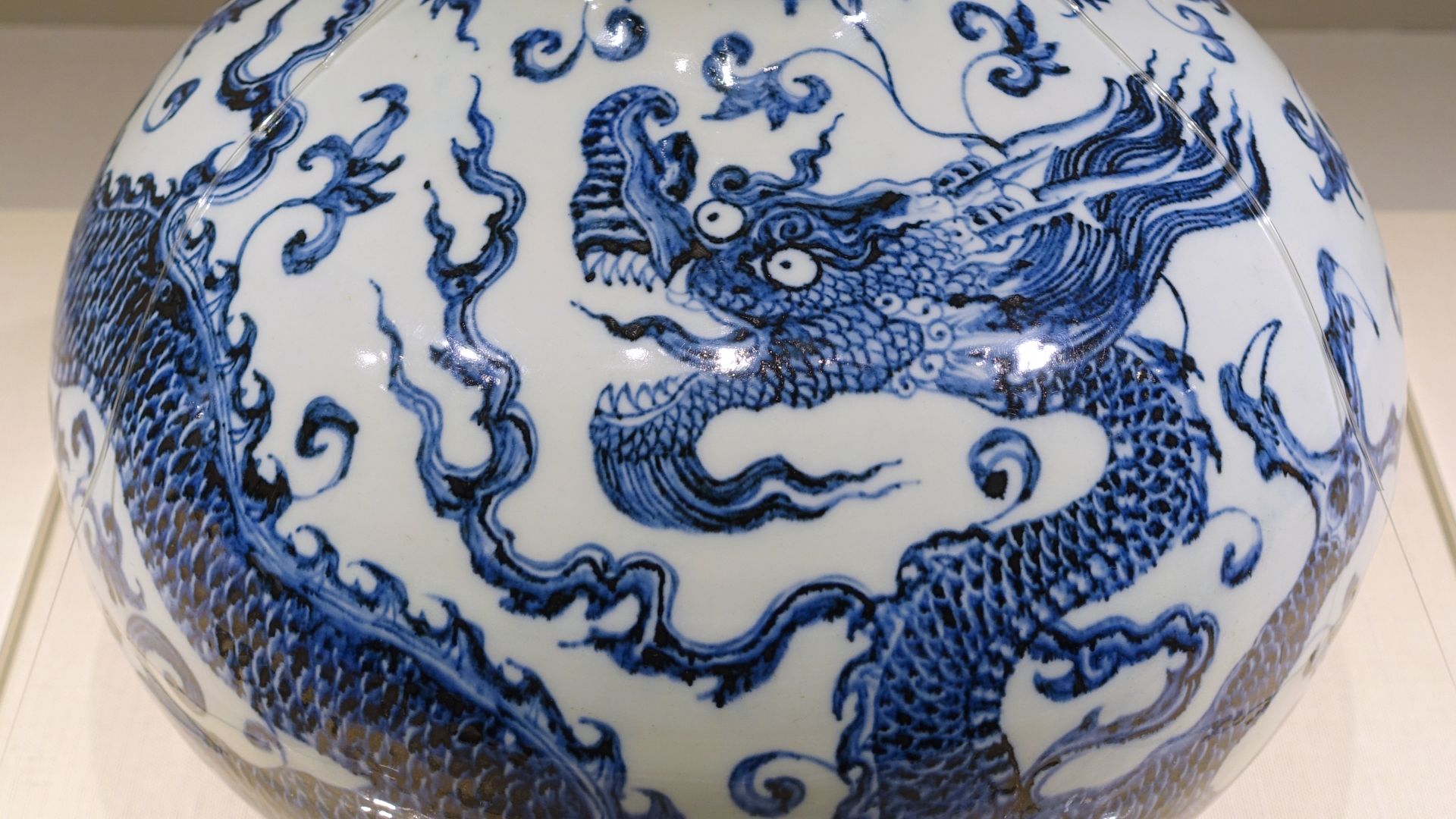
Back in 2005, the same auction house sold a rare gourd-shaped vase for $4.7 million. The piece, dated to the reign of the Yuan Emperor, showcased the remarkable refinement of Chinese porcelain at its height, which was a turning point for the firm’s reputation.
 After Giuseppe Castiglione, Wikimedia Commons
Qianlong Period Jade Buffalo Fetches Three Point Four Million
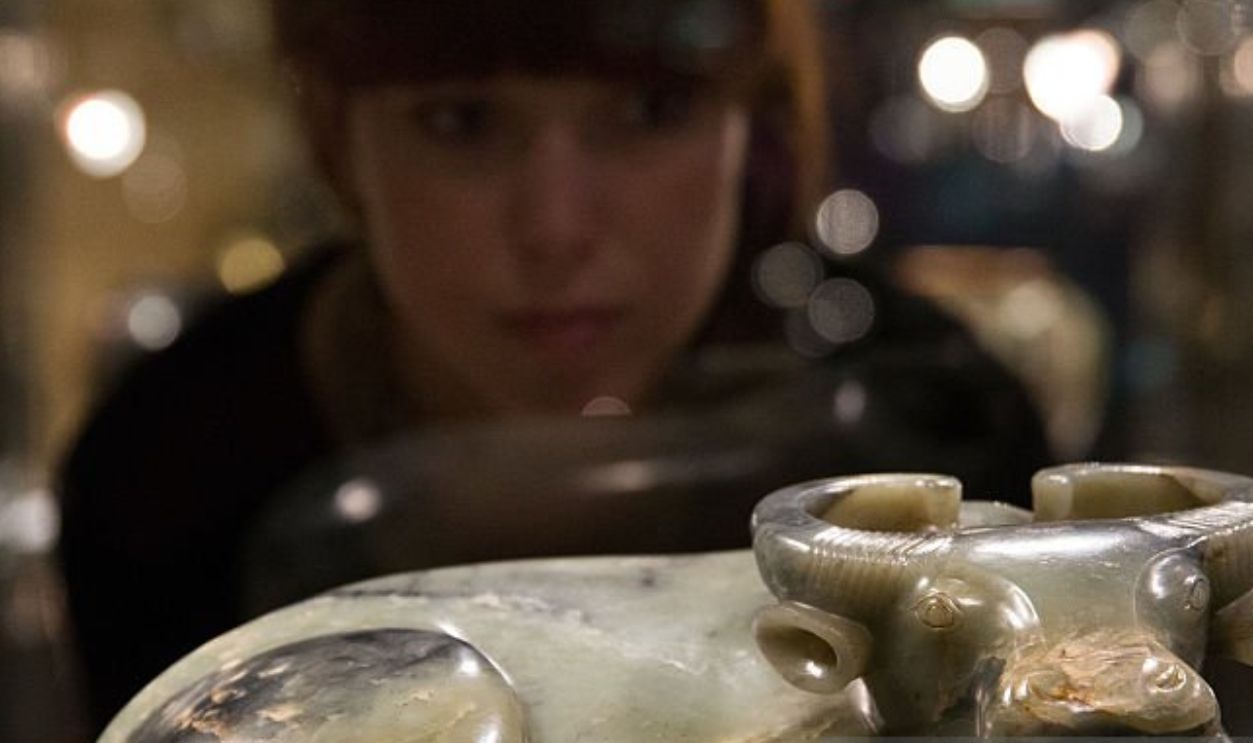
Another milestone came when a carved jade buffalo from the Qianlong period fetched $5.3 million. Collectors marveled at its lifelike form and serene expression. That sale solidified Woolley and Wallis’s place as a powerhouse in Asian art auctions across the UK.
Woolley And Wallis Breaks Regional Auction Records Twice
Through dedication and a keen eye for the extraordinary, the pair shattered regional auction records twice. Each headline-making sale reinforced the idea that sometimes, priceless treasures aren’t hidden in museums but quietly waiting in the corners of everyday life.
 de:Benutzer:Dr. Meierhofer, Wikimedia Commons
Salisbury-Based Firm Leads UK Provincial Asian Art Sales
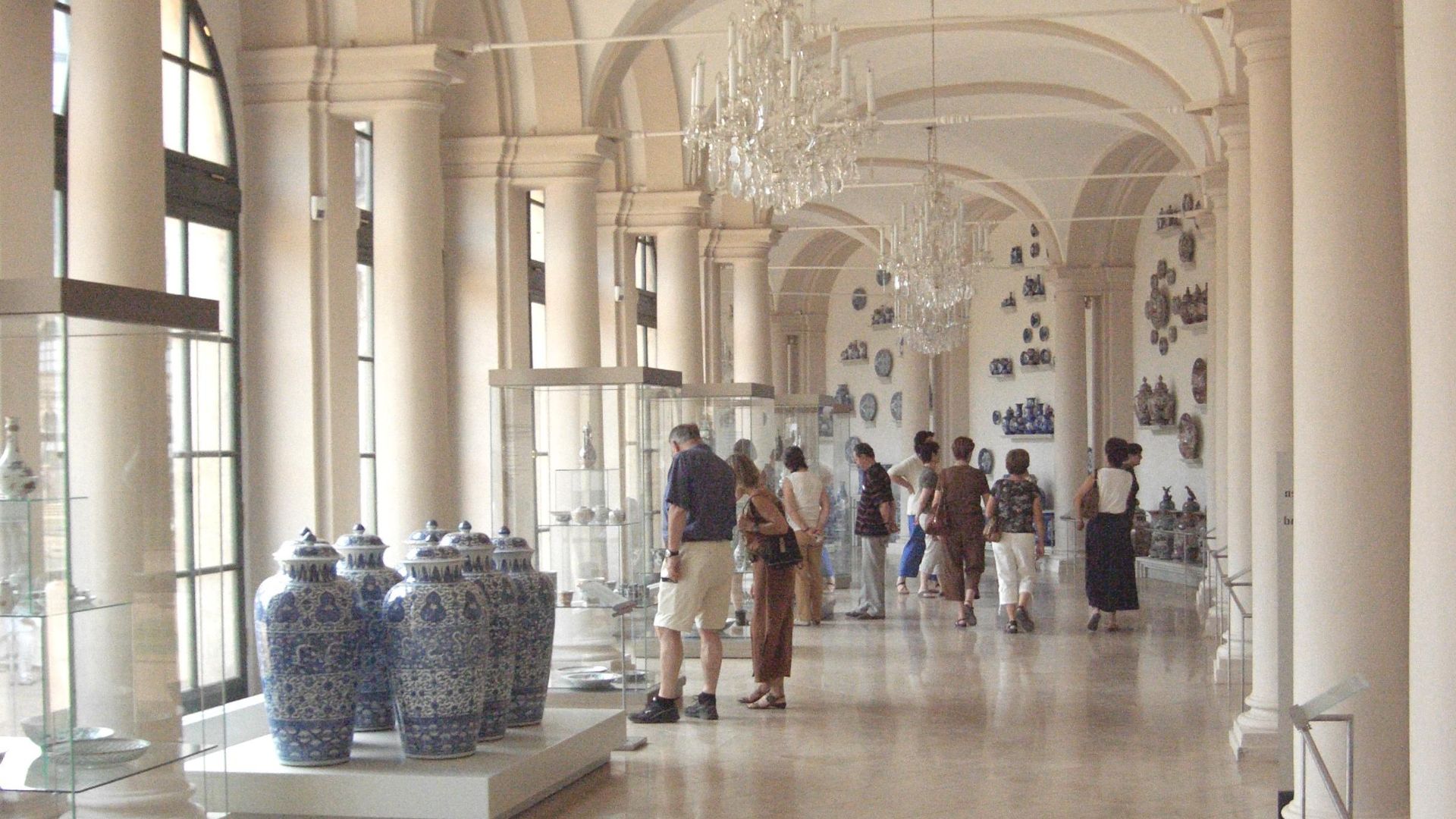
From its base in Salisbury, Woolley and Wallis has quietly risen to dominate the UK’s provincial Asian art scene. Its blend of expertise and instinct attracts collectors worldwide and proves that major discoveries don’t always need London’s grand auction rooms to shine.

Daoguang Emperor Reigned From 1821 To 1850
The Daoguang Emperor’s reign brought both artistic innovation and turbulent change. Between 1821 and 1850, porcelain makers reached new heights of refinement, crafting vibrant artworks that blended imperial grandeur with symbolic storytelling. Many of these works, once reserved for royalty, now surface in the unlikeliest places.
 AnonymousUnknown author, Wikimedia Commons
Pearl Symbolism Common In Chinese Imperial Porcelain
The flaming pearl, often painted beside dragons, carried deep meaning in imperial China. It symbolized wisdom, enlightenment, and the pursuit of perfection. Within royal workshops, such imagery wasn’t just artistic—it reflected the emperor’s aspiration to rule with divine clarity and strength.
 Unknown authorUnknown author, Wikimedia Commons
Expert Eye Required To Identify Authentic Period Pieces
To most eyes, an antique plate or vase might look like just another collectible. But to experts, brushstrokes and subtle wear tell the truth. Authenticating a period piece takes experience and a sharp sense of the small details that define history.
American Teapot Previously Bought For $19
One of the most surprising finds didn’t come from China but America. A small teapot purchased for only $19 from a charity shop turned out to be an eighteenth-century treasure. Its delicate handle and blue glaze hinted at artistry far beyond its humble price tag.
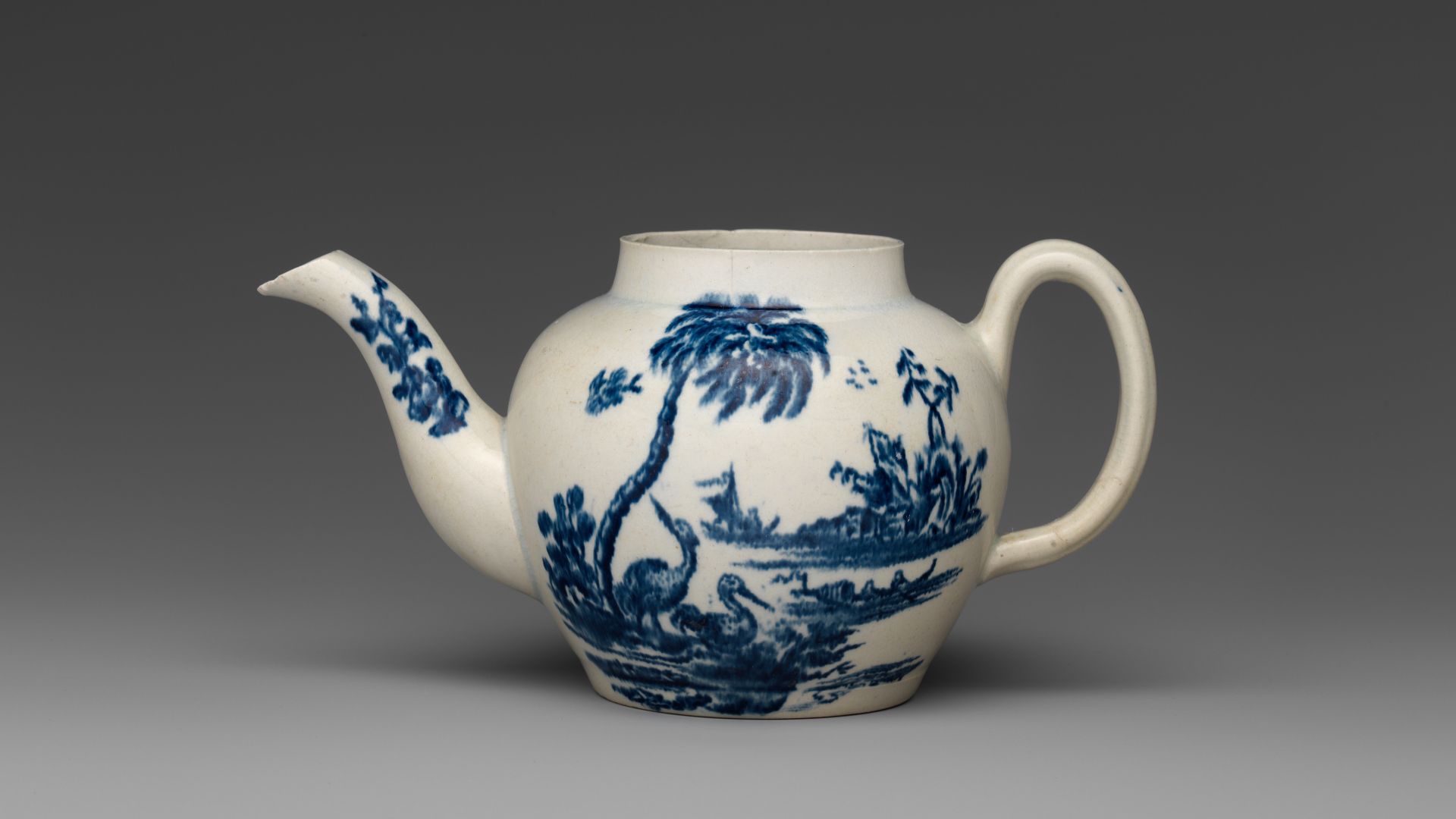 Creator:John Bartlam, Wikimedia Commons
John Bartlam Factory Teapot Sold To The Metropolitan Museum
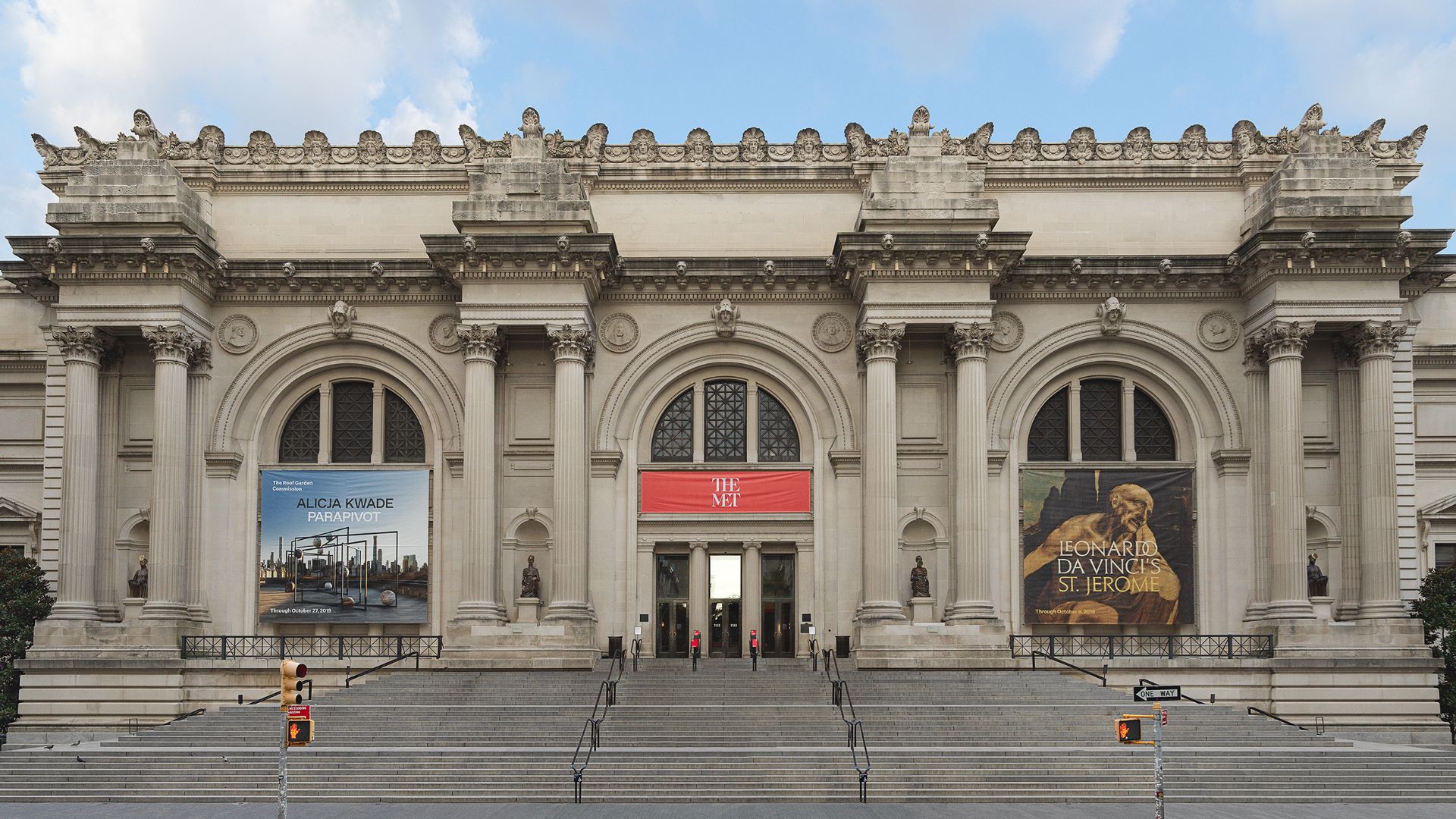
People traced that teapot to John Bartlam, a pioneering ceramicist from South Carolina. When its origins were confirmed, it was sold to the Metropolitan Museum of Art in New York, which secured its place among historic American porcelains and turned it into a global headline.
 Hugo Schneider, Wikimedia Commons
1760s Porcelain Fetched $642,000
That same Bartlam teapot went under the hammer for an astonishing $642,000. It became one of the most expensive examples of early American porcelain artifacts ever sold, a reminder that even the smallest charity shop shelf might hide something with museum-worthy value.
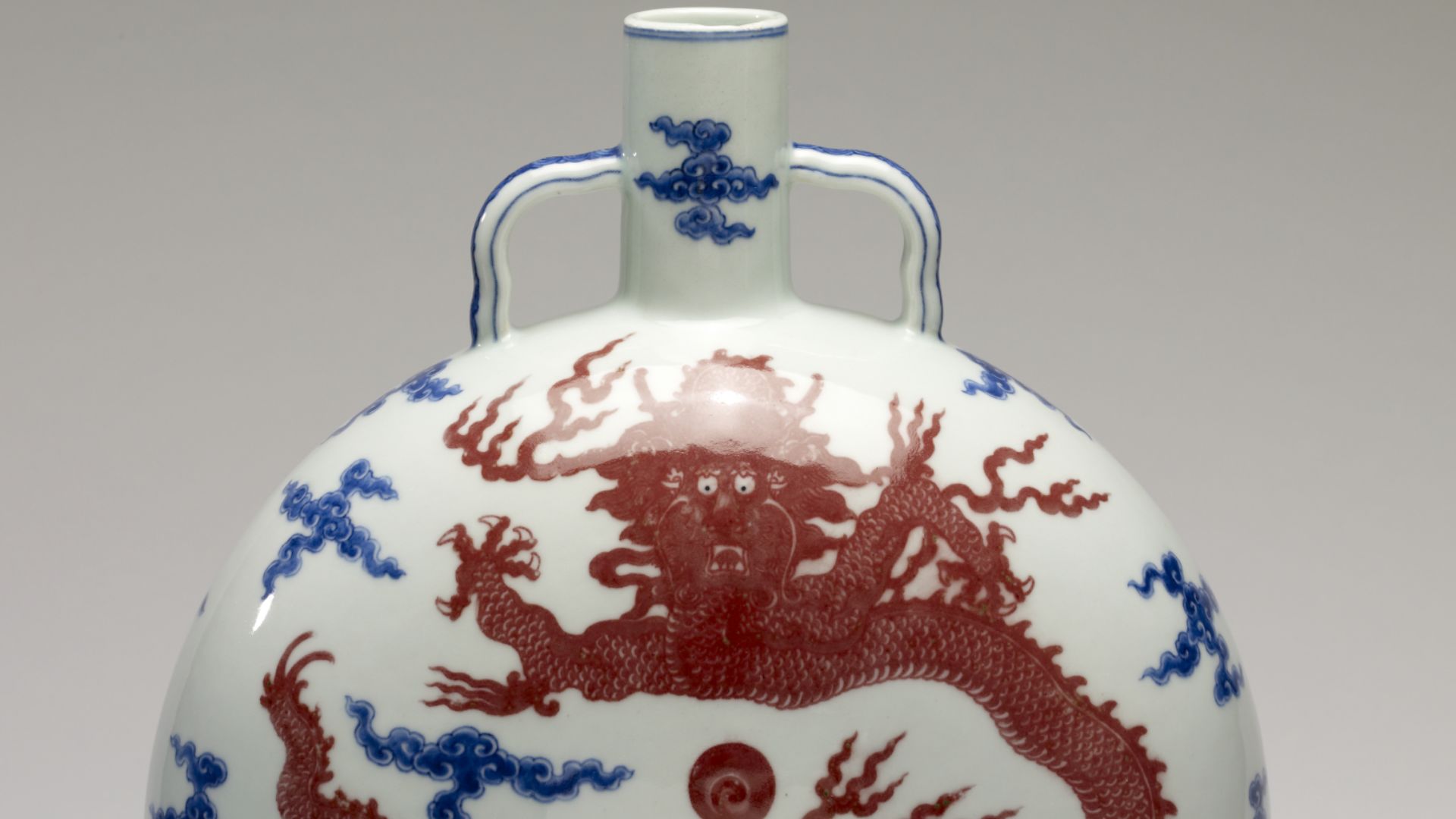 Anonymous (China)Unknown author, Wikimedia Commons
Characteristic Marks Help Specialists Date Chinese Ceramics
Collectors rely on tiny details to trace a piece’s past. Marks painted beneath the glaze, often in cobalt blue, identify dynasties and artists. To the trained eye, these characters read like signatures from centuries ago, which links modern discovery to royal creation.
Thrift Store Finds Demonstrate Importance Of Expert Authentication
Stories like these show how vital expert evaluation truly is. Without professional verification, historic treasures risk being lost or undervalued. Every forgotten item given a second look reinforces how knowledge, not just luck, turns curiosity into genuine discovery.
 South China Morning Post, Getty Images