
That Sudden Credit Limit Drop Feels Personal
If your credit card company suddenly lowered your limit, you aren't alone. It feels unfair and potentially illegal, especially if your credit score also dropped. A lower limit can raise your credit utilization ratio overnight, and that is a big factor in most credit scoring models. The frustrating part is that card issuers often have the legal right to reduce a limit even if you did not do anything clearly wrong.
 Vitaly Gariev, Unsplash, Modified
Yes, Card Issuers Usually Can Lower Your Limit
In most cases, a credit card issuer can reduce your credit limit without getting your permission first. Credit card agreements usually give the lender a lot of room to change available credit. That does not mean they can do anything they want, but it does mean limit cuts are usually allowed. Whether they have to tell you before or after depends on the situation and the terms in your agreement.
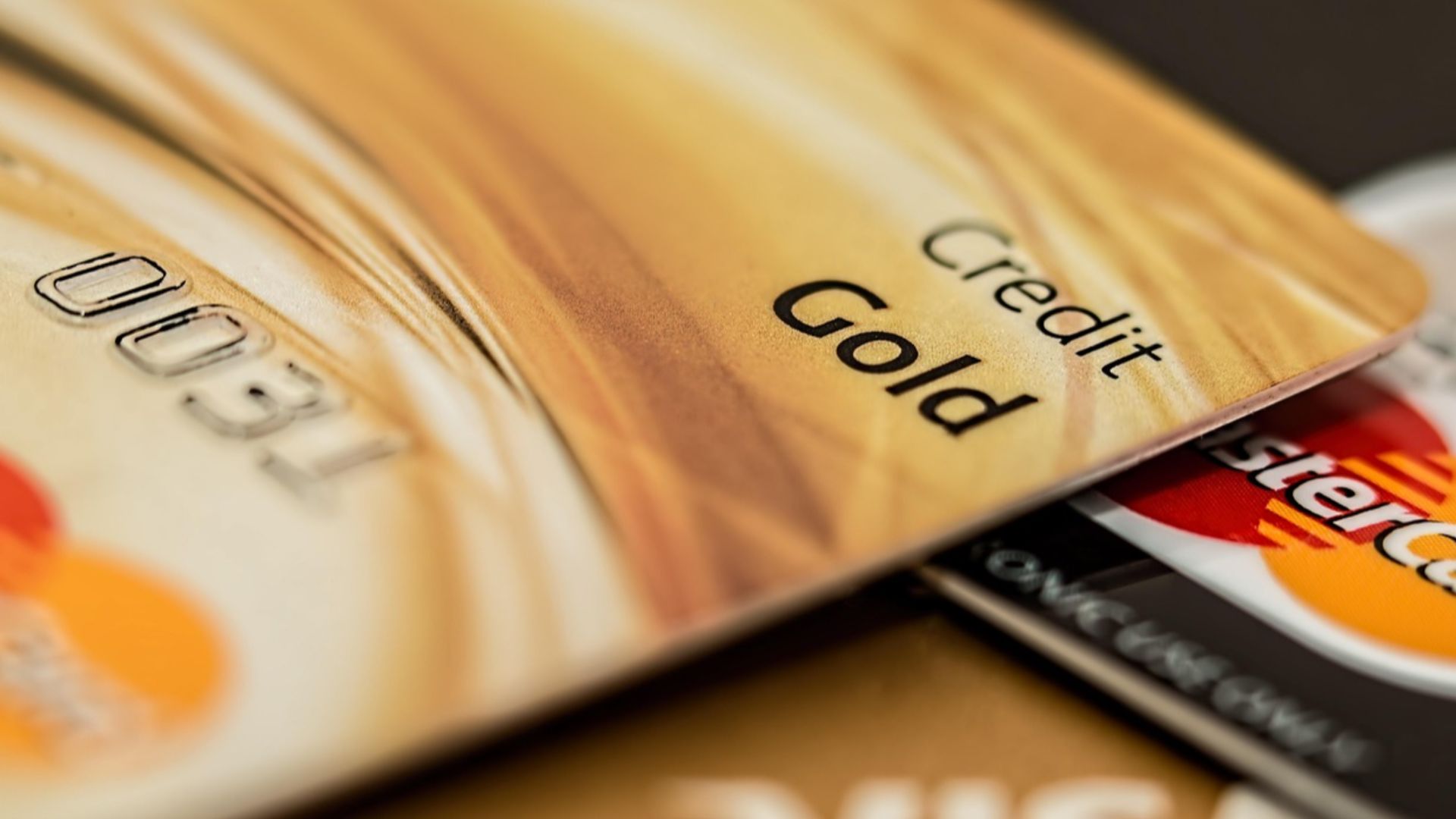
Why Companies Cut Credit Limits In The First Place
Lenders reduce limits for a lot of risk-related reasons. They may see changes in your credit profile, rising balances, missed payments, or signs that your total debt has gone up. Sometimes the reason has little to do with your behavior alone, because issuers also tighten lending during economic downturns or when they review risk across large groups of customers. Not using the card for a long time can also lead to a limit cut at some banks.
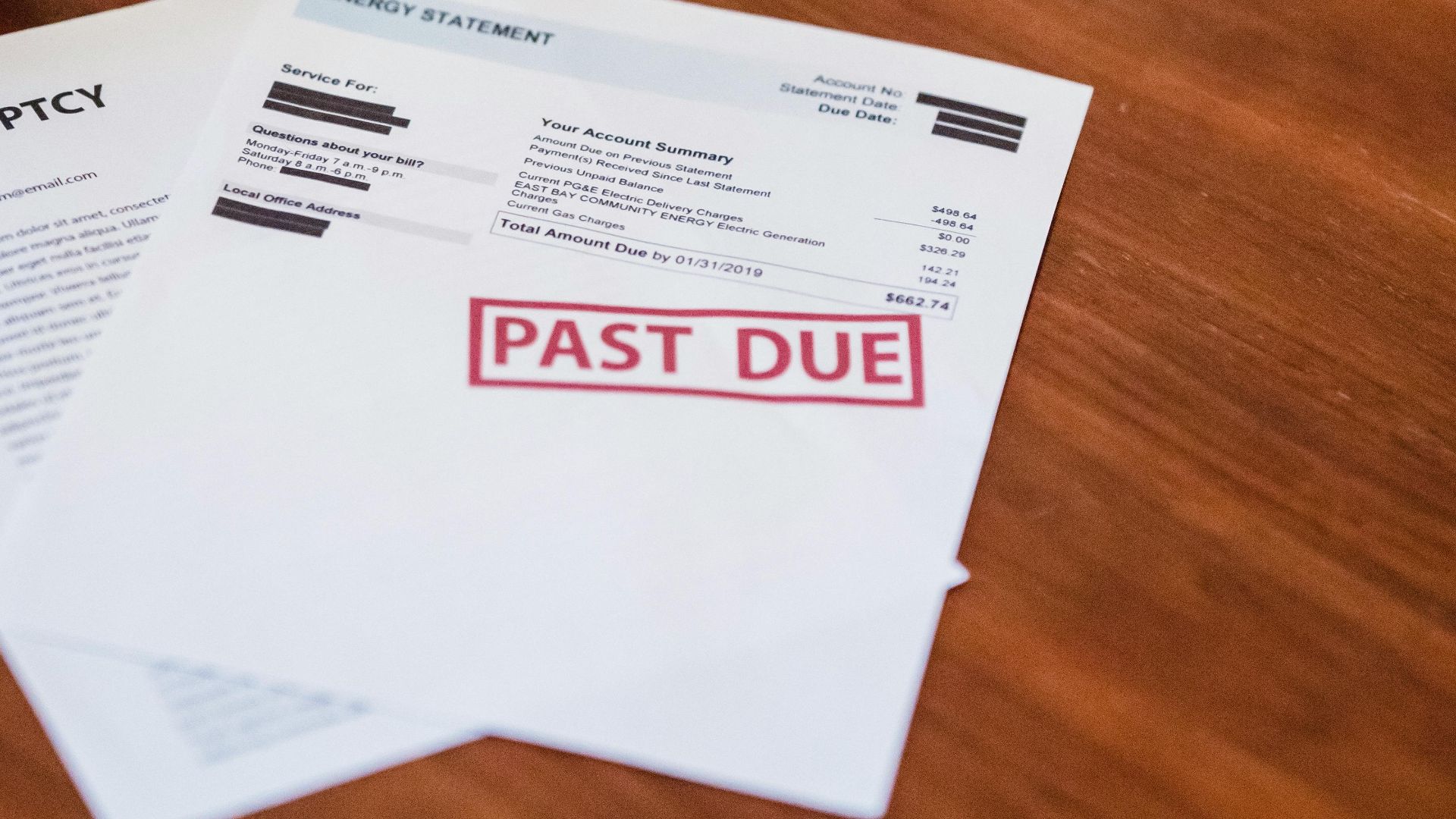
Your Score Can Get Hit Even If You Did Nothing Wrong
A credit limit cut can hurt your score by increasing your credit utilization ratio, which is the amount of revolving credit you are using compared with your total available credit. If you had a $2,000 balance on a $10,000 limit, you were using 20 percent. If that limit drops to $4,000, your utilization jumps to 50 percent without you spending another dollar. FICO says amounts owed, including utilization, are an important scoring factor.

Credit Utilization Is A Bigger Deal Than Many People Realize
Utilization is often looked at both per card and across all your revolving accounts. A sudden drop on one card can hurt you even if your total debt did not change much, because some scoring models are sensitive to high utilization on individual accounts. There is no magic percentage that works for everyone, but lower is usually better. Many credit experts suggest staying well below 30 percent, and even lower can help if you are trying to get the best score possible.

Do They Have To Warn You Ahead Of Time
Not always. Under federal rules, issuers generally must give 45 days' advance notice for certain major changes in terms, such as rate increases in many situations. But a lower credit limit is not always treated the same way as an APR increase. Some issuers tell customers when the change happens or after it happens, and your cardholder agreement often explains how those notices are sent.

What Federal Law Actually Focuses On
The Credit CARD Act of 2009 added important consumer protections, but it did not ban credit limit decreases. It limited many surprise rate hikes and required clearer disclosures, among other changes. It also addressed over-the-limit fees and payment practices. Still, lenders kept the ability to manage credit risk, including lowering limits or closing accounts when they think the risk has changed.

Your Card Agreement Matters More Than You Think
The fine print you probably skipped when you opened the account usually gives the bank room to lower your credit line at any time. Many agreements say the issuer can change your limit based on credit reports, account history, income information, or broader business reasons. That language is a big reason these actions are usually legal. It is worth reading your agreement now so you know what rights the issuer kept for itself.

Common Triggers That Can Lead To A Limit Reduction
Missed or late payments are an obvious trigger, but they are far from the only one. A drop in your credit score, higher balances on other accounts, maxed-out cards elsewhere, or new signs of financial stress can all raise red flags. Some issuers may also cut limits if your income looks lower than before or if your spending patterns changed a lot. Even not using the card for a long time can make the lender decide you do not need as much available credit.

Sometimes The Economy Is Part Of The Story
During periods of economic stress, lenders sometimes reduce credit lines across broad groups of customers. That happened on a large scale during the financial crisis and has happened in smaller ways during later stressful periods. From the bank’s point of view, it is a risk-control move. From the customer’s side, it can be a rough surprise that affects borrowing power and credit scores at the worst time.

What If The New Limit Is Below Your Current Balance
If your credit limit is lowered below the amount you already owe, you usually do not have to pay the extra amount right away in one lump sum just because the line changed. But your account can end up over limit, which may hurt your credit profile and leave little room to use the card. Federal rules generally stop issuers from charging over-the-limit fees unless you opted in for transactions that go over the limit. Even so, carrying a balance above the new limit can be a problem for utilization and future account handling.

How To Find Out Why It Happened
Start by calling the number on the back of the card and asking for a specific explanation. If the issuer used information from your credit report to take what is called an adverse action, federal law generally requires an adverse action notice telling you which credit bureau supplied the report. That notice can help you understand whether the decision was tied to information in your file. If the explanation is vague, ask whether the review was based on your payment history, income, account inactivity, or broader portfolio changes.

Check Your Credit Reports Right Away
If the issuer points to your credit report, review all three reports for mistakes. You can get free reports through AnnualCreditReport.com, the official site allowed by federal law. Look for accounts you do not recognize, incorrect late payments, wrong balances, or old negative items that should have been removed. Errors on your reports can play a part in decisions that lower your limit and hurt your score.

If You Spot An Error, Dispute It Fast
You have the right to dispute wrong information with the credit bureau and with the company that provided the information. The Fair Credit Reporting Act lays out the process for fixing errors in credit files. File disputes in writing or through the bureau’s online portal, and keep copies of everything. If the bad information gets corrected, you may be able to ask the card issuer to review the limit cut again.

Asking For Your Limit Back Can Work
Once you understand the reason, you can ask for a reconsideration or a credit line increase. Be ready to explain any temporary issue, such as a one-time missed payment or a recent balance spike that has already been paid down. If your income has gone up, mention that too. There is no guarantee, but some issuers will review the account again, especially if your history with them has otherwise been solid.

Paying Down Balances Is One Of The Quickest Fixes
If your score dropped because utilization jumped, paying down balances is often the fastest way to help. Credit card balances are usually reported to the bureaus monthly, so improvement can show up fairly quickly after lower balances are reported. Focus first on cards with the highest utilization. Even a partial payoff can make a real difference if the limit cut pushed you into a high-utilization range.

Be Careful About Closing Other Cards
When a limit gets cut, some people get angry and want to close accounts. That reaction makes sense, but closing another card can reduce your total available credit even more and possibly make utilization worse. It may also affect your average account age over time, depending on the scoring model and your future mix of accounts. Unless there is a strong reason like high fees or fraud concerns, think carefully before closing open credit cards.

A Hard Truth About Inactive Accounts
Some banks routinely lower limits or close cards that are barely used. If you want to keep a card active, making a small purchase every so often and paying it off can help show the account is still in use. There is no set schedule that guarantees protection, because each issuer has its own rules. But regular light use can lower the odds that the card gets flagged as unnecessary risk.

When A Complaint Makes Sense
If the issuer will not explain the action, if you think the lender relied on wrong data, or if you believe you were treated unfairly, you can file a complaint with the Consumer Financial Protection Bureau. The CFPB sends complaints to companies and tracks responses. It is not a guaranteed fix, but it can help when normal customer service is going nowhere. State banking regulators or the issuer’s main federal regulator may also matter depending on the institution.
 G. Edward Johnson, Wikimedia Commons
Watch For Signs Of Bigger Credit Trouble
A limit decrease can sometimes be an early warning that lenders see more risk in your profile. If one issuer cuts your limit, check whether your other cards are also carrying high balances or whether your score has already been slipping. Review your budget, upcoming bills, and emergency savings. Taking action early can help prevent a chain reaction of tighter credit and higher borrowing costs.

How To Lower The Odds Of Another Surprise
Pay on time, keep balances low, and check your credit reports regularly. Update income information with your issuer if the bank allows it and your income has gone up, because some issuers consider that in line decisions. Use your cards once in a while instead of letting them sit unused for years. None of this guarantees your limit will never be reduced, but it can put you in a better position.

The Bottom Line On What Is Allowed
In plain English, yes, your credit card company is usually allowed to lower your limit without warning, and yes, that can hurt your credit score. It feels harsh, but it is generally legal as long as the issuer follows the rules on disclosures and credit reporting. Your best next steps are to find out why, check your credit reports, dispute any errors, and work on lowering utilization if the score drop came from the smaller limit. The good news is that score damage from utilization is often reversible once lower balances are reported.