
That “Easy Money” Offer Isn’t So Simple
If your boss offers to pay you “under the table,” it can sound good at first. Maybe they say it will help you take home more cash or skip tax paperwork. But in simple terms, under-the-table pay usually means income that is not properly reported to tax agencies. That creates legal, money, and job-related risks for both the employer and the worker.
 Vitaly Gariev, Pexels, Modifed
What “Under The Table” Usually Means
Most of the time, under-the-table pay means wages are paid in cash or off the books without proper withholding or reporting. Employers usually must withhold federal income tax, Social Security tax, and Medicare tax from employee wages, and they also have to report those wages to the government. When they skip that process, the arrangement is usually illegal. It is not a clever loophole. It is usually tax evasion or payroll fraud.

Why Employers Suggest It
Bosses who make this offer are often trying to save money, not help you. By avoiding official payroll, they may try to dodge their share of Social Security and Medicare taxes, unemployment taxes, workers’ comp costs, and other job-related expenses. Some also want to hide wage violations or avoid keeping required records. If an employer is willing to break the rules here, there is a good chance they may cut corners elsewhere too.

Yes, Workers Can Get In Trouble Too
Some workers think the legal risk falls only on the employer, but that is not how it works. If you knowingly accept unreported wages and fail to report that income on your tax return, you can owe back taxes, interest, and penalties. In more serious cases, intentional tax fraud can lead to criminal trouble. Even if that is rare in smaller cases, the financial mess can still be rough.

Taxes Don’t Disappear Just Because Payroll Does
Getting paid off the books does not make your tax duties go away. The IRS taxes income whether you are paid by direct deposit, check, cash, app, or barter. If you earn money, you usually have to report it. So the “benefit” of under-the-table pay often lasts only until tax time, an audit, or a benefits application brings it up.

Social Security Credits Matter More Than People Think
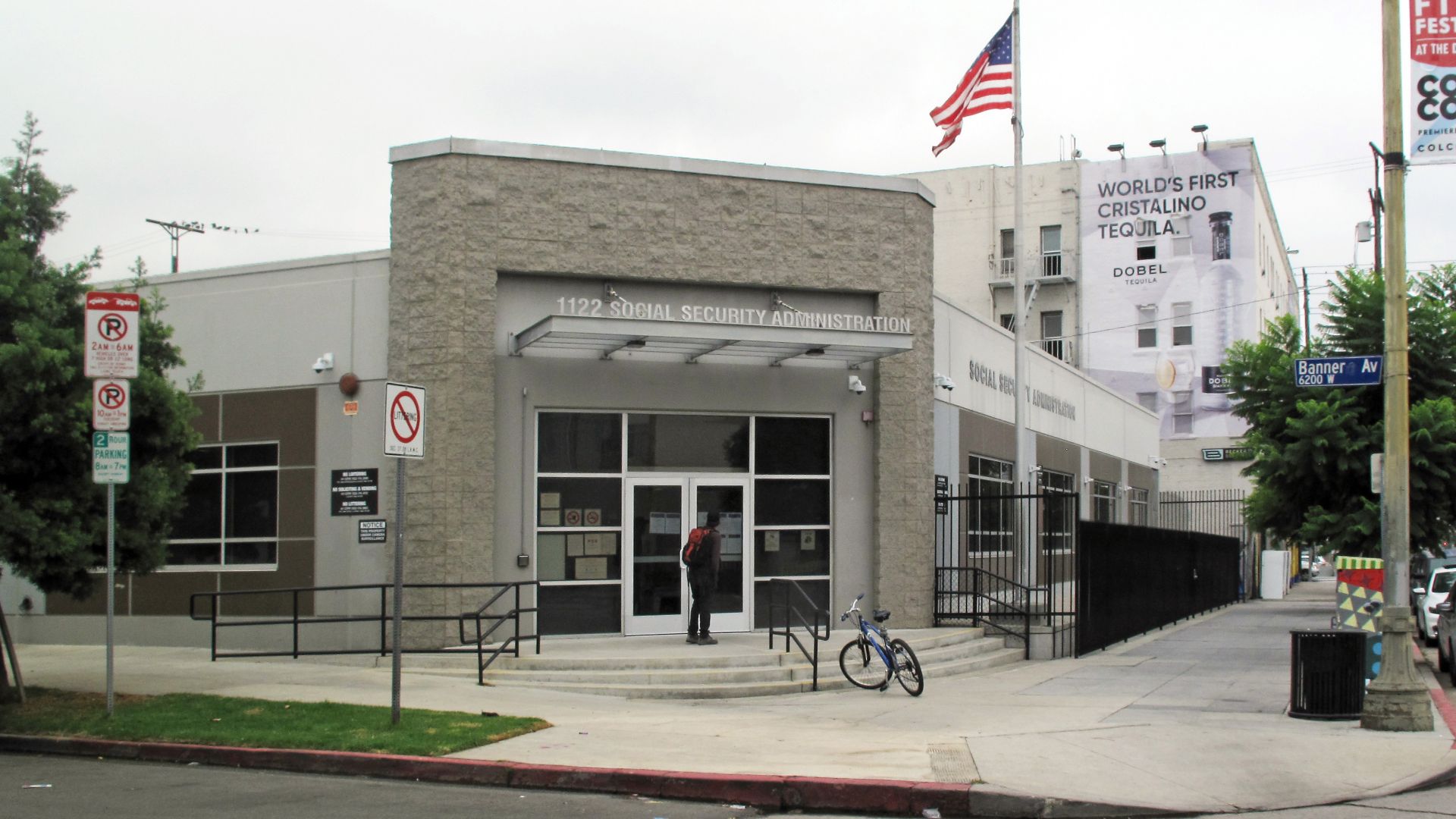
When wages are not officially reported, they usually do not count toward your Social Security earnings record. That can lower future retirement benefits, disability benefits, and sometimes survivors benefits for your family. For younger workers, it is easy to brush this off because retirement feels far away. But missing years of reported earnings can have a lasting effect that is very hard to fix later.
 Downtowngal, Wikimedia Commons
You Could Lose Unemployment Protection
Unemployment benefits are usually based on wages reported by your employer to the state. If you get laid off after being paid under the table, there may be little or no official wage record showing you worked there. That can make it harder to qualify for benefits or lower what you can collect. In other words, the same setup that seemed flexible can leave you with no safety net when the job ends.
 ANTONI SHKRABA production, Pexels
Workers’ Comp Can Become A Mess
If you get hurt on the job, off-the-books pay can create serious problems with workers’ compensation claims. Employers usually must carry workers’ comp coverage under state law, but if they have hidden employees or payroll, they may also be skimping on that insurance. Even when coverage exists, proving your job status and wages can become harder. That is a bad spot to be in after an injury.

Paying You In Cash Isn’t The Illegal Part
It helps to separate cash pay from illegal pay. An employer can legally pay wages in cash if they still keep records, withhold required taxes, provide pay stubs where required, and report the wages properly. The problem is not the envelope of cash itself. The problem is using cash to hide wages from tax and labor agencies.

Independent Contractor And Under The Table Are Not The Same Thing
Sometimes employers blur the line by saying they will pay you as a “contractor” with no taxes withheld. But proper independent contractor status depends on the real working relationship, not just what your boss calls you. The IRS and the U.S. Department of Labor look at things like control, independence, and the kind of work being done. Misclassifying an employee as a contractor is another common way employers try to dodge taxes and labor laws.

A Bigger Paycheck Today Can Mean Smaller Benefits Later
The short-term appeal is obvious. No withholding can make each paycheck look bigger. But that extra cash often comes at the cost of future protections and financial stability. You may miss out on Social Security credits, unemployment insurance, overtime protections, and clear proof of your earnings. A bigger envelope now can turn into smaller benefits and bigger problems later.
It Can Hurt Your Ability To Rent Or Borrow
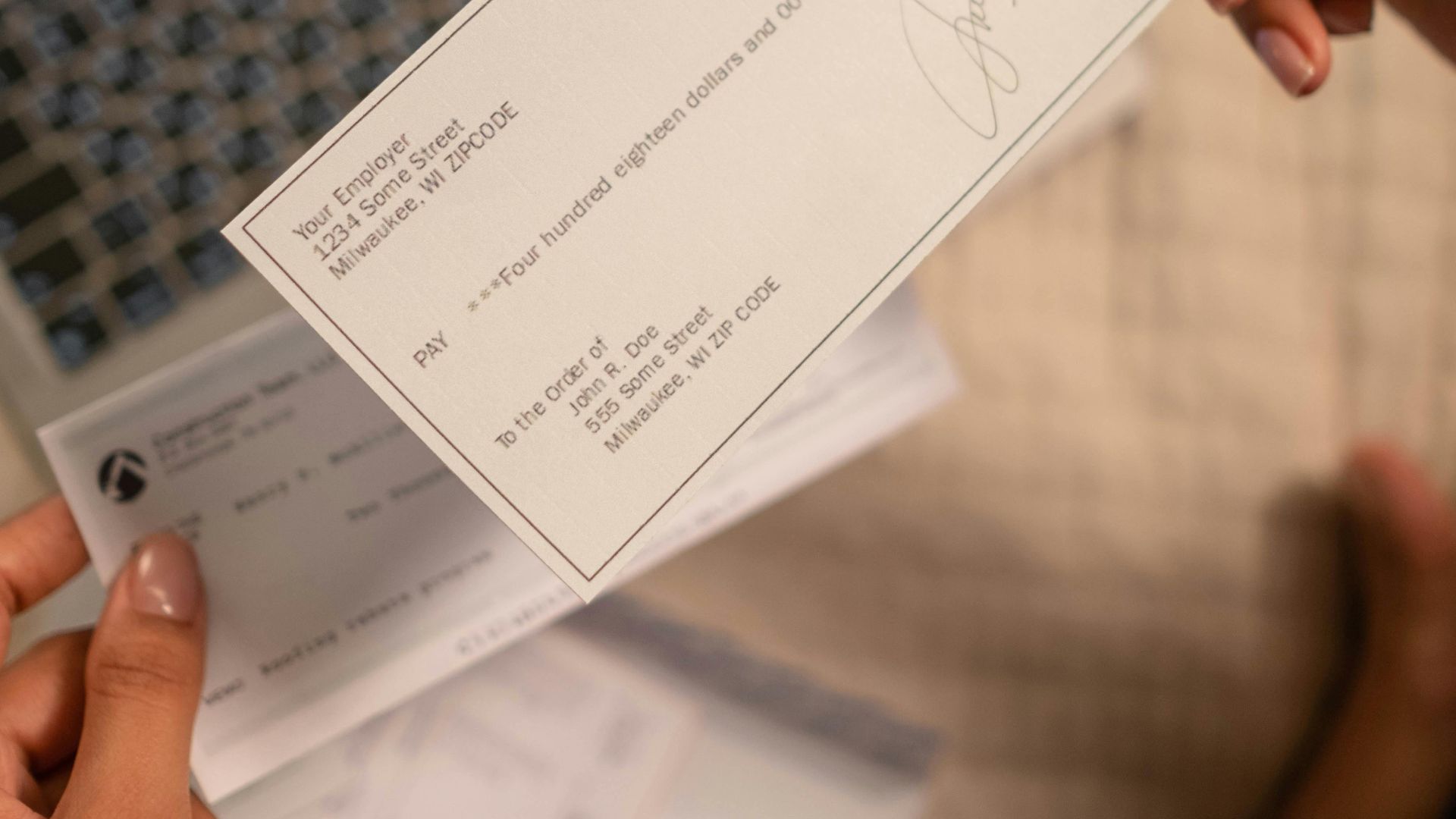
Many parts of adult life depend on proof of income. Landlords, mortgage lenders, car lenders, and even some colleges want official records like pay stubs, W-2s, or tax returns. If your wages were never properly reported, you may struggle to show steady income even if you worked consistently. That can make it harder to rent an apartment, qualify for a loan, or prove income for other applications.

Immigration And Benefits Issues Can Get Complicated Fast
For some workers, unreported pay can create added risks tied to immigration records, public benefits, or income verification. The details depend on the program and the person’s situation, but the common problem is the same. There is no clean paper trail. When a government agency asks for documented earnings, under-the-table pay can leave you exposed. That can turn a simple arrangement into a major paperwork problem.
 Michael Ball, Wikimedia Commons
Wage Theft Is Easier When Nothing Is On Paper
One of the biggest real-world dangers is that an employer who pays off the books may also feel free to underpay you, skip overtime, or simply not pay you at all. Without regular payroll records, proving how many hours you worked and what you were promised can be much harder. Labor laws may still protect you, but enforcement gets tougher when the employer never created proper records. A handshake deal does not help much when payday goes wrong.

There Are Very Few Situations Where This Is A Good Idea
For an employee, there is usually no real advantage to knowingly accepting unreported wages. Even if you plan to report the income yourself, you are still taking on risk because the employer is breaking payroll and labor rules. The only smart move is usually to insist the arrangement be made legal before you do the work. If a boss will not put you on proper payroll, that is a serious red flag.

If You Already Accepted, Don’t Panic
If this has already happened, the smartest move is to get organized instead of freezing up. Save texts, emails, schedules, payment records, bank deposits, and any messages showing what you were paid and when. Those records can help if you need to report the income, fix your tax filings, or make a wage claim. The sooner you gather proof, the better your options usually are.

You Can Still Report The Income
If you were paid and no taxes were withheld, that does not mean you are stuck hiding it forever. You can usually report the income on your tax return, and the IRS has information for workers whose employers did not properly withhold payroll taxes. Reporting income does not erase every issue, but it can lower your own risk compared with pretending the money never existed. If the situation is messy, a tax professional can help you figure out the best way to handle it.
 Joshua Doubek, Wikimedia Commons
What To Say If Your Boss Makes The Offer
You do not need a dramatic speech to shut this down. A simple response like, “I’m only comfortable being paid through regular payroll with taxes handled properly,” gets the point across. If they push back, that tells you something important about the workplace. A legitimate employer should have no problem paying you legally.

When It Makes Sense To Talk To A Professional
If the amount of money is large, the arrangement lasted a while, or you are worried about taxes, benefits, or immigration consequences, it may be worth talking to a CPA, enrolled agent, tax attorney, or employment lawyer. State labor agencies can also help with wage and hour issues, unemployment questions, and misclassification problems. You do not have to guess your way through it alone. Getting advice early can keep a smaller problem from growing.

How To Spot Related Red Flags
Under-the-table pay often shows up with other bad practices. Watch for employers who refuse to give wage statements, avoid written schedules, pay different rates than promised, deny overtime automatically, or call everyone a contractor no matter what the job actually looks like. Those are signs the business may be ignoring more than one labor and tax rule. If one thing feels shady, trust that instinct and ask questions.

The Bottom Line On “Under The Table” Pay
For most workers, under-the-table pay is not a smart shortcut. It is a risky setup that mainly helps the employer. You can end up owing taxes, losing legal protections, hurting your future benefits, and struggling to prove your income when it matters. Being paid legally may feel less appealing in the moment, but it protects you in ways that cash in an envelope cannot. If your boss offers to pay you off the books, the safest answer is usually no.