The Hot Take Everyone Has Heard
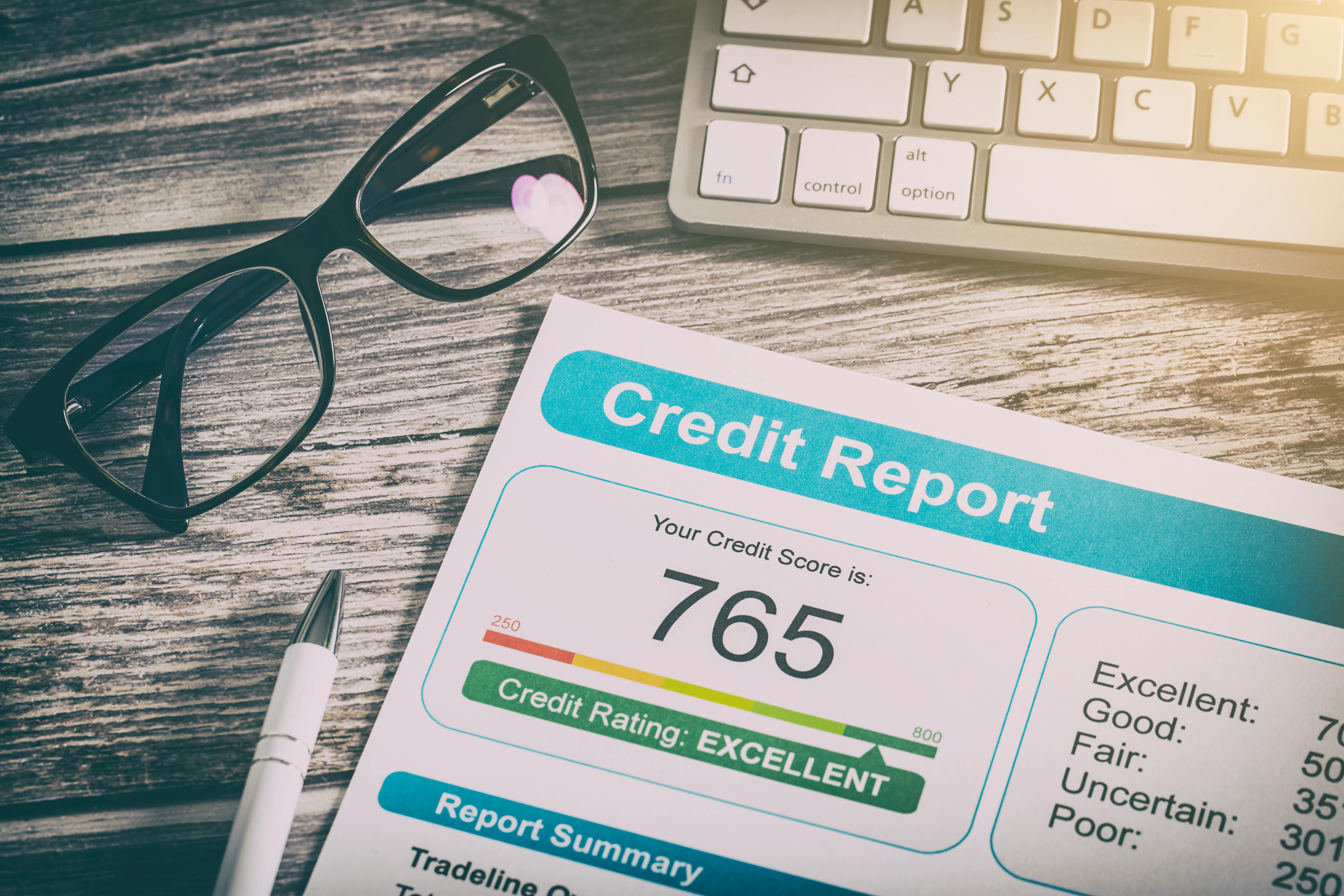
It's pretty easy to see why people say credit scores are a scam. A three-digit number can affect whether you get approved for an apartment, car loan, or credit card, and it can change how much interest you pay. But if you plan to borrow money or rent a place in the United States, ignoring your credit score is usually not a smart move.
 RDNE Stock project, Pexels, Modifed
What A Credit Score Actually Is
A credit score is a risk estimate, not a grade on your character. Lenders use it to judge how likely someone is to pay back debt, based on information in credit reports. The Consumer Financial Protection Bureau says scores are built from data collected by the major credit bureaus and used in decisions about loans, housing, and in some states, insurance.

Where The System Came From
Credit reporting in the U.S. started long before computers took over. The modern score really took shape in 1989, when Fair, Isaac and Company introduced the first general-purpose FICO score. That changed lending by turning a messy, case-by-case review into a standard system lenders could use on a huge scale.

Why People Distrust It
The backlash did not come from nowhere. Credit scoring can feel confusing, and mistakes in credit reports have been a problem for years. The CFPB has also warned that scores can drop for reasons that do not always seem fair, especially for people with thin files or short credit histories.

The Big Three Keep The Files
Equifax, Experian, and TransUnion are the three big nationwide credit bureaus. They collect details like payment history, balances, account age, and other data from lenders and public records, then turn it into credit reports. Companies like FICO and VantageScore use those reports to create scores.
 Tyler Lahti, Wikimedia Commons
FICO Still Dominates The Conversation
FICO says its scores are used in more than 90% of top lenders' decisions, which is why people often use "credit score" and "FICO score" like they mean the same thing. They do not. FICO is just the biggest name in the game, while lenders may also use industry-specific versions or different scoring models.

There Is More Than One Credit Score
This is where things get annoying. You can have several credit scores at once, because different companies use different formulas and each bureau may have slightly different information about you. The CFPB notes that scores can change depending on which report is used and which model is applied.

VantageScore Entered The Scene Later
VantageScore launched in 2006 as a joint project from Equifax, Experian, and TransUnion. It was built as an alternative to FICO and uses a different formula, even though it still relies on similar credit report data. So if one site shows a different score than another, there is a real reason for it.

Ignoring It Can Work In One Narrow Sense
If you never borrow, never use mainstream credit cards, buy cars with cash, and live in housing where no landlord checks your credit, then yes, you can get by without caring about your score. Some people do exactly that. But it is a narrow lifestyle, and it cuts off a lot of common options.

Borrowing Gets More Expensive Fast
For people who do borrow, credit scores can directly change the interest rate they get. The CFPB explains that lower scores can mean higher rates and bigger monthly payments over the life of a loan. That is not some tiny penalty. A worse rate on a car loan or mortgage can cost thousands.

Mortgages Are Where This Really Hits
Mortgage lending is one of the clearest examples of why ignoring credit can backfire. Fannie Mae and Freddie Mac both use credit-related underwriting standards, and mortgage lenders usually lean heavily on FICO-based models. A weak score or no score can make approval harder, limit your choices, or raise your costs.

No Score Can Be A Problem Too
Having no usable score is not the same as having a good one. The CFPB has pointed out that people who are "credit invisible" or who do not have enough history can run into roadblocks with regular financial products. In real life, that can mean fewer approvals or more paperwork when they try to borrow for the first time.

Landlords May Care Even If You Do Not
A lot of landlords and property managers check credit reports or scores when screening tenants. That means someone who ignores credit can still run into it when trying to move. Even if a landlord does not require a high score, negative marks can mean a bigger deposit or tougher approval standards.
 LinkedIn Sales Solutions, Unsplash
Insurance And Utilities Can Also Pull Data
Credit history can affect more of daily life than people think. The CFPB notes that some insurers use credit-based insurance scores where state law allows it, and utility companies may ask for deposits if they see risk factors. So even people who avoid loans can still feel the effects.

Employers Usually Cannot See Your Score
This is one area where myths spread fast. Employers that run background checks usually do not see your actual credit score. The Federal Trade Commission says employers can review a modified credit report with your written permission, but credit scores generally are not included.

The Biggest Piece Is Payment History
FICO says payment history is the biggest factor in its scoring model. Paying late, sending accounts to collections, or defaulting on loans can do serious damage. If someone is ignoring their score because they are also ignoring due dates, that usually gets expensive fast.

Credit Utilization Matters More Than People Think
Another big factor is how much of your available revolving credit you are using. FICO says high balances compared with your credit limits can hurt scores, even if you pay on time. That is why a score can dip after a big purchase and then bounce back after the balance is paid down.

Age Of Accounts Helps Build Stability
Scoring models also reward longer credit histories. Older accounts help show a longer record of handling debt. That means closing your oldest credit card in a fit of frustration can sometimes backfire.

New Applications Can Cause Small Dings
When you apply for new credit, lenders may make a hard inquiry on your report. FICO says hard inquiries can affect scores, though usually only a little, and rate shopping for certain loans is often treated more gently within a set time. The basic point is simple: opening accounts carelessly can chip away at your score.

Errors Are A Real Reason To Pay Attention
Even if you hate the system, ignoring it can leave mistakes sitting there unchecked. The FTC has long advised consumers to review their credit reports because errors in identity details, account status, or collections can drag scores down. If you never look, a fake late payment or fraudulent account can keep hurting you.

You Can Check Reports For Free
Federal law gives consumers access to free credit reports from the nationwide bureaus through AnnualCreditReport.com. That site became especially important during and after the pandemic, when more frequent free access was made available. You do not need to buy a monitoring service just to see what is in your file.

You Can Dispute Wrong Information
The Fair Credit Reporting Act gives consumers the right to dispute inaccurate or incomplete information in their credit reports. The CFPB and FTC both explain how to file disputes with the credit bureau and the company that supplied the data. That is one of the strongest arguments against ignoring credit completely, because you cannot fix what you never check.

Building Credit Does Not Mean Drowning In Debt
People sometimes talk like paying interest is the only way to build credit, but that is not true. Using a credit card lightly and paying it on time can build history without carrying a balance. CFPB guidance also points to tools like secured cards and credit-builder products for people starting from scratch.

Alternative Data Is Slowly Expanding Options
There has been a real push to bring more people into the mainstream credit system. Experian Boost launched in 2019 and lets some users add certain utility and telecom payment data to Experian credit files, and newer scoring models have tried to count more kinds of behavior. Still, lenders do not all use these tools the same way, so they are not magic fixes.

Some People Choose Manual Underwriting
In some cases, borrowers with little or no score can still get approved through manual underwriting. That often means showing proof of rent, utility payments, bank statements, and other records to show they are reliable. It can work, especially with some mortgage programs, but it is usually slower and less convenient than having established credit.

Debt Freedom And Credit Neglect Are Not The Same
A lot of people mix up two very different ideas. Avoiding unnecessary debt can be smart. Neglecting your credit profile is something else entirely, with its own downsides. You can borrow sparingly, pay balances in full, and still keep a solid score for the times when life gets expensive.
When Ignoring Credit Is Most Risky
This approach gets riskiest when you expect a big financial move in the next few years. Buying a home, financing a car, switching apartments, or even setting up services in a new city can all get harder with bad credit or no score. The problem with ignoring credit is that it often matters most right when you suddenly need it.

So Can It Actually Work
Yes, but only if your life is set up to avoid the many places where credit gets checked. For most adults, that is a clunky way to live, and it can get expensive when a major purchase or move comes along. The practical answer is simple: you do not need to obsess over your score, but completely ignoring it usually is not a winning strategy.