Why This Raises A Big Red Flag
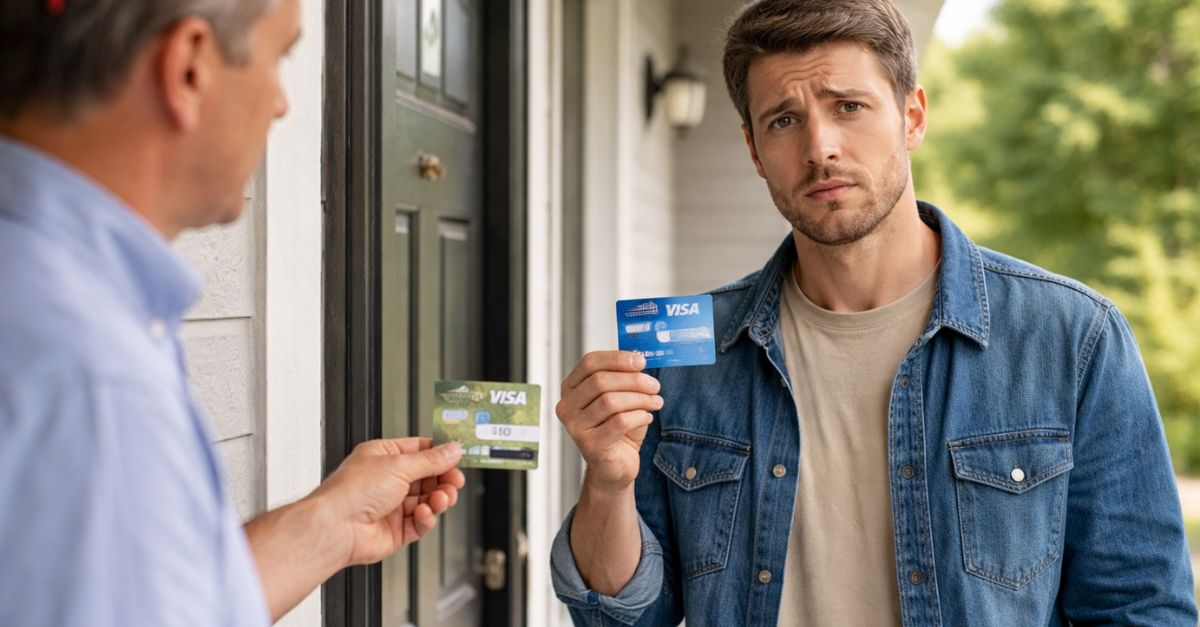
It makes sense to be concerned if your landlord wants their rent in gift cards, even if it doesn't seem like it would technically be a problem. Gift cards are hard to track, easy to cash out fast, and a common tool for scammers. In normal rental situations, landlords usually take checks, bank transfers, online payments, or other standard methods that leave a record. A demand for gift cards is strange enough that it deserves a very close look.
 FactinateGift Cards Are A Classic Scam Payment
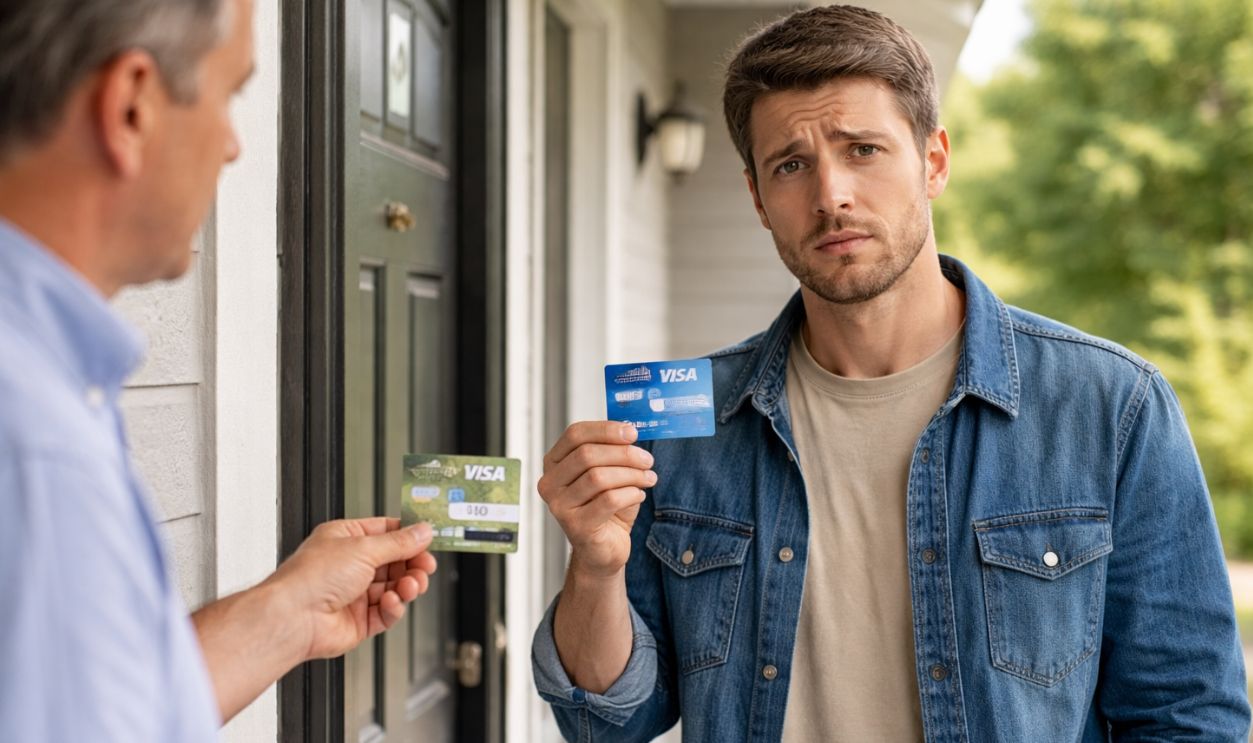
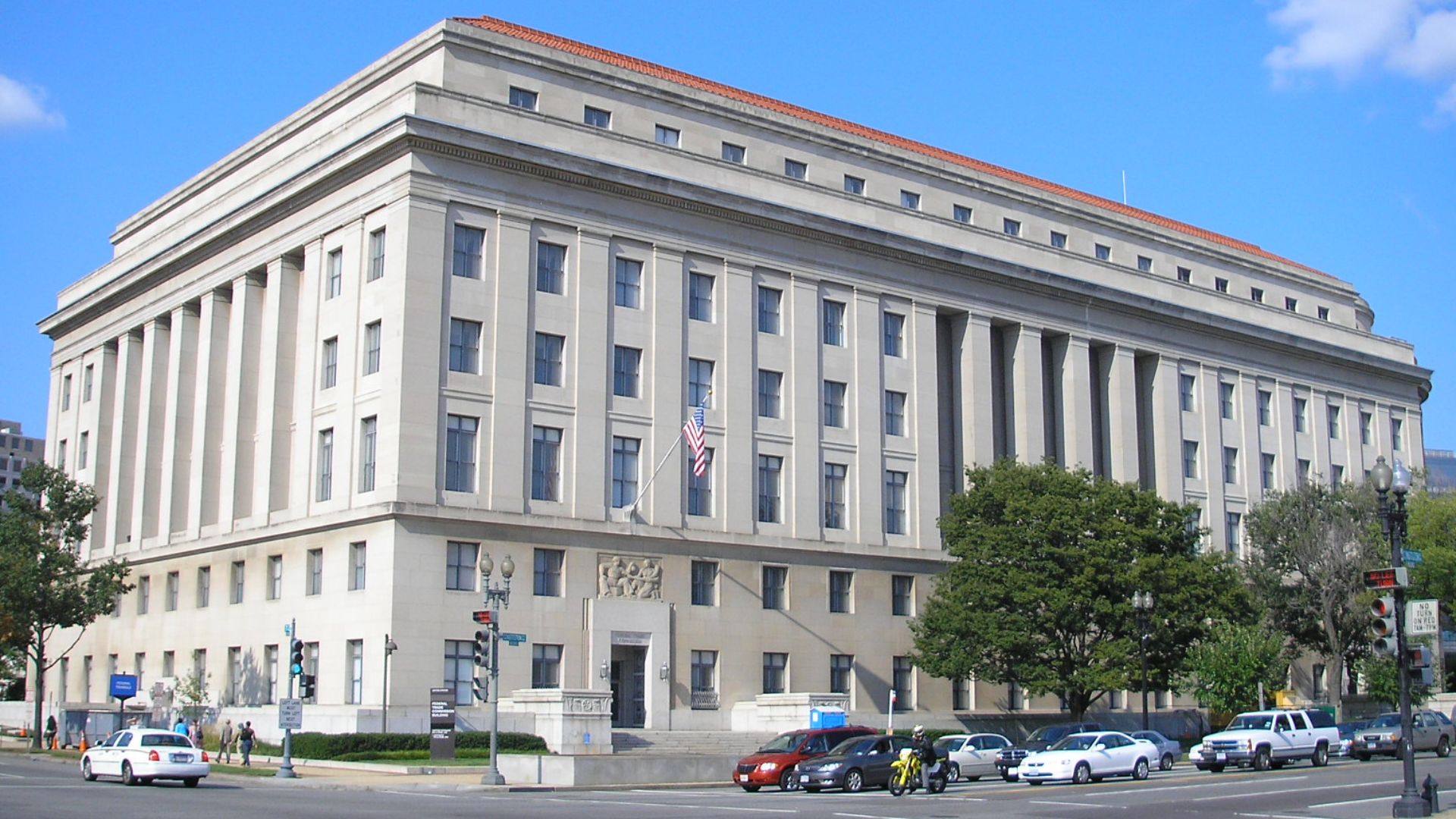
The Federal Trade Commission has warned for years that anyone demanding payment by gift card is often running a scam. Once you send the numbers on a gift card, the money is usually gone. Unlike many bank or credit card payments, gift cards usually do not come with real fraud protection. If a landlord insists on this method, that alone is a serious warning sign.
Illegal Or Just Weird?
Whether it is outright illegal depends a lot on where you live and what your lease says. In many places, landlord-tenant laws do not talk about gift cards directly, but they may require landlords to allow normal forms of payment or provide receipts. So even if no law literally says “gift cards are not allowed,” the practice could still break consumer protection rules, lease terms, tax rules, or local housing laws. At the very least, it is highly suspicious.

Your Lease Is The First Place To Look
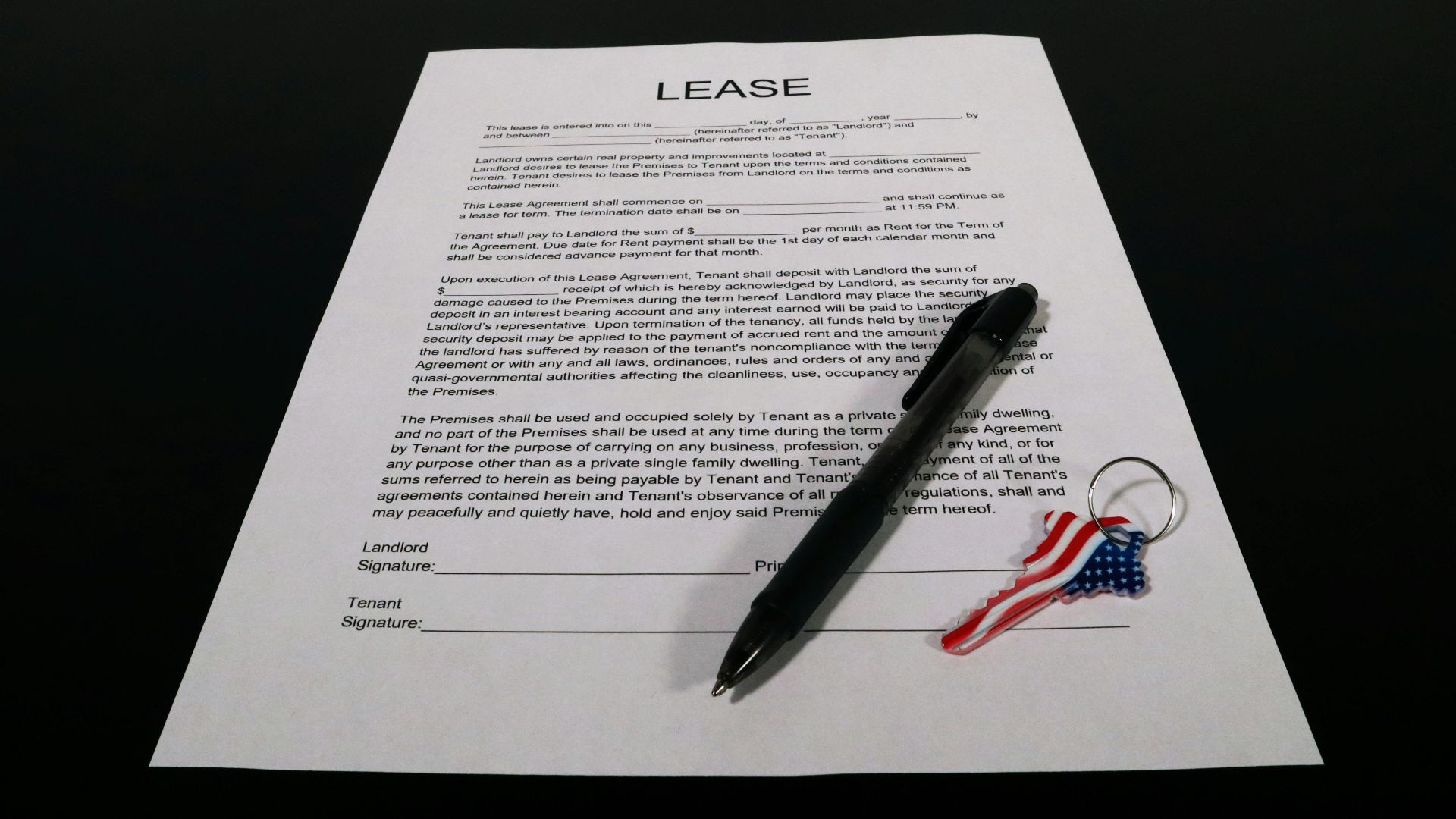
Start by reading the payment section of your lease carefully. If the lease says rent is paid by check, cash, money order, online portal, or bank transfer, your landlord usually cannot just switch that on their own without notice or agreement. A landlord trying to force a brand-new payment method in the middle of a lease may be breaking the contract. That matters because the signed lease usually controls the rent amount, due date, and payment methods.
Some States Require A Way To Pay That Isn’t Cash Only
Some places have rules that protect tenants from overly restrictive payment demands. For example, California law generally says a landlord cannot require cash as the only form of payment except in limited cases. Rules like that exist because cash-only systems can make it harder for tenants to prove they paid. A gift-card-only demand can raise the same kind of concern, especially if it seems designed to avoid a paper trail.
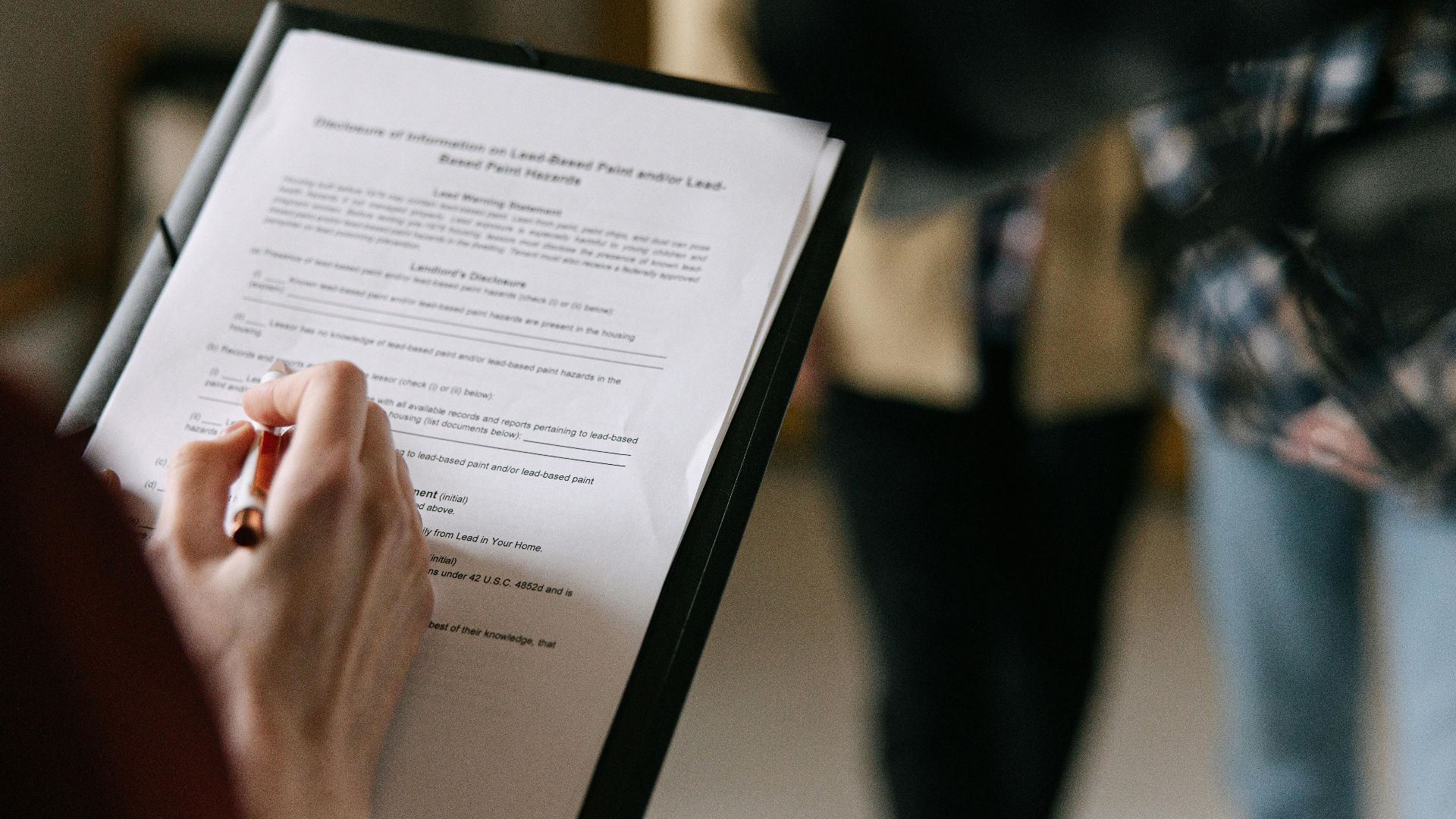
Receipts And Paper Trails Matter A Lot
Rent payments should be easy to prove. A canceled check, transfer confirmation, money order stub, or receipt can help protect you if there is ever a dispute. Gift cards are bad for this because they do not clearly show that the payment was for rent, who used them, or when the landlord actually redeemed them. If your landlord later claims you never paid, proving the truth could get much harder.
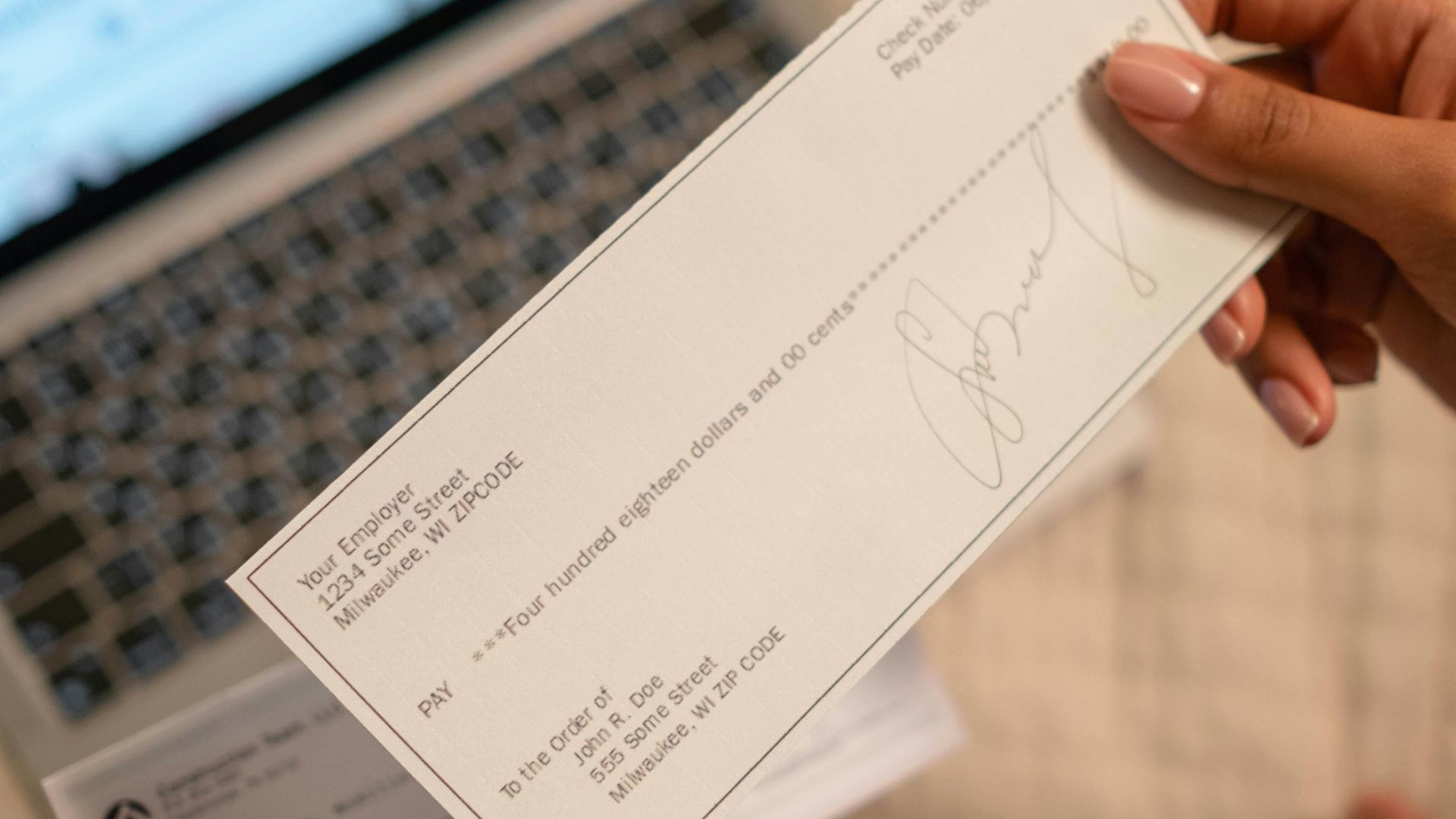
It Could Be A Tax Or Reporting Problem
Landlords usually have to report rental income on their taxes. Asking for gift cards instead of traceable payments can look like an effort to avoid clear records of income. That does not automatically prove tax evasion, but it is one reason officials are wary of off-the-books payment requests. If a landlord is pushing you toward an untraceable system, that is a bad sign.
There’s Also A Chance You’re Not Dealing With Your Real Landlord
Sometimes a scammer gets into an email account, fakes a phone number, or pretends to be a property manager in order to redirect rent payments. A message saying you should buy gift cards and send the codes can be part of that kind of fraud. Before paying anything, contact your landlord using a phone number or email address you already know is real, not the contact information in the suspicious message. This is especially important if the request came out of nowhere.

If The Request Came By Text Or Email, Slow Down
Scam messages often try to create urgency by saying your rent will be late unless you act right away. They may also claim the normal payment system is temporarily down and that gift cards are the only option. That pressure is meant to stop you from thinking clearly. A real landlord should be willing to confirm any payment change through normal channels and in writing.

What About Cash-App Style Payments?
Digital payment apps are not the same thing as gift cards, even if both can seem less formal than a check. Services like bank transfer, ACH, or a rental portal usually create a record that can be saved and checked later. Gift cards do not work that way and are much harder to tie to a rent payment dispute. So if your landlord says gift cards are basically the same as digital transfer, that is not true.

Can A Landlord Choose How Rent Is Paid?
In general, landlords do have some power to set payment methods, especially when a lease is first signed. But that power is not unlimited and may be shaped by state law, local rules, and the lease itself. Courts and housing agencies usually care about whether the system is clear, fair, and easy to document. A strange method like gift cards may be much harder for a landlord to defend.
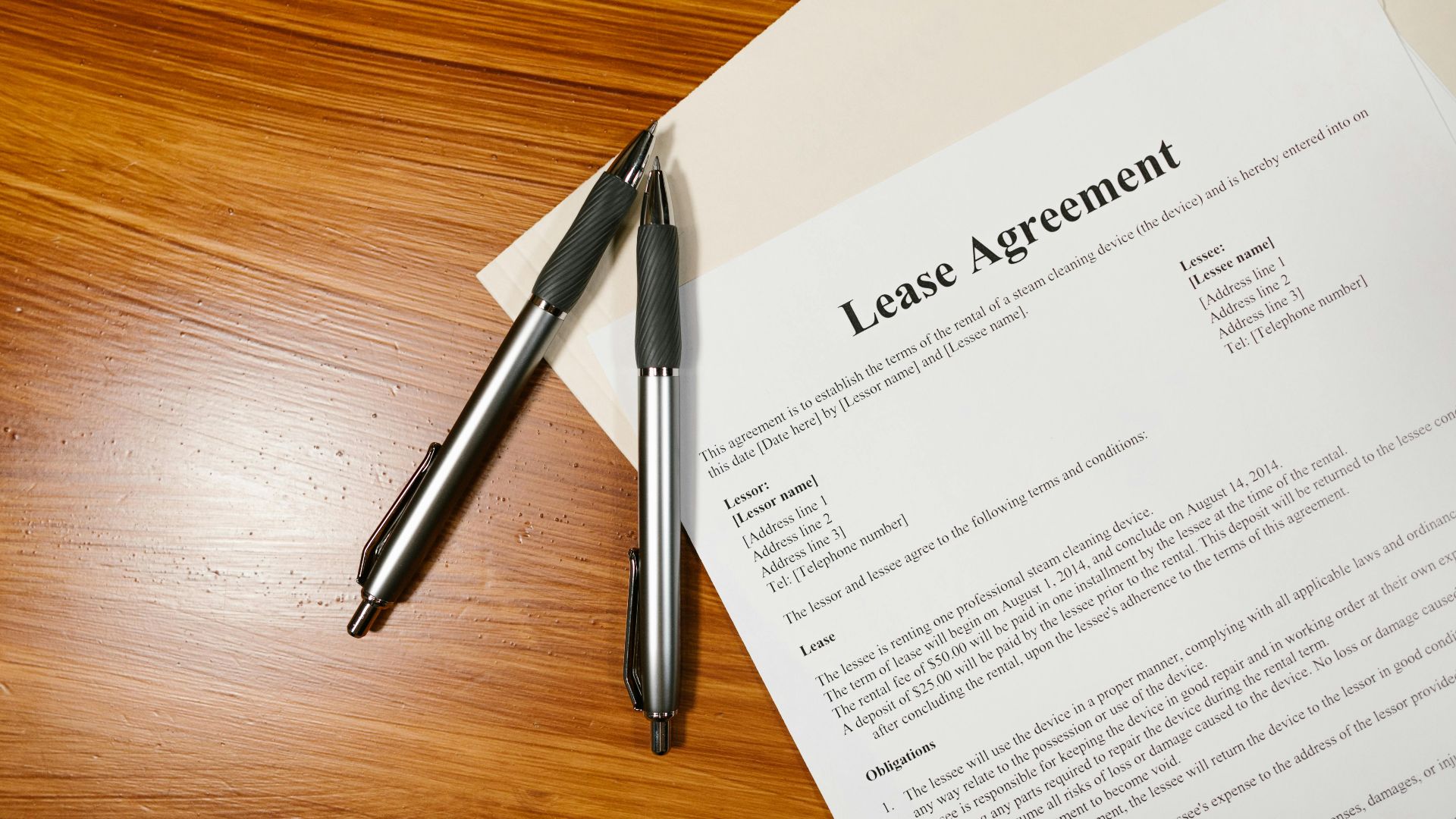
Consumer Protection Laws May Come Into Play
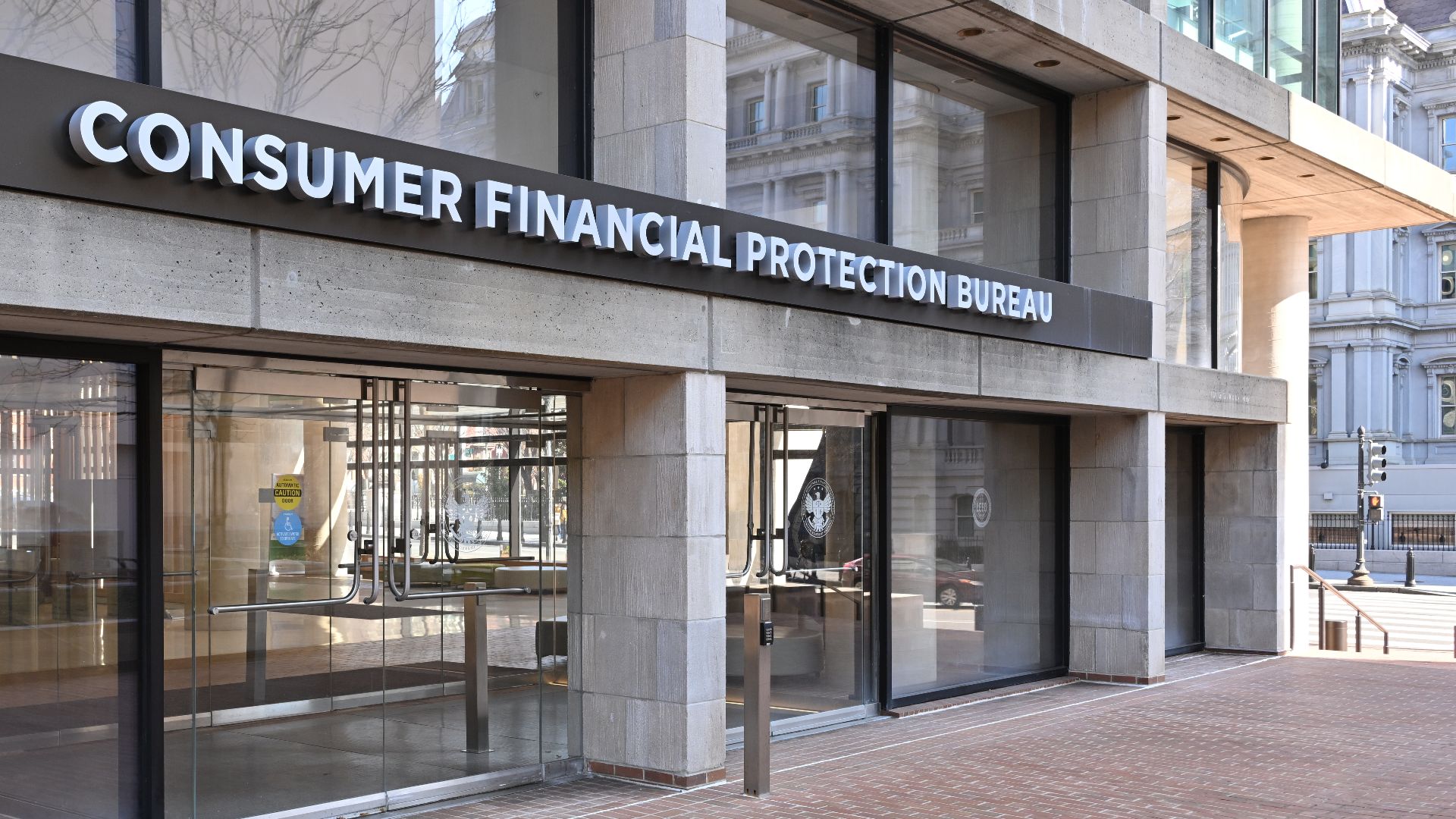
If a landlord lies about why gift cards are required, refuses to credit your rent properly, or uses deceptive tactics, consumer protection rules might apply. State attorneys general and consumer agencies often warn that unusual payment demands can point to fraud or unfair business practices. Housing disputes are not always just contract issues. They can overlap with broader anti-fraud laws too.
 G. Edward Johnson, Wikimedia Commons
What If You Already Paid In Gift Cards?
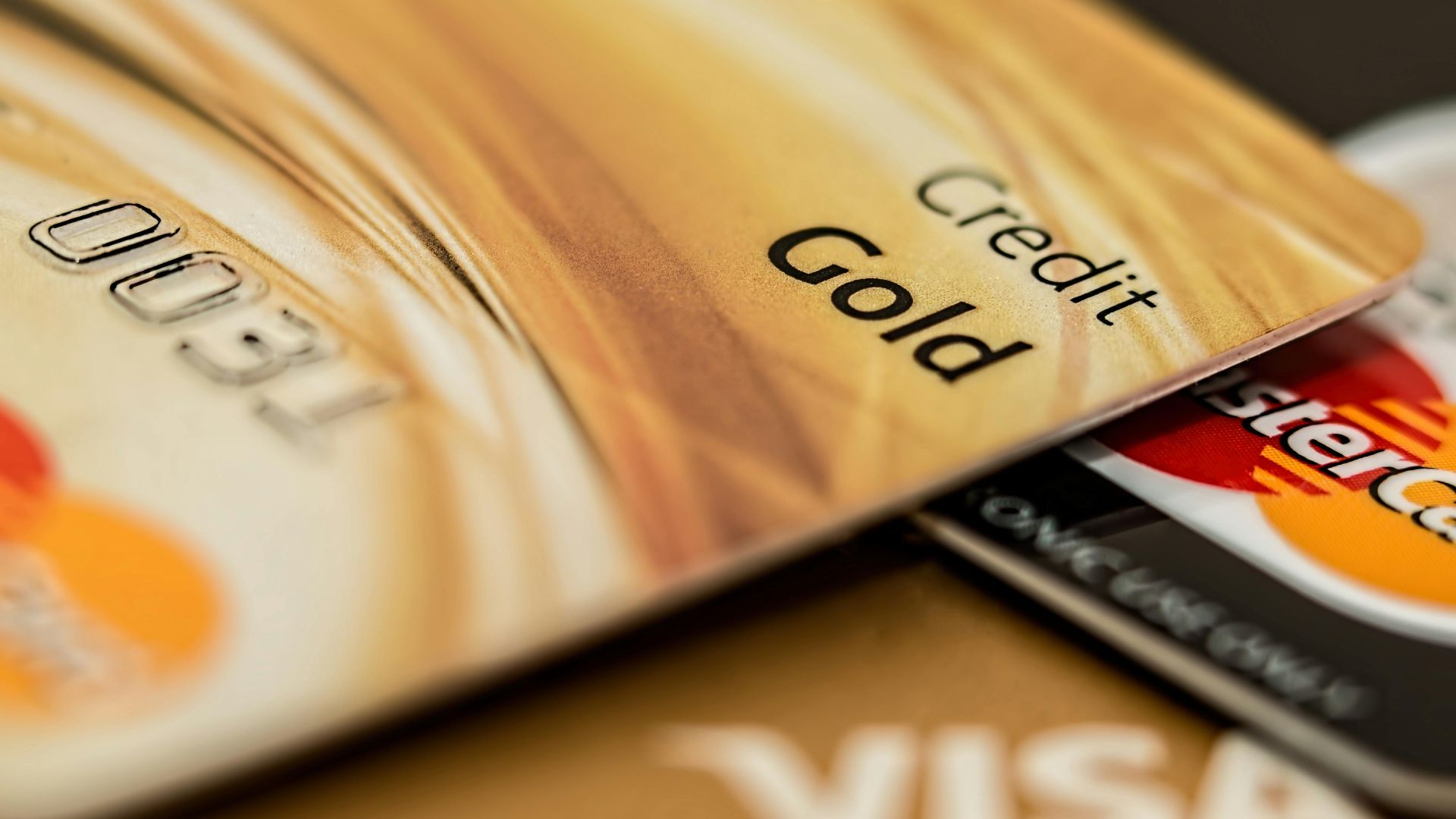
If you already sent gift card numbers, move quickly. Keep photos of the cards, receipts, packaging, texts, emails, and any proof of the landlord’s demand. Report the issue to the gift card company right away, because in some cases they may be able to flag or trace the funds, though getting the money back is often hard. You should also document the payment attempt in writing to your landlord and ask for a formal rent receipt immediately.
How To Respond Without Making Things Worse
You do not need to accuse your landlord of a crime in your first reply. A simple written response can say that you will keep paying through the method listed in the lease unless both sides agree in writing to a lawful change. Ask them to confirm the request and explain why the change is needed. If they back off or get evasive, that tells you a lot.

Put Everything In Writing
If this turns into a dispute, written records will matter. Save screenshots, emails, voicemails, and notices related to the payment request. If you talk by phone, send a follow-up email that sums up what was said and asks the landlord to confirm it. Good documentation can make a big difference if you end up dealing with a tenant board, housing agency, or lawyer.

Do Not Stop Paying Rent Without A Plan
Even if the gift card demand seems shady, you usually should not just ignore your rent obligation. Instead, try to pay using the method allowed by the lease and keep proof that you tried. If the landlord refuses proper payment, document that refusal carefully. In some places, there may be formal ways to handle disputed rent payments, including paying into court or through a local housing process.

A Tenant Rights Group Can Help Quickly
If you are not sure what your local law says, contact a tenant union, legal aid office, housing clinic, or landlord-tenant board. These groups often know the exact rules in your city or state and can tell you whether the demand violates local law. They can also help you write a response that protects your tenancy. This can be especially helpful if the landlord is threatening late fees or eviction.

Watch For Retaliation
A landlord should not punish you for asking reasonable questions about how to pay rent. In many places, retaliatory conduct tied to a tenant asserting legal rights can be limited or illegal. That does not mean every conflict counts as retaliation, but sudden threats, harassment, or service shutoffs after you object are serious warning signs. If that starts happening, get legal help quickly.

Receipts Should Never Be Optional
If a landlord asks for an unusual payment method and then refuses to give a receipt, that is an even bigger problem. Many places require landlords to provide receipts in at least some situations, especially for cash payments. Even where receipts are not required every time, a professional landlord should still be able to provide one. Refusing to document rent paid by gift card is as sketchy as it sounds.

This Could Affect Eviction Cases Later
If a landlord later claims you missed rent, a judge or tribunal will look at the evidence. Standard payment records are much easier to prove than a handful of retail gift card receipts. If your landlord pushed you into a murky payment system, that could become a major issue in any eviction or collections dispute. Protecting your paper trail now can save a lot of stress later.

When To Treat It As Possible Fraud
If the request is sudden, urgent, secretive, or tied to threats, treat it as possible fraud right away. The same goes for requests to buy specific brands of gift cards or send photos of the back codes. Those are classic scam patterns flagged by consumer agencies. At that point, verifying the landlord’s identity and refusing that payment method is the safest move.

The Bottom Line
If your landlord wants rent in gift cards, your concern is justified. It may not be specifically listed as illegal everywhere, but it is highly unusual, may be unlawful depending on your local rules and lease, and is strongly linked to scams. Do not send gift card numbers until you have independently verified the request and checked your rights. When in doubt, stick to traceable payment methods and get local legal help fast.