
The Inheritance Fight Nobody Wants
Money has a way of turning grief into conflict. One of the most common flashpoints is whether a sibling with children should inherit more than a sibling without them. On the one hand, kids do change things, but on the other, does that mean the sibling without kids is "worth less?" It feels deeply personal, but the answer usually comes down to something far less dramatic. In most cases, what matters is the parent’s estate plan and state law, not who has kids.

Does Your Brother Have A Point
He may have a personal opinion, but that does not automatically give him a legal claim. If your parent left a valid will or trust that divides assets equally, the fact that your brother has children usually does not change that. If there is no estate plan, state intestacy laws decide who inherits. Those laws generally prioritize spouses, children, and close relatives of the person who died, not the grandchildren if their parent is still alive.

What Usually Controls The Outcome
The first thing to check is whether there is a will, a trust, or beneficiary designations on specific accounts. A will governs probate assets, while trusts can pass property outside probate. Retirement accounts and life insurance policies often go straight to named beneficiaries no matter what the will says. So the inheritance picture can be more complicated than one pile of money split in two.

If There Is A Will, Start There
A valid will is usually the clearest answer. If the will says assets are divided equally between children, that is generally the end of the argument unless someone successfully contests the will. Courts usually do not rewrite a will because one heir has more bills or more dependents. Having kids may draw sympathy, but it does not usually create entitlement.

If There Is No Will, State Law Steps In
When someone dies without a will, they die intestate, and state law supplies the rules. The American Bar Association explains that intestacy statutes determine who inherits and in what shares. Those rules vary by state, but siblings inherit only in certain situations, usually if there is no surviving spouse, children, or sometimes parents. Even then, a sibling with children does not normally get a bigger share just because they are raising a family.

Grandchildren Usually Do Not Jump The Line
This is where many families get tripped up. Under standard intestacy rules, grandchildren usually inherit only if their parent, who is the decedent’s child, died before the decedent. If your brother is alive, his children typically do not inherit in his place from your parent’s estate. That means his role as a parent often has no direct legal effect on how the estate is divided between the two of you.

Per Stirpes Is The Phrase To Know
If you have ever seen the words “per stirpes” in a will, they matter. Cornell Law School’s Legal Information Institute explains that per stirpes means a deceased beneficiary’s share passes down to that beneficiary’s descendants. In plain English, if one child of the deceased has already died, that child’s children can usually split the share their parent would have received. It is a rule about stepping into someone’s place after death, not a bonus for having children.

Per Capita Means Something Different
Another phrase that can shape inheritance is per capita, which divides property equally among living beneficiaries in a generation or class, depending on the wording and state law. The result can differ from per stirpes, especially in larger families with deaths in different generations. This is one reason inheritance disputes can get heated fast. A few words can move a lot of money.
Fair Is Not Always Equal
Some parents intentionally leave unequal inheritances, and they are generally allowed to do that. They might decide one child already received major financial help during life, spent years caregiving, worked in the family business, or has a disability that requires more support. On the other hand, a parent can choose equal shares precisely to avoid resentment. Legally, fairness often means honoring the parent’s written wishes, even when an heir hates the result.

Can A Parent Choose To Leave More To The Sibling With Kids
Yes, in many situations a parent can choose that. A parent can leave more to one child, less to another, or set up trusts for grandchildren, as long as the estate plan follows state law and basic legal requirements. The strongest argument your brother could have is not that he has kids, but that your parent actually intended to benefit them more. If that intention is not clearly written down, his claim gets much weaker.

Intent Is Everything
Courts usually focus on the intent of the person who died. The Legal Information Institute notes that the main purpose of probate is to validate a will and carry out the decedent’s wishes. That is why old kitchen-table conversations usually matter less than a signed document prepared with the required legal steps. If your parent wanted grandchildren to receive extra support, the estate plan should say so clearly.

What If He Says It Is Morally Fair
That is a different question from whether it is legally correct. Plenty of people believe resources should flow toward the next generation, and there is nothing strange about that view. But morality is not the same thing as enforceable inheritance law. Families often need to separate “I think this is fair” from “I am legally entitled to this.”

Why This Argument Feels So Loaded
Inheritance fights are rarely just about dollars. They are often about old sibling dynamics, perceived favoritism, and who feels seen or overlooked by the parent who died. A claim like “I deserve more because I have kids” can sound like an accusation that your life choices matter less. That emotional sting is exactly why clear documents matter so much.
 Henri Mathieu-Saint-Laurent, Pexels
Could He Contest The Will
He can try, but a will contest usually takes more than a disagreement over fairness. Common grounds include lack of testamentary capacity, undue influence, fraud, or improper execution. Courts are not usually interested in second-guessing a valid will just because one heir has a more expensive household. If he wants a bigger share, he usually needs evidence, not just a persuasive story.

The Undue Influence Angle
One of the messiest and most common claims in estate fights is undue influence. That means someone allegedly pressured or manipulated the deceased into changing their estate plan. If your brother claims your parent meant to leave more for the grandchildren but someone interfered, that is a serious allegation that would need proof. It is not enough to say the outcome feels wrong.

Capacity Matters Too
Another common challenge is whether the person who signed the will understood what they were doing. State laws vary, but the basic question is whether the person knew the nature of their property, the natural objects of their bounty, and the act they were taking by making a will. Courts can invalidate documents signed when a person lacked capacity. Again, the existence of grandchildren alone does not decide anything.

Beneficiary Forms Can Upend Expectations
A parent may think the will controls everything, but that is often not true. Bank accounts with payable-on-death designations, life insurance policies, and retirement accounts pass according to beneficiary forms. If grandchildren are named there, they may receive assets directly. If they are not named, your brother usually cannot rewrite those forms after death just because he has children.

Trusts Can Be Used To Help Grandchildren
Many families use trusts to provide for minors or to control when younger beneficiaries receive money. A parent who wants to support grandchildren without openly favoring one child can create a trust for education, health care, or future needs. That can be a practical middle ground in estate planning. But it still depends on what was set up before death, not on what a surviving sibling wishes had happened.

What About A Family Home Or Business
These assets can make everything messier. A parent may leave a house equally to children even if one child has kids and wants to keep living there, or leave a business mainly to the child who worked in it. Those choices can feel unequal but still be legally valid. The key question stays the same: What do the documents say, and how does state law treat the asset?

Some States Protect Spouses, Not Siblings
Another reality check is that state law often gives special protections to surviving spouses, such as elective share rights. Siblings usually do not get that kind of built-in protection. So if your parent was married at death, your dispute with your brother may not even be the main issue. The spouse’s rights could sharply reduce what is left for either of you to inherit.

Verbal Promises Are Dangerous Territory
Maybe your brother says your parent told him the grandchildren would be “taken care of.” That may sound persuasive, but it is often legally weak without written support. Oral promises can be hard to prove and may not override formal estate documents. When memory, grief, and money collide, verbal assurances often become fuel for conflict.

An Equal Split Is Often The Default
When parents do create wills leaving assets to their children, equal shares are common because they are simple and easier to defend. Equal does not mean identical life circumstances. One child may be single, another may be supporting a household of five, and a third may be wealthy. Unless the estate plan says otherwise, those differences usually do not change the math.

There Is One Big Exception To Keep In Mind
If your brother received less than equal treatment during your parent’s life because your parent planned to make it up at death, there may be paperwork showing that intention. In rare cases, advancement rules or trust accounting can matter, especially if substantial lifetime gifts were documented as advances against inheritance. This is highly fact-specific and depends on state law. It is worth reviewing the records before anyone digs in too deeply.

How To Respond Without Pouring Gas On The Fire
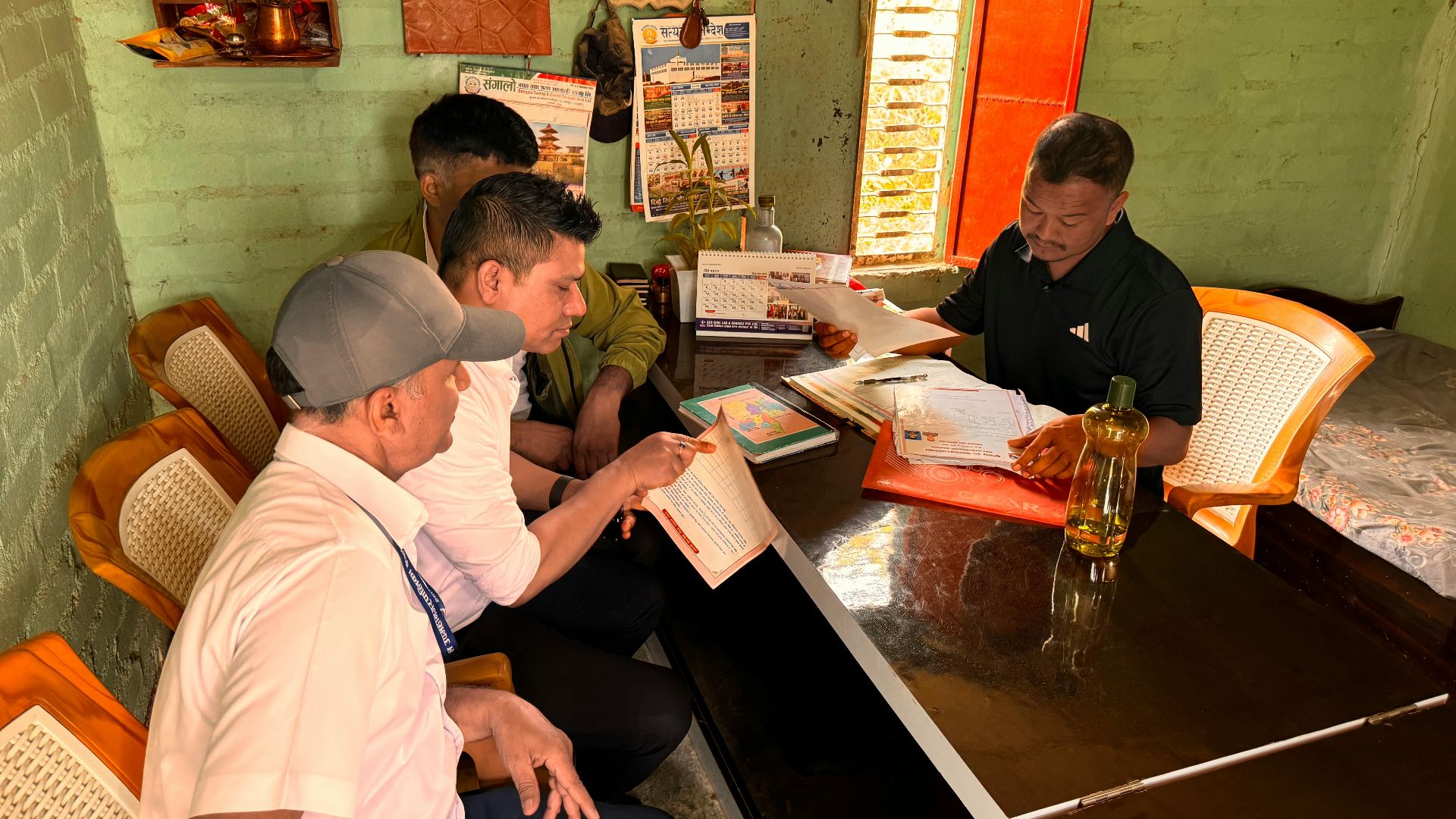
Start by asking for documents, not by arguing over philosophy. Get copies of the will, trust, and beneficiary designations, and find out whether probate has been opened. If there is an executor or trustee, direct questions there instead of relitigating family history at the dinner table. Facts cool things down faster than opinions.

When To Call An Estate Lawyer
If the estate is sizable, the documents are unclear, or your brother is threatening a contest, professional advice is usually worth the cost. An estate attorney can explain your state’s intestacy rules, review execution requirements, and flag any real litigation risk. This matters even more if there are blended families, prior marriages, or property in multiple states. Those details can change the outcome fast.

The Practical Bottom Line
Your brother may have a heartfelt argument, but that does not mean he has a legal one. In most cases, having children does not entitle a sibling to a larger inheritance share unless the parent’s estate plan specifically says so or a special legal rule applies. The boring answer is often the right one. Read the documents, check state law, and do not confuse emotional fairness with legal rights.

What You Can Say In One Calm Sentence
If you need a response that is firm without being harsh, try this: “I understand why you feel that way, but we should follow what the estate documents and the law actually require.” That keeps the focus where it belongs and avoids turning a legal issue into a referendum on anyone’s life choices. It may not end the disagreement, but it is a smart place to start.