
Smart Tips To Let Go, Save Space, And Stay Sane
You open a closet, and an avalanche of forgotten items crashes down on you. Sounds familiar? If your home feels more like a storage unit than a living space, it might be time to downsize.

Define Your Goals
Before you start tossing things into boxes, take a step back and ask: Why am I doing this? Downsizing isn't just about getting rid of stuff—it's about shaping your future. Write down your reasons for downsizing and keep them visible. When you hit decision fatigue, this will keep you motivated.

Set A Timeline
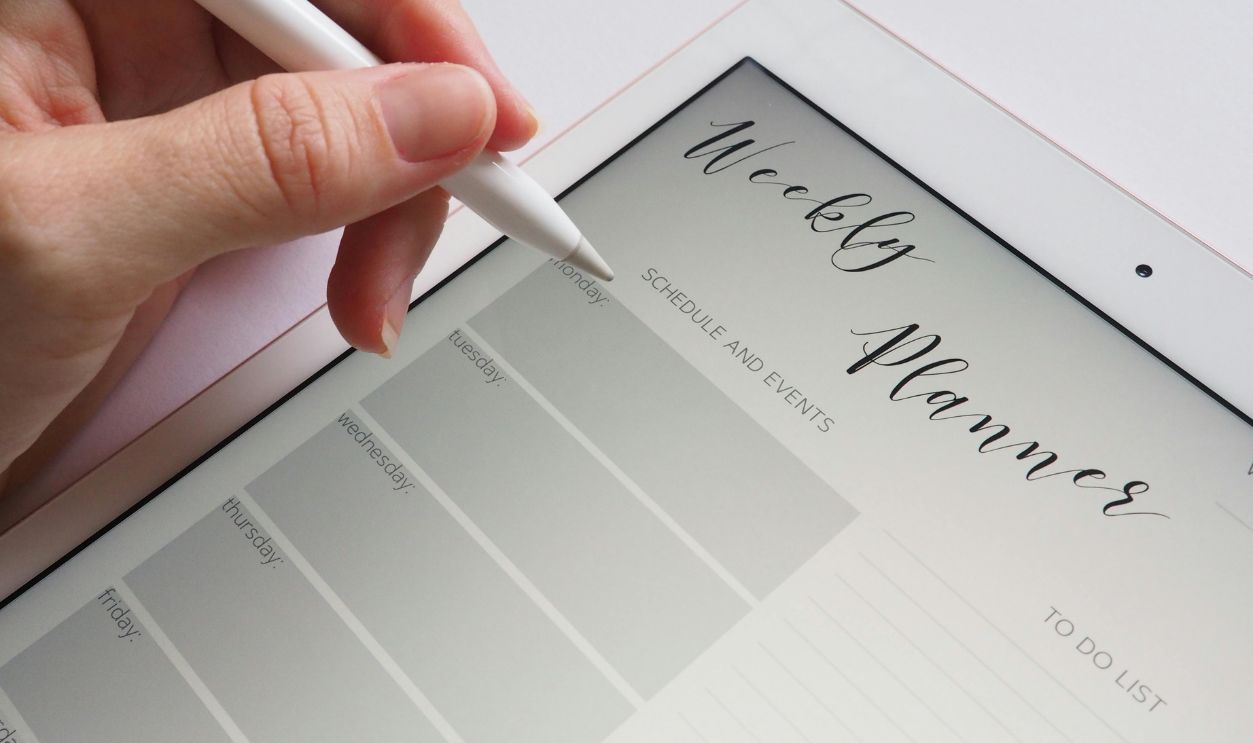
Life gets busy, and suddenly, you're scrambling at the last minute. How much time do you really need? You don't want to be knee-deep in boxes, realizing the moving truck arrives in six hours. Break the process into small, manageable steps, and give yourself deadlines.
Create A Budget
Many believe that downsizing is about saving money. However, it can also cost money. Between moving expenses and new furniture, costs add up fast. It's important to outline all potential expenses because if you don't make money from selling stuff, you might have to haul away your old dining chairs. You need a budget before you dive in.

Assess Your Current Home
That formal dining room you only step into during the holidays? That massive walk-in closet filled with clothes you haven't worn since 2012? Maybe it's time to admit that your home is bigger than your lifestyle. Downsizing means shedding the unnecessary, and that starts with recognizing what you don't need.

Set Priorities
When you're downsizing, you can't take everything with you. The key is to separate the must-haves from the nice-to-haves and the why-do-I-still-have-this. Ask yourself: Do I use this regularly? Does it have significant sentimental or financial value? If the answer is no, it's time to let it go.

Take Inventory
A proper inventory helps you stay organized and prevents you from accidentally donating your grandma's heirloom quilt while keeping that ugly lamp from your college dorm. Create three categories—KEEP, DONATE, and DISCARD. If you're selling things, add a fourth: SELL. This will help you stay on track.

Evaluate Your Lifestyle Needs
Just because you have something doesn't mean you need it. Write a list of must-haves versus nice-to-haves and focus on function. If done wrong, you might downsize too much and find yourself missing things you truly valued—like that spare room for hobbies or a comfortable outdoor space.

Declutter Room By Room
Decluttering can feel overwhelming, but you should take it one room at a time. It's like a video game: you clear one level before moving on to the next. Start with the easiest areas—like the linen closet—before tackling emotional landmines like the attic full of old photo albums.

Consider Multi-Use Items
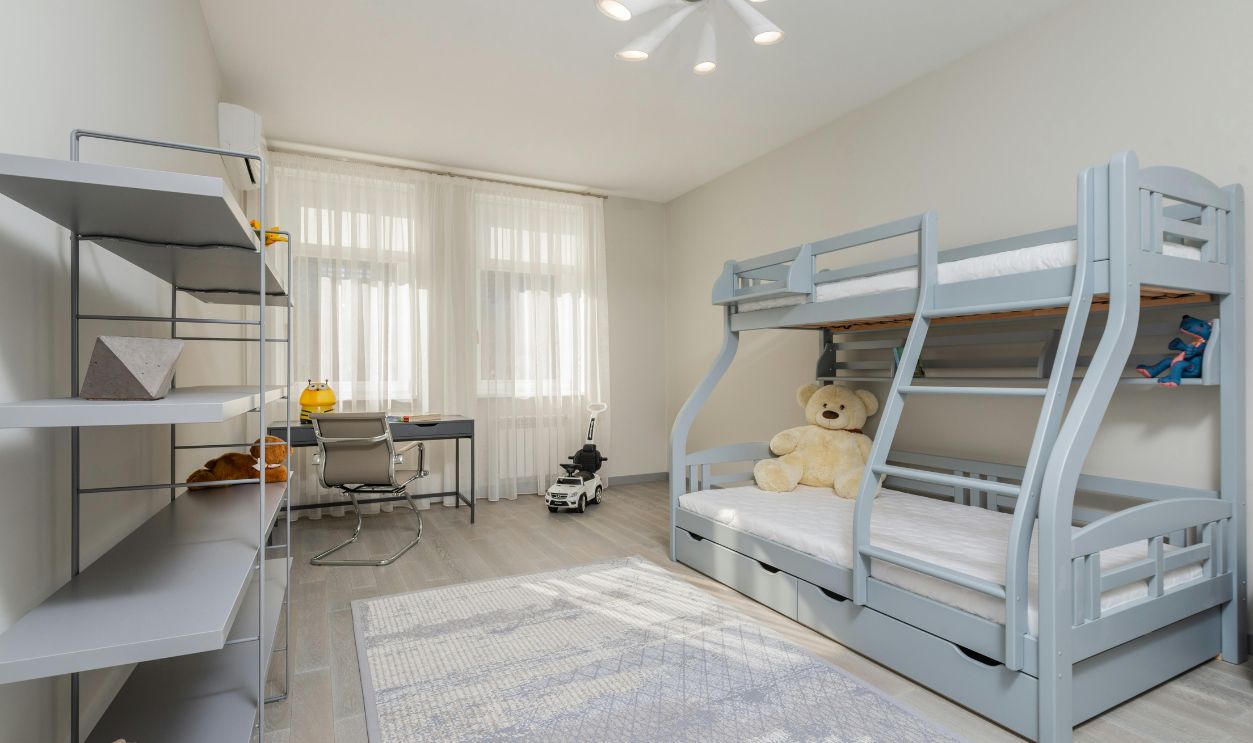
When you're downsizing, space is your most valuable asset, so your furniture should work overtime. Think of a bed with built-in storage or a dining table that folds down. Multi-use items save space, money, and make your smaller home feel bigger and more functional.
Sell Unwanted Items
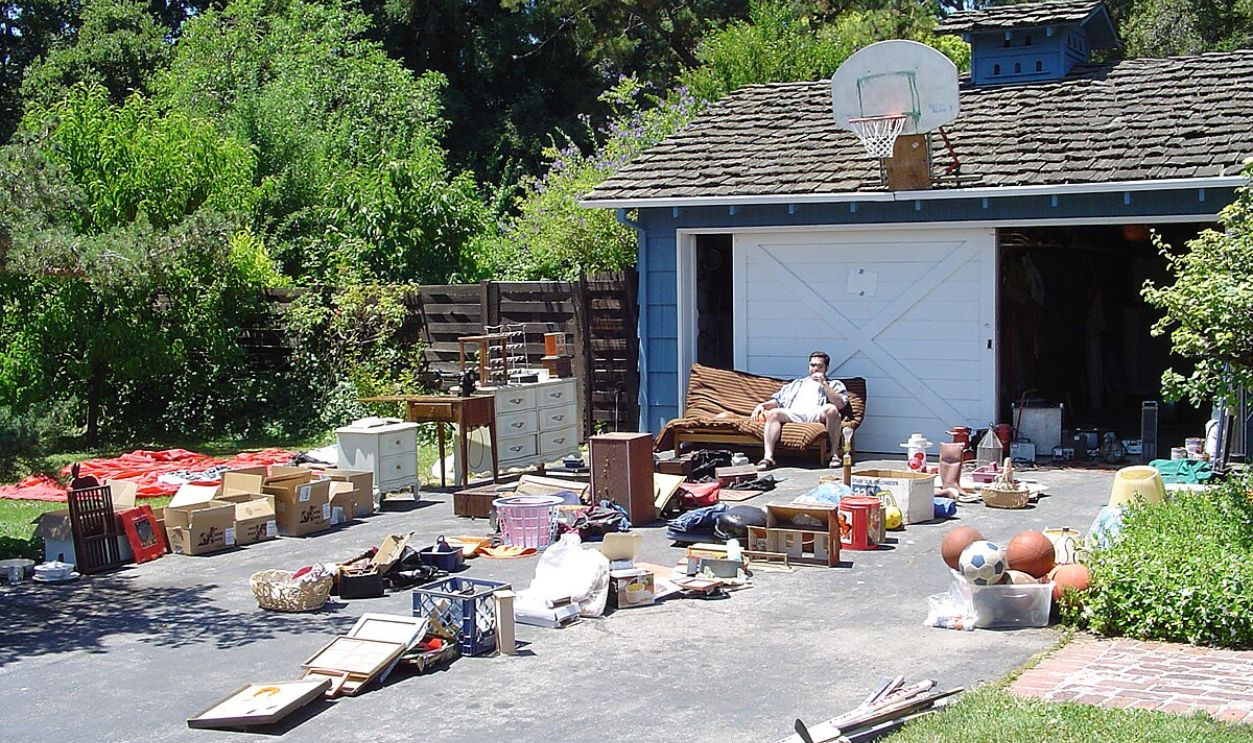
Your old stuff could be someone else's treasure, and you can also put cash in your pocket. Whether it's furniture or that treadmill you swore you'd use, selling your unwanted items on Facebook Marketplace helps fund your downsizing. A classic garage sale can also offload a ton in one weekend.
Donate To Charity
If you'd rather give than sell, donating is a fantastic option. Many charities and thrift stores welcome gently used clothing and household items. It's a win-win: you declutter, and someone else benefits from your generosity. But remember that some places have restrictions on what they accept.

Store Sentimental Items
Sentimental clutter is always the hardest to part with. Old letters, childhood trophies, Grandma's china set… it all tugs at the heartstrings. But instead of holding onto everything, consider off-site storage or digitizing certain keepsakes. Keep a few truly meaningful items and find creative ways to preserve memories.

Digitize Important Documents And Entertainment
Bills, receipts, medical records, and tax documents from a decade ago are all hiding in drawers and boxes you haven't opened in years. Moreover, your old DVDs and books that take up half your living room don't have space in your new downsized space. The solution? Go digital.

Sell Or Recycle Electronics
Somewhere in your house, there's a drawer or an entire closet filled with outdated phones, powerbanks, cables, chargers, and laptops from the early 2000s. These tech relics aren't doing you any favors, and they definitely don't belong in a landfill. Donating or recycling them properly is the way to go.

Sort Through Clothes
If you haven't worn it in a year, chances are you never will. Yet, closets tend to become black holes of "maybe one day" outfits. Try the hanger trick—turn all your hangers backward, and after wearing something, put it back the right way. In six months, donate whatever's still backward.

Evaluate Your Decor
Decor makes a home feel cozy, but too much can make it feel like a storage unit. Downsizing means keeping only the pieces that truly add value to your space—things that bring joy, not just clutter. Focus on a few statement pieces rather than tons of little knickknacks.

Plan For Seasonal Items
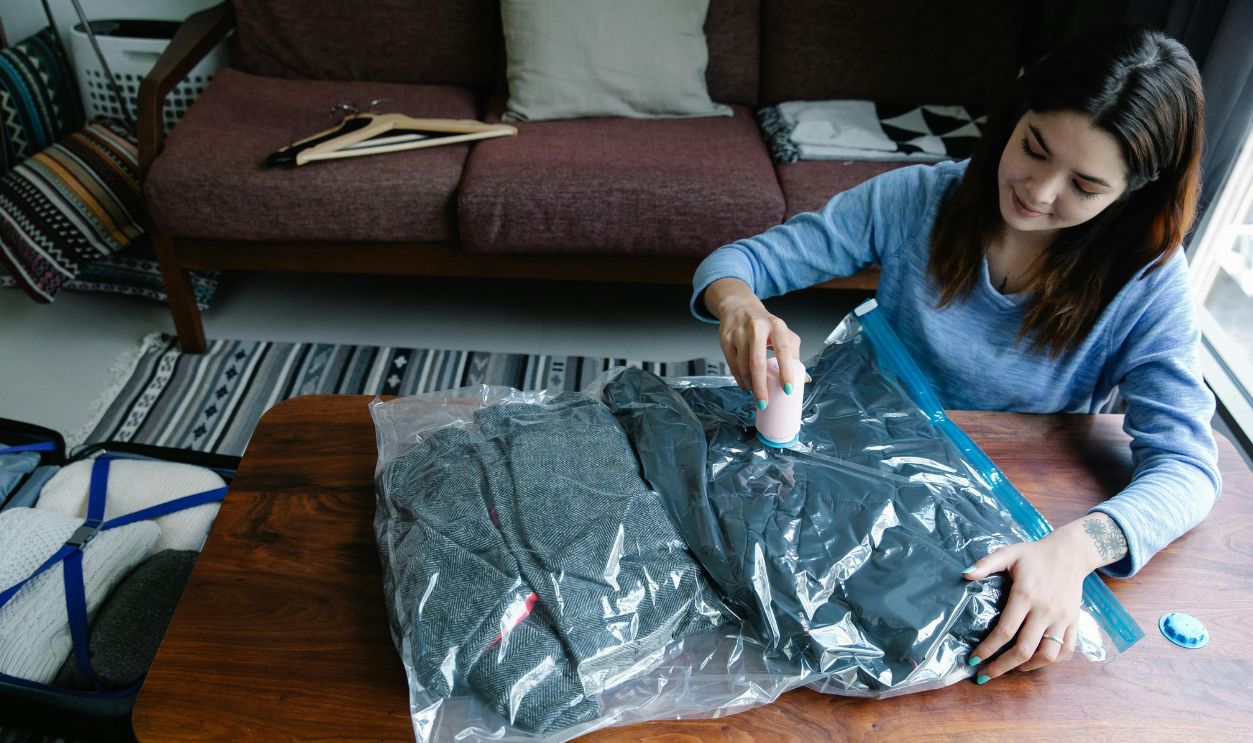
Unless you're living in a place where it snows in July or hits 90°F in December, you probably don't need all your seasonal items accessible year-round. Winter coats and beach gear can be kept in vacuum-sealed bags and stackable bins. But remember to label your storage containers clearly.
Downsize Your Kitchen
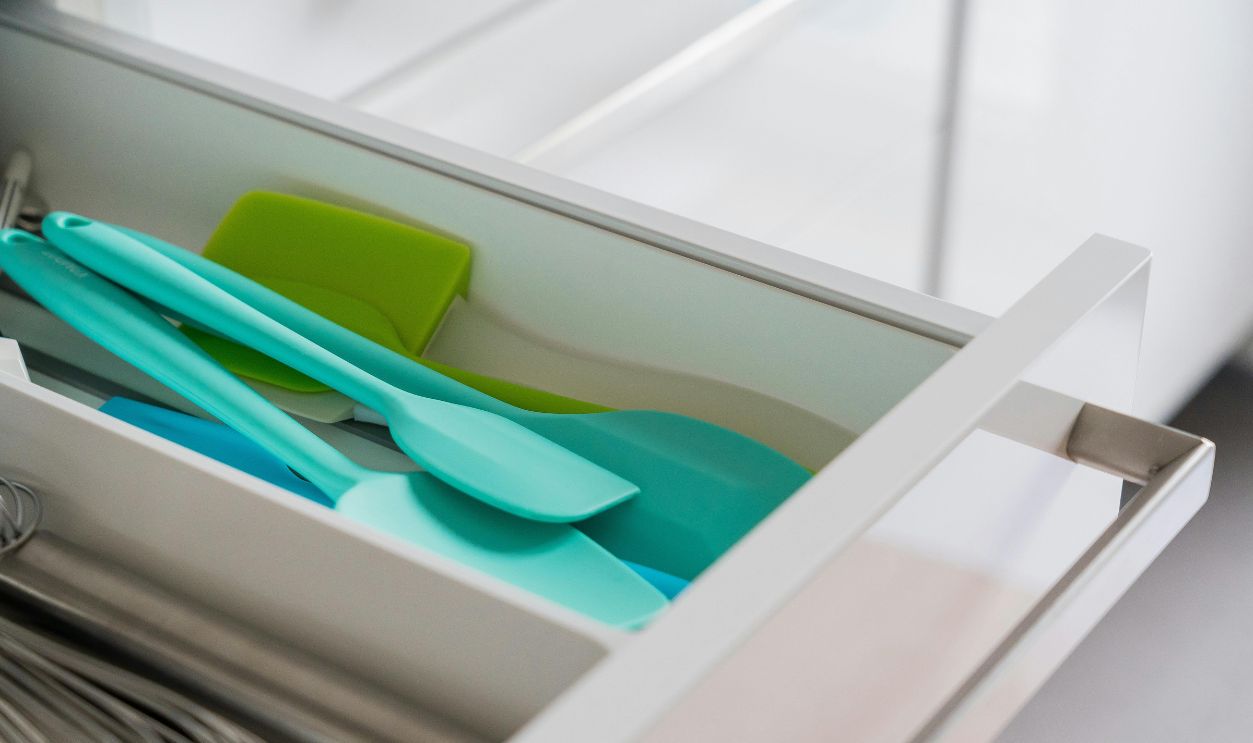
Unless you're hosting a weekly cooking show, you probably don't need six different spatulas. Kitchens are notorious for accumulating unnecessary gadgets, so put whatever you want to get rid of in a probation box. If you don't reach for it after a few months, it's time to say goodbye.
Reassess Your Storage Needs
You probably know that storage spaces will save the day when you're downsizing. But they can become black holes for things we "might" need someday. If you're downsizing, take everything out of your storage areas and only put back what's essential.
Go Minimalist
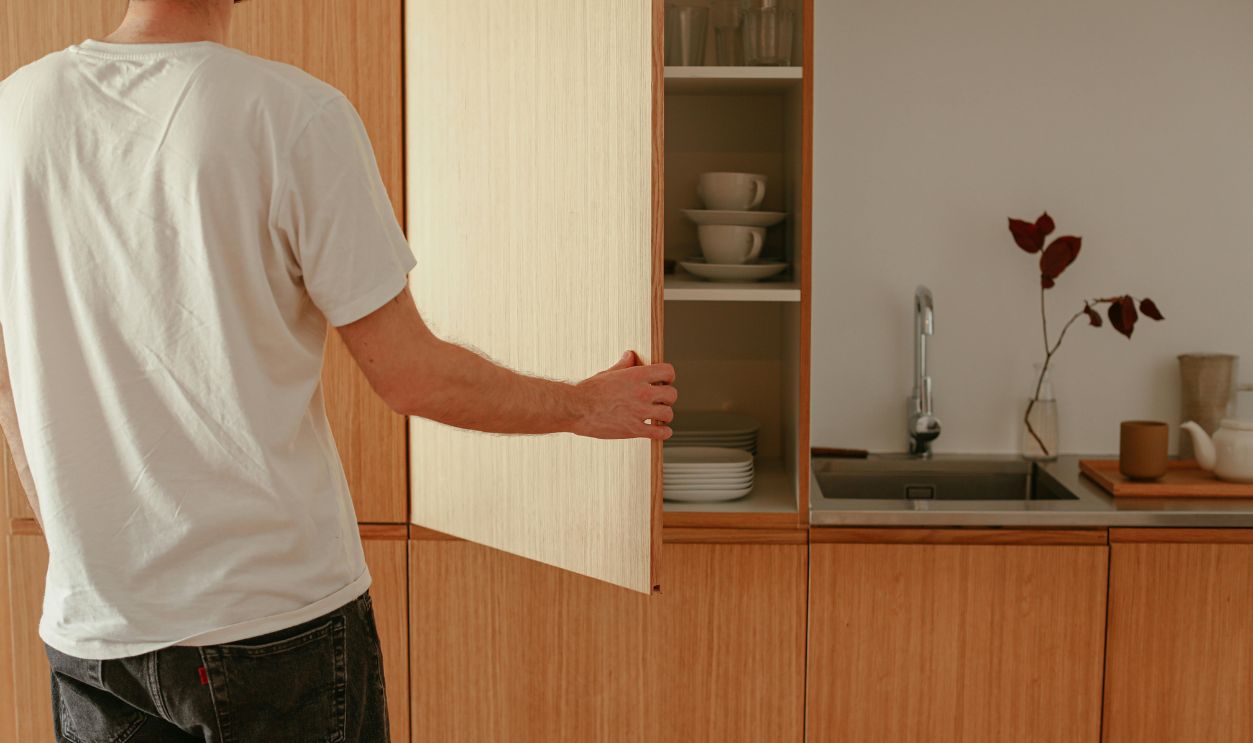
Minimalism isn't about living in a stark white room with one chair and a single houseplant unless that's your thing. It's about keeping only what adds value to your life. Instead, try the one-in, one-out rule—whenever you bring something new into your home, get rid of something else.

Evaluate Your Home's Layout
If you're renovating before downsizing, plan for efficient layouts that maximize space. Smart design is key if you're moving into a smaller home or making your current one more compact. Open floor plans, built-in storage, multi-functional spaces, and vertical storage can make a small home feel way bigger.

Visit Smaller Homes
Before you downsize, it helps to see what smaller living actually feels like. Touring homes or apartments similar to what you're planning can help you understand what works and what doesn't. Get inspired by design ideas and bring a measuring tape to visualize where your key furniture pieces will go.

Use Digital Tools
Why don't you rely on technology to make downsizing easier and more practical? Pen and paper work fine, but there are tons of apps that help you stay organized, from to-do lists to moving checklists. But keep it simple because you don't want to complicate things.

Label Boxes Clearly
Unpacking in your new home will be so much easier if you label boxes properly. Otherwise, you'll spend hours searching for your coffee mugs while your winter coats sit front and center. It's recommended you use large, clear labels with both the contents and the room the box belongs in.

Hire A Professional Organizer
If the thought of downsizing makes you want to lie down and take a nap, you're not alone. A professional organizer can help you make sense of the chaos and create a game plan. Many offer consultations to help you figure out what level of help you need.