...And The Prices Keep Going Up
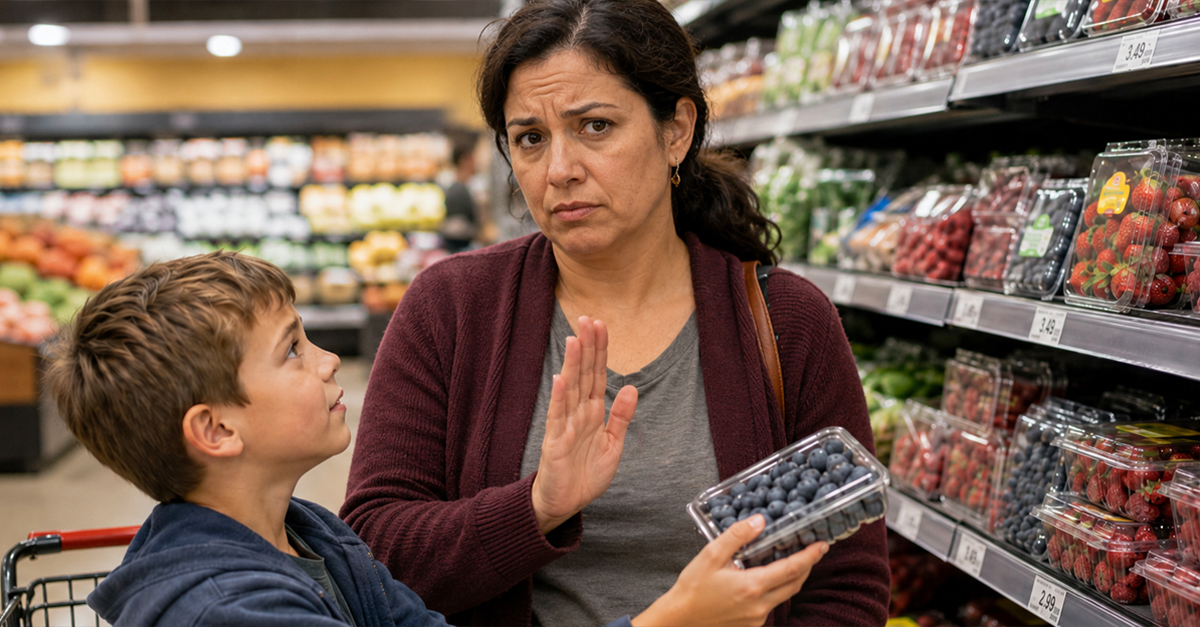
For a long time, certain foods carried a quiet middle-class promise: the fridge would be full, the pantry would have options, and nobody had to overthink breakfast, school lunches, dinner shortcuts, or weekend treats. Now, many families still buy these foods, but not with the same ease. The change is not always dramatic. Sometimes it is just the pause before putting something in the cart.
What grocery item has become just too expensive to justify?
The Big Box Of Breakfast Cereal
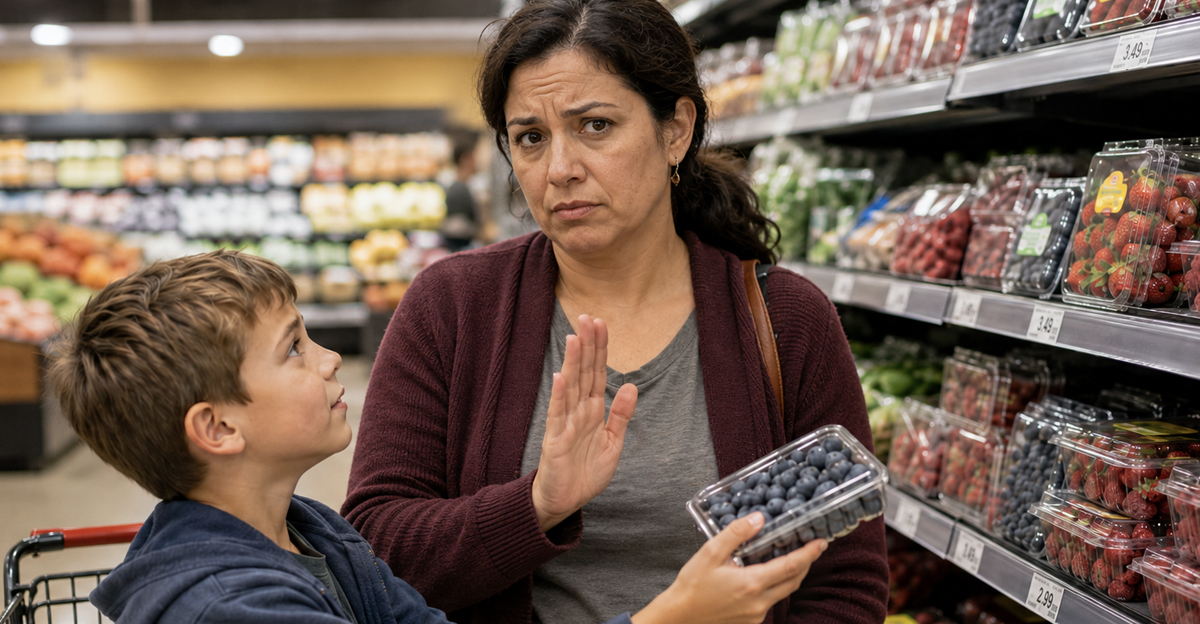
Cereal used to be the household safety net: breakfast, after-school snack, late-night bowl, and emergency dinner if the day went sideways. Now, families look at the price of a name-brand box and wonder how something so ordinary became so expensive. The cereal may still come home, but it has lost its old “no-brainer” status.
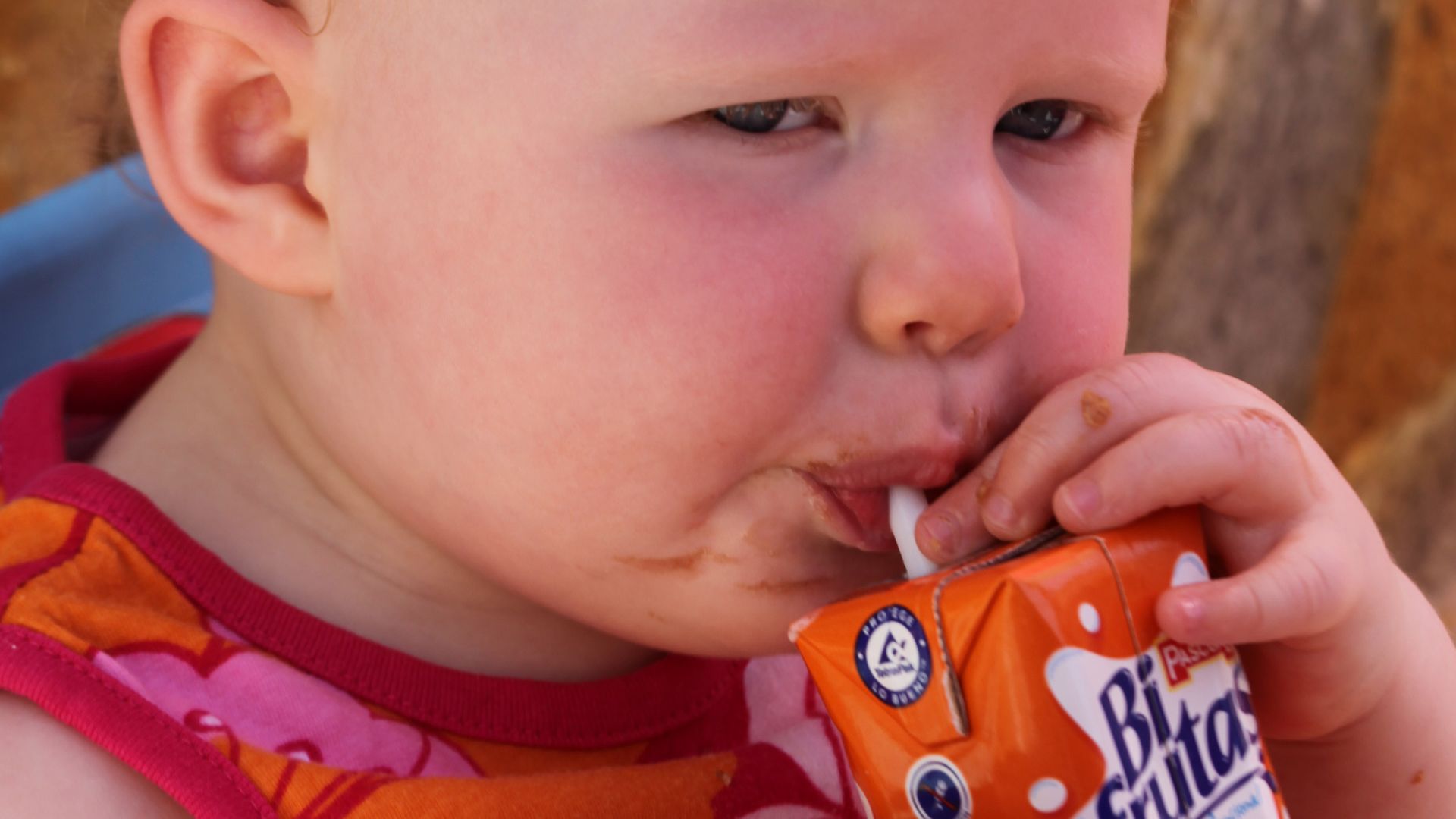
The Carton Of Orange Juice
Orange juice once felt like a standard part of a complete breakfast. It sat beside cereal, toast, and coffee as if it belonged there automatically. These days, families notice how quickly a carton disappears and how little it does to fill anyone up. It has become less of a staple and more of a weekend or sale-item purchase.
 Keith Williamson, Wikimedia Commons
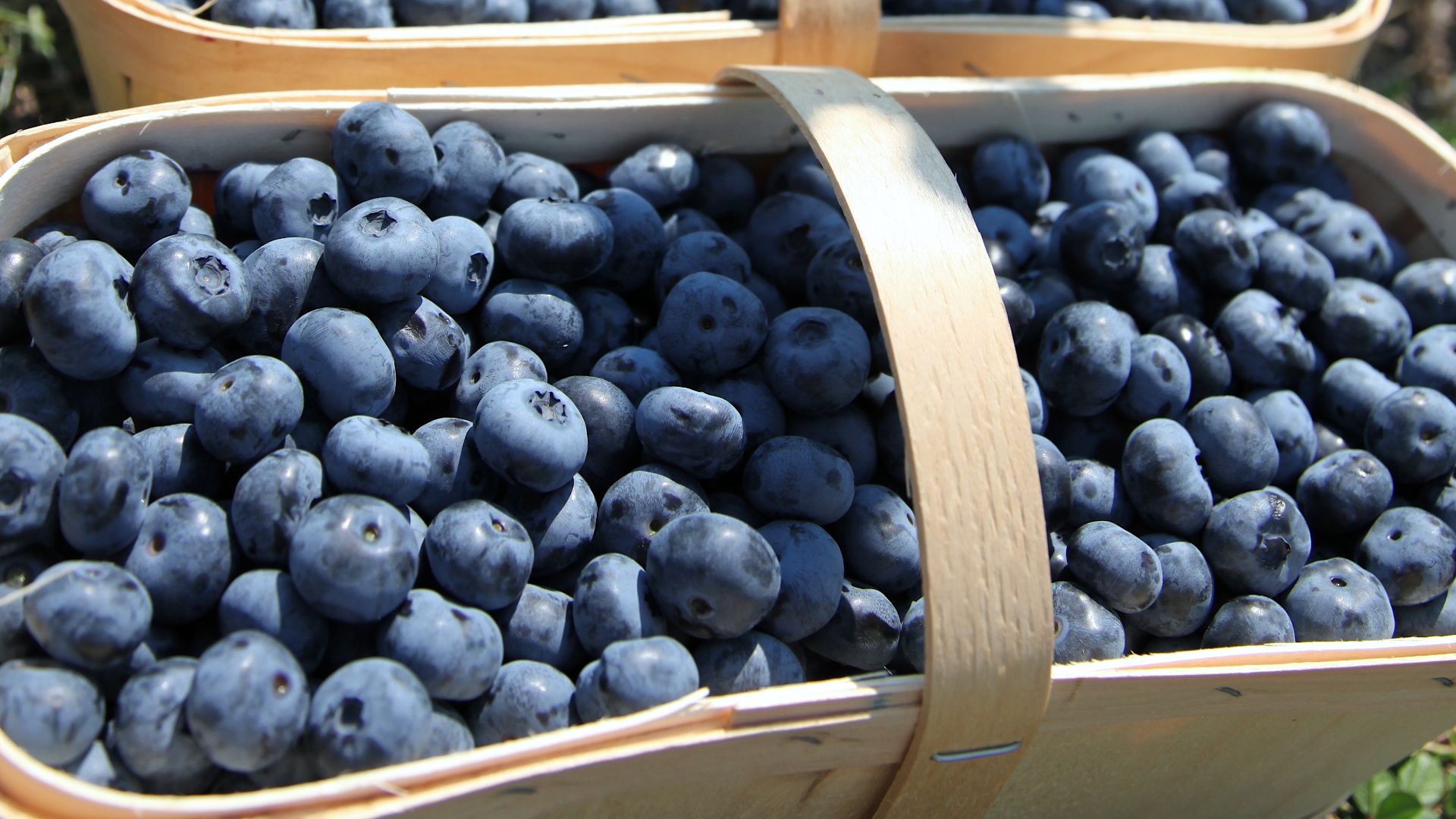
The Container Of Fresh Blueberries
Blueberries used to feel like an easy healthy add-on: toss them on yogurt, pancakes, cereal, or into a lunchbox. But when a small container costs several dollars and can spoil almost overnight, the purchase feels risky. Many families still want fresh berries, but they buy them with a plan now, not just optimism.
 Marc-Lautenbacher, Wikimedia Commons
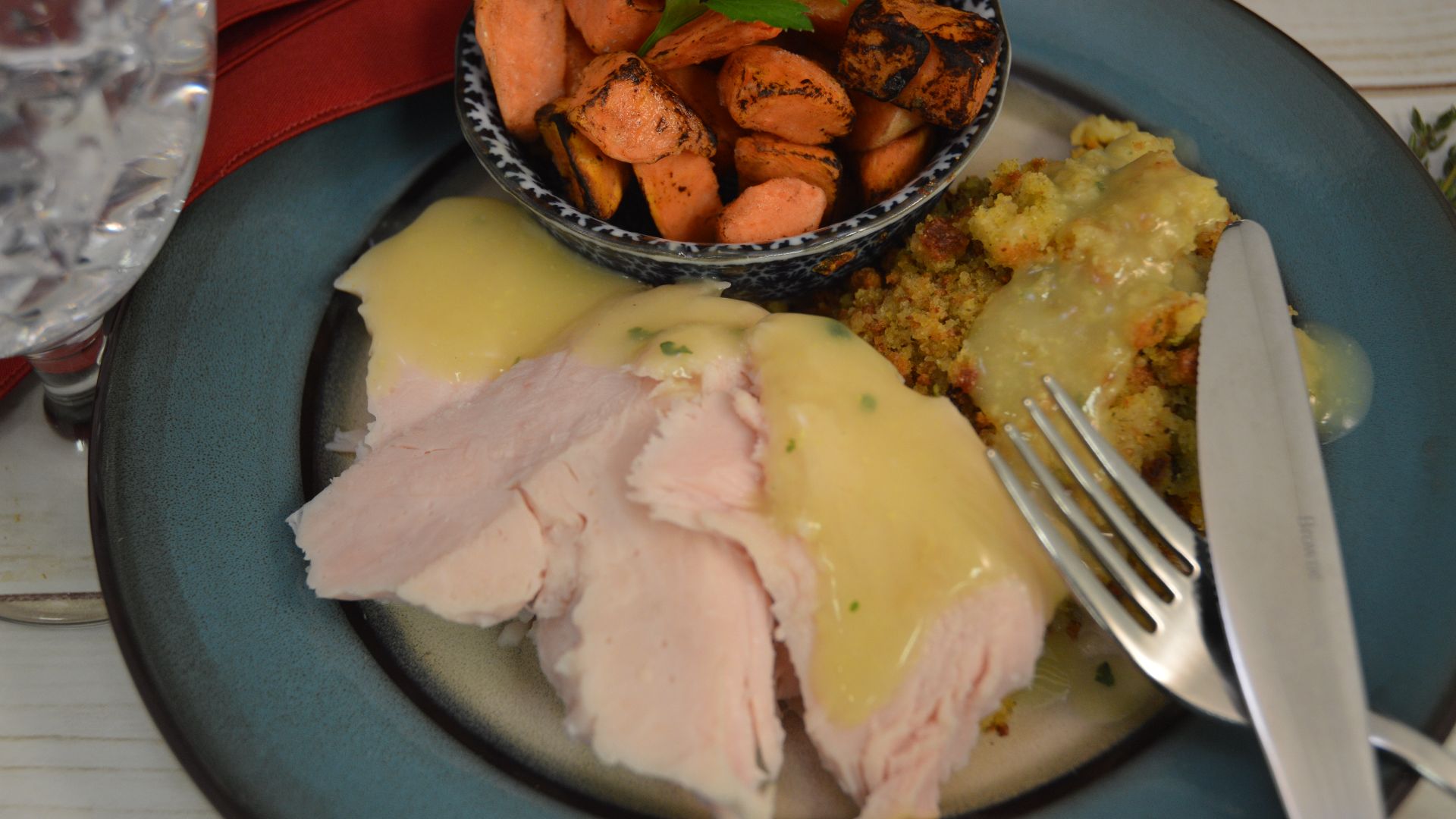
The Pack Of Sliced Turkey
Deli turkey once solved lunch without much thought. Bread, cheese, mustard, turkey, done. Now, a few days of sandwiches can cost more than people expect. Families are noticing that sliced meat disappears quickly, so leftovers, tuna, egg salad, peanut butter, and homemade chicken salad are taking over more weekday lunches.
 John Freeman, Wikimedia Commons
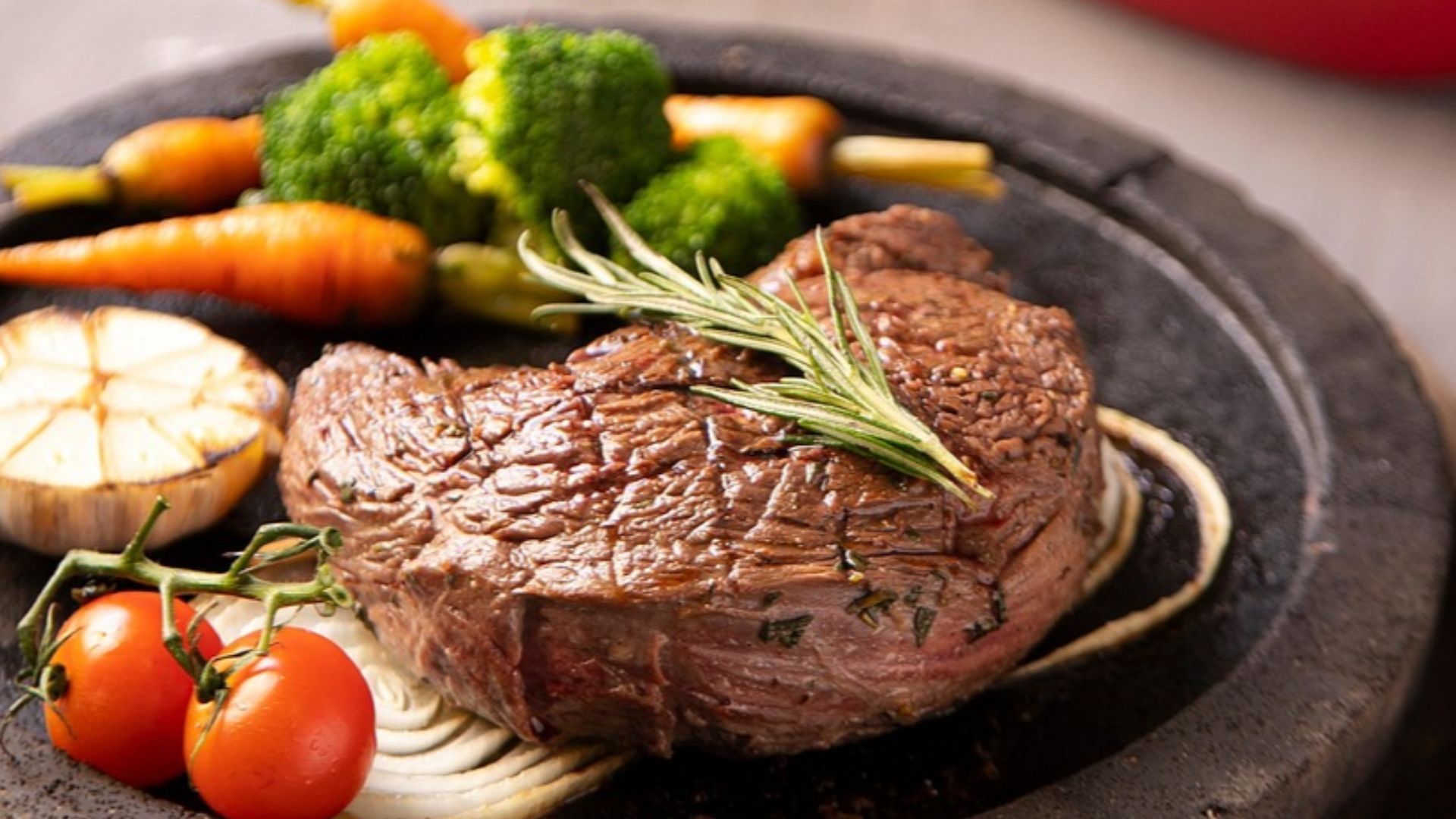
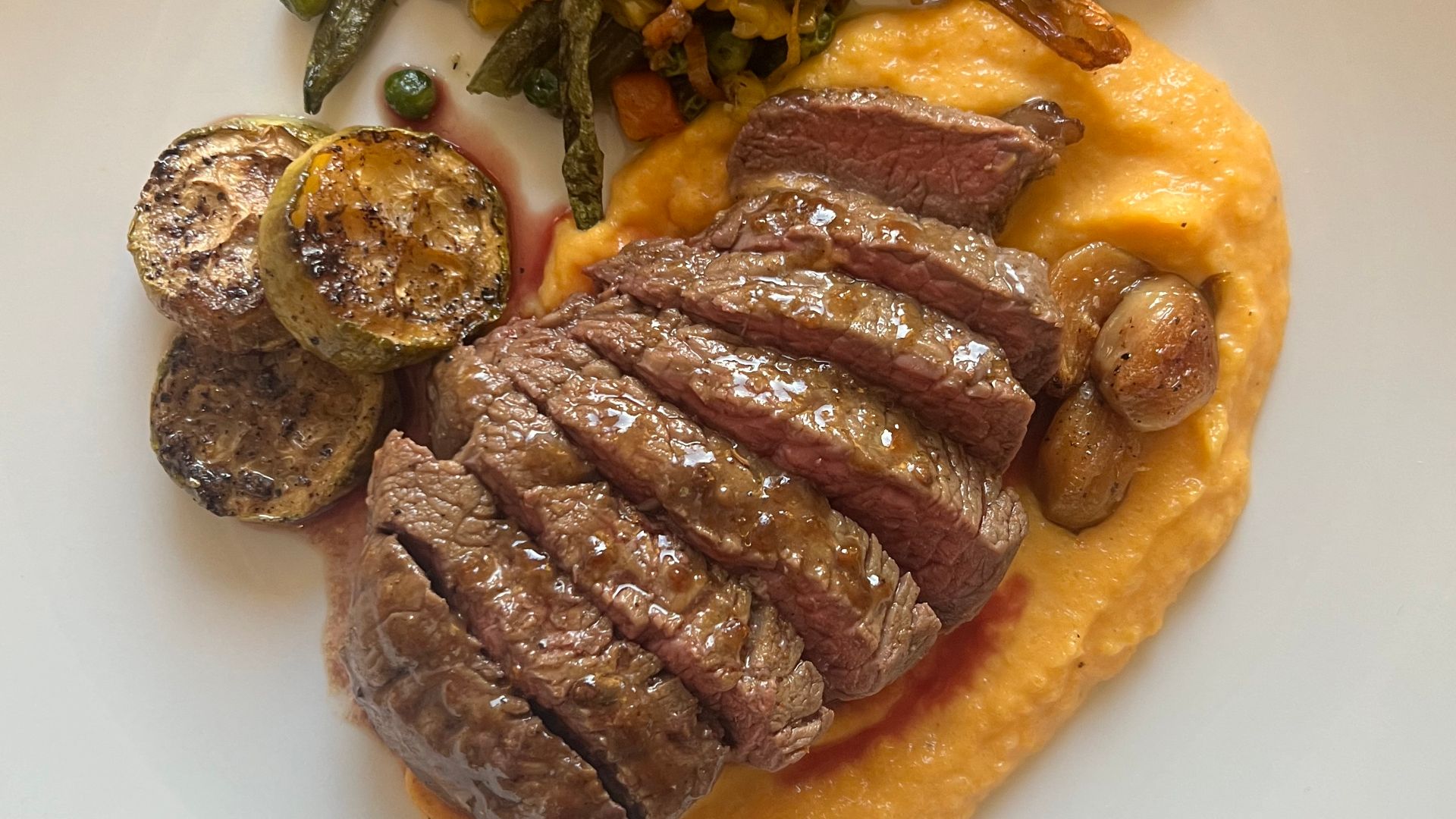
The Friday-Night Steak
Steak did not have to be fancy to feel special. It could be a grocery-store pack cooked at home on a Friday night, a small reward after a long week. Now, many families treat steak like restaurant food: nice to have, but not part of the regular rotation. Even a modest steak dinner can make the weekly bill feel heavy.
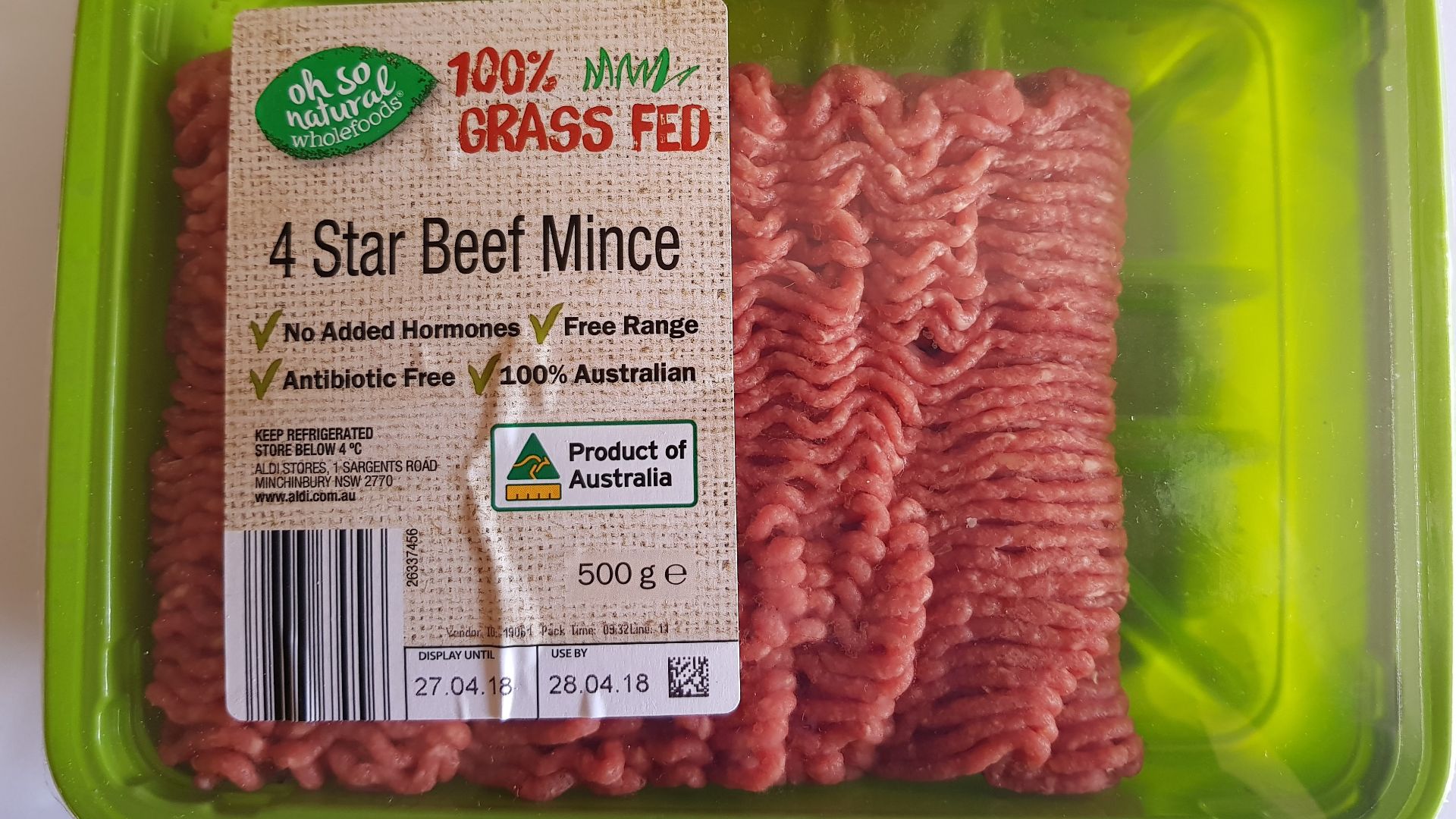
The Pound Of Ground Beef
Ground beef used to be the flexible problem-solver. It could become tacos, burgers, chili, pasta sauce, meatloaf, or casseroles. It still does all of that, but it no longer always feels like the cheap answer. More families are stretching it with beans, rice, lentils, or vegetables so one package can cover more meals.
 Maksym Kozlenko, Wikimedia Commons
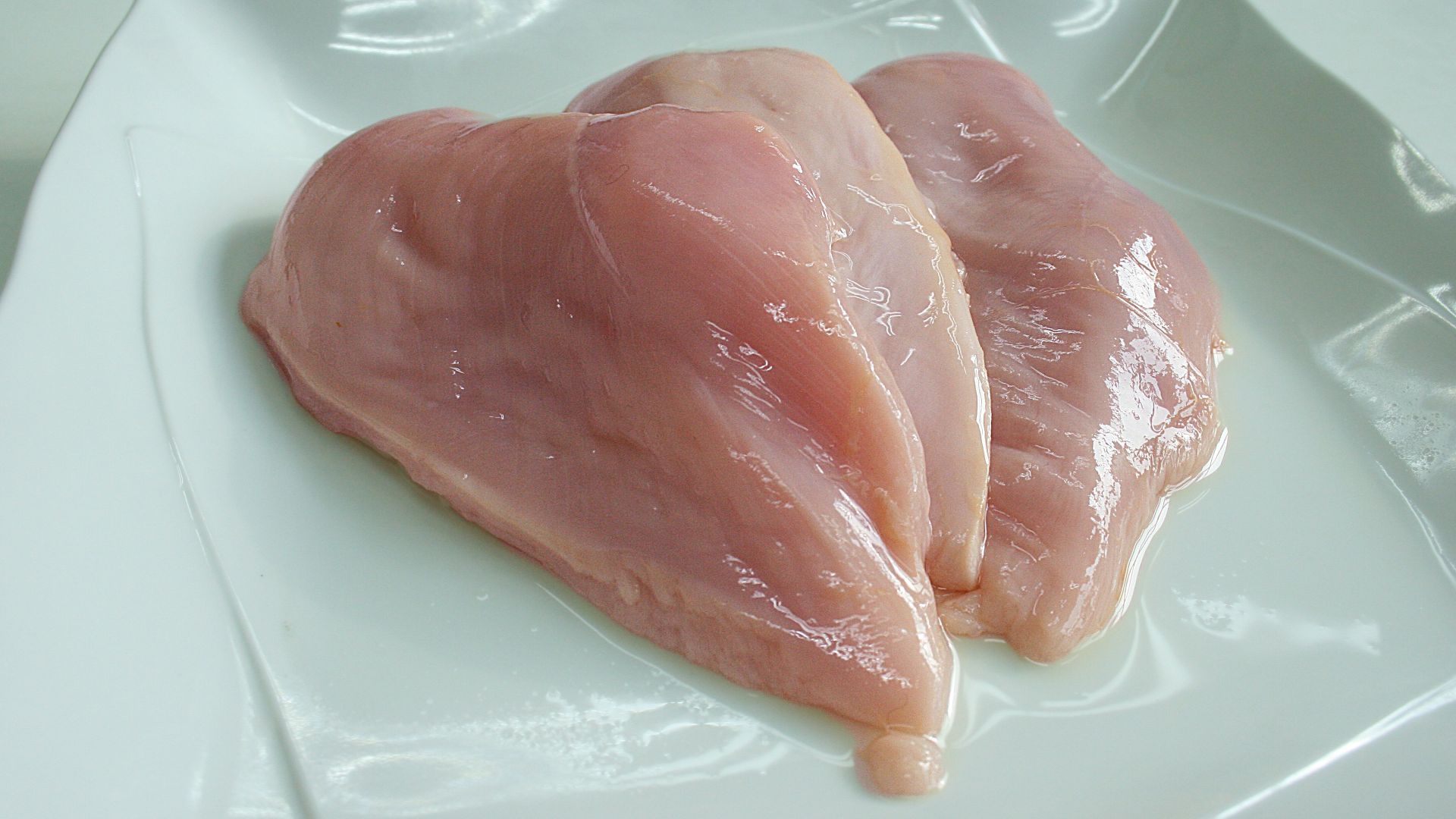
The Boneless Chicken Breast Pack
Boneless chicken breasts became the symbol of practical weeknight cooking: easy, lean, familiar, and hard to mess up. But convenience carries a price. Shoppers are turning back to thighs, drumsticks, whole chickens, and mixed cuts because they can make dinner for less, even if they require a little more effort.
The Weekend Bacon
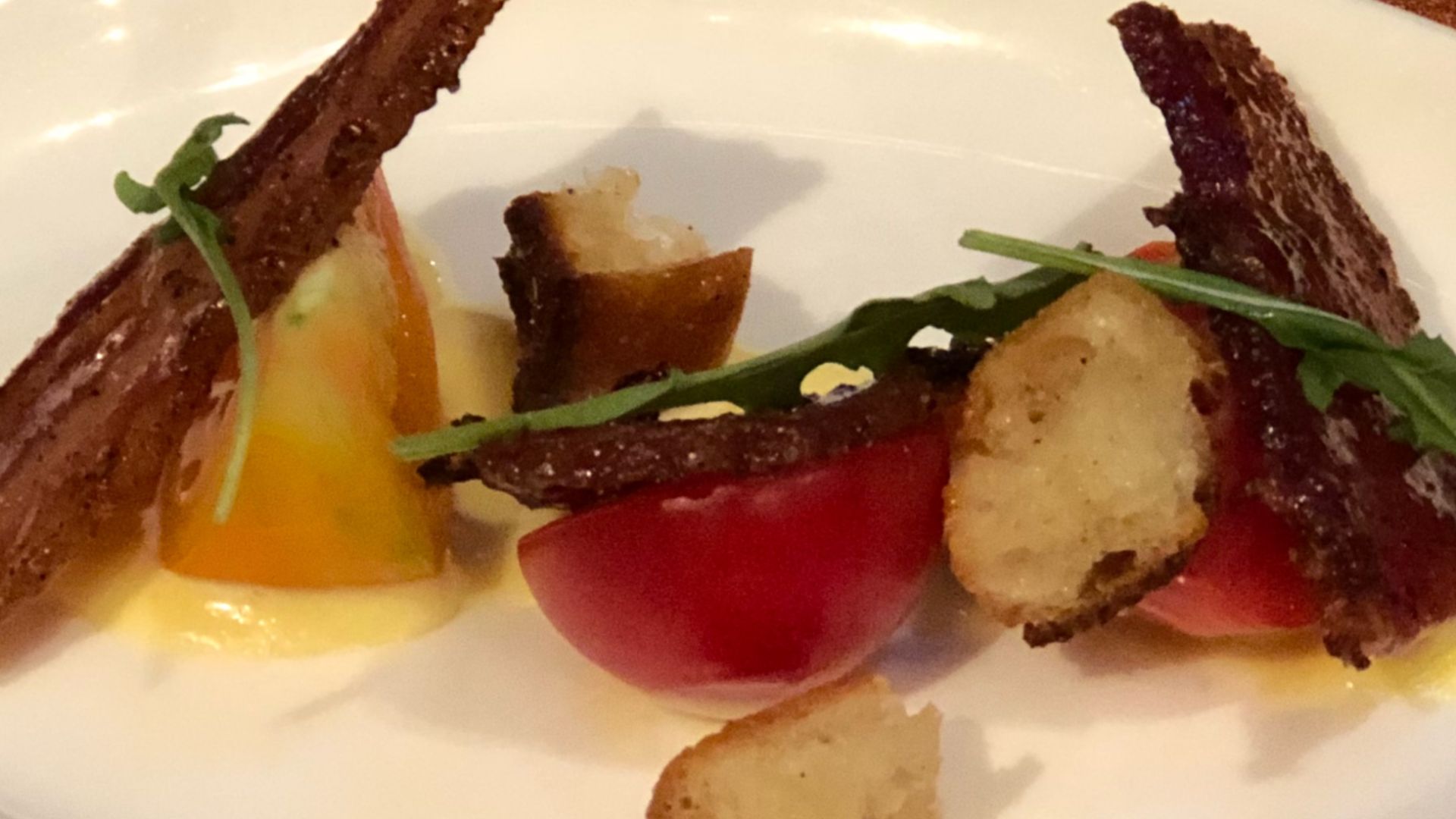
Bacon used to make Saturday breakfast feel like an event without much planning. Now, a package can feel too pricey for something that shrinks in the pan and vanishes in minutes. Some families still buy it, but they use it differently: a little in a recipe, a holiday brunch, or a treat when it is finally on sale.
The Casual Carton Of Eggs
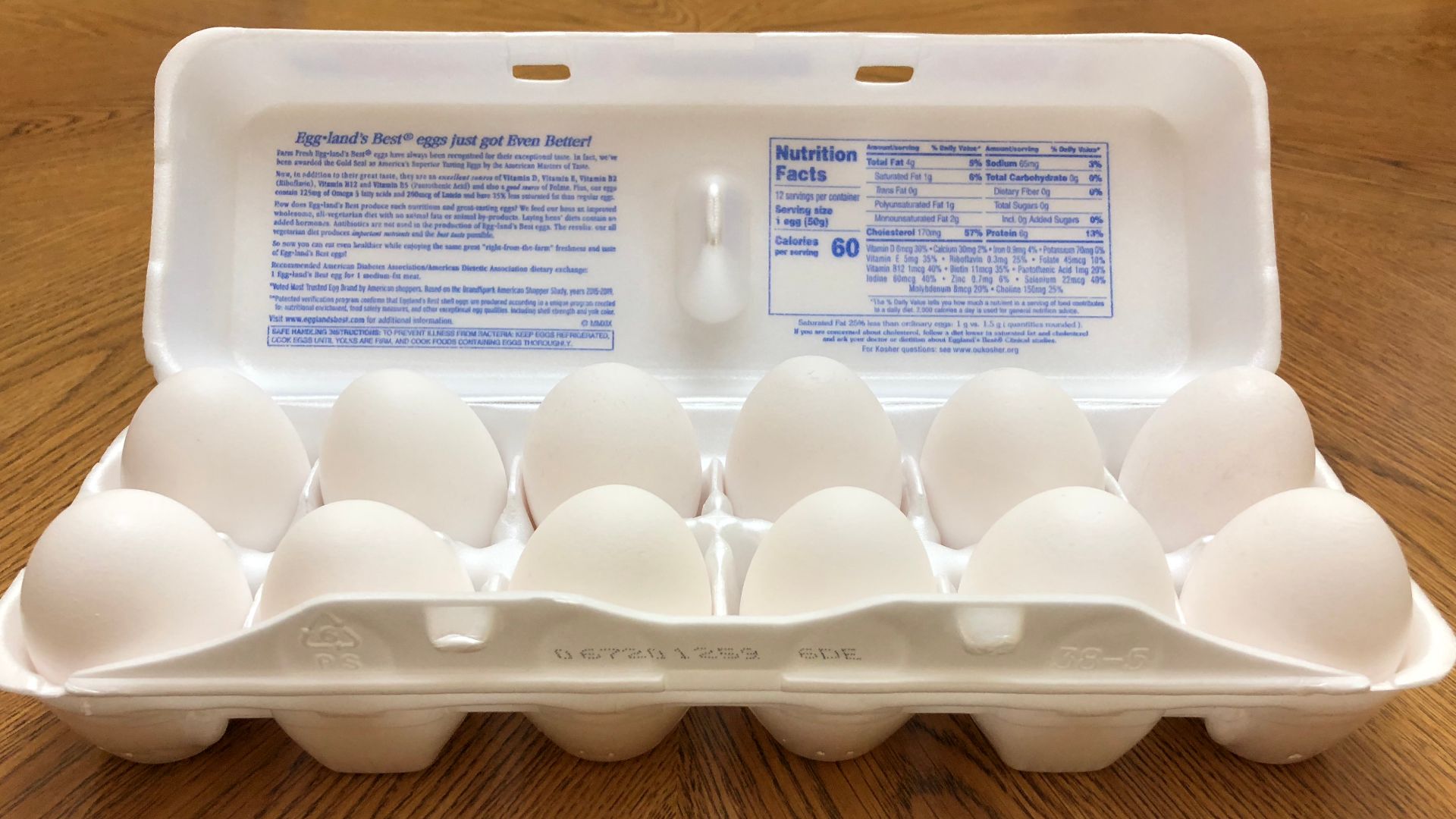
Eggs are still one of the most useful foods in the kitchen, but families have learned not to take their price for granted. A carton that once felt invisible now gets noticed. People still scramble, bake, and boil them, but they also pay closer attention to whether eggs are the bargain they used to be that week.
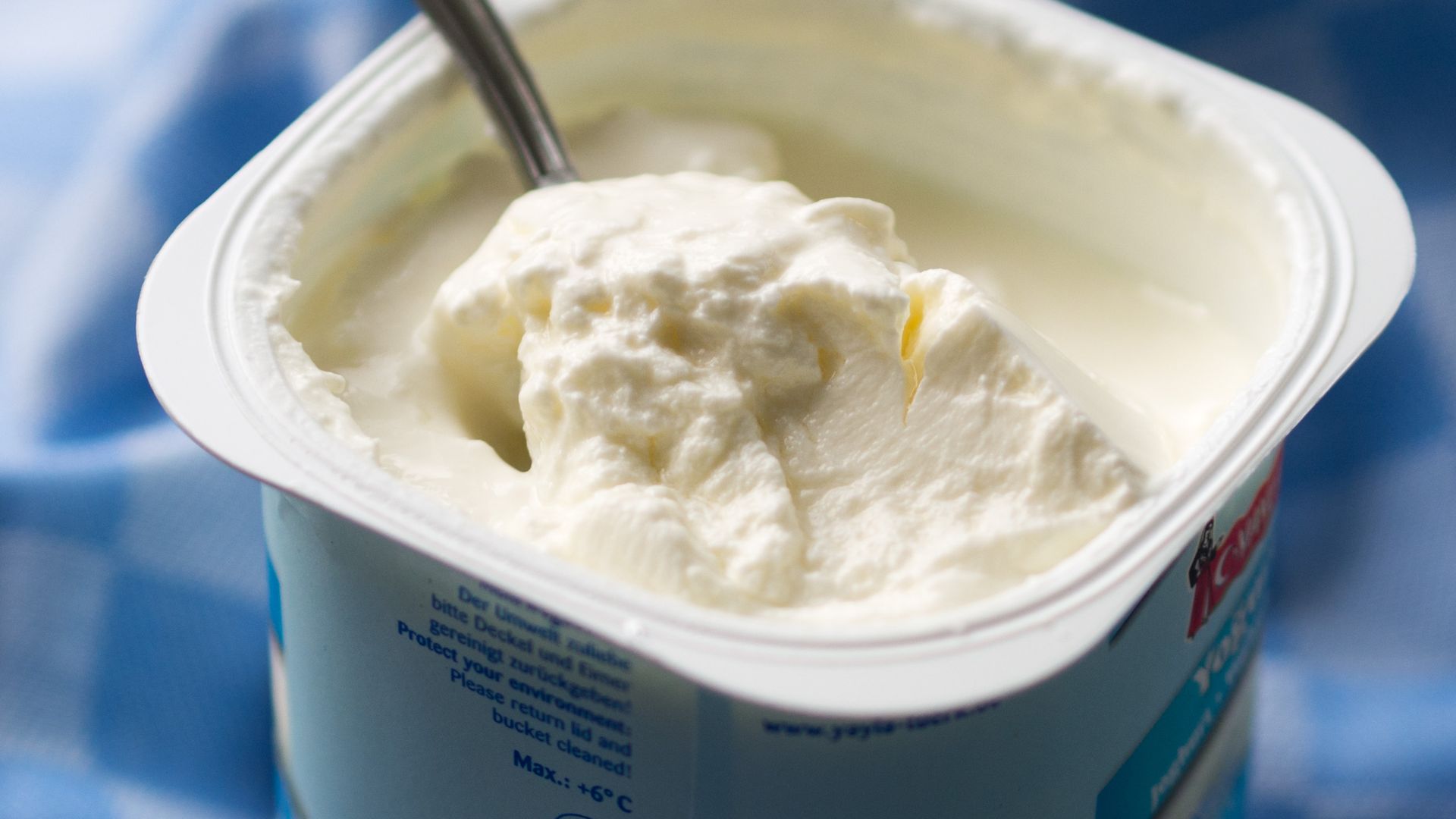
The Yogurt Multipack
Single-serve yogurts are easy for kids, lunches, snacks, and rushed mornings. That convenience is exactly why families used to buy them without hesitation. But a multipack can disappear fast, and the price makes shoppers reconsider. Larger tubs, plain yogurt, store brands, and homemade add-ins are starting to look more practical.
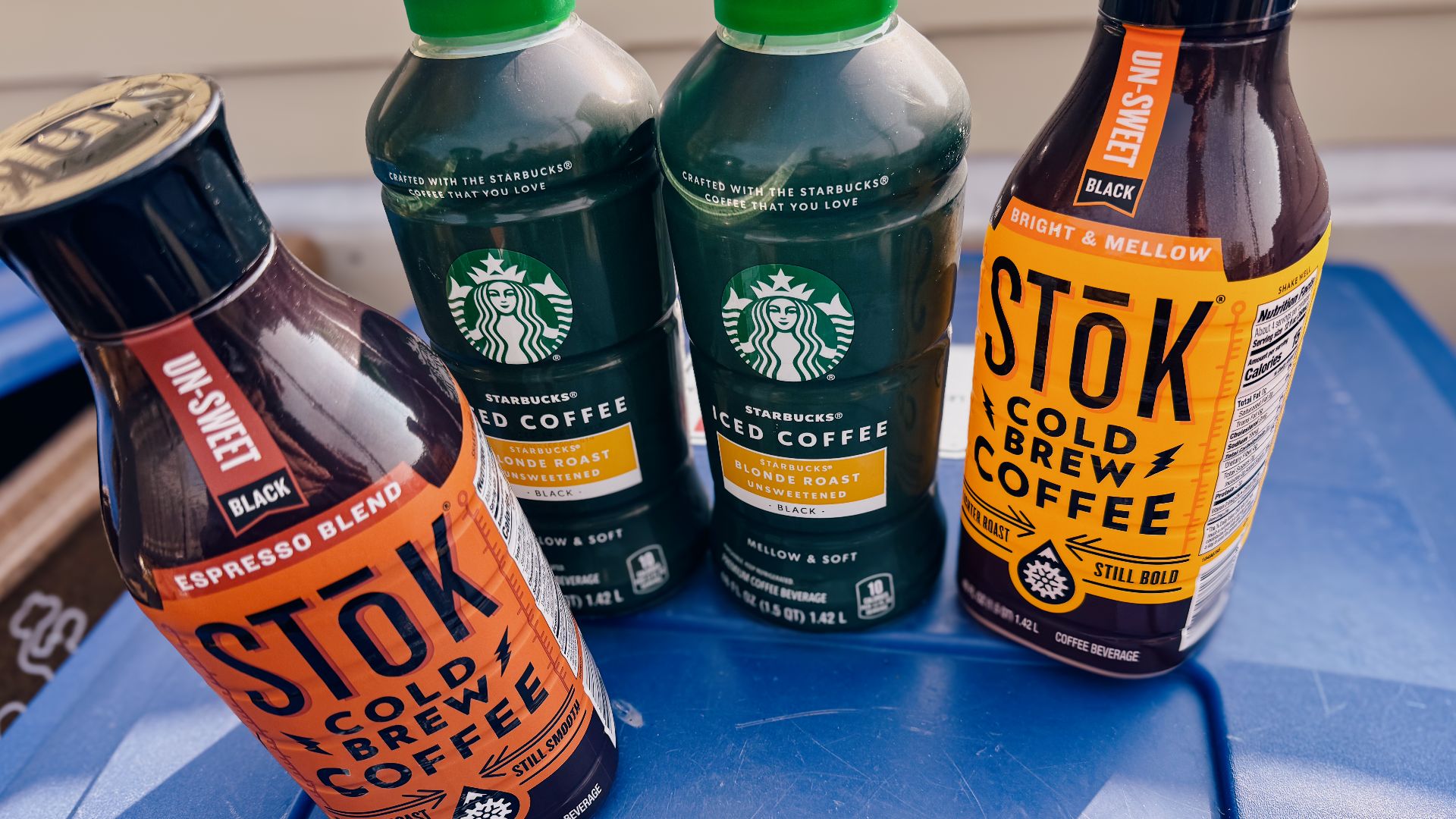
The Favorite Coffee Brand
Coffee may be non-negotiable, but the favorite bag, pod, or cold brew bottle is not always safe anymore. Families still protect the morning ritual, but they are more likely to buy what is on sale, switch formats, or skip the premium version. The daily cup remains; the old brand loyalty is weaker.
 Tony Webster, Wikimedia Commons
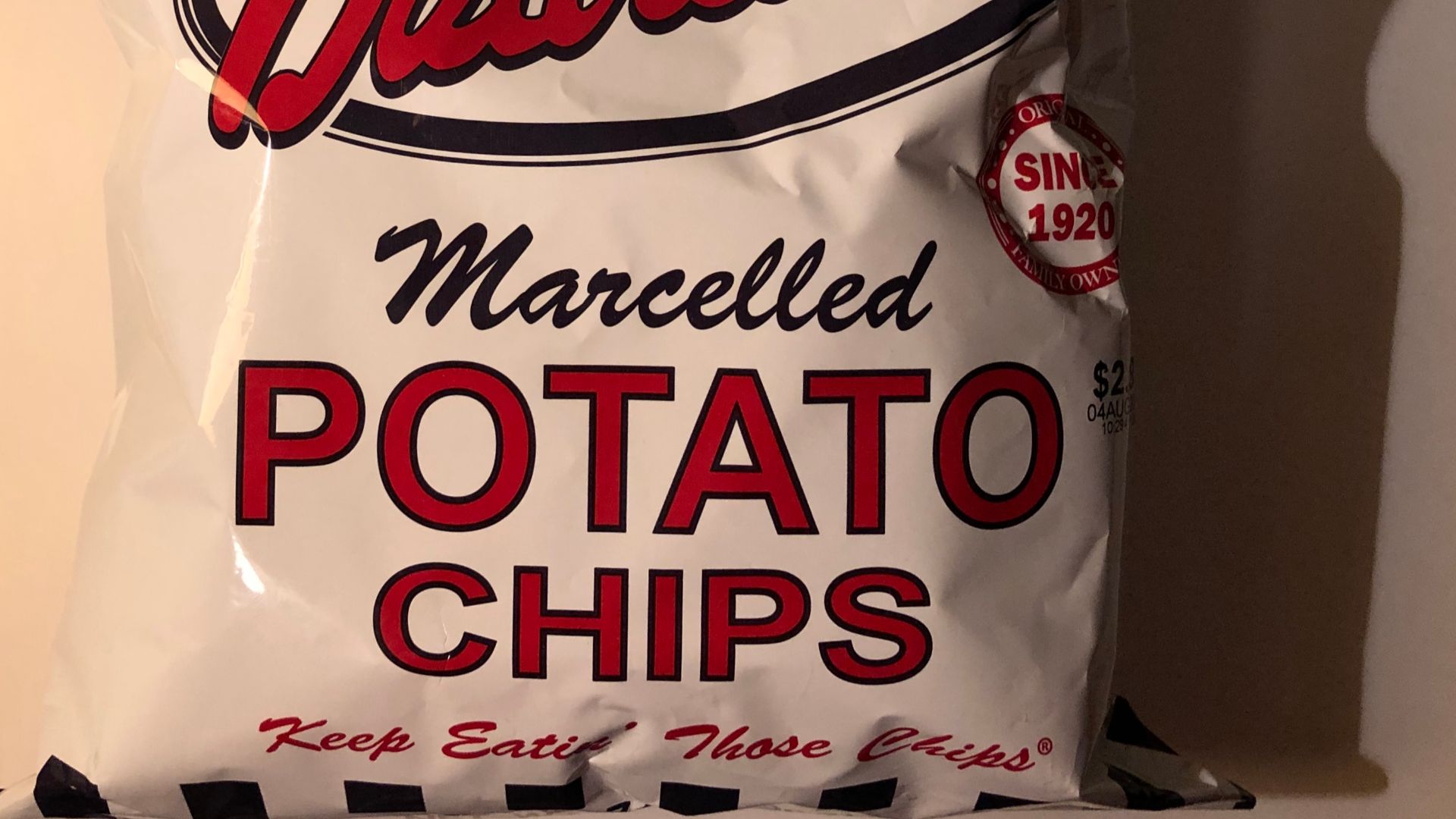
The Big Bag Of Chips
Chips were once the harmless add-on for sandwiches, sports nights, road trips, and packed lunches. Now, the price can make people stare at the bag a second longer. Families are more aware that chips vanish quickly and do not stretch into a meal. Popcorn, pretzels, crackers, or no snack at all may win instead.
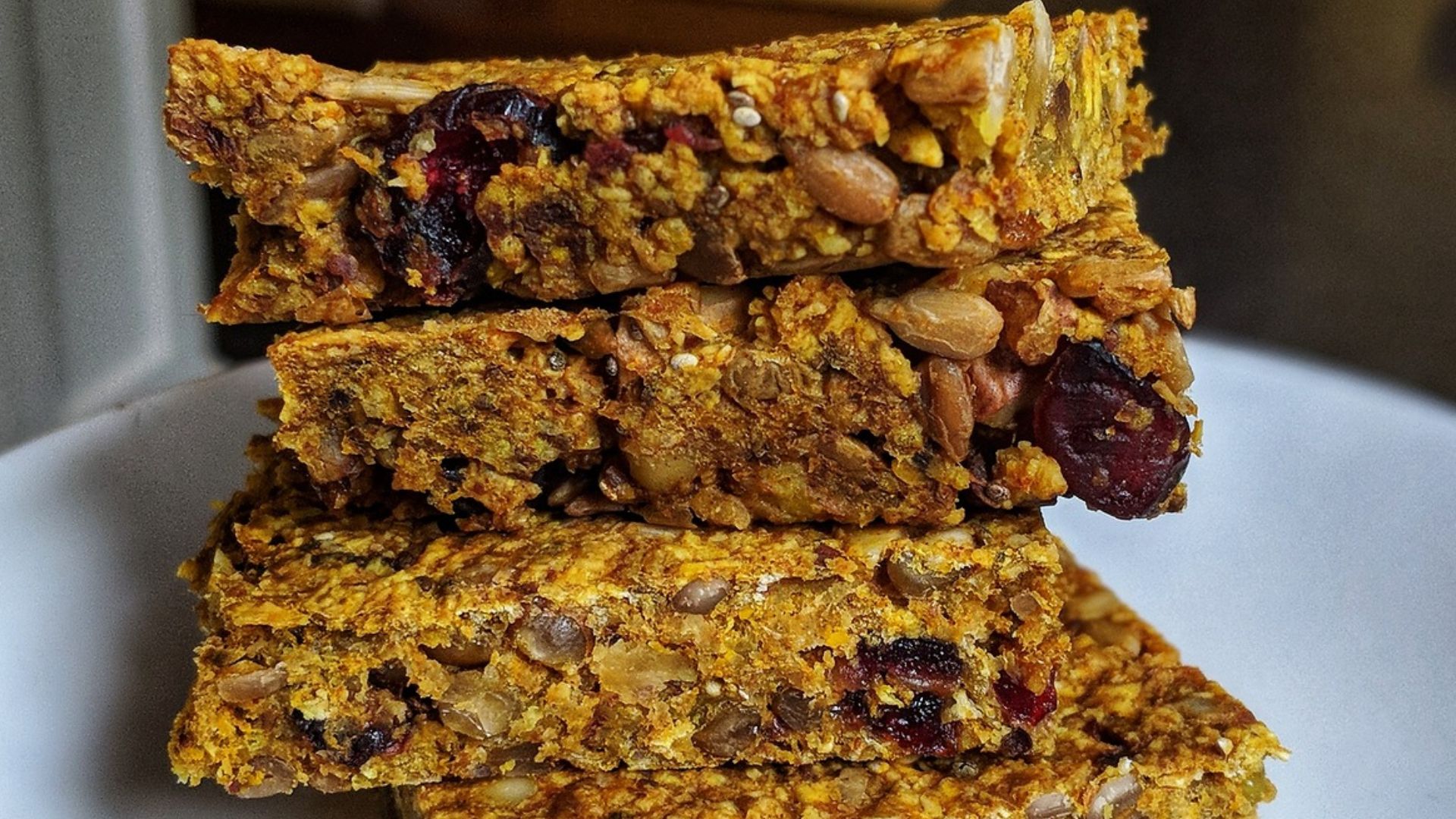
The Lunchbox Treats
Cookies, snack cakes, granola bars, and mini muffins used to make school lunches feel easier and a little more fun. Now, parents notice how fast the boxes empty. A household might still buy one treat, but not five. The lunchbox is becoming more repetitive, more homemade, or simply more practical.
 LironOmri12, Wikimedia Commons
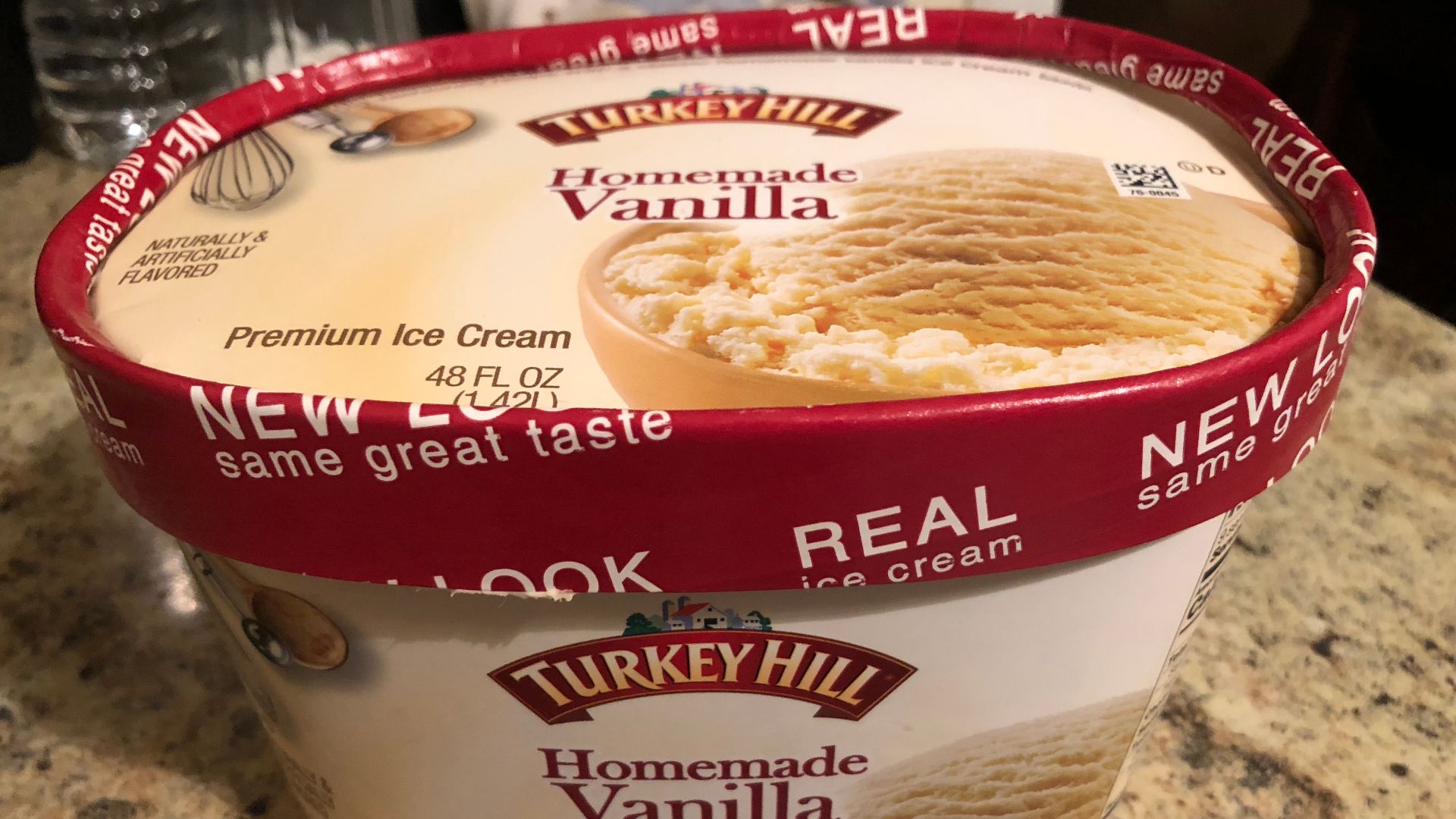
The Tub Of Ice Cream
Ice cream used to be a normal freezer item, the kind of thing waiting for movie night or a bad day. Now, premium pints and novelty bars can feel surprisingly extravagant. Families may still want dessert, but they are more likely to wait for a sale, buy store brand, or treat ice cream as an occasional reward.
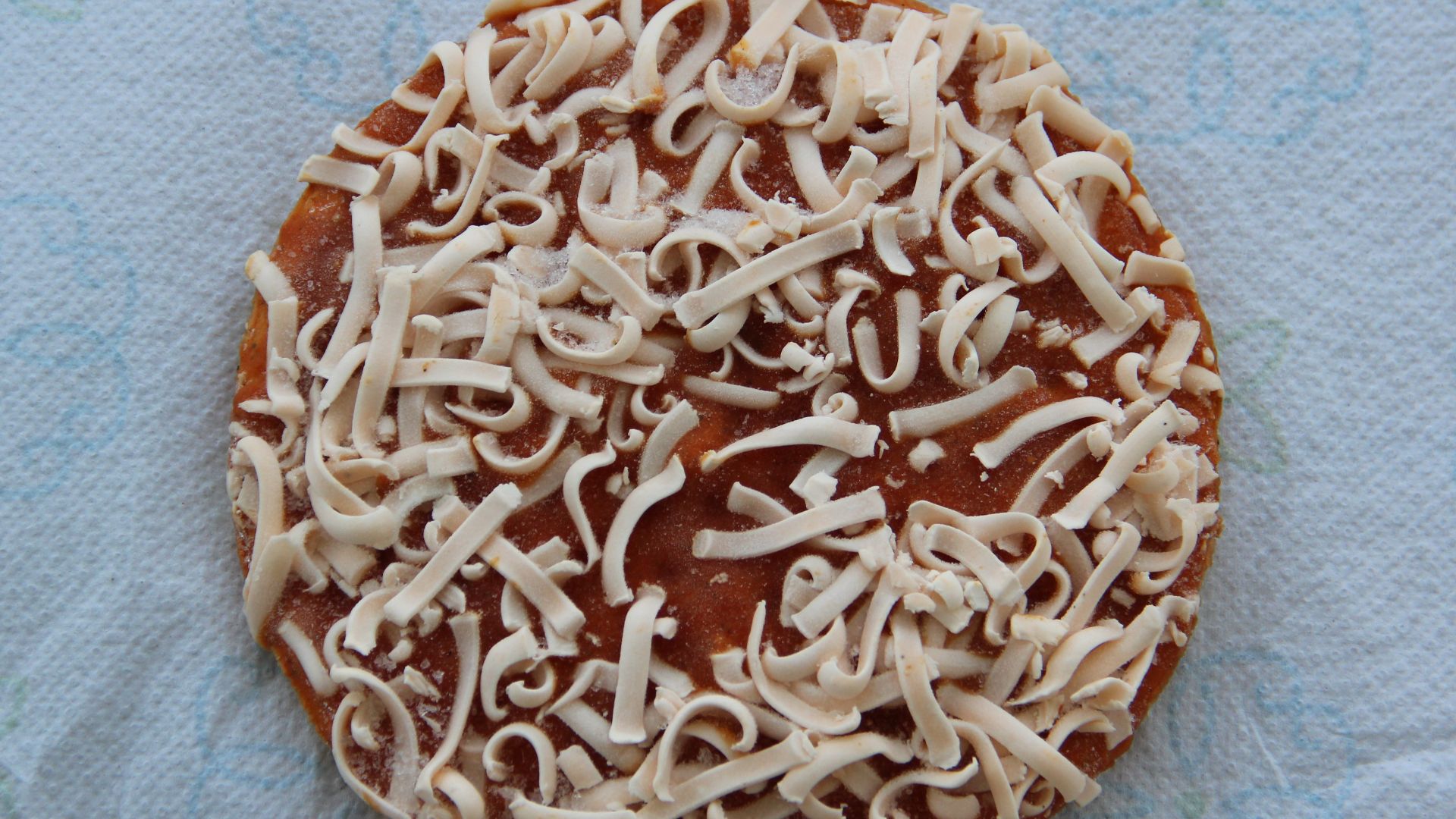
The Emergency Frozen Pizza
Frozen pizza once felt like a budget-friendly rescue plan. It was cheaper than takeout and easier than cooking. But as prices rise, some families realize it is no longer the obvious bargain it once was. It still saves a tired evening, but it has to compete with pasta, grilled cheese, leftovers, and homemade pizza night.
The Freezer Full Of Prepared Meals
Frozen entrées, skillet meals, and heat-and-eat dinners used to make busy households feel prepared. Now, stocking the freezer with convenience can feel expensive. Families are still exhausted, but they are relying more on pantry meals, batch cooking, and leftovers because convenience foods do not always feel worth the premium.
 HaJunkiyada, Wikimedia Commons
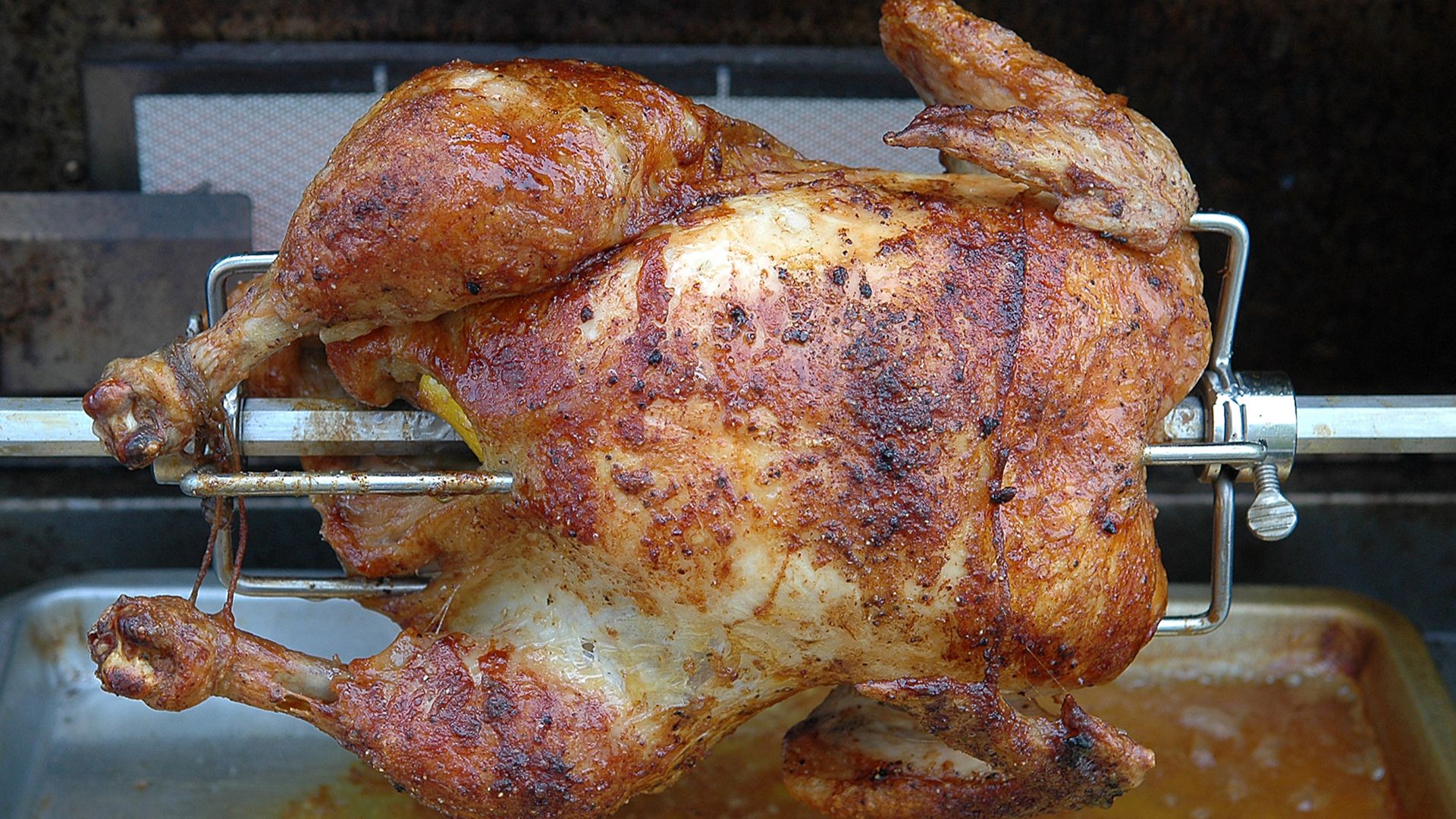
The Rotisserie Chicken
Rotisserie chicken still feels like one of the better deals in the store, but families are asking more from it. It cannot just be dinner anymore. It needs to become soup, wraps, sandwiches, fried rice, or quesadillas the next day. Even the affordable shortcuts are being stretched like ingredients, not treated like one-night solutions.
 Joe Schneid, Louisville, KY, Wikimedia Commons
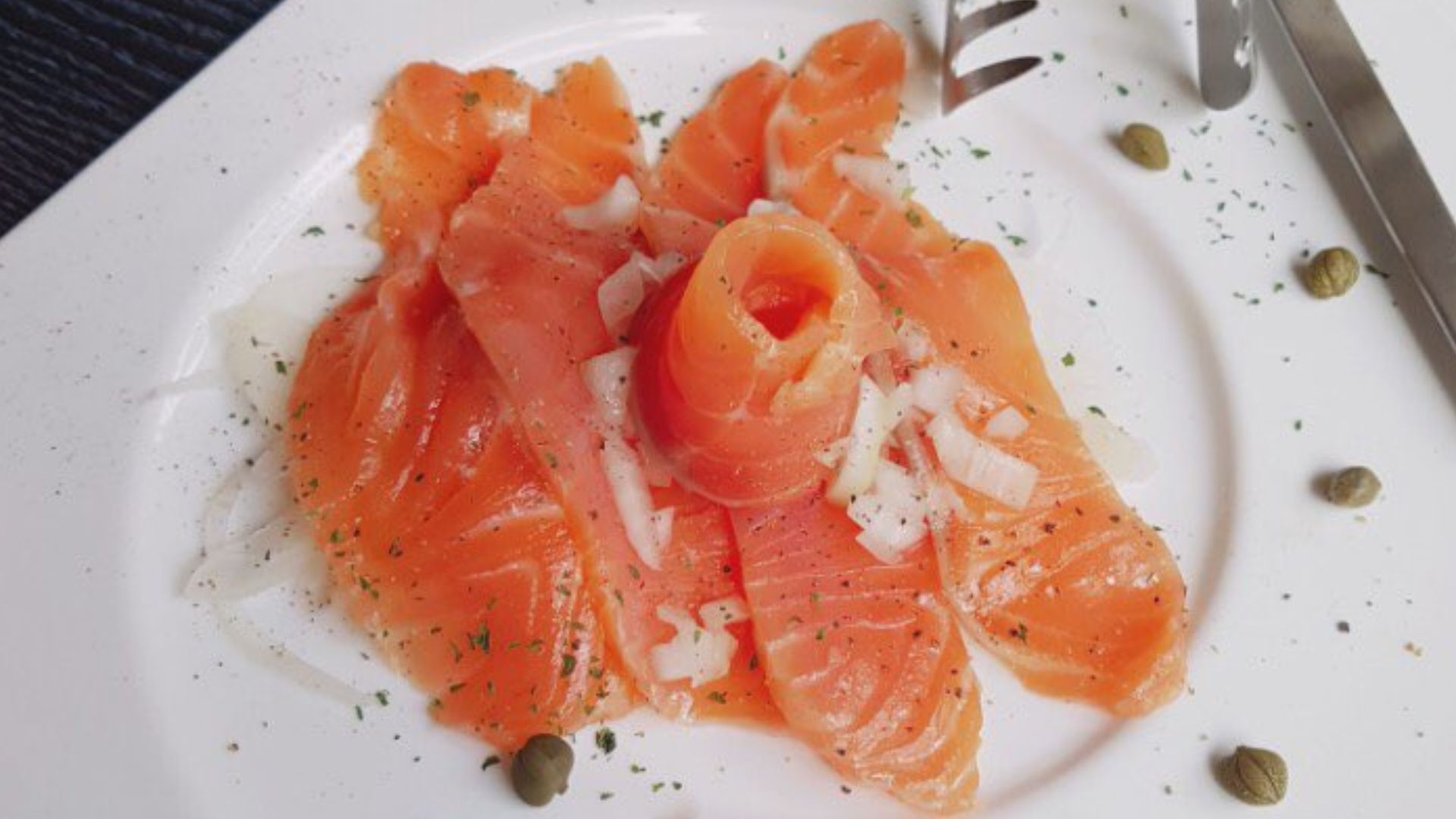
The Piece Of Fresh Salmon
Fresh salmon used to be an attainable “nice dinner at home” option for many middle-class families. Now, it often feels like a splurge hiding in the seafood case. People may choose frozen fillets, canned tuna, cheaper white fish, or chicken instead. Salmon has not vanished, but it has become less casual.
 SungMinSeung, Wikimedia Commons
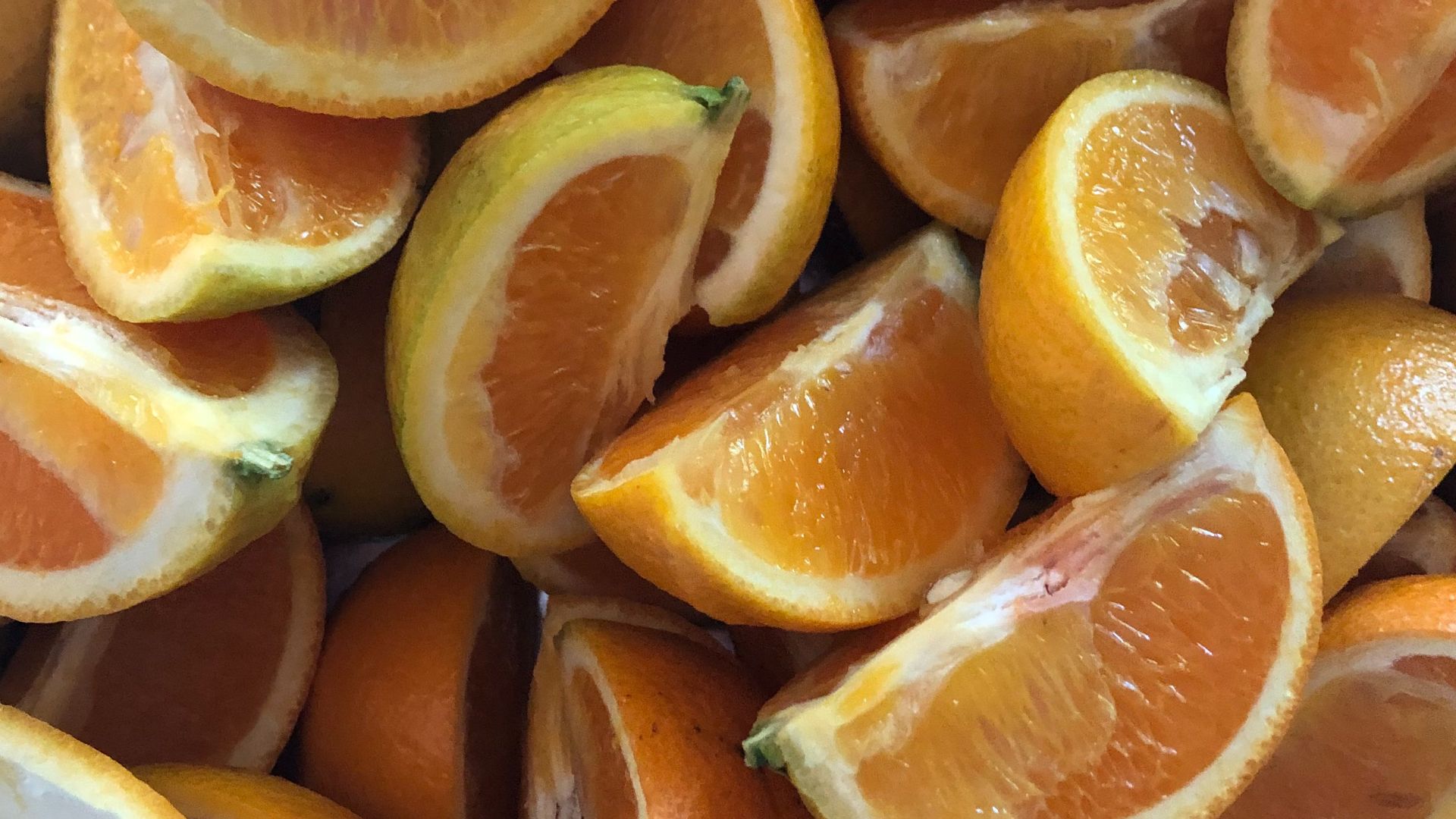
The Precut Fruit Tray
Precut fruit once made healthy eating easier. It was useful for parties, lunches, and busy weeks when nobody had time to chop a pineapple or melon. Now, families see the markup more clearly. The convenience is tempting, but the price reminds shoppers they are paying someone else to do five minutes of knife work.
 Ethan Dyson, Wikimedia Commons
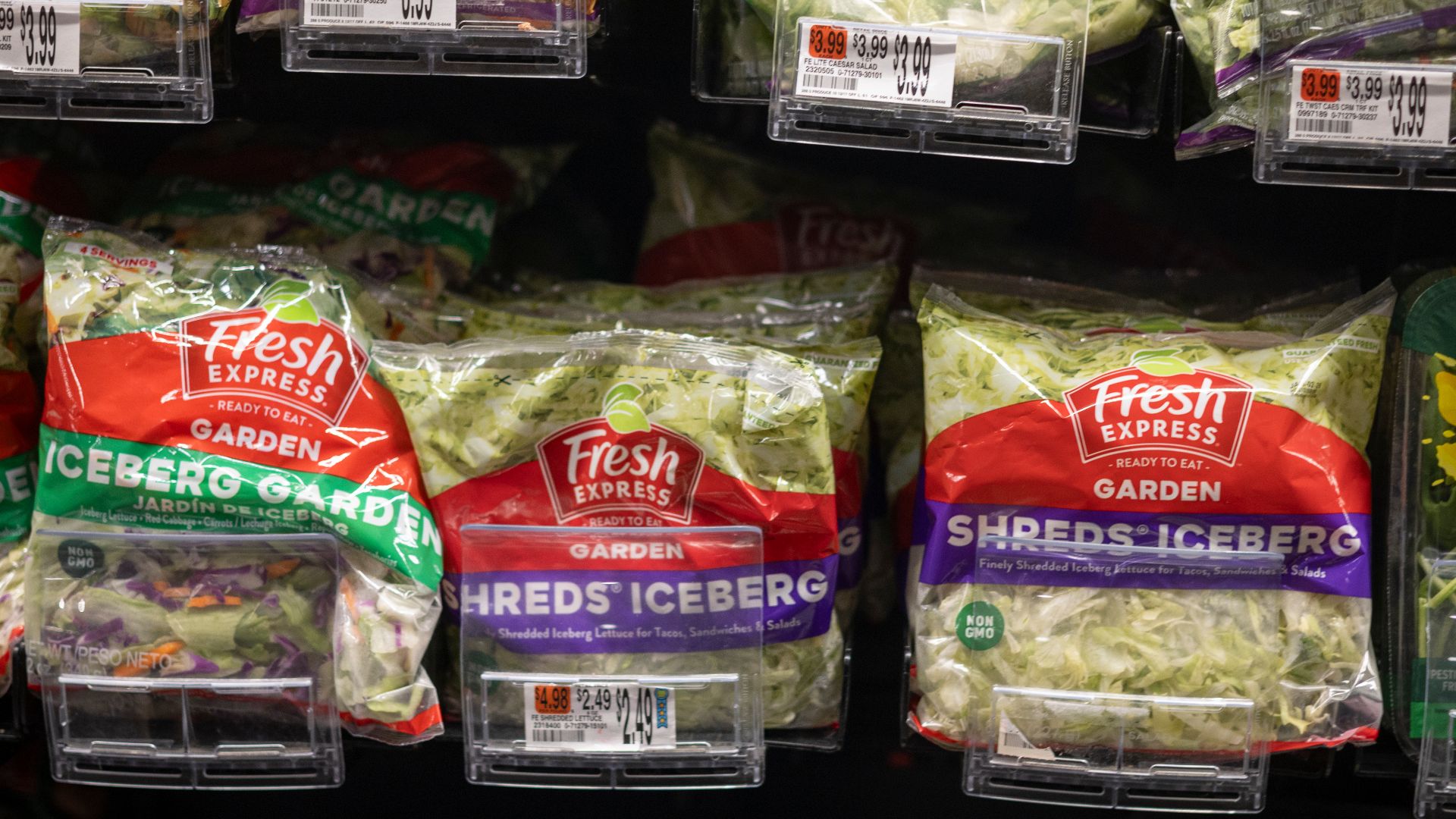
The Bagged Salad Kit
Salad kits made weeknight vegetables feel effortless. Open the bag, toss everything together, and dinner looked healthier. But the short shelf life and rising price make them less appealing. Families are buying heads of lettuce, cabbage, carrots, cucumbers, and dressing ingredients instead, even if it means a little more prep.
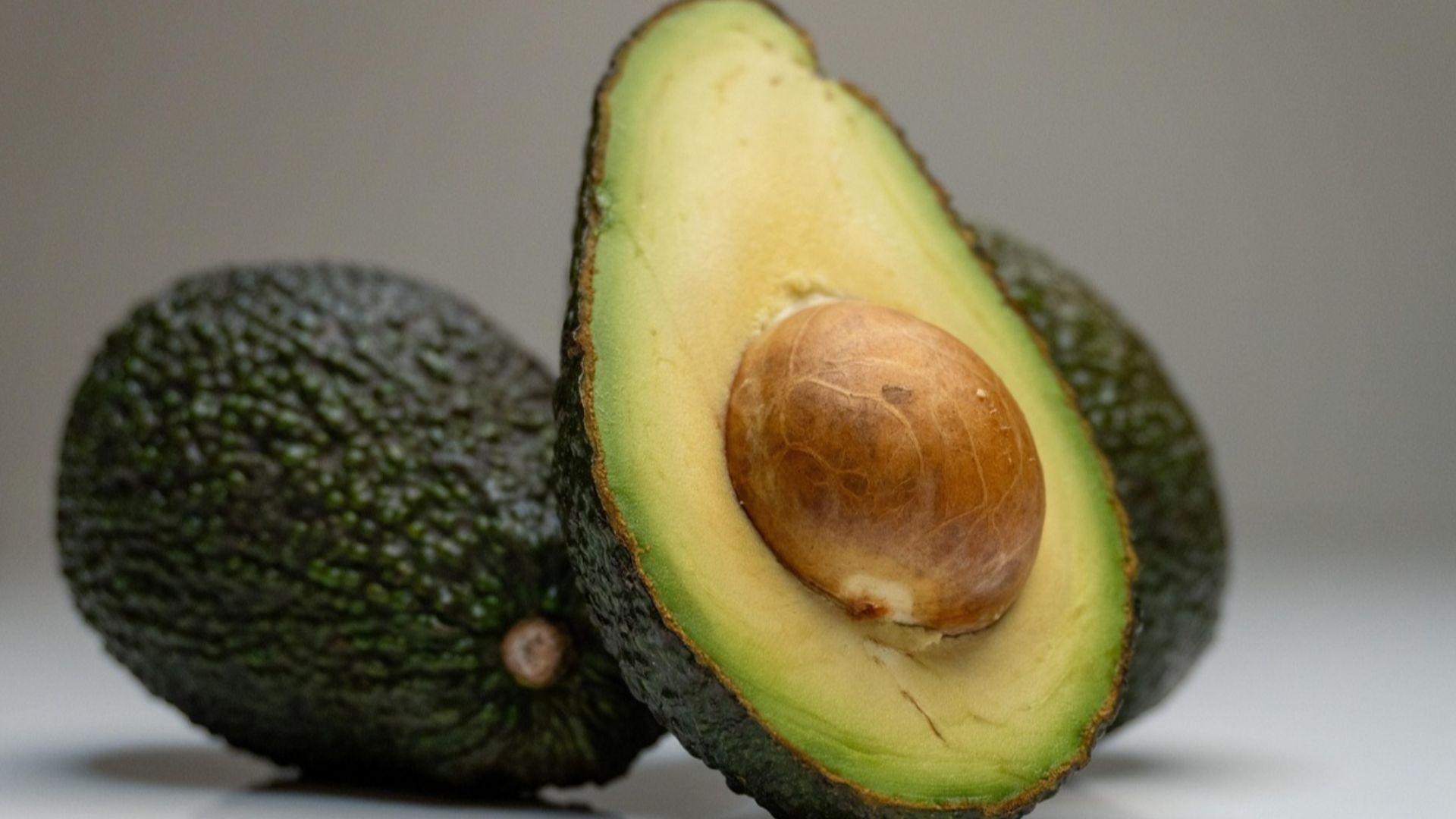
The Bag Of Avocados
Avocados became ordinary in a surprisingly short time. They went on toast, tacos, salads, eggs, sandwiches, and bowls. Now, shoppers treat them more carefully because the price and ripeness window can be unforgiving. A bag of avocados sounds nice until they all turn soft at once and suddenly feel like edible pressure.
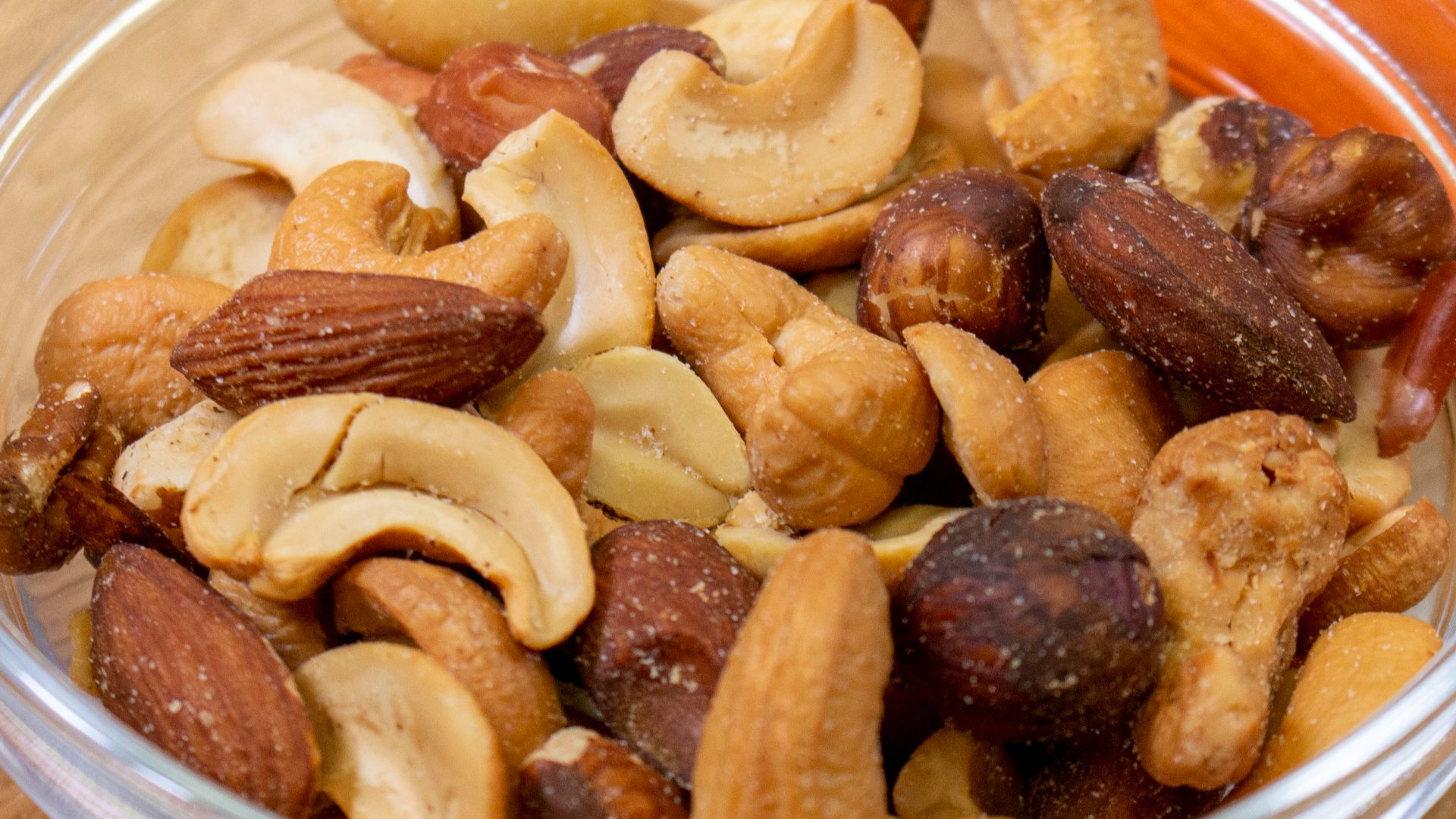
The Container Of Mixed Nuts
Mixed nuts once felt like a responsible snack: filling, simple, and healthier than chips or candy. But the price can make a container feel more like a specialty item than a pantry basic. Families may buy peanuts, smaller bags, or save almonds and cashews for recipes instead of letting everyone snack freely.
 Alabama Extension, Wikimedia Commons
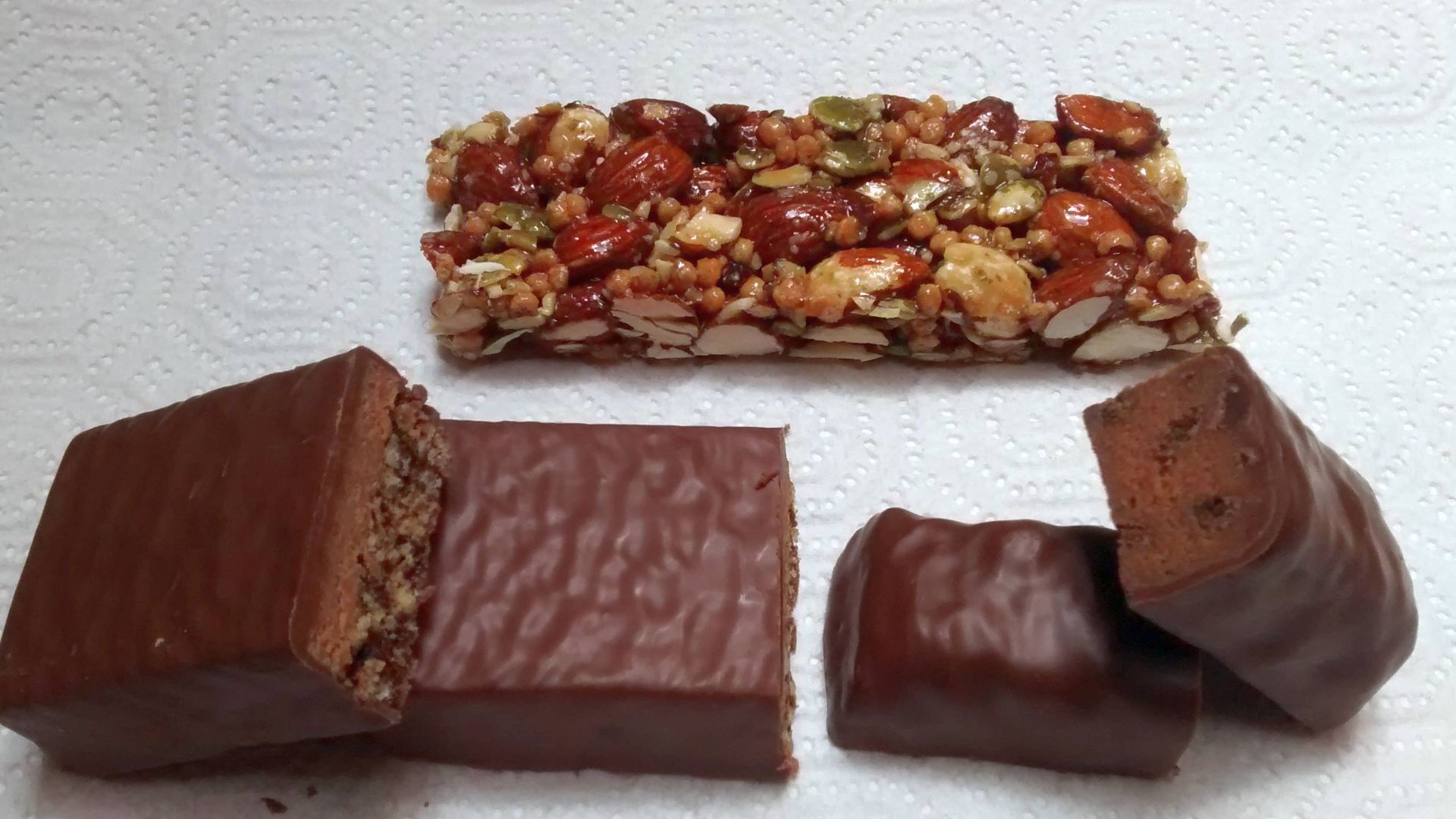
The Protein Bar Box
Protein bars and granola bars became the answer to every rushed morning, after-school activity, and car snack emergency. But a box can disappear in a day or two in a busy house. Families are noticing the cost per bar and replacing them with bananas, toast, homemade muffins, or bulk snacks portioned at home.
 Mx. Granger, Wikimedia Commons
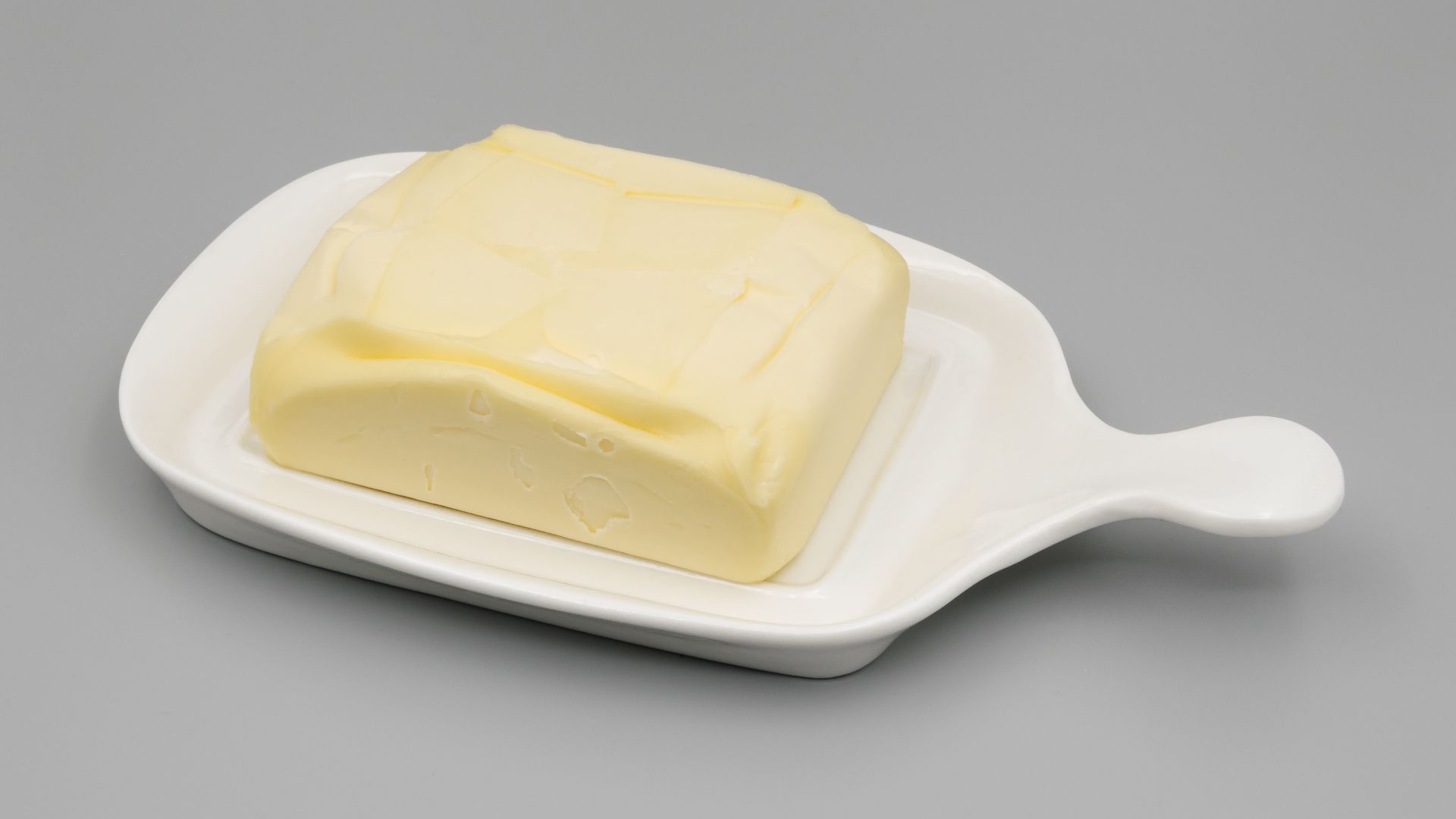
The Real Butter Stock-Up
Butter is still essential for baking and cooking, but it no longer feels like something everyone can use carelessly. Families buy it on sale, freeze extra, or save it for recipes where the flavor matters most. Margarine, oil, or cheaper alternatives may handle the everyday jobs while butter becomes more protected.
 Jacek Halicki, Wikimedia Commons
The Bottle Of Maple Syrup
Real maple syrup has always cost more than pancake syrup, but many families once accepted it as a nicer pantry staple. Now, the price makes it feel like something to ration. Pancake mornings may still happen, but the syrup is poured more carefully, and children are reminded that the bottle is not bottomless.
 Josefito123, Wikimedia Commons
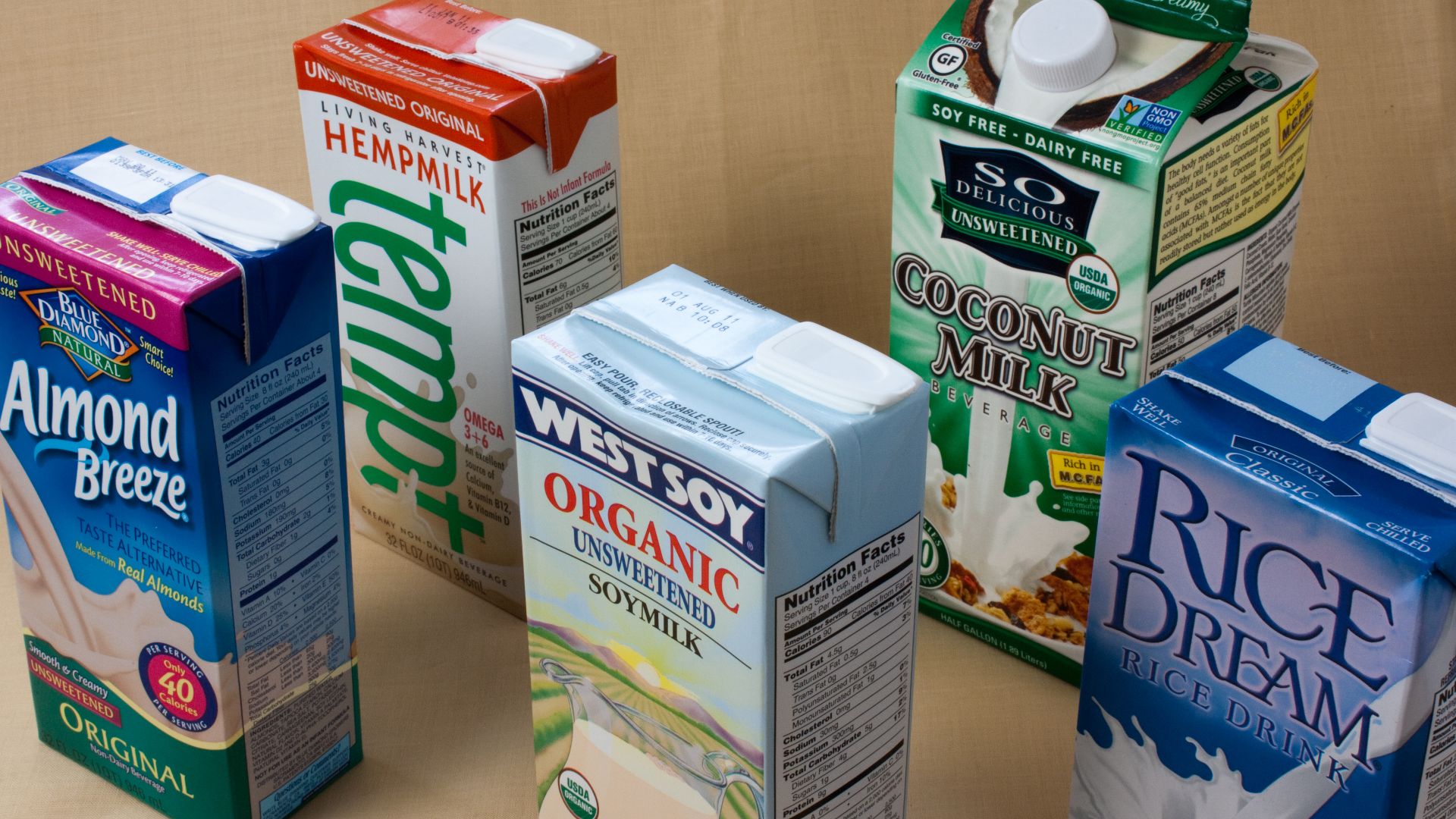
The Organic Upgrade
Organic milk, organic berries, organic eggs, and organic snacks once felt like attainable upgrades for families who cared about food quality. Now, many shoppers are choosing their battles. They may keep a few organic priorities but drop the rest. It is less about abandoning values than admitting the premium has become harder to carry.
 Veganbaking.net from USA, Wikimedia Commons
The “Just In Case” Extras
Middle-class carts used to include a few backup foods: extra crackers, another frozen dinner, a second coffee creamer, a nicer cheese, one more snack for the pantry. Those extras made the house feel abundant. Now, many families shop closer to the list. The cushion is thinner, and “just in case” has become harder to afford.
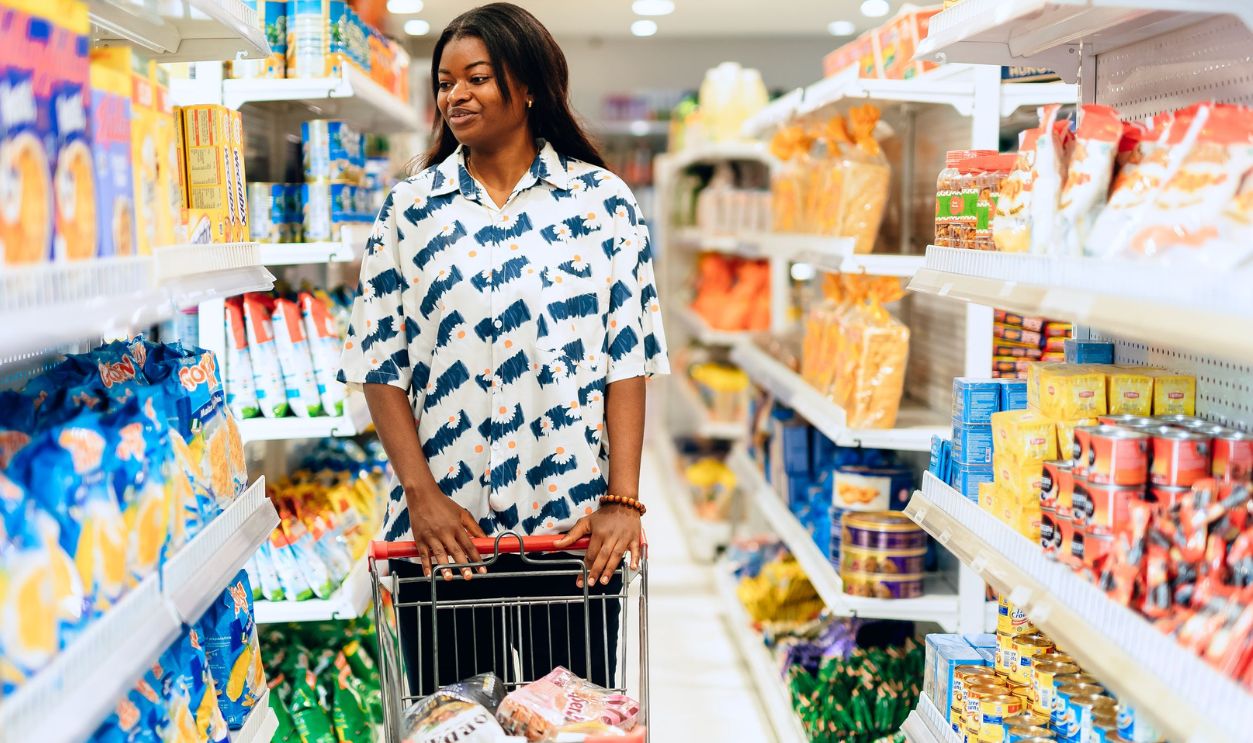
The Real Change Is Emotional
The strange part is that many families are not necessarily buying completely different foods. They are buying them with a different feeling. Ordinary items now require comparison, substitution, patience, and restraint. The foods themselves are familiar, but the old sense of ease is missing.
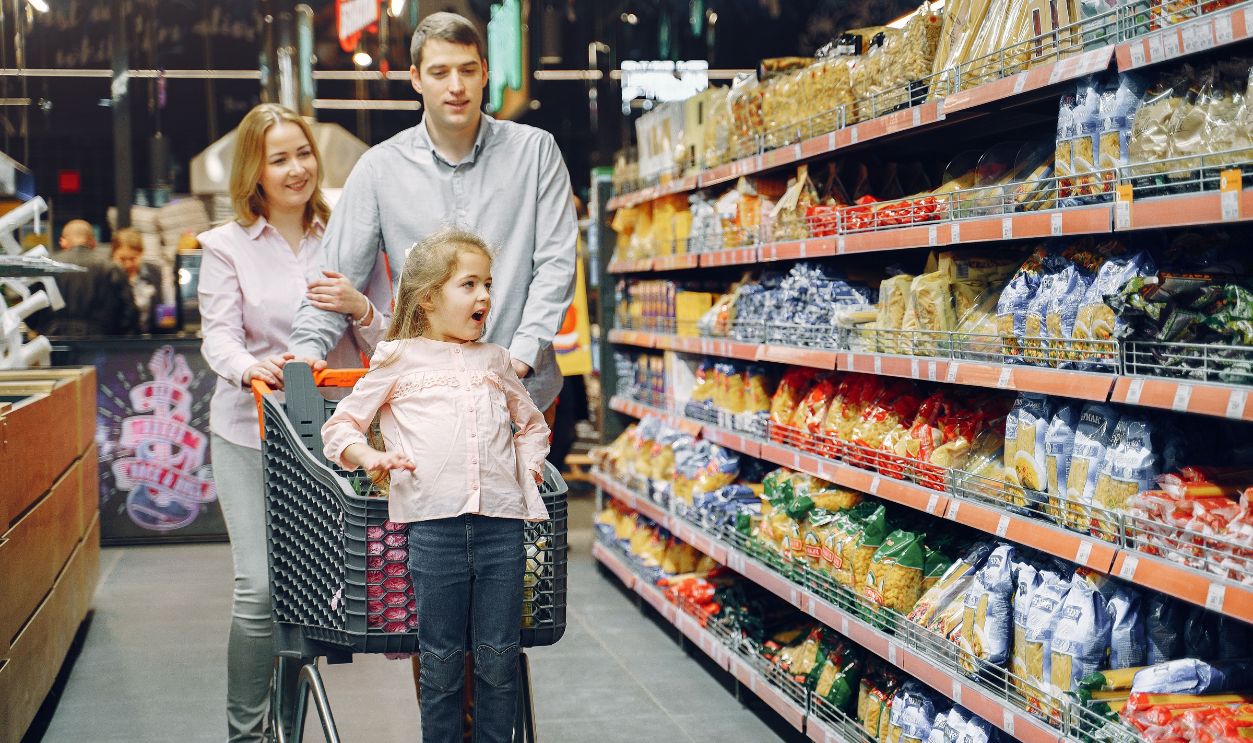
The Grocery Cart Tells The Story
A grocery cart can still look full and normal from the outside. But inside, the choices tell a quieter story: fewer treats, cheaper brands, more stretching, fewer shortcuts, and more mental math. These foods were never extravagant, which is exactly why their new price tags sting. They used to feel like everyday life. Now, some of them feel like decisions.
You May Also Like:
Wellness Tips That Save You Money in the Long Run
5 Quick And Easy Cleaning Tips That Will Save You Money