Smart Tricks Hidden In Plain Sight
Most grocery shoppers head into the store with a list and a budget, believing they are fully in control of what ends up in the cart. Yet supermarkets are carefully designed environments where product placement, promotions, and subtle merchandising strategies can influence buying decisions in ways many people never notice. Understanding these overlooked tactics does not mean avoiding grocery stores altogether, but it can help you recognize when you're making a purchase because you truly want it rather than because the store nudged you in that direction.
The Store Entrance Starts Selling Immediately
Where products appear can influence what shoppers buy before they have walked very far. A 2026 study involving 36 discount supermarkets in England found that moving an expanded fruit and vegetable section near store entrances increased produce sales compared with matched control stores. The lesson extends beyond produce because prominent placement gives merchandise more opportunities to be noticed. That makes the first few feet of a shopping trip valuable retail space.
Prime Locations Give Products An Advantage
Store entrances are only one example of what researchers call prominent retail locations. Checkouts and aisle ends also receive special attention because shoppers naturally encounter them while moving through the store. Research into supermarket environments treats these positions as strategic locations rather than ordinary shelf space. Once a shopper notices something that was not originally on the list, the store has created another opportunity for a purchase.
Endcaps Work Like Giant Product Reminders
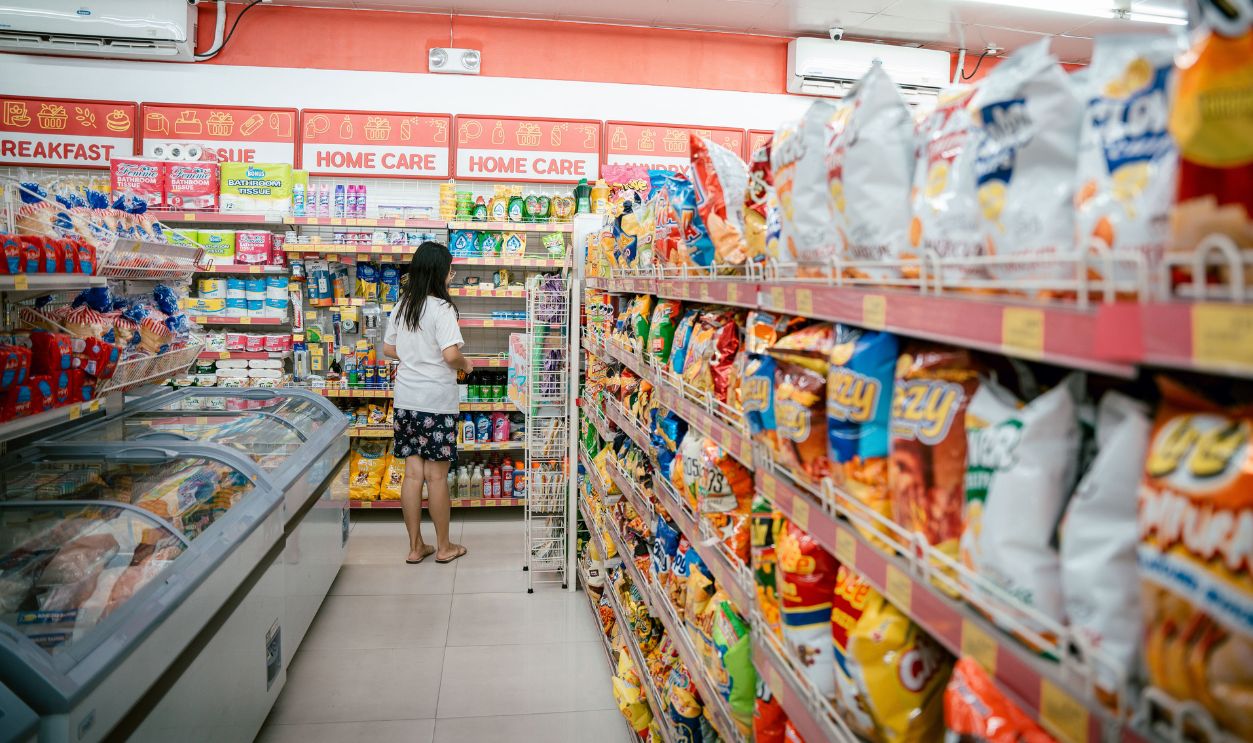
The displays at the ends of grocery aisles are especially powerful. Three supermarket experiments found substantial sales increases for brands displayed on endcaps, with researchers describing rear endcaps as functioning like billboards that could draw shoppers into an aisle. The study also found that front and rear endcaps performed differently depending on whether researchers measured sales directly from the display or total brand sales. Either way, the end of an aisle is far more than leftover shelving space.
The Back Endcap Can Be Surprisingly Powerful
You might assume an endcap near the front of the store would automatically perform best. The supermarket experiments found that rear endcaps actually produced a larger increase in total brand sales than front endcaps on average. Researchers suggested that these displays can attract shoppers toward the main aisle where the product is stocked. That means a display can influence buying even when the shopper does not grab the item directly from it.
Seeing The Same Product Twice Matters
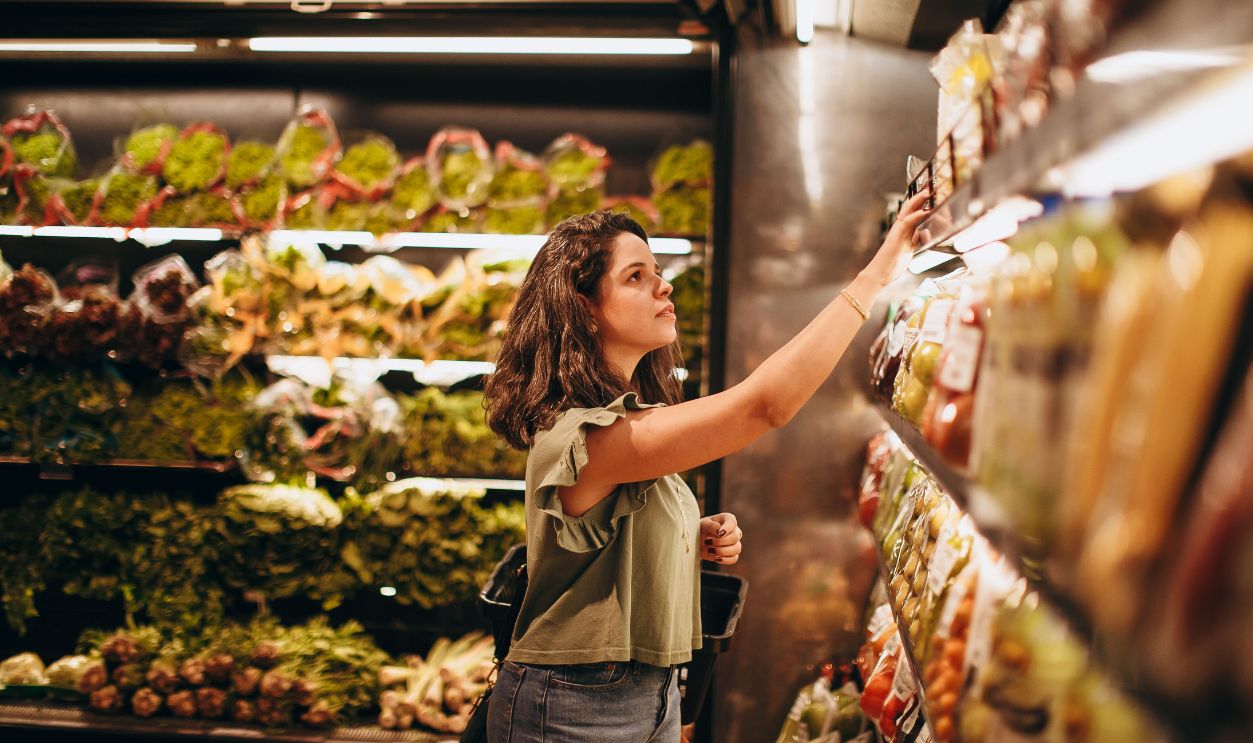
Grocery merchandise is often displayed outside its main aisle as well as in its regular shelf location. A Montreal supermarket assessment specifically measured products appearing in multiple locations, including aisle ends, areas near cash registers, and ready-to-eat displays. Every additional display creates another moment in which the shopper can notice the product. This repetition helps explain why a familiar snack can seem to follow you through the store.
Checkout Is One Last Selling Zone
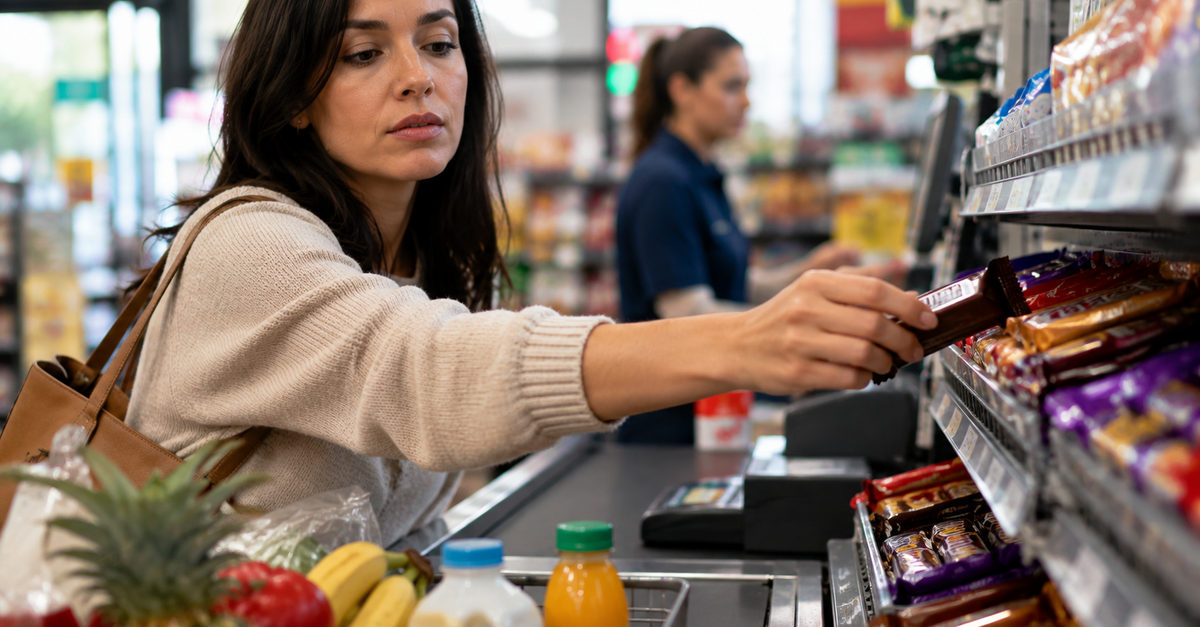
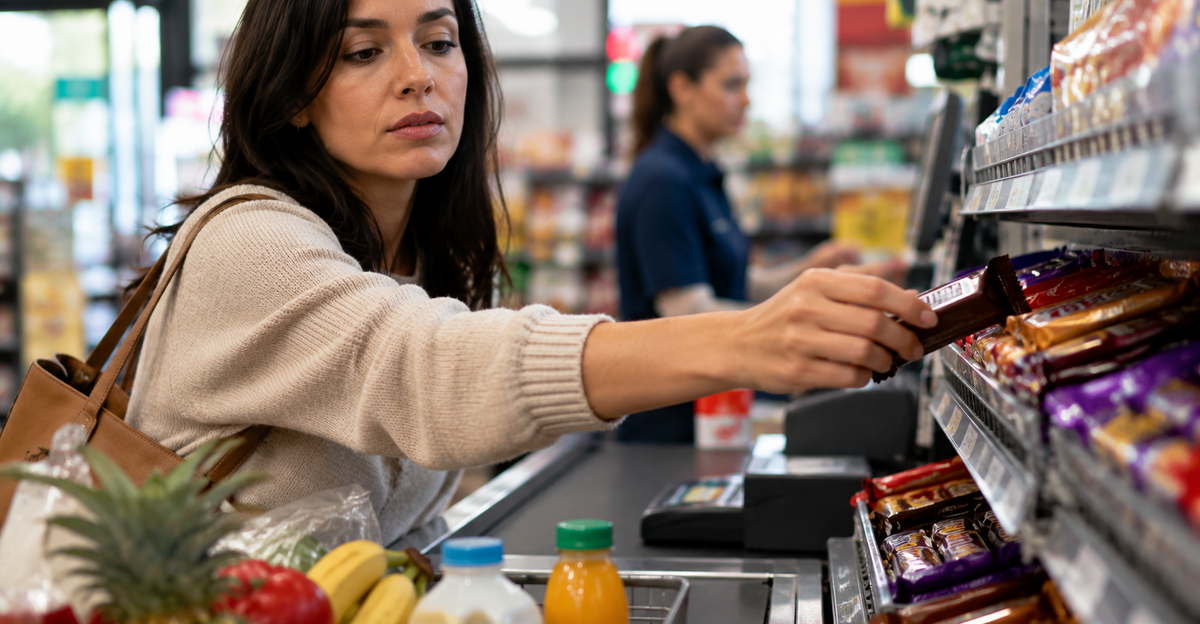
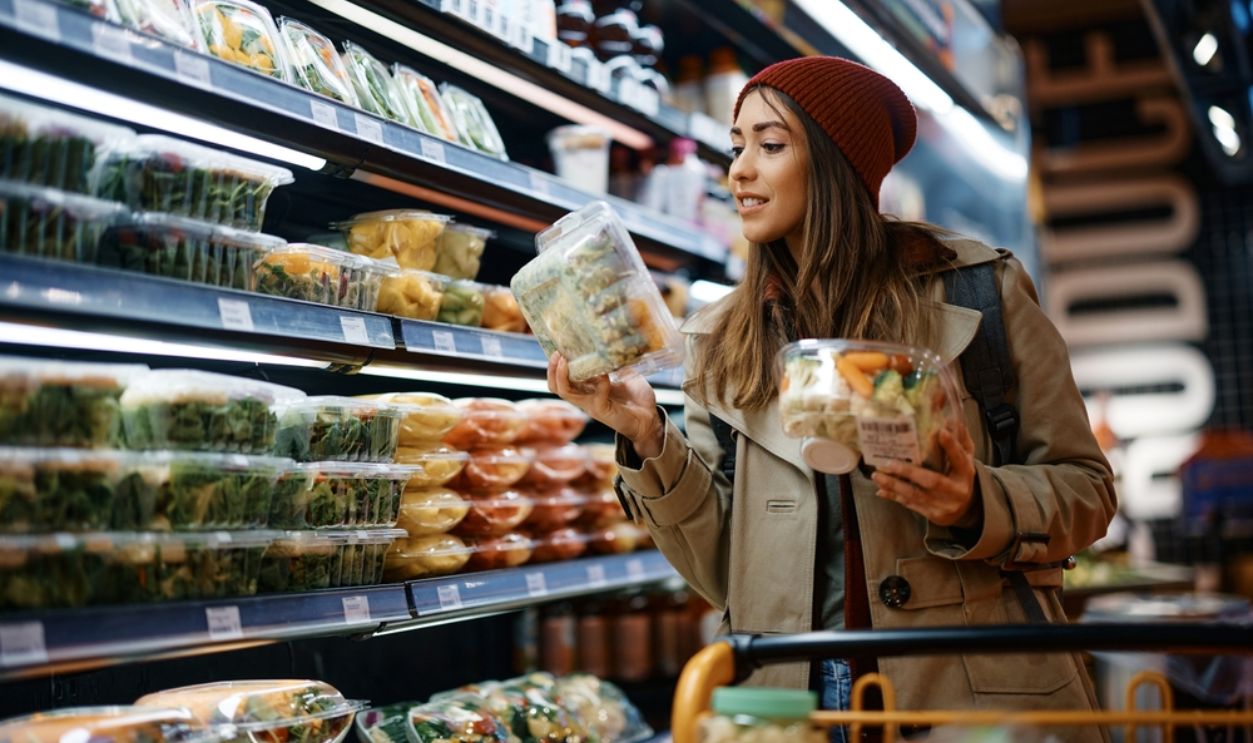
Finishing your grocery list does not mean the selling has stopped. Researchers studying supermarket checkouts describe them as strategic locations where surrounding products can encourage impulse purchases. In one survey of UK supermarkets, shoppers encountered numerous foods along their possible routes through checkout areas. The final minutes of a trip therefore expose customers to merchandise when most planned shopping decisions have already been made.
Checkout Products Are Hard To Avoid
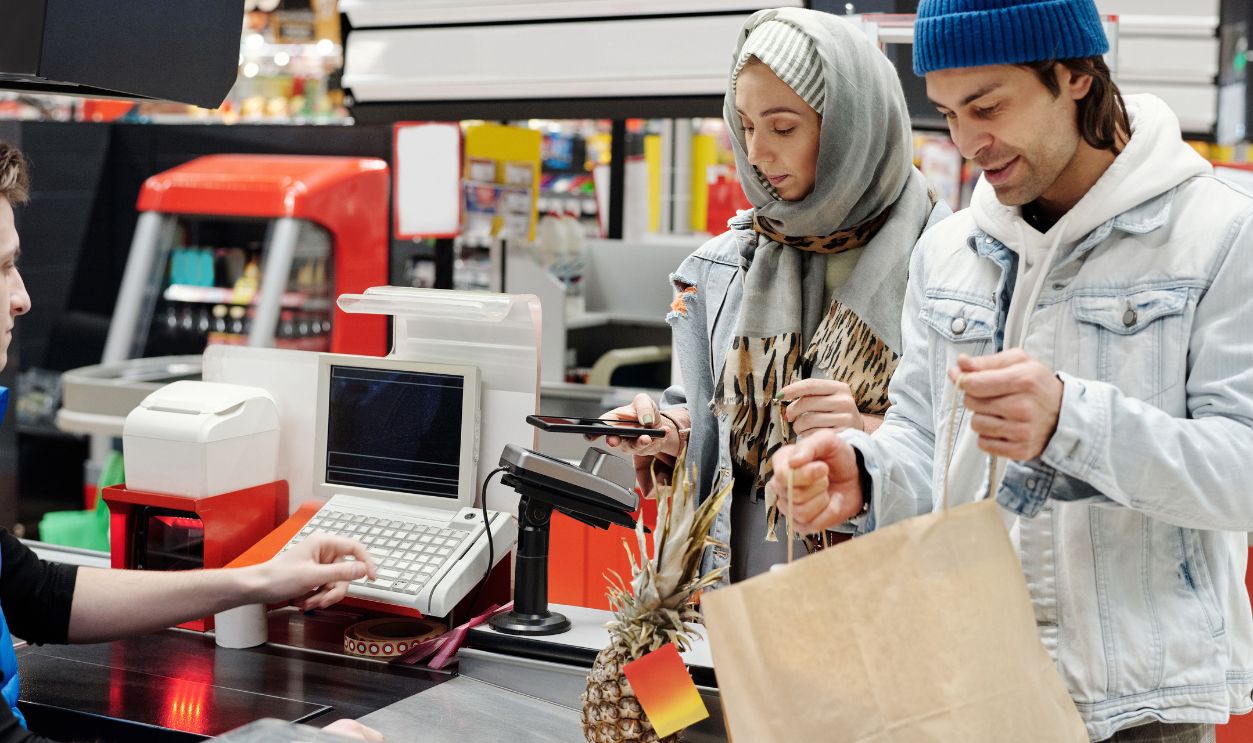
Checkout placement works partly because nearly everyone who buys something has to pass through that area. A study of 69 UK supermarkets found major differences in how much food shoppers encountered at checkout depending on the stores' checkout policies. Stores without checkout-food policies had more products displayed along the checkout journey than stores with clear policies. In other words, what surrounds the register can meaningfully change how much merchandise shoppers see before paying.
Candy Gets Plenty Of Premium Exposure
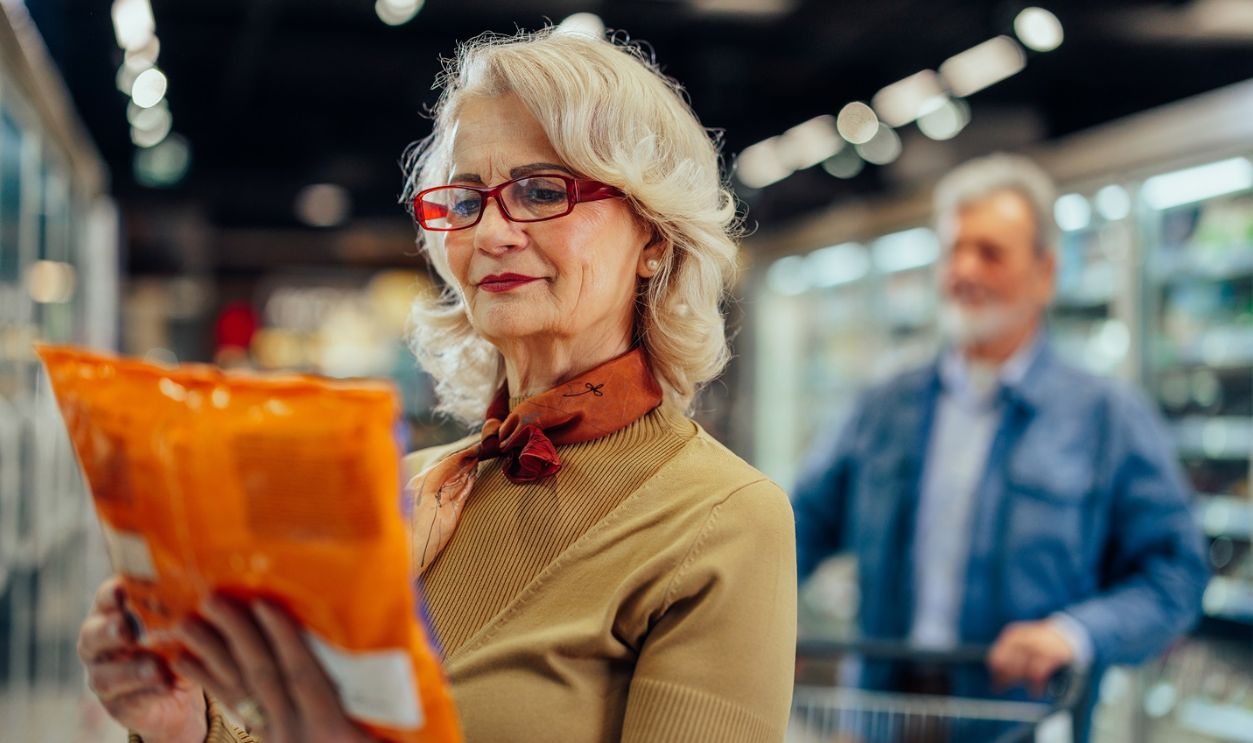
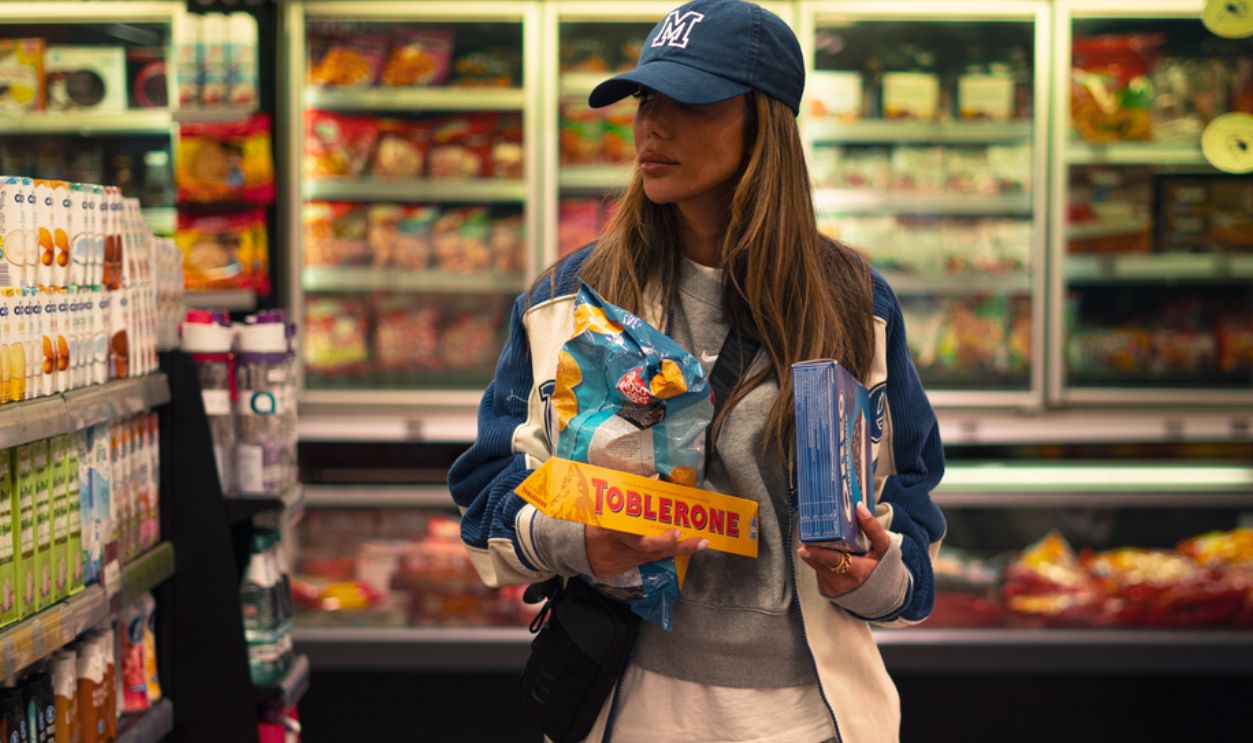
Research on supermarket marketing repeatedly finds snacks among the heavily promoted categories. One U.S. study examining thousands of weekly promotions found particularly high promotional activity for sweet and salty snacks, baked goods, and sugar-sweetened beverages. Candy sales in that study were substantially higher when the product was being promoted than when it was not. A small purchase near the register may feel insignificant, but the placement and promotion are not insignificant to retailers.
Promotions Change More Than Prices
A discount can influence shoppers even when it is modest because promotion itself increases a product's visibility. Researchers analyzing supermarket transactions found higher sales for promoted products across a range of food categories. The exact size of the association differed by category, so not every sale sign produces the same response. Still, a brightly promoted item competes for attention in a way an ordinary shelf label does not.
The Deal Format Can Matter As Much As The Deal
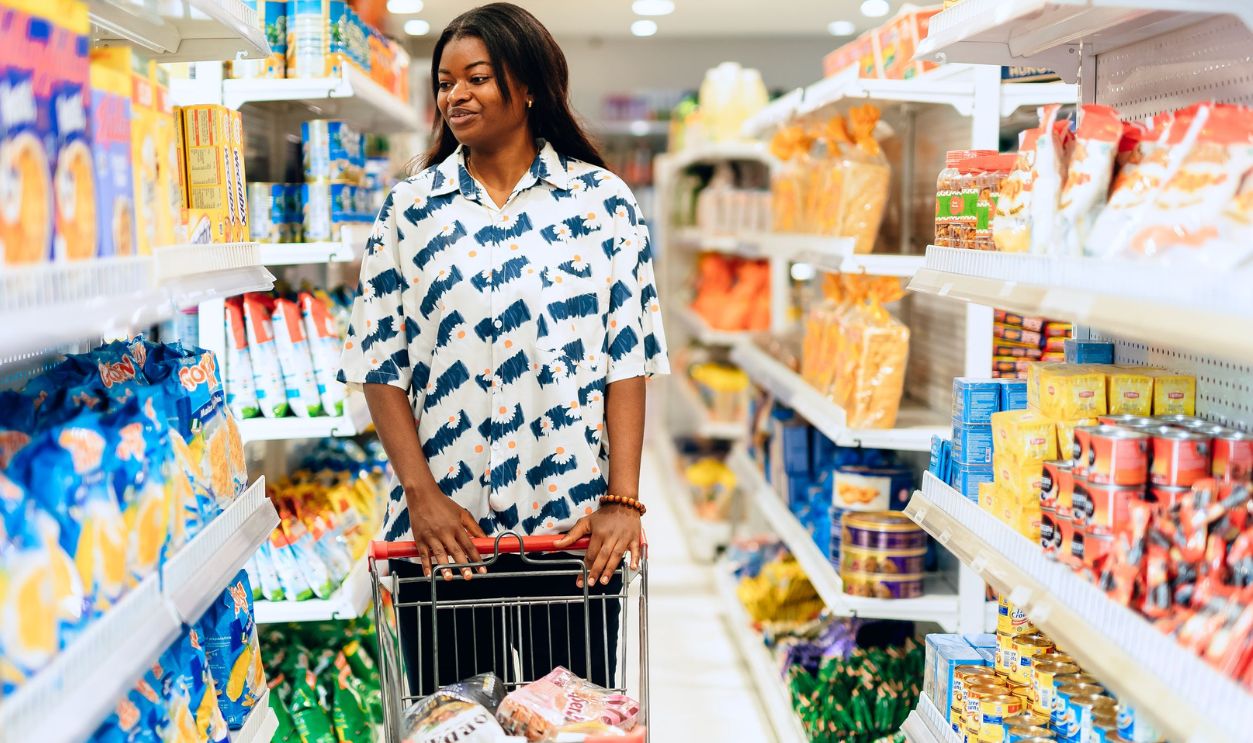
Consider the difference between seeing one item discounted and seeing a sign advertising several items for one combined price. Research on multi-unit promotions has found that the quantity written into an offer can affect how many units people intend to purchase. A sign saying "5 for $5" does more than communicate a price because the number five also becomes part of the decision. That makes the wording of a promotion another piece of the sales strategy.
Multi-Buy Numbers Can Become Anchors
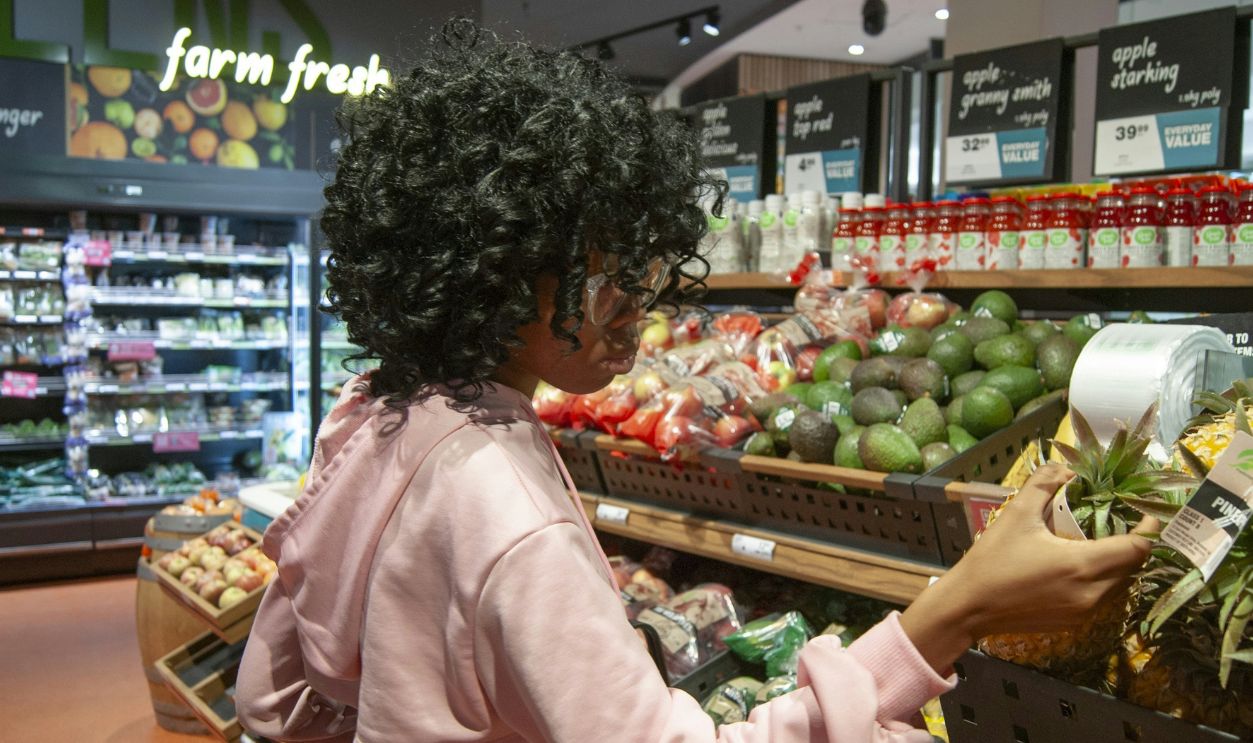
Experiments published in the Journal of Retailing found that larger quantities stated in multi-unit offers could lead to larger intended purchase quantities. Researchers connected the effect to anchoring, in which an encountered number influences the quantity shoppers consider reasonable. Importantly, simply showing the single-unit price did not eliminate the effect in those experiments. The number printed on the promotion can therefore shape the shopping decision before the customer does any mental math.

Multi-Buys Can Increase Real Purchases
More recent field research has shown that this effect is not limited to hypothetical shopping decisions. A 2025 experiment involving 43,246 vegetable purchases across eight supermarkets found that multi-unit offers increased units sold by 19.5 percent compared with equally priced single-unit discounts. Shoppers were paying the same per-unit price in the comparison, so the quantity framing itself mattered. That is a useful reminder that "two for" can influence behavior even when buying one would cost exactly half as much.
Buying More Is Not Always Saving More
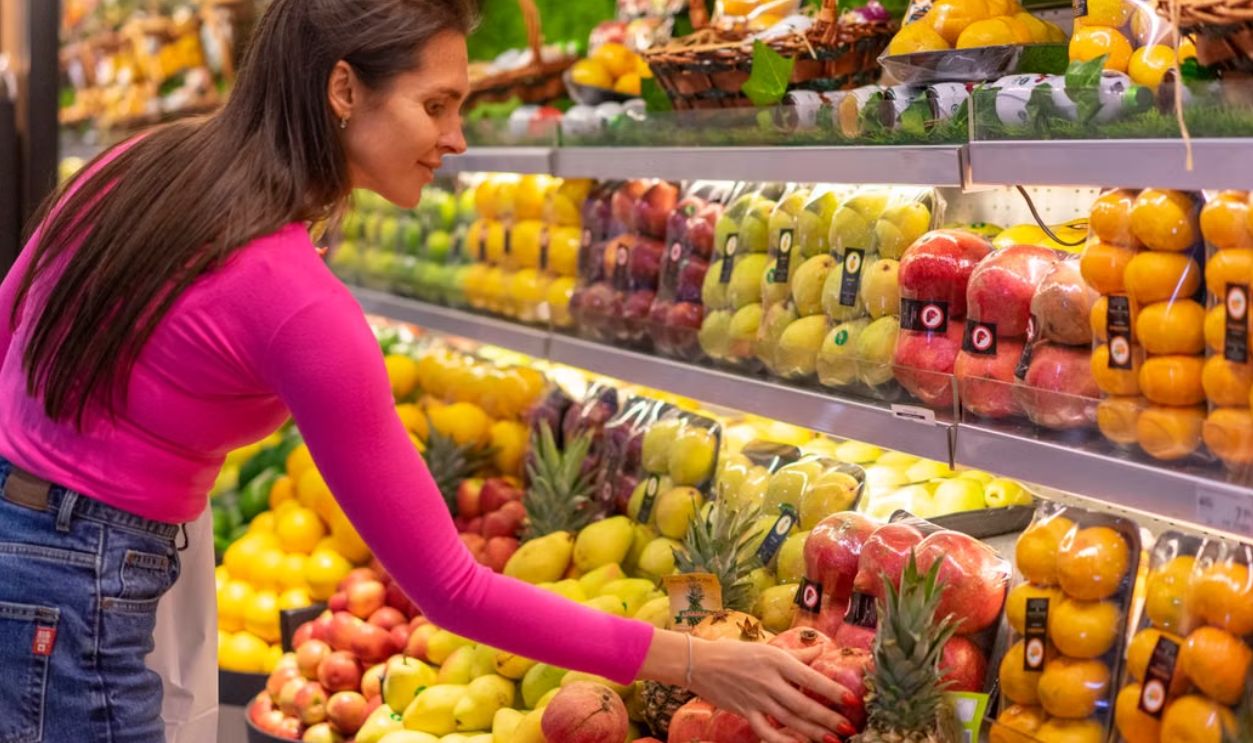
A bigger haul can feel like proof that a promotion worked in your favor. The same 2025 supermarket experiment found that products bought through multi-unit offers were more likely to contribute to household food waste than products bought through single-unit discounts. The researchers linked the extra waste to increased purchasing quantities. A deal only saves money when the extra food actually gets used.
A Simple Reminder Can Reduce Overbuying
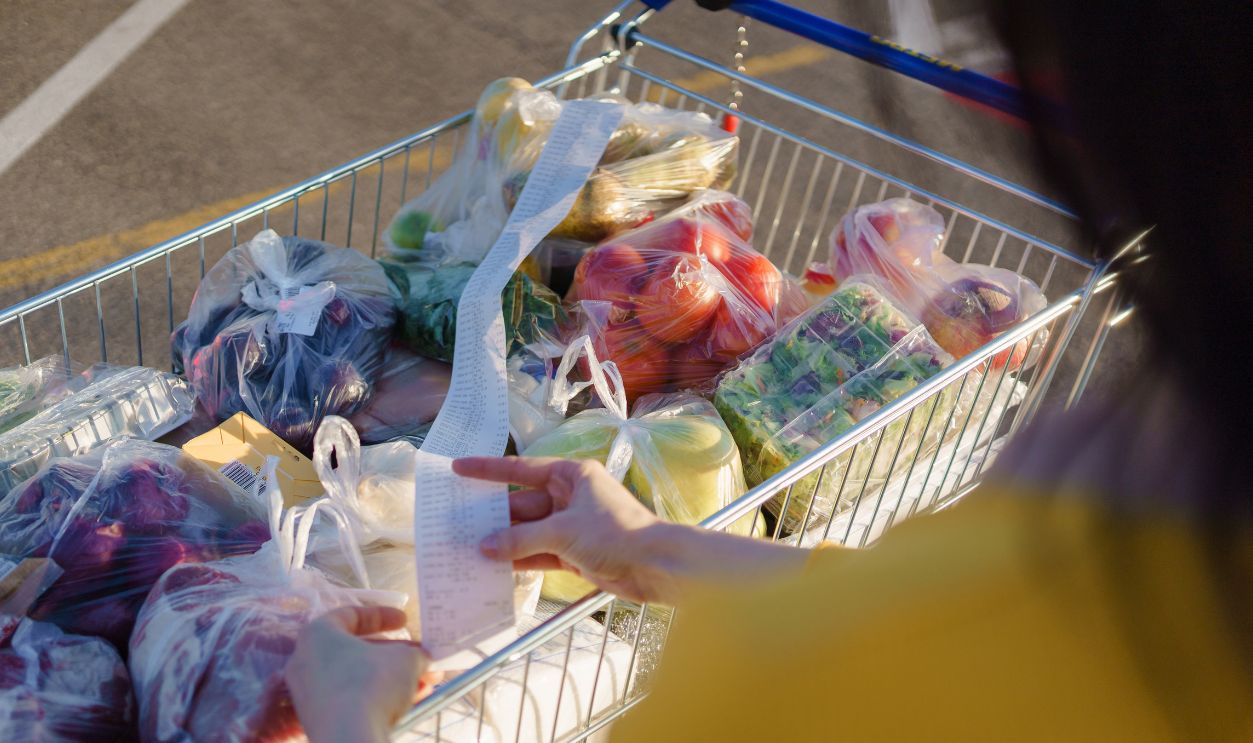
The 2025 field experiment also tested ways to counter the pull of multi-unit promotions. Making the single-item comparison price more noticeable reduced purchasing relative to the standard multi-unit offer. A prompt asking shoppers to consider how much they really needed also reduced purchasing. Those results suggest that a brief moment of comparison can interrupt the momentum created by a bundle-style deal.
Unit Prices Demand Extra Attention
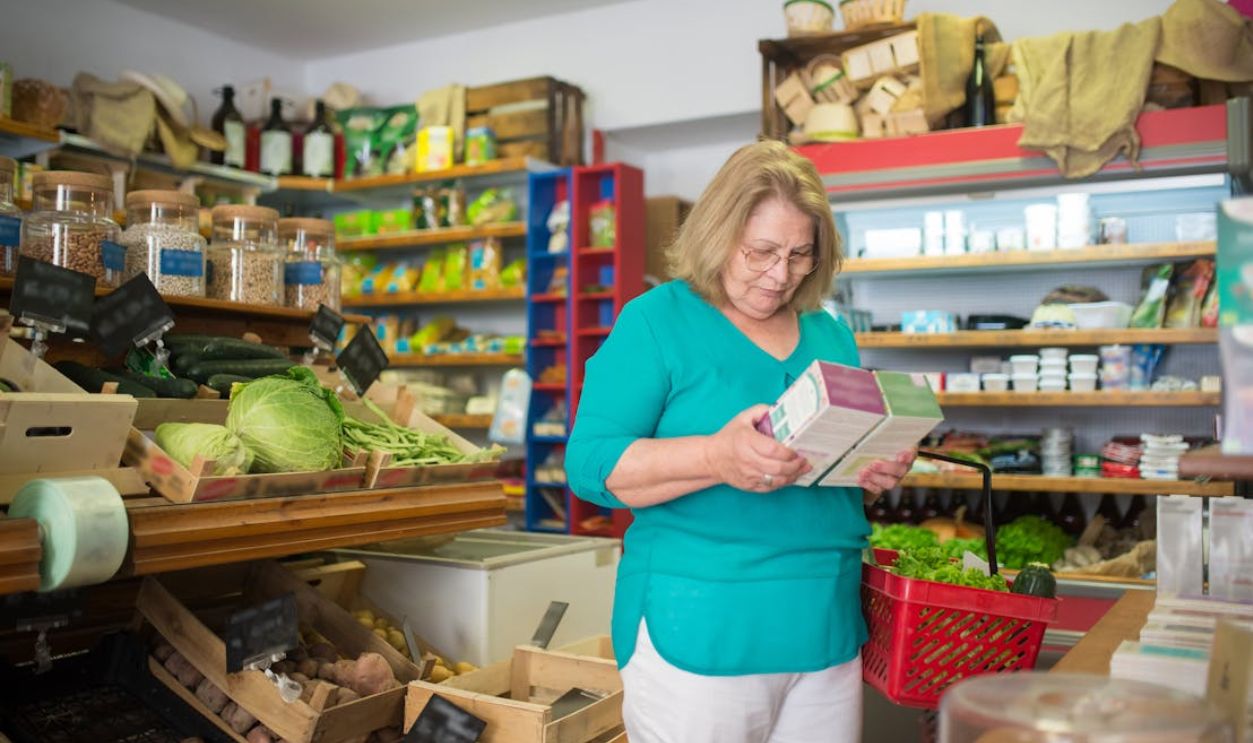
The total price on a package is not always the best way to compare value across different sizes. Unit pricing converts products to a common measure such as price per gram, ounce, or litre. Research on grocery price labels has found that consumers make limited use of unit-price information even though it can help comparisons. That leaves plenty of room for a larger-looking package or louder advertised price to dominate the decision.
Tiny Pricing Details Can Be Easy To Miss
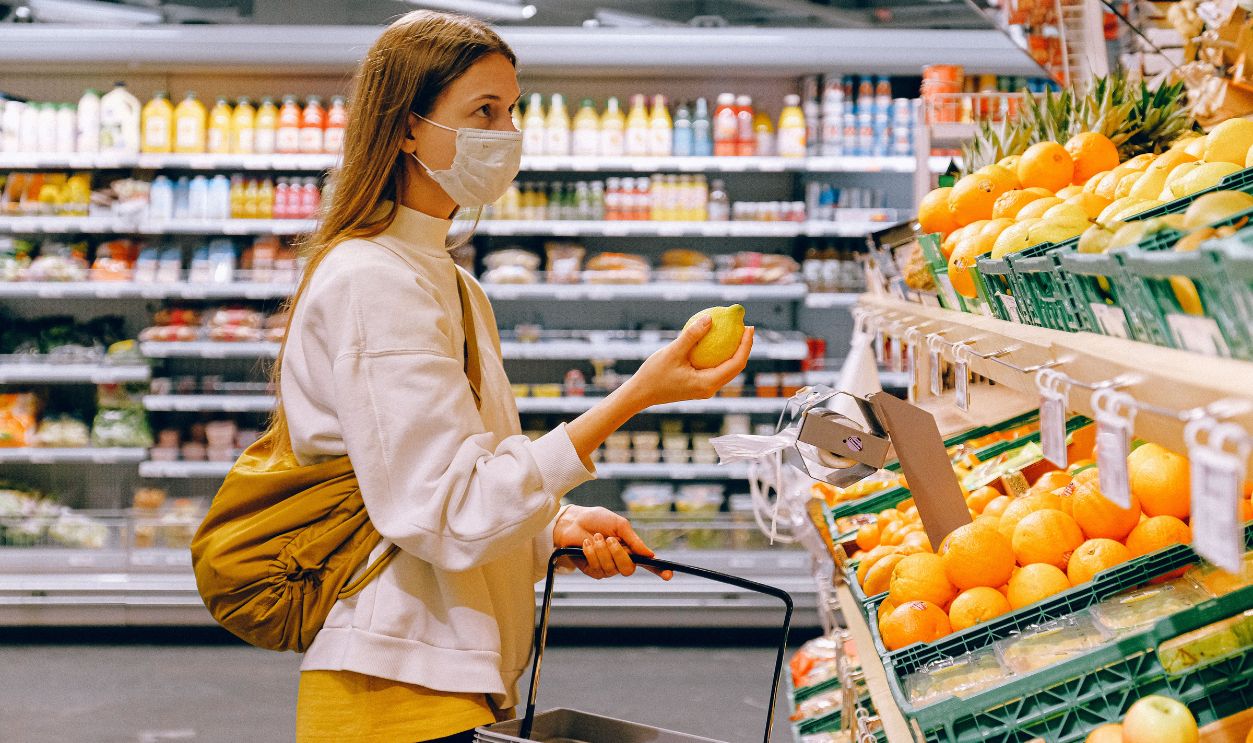
Researchers have tested whether changing the design of a unit-price label affects where shoppers look. An eye-tracking study found that enhanced label designs, particularly color highlighting, increased visual attention to unit prices. The extra attention did not automatically cause participants to choose the lowest unit-priced product. That distinction matters because simply making comparison information available does not guarantee shoppers will use it.
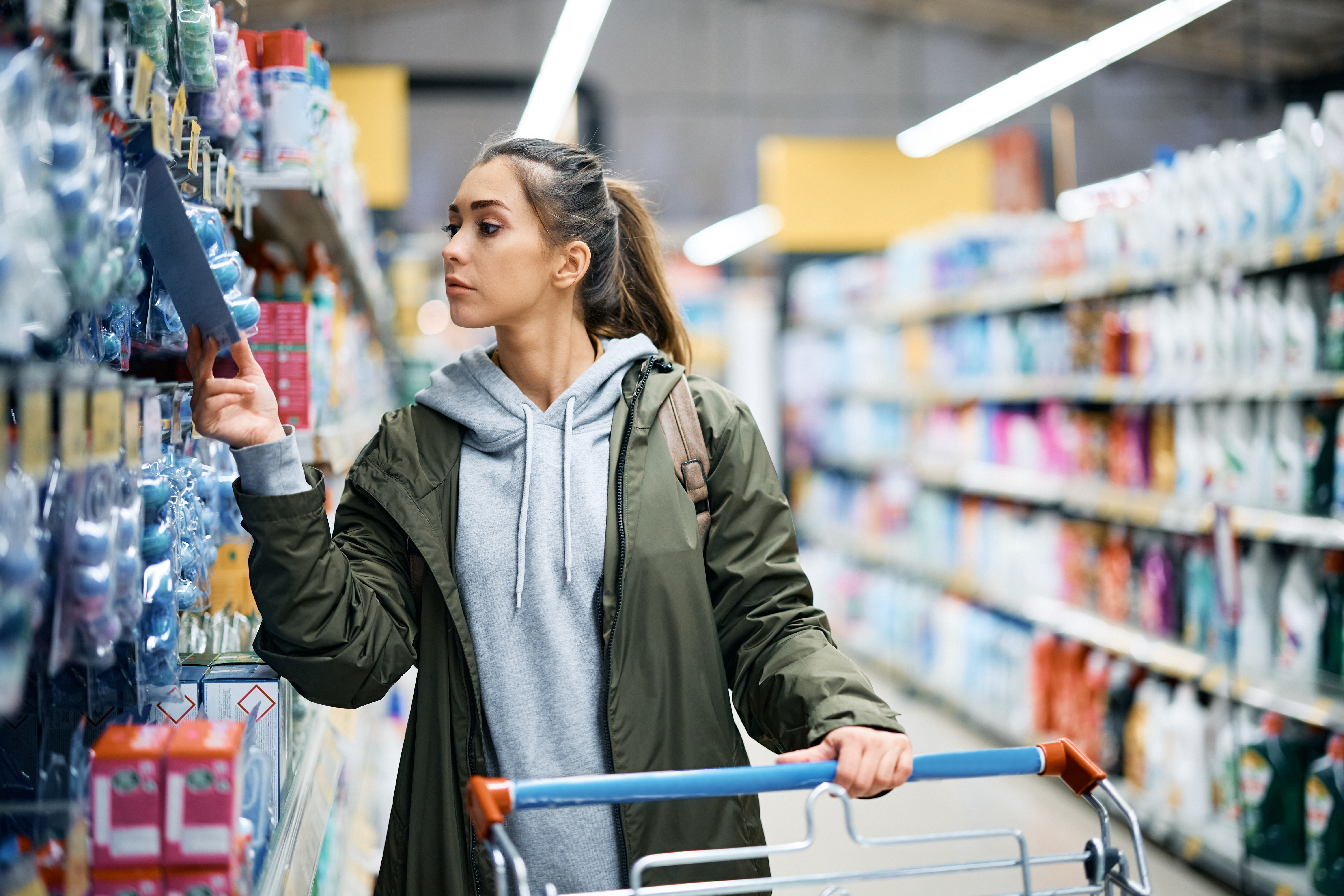
Comparing Package Sizes Takes Work
Different package sizes make value comparisons more complicated than glancing at the sticker price. Unit prices exist specifically to put those packages on a comparable basis. When shoppers focus only on the total price, a cheaper package can still cost more for every unit of product inside. Grocery shopping becomes easier for retailers when customers compare the big numbers instead of doing the underlying calculation.
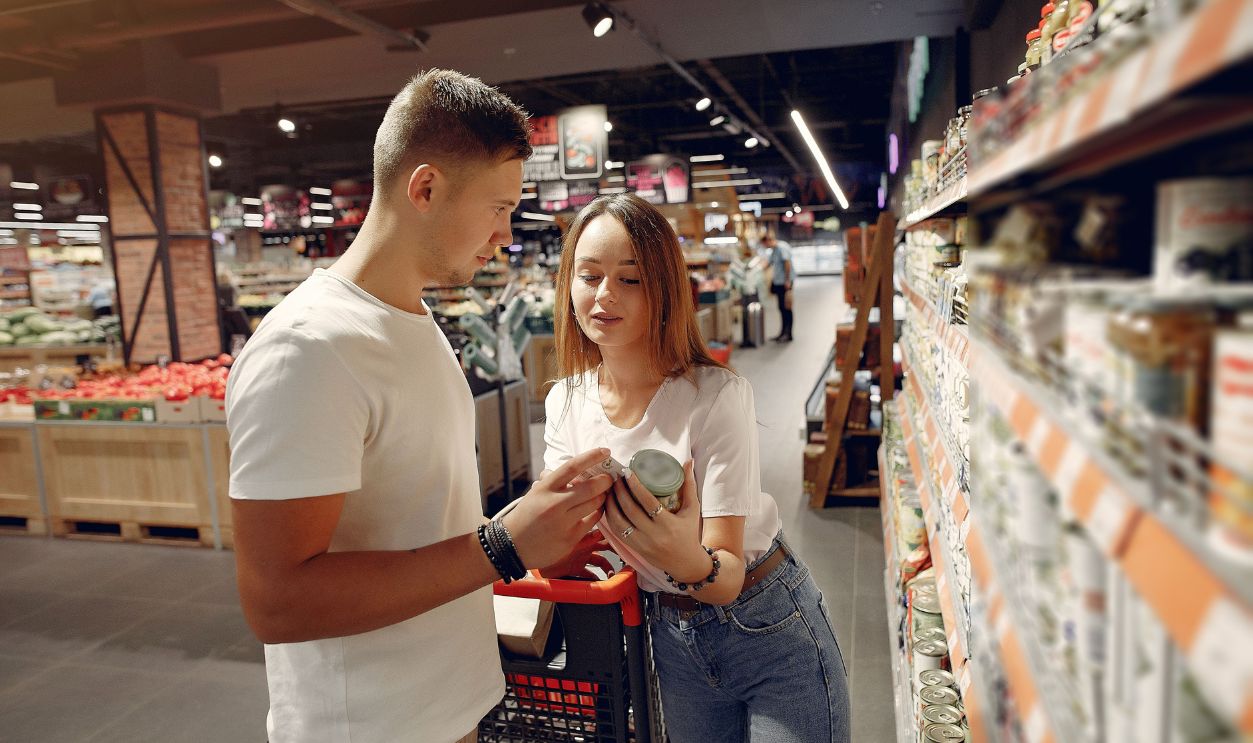
Promoted Products Often Lean Toward Snacks
In-store marketing is not distributed evenly among every type of food. Researchers studying stores in the United States found far more weekly promotions for sweet and salty snacks than for categories such as fruit or beans. They also found that promoted products generally sold more than the same products did when they were not being promoted. So the products receiving the loudest in-store attention can shape what ends up in the cart.
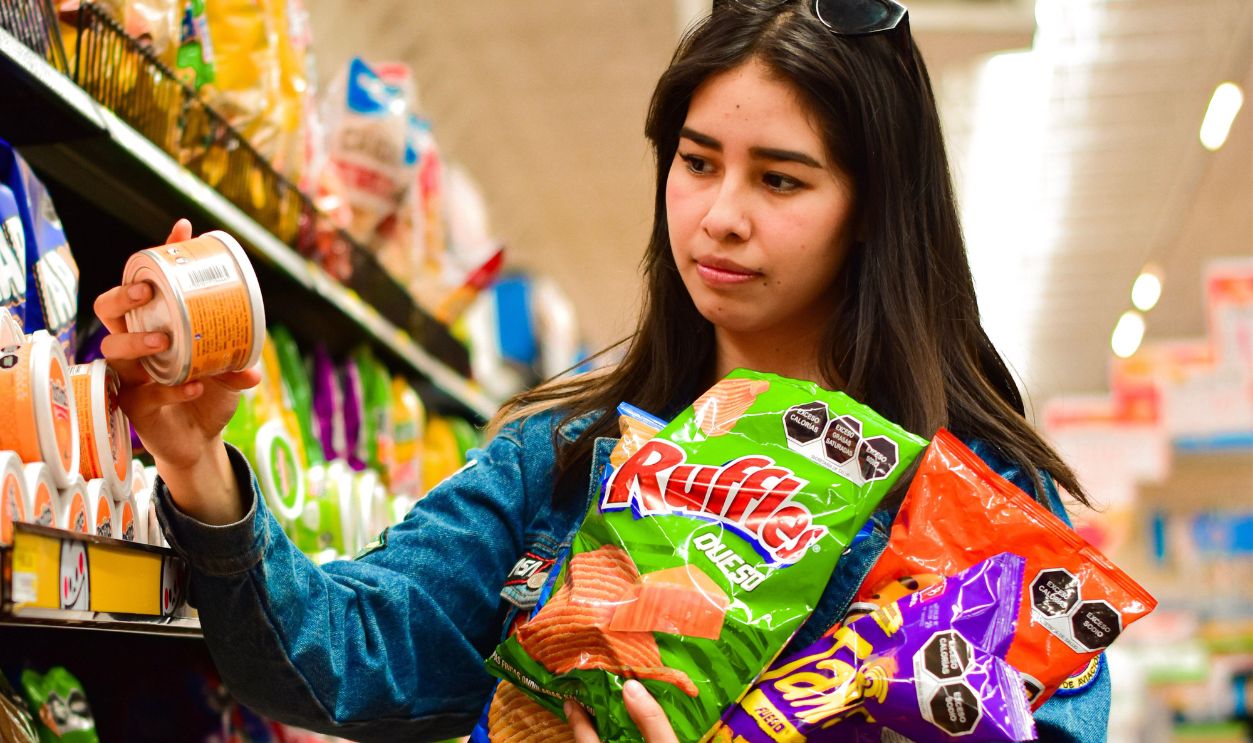
Placement Can Change Healthy Purchases Too
Retail placement is not inherently about pushing candy or soda. The same techniques can steer customers toward healthier foods when those products receive prominent space. In the English supermarket study, moving an expanded produce section toward store entrances increased fruit and vegetable sales at the store level. That result helps demonstrate why retailers care so much about location in the first place.
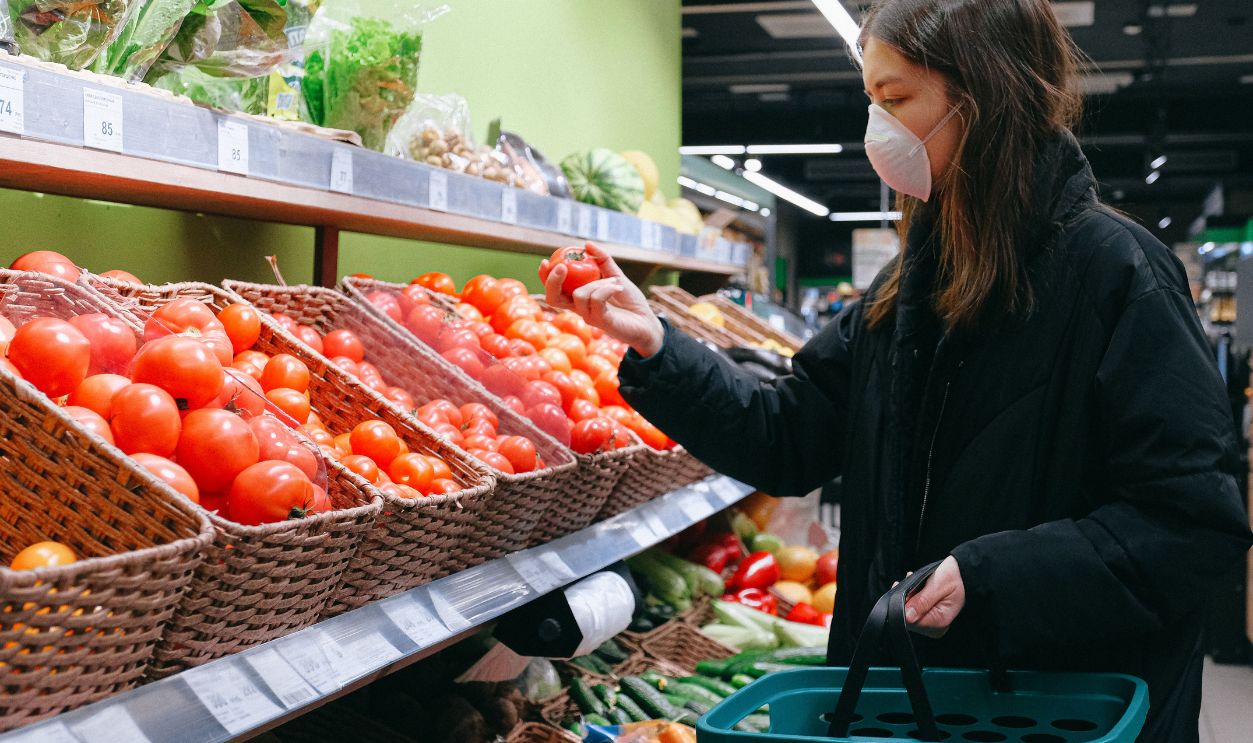
Shelf Position Competes For Your Attention
Researchers using eye tracking in real and simulated supermarket environments have found that placement contributes to patterns of visual attention and choice. The results are more complicated than the familiar slogan that "eye level is buy level," because shopping goals, brands, and specific shelf arrangements also matter. Still, retailers devote substantial attention to where products sit because visibility is a limited resource. What you notice first can narrow the options you seriously consider.
Loyalty Cards Do More Than Award Points
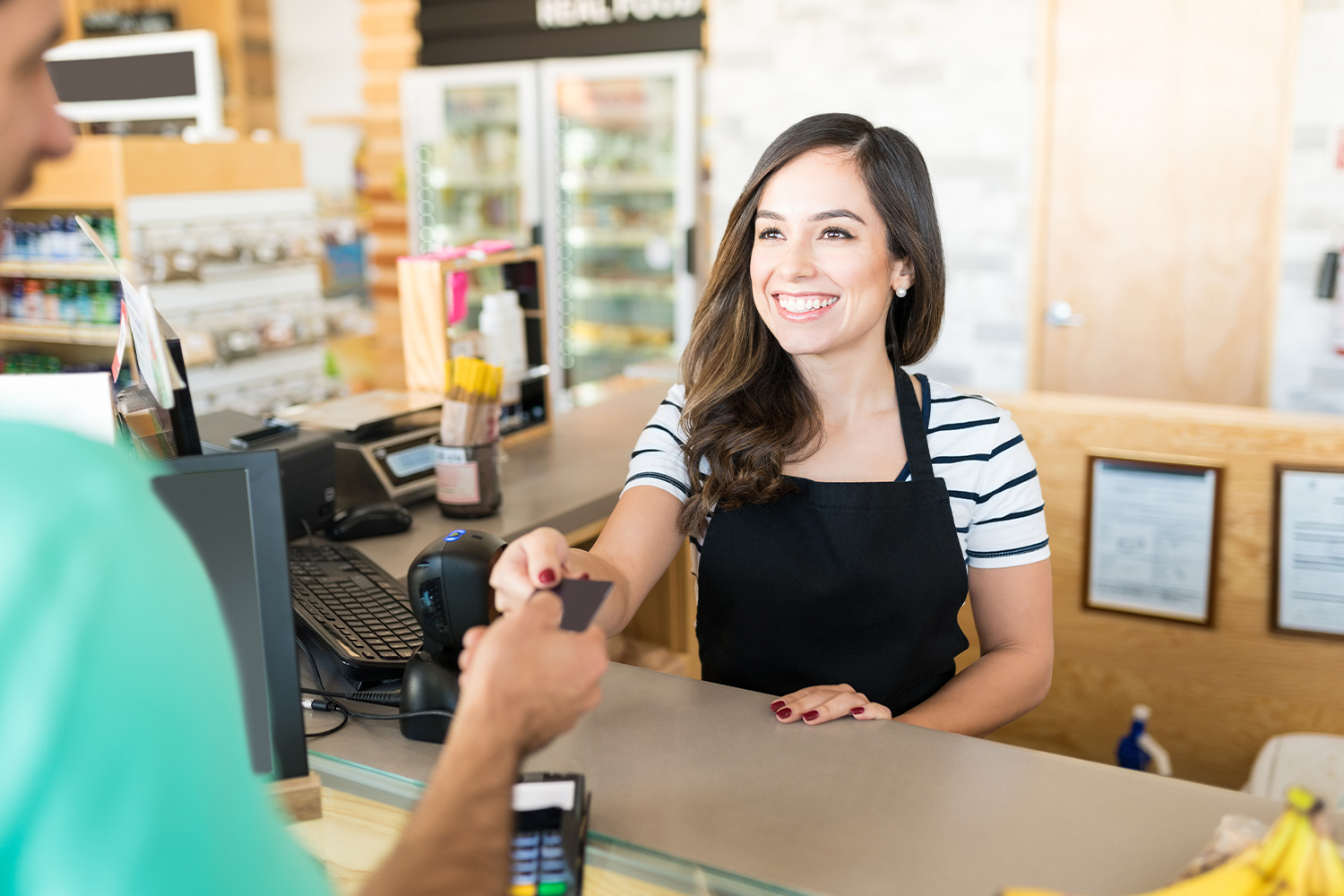
Scanning a loyalty card also connects purchases to a customer profile. Kroger's privacy policy says it may collect commercial information such as products purchased, considered, and other purchasing histories or tendencies. The company lists personalization, advertising, discounts, and business analytics among the purposes for which it uses information. The discount at checkout can therefore be part of a much larger data relationship.
Personalized Deals Encourage Another Visit
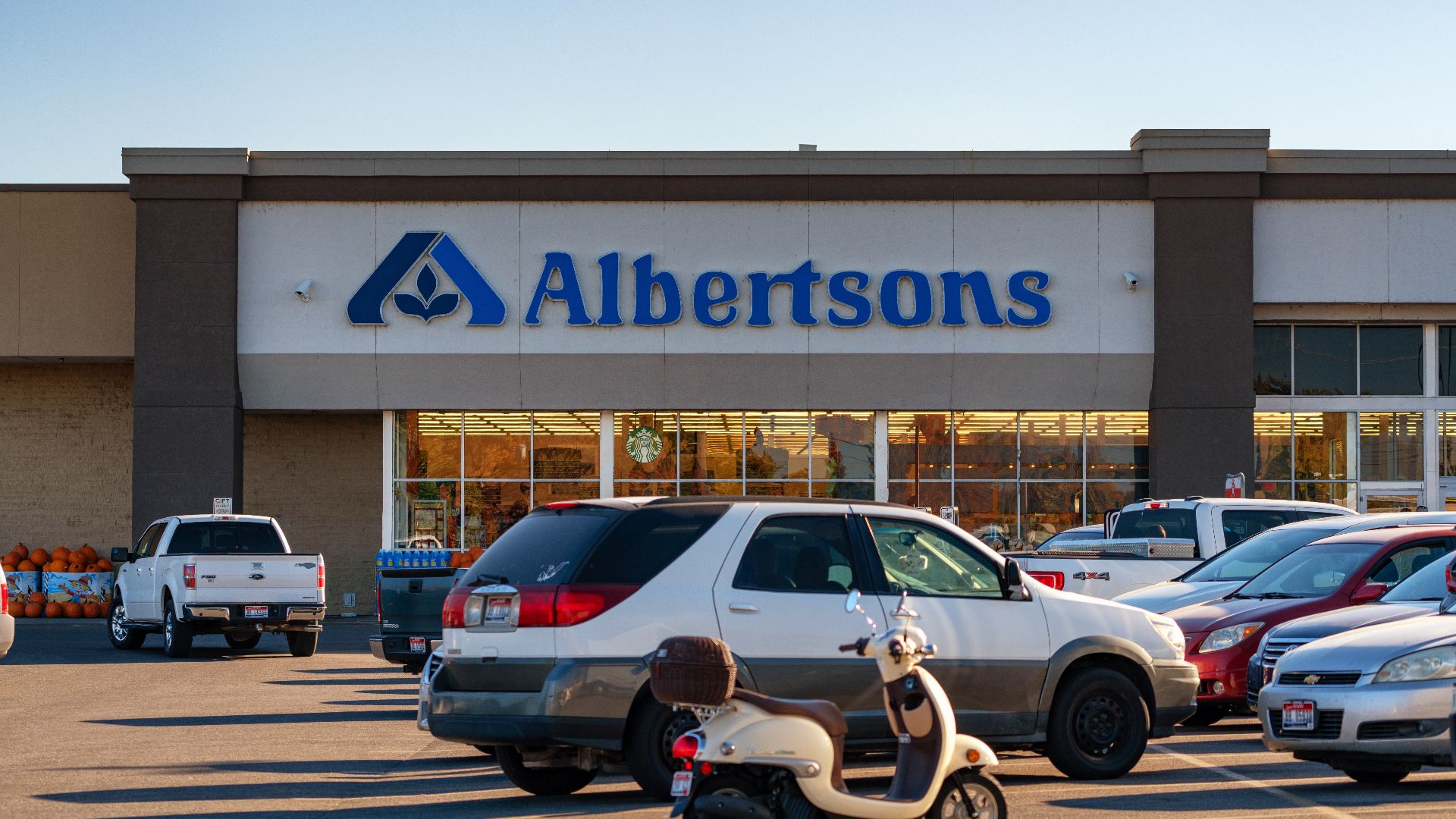
Loyalty programs increasingly advertise offers designed for individual members. Albertsons describes its for U program as providing weekly personalized grocery deals in addition to points and other rewards. Personalized savings can be useful, but they also give shoppers another reason to open the app and return to the same retailer. The promotion is no longer aimed at an anonymous crowd because it can be connected directly to the member.
 Tony Webster from Laramie, Wyoming, United States, Wikimedia Commons
Digital Coupons Add Another Shopping Step
Some grocery discounts require customers to activate a coupon digitally instead of receiving the advertised price automatically. The Associated Press reported that Stop & Shop introduced in-store kiosks so shoppers without easy app access could obtain digital coupons and personalized offers. Consumer groups had raised concerns that digital-only deals could exclude people without smartphones, internet access, or enough technical familiarity. The extra step also means shoppers must interact with a retailer's loyalty system to reach some discounts.
Customer Data Can Shape Offers
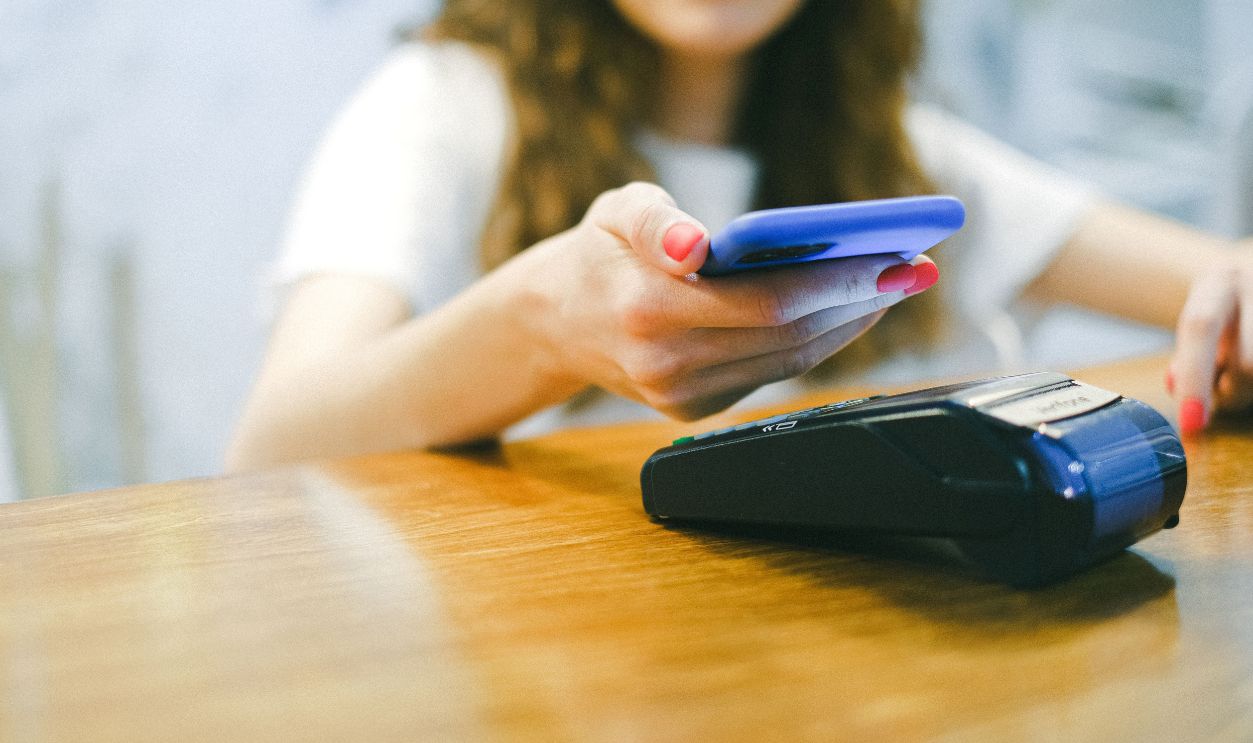
Retail personalization is becoming increasingly sophisticated. The Federal Trade Commission reported in 2025 that pricing intermediaries can use information such as shopping history, location, browsing activity, and other behavior to tailor prices or promotions. The FTC said the companies it examined served hundreds of clients across industries that included grocery retail. This does not mean every grocery price is individualized, but it shows that the technology to tailor offers using detailed customer data is already commercially available.
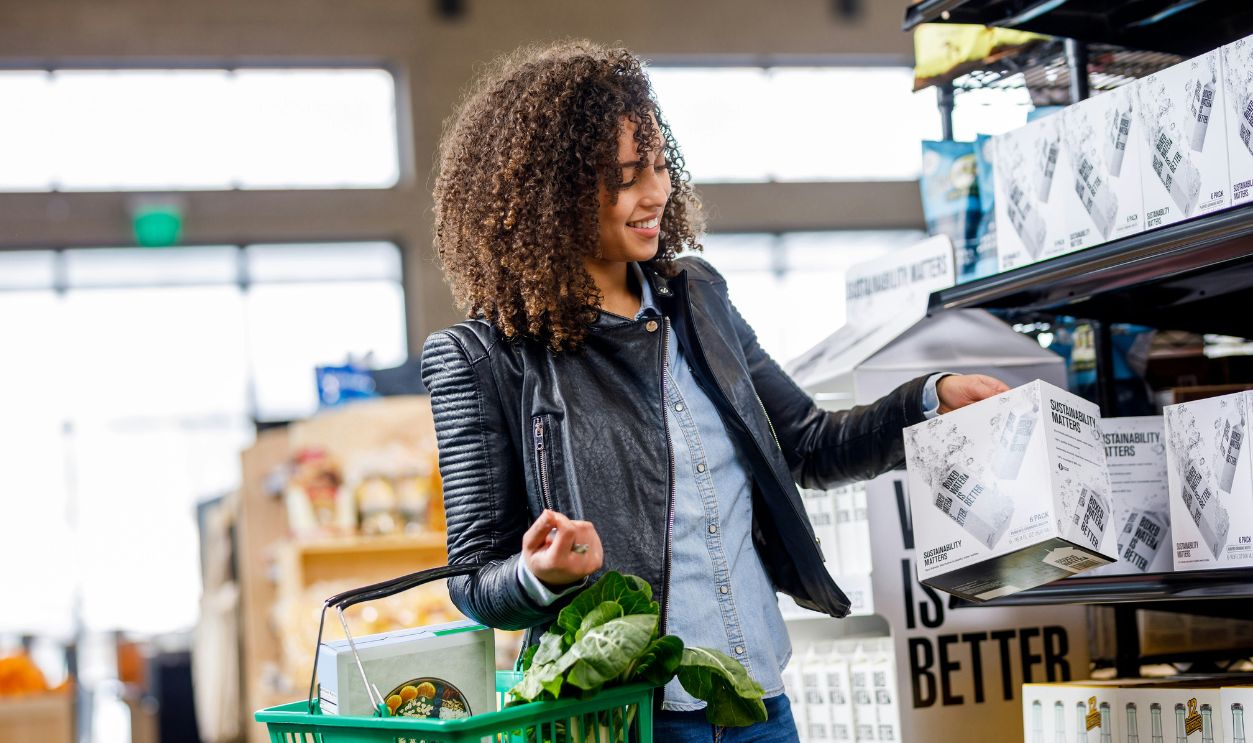 Boxed Water Is Better, Unsplash
Shopping In Person Creates More Temptation Points
Physical supermarkets expose shoppers to aisles, displays, checkouts, and other merchandising that online shoppers encounter differently. A study comparing online and in-store grocery transactions found lower spending on several impulse-sensitive food categories when purchases were made online. The researchers observed lower online spending on candy, frozen or cold desserts, and grain-based desserts. That finding supports the idea that the physical store environment creates opportunities for spontaneous additions to the basket.
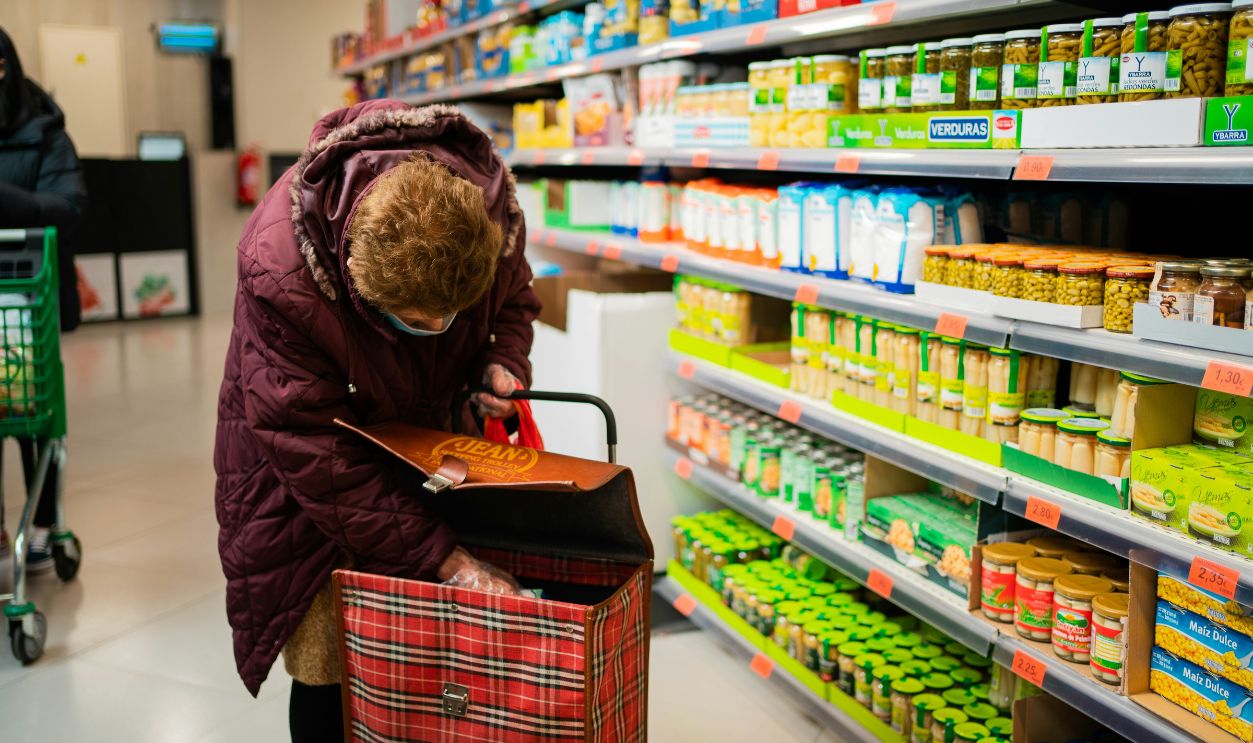 Victoriano Izquierdo, Unsplash
Even The Music Can Change Your Pace
The soundtrack playing overhead is another part of the retail environment. A classic field study published in the Journal of Marketing found that changing background-music tempo significantly affected supermarket traffic pace and dollar sales volume. The study did not establish that every playlist or every song will increase spending. It did show that something shoppers may barely notice can alter how they move through a store.
Small Influences Add Up
No single display, sale tag, checkout rack, or loyalty offer guarantees that someone will overspend. The evidence instead points to many small influences that can increase product visibility, suggest larger quantities, complicate comparison, or create additional purchase opportunities. Because those influences appear throughout the shopping journey, their effects can accumulate before the shopper reaches the register. Recognizing them makes it easier to distinguish a genuinely useful purchase from one that simply received the most persuasive presentation.
 Vladyslav Starozhylov, Shutterstock
You May Also Like: