
When Your Premium Quietly Robs You
Car insurance has a funny way of becoming invisible. You sign up, set the payment to auto-draft, and then forget about it—until your bank account reminds you every month. The problem is that many drivers end up overpaying not because they’re reckless or unlucky, but because their policy hasn’t kept up with their life. If you’ve ever wondered whether your premium feels a little too spicy for what you’re getting, these signs will help you figure it out.
Your Premium Is Higher Than Average
If your car insurance bill is noticeably higher than what friends or neighbors pay for similar vehicles and driving histories, that’s your first red flag. While rates vary by location and risk, being far above the norm usually means something in your policy is out of sync. Sometimes it’s justified—but often it isn’t.

You Haven’t Looked At Your Policy In Years
Insurance policies don’t age like fine wine. If you haven’t reviewed yours since you first signed up, you’re probably paying for coverage choices that no longer make sense. A quick read of your declarations page can reveal outdated limits, unnecessary add-ons, or missed savings.

You’re Still Paying For Full Coverage On An Aging Car
Collision and comprehensive coverage are valuable when your car is new or expensive. But as your vehicle loses value, those coverages can become disproportionately costly. At some point, the premium you’re paying is close to what the insurer would ever pay out.

Your Coverage Limits Are Higher Than Your Car’s Value
Having high limits feels responsible—until you realize your insurer will never pay more than the car is worth. Paying premium dollars for protection you can’t actually use is one of the most common ways drivers overpay. Matching coverage to real-world value matters.

You Never Shop Around
Loyalty doesn’t always pay in insurance. Rates change constantly, and insurers price aggressively to attract new customers. If you haven’t compared quotes in the past year or two, you might be missing out on substantial savings.

You Automatically Renew Every Term
Auto-renewal is convenient, but it’s also how small rate increases slip through unnoticed. Insurers may raise premiums due to market shifts or internal changes, even if nothing about you has changed. Reviewing each renewal keeps you in control.

You’re Still Paying For GAP Insurance
GAP insurance makes sense when you owe more than your car is worth. Once your loan balance drops, that protection loses relevance fast. Continuing to pay for it after the risk disappears is essentially burning money.

You’re Paying For Duplicate Coverage
Roadside assistance, rental car reimbursement, and similar perks often overlap with benefits you already have through memberships or credit cards. Paying twice for the same service is easy to do—and easy to fix once you spot it.

Your Driving Habits Have Changed
Working from home, shorter commutes, or fewer road trips all reduce risk. If your insurer still thinks you’re driving like it’s 2015, your premium won’t reflect reality. Updating mileage and usage can lead to immediate savings.

Your Deductible Is Too Low
Low deductibles feel comforting, but they come at a cost. Raising your deductible—even modestly—can significantly lower your premium. If you have emergency savings, this trade-off often makes financial sense.

You Assume Bundling Is Always Cheaper
Bundling auto insurance with home or renters coverage can save money, but it’s not guaranteed. Sometimes bundled policies cost more than separate ones from different insurers. Blindly trusting a bundle without comparing is a sneaky way to overpay.

You’re Missing Obvious Discounts
Safe-driver discounts, low-mileage discounts, defensive driving courses, and even paperless billing can reduce premiums. Many insurers won’t apply them automatically—you have to ask.
 Chalermpon Poungpeth, Shutterstock
You’ve Never Re-Evaluated Deductible Options
Deductibles aren’t one-size-fits-all. If your financial situation has improved, you may be able to handle a higher deductible and enjoy lower premiums as a result. Keeping deductibles frozen forever is rarely optimal.

Your Coverage Doesn’t Match Your Life Stage
What made sense when you were 22 doesn’t always make sense at 42. Marriage, kids, retirement, or downsizing all affect insurance needs. Policies that don’t evolve with your life tend to cost more than necessary.

Your Car Is Costly To Insure
Some vehicles are simply more expensive to cover due to repair costs, theft rates, or safety records. If your premium feels extreme, your car itself may be part of the problem—even if you’re a perfect driver.
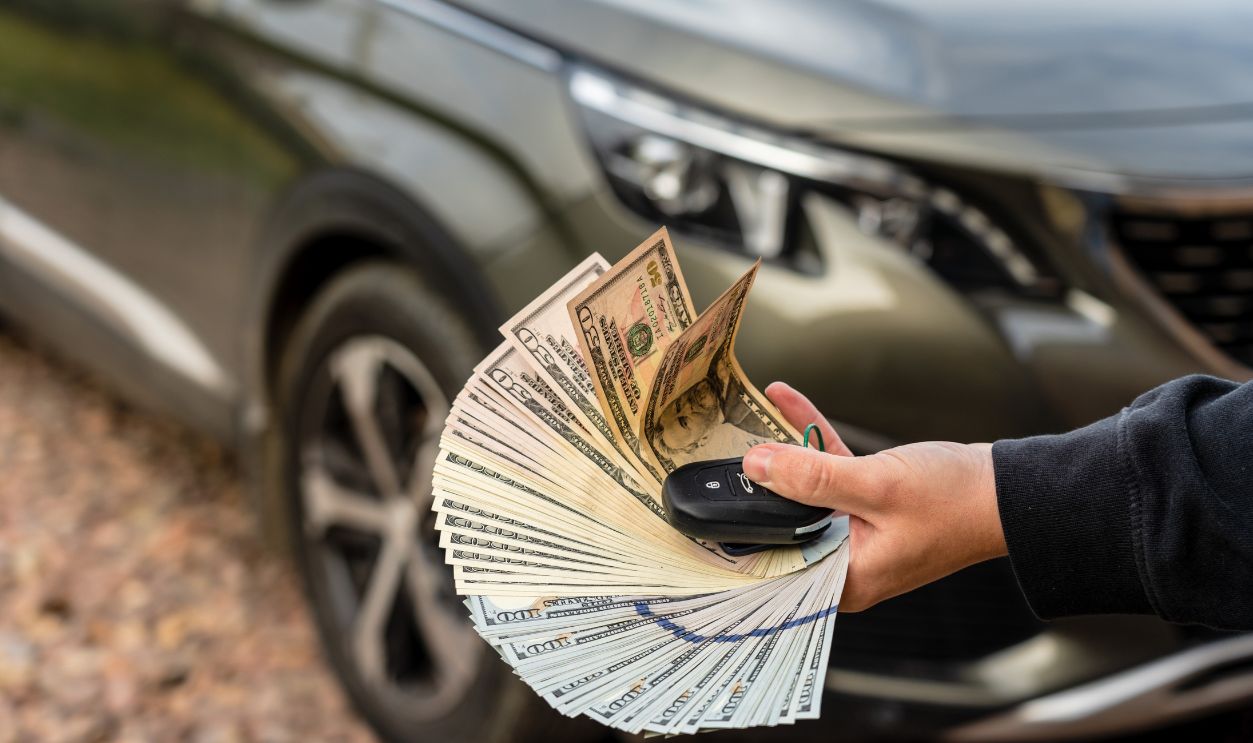
You’re Paying For Add-Ons You Never Use
Custom equipment coverage, extended roadside plans, and specialty endorsements sound nice but often go untouched. If you’d struggle to explain why you need an add-on, that’s a sign it may not be worth paying for.
 Anatoliy Cherkas, Shutterstock
You Don’t Know Your Car’s Current Value
Car values change fast. If you haven’t checked your vehicle’s market value recently, your coverage choices may be based on outdated assumptions. Knowing what your car is actually worth helps you avoid overinsuring it.

You Treat Insurance As A One-Time Decision
Insurance isn’t a lifetime contract—it’s a financial tool. Treating it like a set-and-forget product almost guarantees inefficiency. Regular reviews help ensure you’re only paying for what still makes sense.

Your Policy Didn’t Change After Major Life Events
Moving to a safer area, getting married, or changing jobs can all reduce risk. If your insurer doesn’t know about these changes, your rate won’t reflect them—and you’ll keep paying more than you should.

You’ve Never Asked For A Lower Rate
Negotiation isn’t just for cable bills. Asking your insurer about discounts or presenting competing quotes can sometimes lead to immediate savings. Silence, on the other hand, almost never pays.

You Don’t Have Savings To Support A Higher Deductible
Without emergency savings, you’re forced into low deductibles and higher premiums. Building a small deductible fund gives you flexibility—and flexibility usually leads to cheaper insurance over time.

The Real Cost Of Not Checking
Overpaying for car insurance rarely feels dramatic. It’s quiet, gradual, and easy to ignore—until you realize how much you’ve spent unnecessarily. A single policy review can uncover outdated coverage, missing discounts, and easy wins that put money back in your pocket. The smartest move isn’t finding the cheapest policy—it’s finding the right one, and making sure it stays that way.
 Zoriana Zaitseva, Shutterstock
You May Also Like:
How This 25-Year-Old Makes $7,000 A Month From Her Side Hustle