Retail Therapy Feels Harmless For A Reason
A bad day turns into a new pair of shoes. A stressful week becomes a cart full of home decor. We call it “retail therapy” because shopping can genuinely feel good in the moment. Psychology research suggests making choices and anticipating a reward can temporarily improve mood. The problem starts when spending becomes the treatment.
 Antonioguillem, Adobe Stock Images
The Mood Boost Can Be Very Real
Buying something you want can create excitement, anticipation, and a temporary sense of control. That explains why shopping after a breakup, stressful meeting, or lonely weekend can feel surprisingly soothing. The danger is not that the good feeling is imaginary. It is that the feeling may disappear long before the bill does.

Your Brain Can Start Connecting Stress With Spending
If shopping repeatedly makes you feel better after a difficult day, your brain can learn the pattern: stress arrives, shopping brings relief. Over time, opening a shopping app or walking into a store can become an automatic coping response rather than a deliberate decision to buy something you actually need.
...Sound familiar? Certainly does to me.

Emotional Spending Can Be Hard To Spot
Retail therapy rarely announces itself as a financial problem. It looks like a sweater here, takeout there, a beauty order, or a few things for the house. Each purchase may seem reasonable on its own. The bigger issue appears when you realize your spending consistently rises whenever you feel anxious, lonely, bored, angry, or disappointed.
 https://kaboompics.com/, Pexels
Online Shopping Removed Most Of The Speed Bumps
There was once more friction between wanting something and owning it. You had to drive to a store, find the item, wait in line, and physically hand over money. Now saved cards, one-click checkout, shopping apps, and instant financing can shrink the entire decision to a few taps on your phone.

Shopping Apps Are Always Open
The mall used to close. Your phone does not. You can shop in bed, during lunch, after an argument, or at 2 am. That constant availability is huge when spending is tied to emotion. A moment of weakness no longer has to survive until morning. The purchase can be completed before the feeling even passes.
Social Media Can Turn Browsing Into Spending
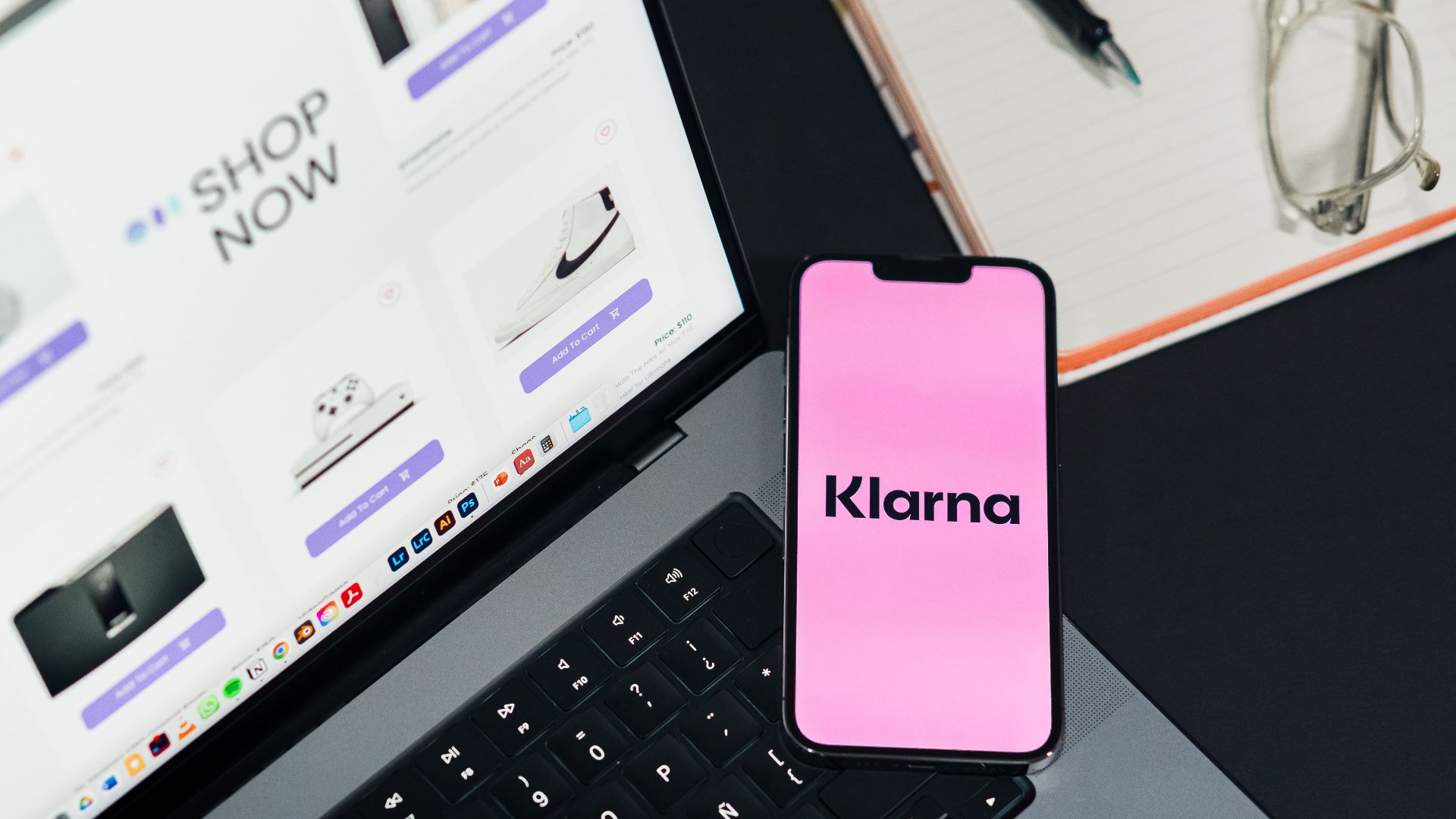
Social media has blurred the line between entertainment and shopping. You may open an app to relax and suddenly find yourself watching product demonstrations, influencer recommendations, flash sales, and personalized ads. When shopping follows you into your downtime, it becomes much harder to recognize when you are being tempted.
“Limited Time” Can Shut Down Better Judgment
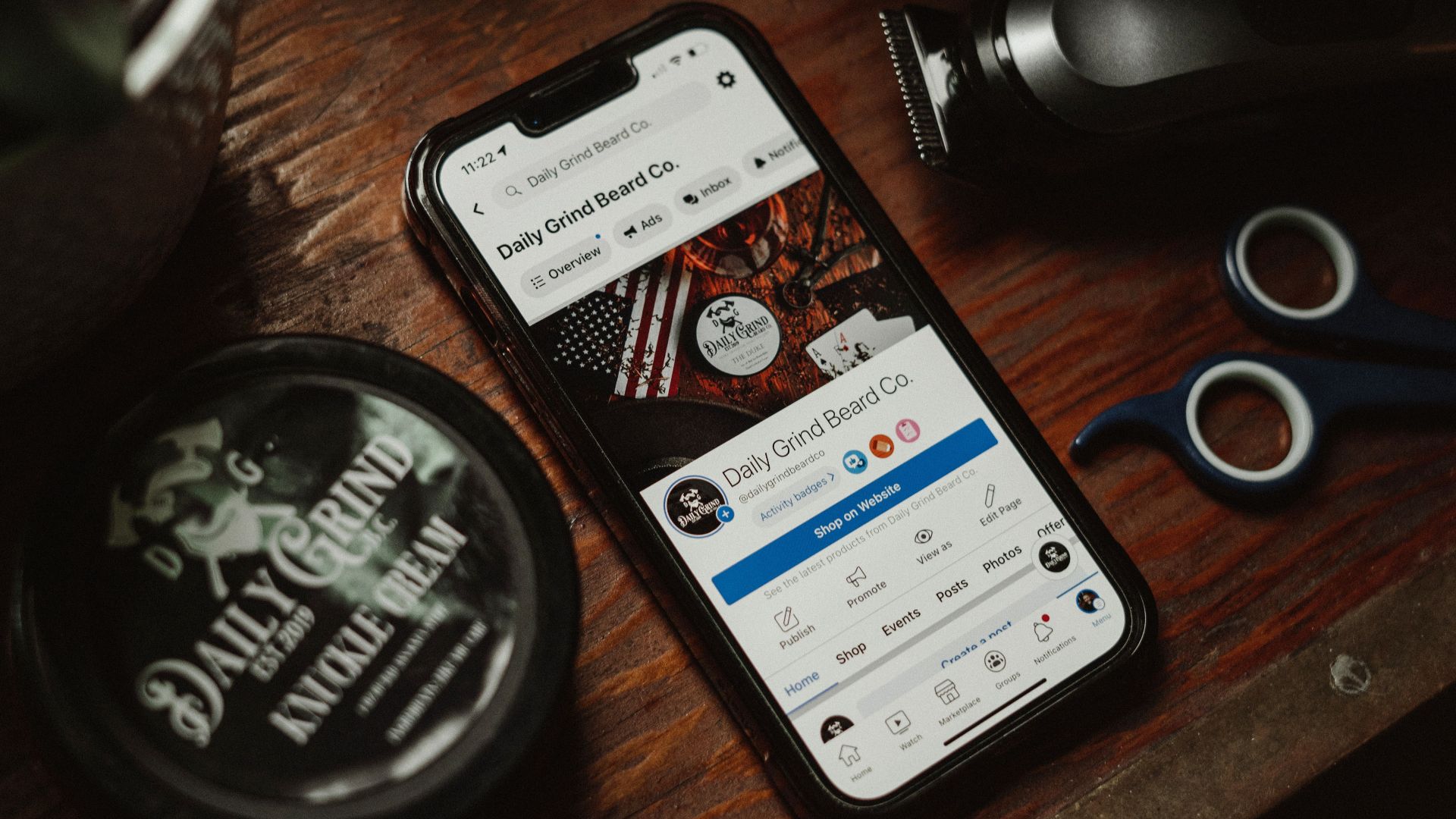
Countdown clocks, low-stock warnings, exclusive drops, and one-day sales create urgency. Once you feel that something might disappear, the question changes from “Do I really need this?” to “Will I regret missing it?” That tiny shift can be enough to make an emotional purchase feel like a smart financial decision.

Discounts Can Make Overspending Feel Responsible
Saving 30% sounds like winning. But spending $140 on something you never intended to buy is still spending $140. Retail therapy becomes especially convincing when the purchase comes with a coupon, loyalty reward, or sale price because the discount gives you a ready-made justification for buying it.
Credit Cards Can Hide The Immediate Pain
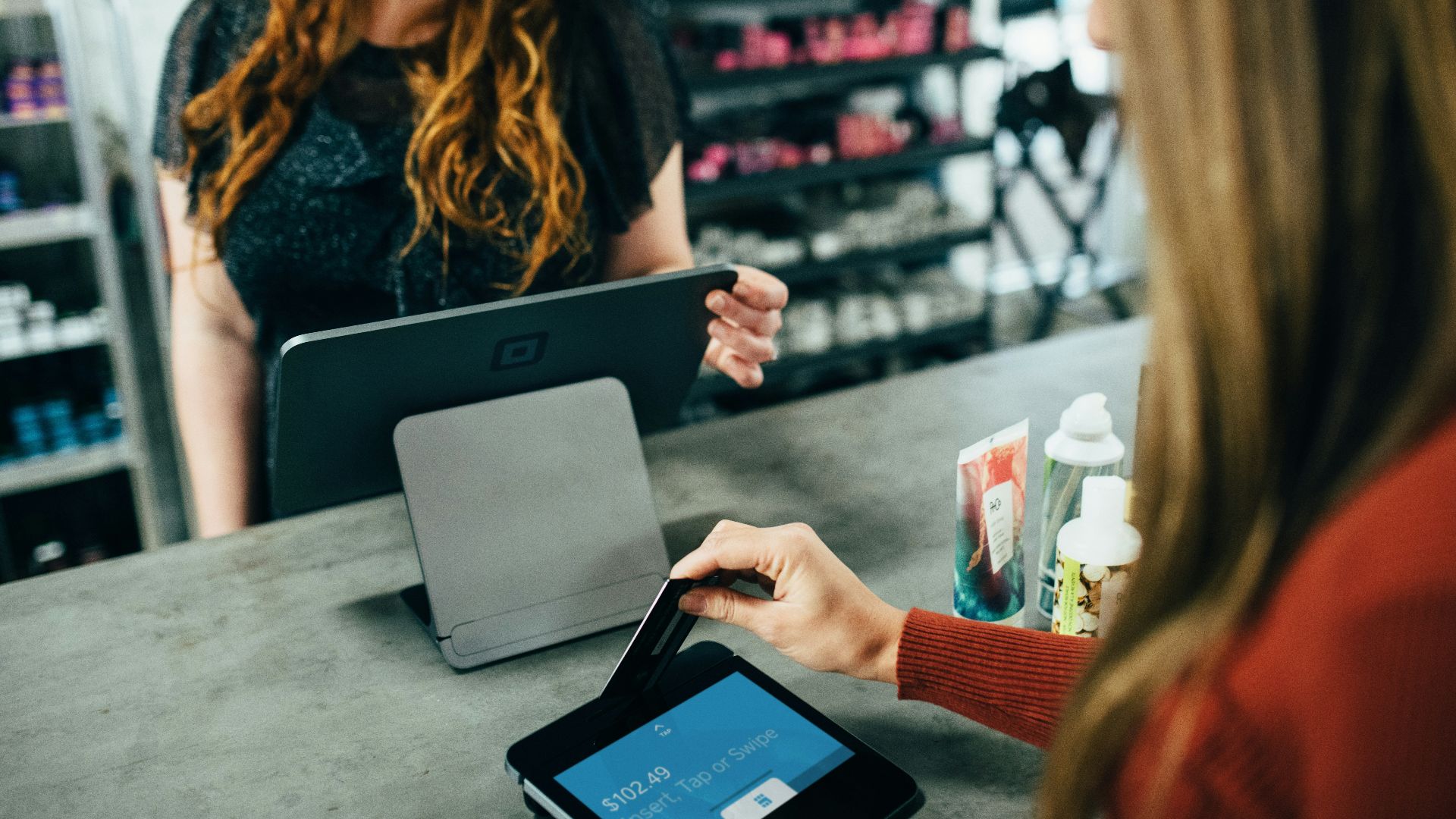
Paying with cash makes the cost obvious. Credit can separate the pleasure of buying from the discomfort of paying. You leave with the item today and deal with the balance later. With US credit card borrowing carrying relatively high interest costs, an emotional purchase can keep costing money long after the excitement is gone.
Buy-Now-Pay-Later Can Make Expensive Things Look Cheap
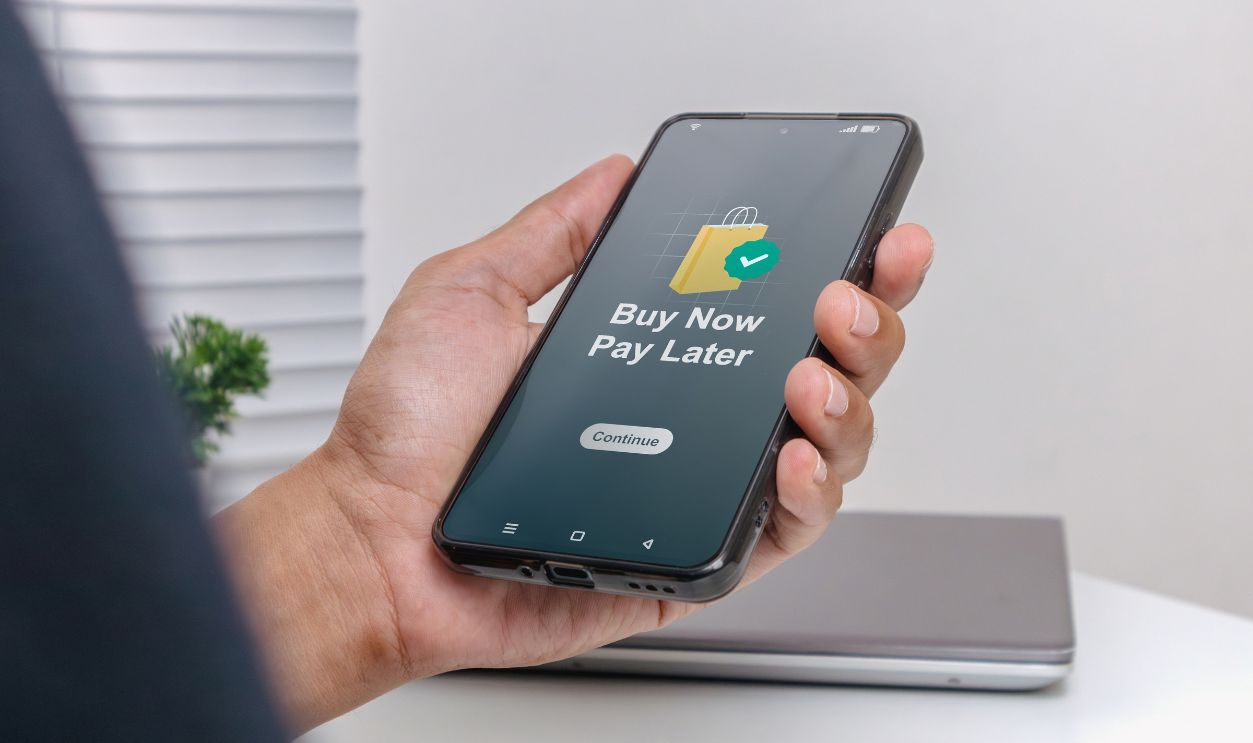
A $240 purchase feels very different when the checkout page presents it as four smaller payments. Buy-now-pay-later financing can be useful in some situations, but consumer guidance warns that missed payments can lead to fees, collections, or other problems. Smaller installments do not make the purchase itself smaller.
Multiple Payment Plans Can Become A Mess
One installment plan may feel manageable. Five plans spread across several stores can be much harder to track. Suddenly you have automatic withdrawals landing on different days throughout the month. The danger is not necessarily one huge purchase. It is losing sight of how many little commitments you have already made.
The Regret Often Comes Later
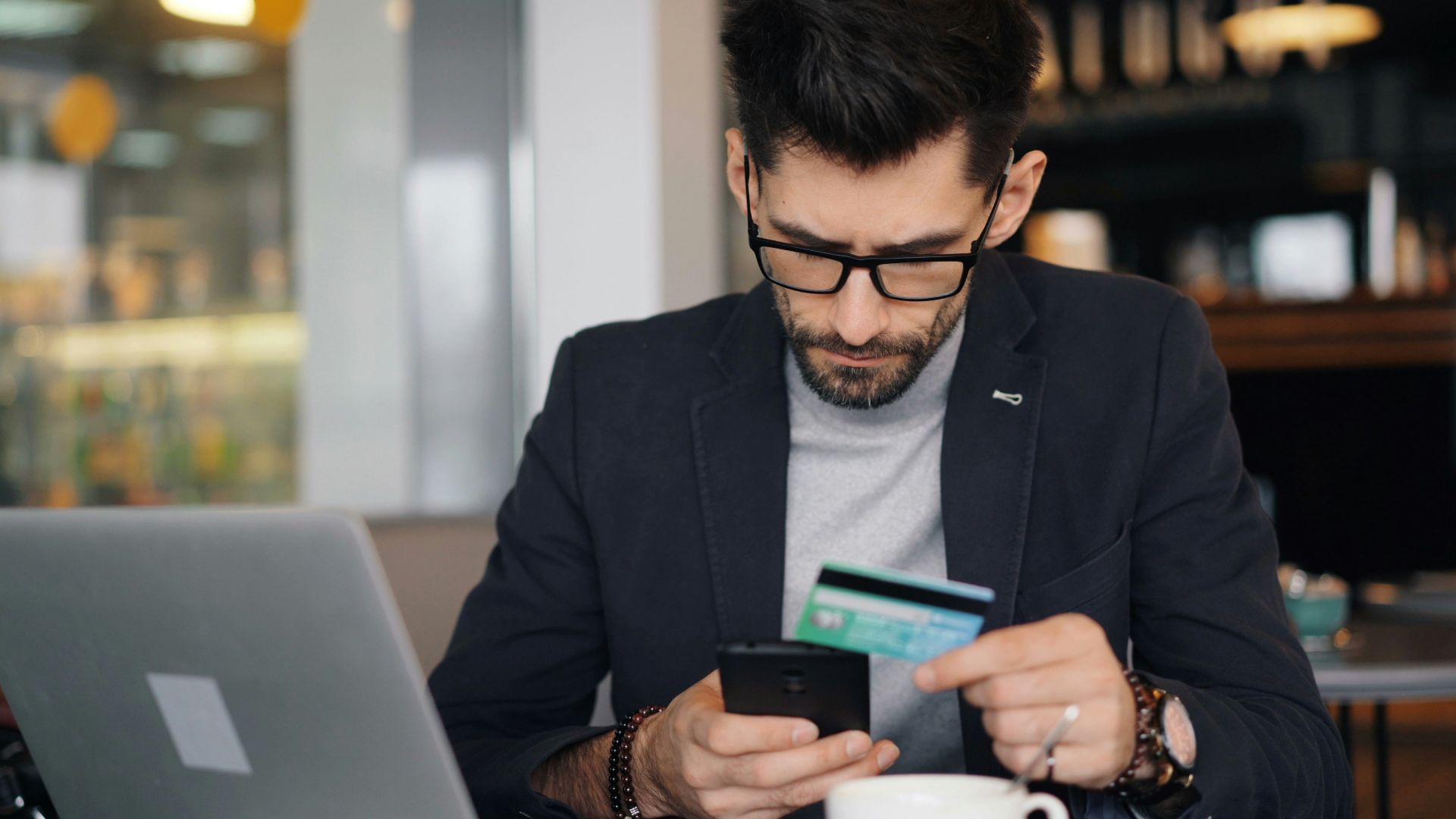
Emotional shopping is powerful because the reward arrives immediately while the consequences are delayed. The package shows up tomorrow. The credit card statement arrives weeks later. By then, the original bad mood is gone, and you may barely remember why the purchase felt so important in the first place.

Returns Do Not Always Undo The Damage
“I can always return it” is an easy excuse at checkout. But returning something takes effort. You have to repackage it, find a receipt, print a label, visit a store, or meet a deadline. Plenty of unwanted purchases end up sitting in closets because the emotional energy required to return them feels bigger than keeping them.

Clutter Can Become Part Of The Problem
Retail therapy can create a strange cycle. Shopping brings a temporary sense of pleasure, but the growing pile of unused clothes, gadgets, beauty products, and household items can later create stress. Then that stress may trigger another urge to shop. The coping mechanism starts creating the feeling it was supposed to relieve.

Secret Spending Is A Serious Warning Sign
If you are hiding packages, deleting receipts, understating what something cost, or hoping your partner does not notice the credit card bill, the issue has moved beyond an occasional treat. Research on problematic shopping consistently links serious buying problems with distress and impairment, not simply enjoying nice things.

Shopping Can Quietly Damage Relationships
Money arguments are rarely just about dollars. A partner may feel deceived, frightened, or shut out when emotional spending becomes secretive. Meanwhile, the person shopping may feel judged or controlled. What started as a private way to manage stress can eventually become a trust problem inside the relationship.

Retail Therapy Can Crowd Out Real Goals
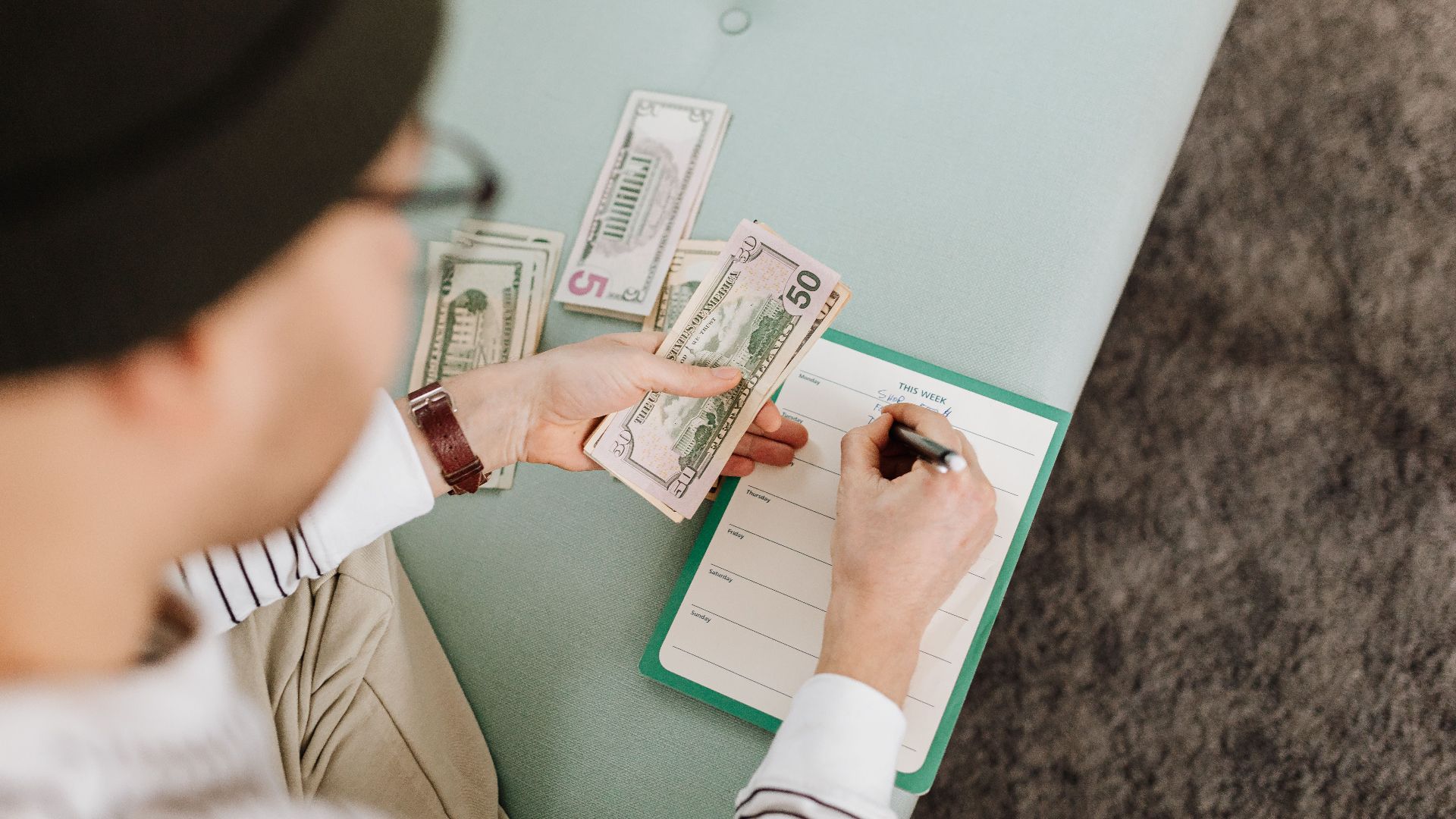
Every spontaneous purchase has an opportunity cost. Money going toward clothes, gadgets, or impulse orders cannot also build an emergency fund, pay down debt, fund a vacation, or help with retirement. The danger is not one shopping trip. It is discovering years later that short-term mood boosts repeatedly beat long-term priorities.
 https://kaboompics.com/, Pexels
Compulsive Shopping Is Different From An Occasional Splurge
Buying something after a rough week does not automatically mean you have a serious problem. The warning signs are loss of control, repeated purchases you cannot afford, hiding spending, buying things you barely use, and relying on shopping as your main emotional outlet. Problematic shopping can create genuine financial and psychological distress.
 Hryshchyshen Serhii, Shutterstock
Pay Attention To What Happens Before You Shop
One of the most useful questions is not “What did I buy?” but “What happened right before I bought it?” Maybe you were lonely, bored, angry, exhausted, or worried about work. Once you recognize your personal trigger, you have a better chance of interrupting the habit before your phone turns that emotion into a purchase.

Try A Cooling-Off Rule
Give yourself 24 or 48 hours before completing an unplanned purchase above a certain amount. Leave the item in your cart and walk away. The interesting part is how often the urgency disappears. If you still want it later and it fits your budget, you can buy it. You are simply separating the decision from the emotion.
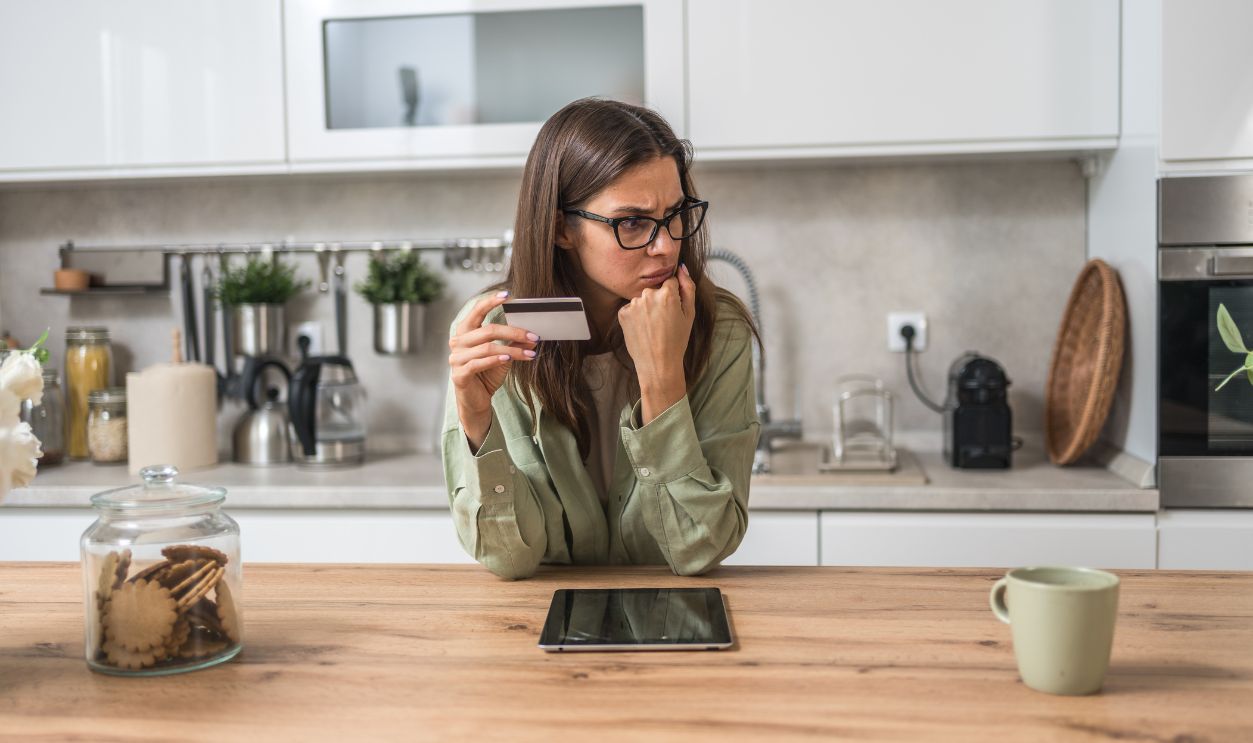 Srdjan Randjelovic, Shutterstock
Remove The Easy Checkout Options
Delete saved card numbers. Log out of shopping apps. Turn off sale notifications. Unsubscribe from promotional emails. These steps sound small, but friction is useful. If buying something requires you to stand up, find your wallet, and type in the card number, your rational brain gets a few extra seconds to join the conversation.
Replace The Reward, Not Just The Shopping
Telling yourself “stop spending” may not work if shopping has been providing comfort, excitement, or escape. Find something else that gives you a similar emotional payoff without creating debt. A walk, workout, coffee with a friend, hobby, movie, bath, library trip, or even window shopping without buying can scratch part of the same itch.

Give Yourself Guilt-Free Spending Money
A budget does not have to mean never buying anything fun. In fact, making room for some guilt-free spending can reduce the urge to rebel against an overly strict plan. Decide what you can comfortably spend on wants each month. When that money is gone, the shopping stops until the budget resets.

Look At The Numbers Without Judging Yourself
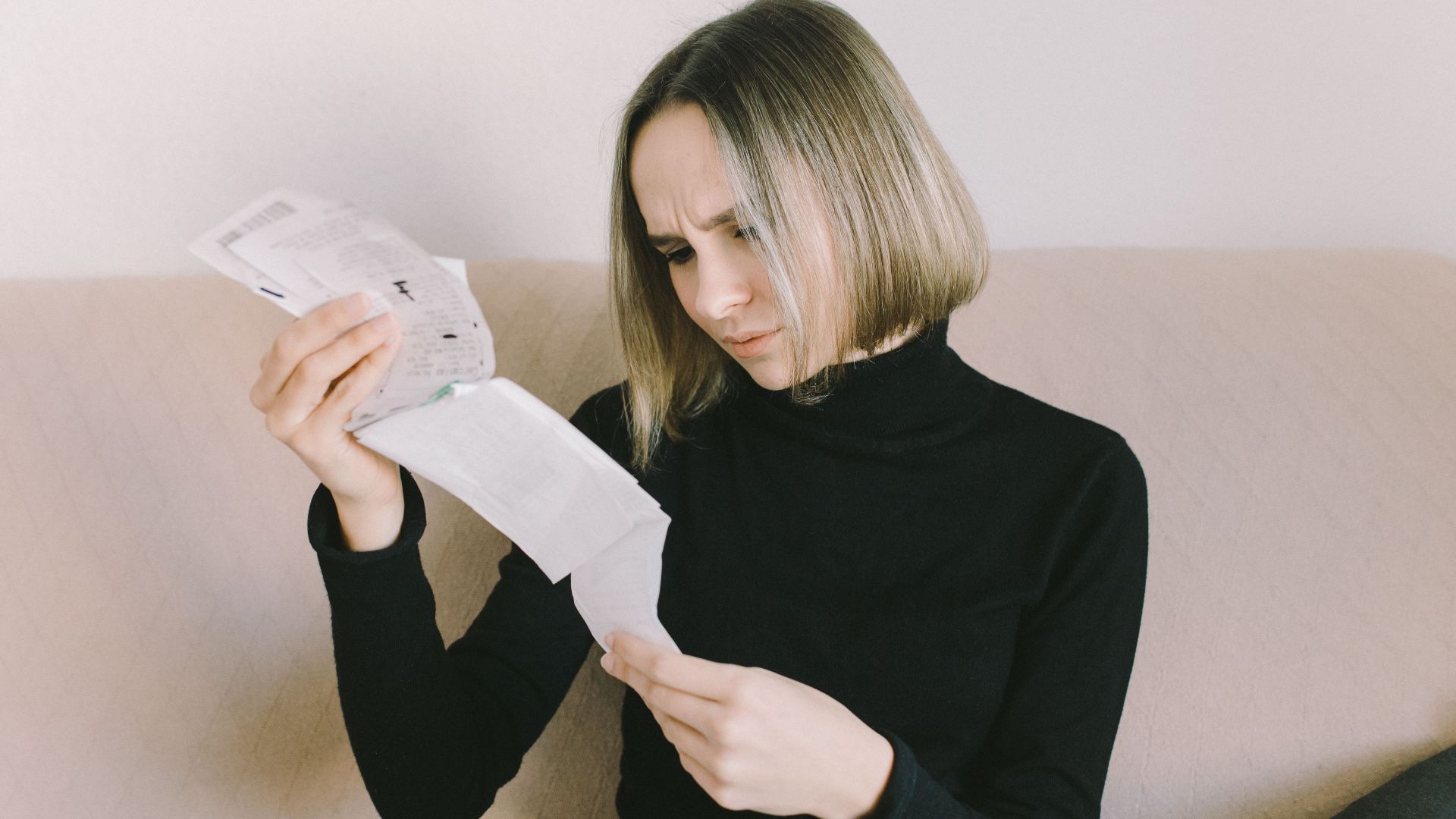
If retail therapy has become expensive, add up the purchases from the last few months. Do not do it to punish yourself. You are looking for a pattern. Seeing $20 and $40 purchases combined into one total can be eye-opening and often provides more motivation than vaguely promising yourself that you will “shop less.”
Sometimes The Real Problem Is Not Shopping
If spending is repeatedly being used to handle anxiety, depression, grief, loneliness, or another emotional struggle, fixing the budget may only address the symptom. Research on compulsive buying has found strong connections with emotional distress. In that situation, speaking with a qualified mental health professional may be more useful than another budgeting app.

Retail Therapy Is Not Automatically Bad
There is nothing inherently wrong with buying yourself something nice. Shopping can be fun, social, and genuinely uplifting when the purchase fits your budget. The goal is not to remove every spontaneous pleasure from your life. It is to make sure the purchase is serving you rather than quietly becoming the way you manage every difficult feeling.

The Real Question Is What Happens After Checkout
The best way to judge retail therapy is not by how you feel while shopping. Ask how you feel afterward. Does the purchase fit comfortably into your finances? Do you use and enjoy what you bought? Or do you feel regret, hide the package, worry about the payment, and promise yourself it will be different next time? That answer tells you much more.
 https://kaboompics.com/, Pexels
You May Also Like:
A Guide To Building Your Emergency Fund
Refinancing Student Loans: Is It Worth It?