
When Your Refund Gets Stuck In Limbo
You did everything you were supposed to. You returned the product, followed the retailer’s instructions, and they informed you that a refund was issued. But the money never showed up because it was sent to an old credit card (the card you used to make the original purchase) that you have since cancelled. Now the retailer says they refunded you, and the bank says they don’t have the money, leaving you stuck in the middle.

Why This Situation Happens So Often
This problem is more common than you might think. Refunds are almost always processed back to the original payment method for security reasons. If that card is closed or replaced, the system doesn’t always adjust automatically, which can leave your money temporarily lost between the merchant and your bank.

Refunds Have To Go To The Original Card
Credit card network rules require merchants to send refunds back to the original card used for the purchase. This is set up to prevent fraud, such as redirecting funds to a different account. Even if you ask for a different method, many retailers aren’t allowed to change it.

What Usually Happens Behind The Scenes
In many cases, your bank will automatically reroute the refund to your new card or account if it is still open. If the account is fully closed, the refund may be rejected and sent back to the retailer. This behind the scenes process is what creates confusion and delays.

Why The Retailer Says It Is Not Their Problem
From the retailer’s perspective, they fulfilled their obligation by issuing the refund. Once the money is sent through the payment network, they often consider the transaction finished. That is why customer service may tell you to contact your bank instead of offering further help.

Why The Bank Pushes You Back To The Retailer
On the other side, your bank may not see the refund if it was rejected or never successfully posted. If the account is closed, they may have no active place to apply the credit. This leads them to tell you to turn your inquiries back to the retailer, creating a frustrating loop.

The Key Question You Need Answered
The most important thing to figure out is this: did the refund actually go through, or did it fail? That determines your next step. If the refund was accepted, your bank needs to find it. But if it was rejected, the retailer still has your money.

Confirm That The Refund Was Issued
Get in touch with the retailer and ask for proof that the refund was processed. Specifically, ask for the transaction reference number, sometimes called an ARN. This number allows your bank to track the refund through the payment system and confirm where it ended up.

Why The ARN Number Matters
The ARN is like a tracking number for your money. Without that number, your bank may struggle to locate the transaction. But if they do have it, they can trace whether the refund was accepted, redirected, or rejected. This step often breaks the cycle of finger-pointing between the two parties.

Contact Your Credit Card Issuer Next
Once you have the transaction details, call your credit card issuer and provide them with the information. Ask them to locate the refund and confirm whether it was applied, rerouted, or rejected. If the account is still linked internally, they may already have your money waiting.

What Happens If Your Account Is Still Open?
If your credit account is technically still open under a new card number, the refund will usually be credited there automatically. In this case, the issue is usually just a delay or confusion about where the funds were applied.

What Happens If Your Account Is Fully Closed?
If the account is completely closed, the refund may be rejected by the bank and sent back to the merchant. When this happens, the retailer still owes you the money and must issue it again using a different method.

Ask The Retailer To Reissue The Refund
If the refund was returned to the merchant, contact them again and request a reissued refund. Ask for alternatives such as a check, bank transfer, or even store credit if that works for you. They are still responsible for getting your money back to you.

Why This Can Take So Long
Refunds to closed accounts often take longer than usual because they require multiple steps and manual intervention. It can take several business days or even weeks to fully resolve, depending on how quickly the bank and retailer communicate with each other.
When To Push Harder
If you’ve waited more than a couple of weeks with no resolution, it's time to escalate. Ask to speak with supervisors on both sides. Provide documentation and clearly explain that the refund hasn’t reached you yet, despite being issued.

Use A Credit Card Dispute As Leverage
If the retailer refuses to help, you can file a dispute with your credit card issuer. This process, known as a chargeback, allows your bank to reverse the transaction and recover your money if the refund wasn’t properly completed. Note that this can only work if the credit card account you made the original purchase on is continuous with your updated credit card information.

What A Chargeback Actually Does
A chargeback forces the issue by pulling the money back through the payment network. It shifts the burden onto the merchant to prove they fulfilled their obligation. This can be an effective tool if you’re stuck and not getting clear answers.

What Evidence Will Help You
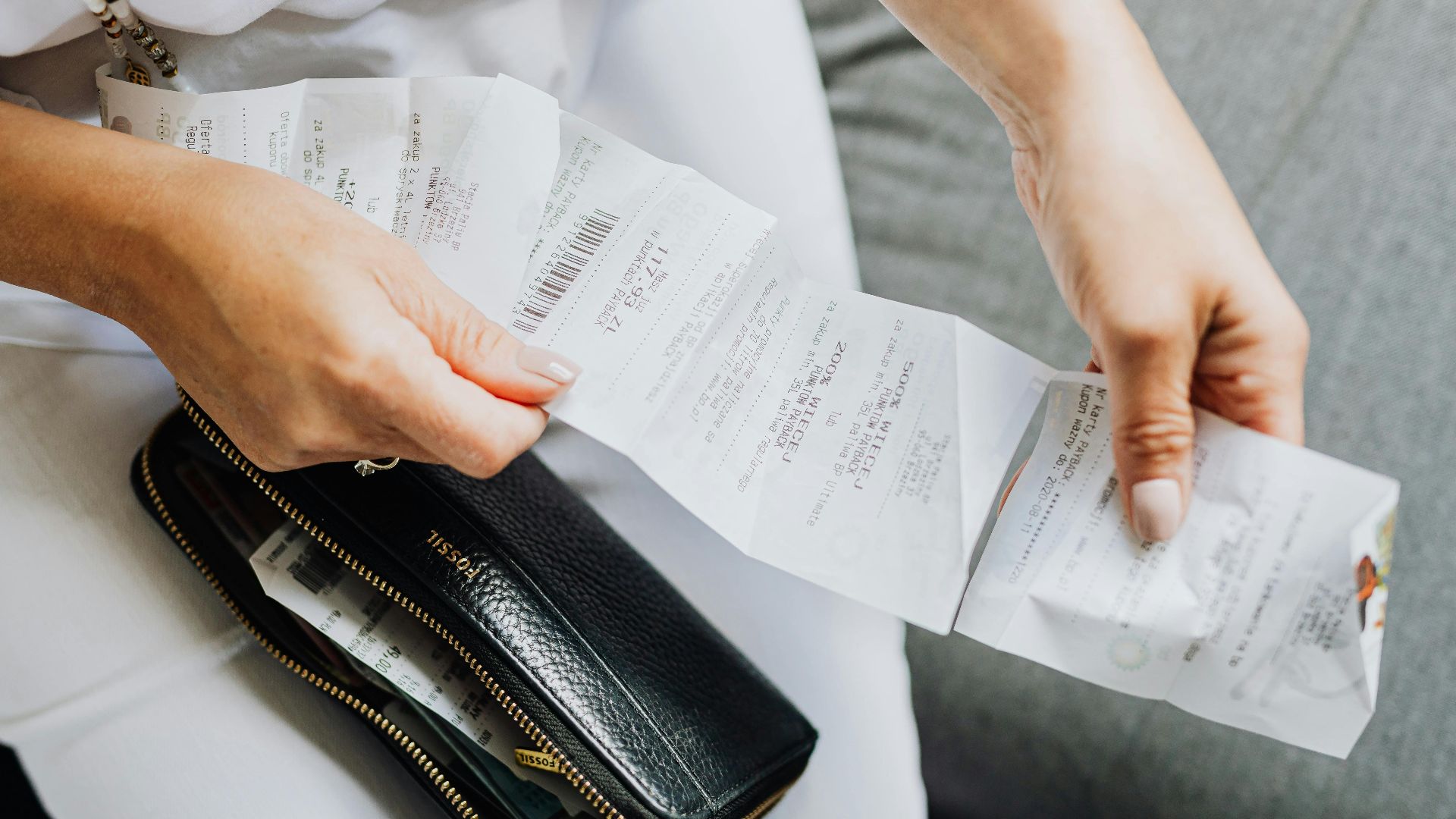
Keep records of everything. Save receipts, emails, refund confirmations, and notes from phone calls. The more documentation you have, the easier it is for your bank or the retailer to verify your claim and resolve the issue in your favor.
How To Avoid This Problem In The Future
Before you close a credit card, always review any pending returns or refunds tied to that account. If possible, wait until all transactions are settled. You can also ask the retailer in advance to issue refunds using a different method if you know the card will be closed.

Why This Feels So Frustrating
This situation is aggravating because you’re stuck between two systems that don’t always communicate clearly with each other. Both sides may technically be following their rules, but that doesn’t help you get your money back quickly.

Getting Your Money Back
Your refund is almost never truly lost. It’s either sitting with your bank, in transit, or returned to the merchant. The key is being persistent, following up with documentation, and getting the right tracking information so you can force a clear answer and finally recover your money.

You May Also Like: