
Why Retirees Are Rethinking Homeownership Altogether
Owning a home has long been seen as a financial milestone, especially in retirement. But as housing affordability collapses and mortgage timelines stretch longer, this assumption is being challenged. More retirees are selling their homes and turning to renting, not out of failure, but out of necessity and strategy.

Homeownership In Retirement Used To Be Standard
Historically, retirement planning assumed individuals would own their home outright. This assumption was embedded in public policy and personal finance advice. Homeownership was seen as the cornerstone of financial security in retirement.

Rising Housing Costs Are Shifting That Reality
In many regions, home prices have increased far faster than incomes. This discrepancy has made homeownership less attainable before retirement. More retirees are now carrying mortgage debt into retirement.
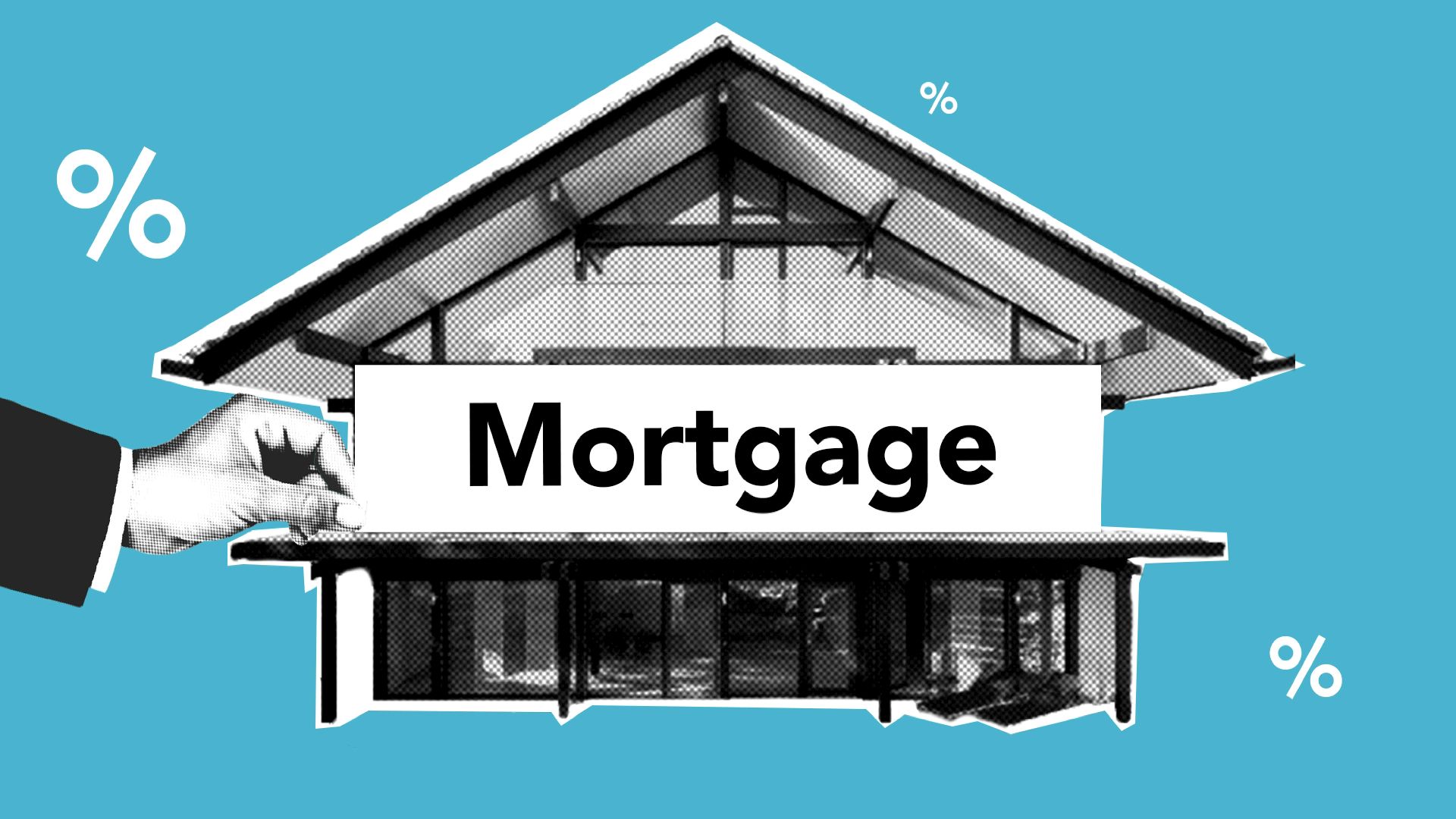
Mortgage Debt Among Retirees Is Rising Rapidly
The number of older adults still paying off mortgages has grown significantly over the past two decades. Delayed homeownership and larger loan sizes are key drivers.
 Photo By: Kaboompics.com, Pexels
Delayed Homebuying Is Extending Mortgage Timelines
The average age of first-time homebuyers continues to rise due to affordability challenges. Bigger loans and higher prices make it harder to pay off mortgages before retirement. This increases financial pressure on older homeowners.

Debt-To-Income Ratios Have Ballooned
Debt levels among homeowners nearing retirement have grown dramatically over time. Larger mortgages and stagnant wage growth are major factors. Many retirees now enter retirement with higher relative debt burdens than previous generations.

Owning A Home Doesn’t Guarantee Stability Anymore
Homeowners still face property taxes, maintenance costs, and interest rate changes. These ongoing expenses can strain limited retirement income. The expectation of financial freedom through ownership is often unmet.

Rising Interest Rates Are Creating Mortgage Stress
Recent interest rate hikes have significantly raised monthly payments for those with variable mortgages. Many retirees are unable to refinance into lower rates.

Housing Wealth Is Often Illiquid
Most personal wealth is tied up in residential real estate. Homes are not easily divisible or liquid assets. To access equity, retirees often have to sell or relocate.

Renting Can Offer Immediate Financial Relief
Selling a home and renting allows retirees to eliminate debt and access cash. Monthly rental costs can be more predictable than mortgage payments. Renters also avoid surprise maintenance expenses.
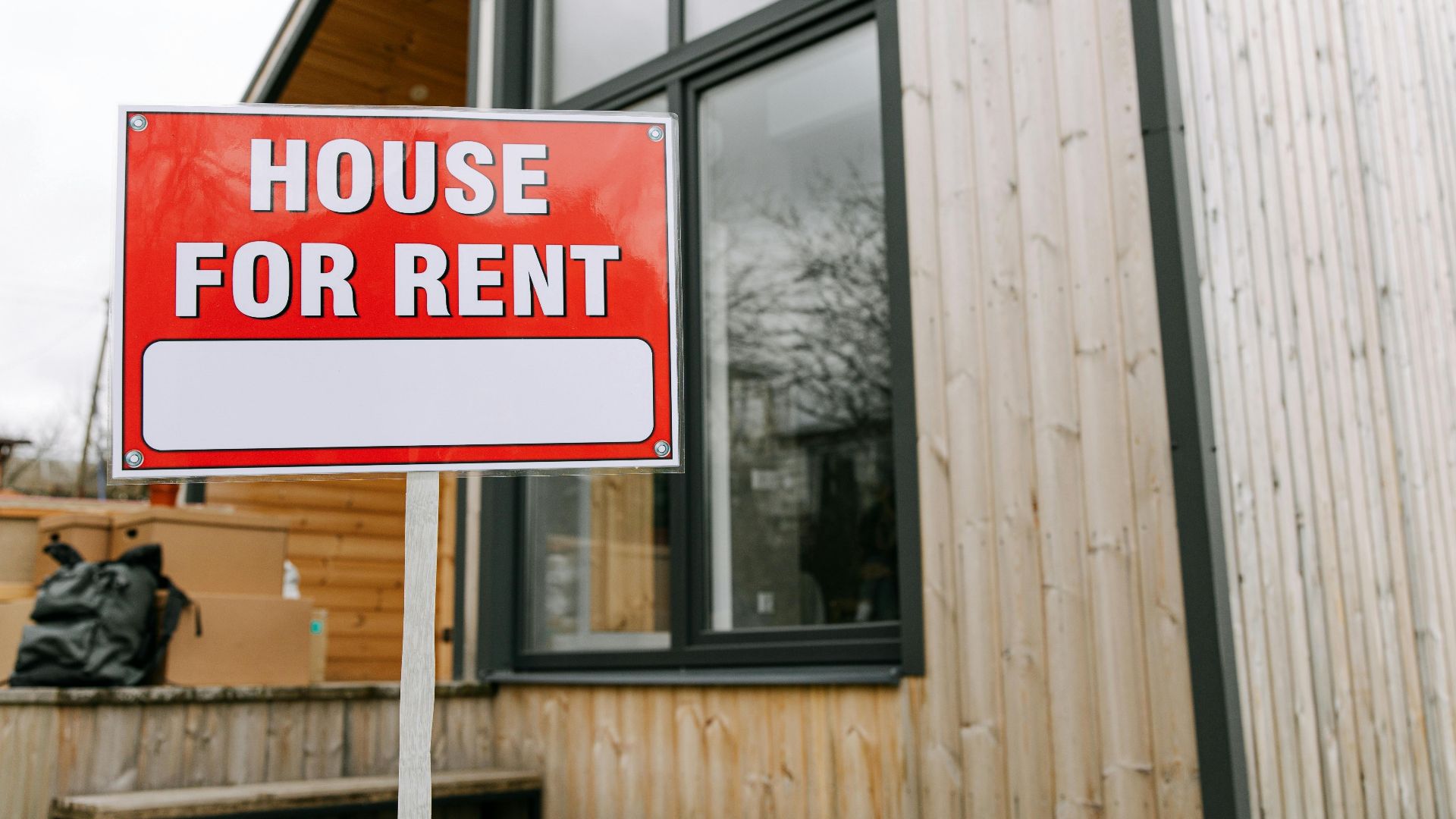
Selling A Home Comes With High Transaction Costs
Real estate agent commissions can reach 6% of the home’s sale price. Additional expenses include legal fees, moving costs, and local taxes.

Retirement Savings Are Often Insufficient
Many retirees have saved less than needed to comfortably support themselves, especially if housing costs continue. These shortfalls are more severe for those still making mortgage payments.

Carrying A Mortgage Requires Far More Savings
Maintaining a mortgage in retirement requires significantly higher savings. A typical monthly payment can add hundreds of thousands in extra retirement needs.

Early Withdrawals Increase Retirement Risk
Drawing more from savings early in retirement increases sequencing risk. Market downturns early on can drastically reduce portfolio longevity.

Government Pensions Alone Aren’t Enough
Government retirement benefits often fall short of covering both living expenses and mortgage payments. For retirees with debt, these programs may be insufficient. Additional income sources or budget adjustments are required.

Reverse Mortgages Have Limited Applicability
Reverse mortgages are generally only available to homeowners without existing debt. Retirees with a mortgage can't typically access this option. This limits the tools available for generating retirement income.

Renting Offers Predictable Monthly Costs
Rental agreements lock in housing costs for the lease term. This allows retirees to budget more accurately. Predictability is especially important on a fixed income.
 Photo By: Kaboompics.com, Pexels
Renters Avoid The Burden Of Maintenance
Landlords cover repair and upkeep costs in rental agreements. Retirees avoid both the expense and the physical demands. This makes renting appealing for those with limited mobility.

Emotional Attachments Can Lead To Poor Decisions
Retirees may hesitate to sell due to memories tied to their home. Emotional bias can override financial logic.

Downsizing Isn’t Always Simple
Downsizing involves moving, transaction fees, and potential emotional loss. It also requires finding suitable smaller housing. Despite this, it’s often necessary to unlock home equity.
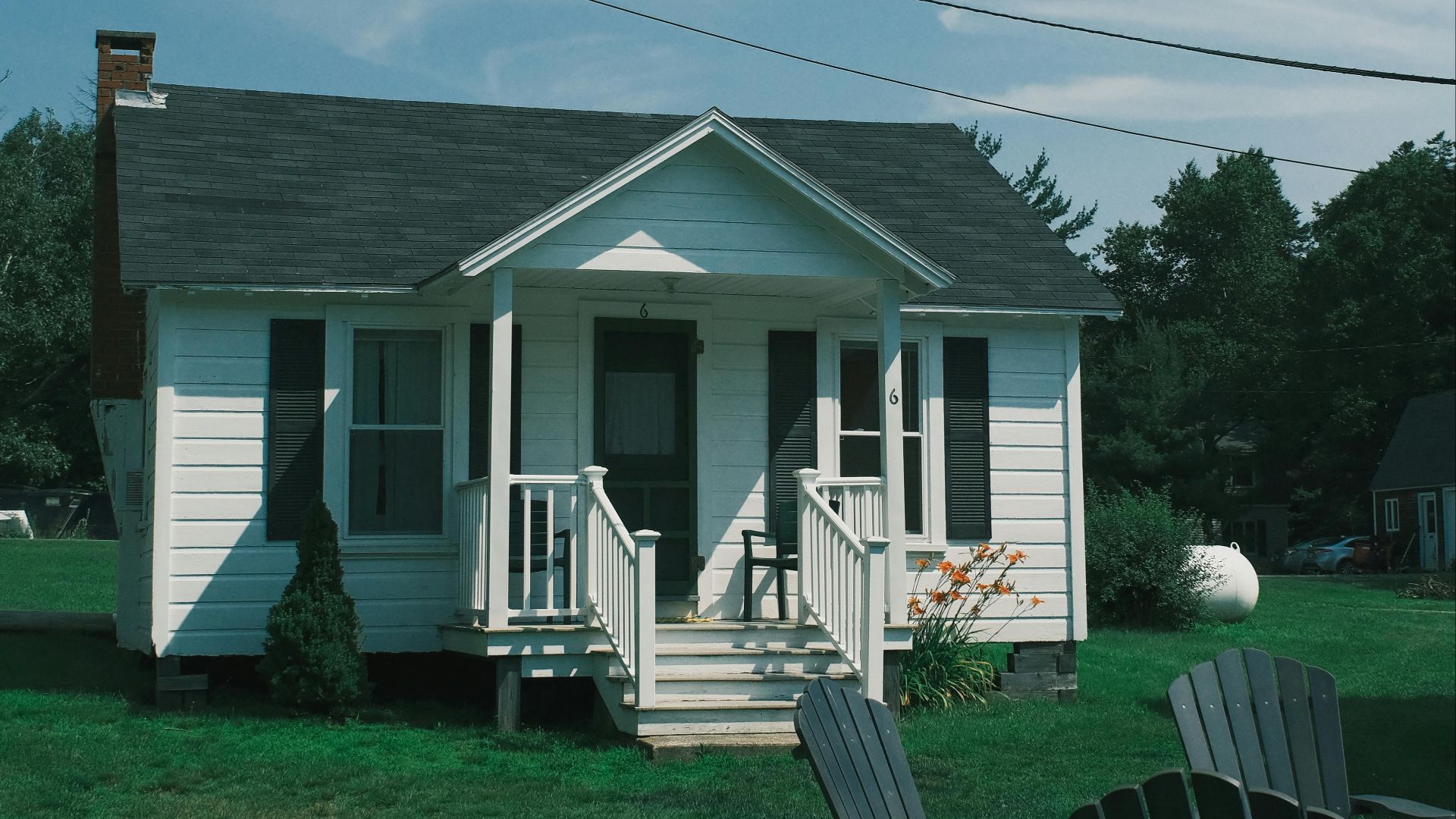
The Wealth Effect Is Driving Spending
Rising home and asset values lead some retirees to spend more. A $1 increase in perceived wealth can result in 34 cents in additional spending. This behavior undermines long-term financial stability.
 Photo By: Kaboompics.com, Pexels
Many Retirees Underestimate Selling Costs
Selling a home includes expenses like agent commissions, legal fees, and moving costs. These can reduce profits by tens of thousands of dollars. Many retirees fail to budget for these deductions.

Home Equity Is Not Readily Accessible
You must sell or refinance to access home equity. Unlike cash or investments, a house can't be partially liquidated.

Property Prices May Not Keep Rising
Real estate markets can stagnate or decline, especially amid high interest rates. Retirees relying on appreciation may face financial shortfalls. Price drops can wipe out expected home equity.

High Ownership Costs Don’t End With The Mortgage
Even without a mortgage, homeowners must pay for insurance, taxes, and repairs. These recurring costs can reach thousands annually. Fixed incomes make these harder to manage over time.

Owning A Home Can Disqualify You From Benefits
In some countries, homeownership may push retirees above asset limits for government support. This reduces available retirement income. Ironically, owning a home can limit cash flow in retirement.

Renting Offers Geographic Flexibility
Renting allows retirees to relocate easily for family, health, or lifestyle reasons. There’s no need to wait for a sale or navigate a cooling market. This mobility is especially useful during later retirement years.

Renters Are Better Protected From Interest Hikes
Renters don’t face rising mortgage interest costs directly. Fixed-term leases often limit rent increases. This makes rental living more financially stable in volatile markets.

Home Repairs Can Derail Fixed Budgets
Roof replacements, plumbing failures, and HVAC breakdowns are costly and unpredictable. These repairs are the homeowner's responsibility. Retirees with limited cash reserves are especially vulnerable.
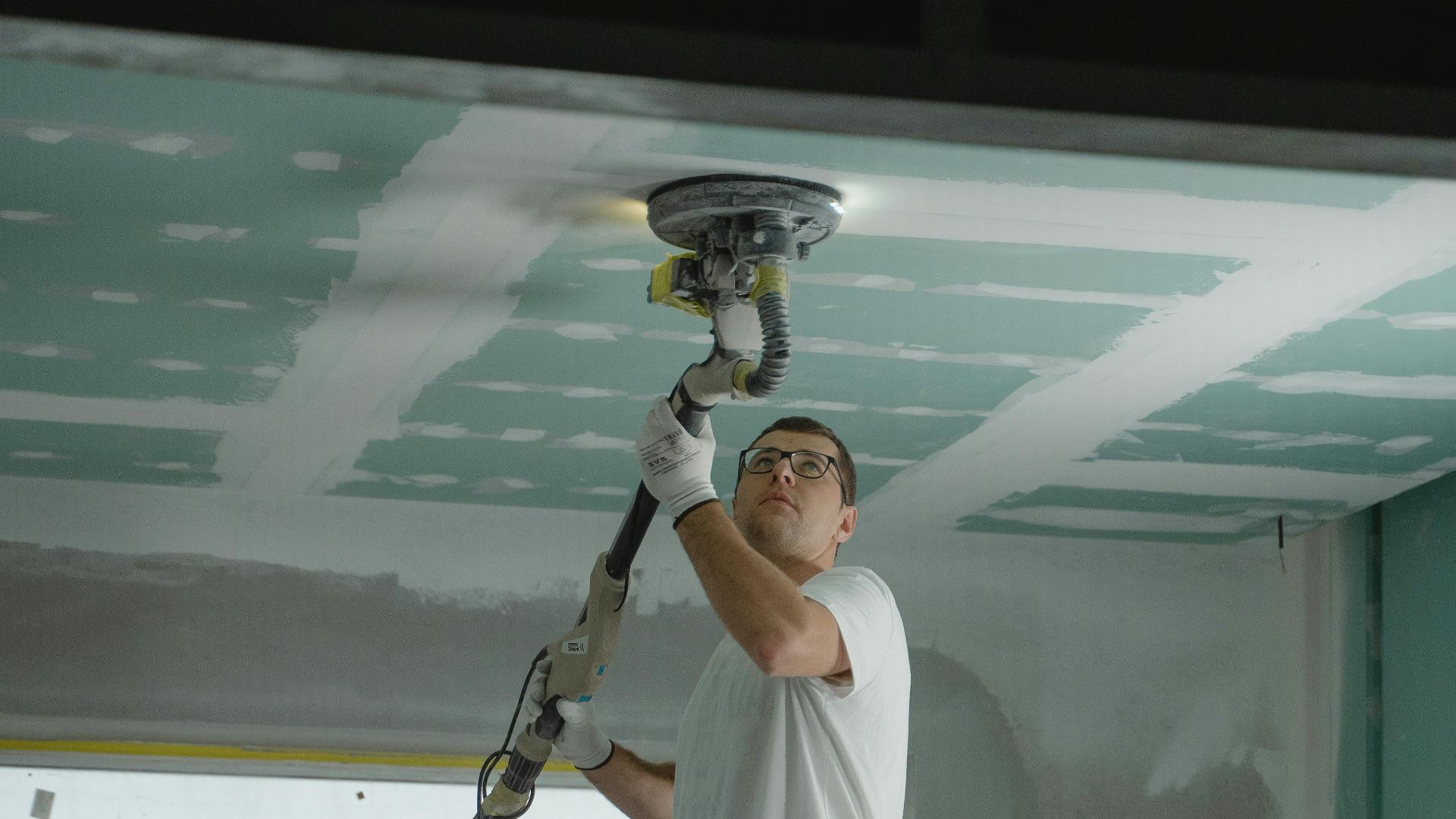
Older Homeowners Face Health Related Challenges
Large homes often have stairs, inaccessible bathrooms, or high maintenance needs. Aging in place can become physically risky without expensive renovations.

Downsizing Can Unlock Tied Up Capital
Selling a larger home and moving into a rental or smaller property can free up equity. This capital can be used for living expenses or healthcare. It offers a practical alternative to drawing down retirement accounts too quickly.

Renting Simplifies Estate Planning
Heirs often face delays and fees when inheriting property. Liquid assets are easier to distribute and manage.
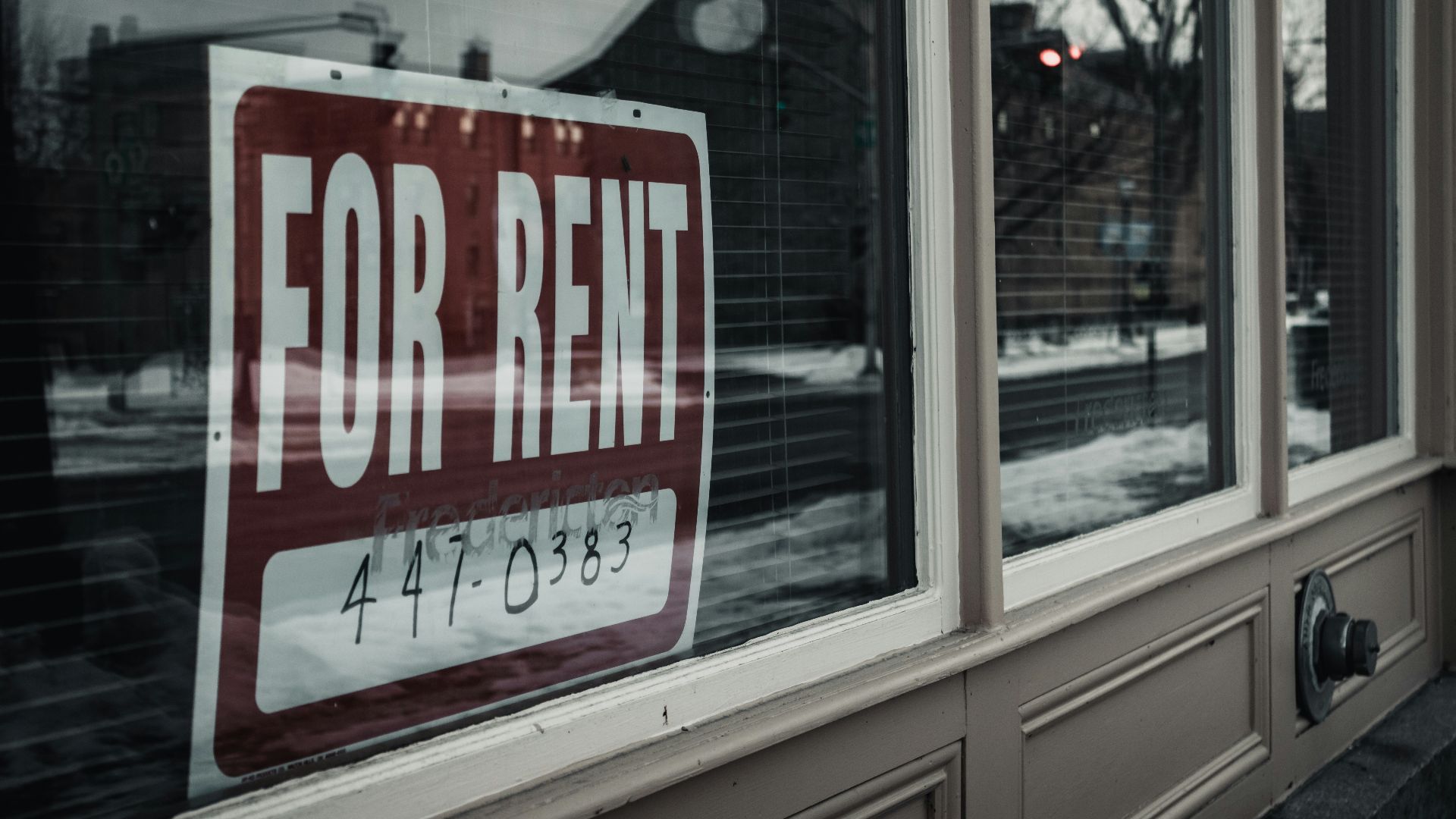
Ownership Doesn’t Fit All Retirement Lifestyles
Some retirees prefer travel, short-term leases, or relocating frequently. Homeownership can limit these lifestyle choices.

Housing Markets Are Increasingly Unequal
Home prices have far outpaced wage growth in many markets. Policy and supply constraints have exacerbated the gap.
 Photo By: Kaboompics.com, Pexels
Psychological Stress Rises With Mortgage Burden
Studies link high repayment obligations to mental health decline. Older homeowners with debt report more anxiety and financial stress. The burden compounds as incomes shrink in retirement.

Financial Benchmarks Often Miss The Mark
Many retirement models assume a mortgage-free lifestyle. This no longer reflects the reality for a growing number of retirees. Financial projections must adjust for ongoing housing costs.
 Photo By: Kaboompics.com, Pexels
Housing Is Often The Largest Expense In Retirement
For most retirees, rent or mortgage is their biggest monthly bill. Eliminating or reducing this cost is key to financial security.

Renting Avoids Real Estate Market Volatility
Homeowners are exposed to local market downturns that can reduce equity. Renters are insulated from property value changes.

Retirement Trends Are Diverging By Generation
Older generations often had higher homeownership rates and less debt. Younger retirees face steeper property prices and larger mortgages.
 Photo By: Kaboompics.com, Pexels
Retirement Planning Must Reflect Real Housing Costs
Planners need to consider whether clients own outright, rent, or have a mortgage. Housing costs drastically change how much savings is needed. Ignoring them can lead to misleading retirement projections.
 Photo By: Kaboompics.com, Pexels
Renting Can Preserve Mental And Financial Wellbeing
Removing homeownership burdens can improve quality of life for retirees. It eliminates maintenance stress and financial strain.

You May Also Like:
The 4% Rule: How Much Do You Really Need To Retire?
Money Mistakes That Could Drain Your Retirement Savings
I'm 67 with $700K in the bank but with a hefty mortgage. Can I finally retire?