That Power Bill Deserves Your Attention
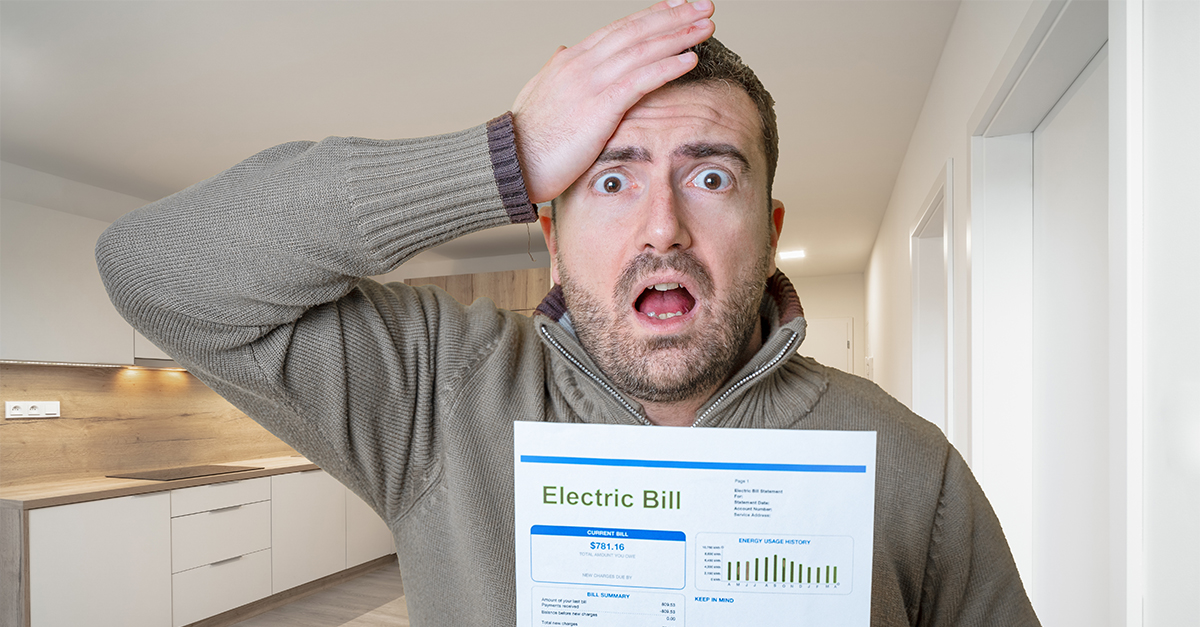
Opening an electric bill that suddenly looks nothing like last month’s can make a landlord wonder what is happening downstairs. That concern is especially understandable when the rent includes electricity and a tenant has recently brought in several appliances. Still, an unexpectedly expensive bill does not automatically give you the right to switch off power to the basement apartment.
First, Do Not Reach For The Breaker
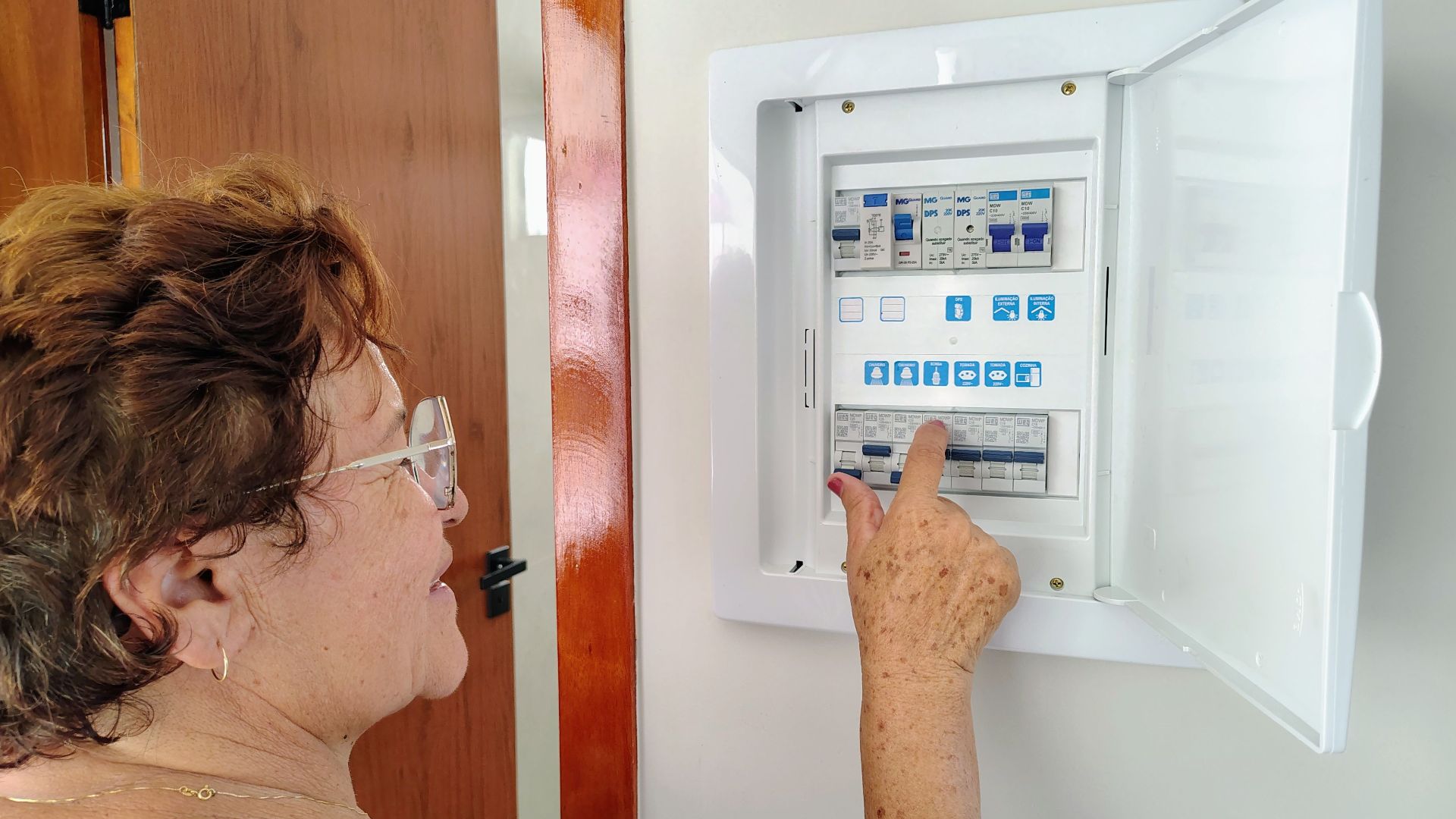
Turning off a tenant’s electricity yourself can create a much bigger financial problem than the utility bill you were trying to solve. Several states specifically restrict landlords from intentionally interrupting residential utility service, except in limited circumstances such as genuine repairs or emergencies. The safest starting point is therefore to leave the power on while you determine what your lease and local law actually allow.

Utility Shutoffs Can Become Expensive Fast
California law prohibits a landlord from willfully interrupting utilities with the intent of ending a residential tenancy, while Washington law generally prohibits landlords from intentionally terminating a tenant’s electricity except for necessary repairs. Washington also allows an affected tenant to pursue actual damages and potentially as much as $100 for each day or part of a day without the utility. Those examples show why an improvised shutoff can cost far more than a month of extra electricity.

The Rules Depend On Where You Live
Landlord-tenant law is largely governed by state and local rules, so there is no single answer covering every American rental property. Texas, for example, generally bars utility interruptions but contains detailed exceptions and procedures for certain individually metered or submetered electric service. That is why a landlord should check the law in the property’s state and city before taking action involving essential services.
Your Lease Is The Next Place To Look
Pull out the signed lease and find every reference to electricity, utilities, appliances, alterations and permitted uses of the property. A lease is a contract that establishes the parties’ rights and obligations, and government landlord-tenant guidance emphasizes documenting who is responsible for utility costs. If your agreement simply says that electricity is included in the rent without imposing a usage limit or appliance restriction, your options may be narrower than you expected.

You Usually Cannot Rewrite The Deal Midstream
Suppose you promised electricity as part of a fixed-term lease and now regret the arrangement. You generally should not assume that you can unilaterally impose a new electricity surcharge halfway through the term. New York’s attorney general, for example, states that a lease cannot be changed while it remains in effect unless both parties agree.

But The Lease May Already Protect You
Some rental agreements limit the installation of large appliances, require permission for electrical equipment or prohibit alterations to electrical systems. If yours contains such language, the appliance issue could become a lease-compliance matter rather than simply a fight over a high bill. Any enforcement should follow the notice and remedy procedures required by your lease and applicable state or local law.

Make Sure The Tenant Actually Caused The Increase
Before accusing anyone, compare several months of electric bills and look at total kilowatt-hour consumption rather than dollars alone. Electricity prices themselves change, and the U.S. Energy Information Administration reported a national residential average price of 17.30 cents per kWh in 2025. The average reached 18.44 cents per kWh in May 2026, so part of a higher bill can come from rates rather than additional consumption.

Kilowatt-Hours Tell The Real Story
A kilowatt-hour measures energy consumption, which is what utilities commonly use to calculate usage-based electric charges. Appliance consumption depends on wattage and how long the device runs, so something powerful that operates for many hours can have an outsized effect. The Department of Energy’s appliance-energy guidance recommends estimating consumption from wattage, operating time and the customer’s electricity rate.
Some Appliances Are Much Hungrier Than Others
A newly purchased refrigerator may run around the clock, but efficient models can have relatively modest annual consumption compared with heating and cooling equipment. ENERGY STAR’s current refrigerator database shows substantial variation between models, including many full-size units using several hundred kWh per year. Checking the actual model number is therefore much more useful than assuming every new appliance is equally responsible.

Air Conditioners Can Move The Needle
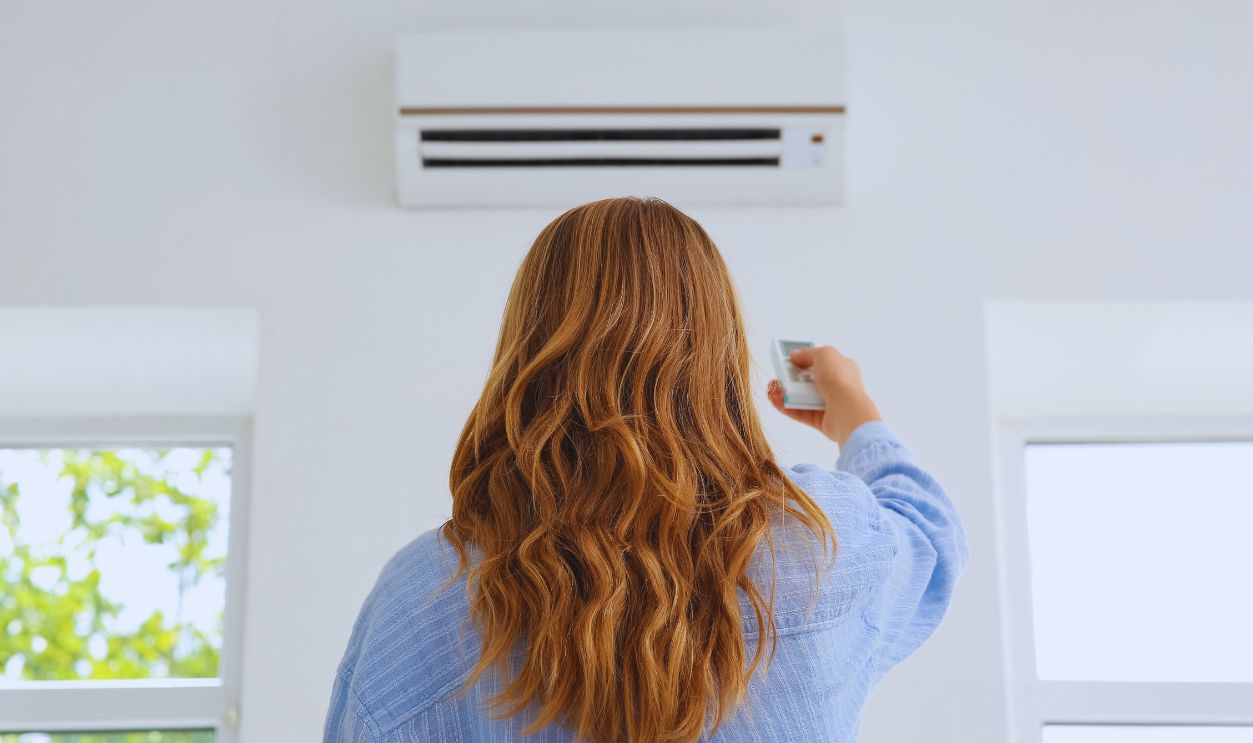
Room air conditioners deserve particular scrutiny when a summer bill suddenly jumps. ENERGY STAR’s certified-product listings show annual consumption in the hundreds of kWh for many room units, with larger models using substantially more energy than smaller ones. A tenant running one for long stretches can therefore add meaningful consumption even when the unit itself is relatively efficient.
Dehumidifiers Can Quietly Run For Hours
Basement apartments often make dehumidifiers especially relevant because these machines may operate for long periods whenever humidity remains high. ENERGY STAR’s database lists portable and whole-home dehumidifiers with annual energy-consumption figures ranging into hundreds of kWh, and some larger systems consume considerably more. A continuously operating dehumidifier is therefore worth identifying during your energy audit.

Laundry Equipment Matters Too
An electric clothes dryer uses electricity in concentrated bursts whenever somebody runs a load. ENERGY STAR publishes estimated annual energy consumption for certified dryers, and the figures vary materially by model and technology. Frequent laundry combined with cooling, dehumidification and other loads can turn several moderate expenses into one surprisingly large monthly bill.

Space Heaters Raise Two Concerns
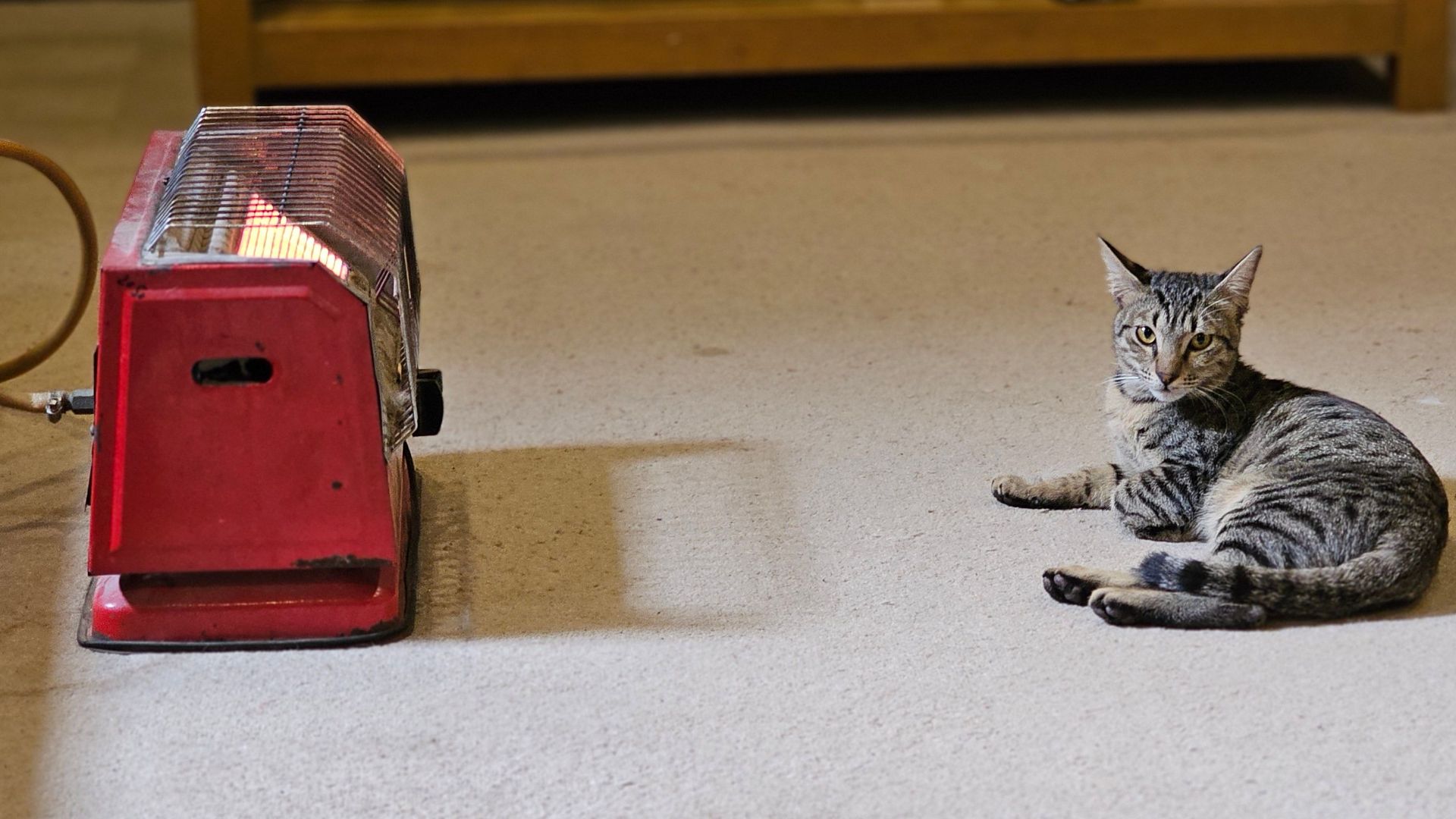
Portable electric heaters can increase electricity demand, but they also deserve attention from a safety perspective. The Consumer Product Safety Commission says portable heaters, including electric models, were associated with an average of about 1,600 fires annually during 2020 through 2022. CPSC advises plugging an electric space heater directly into a wall outlet rather than an extension cord or power strip.
A Safety Problem Changes The Conversation
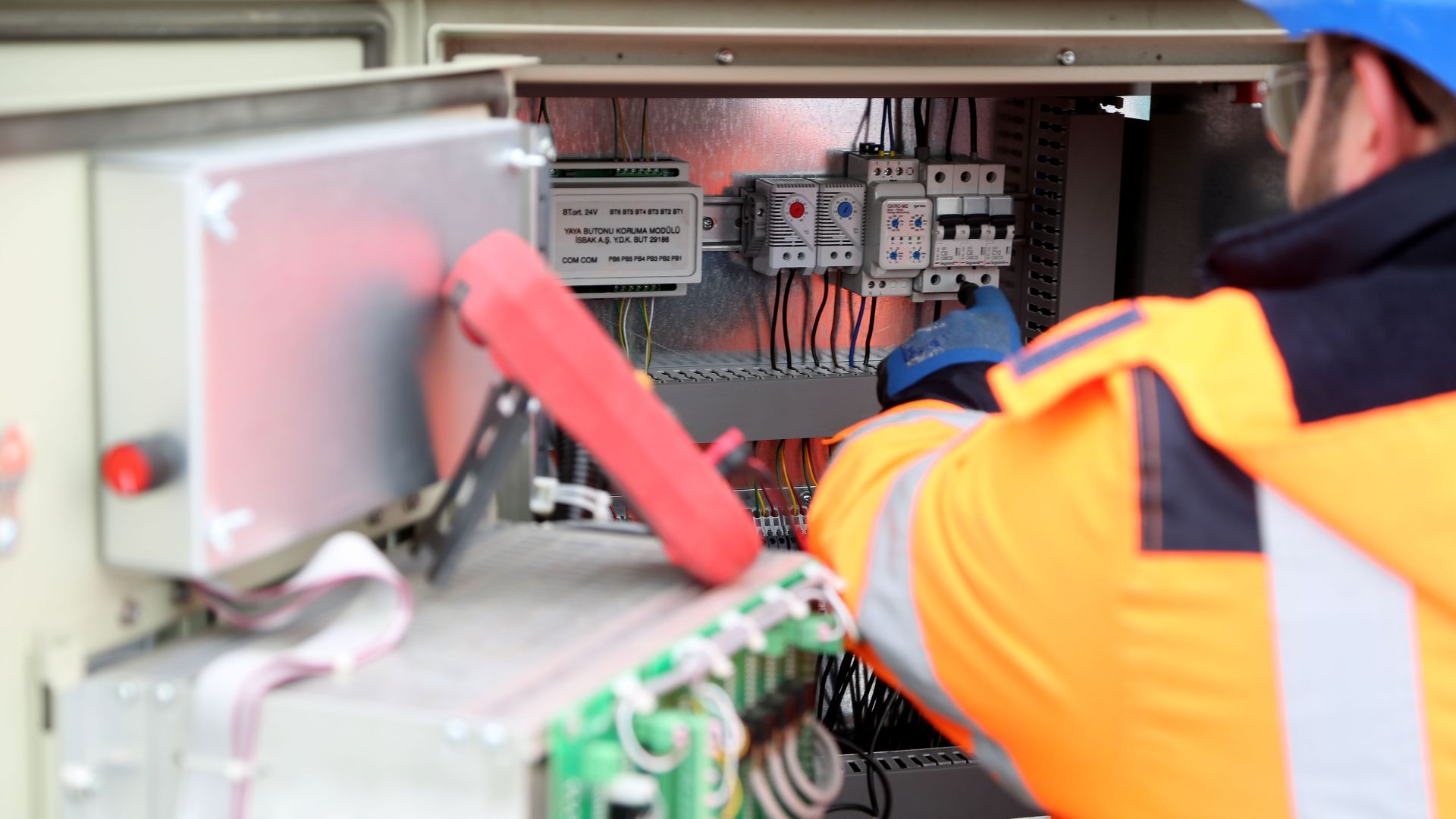
If breakers are repeatedly tripping, outlets are overheating or you suspect an electrical installation has been altered, the issue is no longer merely about who pays the utility bill. Do not improvise electrical work or use utility interruption as punishment. Arrange for an appropriately licensed electrician to examine suspected electrical problems and address genuine repairs through the procedures your jurisdiction permits.

Extension Cords Deserve A Look Too
A collection of heavy appliances connected through questionable extension cords can create a separate risk. CPSC says extension cords lacking required safety characteristics can pose electrical-shock or fire hazards, and it regulates household extension cords as consumer products. That makes a visual safety concern worth addressing through lawful inspection and repair procedures rather than a surprise shutoff.

Start With A Calm Conversation
Once you have confirmed that electricity use truly increased, talk with the tenant before turning the problem into a legal dispute. Show them the bills, explain that consumption has risen and ask whether they recently added heating, cooling, laundry or other high-use equipment. A cooperative solution can be cheaper for both sides than enforcement proceedings, and the CFPB likewise encourages renters facing payment problems to discuss arrangements with landlords.

Put Any New Agreement In Writing
Perhaps the tenant is willing to contribute toward unusually high electricity costs or remove a particularly costly appliance. If you reach an agreement, document it in writing and make sure it complies with the existing lease and local law. Written agreements reduce disputes over who promised what, and official landlord-tenant guidance repeatedly recommends putting important rental obligations in writing.

Do Not Invent A Surprise Utility Fee
A landlord should be cautious about simply sending the tenant a new bill for electricity that the original lease said was included. The CFPB warns that landlords cannot demand fees or other charges that were not agreed to or that state or local law prohibits. Whether you can recover additional utility costs therefore depends on the contract and the rules where the property is located.

Separate Metering Can Prevent The Next Fight
For a future tenancy, separately measured electricity can make responsibility much clearer. California’s Department of Real Estate notes that shared meters can create complicated billing arrangements and says responsibility for shared utilities should be discussed and documented. Before adding a meter or submeter, however, check utility regulations, building codes, permit requirements and landlord-tenant rules in your jurisdiction.
Shared Meters Need Extra Care
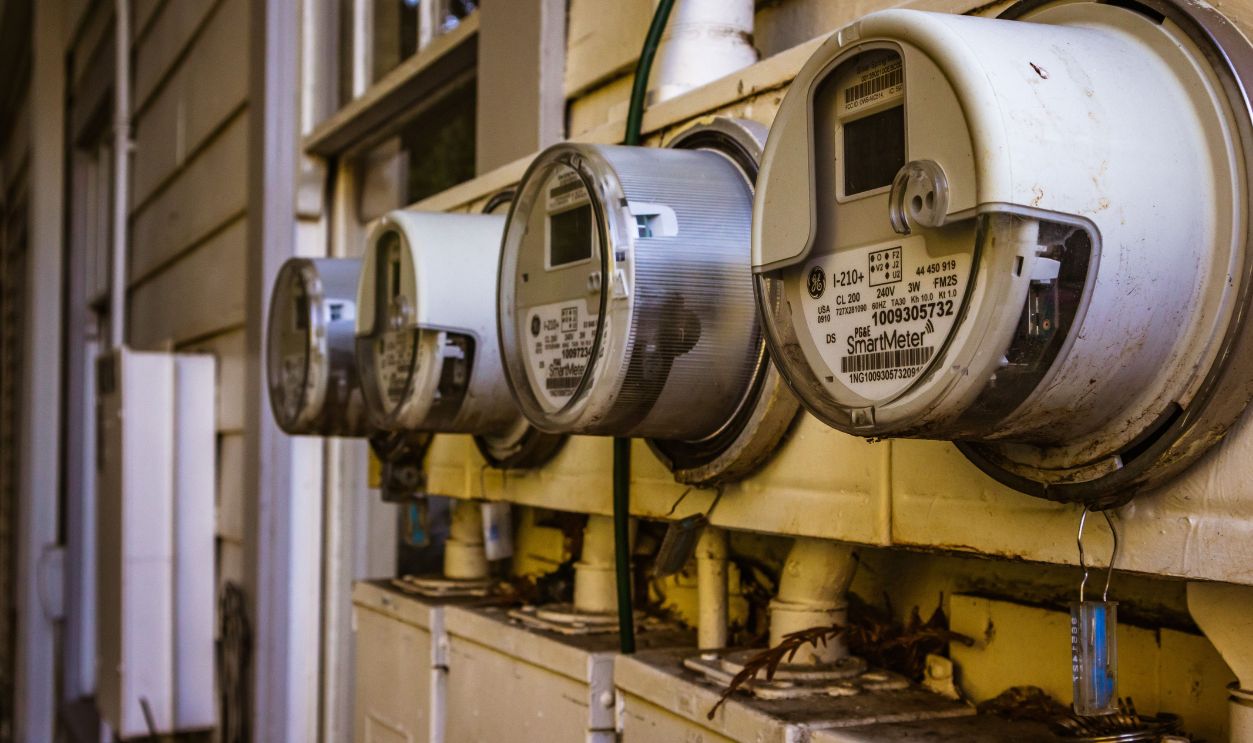
When one meter supplies both the owner’s space and a rental unit, you may not know exactly how much electricity each household consumed. California guidance specifically addresses shared meters and says landlords must disclose shared metering in circumstances covered by state law. A single whole-house bill is therefore poor evidence for claiming that every additional kilowatt-hour came from the basement tenant.
Consider A Plug-In Energy Meter
For compatible plug-in devices, an electricity monitor can help identify how much energy a particular appliance uses over time. The Department of Energy’s appliance-estimation guidance also recommends using wattage and operating time to estimate individual device consumption. Getting actual measurements turns an emotional argument over a shocking bill into a much more useful discussion about numbers.
Check The Utility Rate Before Blaming Usage
Electricity prices vary significantly across the United States, which means the same appliance can cost much more to operate in one state than another. EIA reported that average electricity prices vary substantially by locality because of factors such as generation resources, fuel costs and regulation. Compare your bill’s current cents-per-kWh figure with earlier bills before attributing the entire increase to appliances.

Renewal Time Gives You More Options
A lease renewal is a natural point to reconsider how utilities are handled, subject to local rent, notice and tenant-protection laws. You might propose a new lease that makes the tenant responsible for separately metered electricity or spells out permitted appliances and utility obligations more clearly. Fixed-term lease conditions and changes remain subject to state and local law, so have your revised language reviewed before relying on it.

A Lease Violation Still Requires Process
Even if a prohibited appliance clearly breaches the lease, switching off electricity is not a substitute for the legally required enforcement process. California guidance notes that a landlord’s ability to terminate a fixed-term tenancy during the lease can depend on a tenant breaching a lease term, while termination itself still requires compliance with applicable law. Treat the alleged violation as a lease issue and use the proper notice or court procedure available where you live.

Texas Shows Why Details Matter
Texas illustrates how technical utility rules can become. Its Property Code generally prohibits landlords from interrupting utility service, but it contains specific provisions involving individually metered or submetered electricity and compliance with Public Utility Commission rules. A landlord who remembers only that an exception exists, while ignoring its conditions, can easily make a costly mistake.

Budget For Utilities Like A Real Expense
If electricity is included in the rent, treat it as an operating expense rather than assuming consumption will remain flat forever. Utility costs can move because of usage, rates, weather and equipment choices, which makes a reasonable financial cushion valuable when setting future rent within applicable legal limits. Reviewing several years of bills can give you a more realistic baseline than using one unusually cheap month.

Your Best Move Is Evidence Before Enforcement
The practical sequence is straightforward: keep essential service operating, inspect the lease, compare kilowatt-hour consumption, identify major loads and speak with the tenant. If the numbers point to an actual lease violation, follow the notice and enforcement rules that apply in your jurisdiction rather than creating your own penalty. That approach protects your finances without turning an expensive electric bill into a potentially much more expensive landlord-tenant dispute.

The Bottom Line Is Do Not Just Cut Them Off
A tenant buying several power-hungry appliances can absolutely create a legitimate financial headache when you are paying the electric bill. The safer response is not to shut off electricity, but to document the increase, investigate its cause, enforce any valid lease provisions through lawful procedures and redesign the utility arrangement when the tenancy can legally be changed. Because utility and eviction rules differ by state and municipality, consult a landlord-tenant attorney or qualified local housing professional before disconnecting service, imposing a new charge or beginning eviction proceedings.

You May Also Like:
Genius Ways To Save On Your Utility Bills In 2026
10 Hidden Expenses That Are Draining Your Wallet Every Month
Beat The Bills: Your Action Plan For A More Energy-Efficient Home