
Rolling?
For decades, rolling spare change and taking it to the bank was completely normal. But now, some customers are arriving with neatly wrapped coins only to have the teller refuse them. The coins are still real money, so how can a bank turn them away? And what are people supposed to do with them now?
This Used To Be Completely Routine
Saving change was practically a tradition. Once the jar became full, the coins were separated, counted and packed into paper wrappers. The bank exchanged the rolls for bills or deposited the money into an account. It was time-consuming, but it worked.
Then The Teller Said No
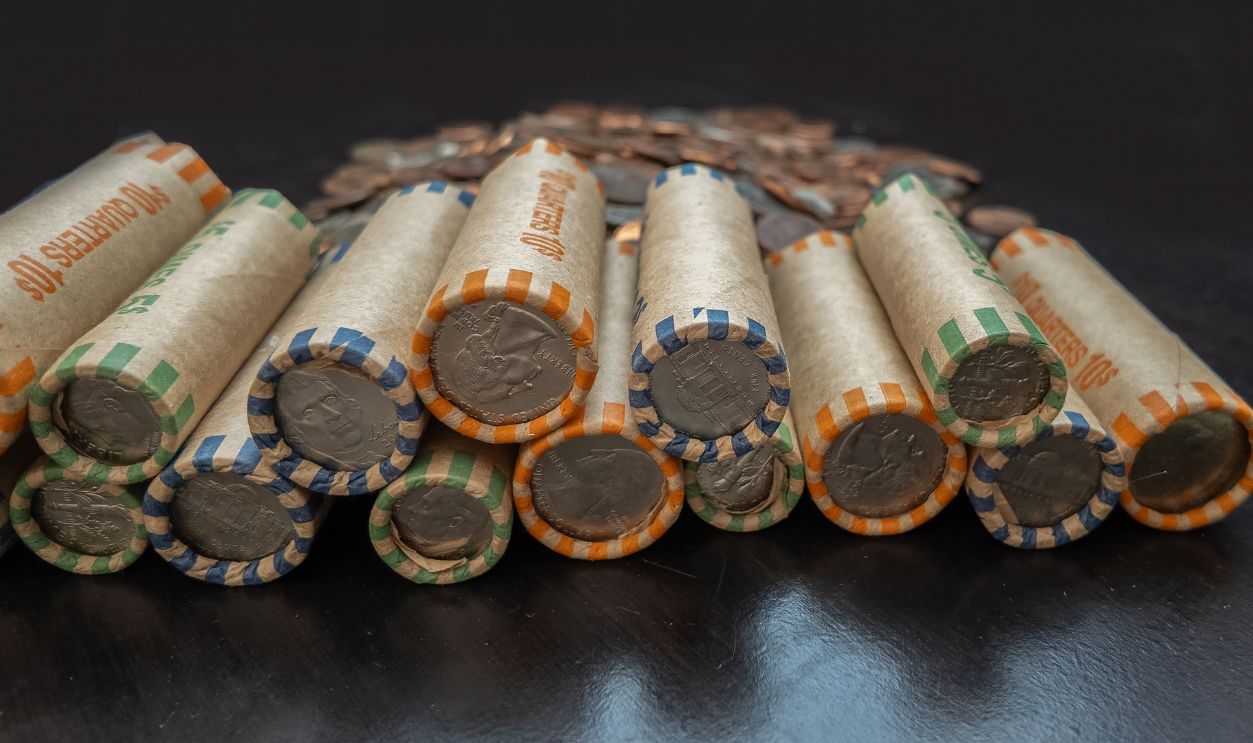
Now, some customers are being told that their bank no longer accepts rolled coins. That sounds ridiculous when the coins are genuine American money and the customer has already done the counting. Unfortunately, the words “legal tender” do not automatically settle the argument.

The Bank May Be Allowed To Refuse Them
No federal rule guarantees that a bank must exchange a customer’s rolled change for bills. The Office of the Comptroller of the Currency specifically confirms that national banks may set their own policies for unrolled coins. Rolled deposits are governed by each bank’s policies and account agreement.
But Aren’t Coins Legal Tender?
Yes, American coins are legal tender for debts, public charges, taxes and dues. However, no federal law generally requires a private business to accept cash for every purchase. Businesses can establish their own payment policies unless a state or local law says otherwise.
Why Banks Do Not Want Them
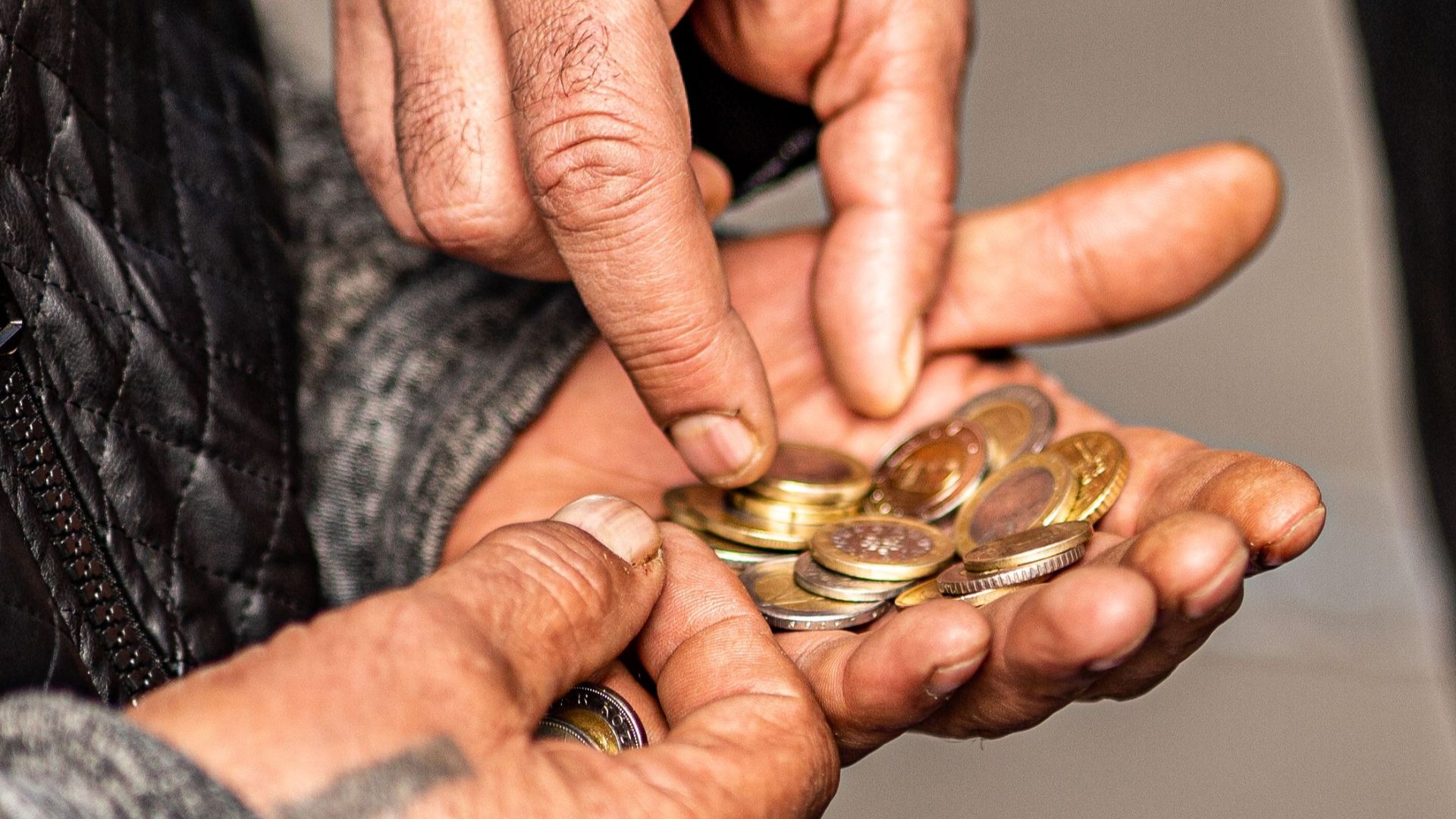
Common reasons include the time and expense involved in processing coins. Employees may need to verify rolls, correct counting errors and remove foreign coins or tokens. The finished deposits are also extremely heavy. Branches without counting equipment may have no convenient way to process them.
Depositing Them May Be Different
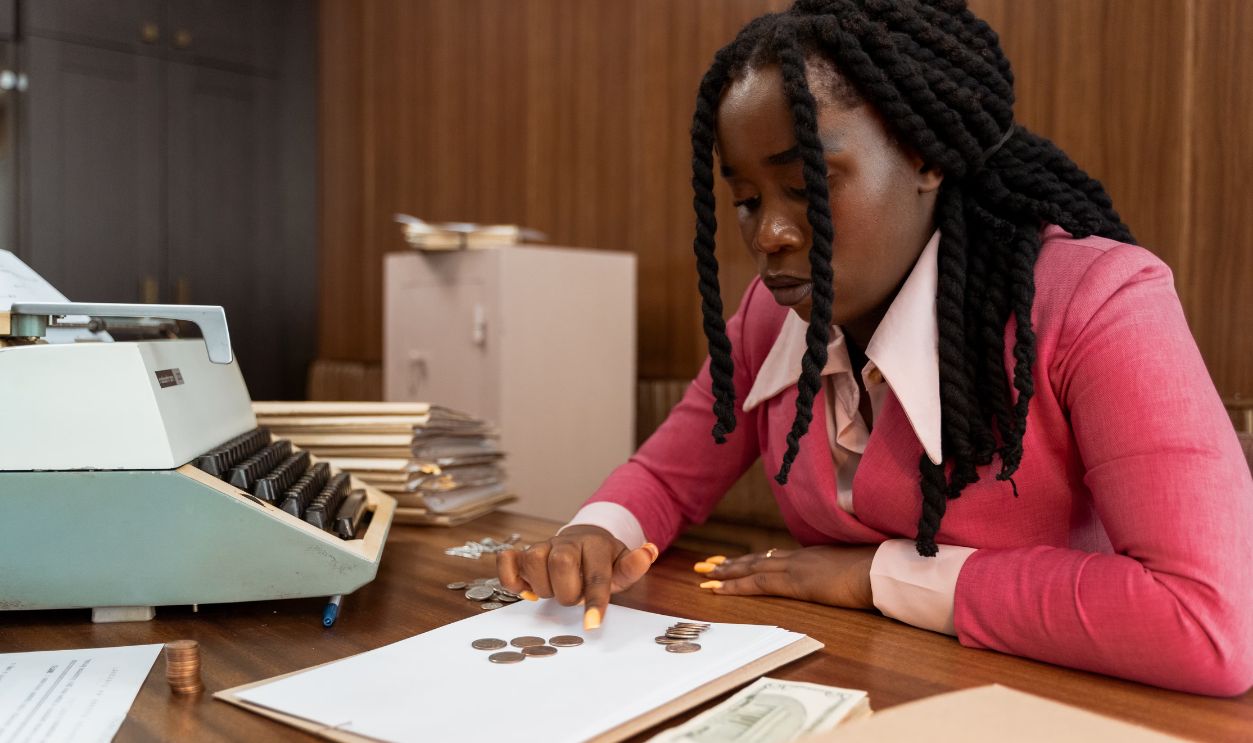
There can be a difference between asking a bank to exchange coins for bills and asking to deposit them into an existing account. Some banks may treat those as different services. It is worth asking about both, although having an account does not guarantee that the coins will be accepted.
 AMISOM Public Information, Wikimedia Commons
Call Before Carrying Them Back
Do not carry several heavy boxes into another branch without checking first. Call and ask whether that location accepts coin deposits, whether the coins must be rolled, whether the wrappers must be labeled and whether there is a daily limit. Also ask about any counting or processing fees.

Try Another Branch
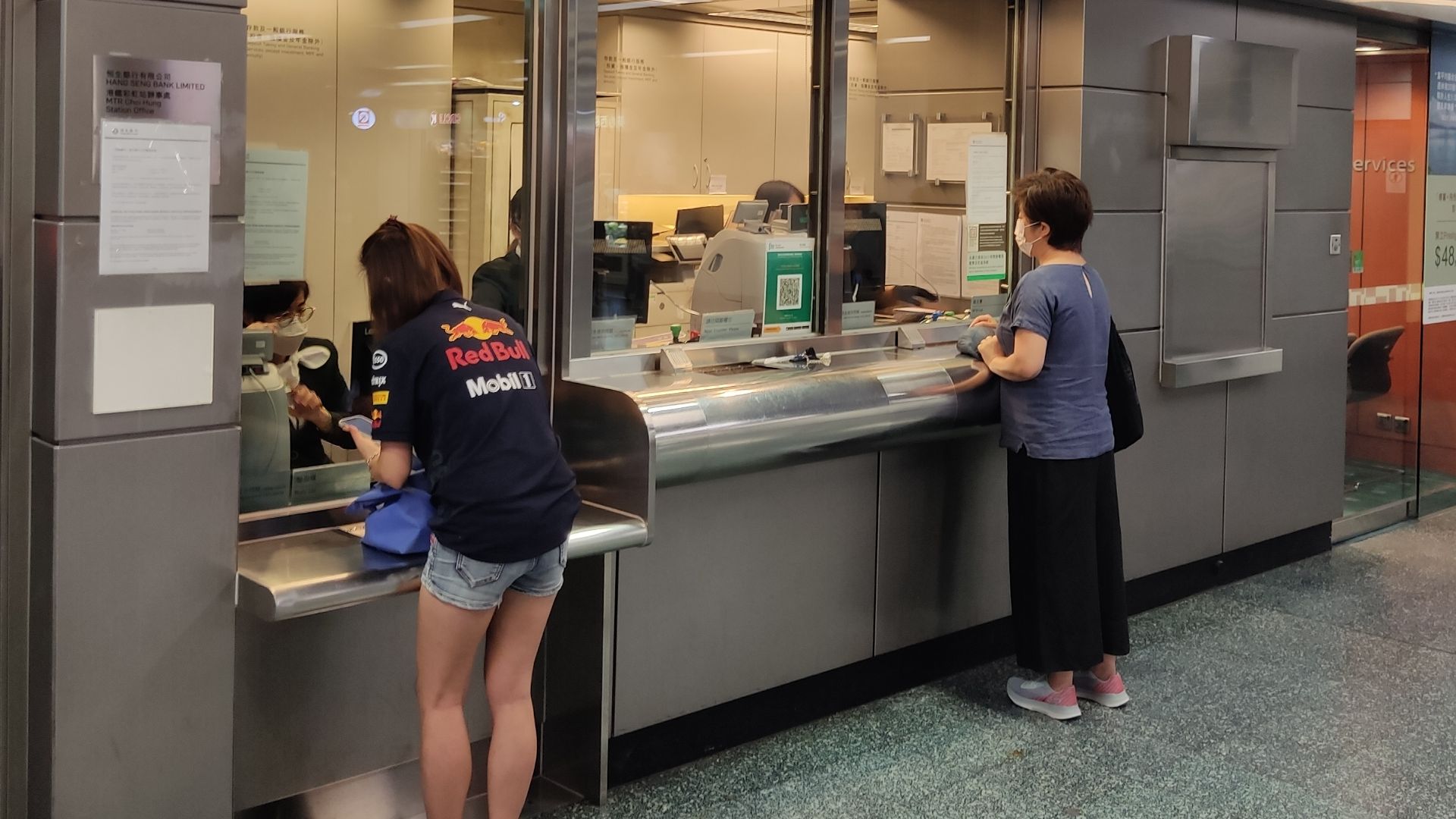
One branch may lack the equipment, storage space or services needed to handle a large coin deposit. Another location belonging to the same bank could have different capabilities. Customer service may be able to identify the nearest branch that is willing and equipped to handle the rolls.
 TMMSUMERA LVINGO, Wikimedia Commons
Ask Whether The Policy Changed
If the bank previously accepted the same rolls, ask when its policy changed and whether it applies to every branch. A teller may be enforcing the policy correctly, but misunderstandings do happen. A branch manager should be able to explain the current rules and whether any alternatives are available.

The Type Of Account May Matter
Coin-handling services can vary according to the bank, account and customer relationship. Some institutions may limit them to account holders, certain accounts or business customers. There could also be limits on the number of rolls accepted. Check the account agreement and current fee schedule before returning.

Check Community Banks And Credit Unions
Smaller banks and credit unions may be more willing to handle coins, particularly if they have an in-branch counting machine. Some provide free counting for members while charging nonmembers. Always confirm the current policy before opening an account or arriving with a large collection.
Coin-Counting Machines Are Convenient
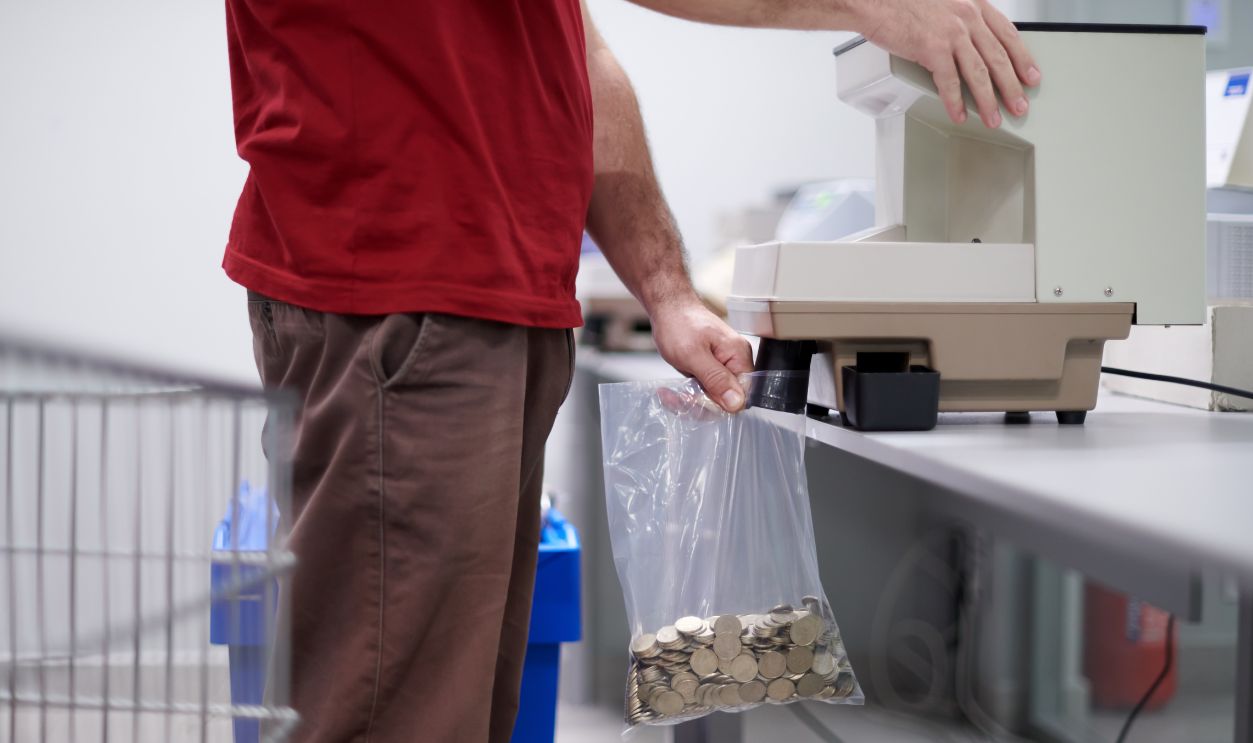
Retail coin-counting kiosks eliminate the need to sort or roll anything. The coins are poured into the machine, counted and exchanged for a voucher. That solves the problem quickly, but convenience can be expensive, particularly when decades of change have grown into hundreds of dollars.
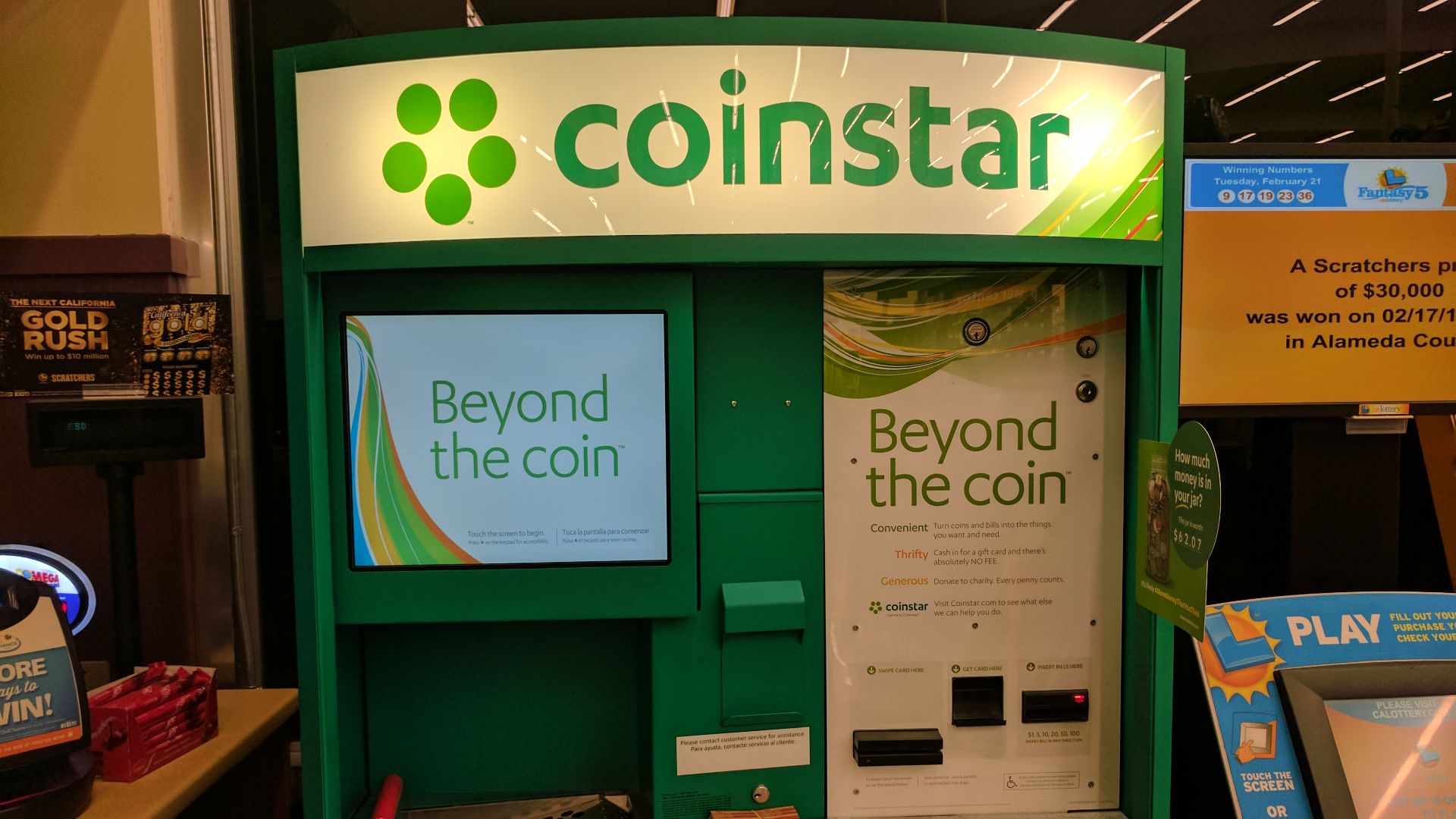
Coinstar Can Take A Large Cut
Coinstar says its cash option may include a service fee of up to 15.9%, plus a transaction fee of up to 99 cents, depending on the location. At the maximum rates, converting $500 in coins could cost as much as $80.49.
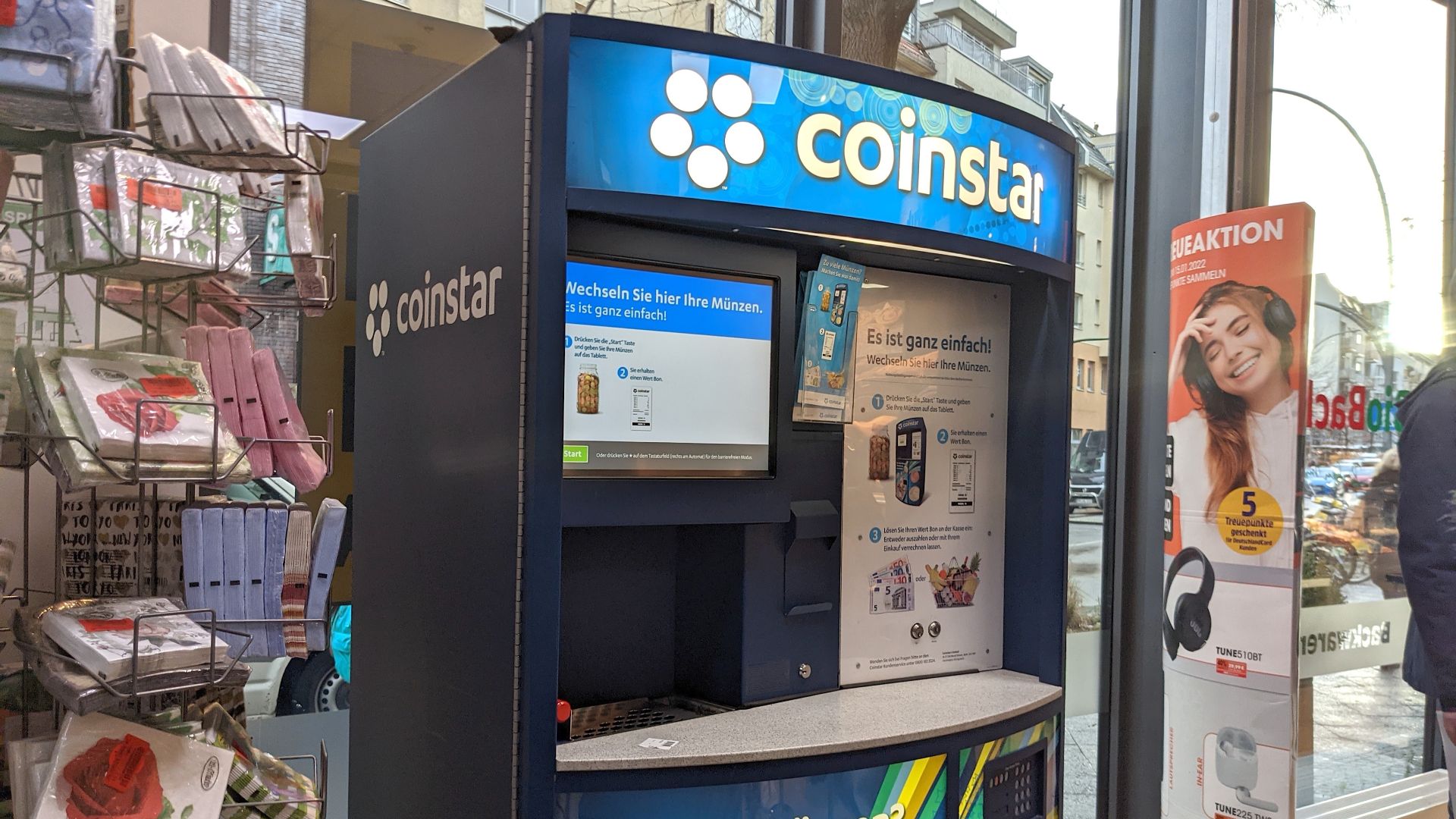
Look For A Fee-Free Gift Card
Most Coinstar locations in the United States offer eGift card options with a 0% fee, although fees and available brands vary by kiosk. If the machine offers a retailer the customer already uses, this could preserve the full value of the coins without producing cash.
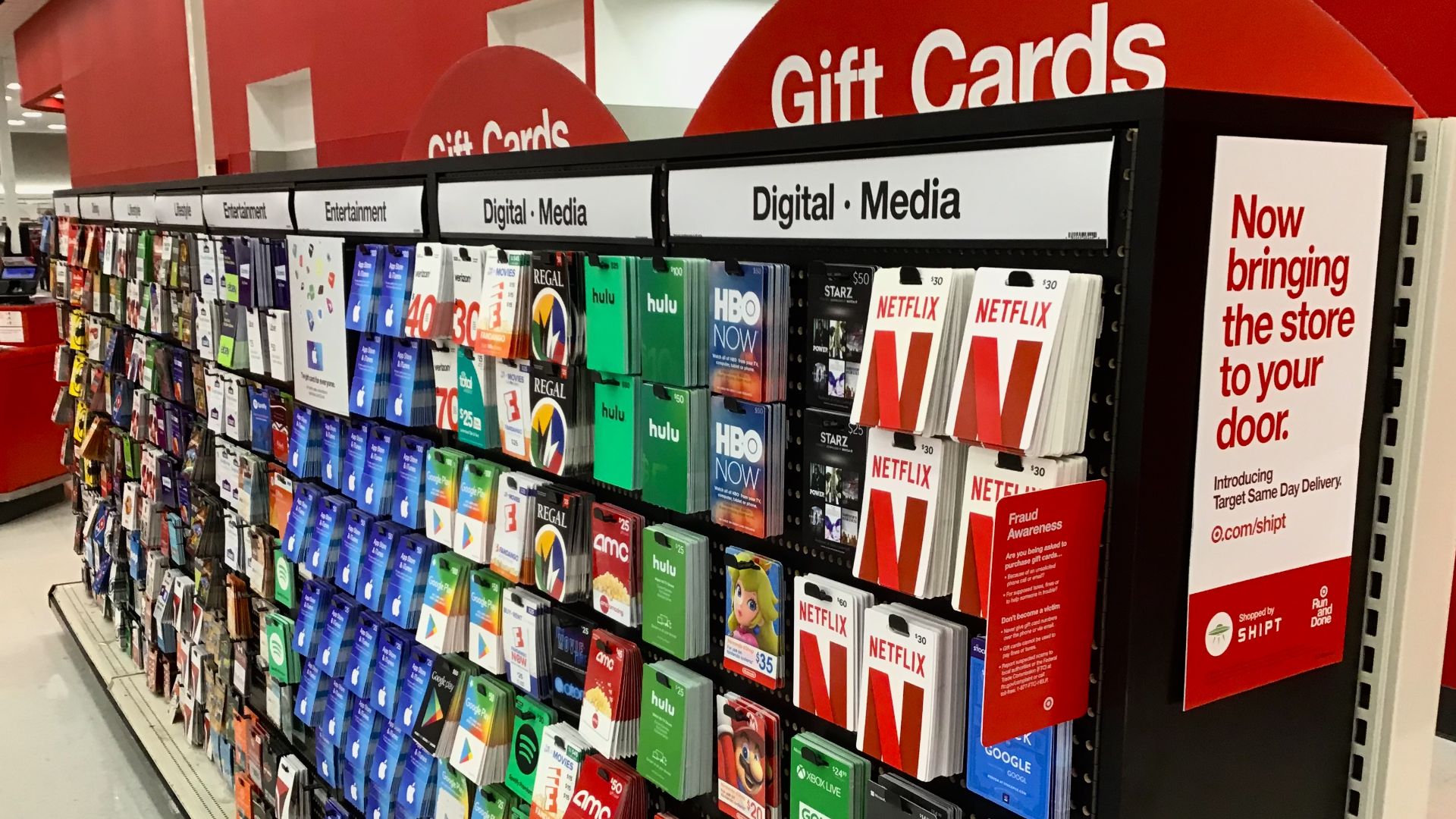 Mike Mozart from Funny YouTube, USA, Wikimedia Commons
Spend The Coins Gradually
Ordinary coins can still be used for everyday purchases. Smaller amounts may be accepted at grocery stores, pharmacies, self-checkouts and other businesses that take cash. Trying to spend hundreds of dollars at once will probably create problems, but using a few dollars each week is much easier.
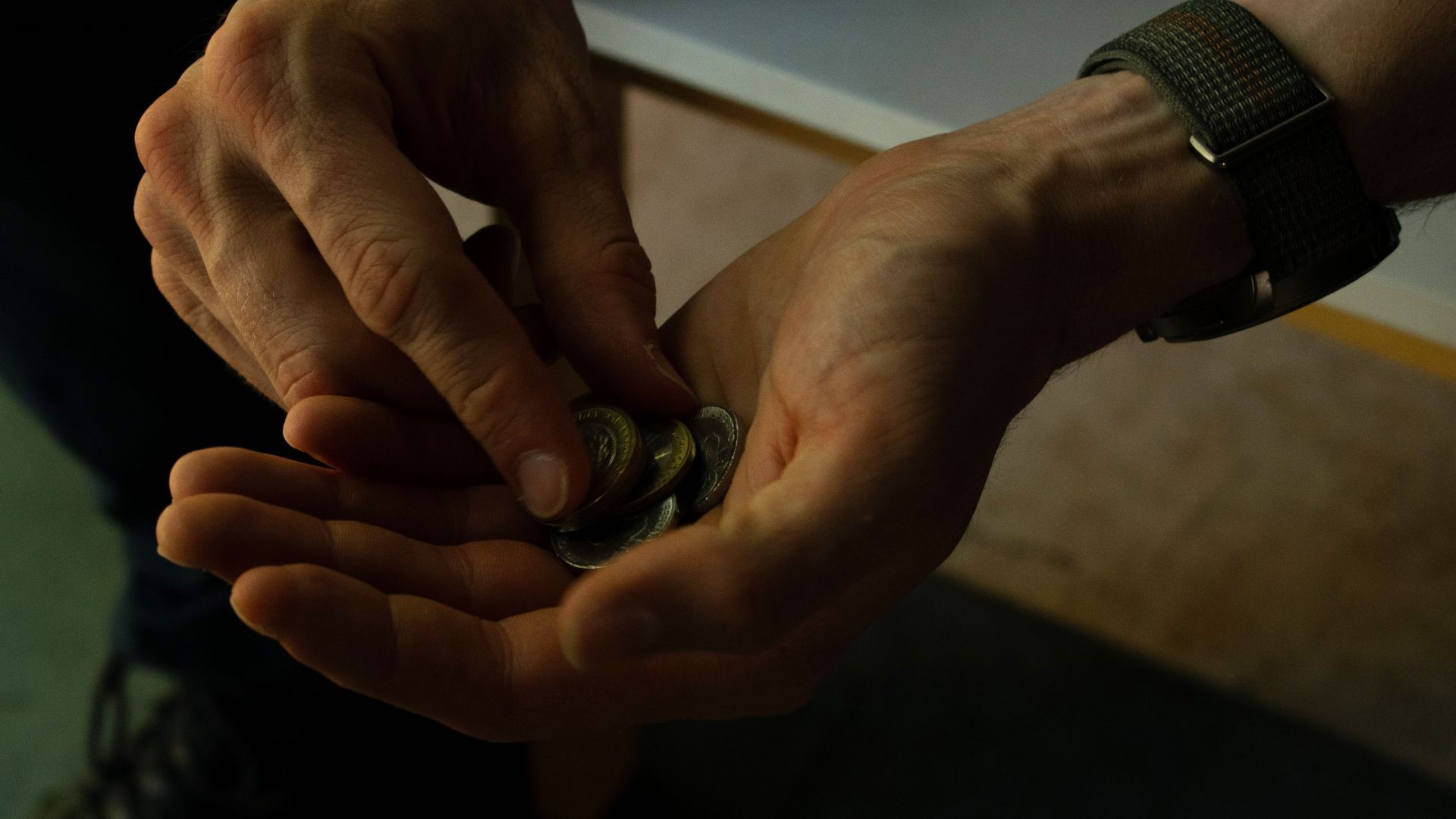
Some Local Businesses May Want Them
Laundromats, vending businesses, convenience stores and other cash-heavy operations regularly need change. An owner may be willing to exchange properly counted rolls. Ask first, however. Businesses are not obligated to accept them, and some will be cautious about rolls that could contain incorrect or foreign coins.

The Federal Reserve Will Not Help
Federal Reserve Banks provide coin services to eligible banks and credit unions, not directly to ordinary consumers or retail businesses. The U.S. Mint is not a public coin-exchange service either. Unfortunately, neither institution provides a simple way to bypass a bank that refuses the rolls.
 ajay_suresh, Wikimedia Commons
Check The Coins Before Cashing Them In
A collection accumulated over several decades could contain something worth more than its face value. Before depositing everything, look for unusually old coins, unfamiliar designs, half dollars, dollar coins, obvious errors and anything that appears silver. Valuable coins can easily disappear inside an ordinary roll.

Watch For Older Silver Coins
Regular U.S. dimes, quarters and half dollars dated 1964 were made with 90% silver, as were most earlier 20th-century versions. Kennedy half dollars dated from 1965 through 1970 contained 40% silver. Those coins may be worth considerably more than the amount stamped on them.
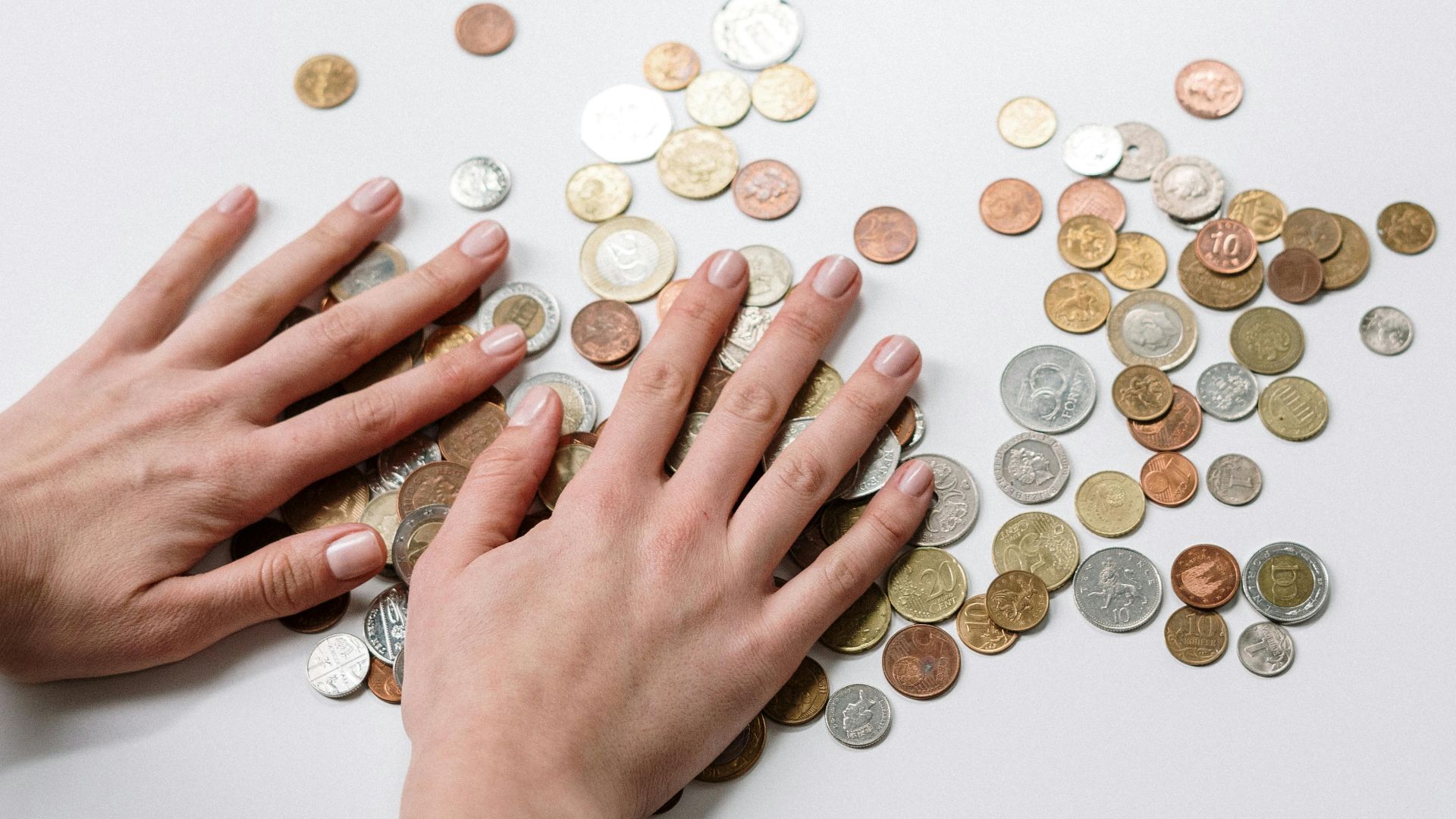
Do Not Clean An Interesting Coin
Polishing an old coin may make it shinier, but it can also damage the surface and reduce its collectible value. Set anything promising aside exactly as it was found. A reputable coin dealer or recognized price guide can help determine whether it deserves closer attention.
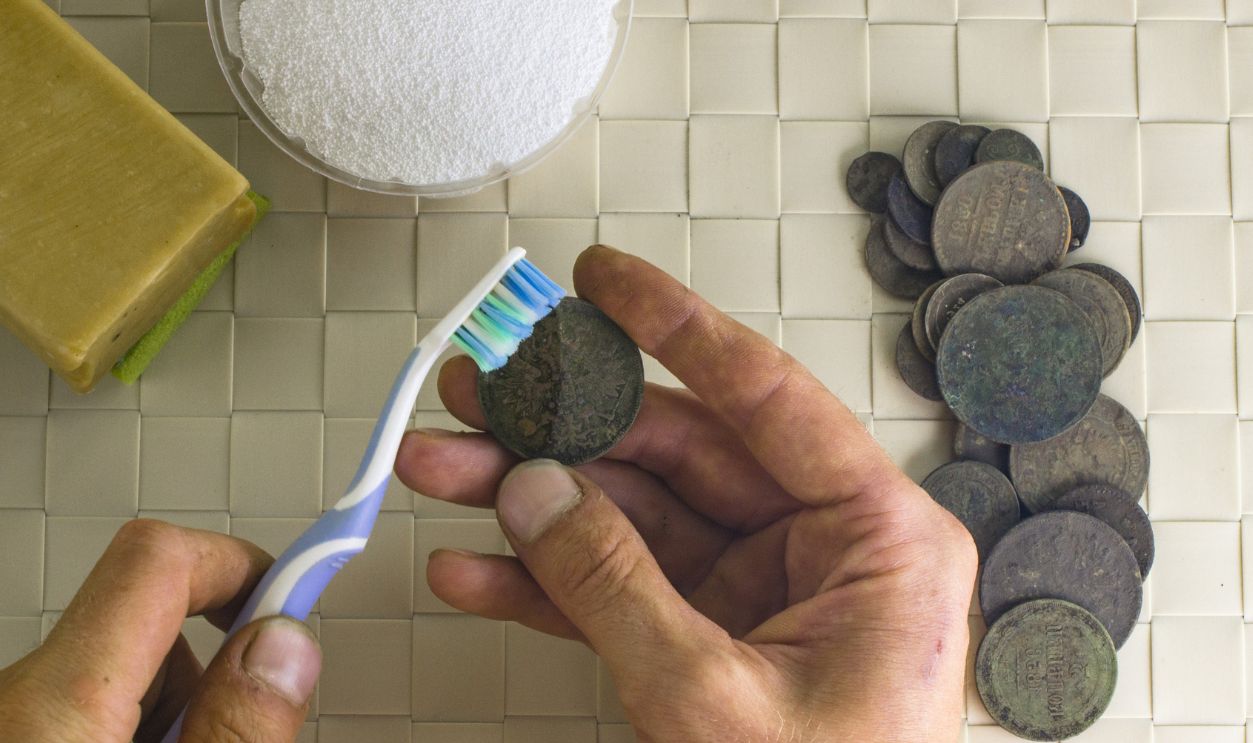
Remove Anything The Machine Cannot Accept
Foreign coins, tokens, keys and other objects can be rejected or jam counting equipment. Coinstar specifically warns against inserting Eisenhower silver dollars, 1943 steel pennies, pure-silver coins or commemorative coins. Always examine the return tray because rejected coins and other small objects can easily be overlooked.
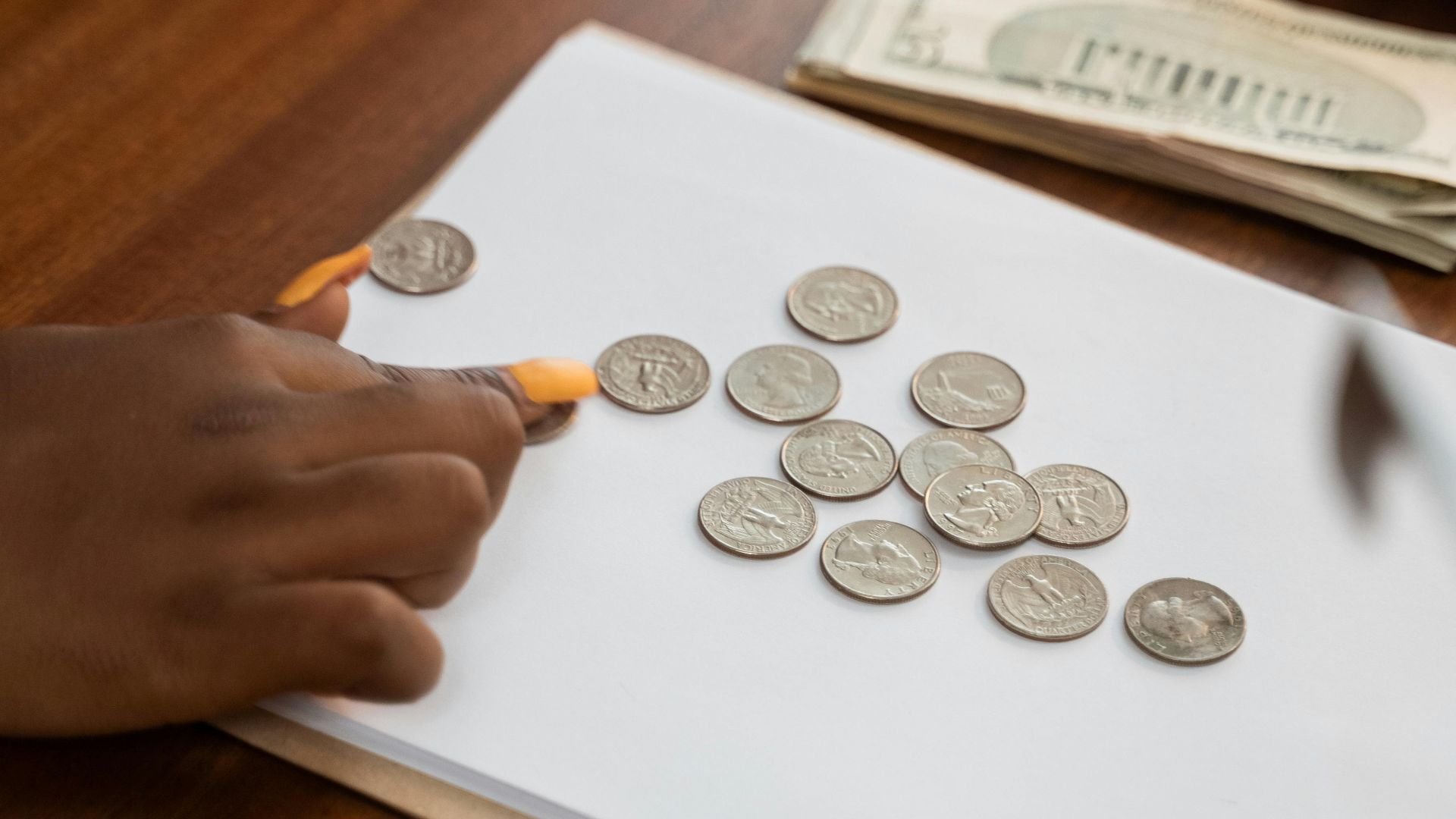
Do Not Immediately Open Every Roll
If the coins are already wrapped correctly, keep them that way while contacting banks and credit unions. Another institution may accept them as they are. Only unwrap the rolls if the chosen counting machine requires loose coins. There is no reason to repeat decades of work unnecessarily.
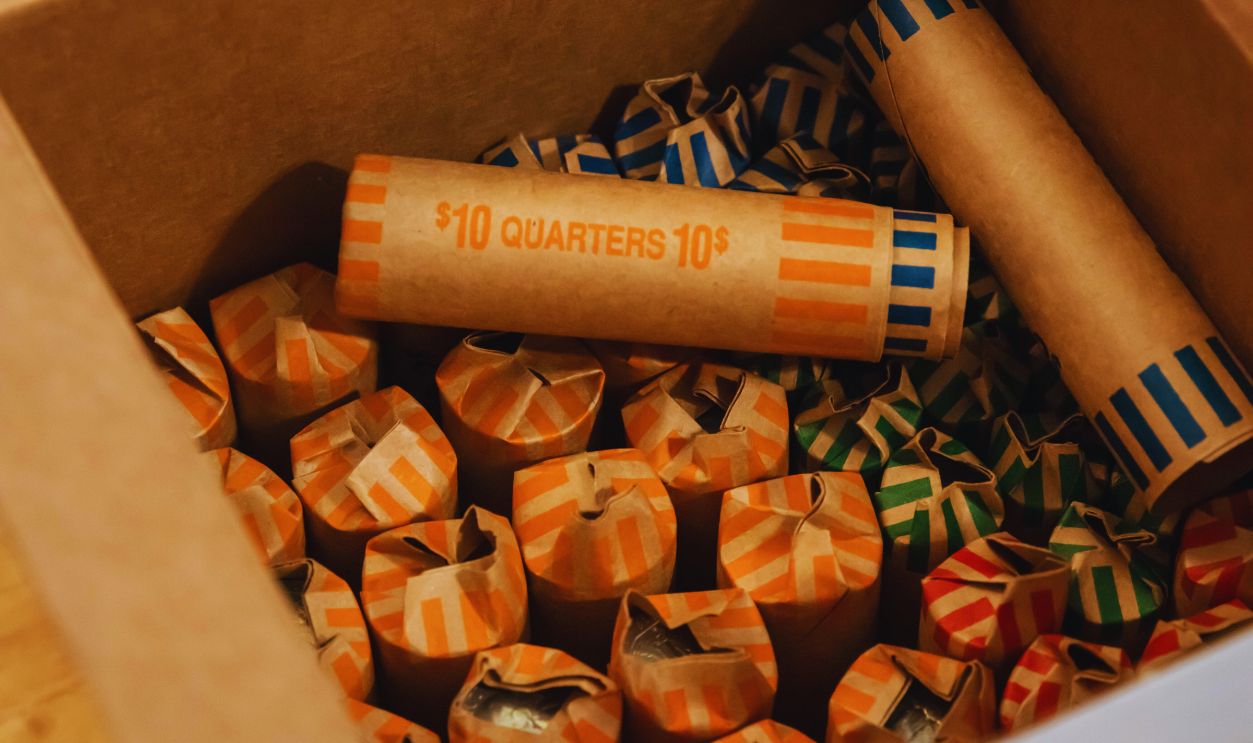
Escalate A Genuine Banking Problem
A bank may maintain a restrictive coin policy, but it should apply its written rules accurately and disclose applicable fees. If employees contradict the account agreement or mishandle a deposit they agreed to accept, raise the issue with the branch manager and the bank’s customer-service department.

Compare Every Available Option
Start by checking the coins for anything collectible. Then contact other branches, community banks and credit unions. If none will accept the rolls, compare a kiosk’s cash fee with its eGift card options. Spending the coins gradually remains the slowest but potentially cheapest solution.

The Coins Are Still Worth Something
A bank’s refusal does not make the coins worthless. They can still be deposited elsewhere, exchanged through a willing business, spent gradually or processed by a counting kiosk. Turning them into bills may now require extra phone calls and patience, but surrendering part of their value should be the last option.
 https://kaboompics.com/, Pexels
You Might Also Like:
Old-School Saving Habits That Really Worked Before Subscriptions Took Over The Budget




.jpg)