The “Pay Twice A Month” Credit Card Trick
Your friend is talking about a real strategy, but it's not some magic trick. Paying your credit card twice a month can help your score faster in one specific way: It can lower the balance that gets reported to the credit bureaus, which can improve your credit utilization. But there's more than one way to do that, so you have to come up with the plan that works for you.

What Actually Moves Your Score
Most credit scores are driven by a few big factors, including payment history and the amounts you owe. FICO says the “amounts owed” category is 30% of a FICO Score, and utilization is a key piece of that. If paying twice helps you show a lower balance, it can help this part of your score.

The Key Detail People Miss: Reporting Date
Your credit card company usually reports account info to the credit bureaus about once a month. Many issuers report the statement balance, not your real-time balance. That means the balance that matters for scoring is often the one that appears on your monthly statement.

Why Two Payments Can Beat One
If you only pay once, but you pay after the statement closes, your statement balance can still be high. Two payments can shrink your balance before the statement date arrives. This can make your utilization look lower when it is reported.

Utilization Is The Lever You Can Pull Fast
Payment history builds slowly because it takes time to stack on-time months. Utilization can change quickly because it reflects what is reported that month. The Consumer Financial Protection Bureau explains that utilization is based on your credit limit and outstanding balance.

So Does Paying Twice “Boost Your Score Faster”?
Sometimes, yes, but only if it lowers the balance that is reported. It does not create extra points just because you made more payments. The scoring models care far more about whether you paid on time and how much you owed when the lender reported your account.

The Discovery Was Not A Secret Hack
This is not a hidden trick invented by one person or uncovered in one dramatic moment. It is a practical outcome of how revolving credit is reported and how utilization is calculated. FICO has published for years that utilization is influential, and that you can manage it by managing your balances.
Statement Balance Versus Current Balance
Your statement balance is the snapshot that often gets sent to bureaus. Your current balance is what you owe right now, which can change daily. If you pay before the statement closes, your statement balance can drop even if you keep using the card.
What About The Due Date?
The due date is mainly about avoiding late payments and interest. The statement close date is about what balance is recorded on your statement. If you want the reported number to be low, the statement close date is the one to watch.
How Credit Utilization Is Usually Calculated
Utilization is commonly described as your balance divided by your credit limit. For example, a $900 balance on a $1,000 limit is 90% utilization. If you pay $500 before the statement closes, you may only report $400, which looks like 40%.

Why This Matters More If Your Limits Are Low
People with lower credit limits can see utilization spike with everyday spending. A few hundred dollars can push the utilization ratio high. Splitting payments can keep the ratio from looking maxed out.

The “Zero Balance” Trap
Some people try to report a $0 statement balance every month. That can work for utilization, but it can also make your card look unused in some scoring situations. Experian notes that having a small balance reported can be better than always reporting zero, because it shows active use.

What FICO Has Said About Utilization
FICO has long explained that a high utilization can hurt scores and that lower is better. FICO also emphasizes that there is not one perfect utilization number for everyone. In general, keeping revolving utilization low is a widely cited best practice.

Why Two Payments Is Sometimes Just Budgeting
For many people, “twice a month” is simply a way to stay in control. It can prevent you from accidentally carrying a large balance into the statement. It can also help you avoid interest if you usually pay in full, but timing gets tight.

The Interest Myth
Paying twice a month does not automatically reduce interest by itself. Interest depends on whether you carry a balance and whether you have a grace period. If you pay your statement balance in full by the due date, many cards charge no interest on purchases, according to the CFPB’s explainer on credit cards.

When Two Payments Helps The Most
This strategy is most useful if you are about to apply for a mortgage, car loan, or apartment and want your utilization to look better soon. It can also help if you routinely use a big chunk of your limit each month. In those cases, lowering the reported balance can make your score look better at the right time.

When Two Payments Does Almost Nothing
If you already report low utilization, splitting payments may not change the reported number much. If your issuer reports at a different time than your statement date, the effect can be smaller. And if you miss payments, none of this can save your score.

Payment History Still Rules The Room
FICO says payment history is 35% of a FICO Score. A single late payment can hurt far more than a utilization tweak can help. If you are choosing where to put your energy, automating on-time payments matters more than payment frequency.

What About Multiple Payments In One Week?
Paying weekly can also work, for the same reason, if it reduces the balance that gets reported. It is not better than twice a month in any special scoring way. It's only better if it keeps your reported balance lower, so you'll still have to do the math.

The Real Play: Pay Before The Statement Closes
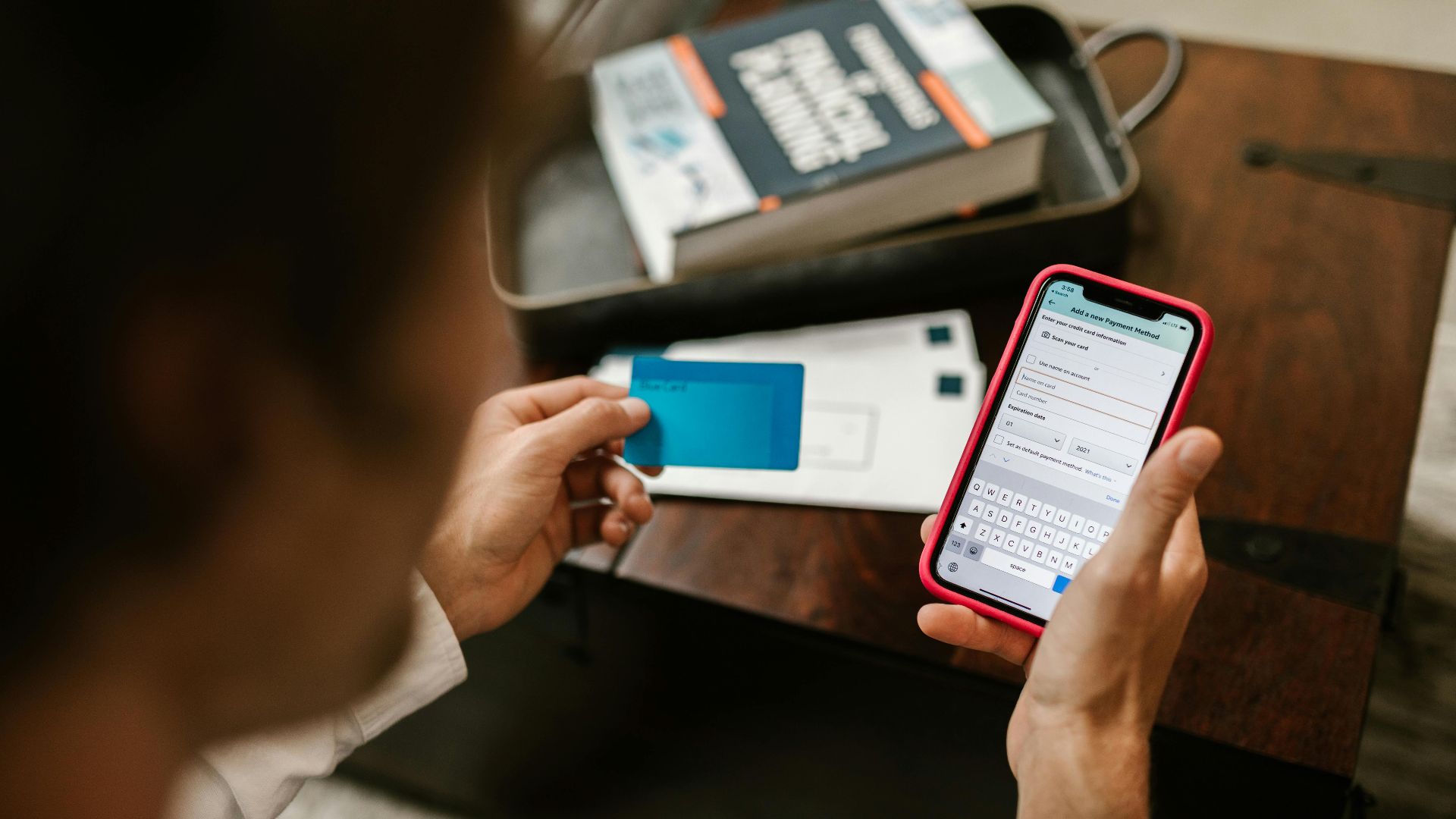
If you want a practical version of the trick, focus on your statement closing date. Make a payment a few days before that date so it posts in time. Then pay the remaining statement balance by the due date to protect your payment history and avoid interest.
How To Find Your Statement Closing Date
Your statement closing date is shown on your billing statement, and many apps display it too. It is often around the same day each month but can shift slightly. If you cannot find it, your issuer’s customer service can tell you.

A Simple Two-Payment Schedule
One approach is to pay mid-cycle to knock down your running balance. Then pay again right after the statement generates, so you cover the statement balance early. This keeps utilization calmer and makes due dates less stressful.

Watch Out For Returned Payments
Multiple payments raise the chance of a mistake like paying from the wrong account or overdrawing. A returned payment can trigger fees and can create headaches with your issuer. Make sure funds are available before scheduling payments.

Do Not Confuse This With “Credit Cycling”
Credit cycling is when you repeatedly pay and re-spend to go far above your credit limit in a single month. Some issuers consider that risky behavior and may close accounts. Paying twice a month to manage your statement balance is different, but it is still smart to avoid extreme patterns.

If You Want A Bigger Score Move, Raise Your Limit
A higher credit limit can lower utilization without changing your spending. You can request a credit limit increase, though approval is not guaranteed. Some issuers may do a hard inquiry, which can cause a small, temporary score dip.

Another Reliable Move: Add A Second Card Carefully
Adding a new card can increase total available credit and reduce overall utilization. It can also lower your average age of accounts, which may offset some benefits at first. This is better as a long-term strategy than a quick fix right before a major application.

The Bottom Line For Your Friend’s “Trick”
Paying twice a month can help your credit score if it lowers the balance that gets reported to the bureaus. It does not earn bonus points just for being frequent. The most dependable version is paying before the statement closes and always paying on time.