The Policy Warning That Makes People Freeze
Few workplace warnings land harder than hearing your boss say salary talk is off limits. It sounds official, final, and a little threatening. But in many U.S. workplaces, a blanket ban on discussing pay with coworkers is not actually legal.
 Pavel Danilyuk, Pexels, Modified
The Short Answer Most Workers Need
For many private-sector employees, federal labor law protects the right to talk with coworkers about pay, benefits, and other working conditions. The key law is the National Labor Relations Act, or NLRA, signed in 1935. The National Labor Relations Board, or NLRB, enforces those rights.

Why Pay Talk Is Protected At All
The law treats wage discussions as part of workers joining together to improve their jobs. Section 7 of the NLRA protects employees who act together, or try to, over terms and conditions of employment. Pay is one of the clearest examples of a working condition workers can discuss.

What The NLRB Says In Plain English
The NLRB says policies that specifically ban employees from discussing wages, benefits, or other terms and conditions of employment are unlawful. The agency also makes clear that you may have this right even if you are not in a union. That matters because many people assume these protections only exist in union workplaces.

Where This Protection Comes From
Congress passed the NLRA in 1935 during the New Deal. The law was meant to protect collective action by employees and curb unfair labor practices by employers. Over the years, the NLRB and the courts have repeatedly treated pay discussions as protected activity under that law.
 ANTONI SHKRABA production, Pexels
Company Policy Does Not Override Federal Law
A company handbook may look powerful, but it does not outrank federal labor law. If a workplace rule broadly tells employees not to discuss wages with one another, that rule can violate the NLRA. A company cannot erase a legal right just by writing a policy against it.
 Mikhail Nilov, Pexels, Modified
Retaliation Can Be Illegal Too
The problem is not just the written rule. If an employer disciplines, threatens, fires, or questions workers because they discussed pay, that can also lead to an unfair labor practice charge. The NLRB investigates those cases and can seek remedies such as reinstatement, back pay, and policy changes.

Who Is Usually Covered
Most private-sector employees are covered by the NLRA. That includes many workers in offices, retail stores, restaurants, warehouses, and other non-government workplaces. According to the NLRB, covered employees have these rights whether or not they belong to a union.

Who May Not Be Covered
There are important exceptions. The NLRB says the NLRA does not cover public-sector employees, agricultural laborers, independent contractors, certain domestic workers, people employed by a parent or spouse, air and rail carriers covered by the Railway Labor Act, and supervisors. If you fall into one of those groups, different laws may apply.

The Supervisor Catch Matters A Lot
Under the NLRA, supervisors are treated differently from rank-and-file employees. The law defines supervisors by their authority over other workers, such as hiring, firing, disciplining, or directing work with independent judgment. So a manager telling staff not to discuss pay may be covered by different rules than the employees hearing the warning.

Public Employees Need A Different Rulebook
If you work for a state, local, or federal government employer, the NLRA usually is not your main source of protection. Your rights may come instead from state labor laws, civil service rules, or other statutes. That means the answer can change depending on whether your employer is private or public.

State Law Can Add More Protection
Federal law is not the whole picture. Some states have passed pay transparency or anti-retaliation laws that strengthen an employee’s ability to talk about compensation. The U.S. Department of Labor notes that several states have equal pay and pay transparency protections that can go further than federal law.
A Big Federal Push On Pay Transparency
Another key moment came in 2014. On April 8 of that year, President Barack Obama signed Executive Order 13665, which bars federal contractors from retaliating against employees or applicants for discussing, disclosing, or asking about compensation. It does not cover every employer, but it expanded protection for a large part of the workforce tied to federal contracts.

Why The 2014 Order Was Significant
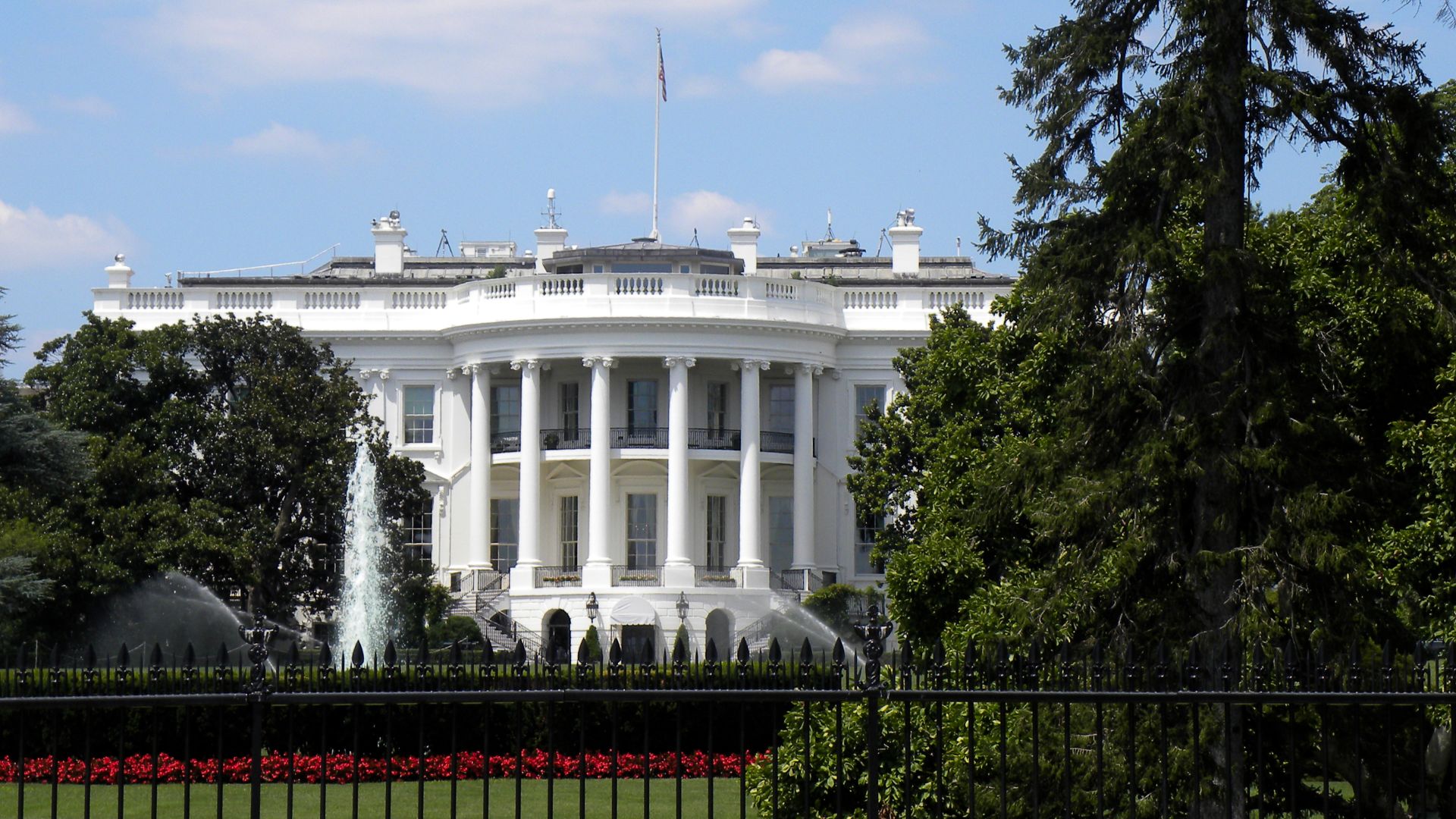
The White House framed the order as part of a broader push to address pay discrimination and make wage information less secretive. The U.S. Department of Labor later put rules in place through the Office of Federal Contract Compliance Programs. For workers employed by federal contractors, that created another layer of protection on top of the NLRA.
 Mathieu Landretti, Wikimedia Commons
Employers Still Have Some Limits They Can Enforce
Protected does not mean anything goes. Employers can still regulate work time and keep rules against harassment, threats, or disclosure of truly confidential business information unrelated to employee wages. But a broad rule that simply says workers cannot talk about their own pay with each other is where employers often run into legal trouble.
 Mikhail Nilov, Pexels, Modified
Confidentiality Labels Can Be Misused
Some companies try to hide wage bans inside confidentiality policies, codes of conduct, or professionalism rules. That does not automatically make the policy legal if workers would reasonably read it as banning protected discussions about pay or working conditions. The NLRB looks at how the rule is written and how employees would likely understand it.

The Useful Question To Ask First
If your boss says salary discussions are banned, start by asking what exactly the policy says and where it is written. A verbal warning matters, but a written rule in a handbook, policy portal, or email is easier to document. If the language clearly bans discussing wages with coworkers, that is a major red flag in a private-sector workplace.

What To Do If You Hear The Threat
Stay calm and gather facts. Save the handbook section, take a screenshot of the policy, or make a dated note of who said what and when. If discipline follows, keep records of write-ups, schedule changes, emails, and the names of any witnesses.

Where Workers Can File A Complaint
Private-sector workers who believe their rights under the NLRA were violated can file an unfair labor practice charge with the NLRB. The agency provides information online about employee rights and the filing process. There are deadlines, so waiting too long can make a claim harder to pursue.

Why Documentation Can Make Or Break A Case
Labor disputes often turn on specifics. A case is stronger when there is a written policy, a text message, an email, or a clear timeline showing retaliation after wage discussions. Dates, names, and exact wording usually matter far more than a vague memory that something felt off.

Do You Have To Tell Everyone Your Salary
No law requires you to share your pay with coworkers. The legal point is that the choice is generally yours, and your employer usually cannot impose a blanket gag rule if you are covered by the NLRA. Some workers prefer privacy, while others share numbers to negotiate better pay or spot unfair gaps.

Why Workers Discuss Pay In The First Place
Salary secrecy can hide unequal treatment for years. Pay discussions can reveal compression, discrimination, or simple inconsistencies that are impossible to spot when everyone stays quiet. That practical reality is one reason labor law has long treated wage discussions as tied to collective workplace action.

What About Pay Transparency Laws
In recent years, pay transparency has moved beyond coworker conversations and into job postings. States and some cities have passed laws requiring salary ranges in certain job ads or protecting workers who ask about compensation. Those laws vary widely, but they reflect a broader move away from old salary secrecy norms.

When The Answer Might Actually Be Yes
There are situations where your boss’s warning may be on firmer legal ground, mostly because different rules apply. If you are a public employee, a supervisor under the NLRA, or an independent contractor, federal private-sector labor law may not protect you the same way. That is why job status matters before anyone gives a definite answer.

How To Respond Without Making Things Worse
You do not need to turn it into a dramatic showdown in the break room. A smart first move is to ask for the policy in writing, figure out whether you are covered, and consider contacting the NLRB or an employment attorney if discipline is threatened. The calmer and more factual your approach, the easier it is to protect yourself.

The Bottom Line On Your Boss’s Claim
If you are a typical private-sector employee, a company policy banning salary discussions with coworkers is often not legal under federal law. The core protections go back to the NLRA of 1935, and later steps such as Executive Order 13665 expanded protections for employees of federal contractors in 2014. So if your boss says wage discussions are against company policy, the real question is not whether the company wrote the rule. It is whether the law allows it.