Not Yours In Legal Terms
The law has a funny way of saying “not yours.” A few words in the fine print and suddenly, ownership gets blurry. Turns out, possession doesn’t always win the argument—even when it feels totally obvious.

Social Media Content
On social media, you may create the content, but the platform still runs the show. Their terms let them reuse your posts, block access, or delete everything without asking. So, though you keep the copyright, they hold the actual power button.

Digital Books
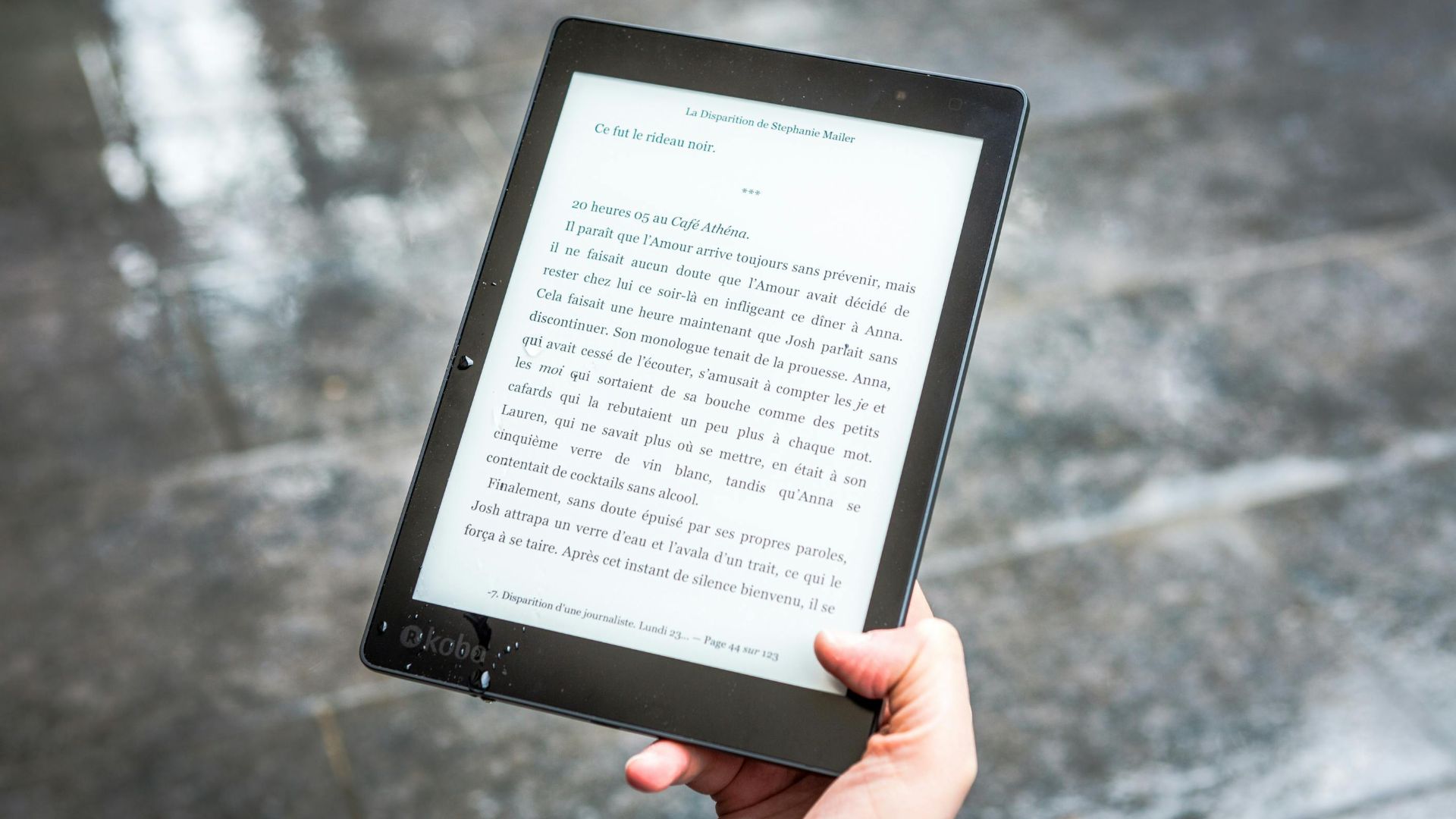
Buying an eBook doesn’t make it yours in the traditional sense. You can’t resell it or pass it on, and providers can revoke access entirely. Some users have watched their purchased titles vanish overnight, like a ghost in the library.
Digital Movies Or TV Shows
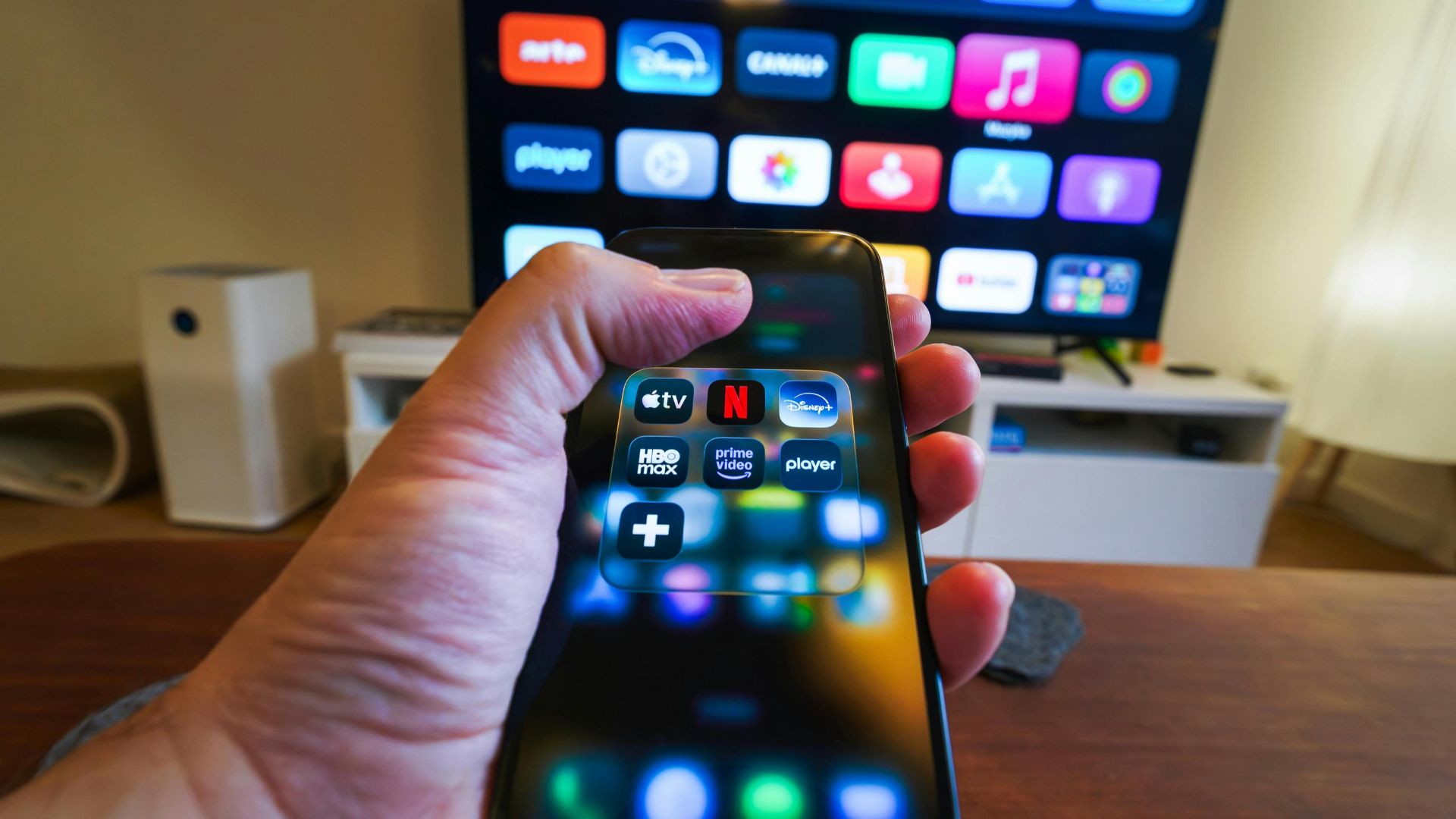
That movie in your digital library may not stay there forever. Studios can pull titles when contracts end, and you can’t give them to anyone else. The “Buy” button should really say “Enjoy this... while we allow it”.
Digital Music Files
Your playlist might look permanent, yet licensing says otherwise. Tracks can vanish, and Digital Rights Management can limit where and how you listen. Oddly enough, a scratched-up CD in a drawer might offer more lasting control than the music on your phone.

Digital Games
That massive digital game library? It’s on loan because accounts can be banned, and servers can go dark. Even fully paid games might vanish or stop working. When the platform controls the keys, players can lose access in one click.

Airline Miles Or Frequent Flyer Points
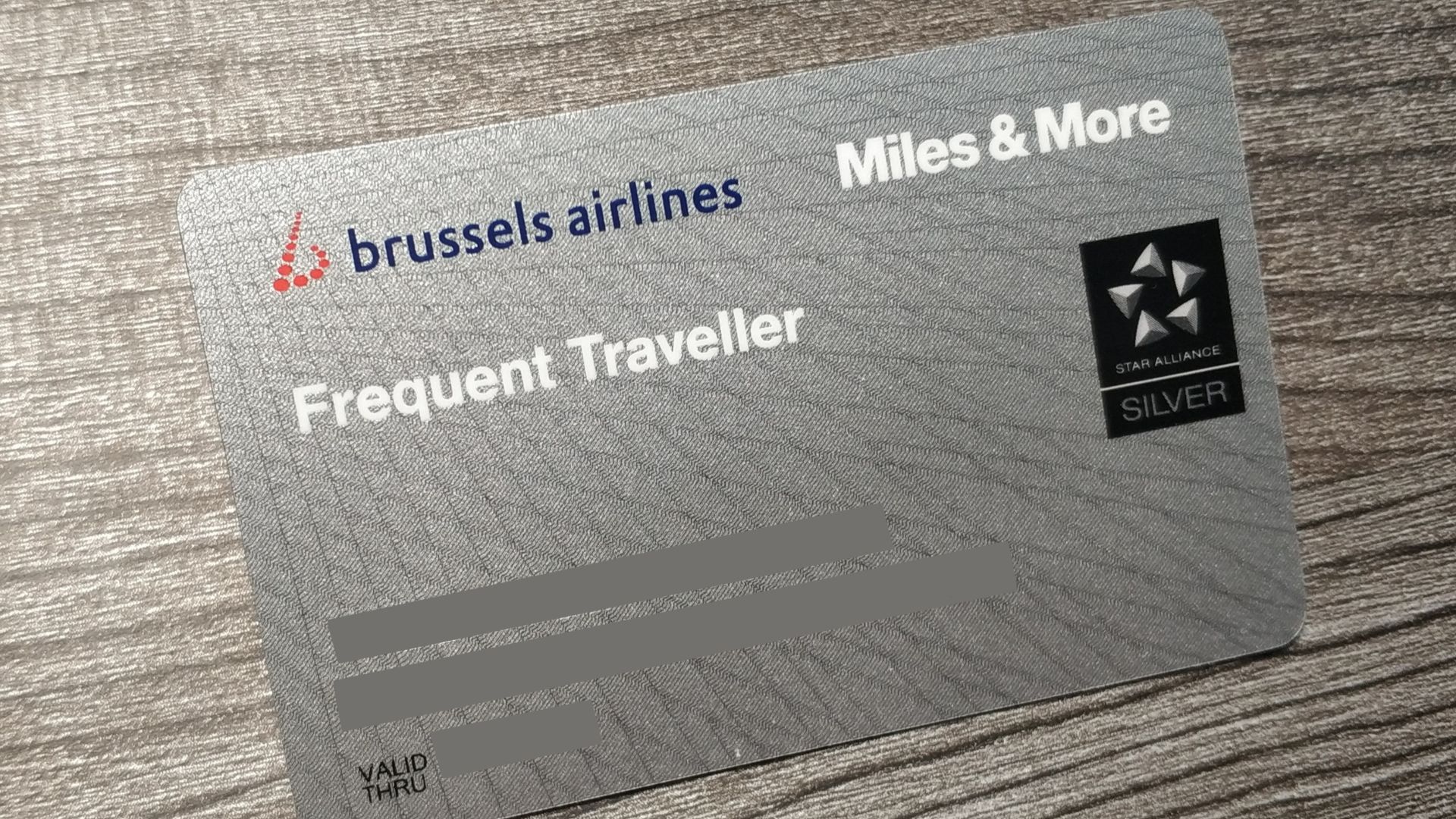
Airline miles feel like a reward, right up until they’re not, as carriers can expire them, devalue them, or change how they work. They’re legally treated as promotions, not property—so the rules can shift at 30,000 feet without much notice.
Unused Gift Card Balances
A gift card might seem like free money, but that value isn’t always safe. Bankruptcy can wipe it out, while inactivity fees can shrink it. Moreover, cards can expire entirely. One closed store, and suddenly your balance means absolutely nothing.

Bank Deposits
Once your money hits the bank, it’s no longer physically yours. That's because the bank uses it while showing you a balance on-screen. You hold a legal claim; however, withdrawals depend on rules, not a vault stacked with your bills.
Work Emails Or Messages
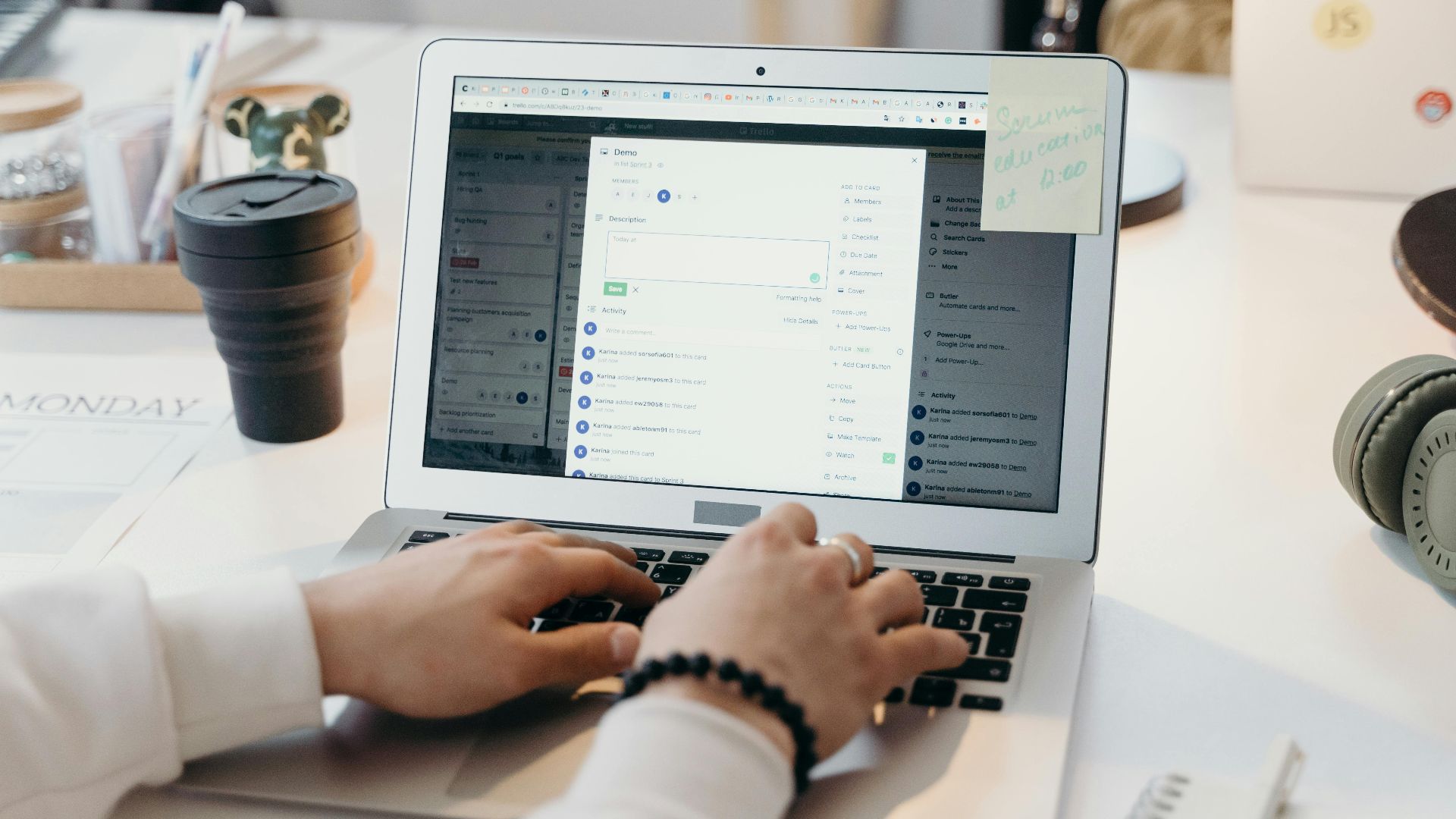
Sending a work message doesn’t mean you own it. Employers can read or archive anything sent through their systems. Even private chats fall under company rules. And once you’re out the door, your access disappears faster than your last paycheck.
Genetic Data From DNA Tests
That cheek swab doesn’t stay private forever. The testing company that stores your data might share it for research, and can hold onto copies even after deletion. Your DNA could live on in their servers long after your account is gone.

Medical Records
Although your name appears on every page, medical providers own the records themselves. You can access them and request copies, yet deletion usually stays off the table. Laws also allow sharing under specific conditions, even when patients would rather keep details private.

Airspace Above Your Property
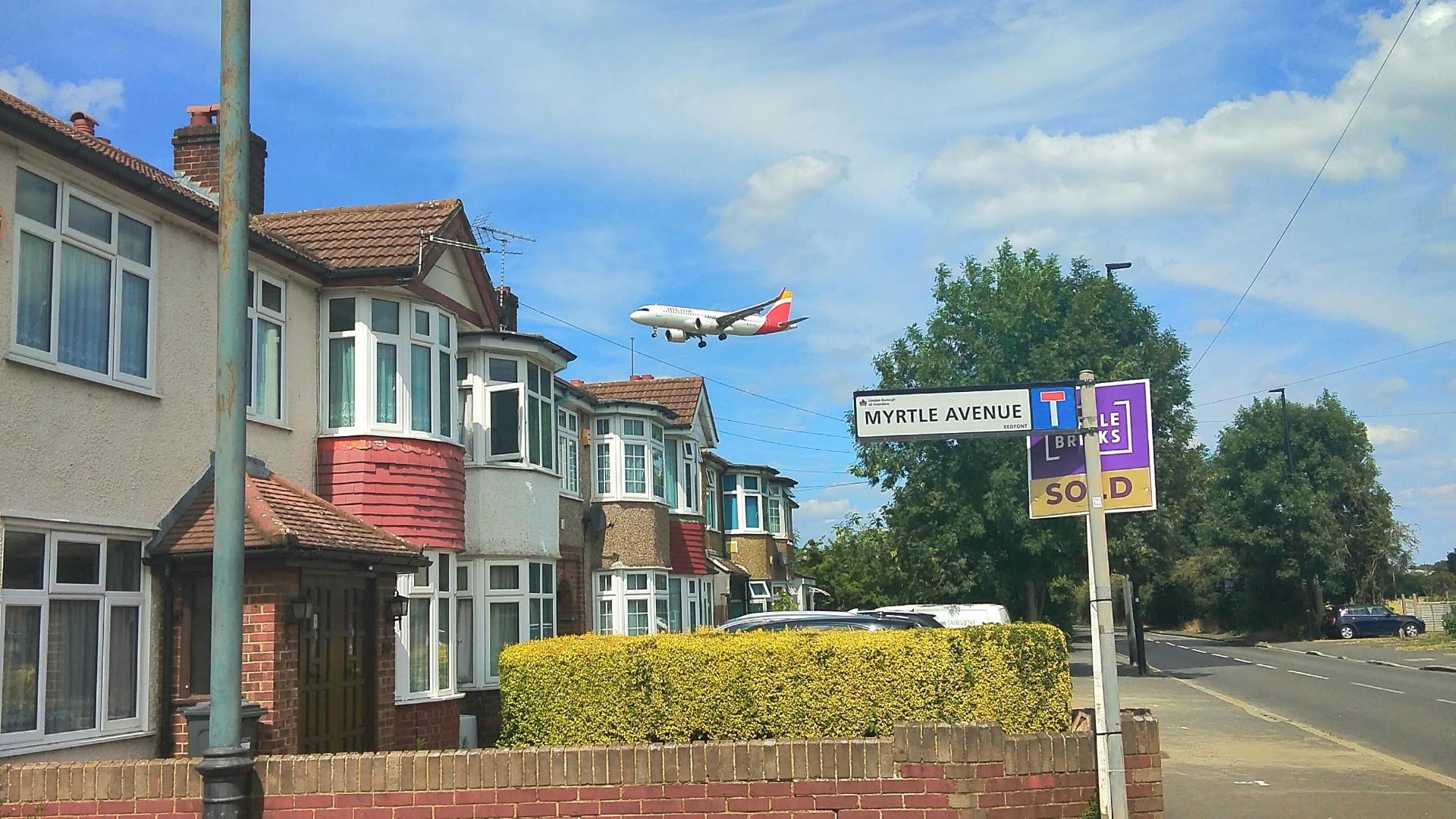
Owning land feels complete until the sky comes into play. Airspace is regulated by national authorities, which allows planes to fly overhead legally. Drones added new debates, though property rights still stop well short of the clouds above most homeowners never control.
Mineral Rights Under Your Property
Property ownership often stops at the surface, which surprises many people. Mineral rights can belong to governments or previous owners instead. In certain areas, extraction may happen without your consent, meaning the land is yours, while what lies beneath is not.

Sidewalk In Front Of Your House
Though that sidewalk outside your home feels personal, it usually isn’t. Cities own it or control it through easements, setting rules for changes. Strangely, homeowners still handle upkeep duties such as shoveling and repairs, despite having no real authority over the space itself.
Credit Score
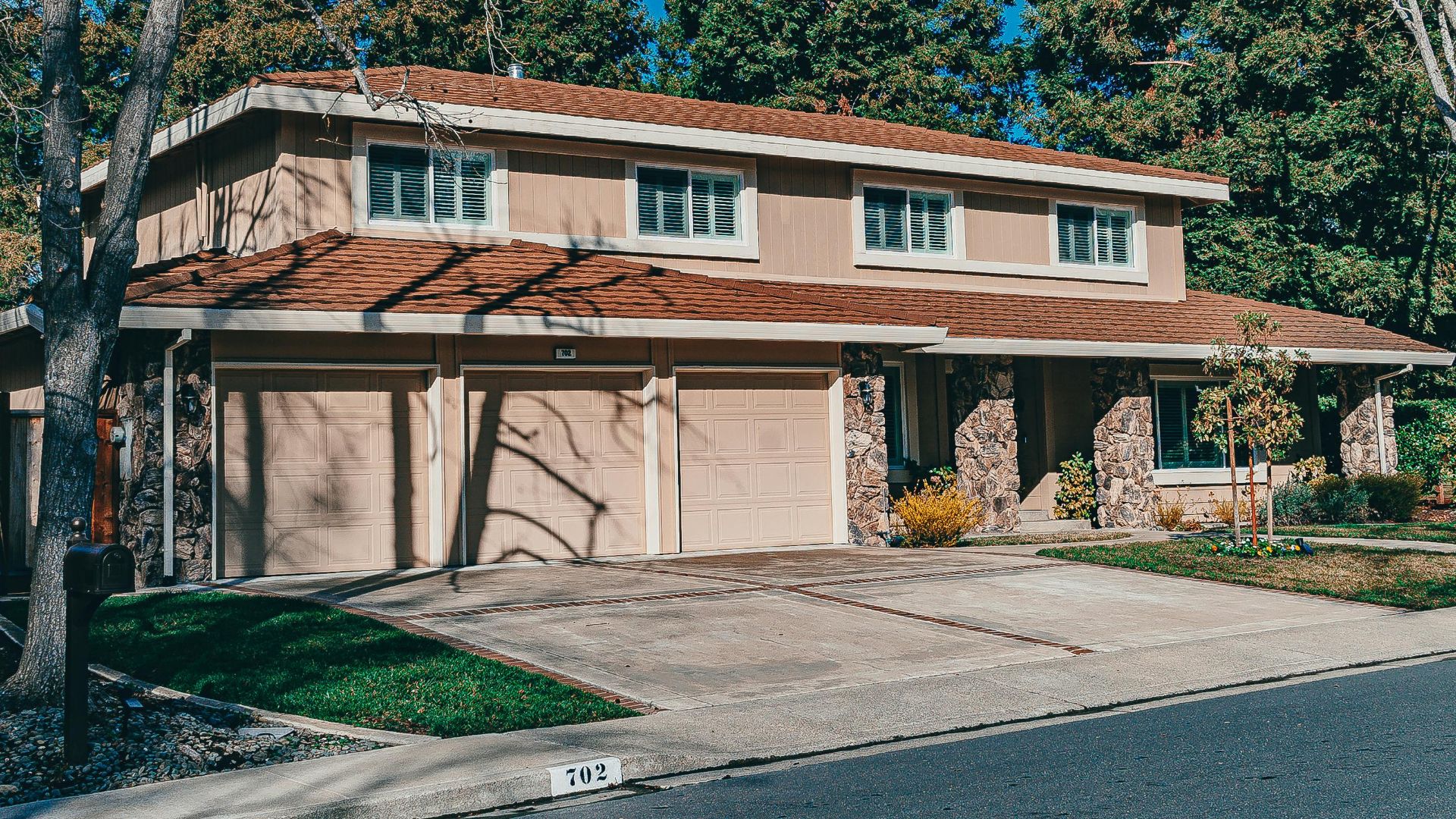
Your credit score follows you through every major financial step, yet it never actually belongs to you. Private companies calculate it based on your data, and lenders decide how it’s used. You can influence the number, but you’ll never own the score itself.
Trees Or Wildlife On Your Property
Life on your property doesn’t always answer to you. Wildlife generally belongs to the state, and protected trees can’t be removed freely. Permits often control hunting or cutting, while animals legally wander across land lines without asking permission from any owner.

Software In Your Car
Buying a car no longer means owning everything inside it. The software runs on a license, which leaves manufacturers in charge of updates and features. Unauthorized changes can also void warranties, and some tools can even be disabled remotely after purchase without notice.

General Computer Software
Installing software feels like ownership; however, licenses quietly set limits. Most agreements restrict copying or modification, and violations can cut off access entirely. Open-source programs break this pattern, offering far more freedom than standard commercial software found in everyday apps.
Gaming Consoles
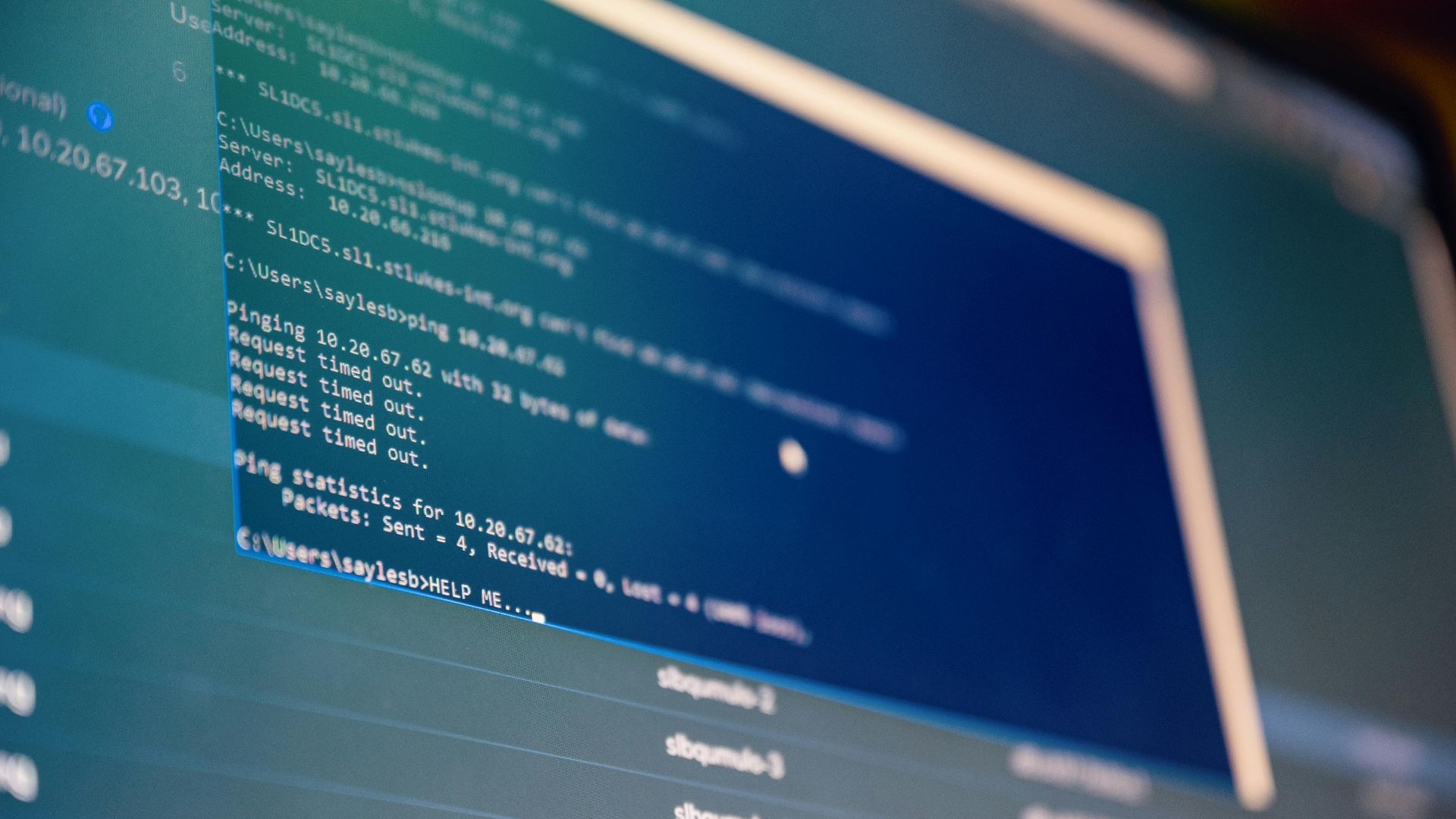
A gaming console may sit in your living room, and your name might be on the receipt, yet the rules extend far beyond ownership. Manufacturers control online access and software. If your console is banned, offline play remains—though it often feels incomplete.
Apps On Your Phone
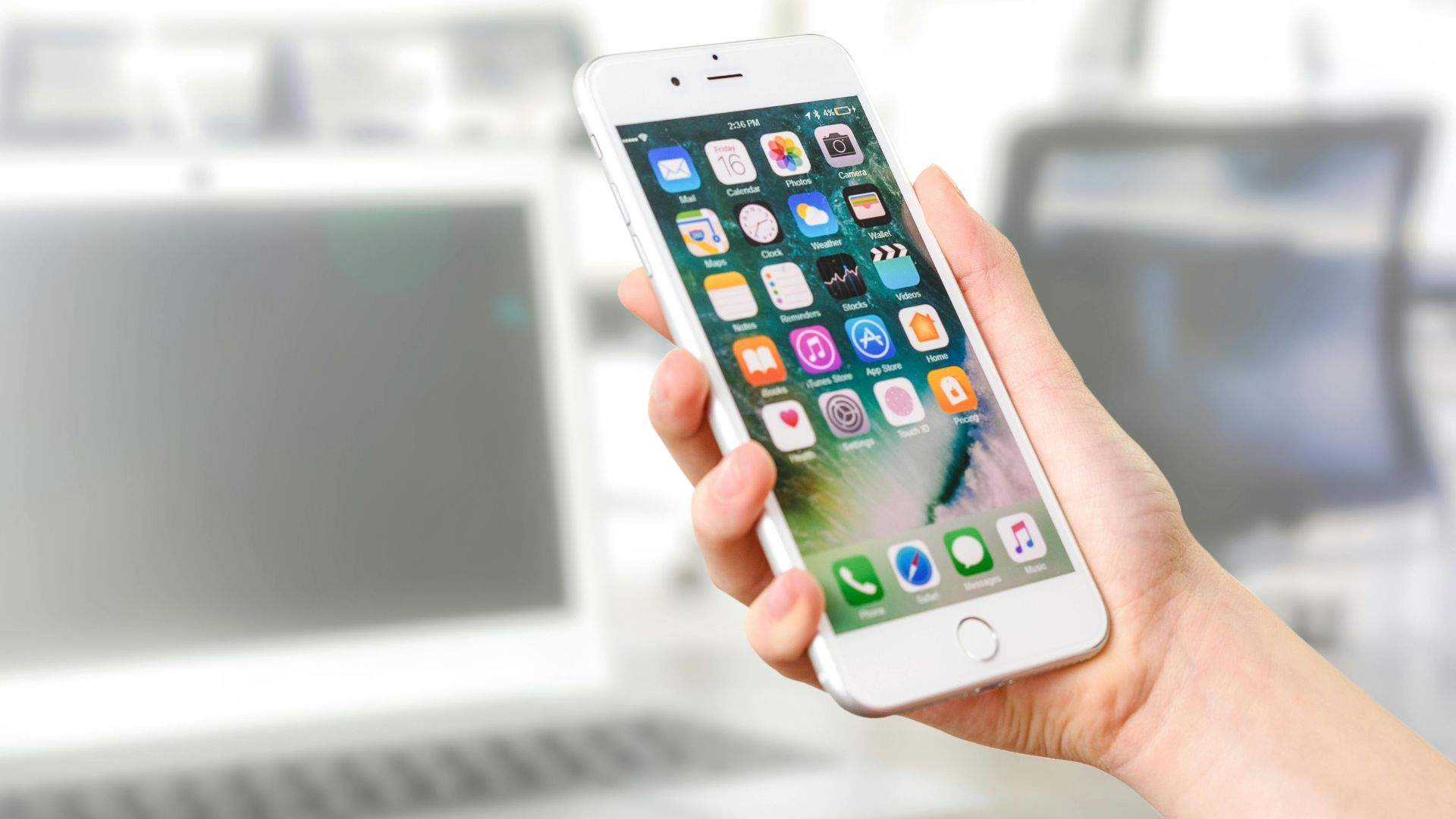
Apps feel permanent once they hit your home screen, though control stays elsewhere. Developers can remove them, and updates may change features unexpectedly. Even paid apps can vanish overnight, leaving nothing behind except an empty icon where usefulness once lived.
Fonts Installed On Your Computer
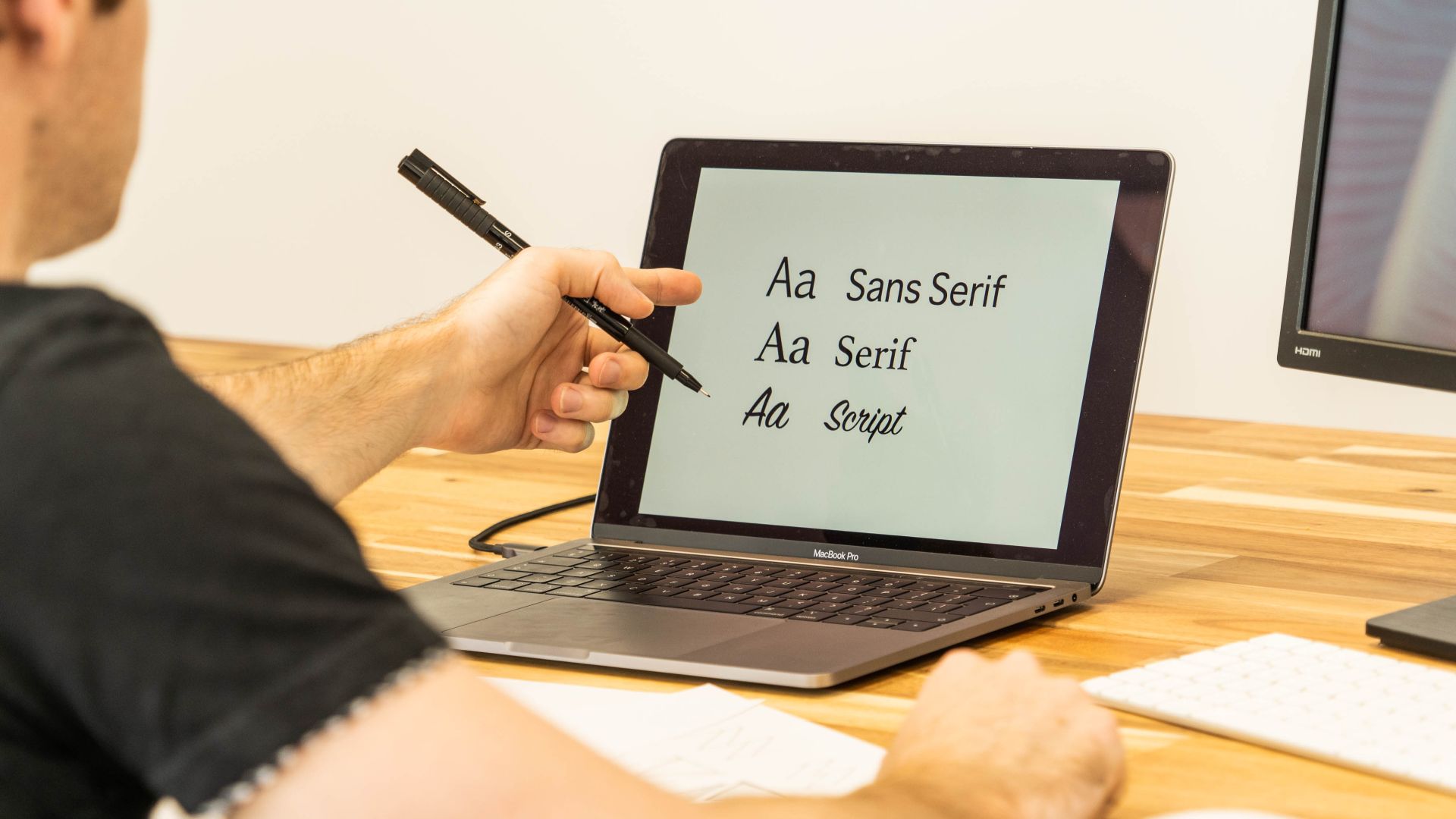
That stylish font on your screen carries rules with it. Many fonts are licensed, which limits commercial use or sharing. So, sending font files can violate terms, since many laws treat fonts as software rather than simple design elements stored on computers worldwide.
Phone Number
You might hold on to a number for years, and it can feel like yours. Still, carriers decide how long you keep it. Inactivity allows them to reclaim it, and porting it elsewhere depends entirely on rules that change by region.
Email Address
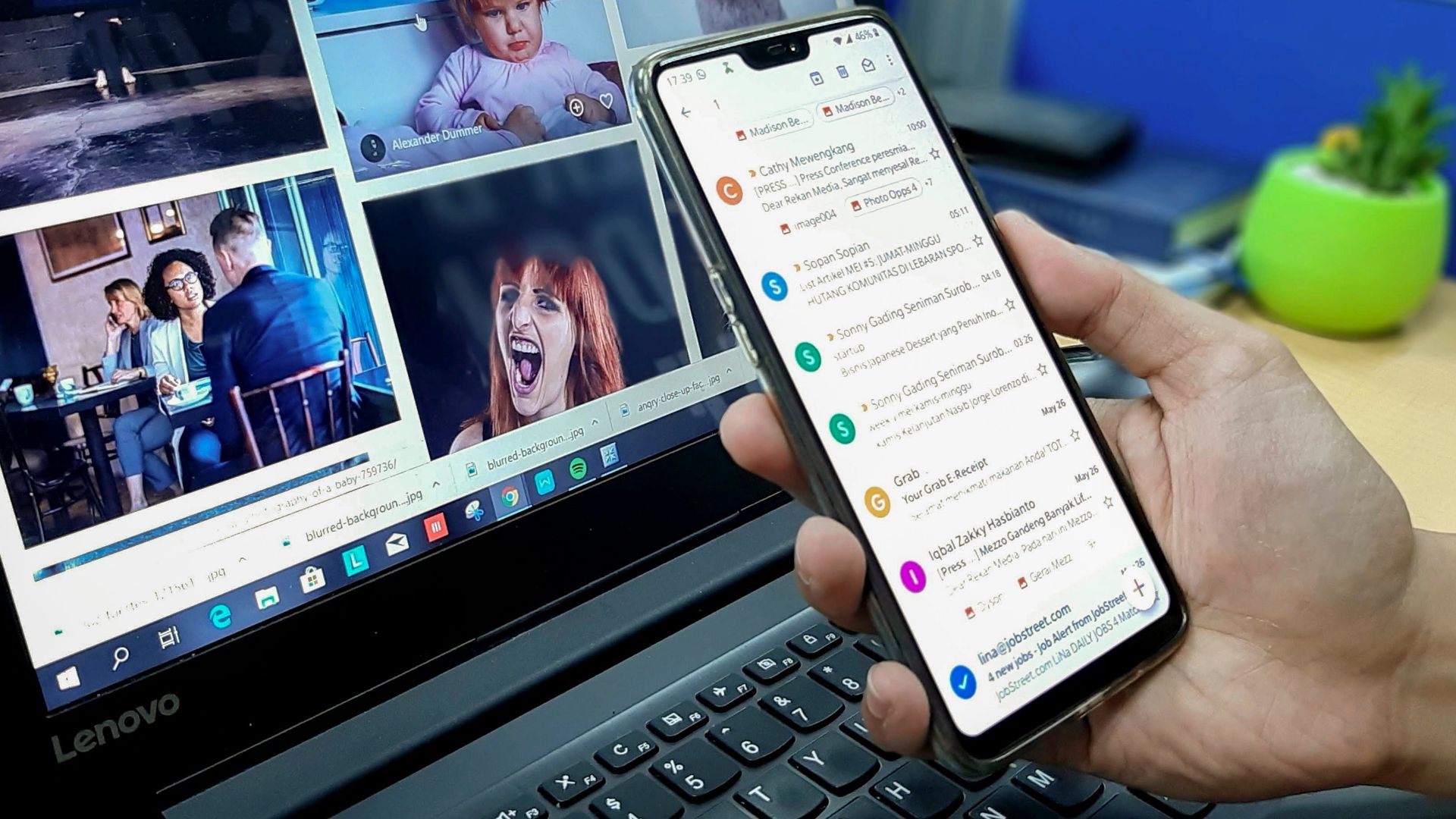
Email feels personal and permanent—until it isn’t. Providers enforce the terms, and accounts can be shut down or suspended at their discretion. Once that happens, restoring access can be difficult. Recovery is rarely smooth, and transfers usually aren’t possible.
Domain Name
Buying a domain doesn’t give you eternal rights. It’s a rental that expires unless you renew on time. Miss the deadline or break the rules, and someone else can grab it. Even a longtime brand name isn’t protected by delay.
Organs For Donation
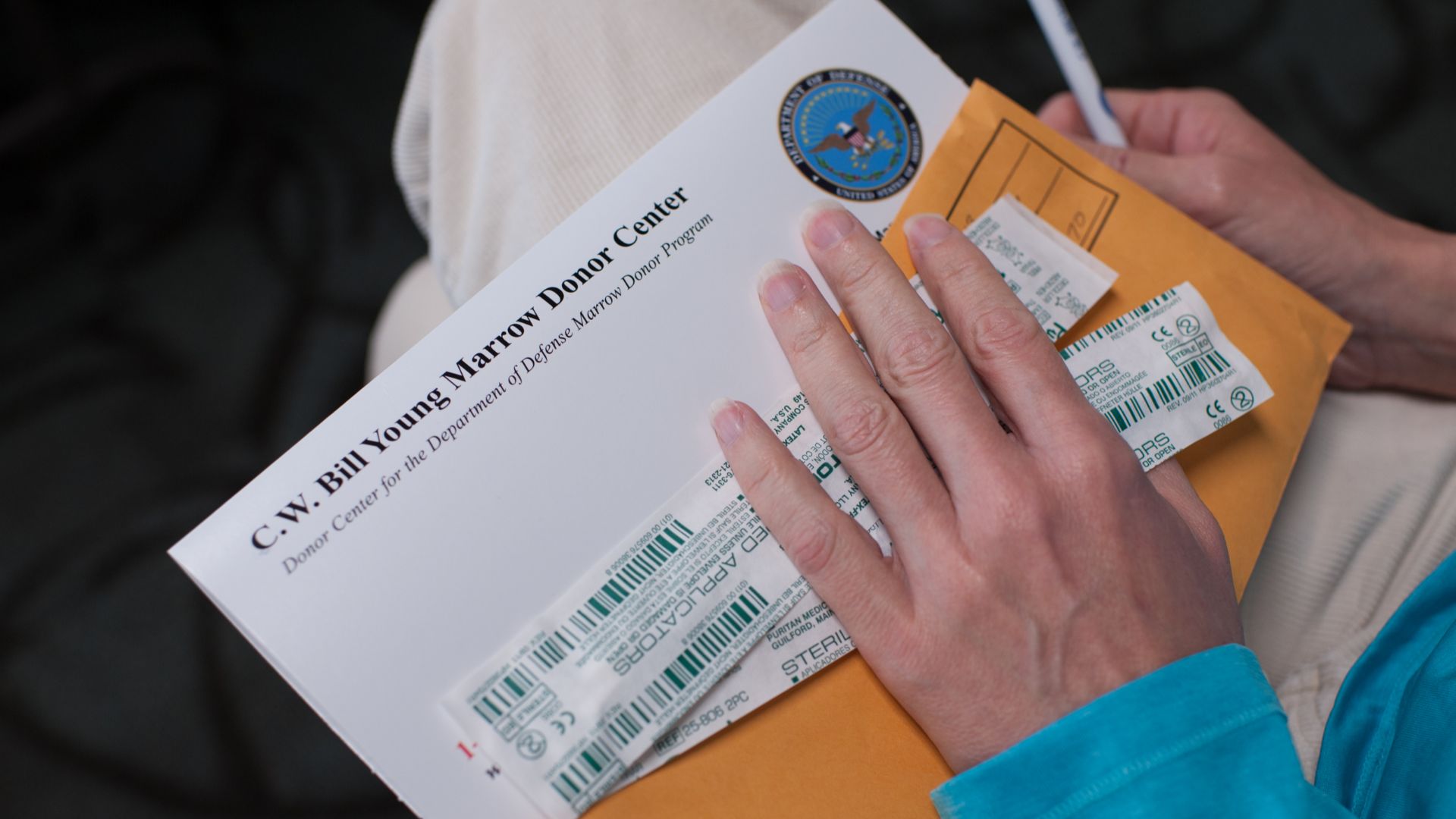
Organs can save lives, though they’re never legally considered property, so selling them is off-limits in most countries. Even donations and organ transplants require clear consent or authorization. Once accepted, the transplant system takes over, and public health guidelines, not personal or family wishes, decide what happens next.
 Timothy Hale, Wikimedia Commons