
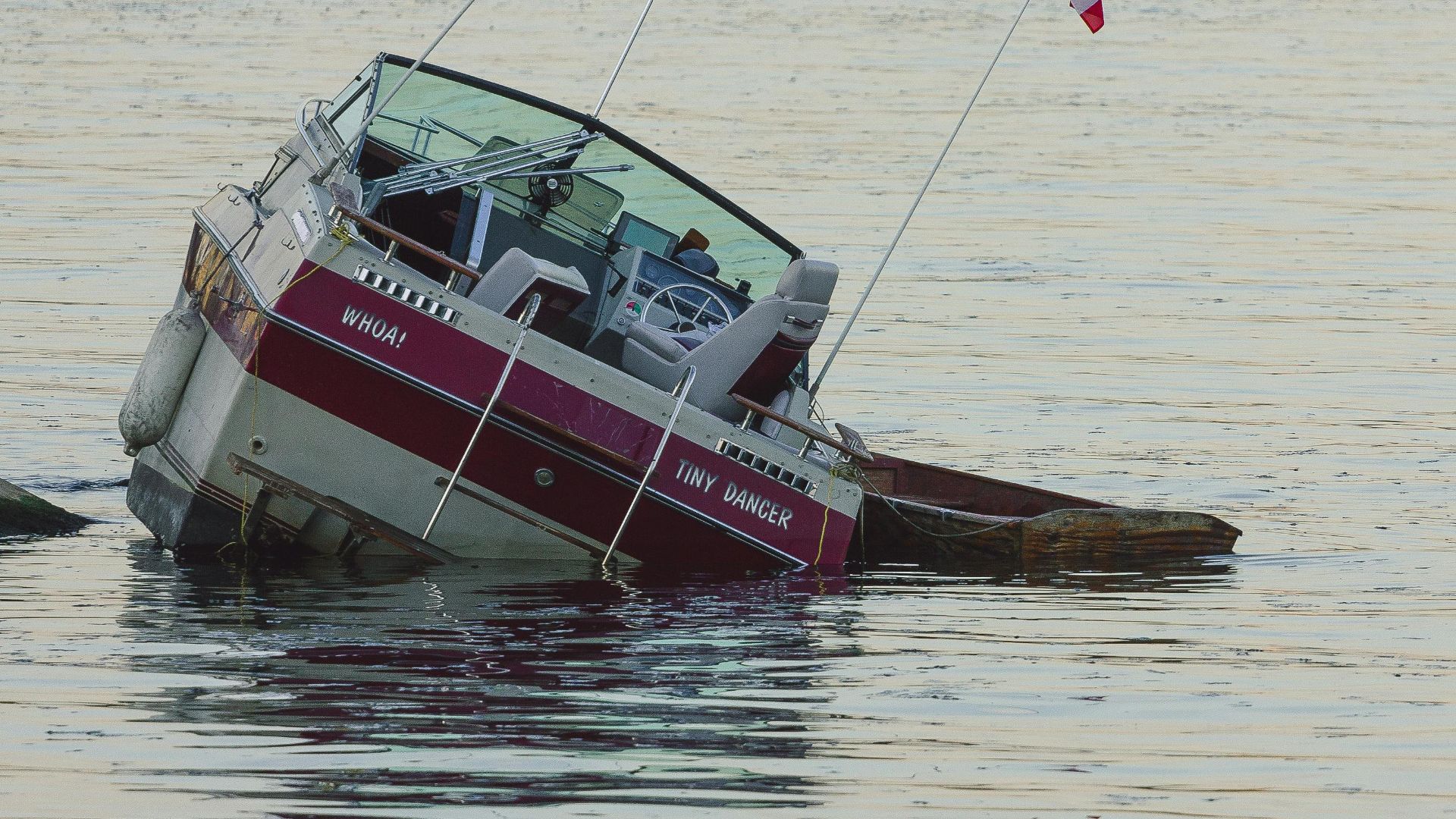
You picture the dream clearly. A used boat, a little sweat equity, a few weekend upgrades, and suddenly you’re running sunset tours or quiet coastal rides for visitors who want something personal. Then the impossible happens. The boat barely makes it out of the marina before it takes on water and slips under the surface. One minute you’re launching a new chapter, the next you’re staring at ripples where your business was supposed to begin. If you’re in that spot now, the biggest question racing through your mind is simple: “Are you completely screwed, or is there a way to get out of this mess?”
What Actually Happened To The Boat
Before your mind jumps to the worst-case scenario, you need to understand the cause of the sinking. The reason matters because it shapes everything you do next. If the issue was mechanical and happened without warning, you may only be looking at repair costs. Salvage crews can recover boats that sink in shallow or moderate waters, and a marine mechanic can evaluate what failed after it’s hauled out. Sometimes the bill is ugly, other times it’s surprisingly manageable. On the other hand, if the sinking points to something the seller hid, like rotting stringers or a patched hull, you might have a stronger path toward getting some of your money back.
Do You Have Options?
Once you understand why the boat went down, the next question is whether you just lost the full investment. That depends on your insurance, the sale agreement, and the state you live in. If you bought insurance before the maiden trip, you may be in better shape than you think. Some policies cover sinking if it’s caused by a sudden failure. But if you only had liability coverage, you may not get anything for the boat itself. If you skipped insurance because you thought you’d get it after the first test run, you aren’t the first person to learn that lesson the hard way. It still may not be game over.
In many states, private boat sales follow the rule of “as is” unless the seller made specific promises. If they claimed the boat was fully seaworthy or recently serviced, and you can prove that wasn’t true, you might still have leverage. You don’t need a dramatic confrontation to resolve it. Sometimes, a calm conversation with the seller leads to a partial refund. Other times, a small claims case is enough pressure to reach an agreement. If the seller genuinely didn’t know the boat’s condition and nothing was misrepresented, your recovery options narrow. You may be able to salvage the boat, repair it, and continue toward your original plan.
What You Can Do Without Making Things Worse
The word “lawsuit” has probably crossed your mind already, but you don’t need to sprint in that direction. You only need to know when it’s useful. If the seller intentionally hid serious issues or you have written proof that they made false statements, you have grounds for action. A sunken boat carries weight in court because it shows immediate and serious damage. Small claims court exists for scenarios exactly like this. You don’t need a lawyer for many cases, and you can often recover at least part of what you paid. If the situation looks more like bad luck than dishonesty, focus on practical steps instead of legal battles.
To summarize, if your boat sank on the first trip, you’re dealing with a mess, but you aren’t out of options. You still have multiple paths to recover money, salvage the vessel, repair it, negotiate with the seller, or buy time while you figure out your next move. Plenty of people have bounced back from worse situations and gone on to run successful charters. The most important thing is staying grounded. Don’t assume your dream died in the water. Treat this moment as a wake-up call to slow down and make decisions with clearer information. If you give yourself room to think instead of reacting to the shock, you’ll find you have far more control than you expected.