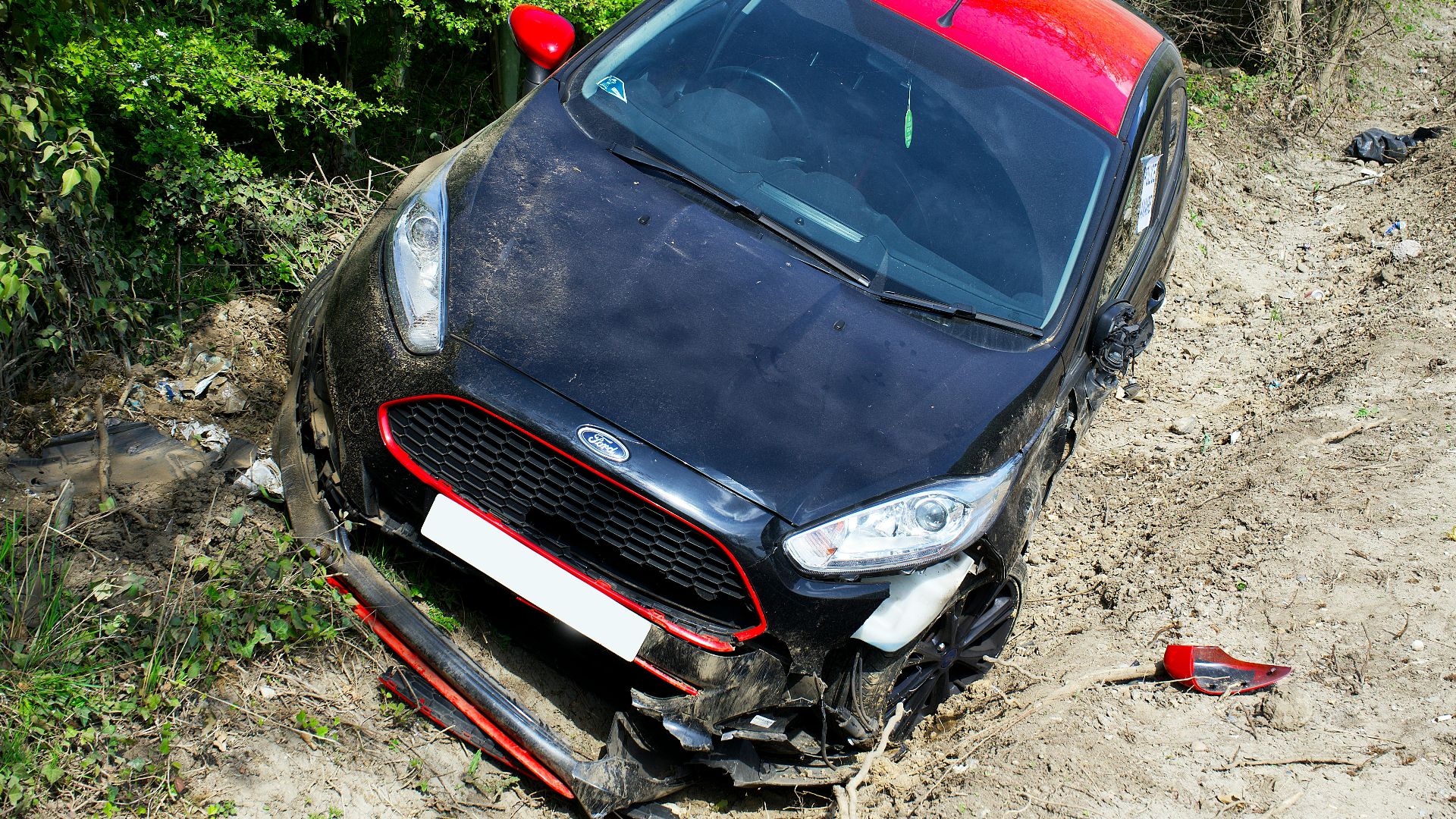
When a family member borrows a car, the expectation is simple: they’ll treat it with the same care they treat their own. But that trust can evaporate in a second—especially when alcohol becomes part of the story. And when the person who caused the wreck shrugs and insists, “Insurance will handle it”, the emotional fallout becomes almost as heavy as the financial one. The real questions begin right after the tow truck pulls away: Will auto insurance pay for a drunk-driving crash in someone else’s car? Is the owner on the hook for damages? Understanding how each part of the process actually works helps make sense of what follows.
When Permission Meets Driving Liability
Handing a set of keys to a family member is usually seen as “permissive use”, a standard term in auto insurance. It means the person driving is legally allowed to operate the car, and in most everyday situations, the car owner’s insurance becomes the primary policy that covers an accident. But everything shifts the moment alcohol enters the picture. Insurance almost always pays out for damage caused by an intoxicated driver, even if that driver isn’t the policyholder. So in most cases, the insurer still steps in because victims need compensation and vehicles need repairs. However, there’s a more uncomfortable truth beneath that.
The insurer may pay the claim, but they won't absorb the responsibility quietly. They can look for reimbursement from the at-fault driver through a process called subrogation, meaning the driver at the time of the accident could be pursued by the insurance company for what they paid out. And even if they avoid subrogation, the owner of the car may face higher premiums for years because the accident happened under their policy. This is the point where the owner begins to realize that “insurance will handle it” is not the comforting statement it sounds like. Insurance handles the damage, not the accountability.

Understanding Criminal Charges, Civil Liability, And Family Complications
Impaired driving is a legal act. The moment police documented the crash and noted intoxication, the case turned into a legal matter between the driver and the state. The car owner doesn’t control those charges, and cannot decide whether they move forward or disappear. What the owner can influence is something different: civil action. While legal charges punish the impaired driving itself, civil action is about recovering damages. If the accident caused costs that insurance won’t fully cover, those unexpected losses can be pursued in civil court. But that’s where the emotional weight really settles in.
Taking legal action against a sibling is not just a legal choice. It rewrites family dynamics. Yet many car owners find themselves staring at bills that aren’t their fault and a driver who refuses to acknowledge responsibility. That is where pressing civil charges becomes not a matter of revenge but of fairness. Still, before any lawsuit is filed, insurance companies finish their investigation. They collect statements from everyone involved and photographs from the scene. Once insurance determines fault, they issue payments according to the policy terms. Only after that process can the car owner calculate what hasn’t been covered.
Rebuilding Control After A Hard Lesson
The first step is recognizing that every driver must qualify as an insurable risk, because lending a car to someone with a history of careless or unpredictable behavior can quietly shift a routine favor into a major and unexpected financial exposure. After that comes documenting everything in sight. Conversations with the insurer, repair estimates, photos, rental receipts, and medical bills if anyone was hurt all help build a complete record of potential losses. What feels like ordinary paperwork in the moment becomes meaningful protection once the broader financial consequences start to surface.
Finally, the owner faces a decision about how to handle the relationship going forward. Some decide never to lend their car again unless they can first confirm insurance coverage or consistent responsible behavior. Others choose a more structured approach by creating written permission agreements when a family member needs long-term access to the vehicle. These agreements help set expectations and prevent future misunderstandings. And then there are those who, after a difficult or emotional experience, rethink the entire arrangement and question whether certain relatives should have access to their keys under any circumstances moving forward.