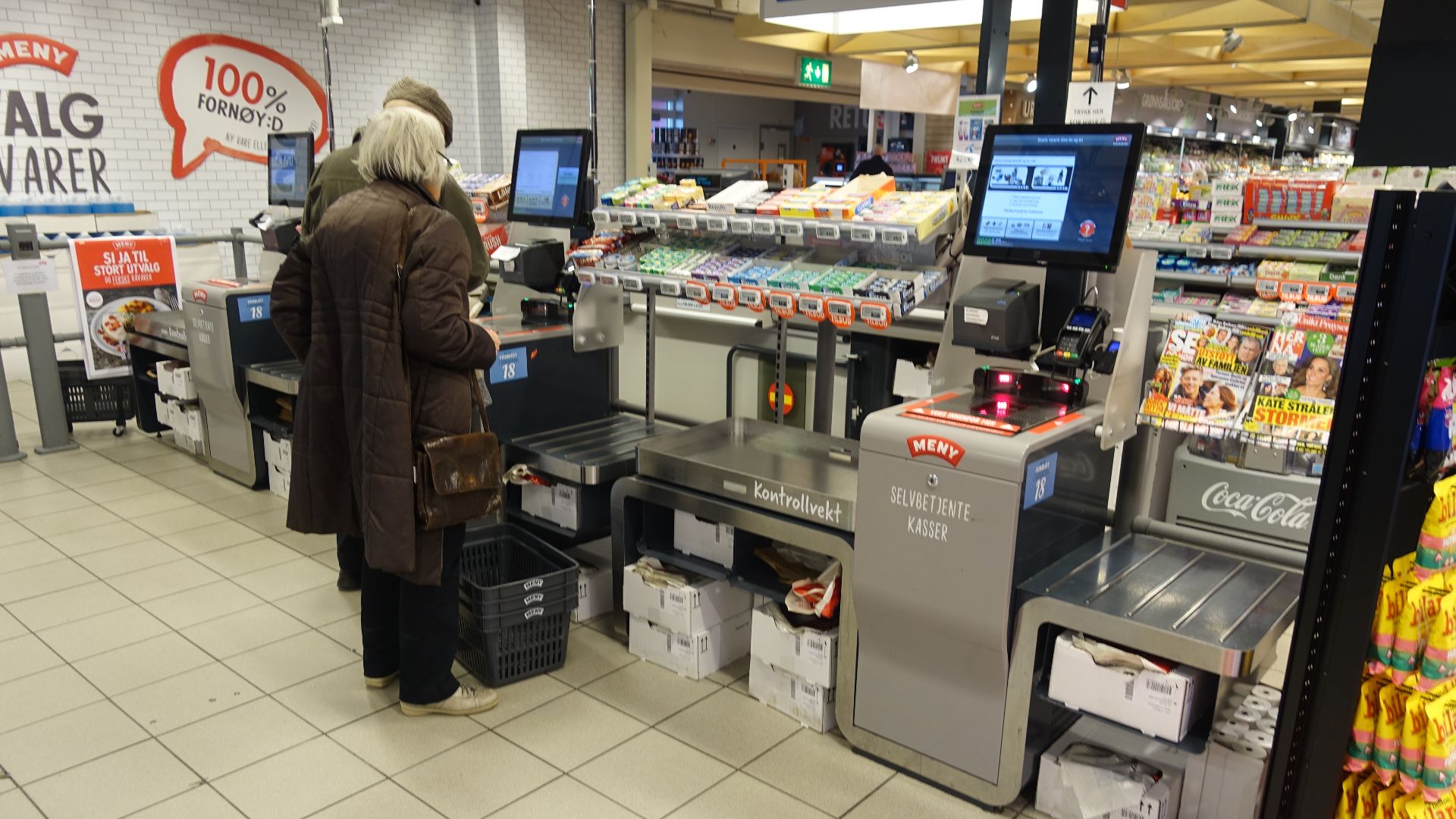
 Alexander Fae, Unsplash, Modified
Many shoppers have faced a frustrating surprise at checkout when the final price suddenly rises due to so-called exchange rate changes. A product advertised at one price quietly becomes more expensive at the final checkout stage. For consumers, this raises immediate questions about rights, fairness, and legality. Is a business allowed to change prices at the last moment? Should customers be warned more clearly? And does consent actually exist when the change appears after a buying decision feels complete? Exchange rates do fluctuate, yet responsibility does not disappear with volatility. This issue sits at the intersection of consumer protection and trust. Understanding how pricing shifts occur helps buyers judge whether the practice reflects reasonable business reality or crosses into unfair treatment.
Understanding Exchange Rate Adjustments
Exchange rates reflect the relative value of one currency against another and shift constantly in response to market forces or economic signals. Businesses involved in international transactions often face real exposure to these movements. To manage that risk, companies may adjust prices, build buffers into listings, or rely on payment processors that handle conversion automatically. Problems arise when customers see one price but pay another. Currency fluctuation itself is not unusual. The confusion stems from timing and communication. When prices appear fixed during browsing but change during checkout, consumers struggle to understand what they are agreeing to. Clear explanation matters because exchange rate logic feels abstract to buyers focused on completing a purchase.
Retailers often justify higher checkout prices by citing real-time exchange rates supplied by banks or payment platforms. From their perspective, charging earlier rates could lead to losses if currencies shift sharply. However, this explanation rarely appears prominently before payment. Instead, consumers encounter brief disclaimers or vague notes buried in terms. That gap fuels confusion and resentment. Shoppers assume listed prices represent a commitment. When adjustments appear late, trust erodes quickly. Many customers find it difficult to verify whether the rate applied is accurate in real-time. Without transparency, the practice feels arbitrary. Businesses may view it as an operational necessity, yet consumers experience it as an unexpected penalty after the buying decision feels settled.

Legal and Consumer Protection Perspectives
Consumer protection laws vary widely, but most share common principles around transparency, fairness, and informed consent. Many jurisdictions require businesses to disclose total prices clearly before payment authorization. Hidden fees or late price changes often trigger regulatory scrutiny. In some regions, advertised prices must include all unavoidable charges. Exchange rate adjustments also complicate enforcement, since currency movement is real but application is discretionary. Regulators often examine whether consumers received meaningful notice. Small print warnings may not satisfy legal standards if average buyers would miss them. The legal question focuses less on exchange rates themselves and more on disclosure. After all, did the customer reasonably understand the final cost before agreeing to pay?
Dynamic exchange rate adjustments at checkout can raise concerns about deceptive or unfair trade practices. Authorities may ask whether the pricing method misleads consumers or distorts decision-making. A price increase after commitment can feel coercive, especially when alternatives require restarting the process. Courts and regulators often evaluate timing, clarity, and consumer expectation. Was the increase unavoidable? Was the customer offered a clear choice? In some cases, companies have faced penalties for failing to present final prices upfront.
Ethical and Practical Considerations
Beyond legality, ethical questions loom large. Trust forms the backbone of commerce, especially online. Charging more than the advertised price undermines that trust, even when technically defensible. Ethical business practice also values predictability and respect for customer expectations. While exchange rate volatility is real, shifting risk entirely onto consumers feels unbalanced. Many shoppers lack familiarity with currency markets. Exploiting that gap damages credibility. Ethical pricing emphasizes clarity and shared responsibility. Therefore, companies that prioritize short-term protection over long-term trust risk losing loyalty. Fair treatment matters not only because regulators demand it, but because customers remember confusion long after the purchase.