
The Appeal Of A Secret Cash Stash
When someone says $50,000 is safer in a closet than in a bank, it can sound extreme. But the fear behind it is easy to understand, especially after bank failures, inflation worries, and a steady drumbeat of bad financial news. The real question is simple: is keeping that much cash at home actually safer?

Why This Feels Like A Real Debate
Trust in banks took a hit in March 2023 when Silicon Valley Bank failed, followed by Signature Bank. Those collapses reminded people that banks can still fail. But there is a key difference between money in an insured bank account and money hidden at home. One has a federal safety net. The other does not.

What FDIC Insurance Actually Covers
The Federal Deposit Insurance Corporation, or FDIC, insures deposits at member banks up to $250,000 per depositor, per insured bank, per ownership category. So if one person has $50,000 in a checking or savings account at an FDIC-insured bank, that money is usually fully covered. If the bank fails, the issue is generally temporary access, not losing insured funds for good.

Why The Details Matter More Than The Fear
People often hear that a bank failed and assume depositors lost everything. That is not how insured deposits usually work. In the 2023 failures, regulators moved quickly, and insured depositors were protected under existing rules. For someone with $50,000 in a properly insured account, the risk is very different from the risk faced by a business or wealthy customer with balances far above insurance limits.

Cash At Home Has A Different Kind Of Danger
Money in your house cannot disappear because a bank went under, but it can disappear in more basic ways. Theft, fire, flood, and plain old loss are all real risks. Once cash is stolen or destroyed, getting it back can be hard or impossible unless insurance covers it, and even then, the coverage is often limited.

Homeowners Insurance Is Not A Magic Shield
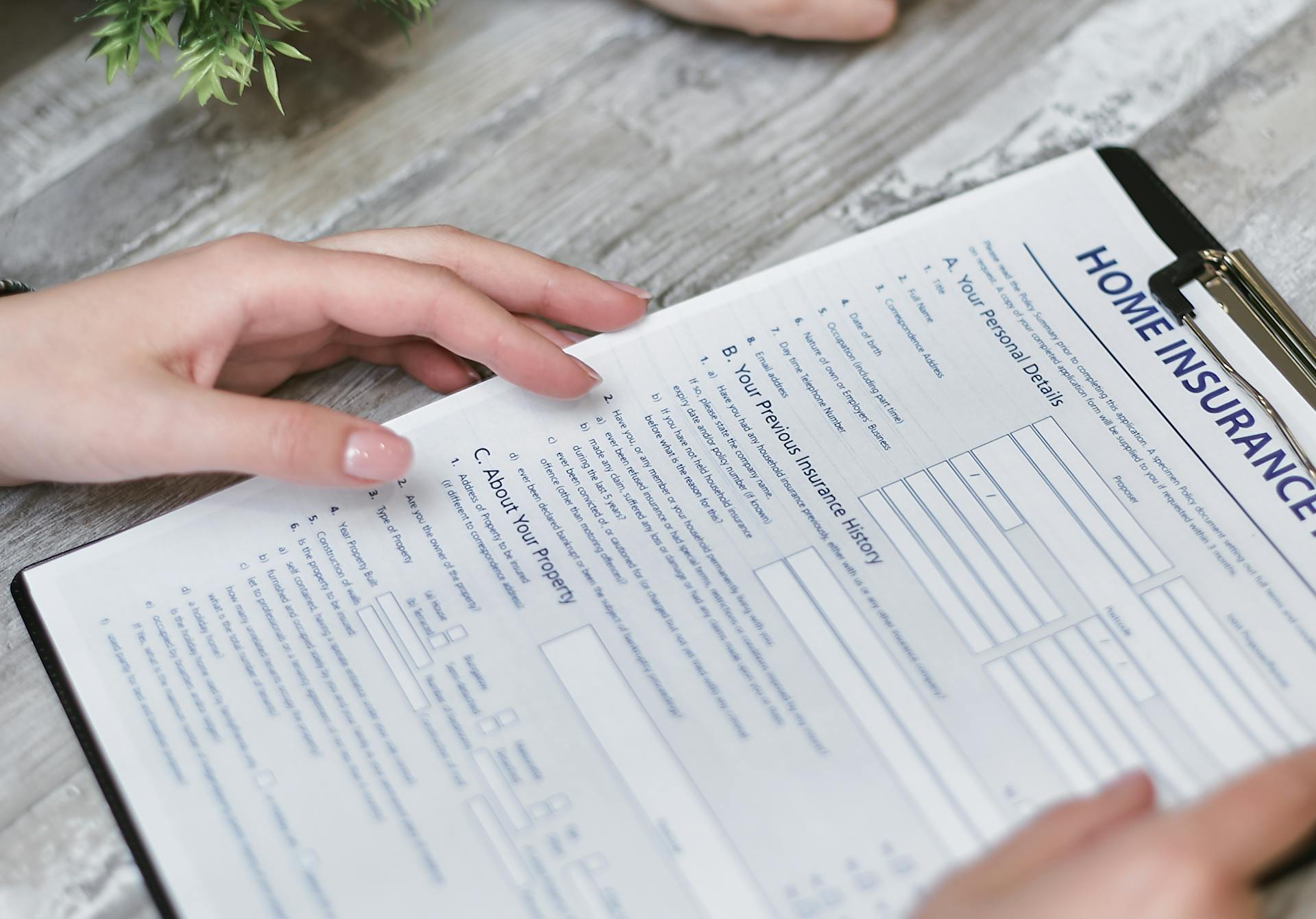
A lot of people assume homeowners insurance would fully cover a stolen pile of cash. Usually, it does not. Consumer guidance from major insurers like Allstate says cash theft coverage under standard policies is often limited, sometimes to around $200, though exact limits depend on the insurer and the policy.

Renters Face The Same Basic Problem
Renters insurance can help with many losses, but large amounts of cash are still often poorly protected. That means someone keeping $50,000 at home could be one burglary, one apartment fire, or one bad hiding spot away from a devastating loss. In real-world terms, that is a far weaker safety net than FDIC insurance.
Inflation Quietly Eats Stored Cash
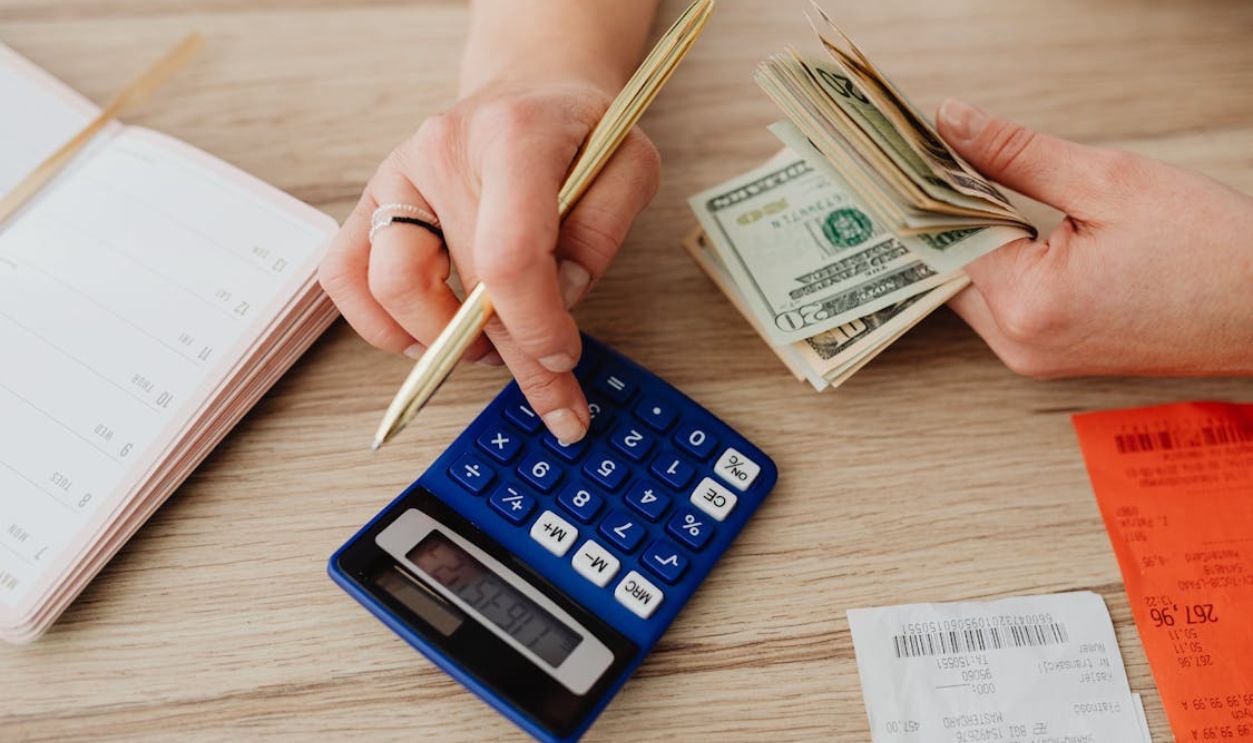
There is another risk that does not leave broken windows or police reports. Inflation slowly cuts into the buying power of cash over time, even if every bill stays dry and untouched. According to the U.S. Bureau of Labor Statistics CPI Inflation Calculator, $50,000 sitting idle loses real value as prices rise, which means the money buys less year after year.

That Loss Can Be Bigger Than People Expect
Inflation does not have to be dramatic to do damage. Even moderate inflation chips away at what a fixed stack of bills can buy. A bank account may not make anyone rich, but an interest-bearing insured account at least gives that money a chance to hold up better than cash sitting in a lockbox.
Bank Accounts Can Pay You For Taking Less Risk
One of the oddest parts of the keep-it-at-home strategy is that it takes on more physical risk for less financial upside. High-yield savings accounts, money market deposit accounts, and certificates of deposit can all earn interest while staying within FDIC insurance limits when held at insured institutions. Cash at home earns nothing and still needs constant protection.

The Crime Risk Is Not Imaginary
The FBI’s nationwide property crime data show that burglary and theft are still real risks in the United States, even if rates shift over time. A thief does not need to crack a password if the money is sitting in a drawer. Keeping a very large amount of cash at home can turn one bad day into a major financial hit.

Fire Is A Brutal Equalizer
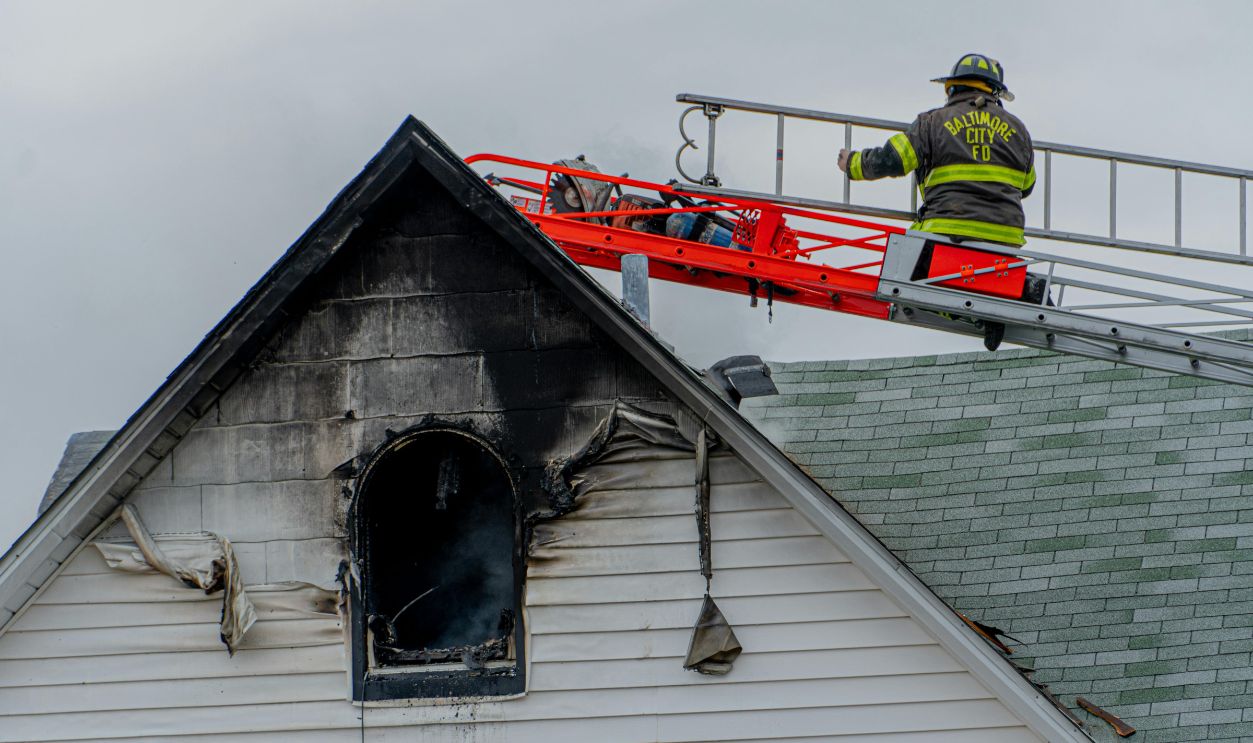
Paper money burns, chars, and can be ruined by smoke or water. The U.S. Currency Education Program says damaged currency can sometimes be redeemed, but that depends on the condition of the bills and what is left of them. If the cash is destroyed beyond recovery or scattered in a disaster, there may be little left to claim.
Damaged Money Is Not Always Gone Forever
The Bureau of Engraving and Printing has a Mutilated Currency Division that reviews damaged U.S. currency for possible redemption. That can help, but it is not the same as guaranteed repayment. The process is for badly damaged bills, not stolen cash, lost envelopes, or money that vanished during a rushed evacuation.

Bank Failure Headlines Can Be Misleading
Part of the panic comes from dramatic headlines without much context. When an FDIC-insured bank fails, the FDIC is appointed receiver and works to protect insured depositors. The system was built so ordinary savers do not need to hide emergency money under a mattress just to feel secure.

But Access Problems Can Still Spook People
Even when insured funds are protected, a bank problem can briefly affect access. That is one reason some financial planners support keeping a modest amount of cash at home for emergencies like power outages, natural disasters, or card network failures. The key word is modest, not $50,000.

How Much Cash At Home Is Actually Reasonable
Many preparedness experts and financial planners suggest keeping enough cash on hand to cover short-term basics like food, fuel, medicine, and transportation if cards stop working. The amount depends on the household, but it is usually framed as a few days or weeks of expenses, not a life-changing pile of savings. An emergency cash reserve is one thing. Turning your home into a vault is another.
The Best Argument Your Sister Might Have
There is one narrow way this idea makes sense. Cash at home is instantly available during local emergencies, ATM outages, cyber issues, or short-lived banking disruptions. If that is the concern, keeping some money nearby can be smart. But that logic does not automatically support storing $50,000 in physical bills.

The Biggest Weak Spot In Her Plan
Putting all your faith in physical control can create a false sense of safety. She may know exactly where the money is every night, but that also means she is fully responsible for protecting it from every threat all the time. Banks spread that burden across vaults, security systems, federal insurance, fraud monitoring, and legal protections that a spare bedroom simply does not have.

Privacy Is Part Of The Appeal
Some people keep cash at home because they want privacy and do not like leaving a digital trail. That is a real preference, but it comes with tradeoffs. Privacy can become very expensive if the money is lost and there is no solid record showing where it went or even exactly how much was there.

The Opportunity Cost Is Easy To Miss
Even if nothing goes wrong, $50,000 at home misses out on interest. In a competitive savings account, that money could earn a meaningful amount over time while staying within FDIC coverage. Hidden cash does not grow, and inflation makes sure it slowly shrinks in real value.

There Is Also A Personal Safety Issue
A large amount of cash in a home can create risk beyond the money itself. If other people find out about it, the household could become a target for burglary or worse. Keeping very large sums of cash where people live is not just a money decision. It is a security decision too.

What If She Distrusts One Bank In Particular
Distrusting one institution is not the same as distrusting the whole banking system. If she is worried about one bank, she could move the money to another FDIC-insured bank, split it across institutions, or use different ownership categories when that makes sense. There are ways to lower concentration risk without turning a house into a cash bunker.

Treasury Bills Offer Another Low-Risk Option
If the concern is not daily access but bank risk itself, short-term U.S. Treasury bills often come up for a reason. They are backed by the U.S. government and can be bought directly through TreasuryDirect, though they are not the same as cash in a checking account. For someone uneasy about commercial banks, they may be worth considering alongside insured deposits.

A Safer Middle Ground Exists
The most balanced approach is usually pretty simple. Keep a reasonable amount of emergency cash at home for short-term disruptions, and keep the rest of your savings in insured accounts or other suitable low-risk options. That covers both fears: system hiccups and the risk of losing everything in one household disaster.
So Is She Paranoid Or Smart
She is not paranoid for wanting some cash within reach. That can be practical during storms, blackouts, and temporary payment outages. But keeping $50,000 at home is usually not the smart version of that idea when a qualifying bank account would fully protect that amount under FDIC insurance.

The Bottom Line For A $50,000 Decision
For most adults, a federally insured bank is a safer place for $50,000 than a dresser drawer, safe, or freezer bag in the garage. Keeping that much cash at home exposes it to theft, fire, loss, and zero return, while insurance coverage for stolen cash is often very limited. The smarter move is usually to keep some emergency bills at home and let the rest sit somewhere protected, insured, and earning at least a little interest.