The Places Where A Drive Stops Feeling Fun
The idea of driving yourself sounds simple until the road starts feeling tense. In some places, the pressure comes from confusing systems and unfamiliar rules, while in others, solitude behind the wheel carries more serious concerns.
Guerrero, Mexico
Silver jewelry stalls and Acapulco’s famous cliff divers distract many visitors, but driving here demands caution. Cartel-related violence has made highways unpredictable, especially after sunset. Because of this risk, the US State Department strongly warns travelers against night driving in the region.
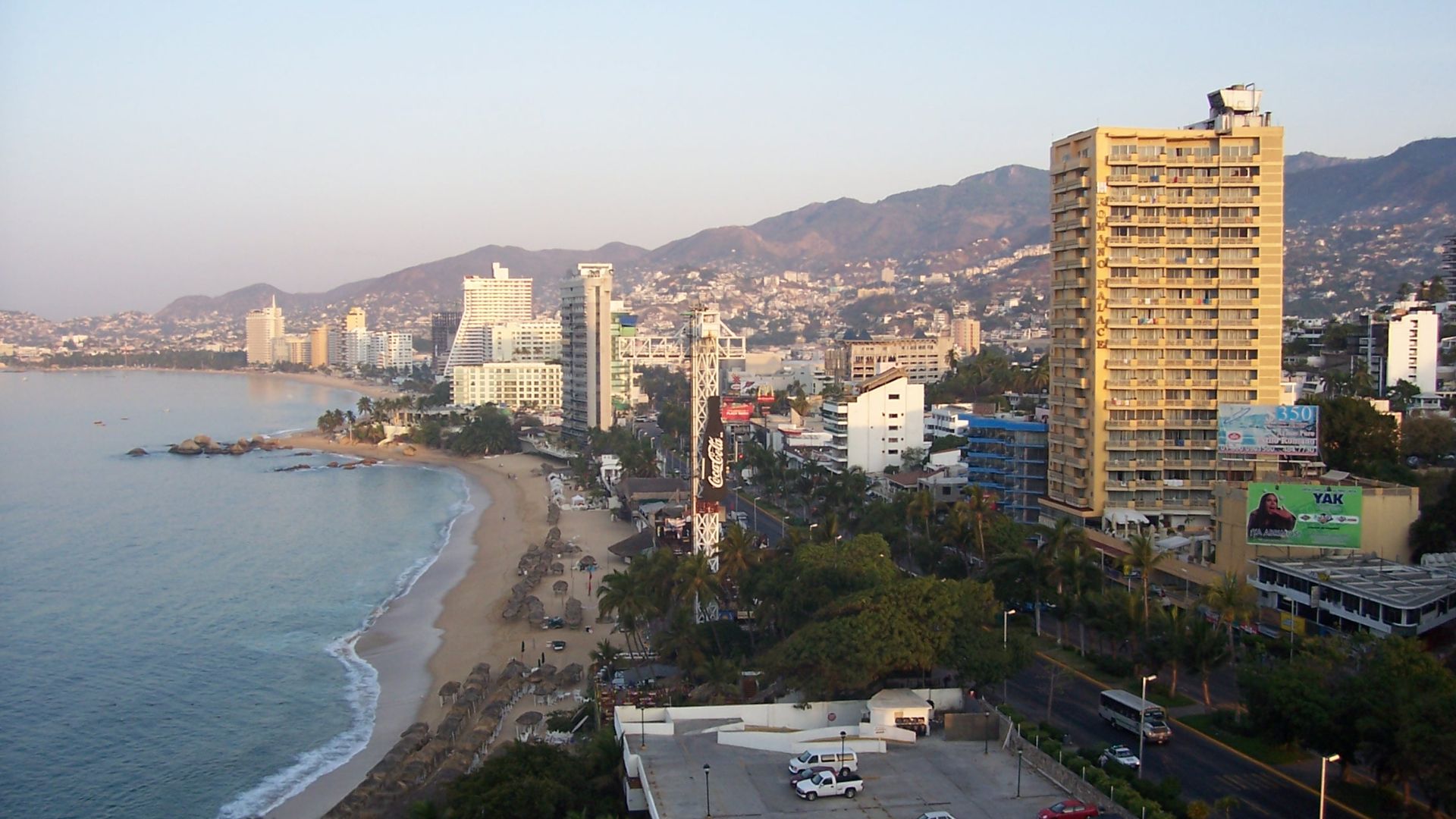 Nelson Perez, Wikimedia Commons
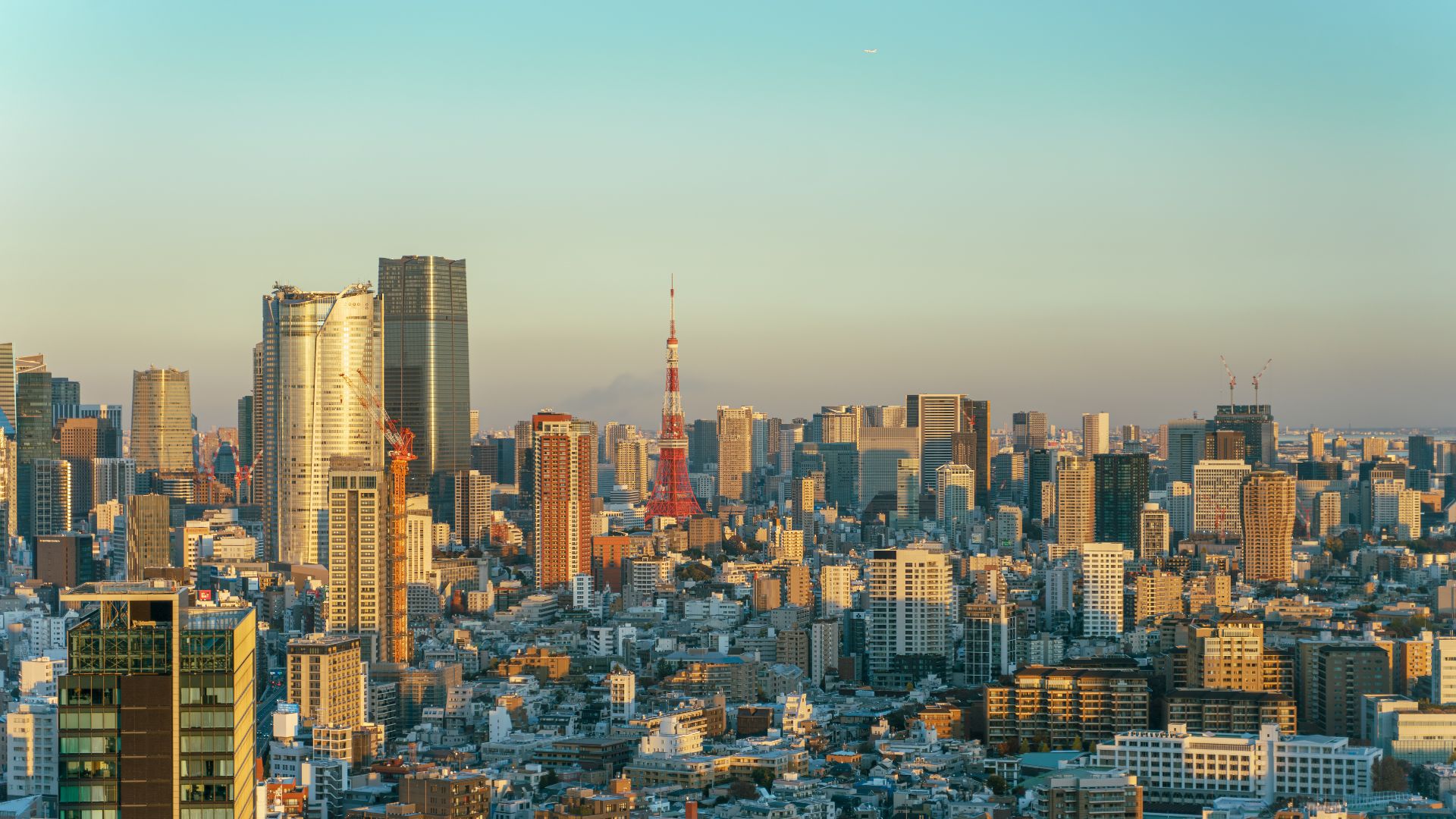
Tokyo, Japan
Road signs across Tokyo rely heavily on Kanji (the local language), which forces many visitors to constantly translate mentally. GPS directions can feel inconsistent. Add mascots and visual noise, and the experience becomes mentally draining, with processing information taking precedence over enjoying the drive.
 David Kernan, Wikimedia Commons
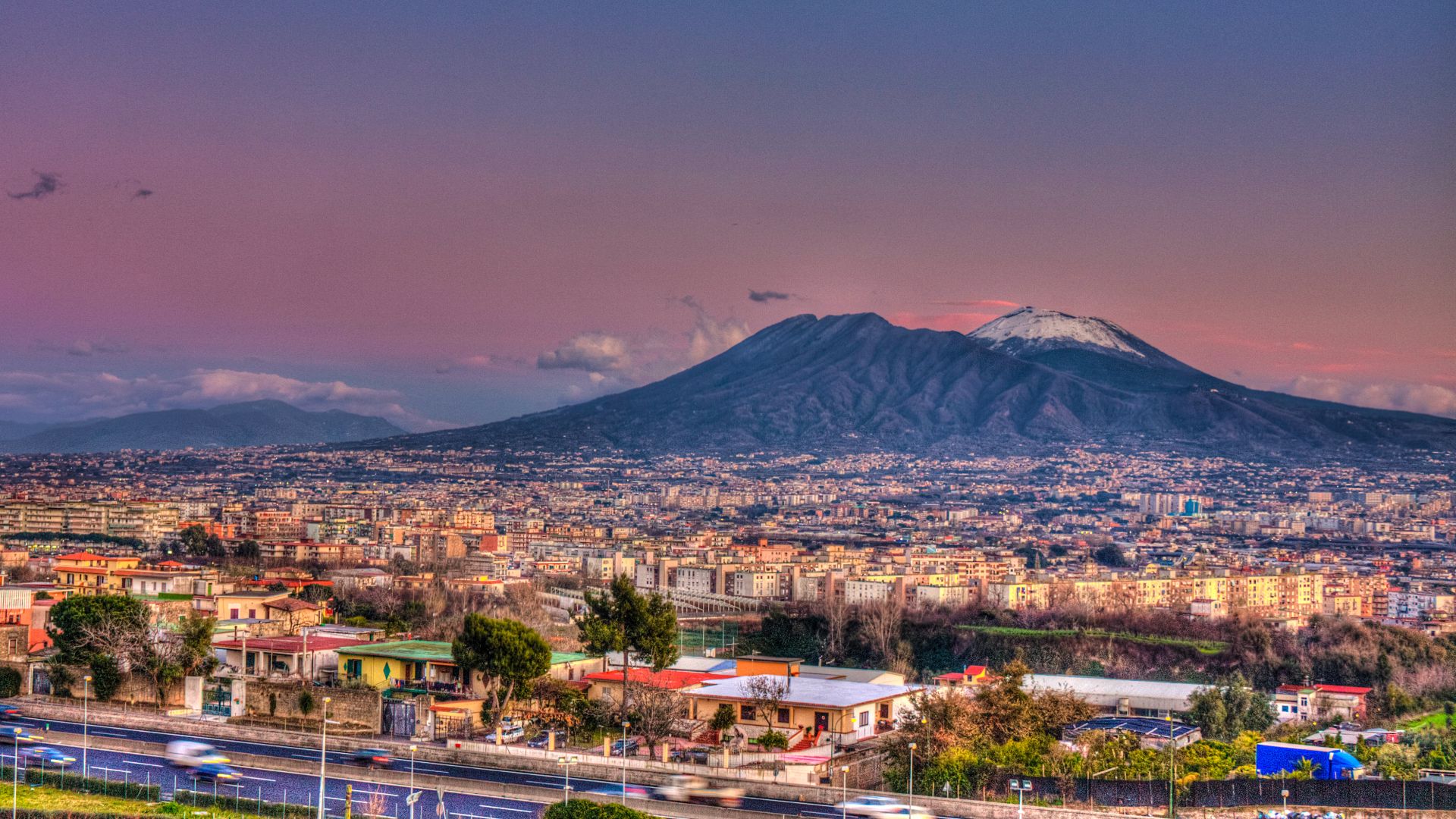
Naples, Italy
Driving in Naples follows an informal rhythm. Ancient streets narrow suddenly, and traffic moves without consistent patterns. Restricted ZTL zones quietly issue fines for minor missteps. With Mount Vesuvius in view, the challenge comes from adjusting to rules that feel situational rather than fixed.
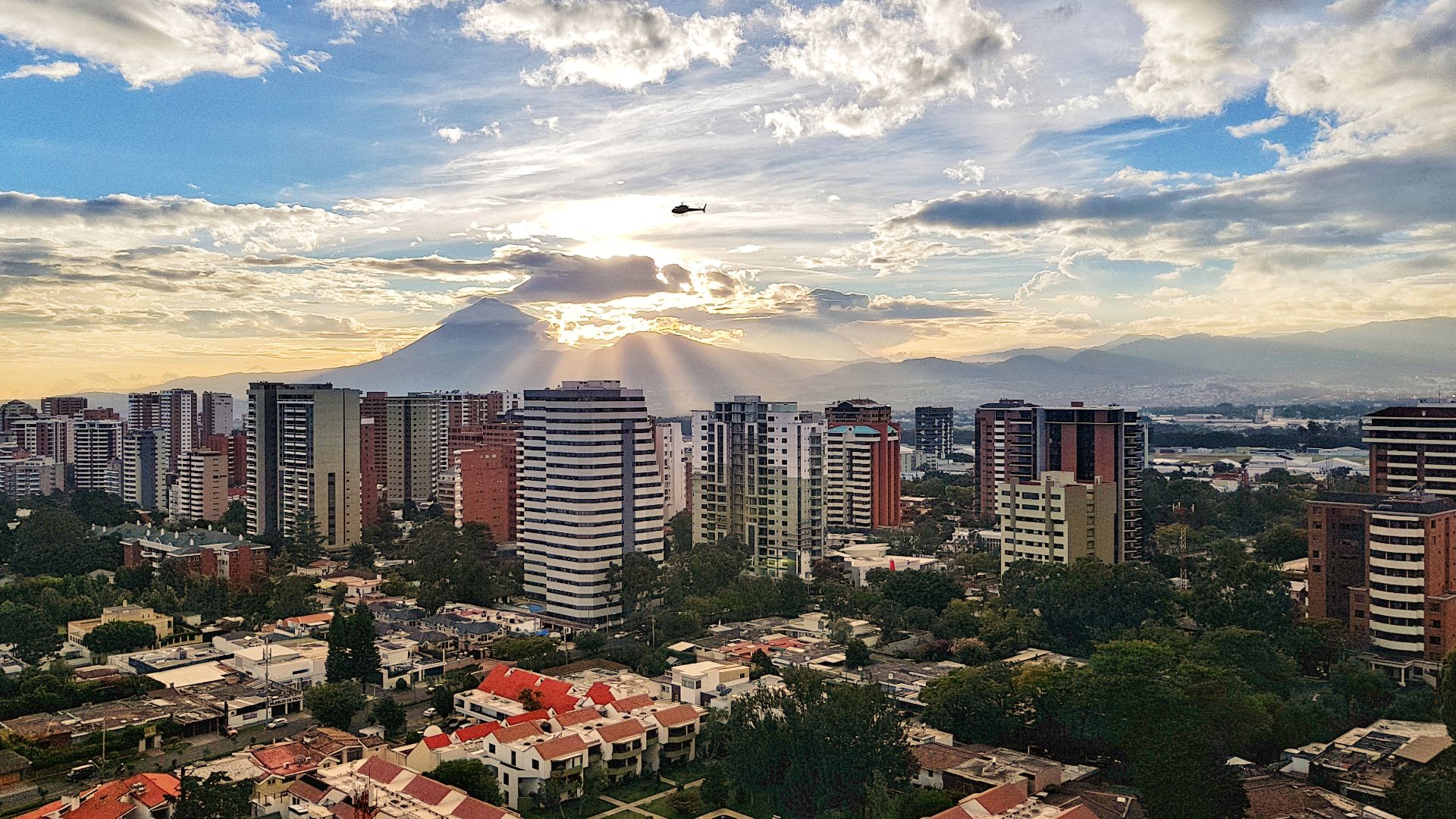
Guatemala City, Guatemala
Streets alive with painted chicken buses can hide serious road issues. Beyond the city, many highways remain unpaved and riddled with potholes. Once the rains arrive, conditions deteriorate even faster, increasing the risk for anyone driving alone.
 Carlosmanuel232, Wikimedia Commons
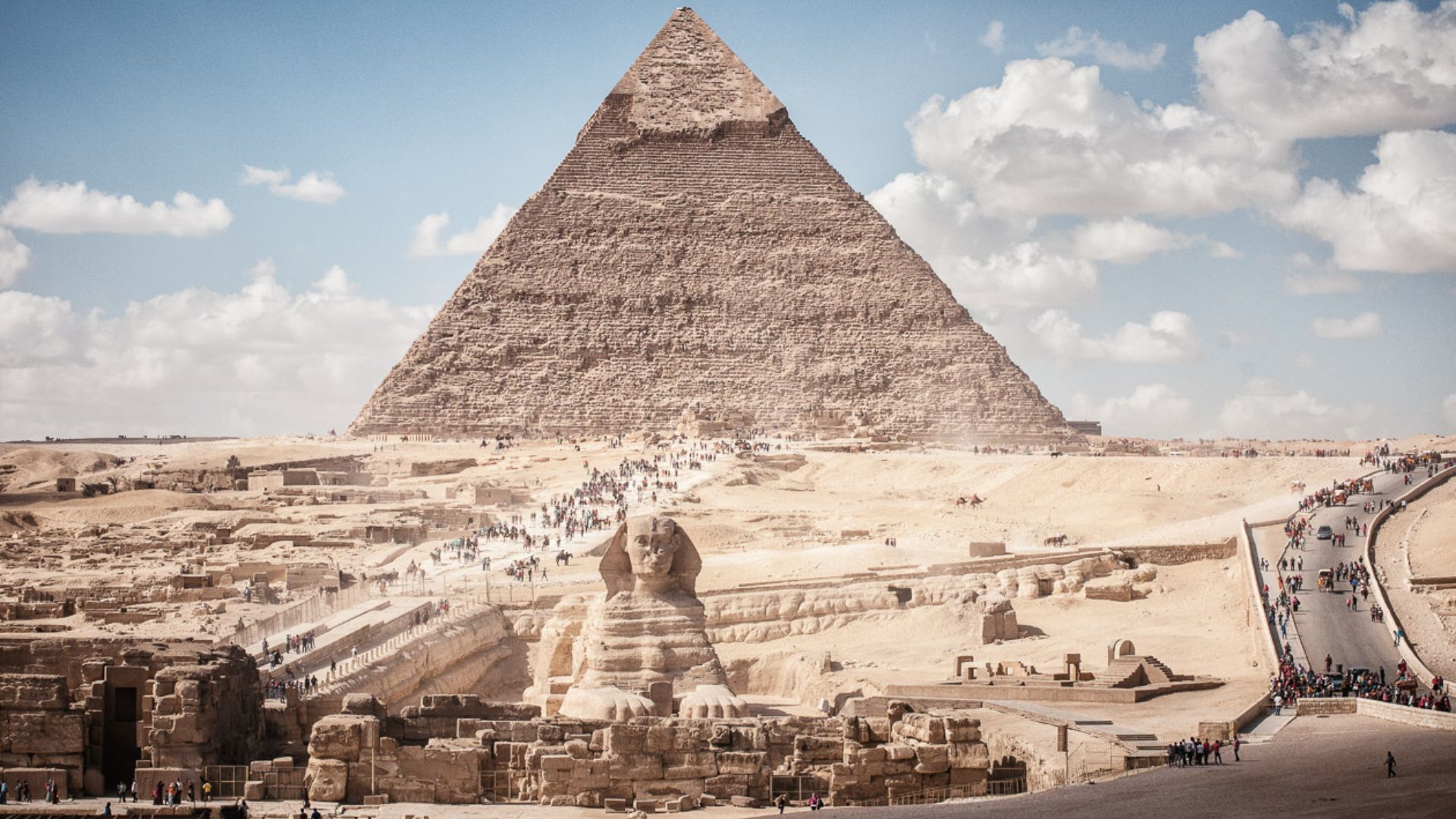
Cairo, Egypt
Cairo’s roads run on sound, with horns carrying more meaning than signs. It can be distracting if you are not used to it. Aggressive driving and rapid lane shifts raise stress for the seasoned drivers, too. Landmarks like the pyramids fade into the background once traffic demands your full attention.
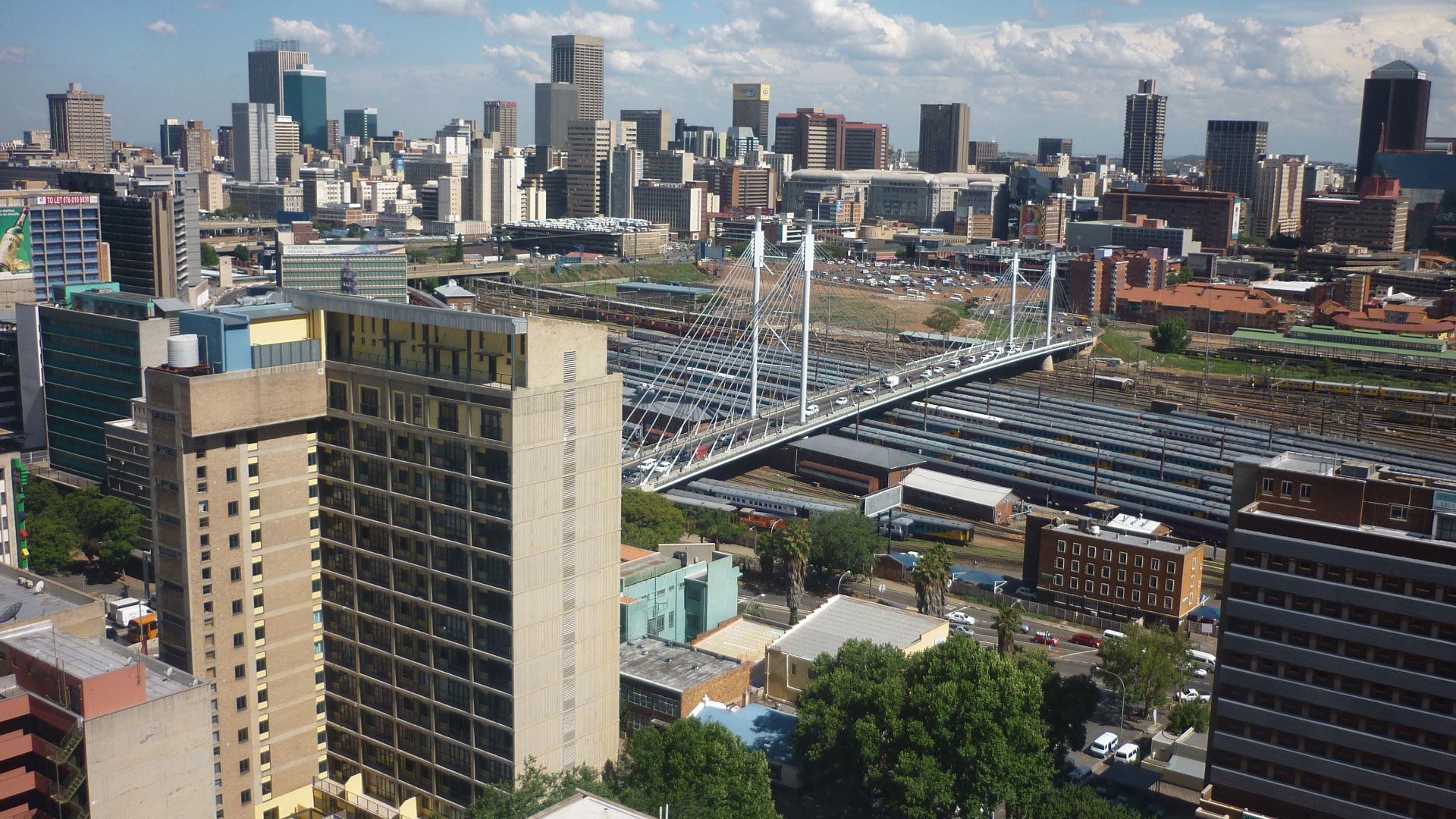
Johannesburg, South Africa
Johannesburg’s nickname, Egoli, contrasts sharply with its driving risks. Recent BusinessTech data quotes roughly 50 to 60 car hijackings occur daily across South Africa, with Gauteng leading incidents. Authorities consistently advise avoiding solo driving after dark, when the threat increases significantly.
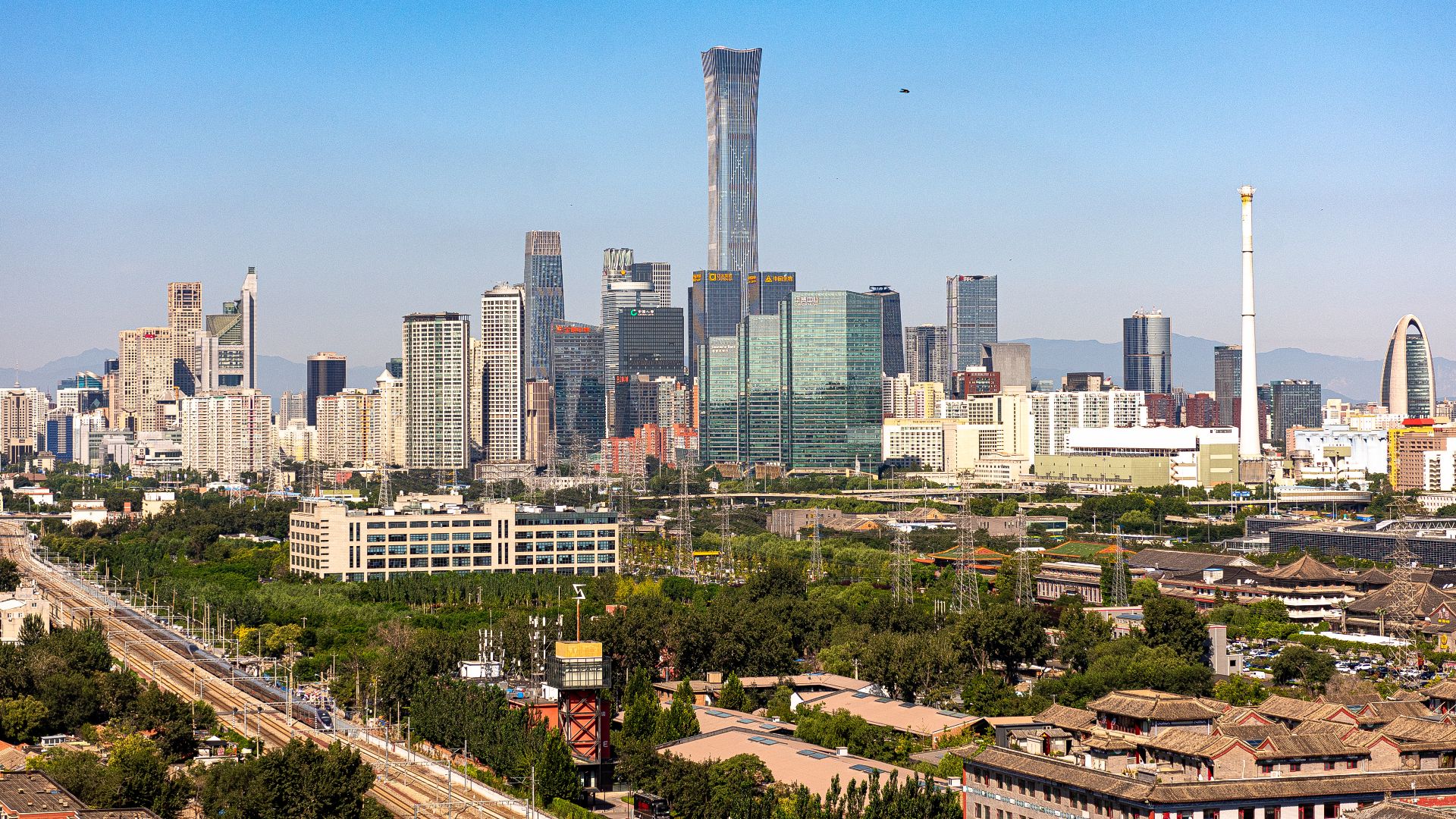
Beijing, China
Police presence defines how traffic moves across Beijing. Foreign drivers face added strain from untranslated signs and apps that occasionally confuse first-time drivers. Small traffic rule violations can cause significant issues for you because the fines are too high.
Paris, France
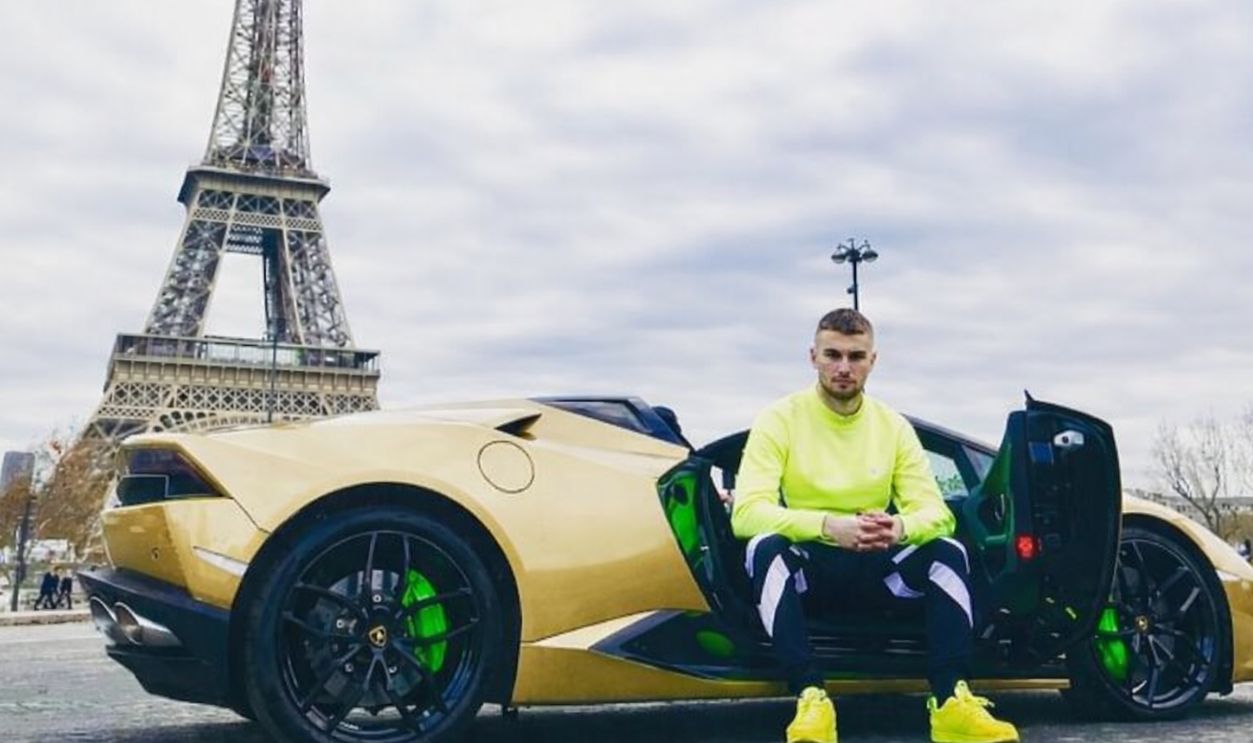
Your confidence tends to waver at the Arc De Triomphe roundabout. Multiple lanes collide with minimal guidance, and this creates confusion that insurers know well. Just streets away, Paris glows under the Eiffel Tower, which draws crowds eager to see the wonder.
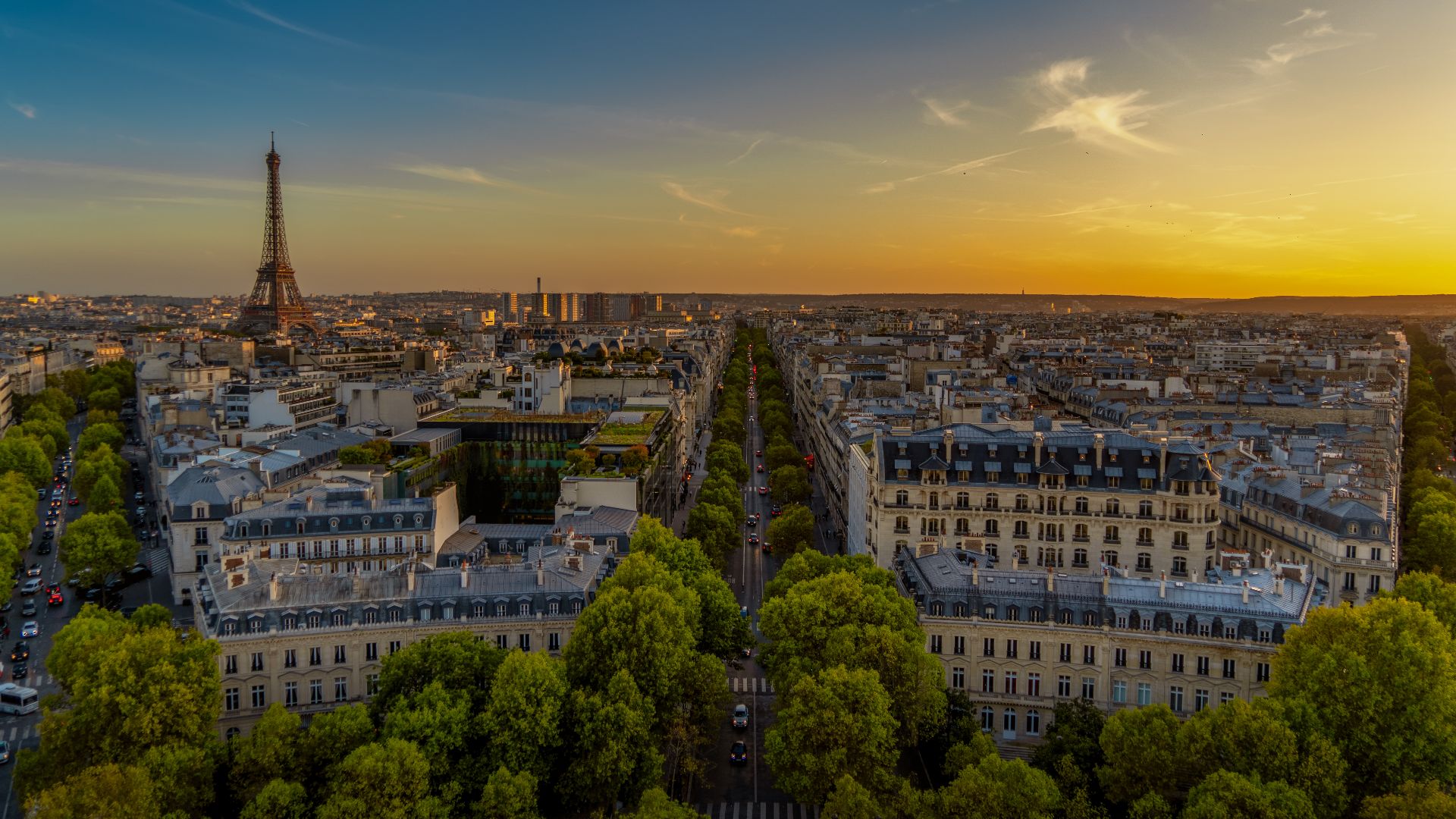 Pierre Blache from Paris, France, Wikimedia Commons
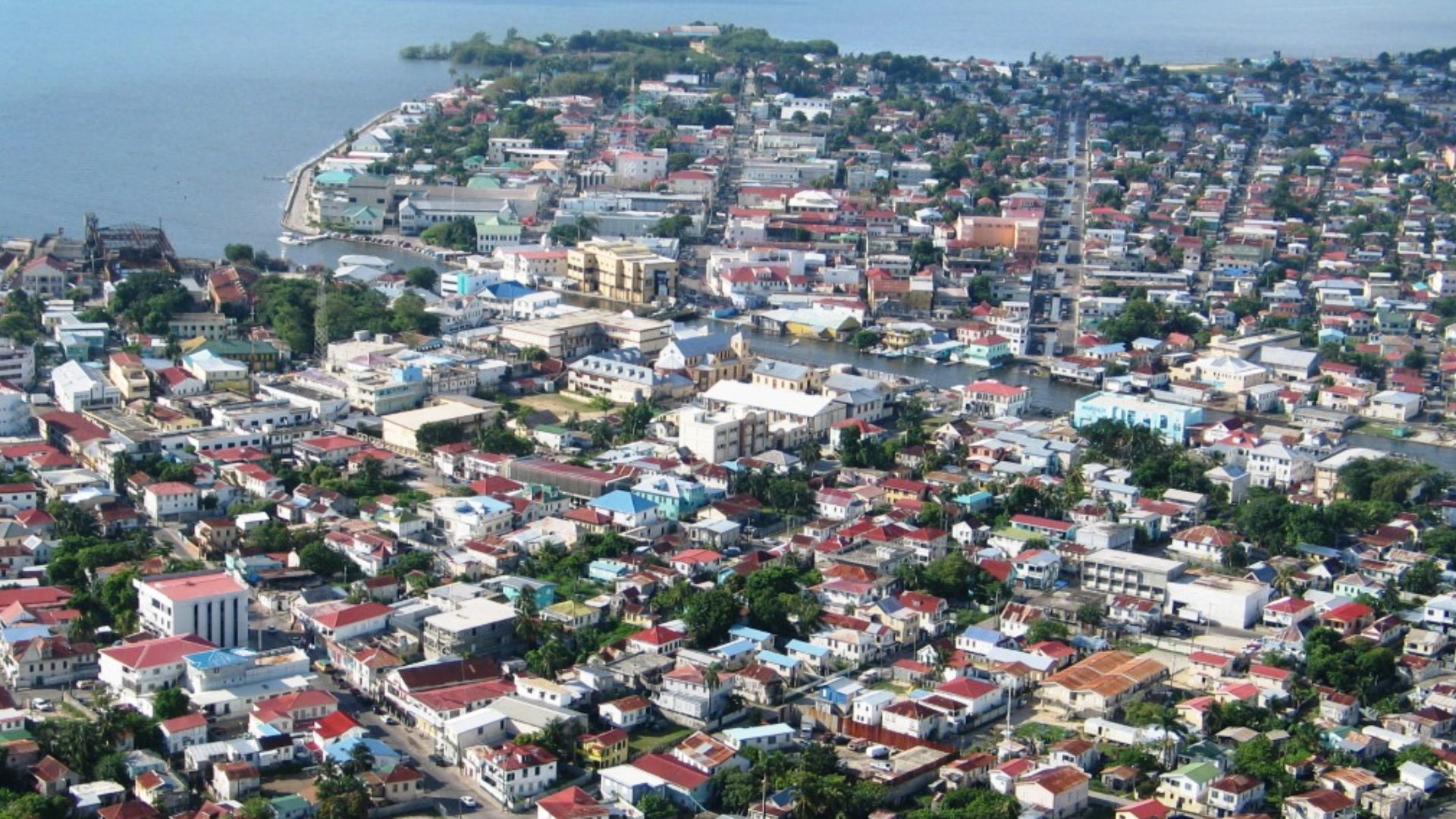
Belize City, Belize
Street murals and access to the UNESCO-listed Belize Barrier Reef mask serious driving challenges in the city. Roads leading to popular beaches are often nearly impassable, and poor nighttime lighting worsens visibility. Solo drivers can quickly find themselves stranded far from help.
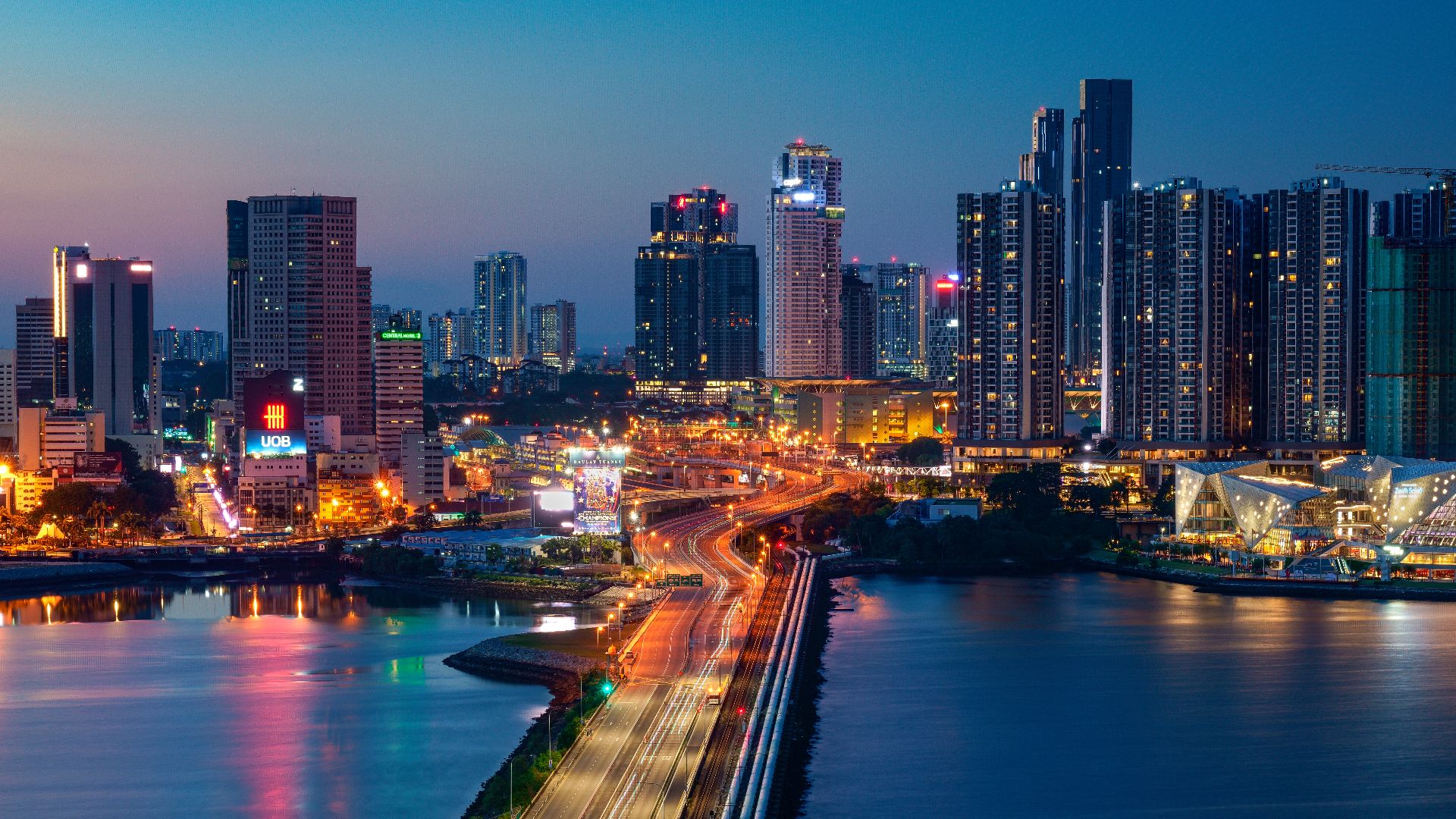
Singapore
Driving in Singapore runs on precision. Rules are enforced strictly, and there’s little tolerance for small missteps. You may have to pay a hefty fine for the smallest mistake. It makes sense to get a local to travel with you so that they can guide you with the rules.
Cape Town, South Africa
Cape Town’s postcard sights set an easygoing tone, but that feeling fades beyond busy areas. Rural and isolated roads pose higher risks of carjacking, especially after dark. The travel guides advise against driving on lonely streets at night.
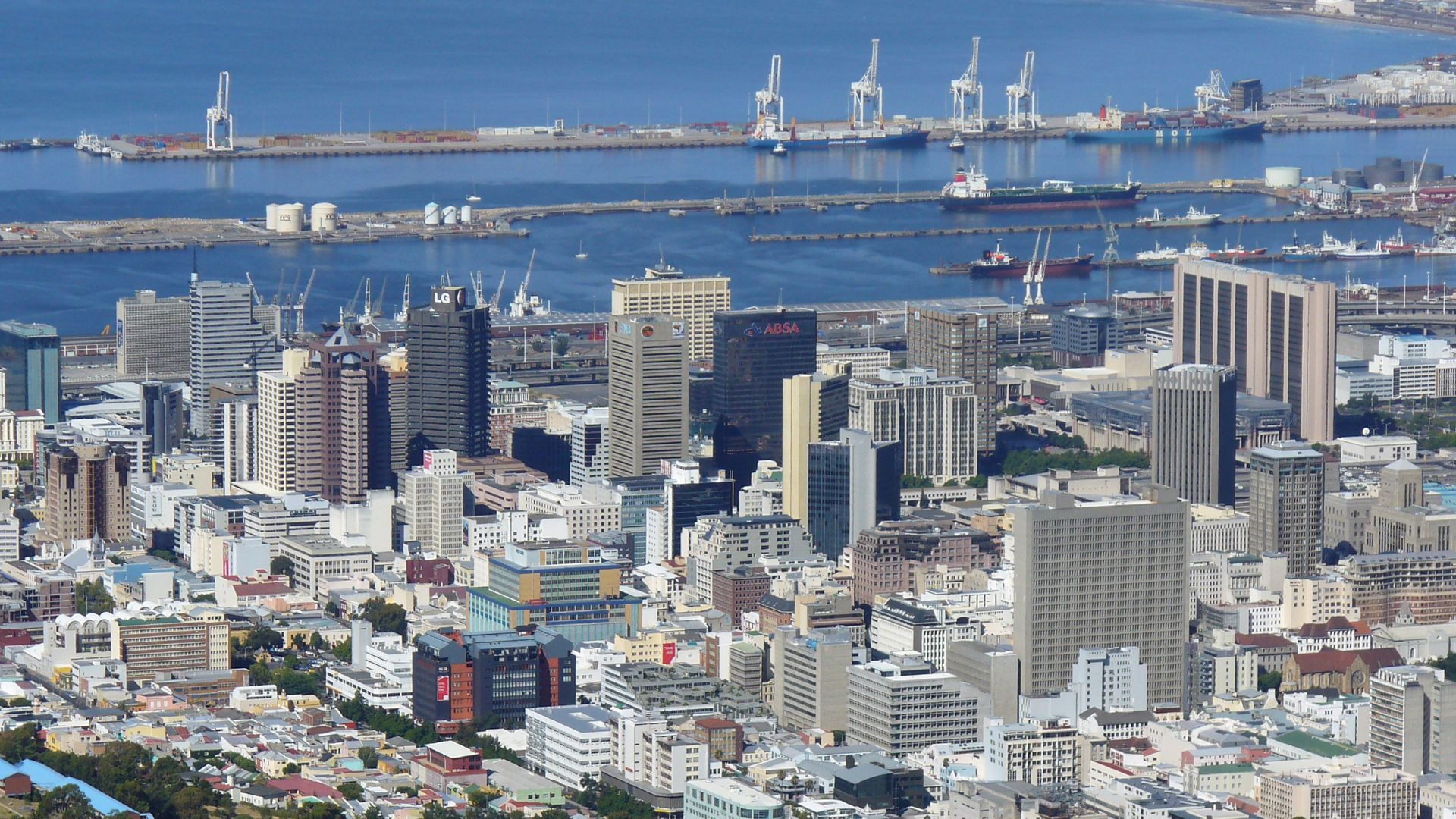 Andrew Massyn, Wikimedia Commons
Seoul, South Korea
K-pop billboards and digital screens fill Seoul’s highways, yet many road signs appear only in Hangul. Navigation apps can also feel limited or inconsistent for visitors. The result is a mentally demanding driving experience, shaped by constant translation and route checking.
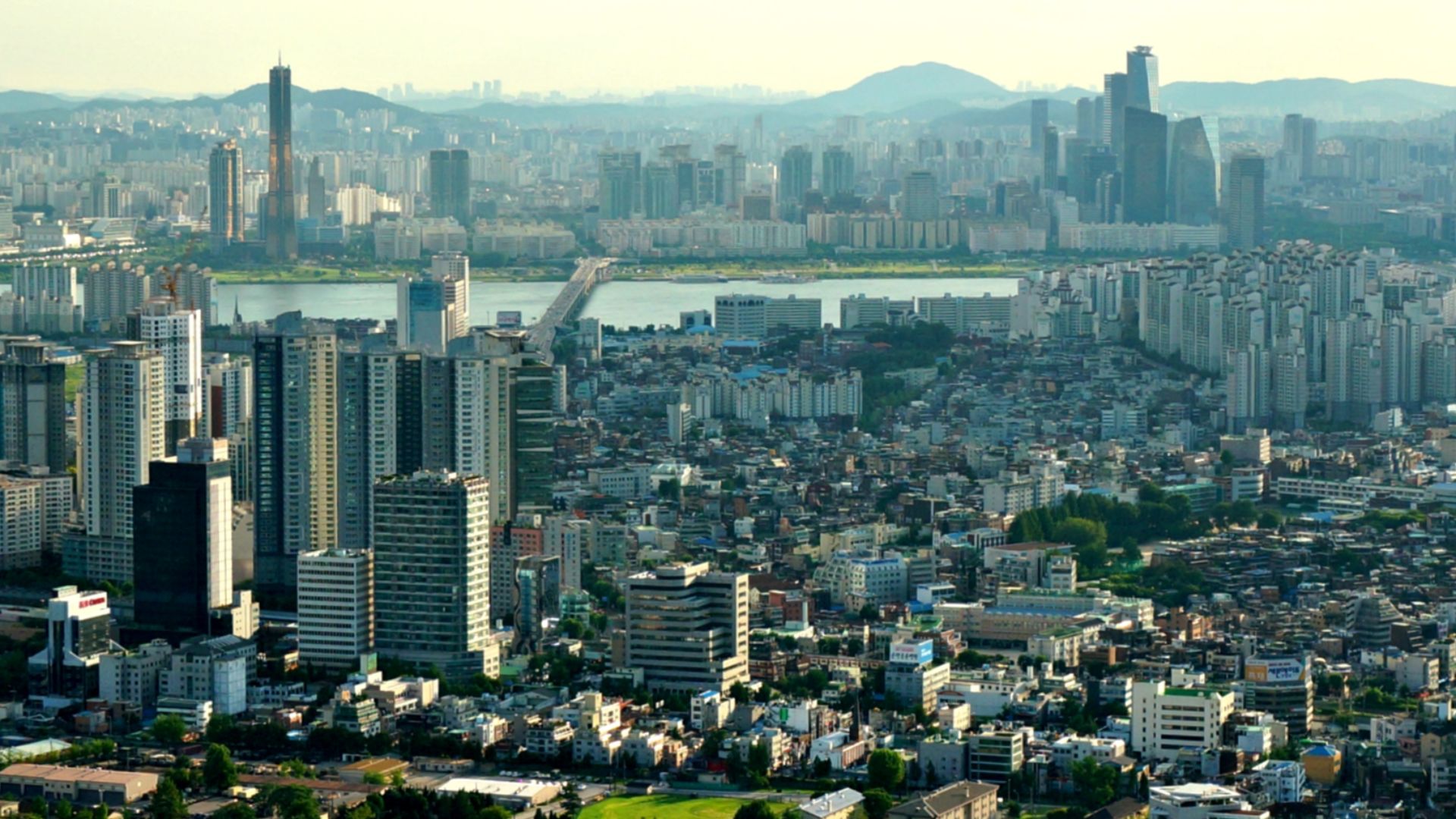 Andrew and Annemarie, Wikimedia Commons
Marseille, France
Marseille’s long history shows on its streets, where traffic rarely follows a calm rhythm. Chaotic driving patterns intersect with neighborhoods affected by gang-related crime. Moreover, outside central areas, staying alert is essential, no matter how inviting the city’s food and culture feel.
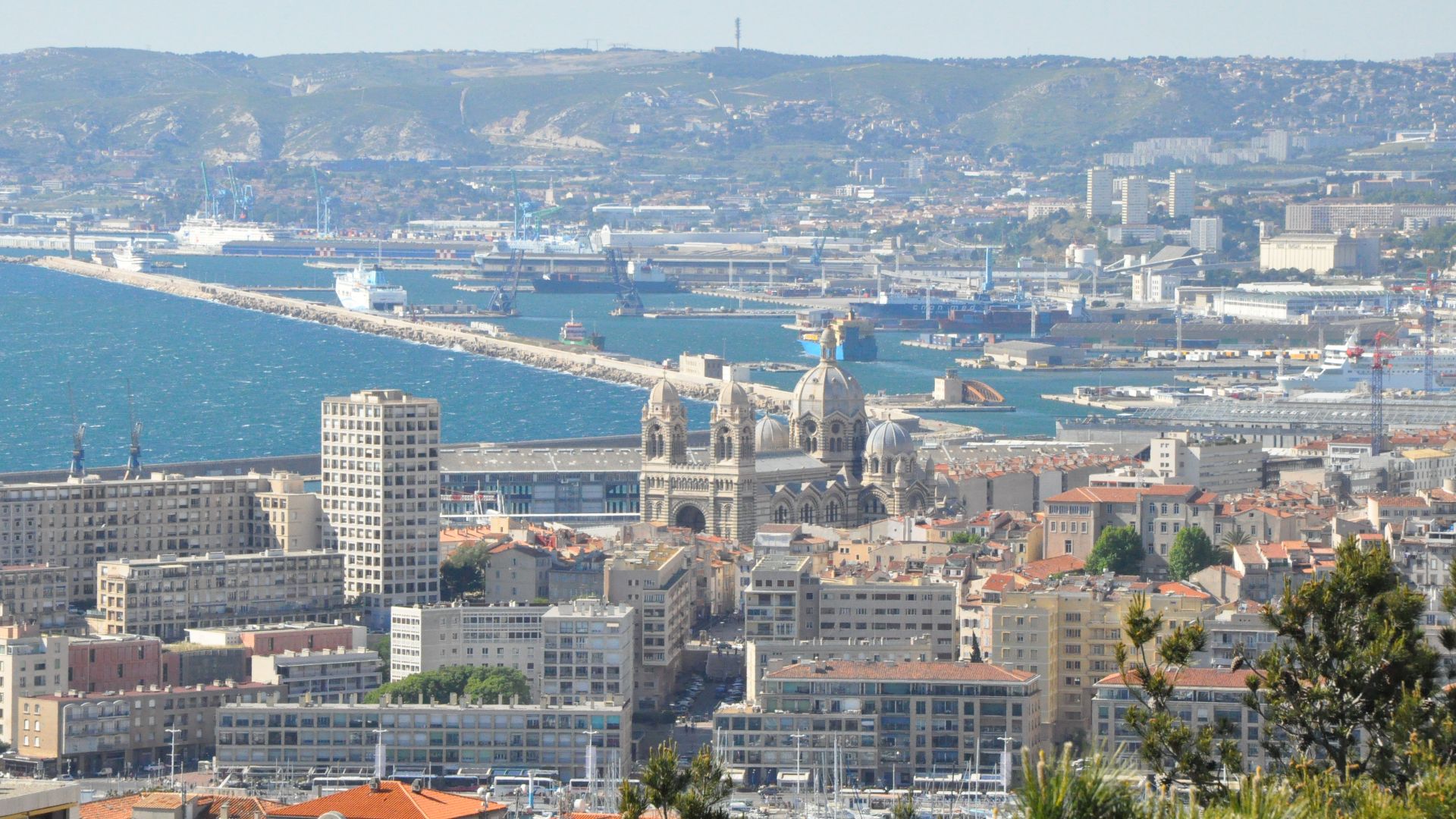 Philippe Aes, Wikimedia Commons
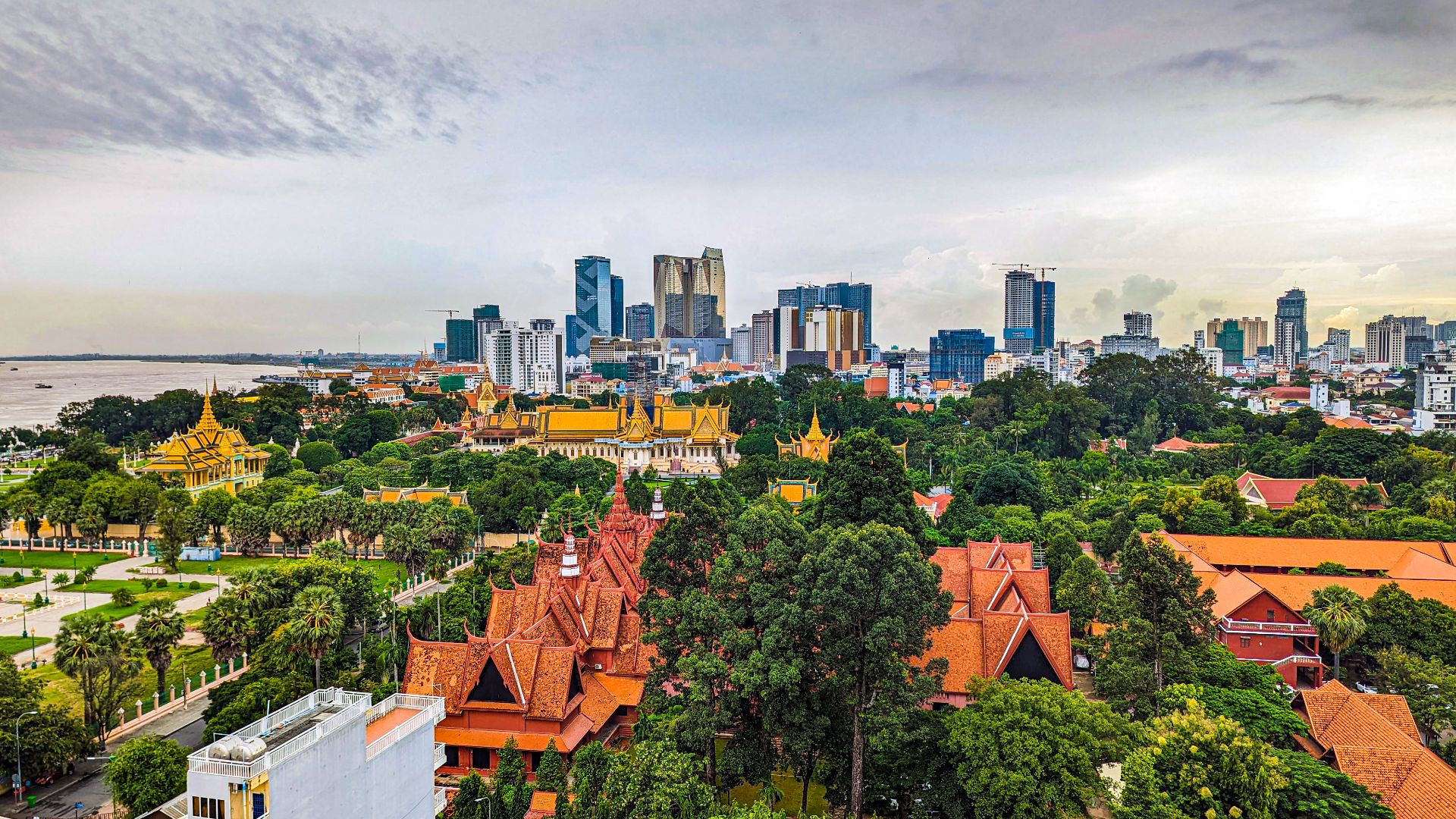
Phnom Penh, Cambodia
Tuk-tuks dominate Phnom Penh’s streets to weave through traffic shaped by limited infrastructure. Road conditions worsen dramatically during the rainy season. Despite landmarks like the Royal Palace, uneven surfaces, and poor lighting, solo driving is increasingly risky beyond main routes.
New Delhi, India
All modes of transportation compete at once in New Delhi’s intersections. People rarely follow lane discipline, and unwritten rules govern movement. For visitors, the chaos can feel overwhelming amid the city’s thriving street food culture and constant motion.
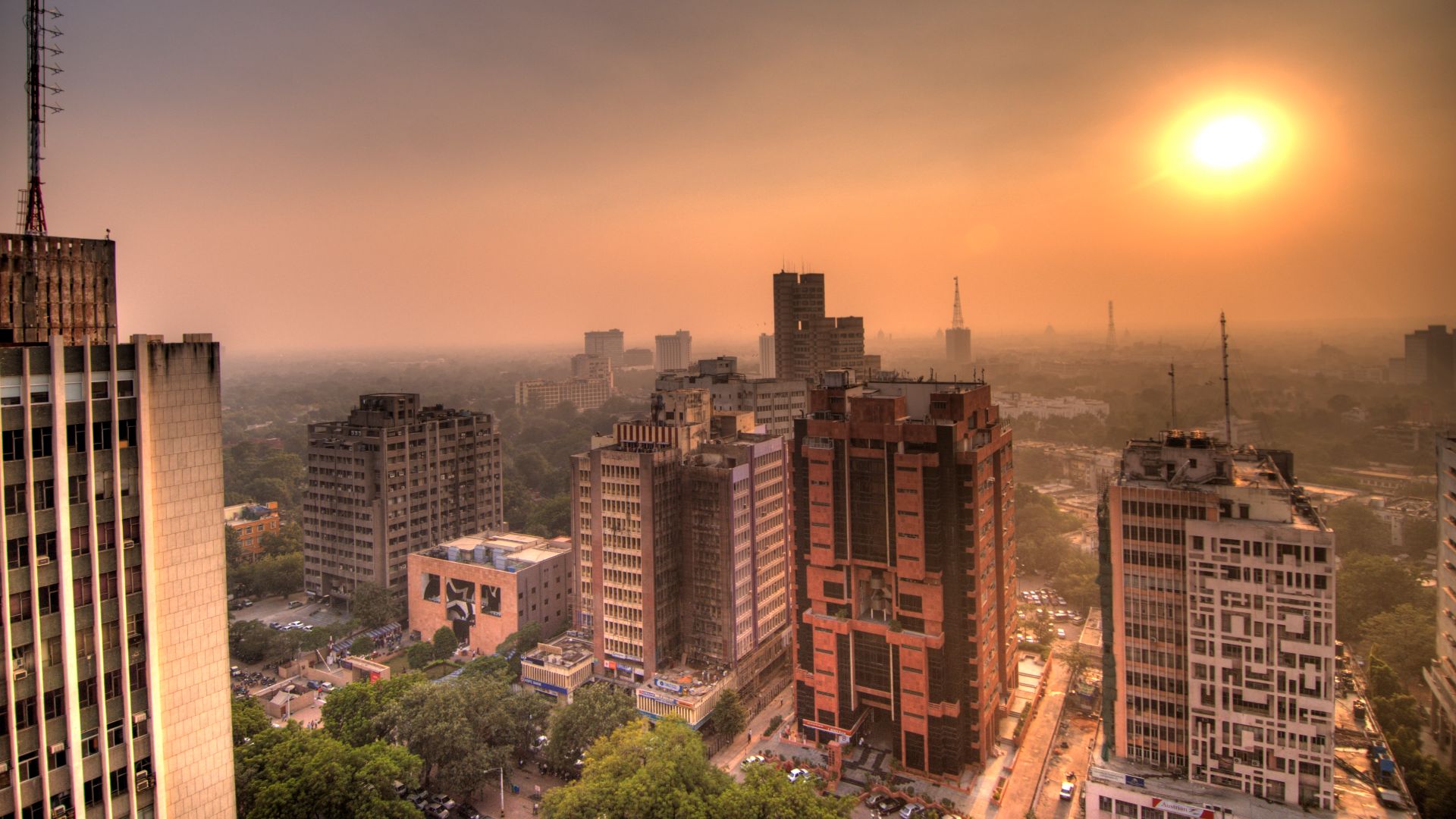 Ville Miettinen from Helsinki, Finland, Wikimedia Commons
Kingston, Jamaica
Music and color define Kingston by day, but driving conditions change quickly after sunset. Certain districts experience frequent gang-related violence, which makes solo travel risky at night. Safety advisories routinely caution visitors against driving alone once daylight fades, regardless of distance or familiarity.
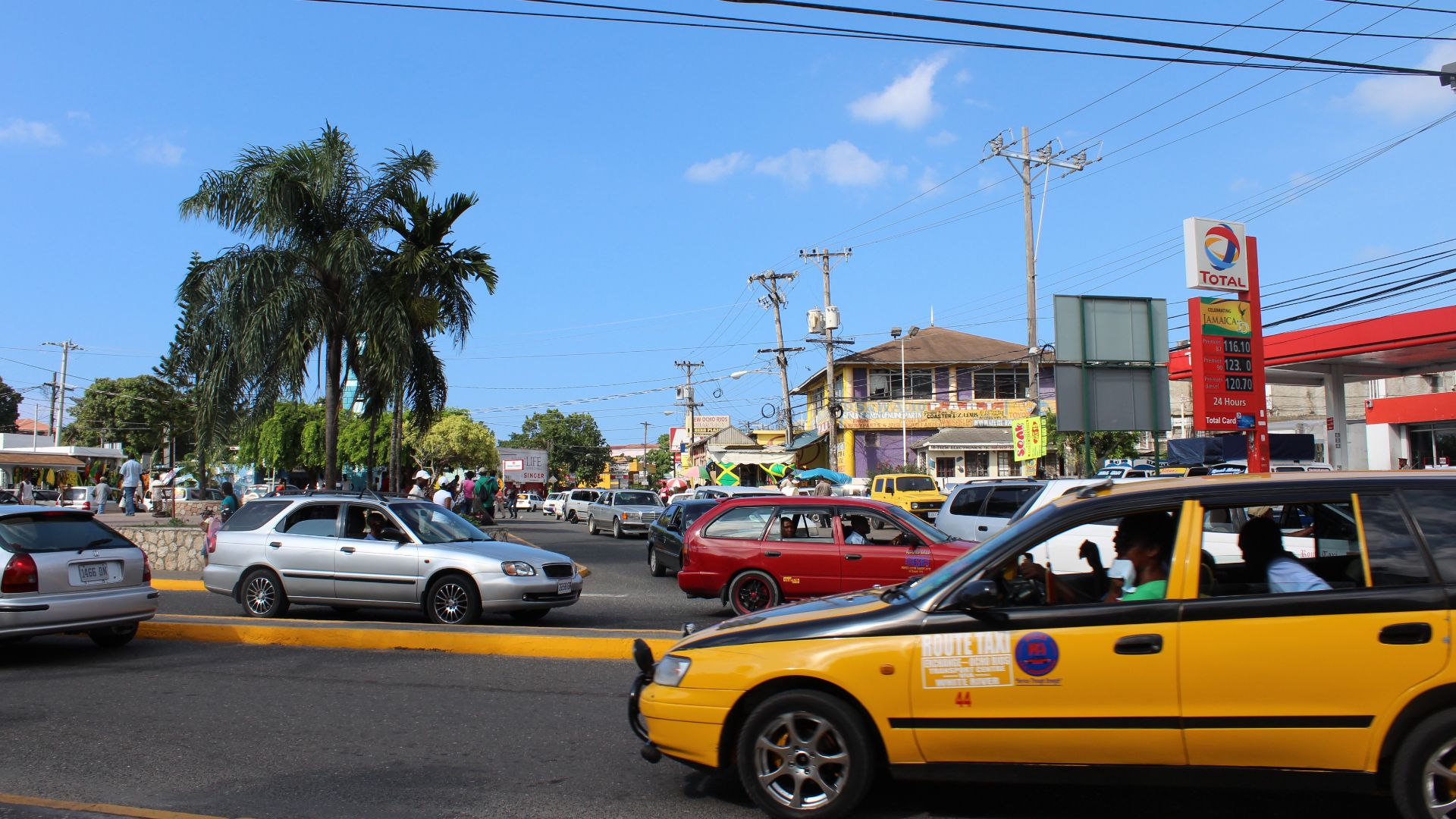 yonolatengo, Wikimedia Commons
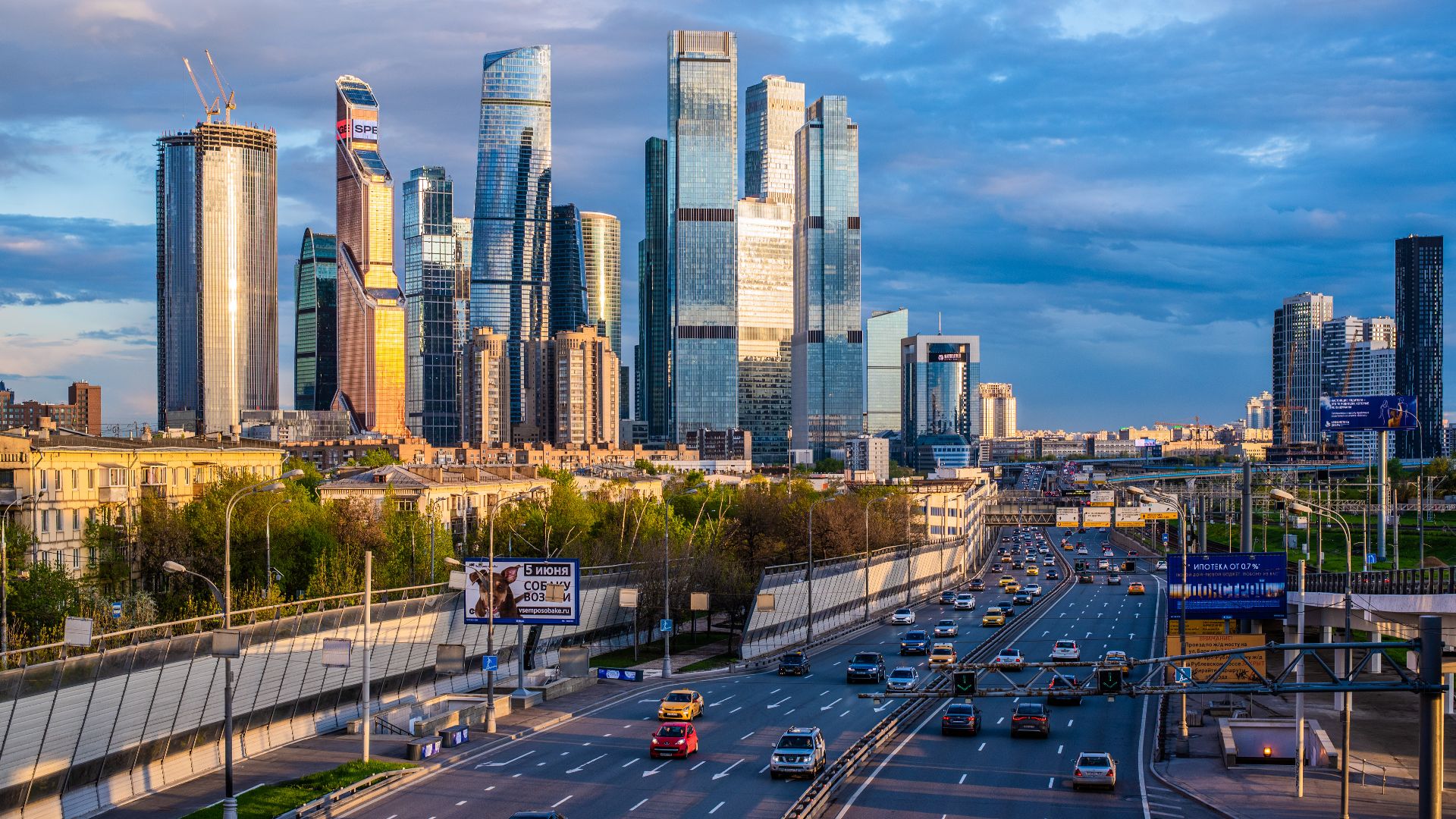
Moscow, Russia
Cyrillic dominates Moscow’s road signs, wherein many foreign drivers get lost beyond the city center. English translations remain limited, and dense traffic leaves little room for hesitation. What feels manageable on foot becomes far more stressful behind the wheel in unfamiliar districts.
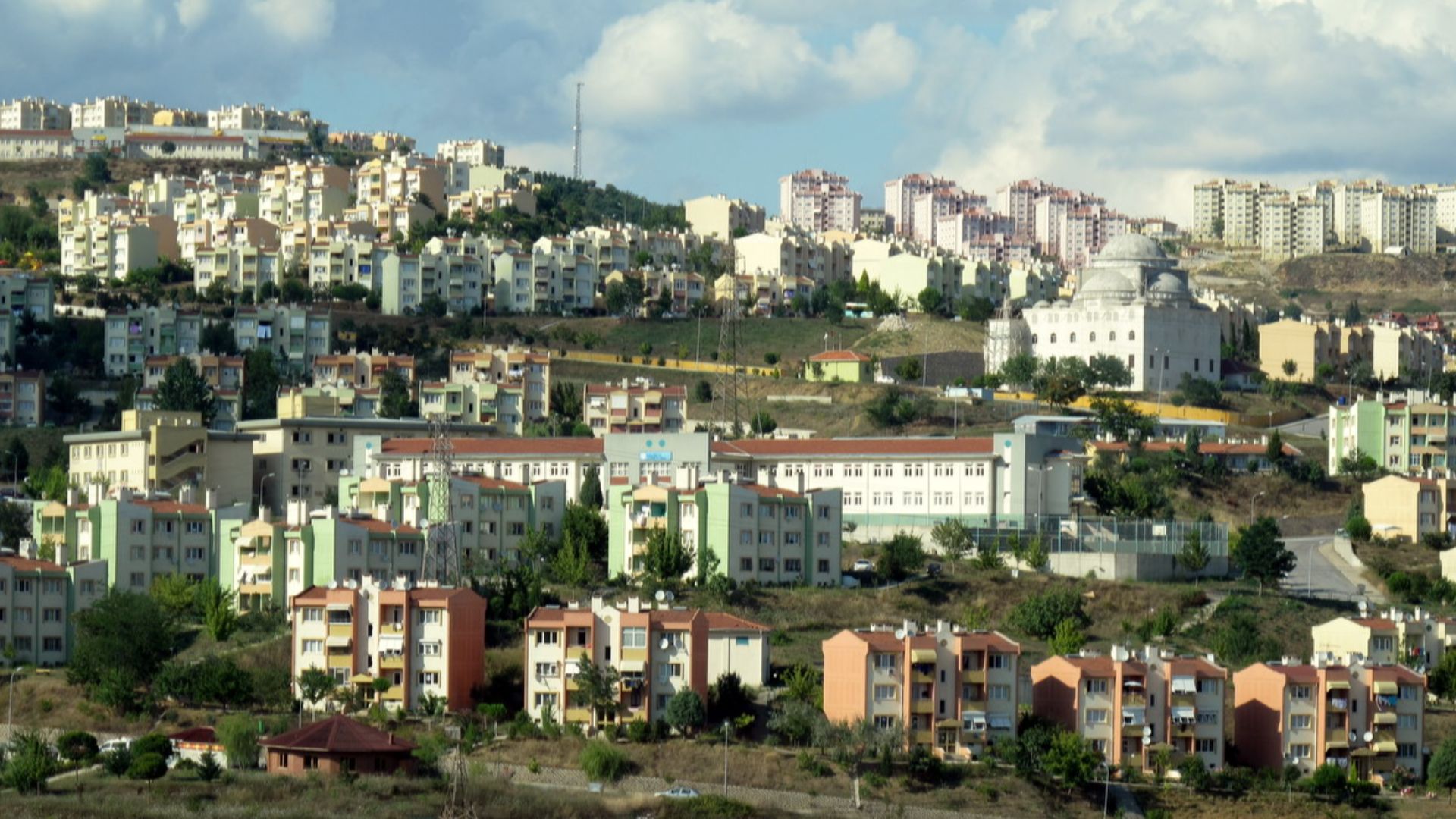
Istanbul, Turkey (Outskirts)
Beyond Istanbul’s historic center, roads split and reconnect to demand constant decision-making. Local driving tends to be assertive, especially on inter-regional routes where pace matters. For visitors, the experience feels mentally demanding, shaped by the need to react without hesitation.
 Peretz Partensky from San Francisco, USA, Wikimedia Commons
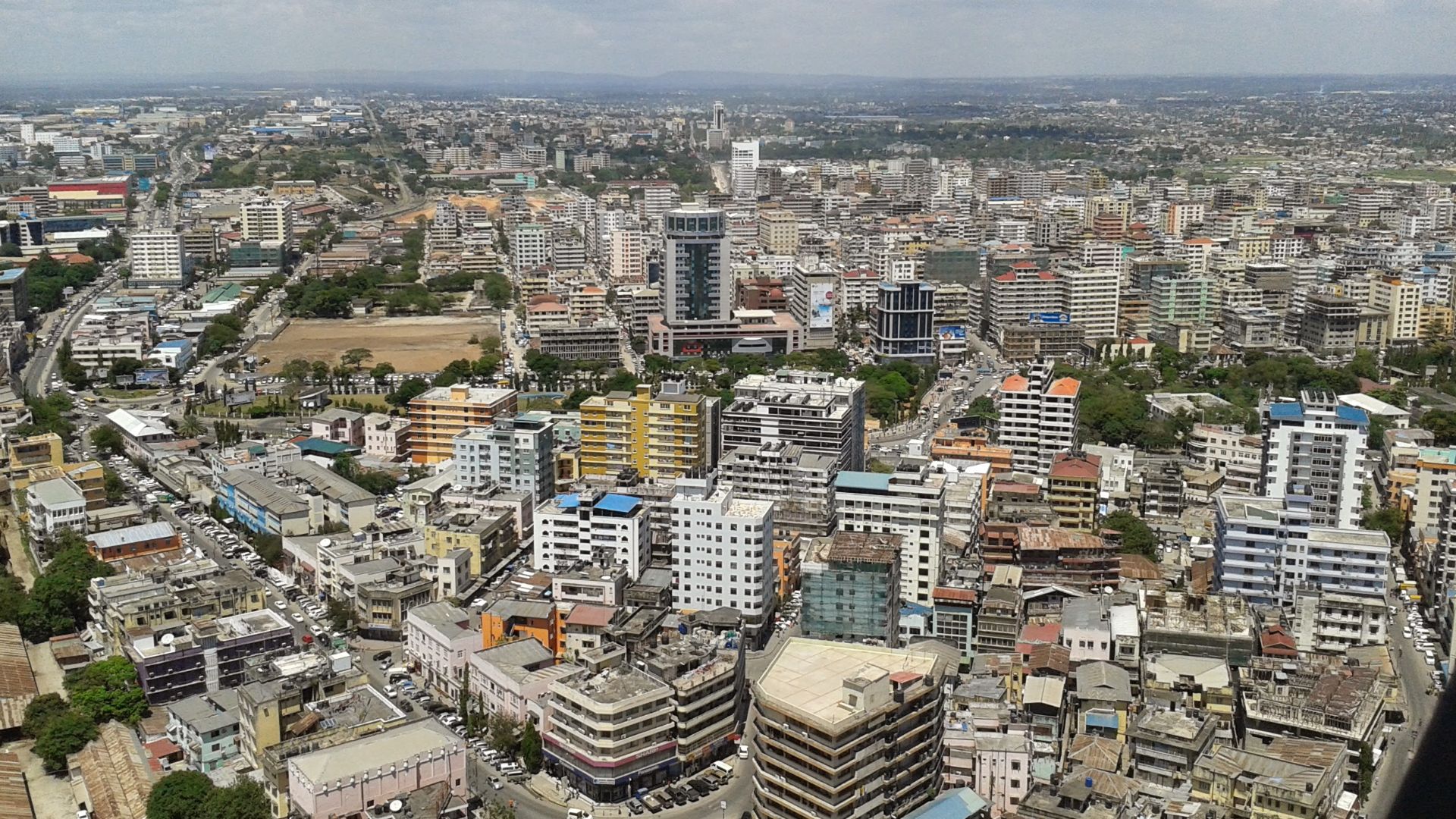
Dar Es Salaam, Tanzania
Poor drainage turns many streets into shallow flood zones during heavy rains. Visibility drops further after dark due to limited street lighting. Driving alone through the city at night can feel unpredictable and physically demanding, even if coastal culture invites people.
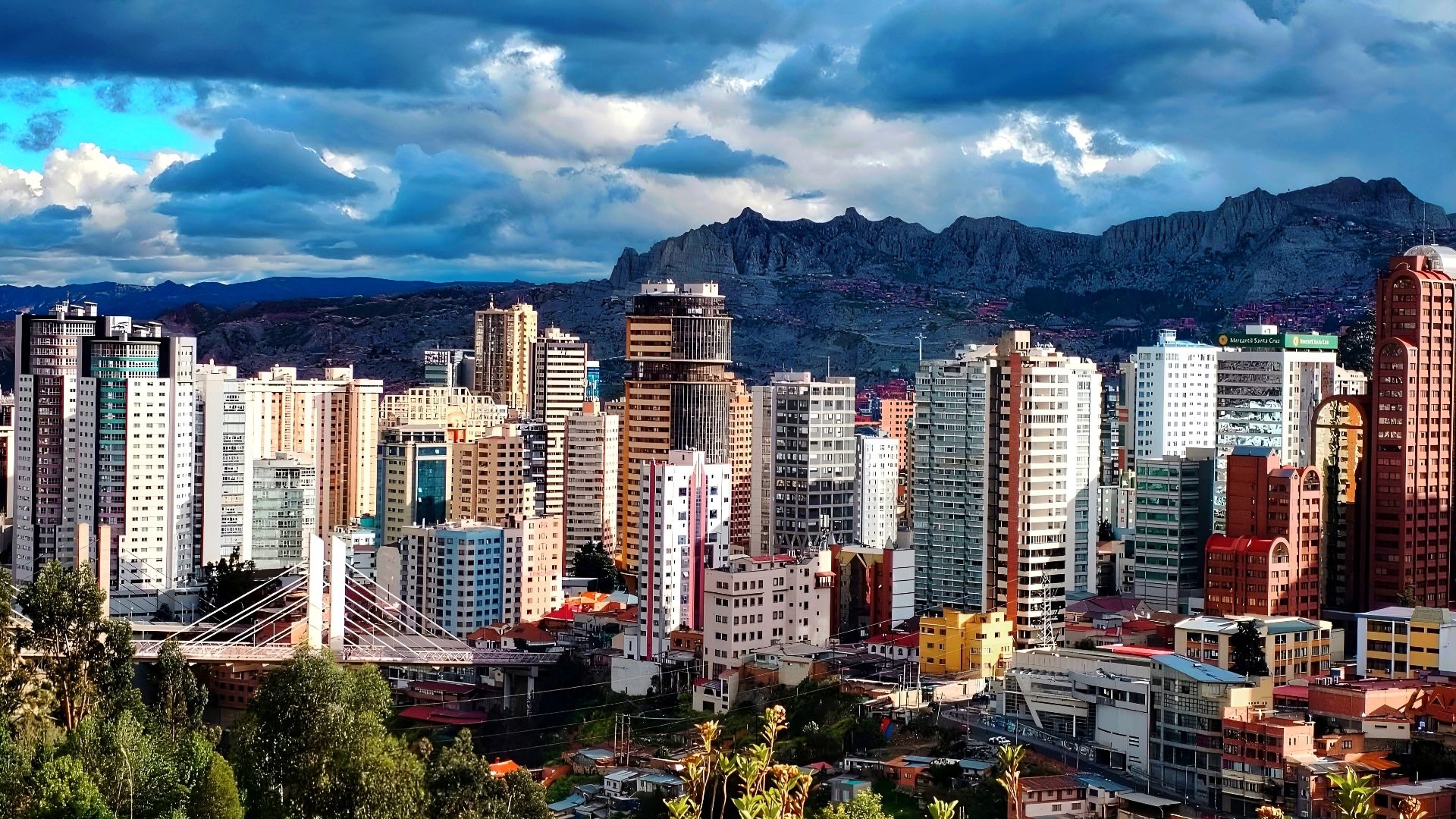
La Paz, Bolivia
Steep mountain terrain defines La Paz’s most dangerous routes. The Yungas Road, known worldwide for fatal accidents, clings to cliffs without guardrails. Sharp drops and narrow paths make solo driving a high-risk choice across the surrounding region.
 Parallelepiped09, Wikimedia Commons
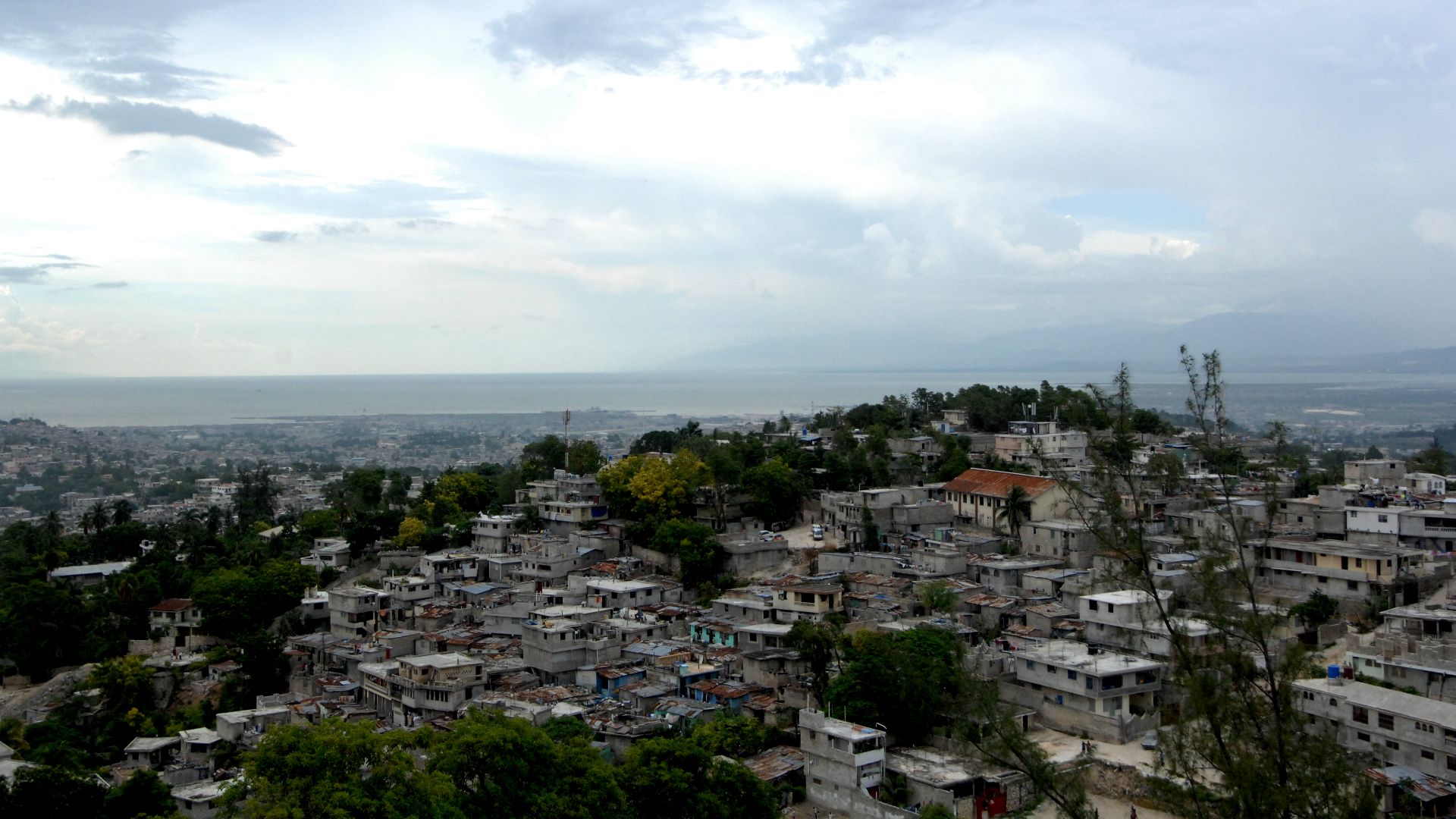
Port-Au-Prince, Haiti
Political instability shapes daily life in Port-au-Prince, and driving reflects that reality. Kidnappings and armed crime have increased amid limited police presence. Visitors are frequently advised to avoid driving alone, particularly after dark, when response times and visibility drop sharply.
 U.S. Navy photo by Chief Mass Communication Specialist James G. Pinsky, Wikimedia Commons
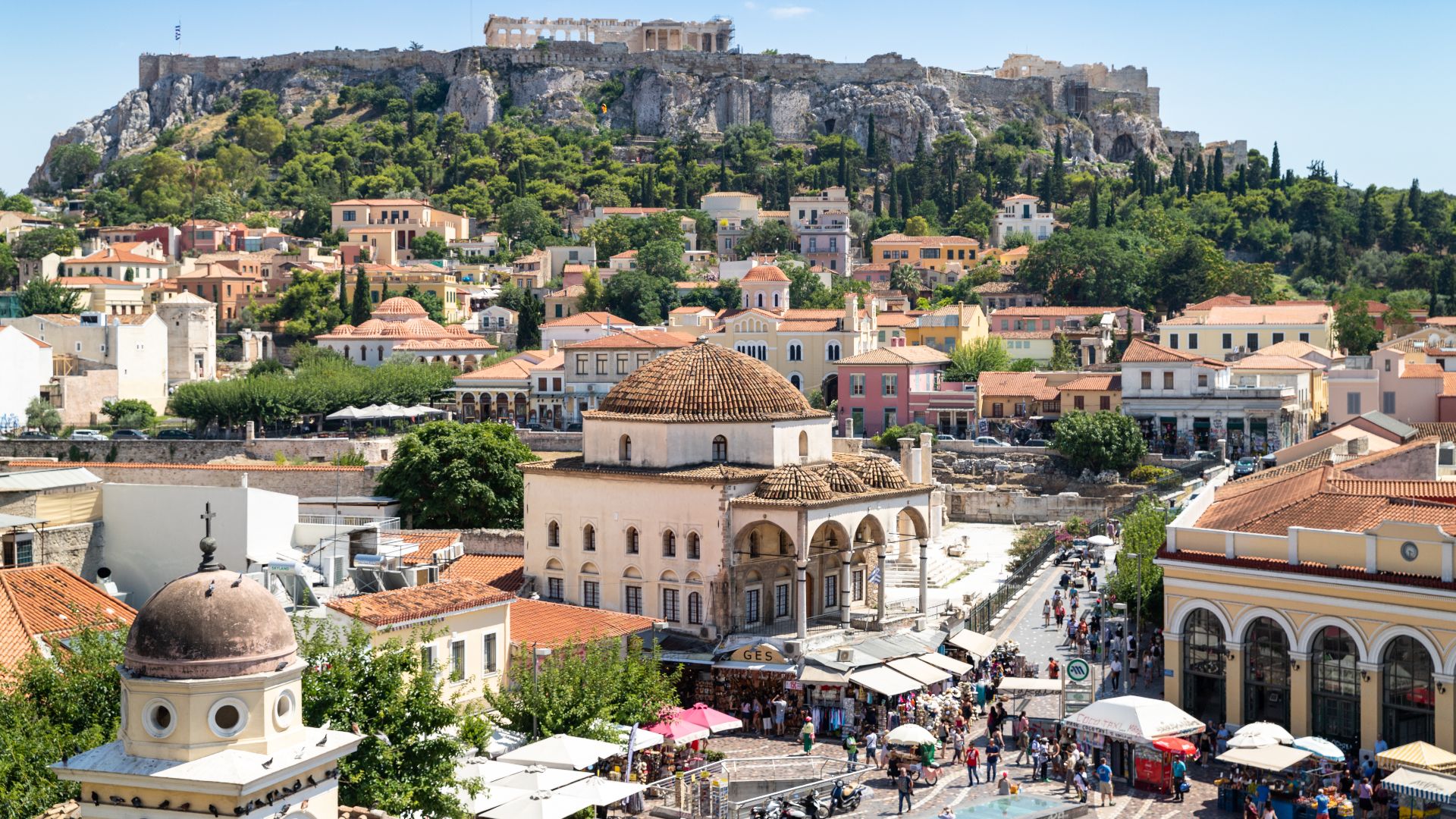
Athens, Greece
Outside central areas, street signage in Athens becomes harder to interpret, with fewer English cues to rely on. Directions can feel inconsistent, and small routing mistakes add up. For visitors, the challenge lies in piecing together routes once familiar landmarks disappear.
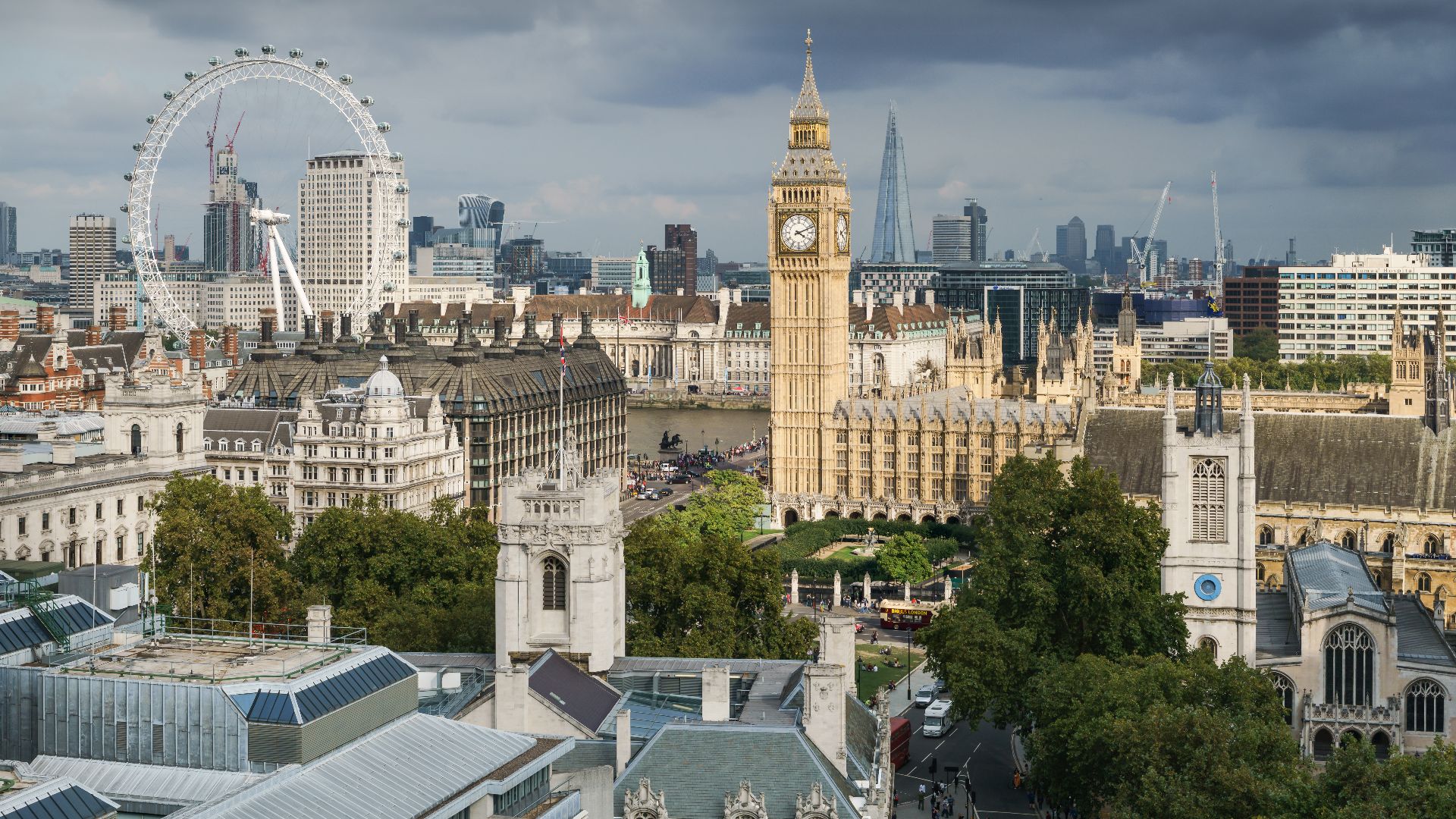
London, United Kingdom
Left-side driving catches many visitors off guard, and that’s only the beginning. Congestion charges, camera-controlled zones, and complex traffic rules complicate movement across the city. Tourists often find that a wrong turn leads to fines rather than quick course correction.
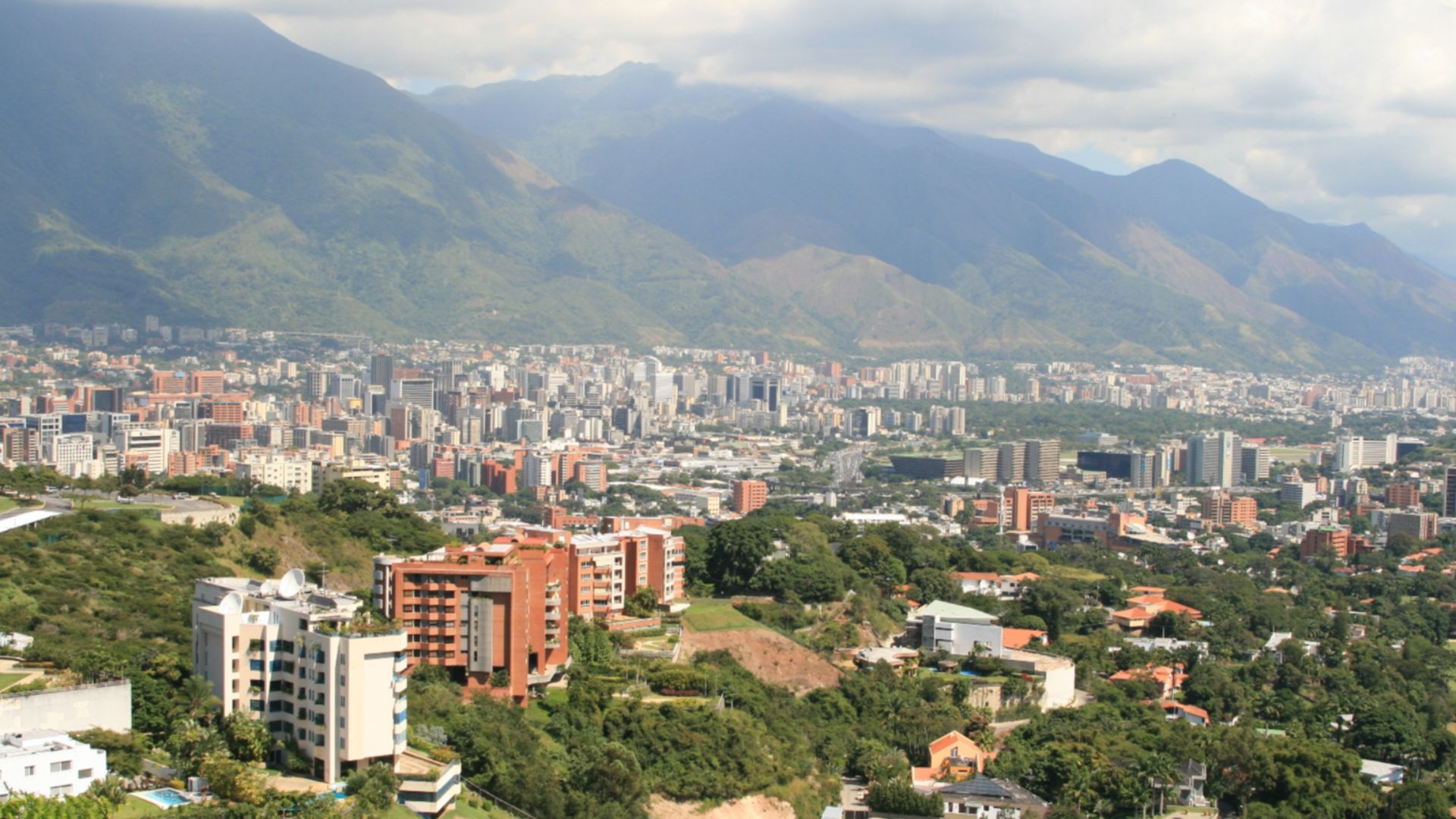
Caracas, Venezuela
Severe crime rates define travel decisions in Caracas. Armed robbery and kidnappings remain major concerns, compounded by limited policing. Driving alone exposes visitors to unpredictable risks in unfamiliar neighborhoods where help may be slow or unavailable.
 Carlos Adampol Galindo, Wikimedia Commons
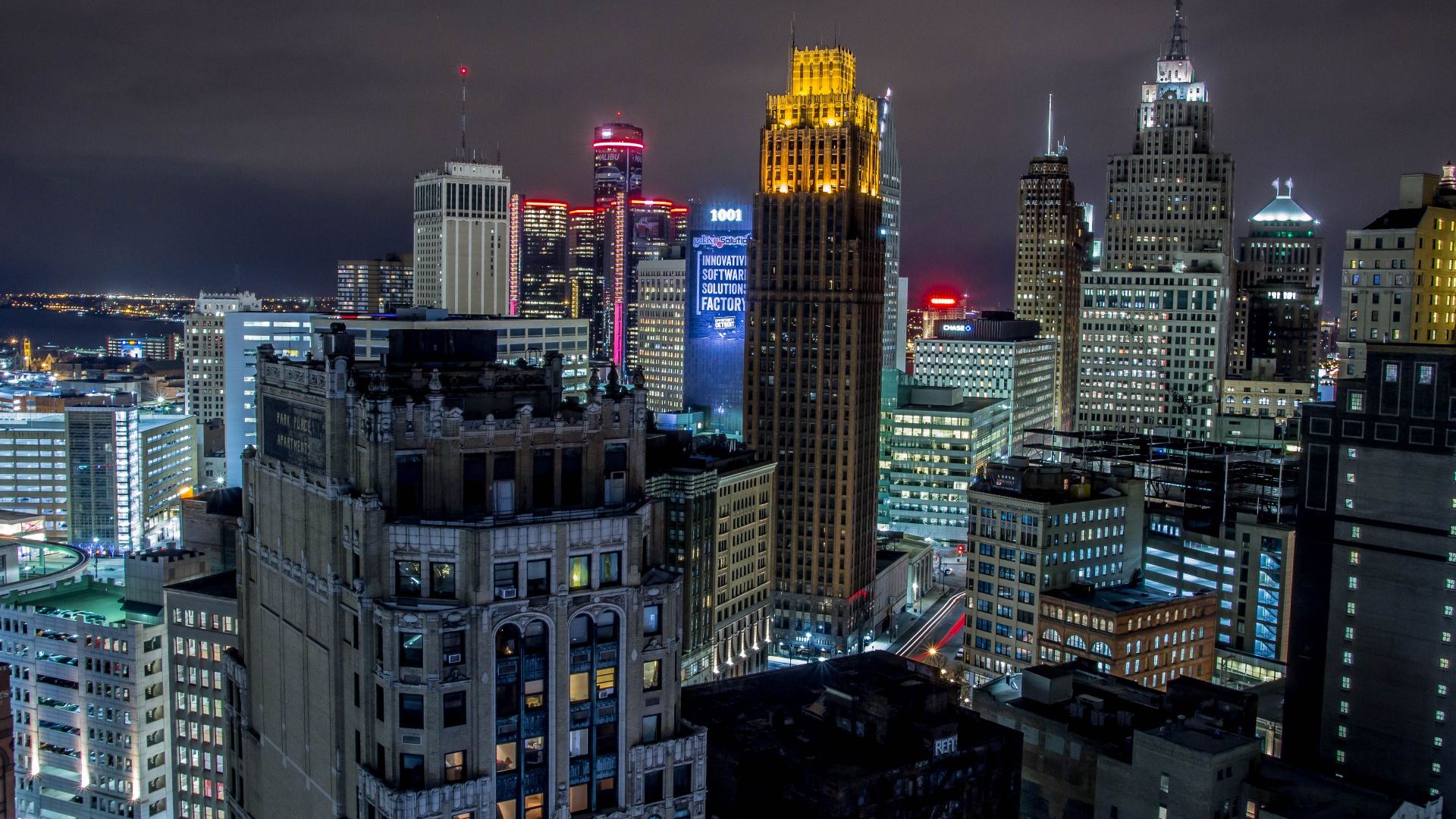
Detroit, United States
Detroit’s automotive legacy contrasts with practical challenges for solo drivers. Federal data places the city among the top US locations for vehicle theft, and some neighborhoods lack consistent services. For visitors driving alone, route planning matters, especially where isolation and limited access compound uncertainty.
 Derek Gauci, Wikimedia Commons