
It Is All Collapsing In The AI Era
For decades, careers followed a predictable rhythm that shaped education and ambition. That rhythm is breaking. Somehow, artificial intelligence is accelerating workplace change faster than most systems can adapt.
 ANTONI SHKRABA production, Pexels
Industry Leaders Have Started Saying The Quiet Part Out Loud
This conversation began quietly. Then, industry leaders like Hemant Taneja of General Catalyst and McKinsey’s Bob Sternfels picked it up to emphasize that the learn-once, work-forever model no longer fits an AI-shaped economy. When insiders openly name the flaw, the career promise many grew up trusting starts to fracture.

The Career Promise Once Felt Straightforward—Now It Doesn’t
For much of the 20th century, the dominant American career model followed a predictable arc: education in youth, steady employment in adulthood, and retirement at the end. That structure shaped school systems and corporate hierarchies. It supports the belief that preparation happened once, early, and lasted a lifetime.
 State Government Photographer, Wikimedia Commons
Education Was Meant To Set The Course For Life
College degrees were designed to provide durable knowledge and signal readiness for long-term employment. Employers largely trusted formal education to equip workers with foundational skills. They assumed workers would refine them gradually on the job rather than needing frequent, formal retraining throughout their careers.

That Assumption No Longer Holds Up
During decades of slower technological change, most professions evolved incrementally. Skills learned in early adulthood remained relevant for years, sometimes decades. Workers could specialize and rely on institutional knowledge. They did it without constantly retooling or questioning whether their core abilities were becoming outdated.
Technology Has Begun Reshaping How Work Evolves
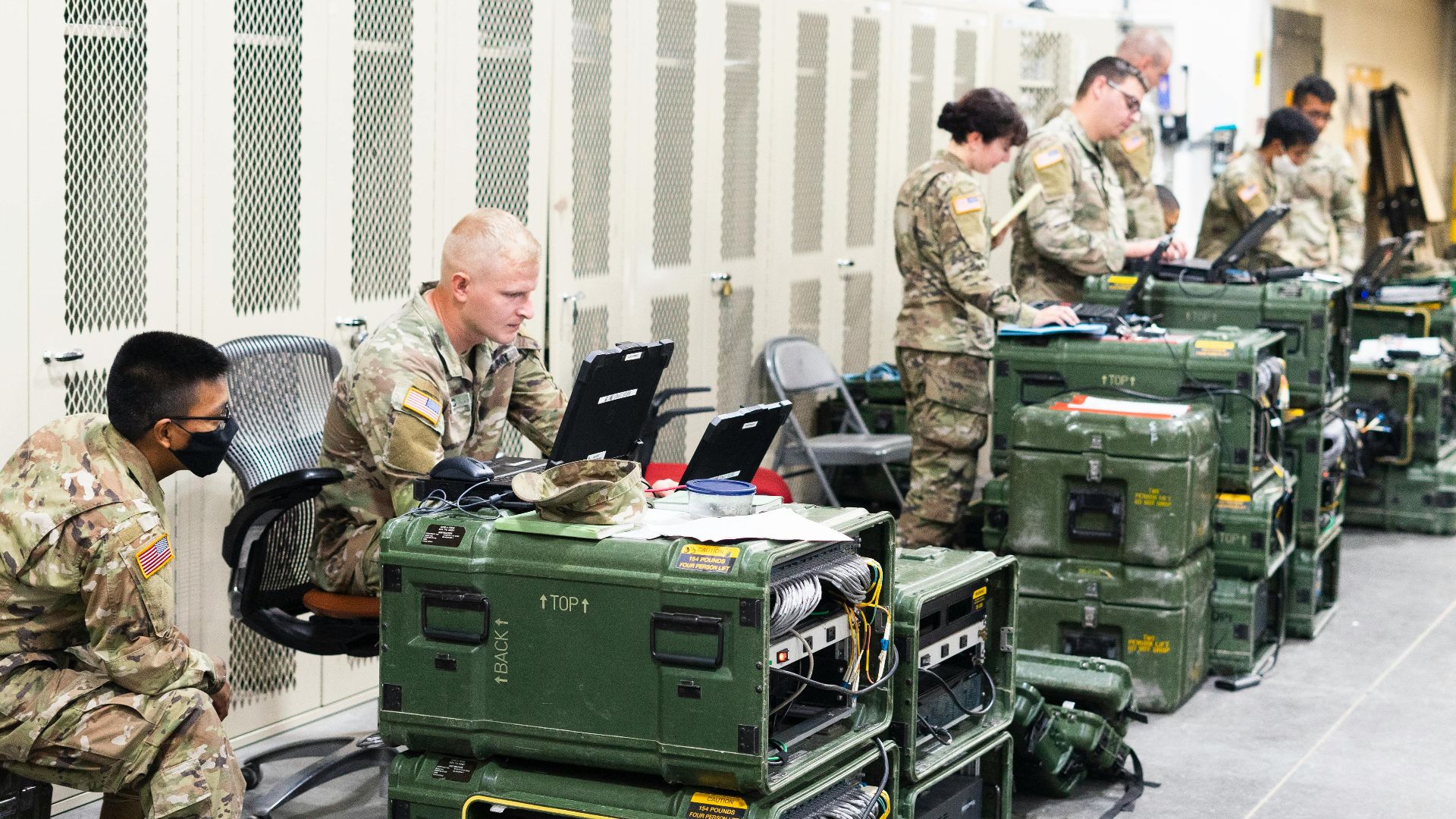
Personal computers and the internet gradually altered job requirements. Tasks became more digital, and access to information expanded. While disruptive, these shifts still allowed time to adapt. At the same time, they masked how fragile the old learn-once, work-forever model was becoming.
AI Is Dramatically Speeding Everything Up
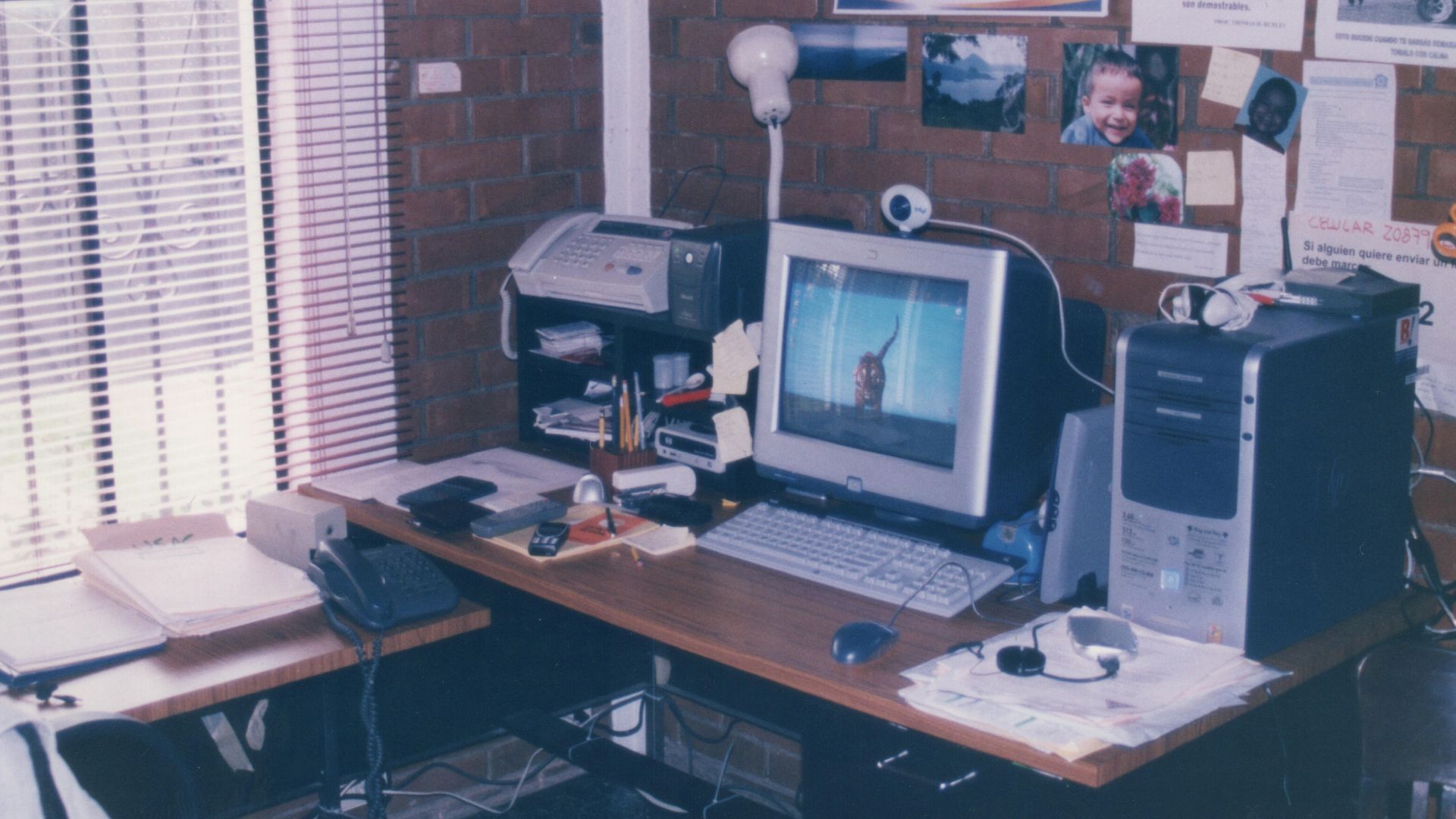
Artificial intelligence compressed years of technological change into months (or weeks). Systems capable of writing, analyzing, coding, and summarizing now improve continuously. This speed disrupted the traditional balance between education and work.

Skills Have Started Expiring Faster Than Diplomas
As AI systems took over routine analysis and pattern recognition, skills that once stayed relevant for years began aging quickly. Degrees still signaled capability, but specific tools and knowledge areas started losing value within a few short years instead of decades.

Coasting Has Become A Risky Strategy
The once-common practice of settling into a role and repeating the same responsibilities grew dangerous. Automation exposed stagnation. Employees who stopped learning found their work easier to replicate or automate, while those who evolved stayed visible and harder to replace.

Machines Now Learn In Weeks, Not Years
Modern AI models train at speeds humans can’t match. They absorb massive datasets and improve through iteration. That gap reshaped expectations and made it clear that workers must focus on judgment and decision-making rather than memorization or repetition.

Today, Employers Measure People Against AI
Currently, companies are increasingly evaluating whether tasks require human insight or can be handled by AI systems more cheaply and consistently. This comparison isn’t always explicit, but it influences hiring, restructuring, and investment decisions. It quietly redefines what “productivity” means inside modern organizations.

Productivity No Longer Depends On Adding Headcount
AI allows firms to increase output without proportional increases in staff. Automation handles background work by enabling smaller teams to accomplish more. This breaks the long-held assumption that growth requires hiring. It fundamentally changes how companies plan expansion and measure efficiency.

Growth And Job Losses Have Started Happening Together
Organizations can now expand revenue or services and reduce certain roles at the same time. And AI-driven efficiency is the reason. The result feels contradictory to workers, but it reflects a structural shift where growth no longer guarantees broad-based job creation.

Consulting Firms Are Becoming The Early Test Case
Consulting firms adopted AI quickly because of their heavy reliance on analysis and documentation. Their experiences revealed how artificial intelligence reshapes roles rather than entire industries. Whenever an establishment reaches out, they get an unbiased early glimpse into how white-collar work across sectors may evolve under similar pressures.
The Most Vulnerable Roles Aren’t Always Obvious
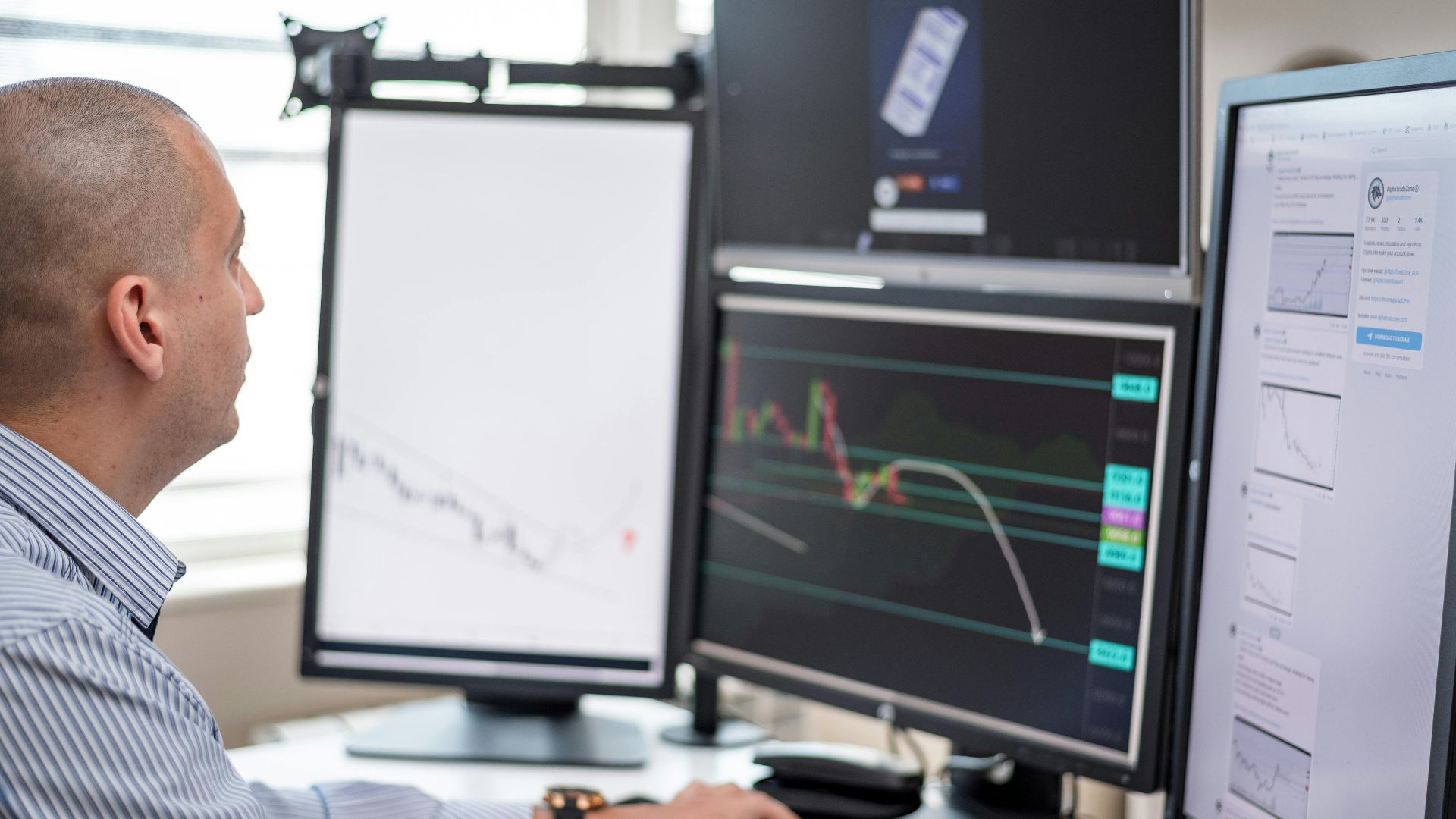
Jobs at risk are not limited to low-skill positions. In many cases, roles built around predictable analysis, routine coordination, or standardized decision-making face greater exposure than creative or client-facing work. Vulnerability now hinges on task structure rather than job title or education level.

Entry-Level Jobs Aren’t Disappearing—They’re Transforming
AI reduced the need for traditional junior tasks like data gathering and basic analysis. Entry-level roles still matter, but they now emphasize oversight and collaboration. New workers are expected to make judgments sooner rather than learn slowly through repetitive assignments.

Career Ladders Have Started Bending And Breaking
Linear career paths gave way to lateral moves, project-based growth, and skill pivots. Advancement no longer follows a fixed timeline, as workers often move sideways to stay relevant. To many, building diverse experiences instead of climbing predictable steps within a single function makes more sense.

Credentials Still Open Doors, But They Don’t Keep Them Open
Degrees continue to help candidates get interviews, yet long-term success depends on ongoing performance and learning. Employers increasingly focus on current capabilities rather than past education. They treat credentials as a starting signal instead of lasting proof of value.

Learning Speed Emerges As A Competitive Advantage
The ability to absorb new tools, adapt workflows, and apply knowledge quickly now separates high performers. Fast learners respond better to change and remain useful as roles evolve. Adaptability has become a measurable and valuable workplace skill.
Workers Feel Pressure Without Clear Direction
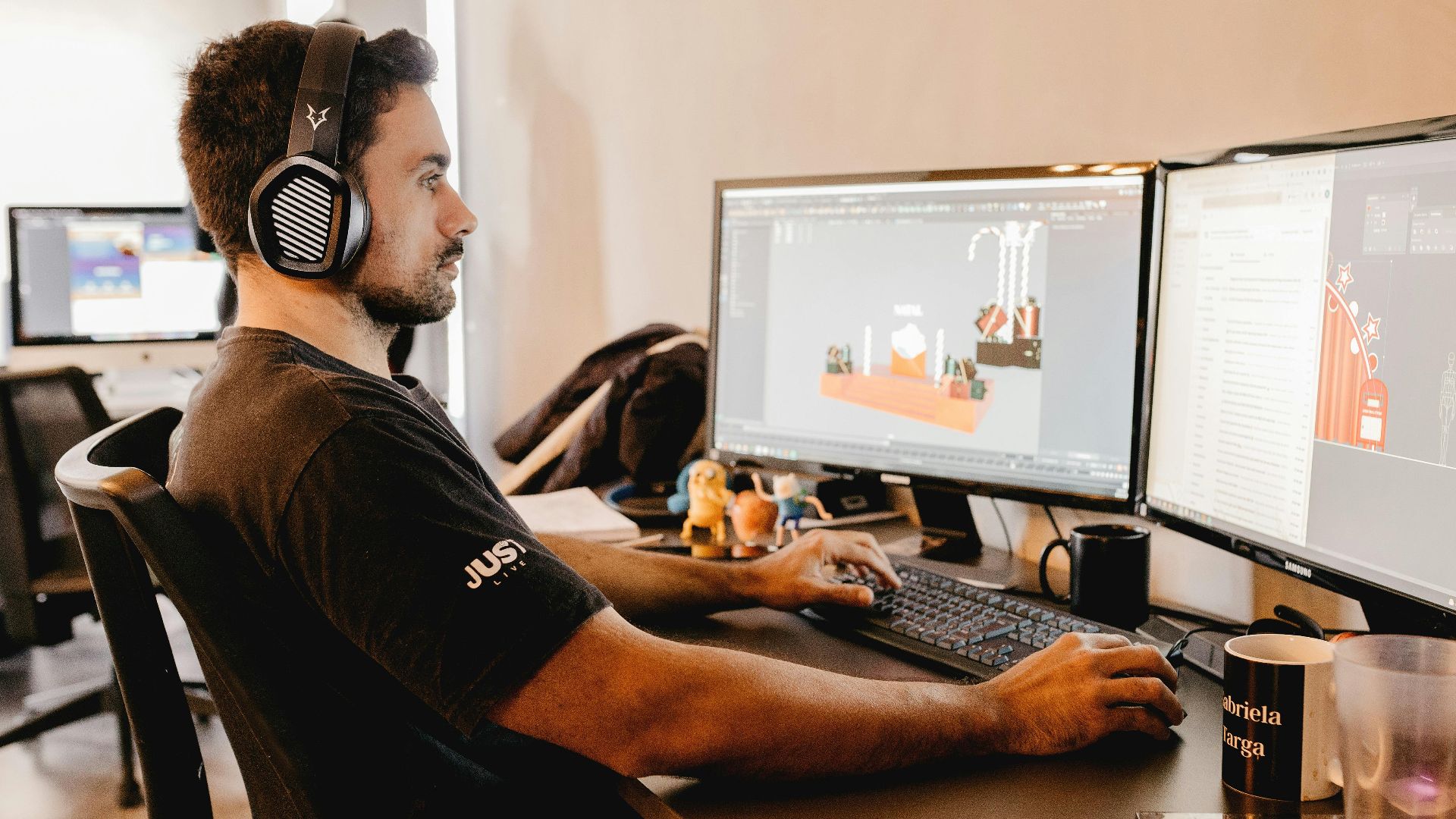
Many employees recognize the need to reskill but lack guidance on what to learn next. Rapid change creates uncertainty when job expectations shift faster than training programs. Workers are left to tackle evolving demands without clear institutional support.

The Deeper Fear Has Become Long-Term Irrelevance
Job loss isn’t the only concern. Many workers fear falling behind gradually, watching their roles shrink or lose importance. That anxiety reflects a broader shift, where staying relevant requires continuous effort rather than relying on experience alone.

Companies Have Started Valuing Adaptability Over Stability
Employers increasingly prioritize employees who adjust quickly over those who simply maintain consistency. Rapid market shifts and changing client needs reward flexibility. Adaptable workers help organizations respond faster and avoid being locked into outdated processes or rigid job definitions.

Reskilling Has Quietly Become Part Of The Job
Learning is no longer an extra benefit or side project. If you still have the same skill you had 5 years ago, you’re at risk. Many roles now assume workers will regularly update skills and methods. This expectation often appears informally, embedded in performance reviews and day-to-day responsibilities rather than explicit job descriptions.

Employers Have Realized Learning Couldn’t Be Optional Support
Companies are discovering that expecting self-directed learning without resources leads to burnout and attrition. To remain competitive, many now invest in AI literacy programs and structured development paths. Workforce adaptability directly affects productivity and long-term resilience.

Careers Are Now Modular, Nonlinear, And Ongoing
Modern careers increasingly resemble evolving portfolios rather than fixed paths. Workers combine roles and skills over time, adapting as industries change. This modular approach allows reinvention but requires active planning and comfort with uncertainty across long professional lifespans.

Staying Curious Is The New Job Security
In an AI-driven economy, curiosity functions as protection. Those who ask questions and challenge assumptions stay relevant longer. Curiosity fuels learning speed and problem-solving to help individuals remain valuable even as specific technologies and industries continue shifting.