Change Starts Carrying Stories
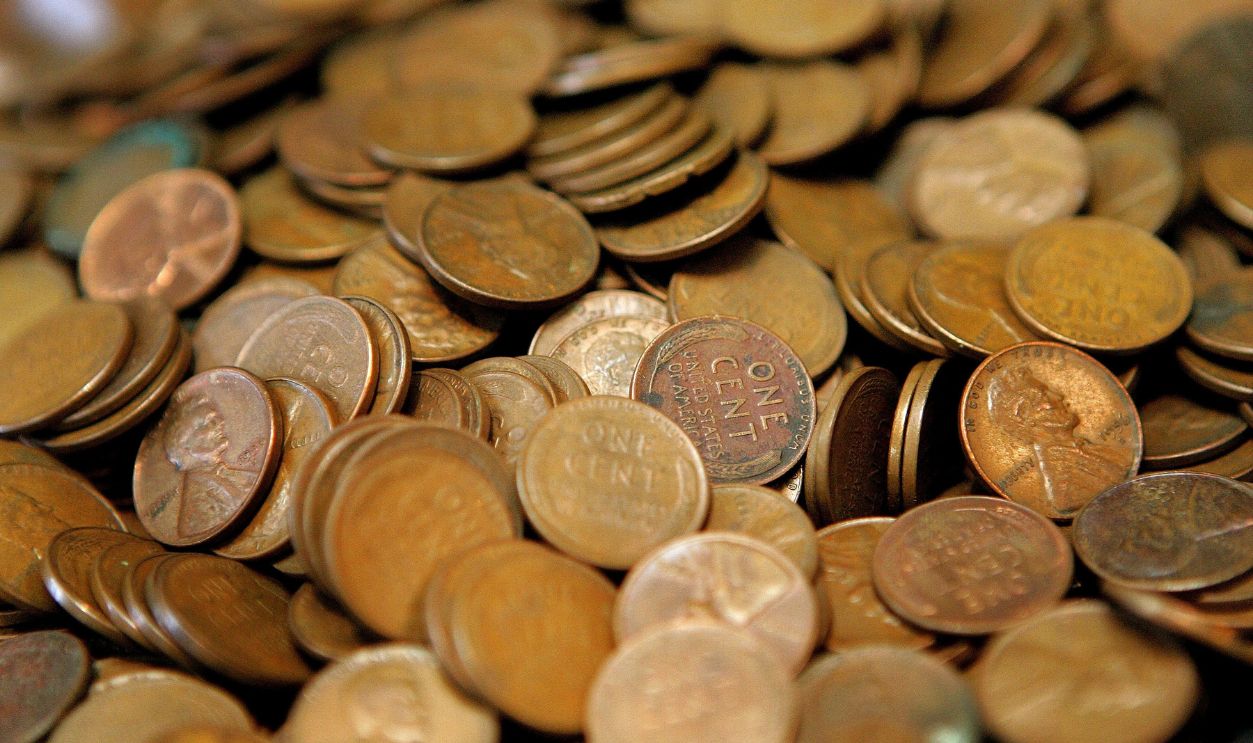
Most people never looked twice while spending them. Decades passed, stories piled up, and suddenly those small copper circles started carrying weight and value that people are willing to pay hundreds for. Sometimes, thousands.
The Humble Beginnings Of The Wheat Penny
Back in 1909, the wheat penny entered circulation to honor Abraham Lincoln’s centennial, and it wasn’t just spare change. Pushed by Theodore Roosevelt’s vision for beautiful money, Victor David Brenner’s wheat design brought together symbolism and artistry to set the stage for lasting collector fascination.
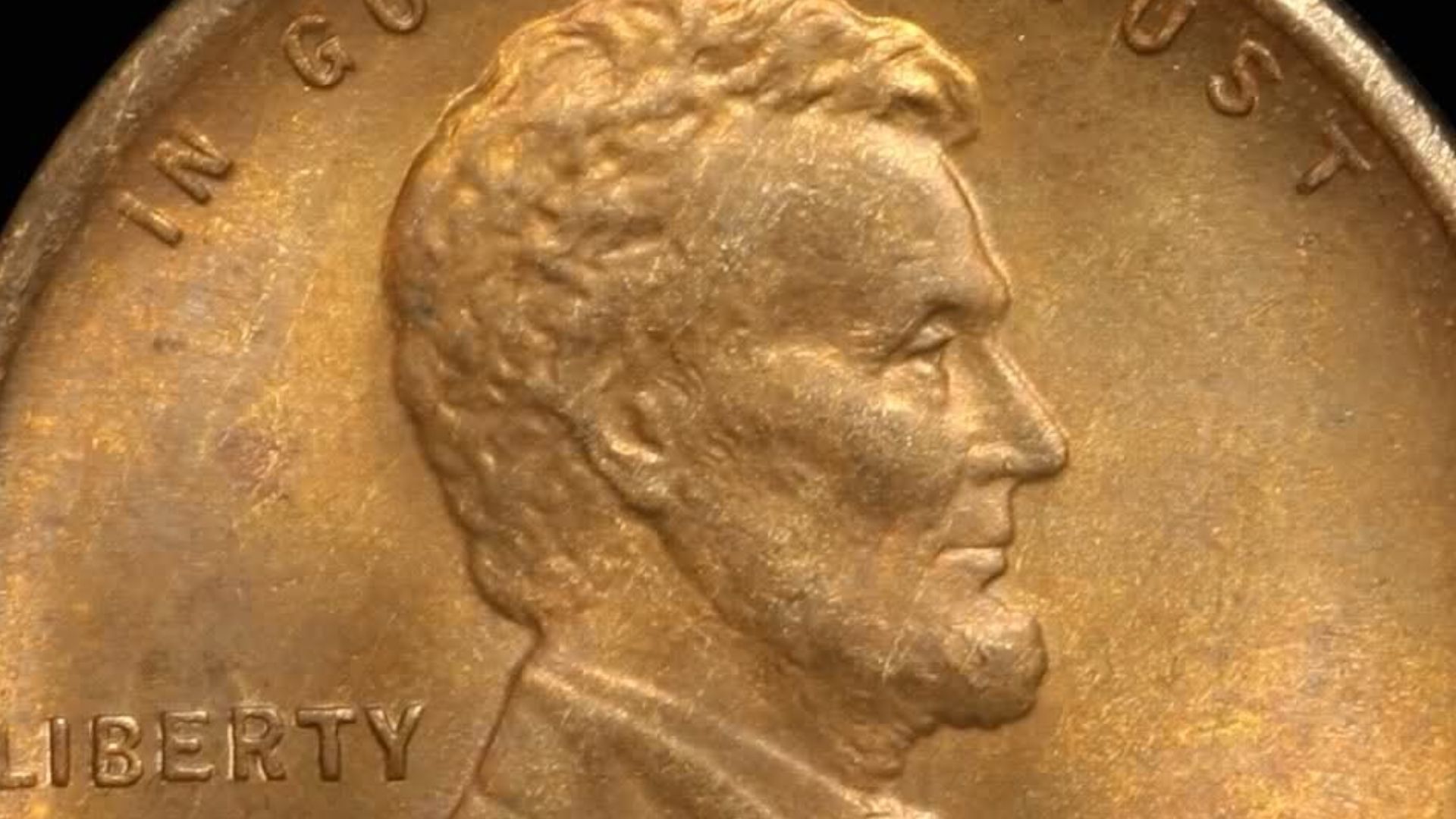 Coin: Victor David Brenner, Image by Lost Dutchman Rare Coins, Wikimedia Commons
Early Minting And Public Reception
Almost immediately, the penny made waves. Brenner’s bold “VDB” initials sparked public debate, then vanished, accidentally creating some of today’s most valuable varieties. Meanwhile, San Francisco’s limited output added scarcity. Pristine survivors also slowly became collector's gold with time.
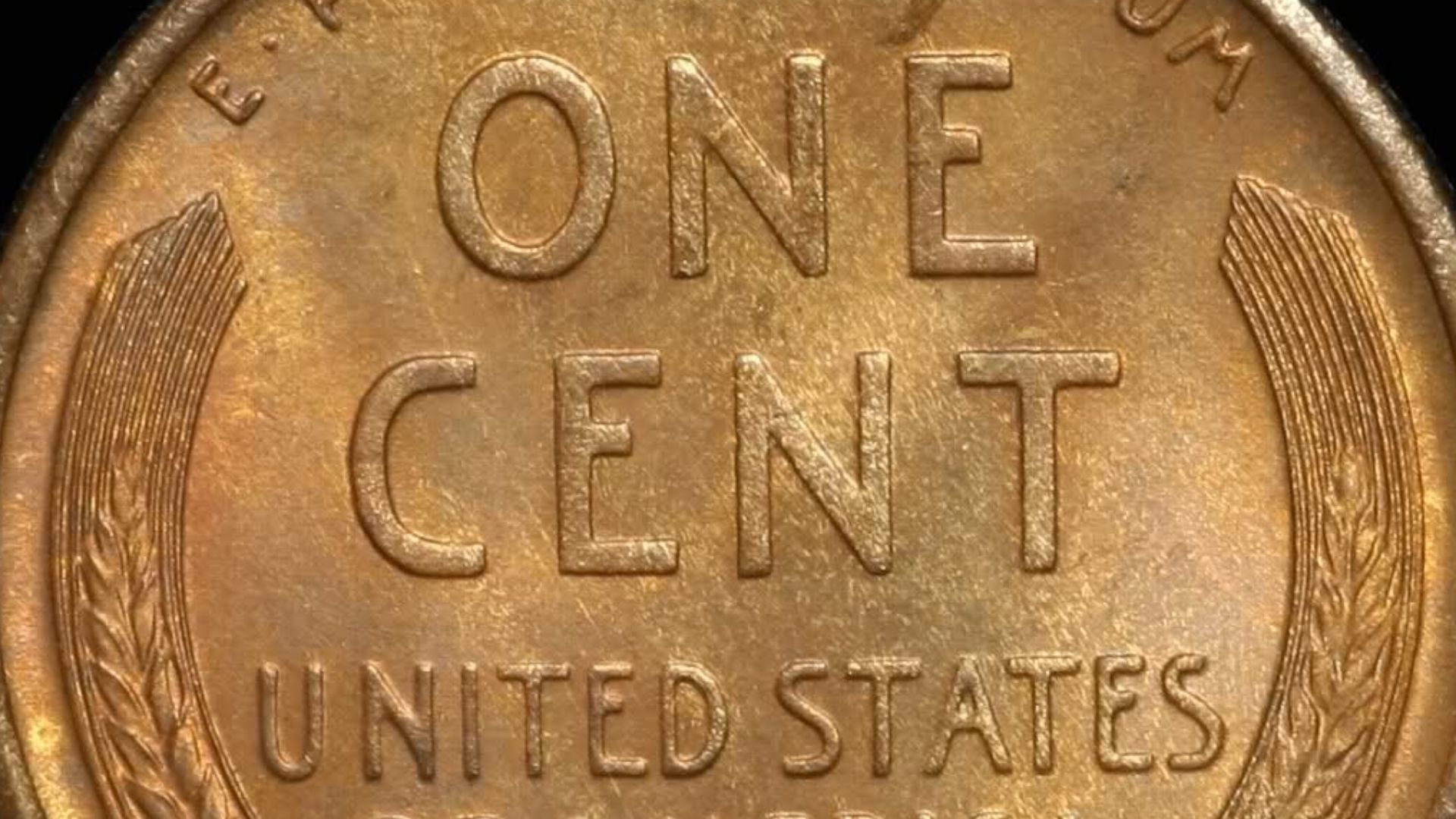 Coin: Victor David Brenner, Image by Lost Dutchman Rare Coins, Wikimedia Commons
Economic Boom Of The 1910s
As the US economy surged in the 1910s, wheat pennies poured into daily life, with mintages soaring. Ironically, that abundance made rarities stand out even more. Lower-output branch-mint years quietly gained importance, while kids casually spent pennies that would later be known as prized collectibles.
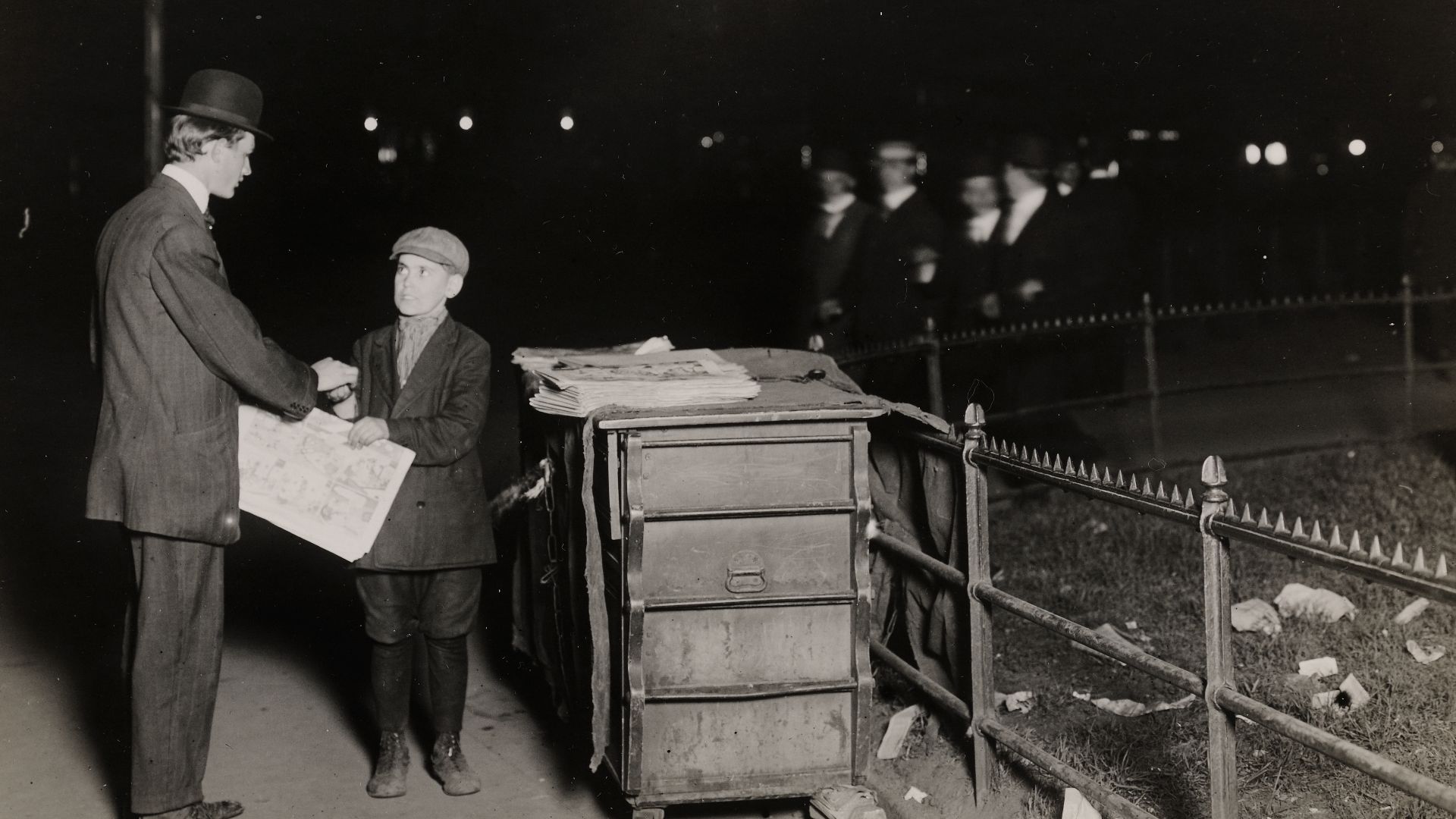 Preus museum, Wikimedia Commons
WWI’s Influence On Production
When the WWI began, even making pennies got harder. Copper was needed for the war, so the Mint worked with less material and tighter limits. That’s when mistakes happened. Errors like the 1917 doubled-die penny slipped through, and today, those “oops” moments are valuable reminders of conflict-ridden America.
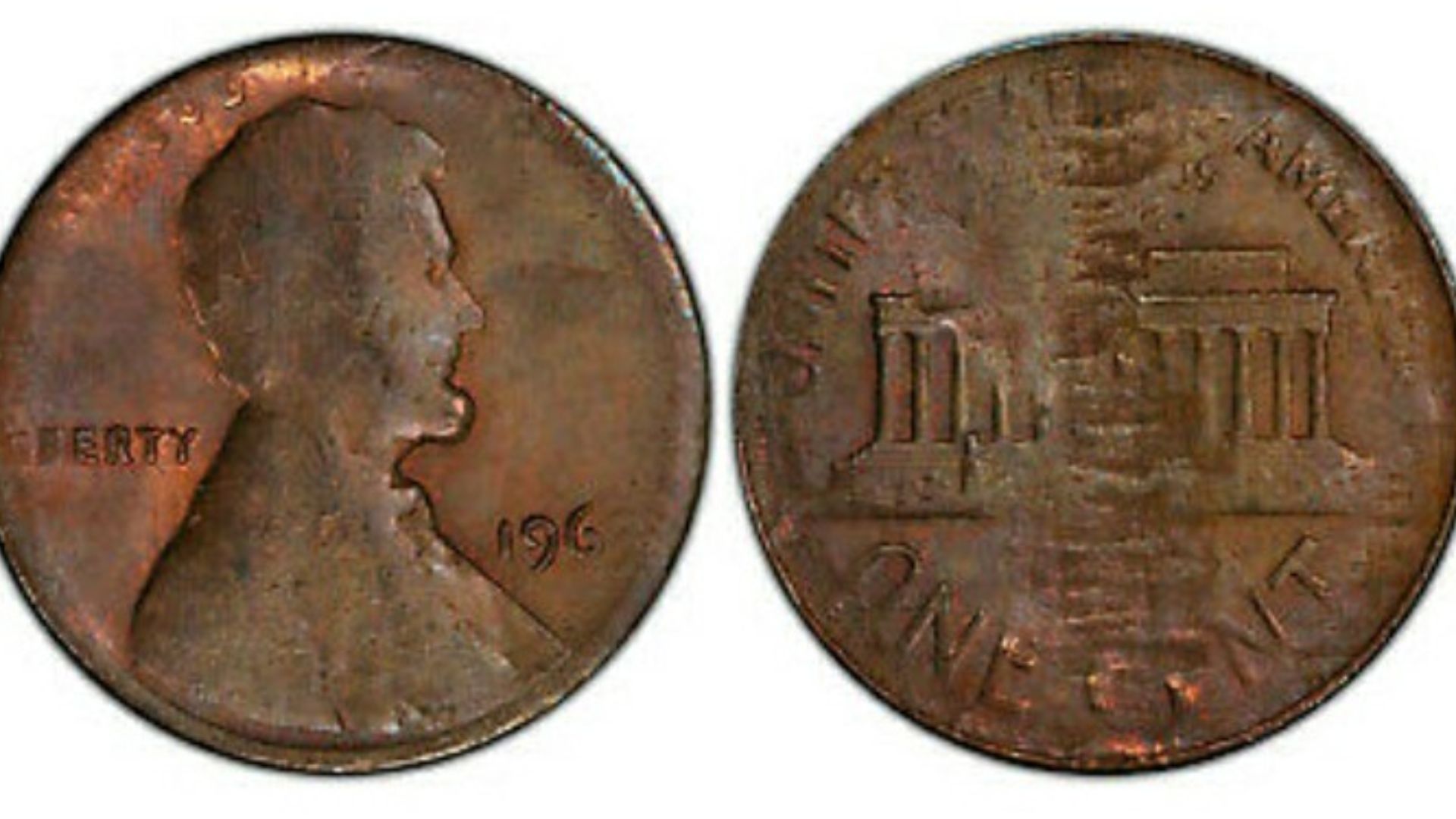 Patriot62371, Wikimedia Commons
The Roaring 20’s Overabundance
Money was flowing, and pennies were everywhere. The Mint also pumped out huge numbers, which made most wheat pennies feel common. But rushing production caused problems. In 1922, some Denver pennies lost their mintmark entirely, turning an everyday coin into a rare collector's find.
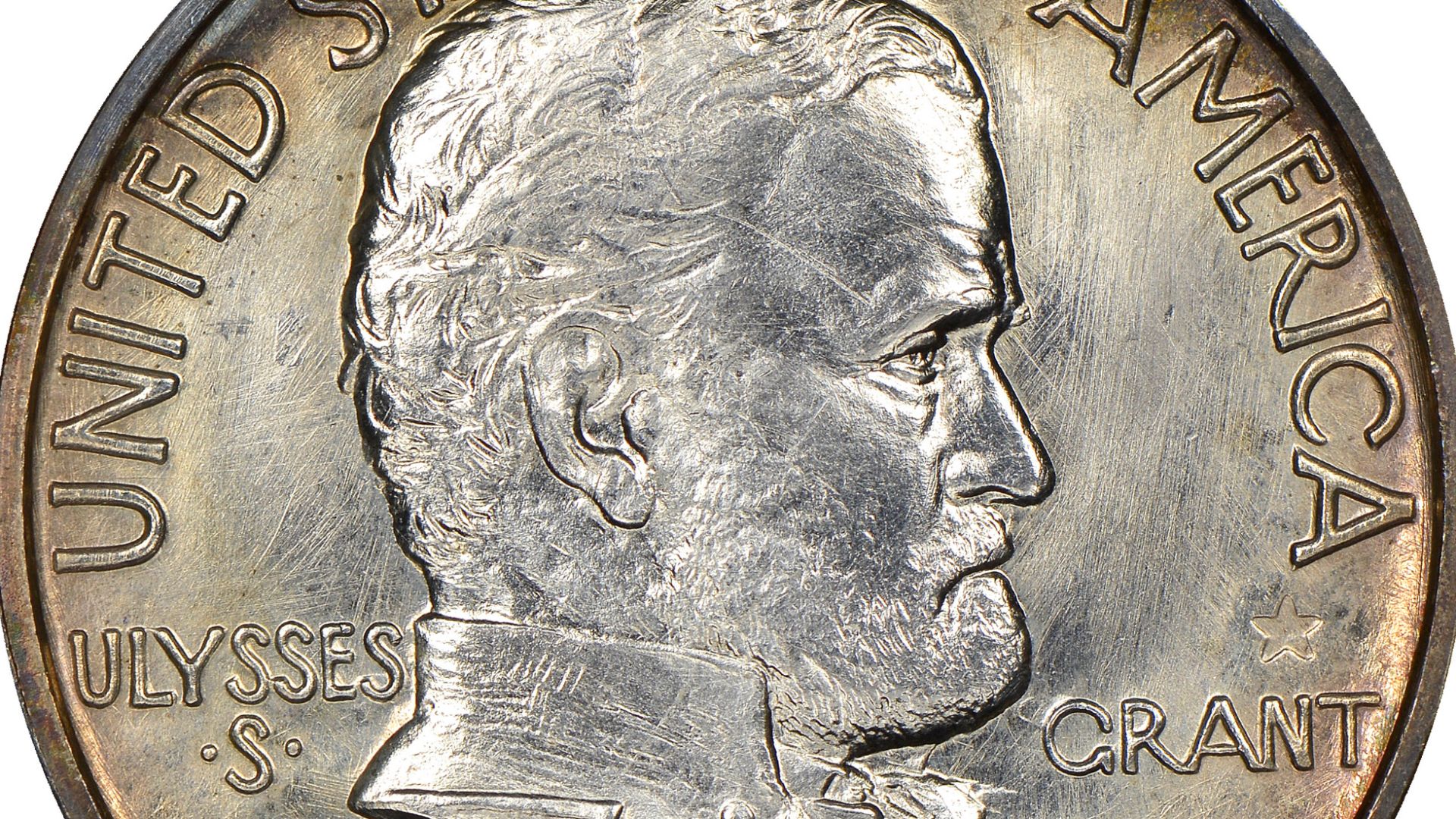 United States Mint/Laura Gardin Fraser, Wikimedia Commons
Prohibition And Economic Shifts
During Prohibition—the 1920s period when alcohol was illegal in the US—the economy shifted in uneven ways. Cash moved quickly through underground businesses, while broader post-WWI slowdowns affected mint operations nationwide. In San Francisco, lower production during certain years helped make pennies like the 1924-S scarcer today.
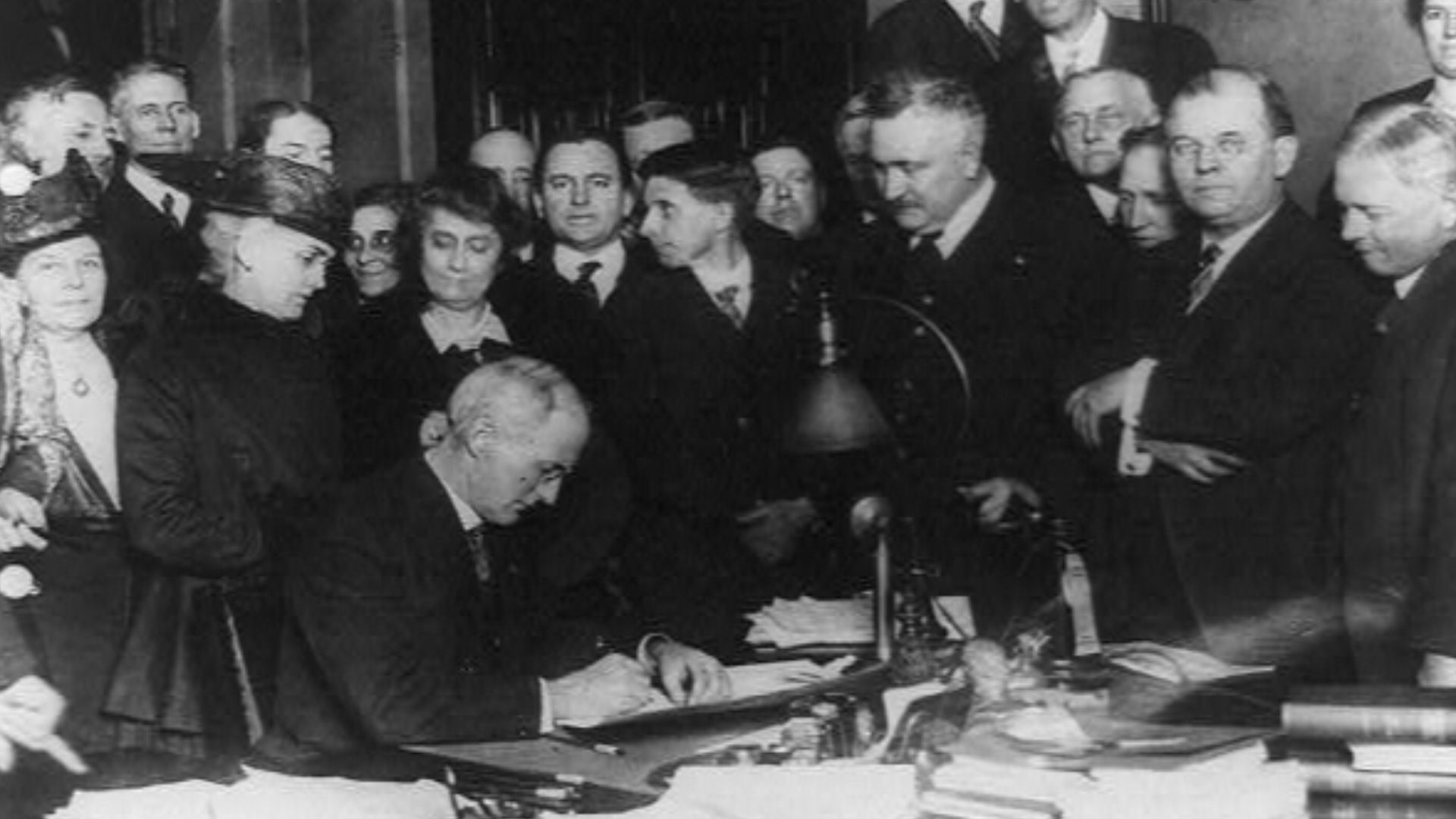 Central News Photo Service photo, Wikimedia Commons
The Onset Of The Great Depression
In 1929, the stock market crashed, and production slowed right along with the economy. Budget cuts meant fewer coins, especially at the San Francisco Mint. That’s how the 1931-S ended up scarce. Today, its value comes from representing hard times and how tightly the government had to pull back.
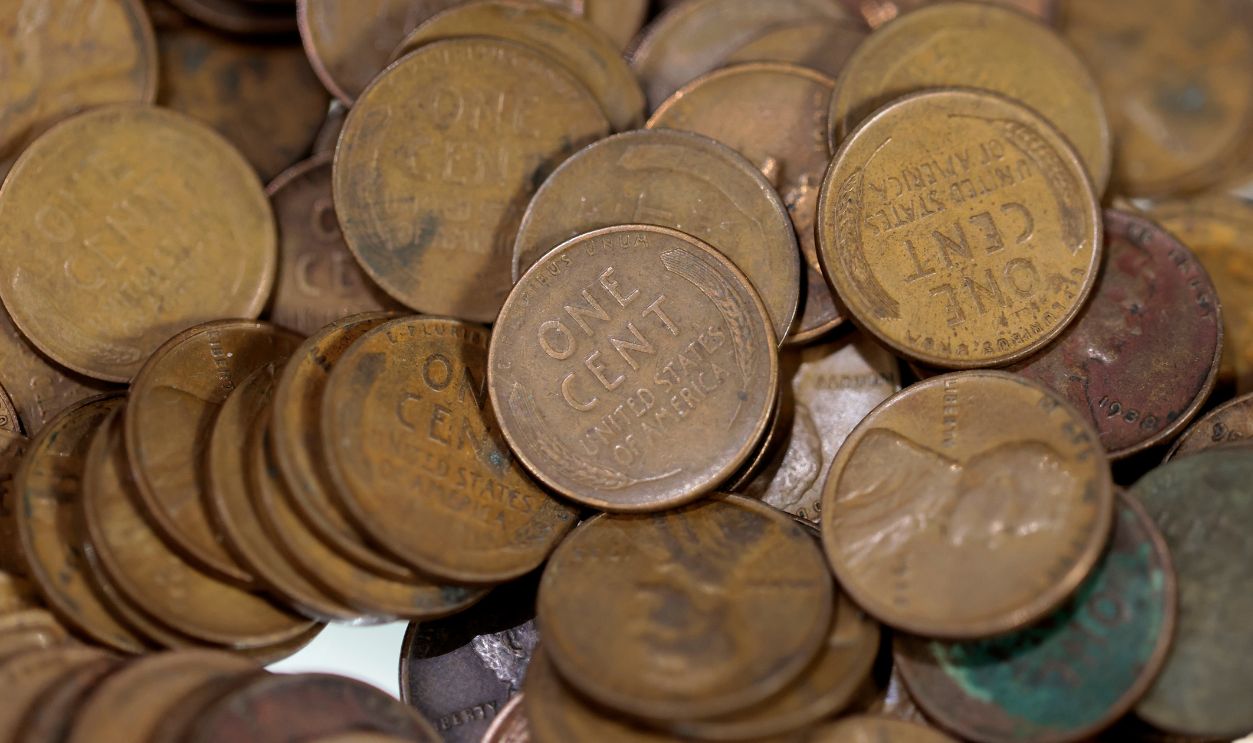
Depression-Era Survival And Circulation
Throughout the 1930s, wheat pennies worked hard. With cash in short supply, the same coins changed hands again and again, which wore them down. Fewer pennies were made in some years, like 1933. That’s why clean examples are rare today and why they carry extra value tied to survival stories.
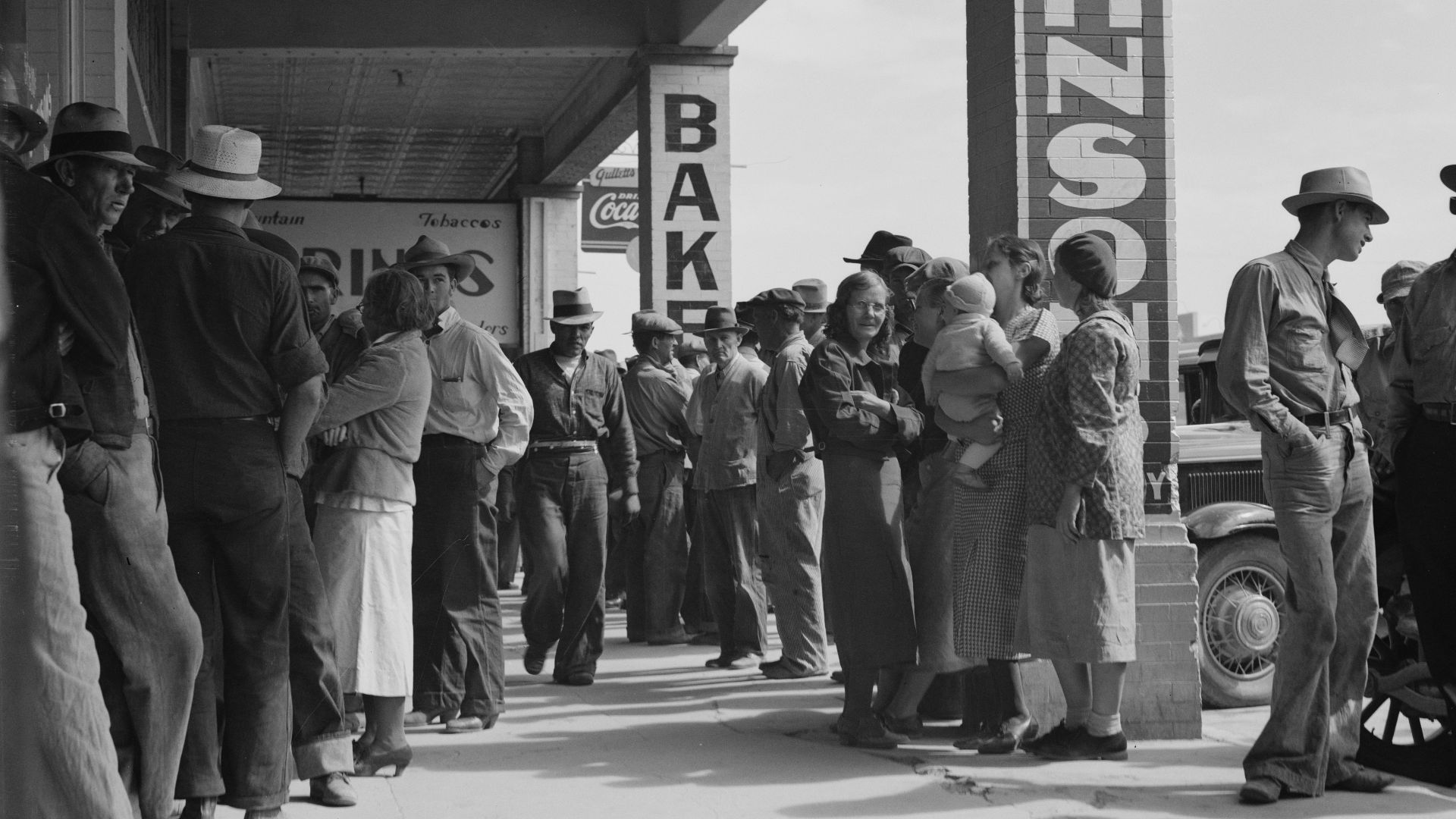 Dorothea Lange, Wikimedia Commons
New Deal Reforms And Minting Changes
As the economy slowly improved, New Deal programs helped modernize how coins were made. Even so, mistakes still happened. The 1936 doubled-die penny came from updated but imperfect machines. What once looked like a flaw now tells a recovery story.
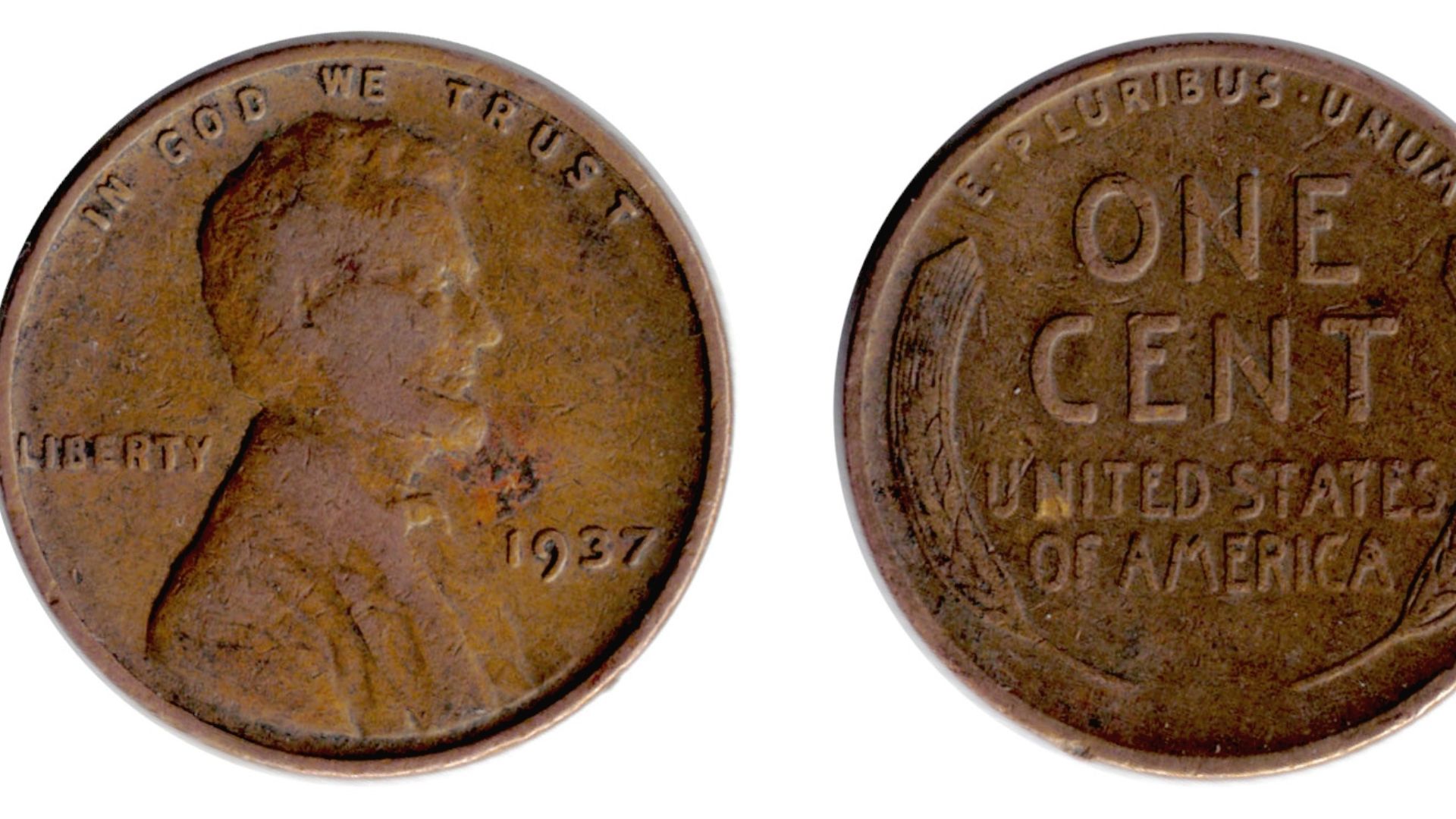 The original uploader was Mrmiscellanious at English Wikipedia., Wikimedia Commons
Pre-WWII Economic Tensions
As the 1930s came to a close, the world felt uneasy, but US coin production followed practical needs at home. The Philadelphia Mint based its output on demand and capacity. Still, production quirks, such as the 1939 doubled-die reverse, slipped through.
WWII’s Material Rationing
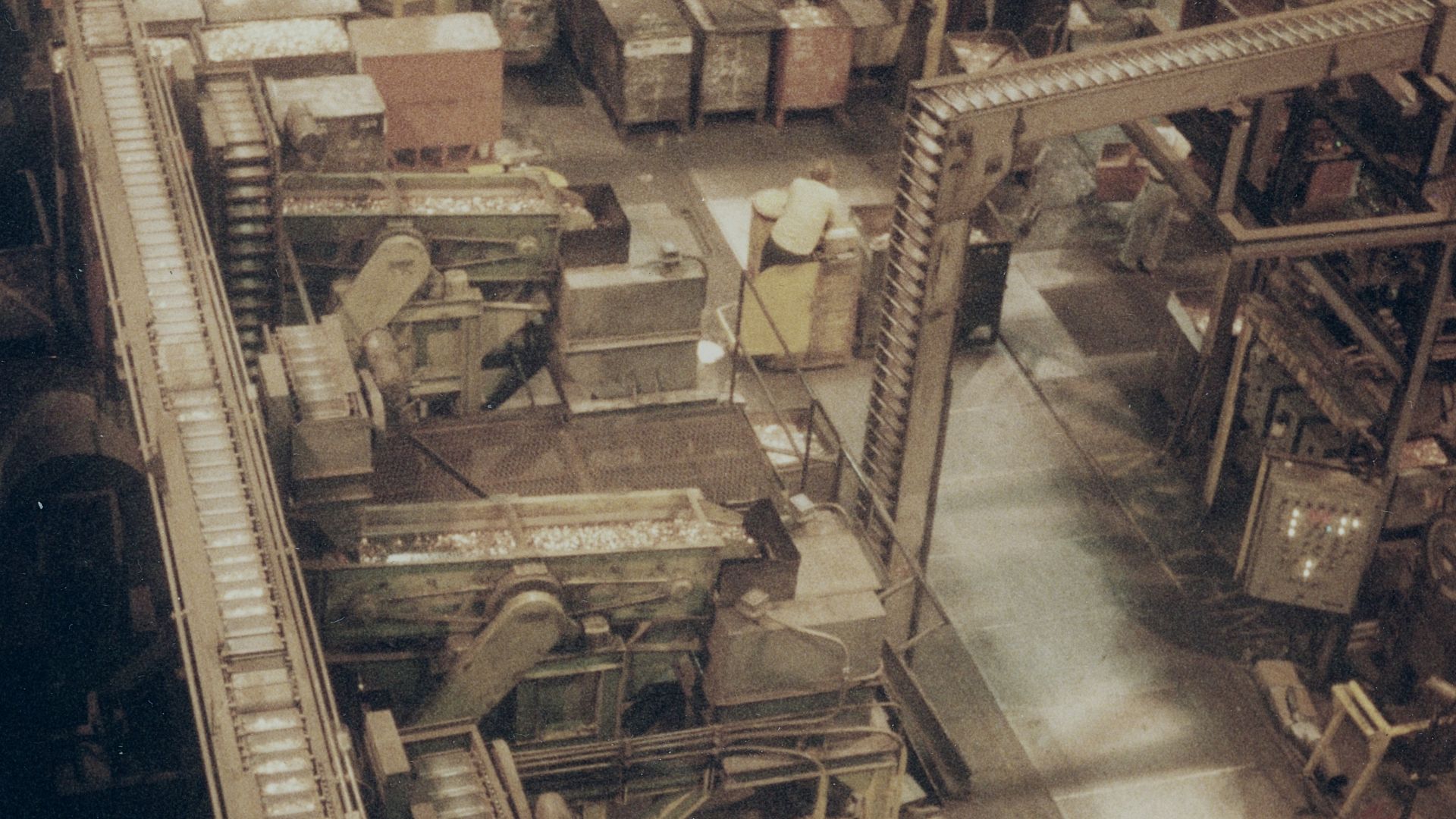
Once WWII started, copper became too valuable for pennies, as it was needed for military production. So in 1943, the US Mint switched pennies to zinc-coated steel. Unlike copper cents, steel pennies were magnetic, lighter in color, and far more prone to rust, making them easy to distinguish in circulation.
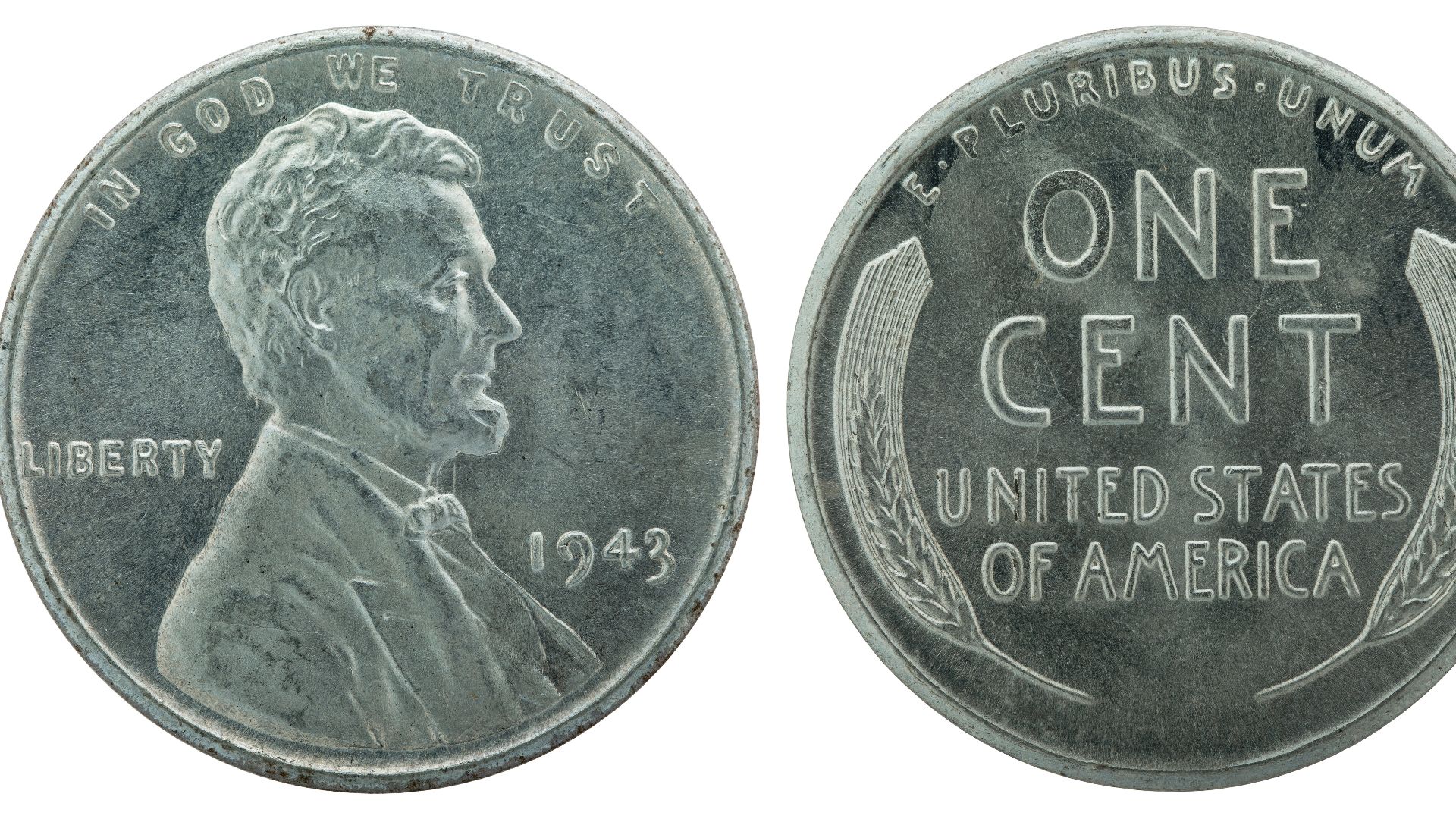 US Mint (coin), National Numismatic Collection (photograph by Jaclyn Nash), Wikimedia Commons
The 1943 Bronze Error Saga
Later, a shocking discovery surfaced: a handful of 1943 pennies had been accidentally made of copper, not steel. Fewer than 20 exist today. These coins became legends and sold for millions because they perfectly capture how one tiny mistake turned a necessity into a historic treasure.
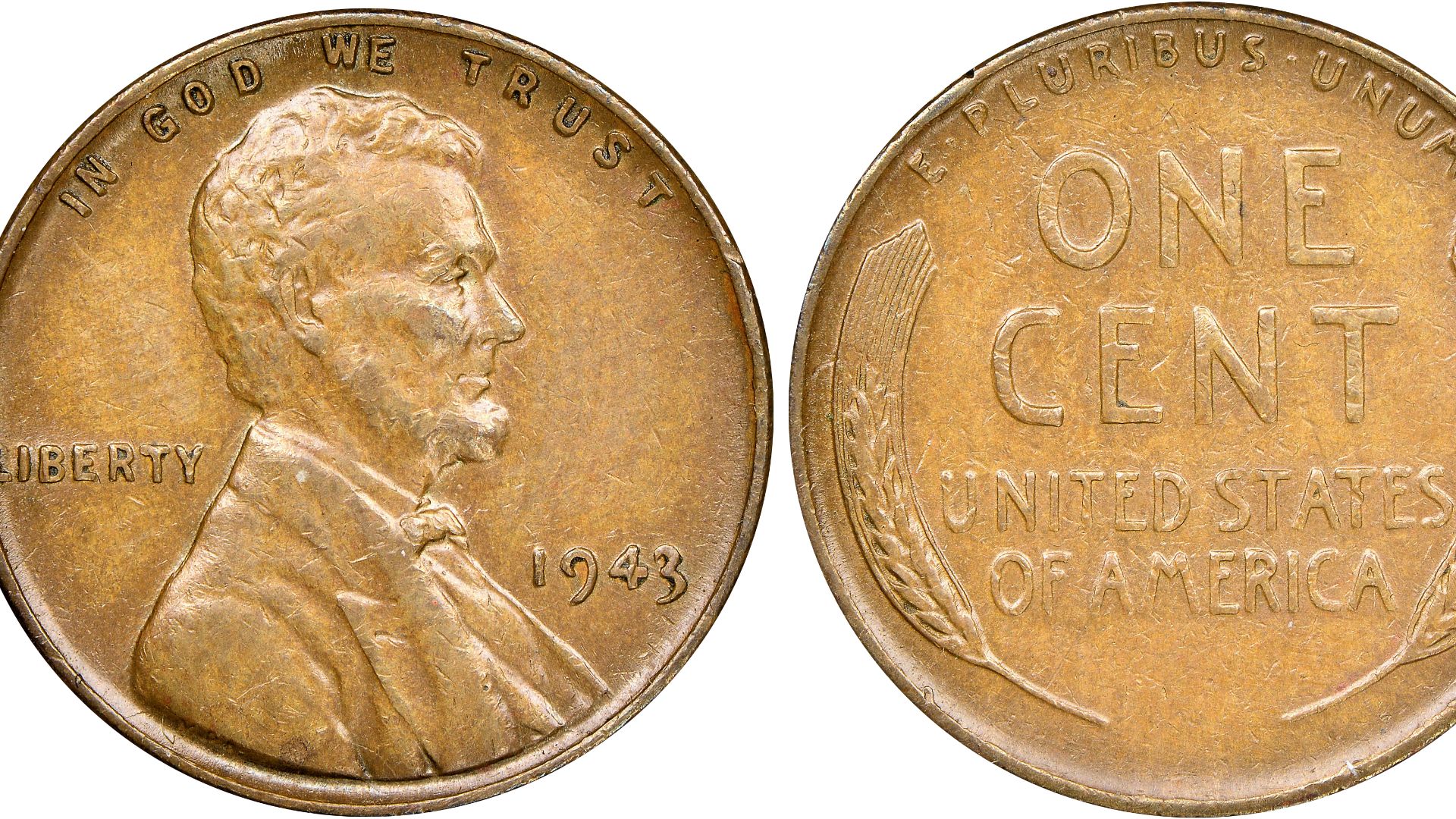
1944’s Return To Copper With Twists
Pennies went back to copper, but not without a few hiccups. The Mints (Philadelphia, Denver, and San Francisco) reused melted shell casings, and some leftover steel blanks slipped in by mistake. Those rare steel errors show how the US carefully shifted from wartime shortages back to normal production.
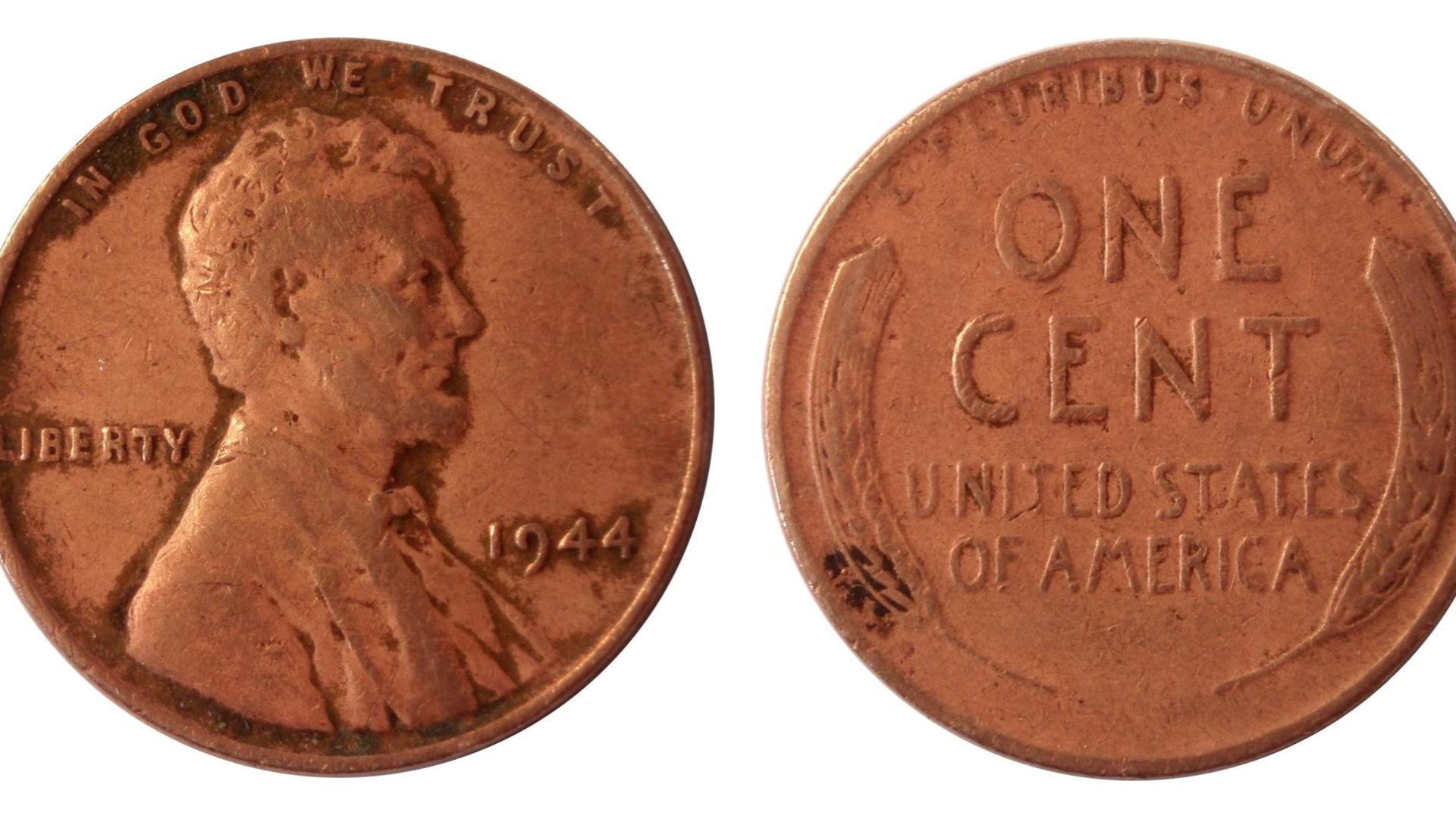 w:Nauticashades/Nauticashades, Wikimedia Commons
Post-Conflict Economic Expansion
After WWII, America’s economy took off, and pennies were produced in massive numbers. Most stayed common, but some dates stood out. The 1949-S, made in smaller quantities, gained value over time. Its worth comes from showing how different regions recovered at different speeds.
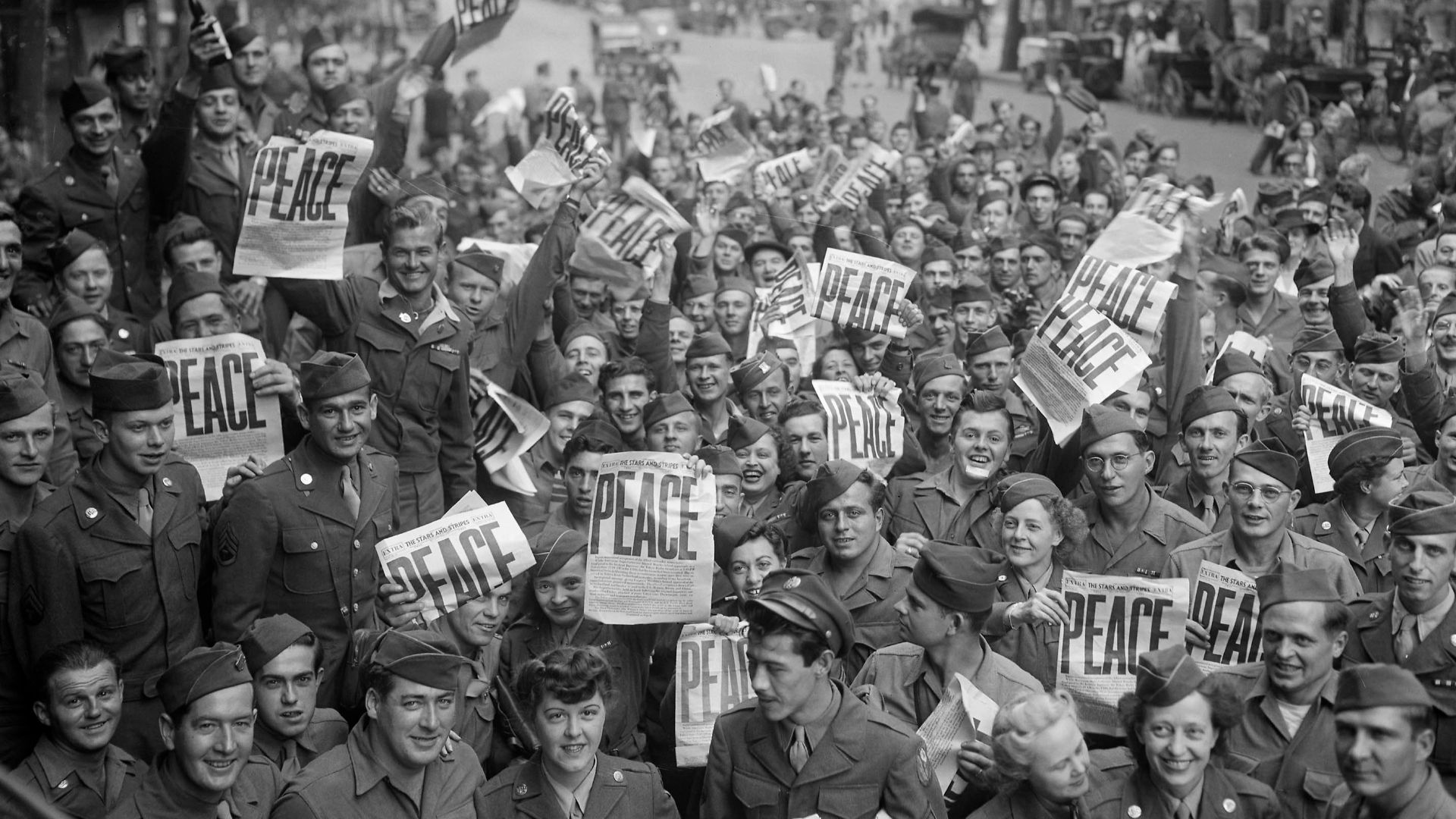 Unknown, but in Office of the Chief Signal Officer collection, Wikimedia Commons
The Korean Conflict’s Subtle Impacts
Even in the early 1950s, global tension still shaped coin production. The Korean conflict didn’t stop pennies, but it strained resources just enough to matter. Coins like the 1951-S were made in lower numbers, and today, collectors value them for reflecting another moment of quiet economic pressure.
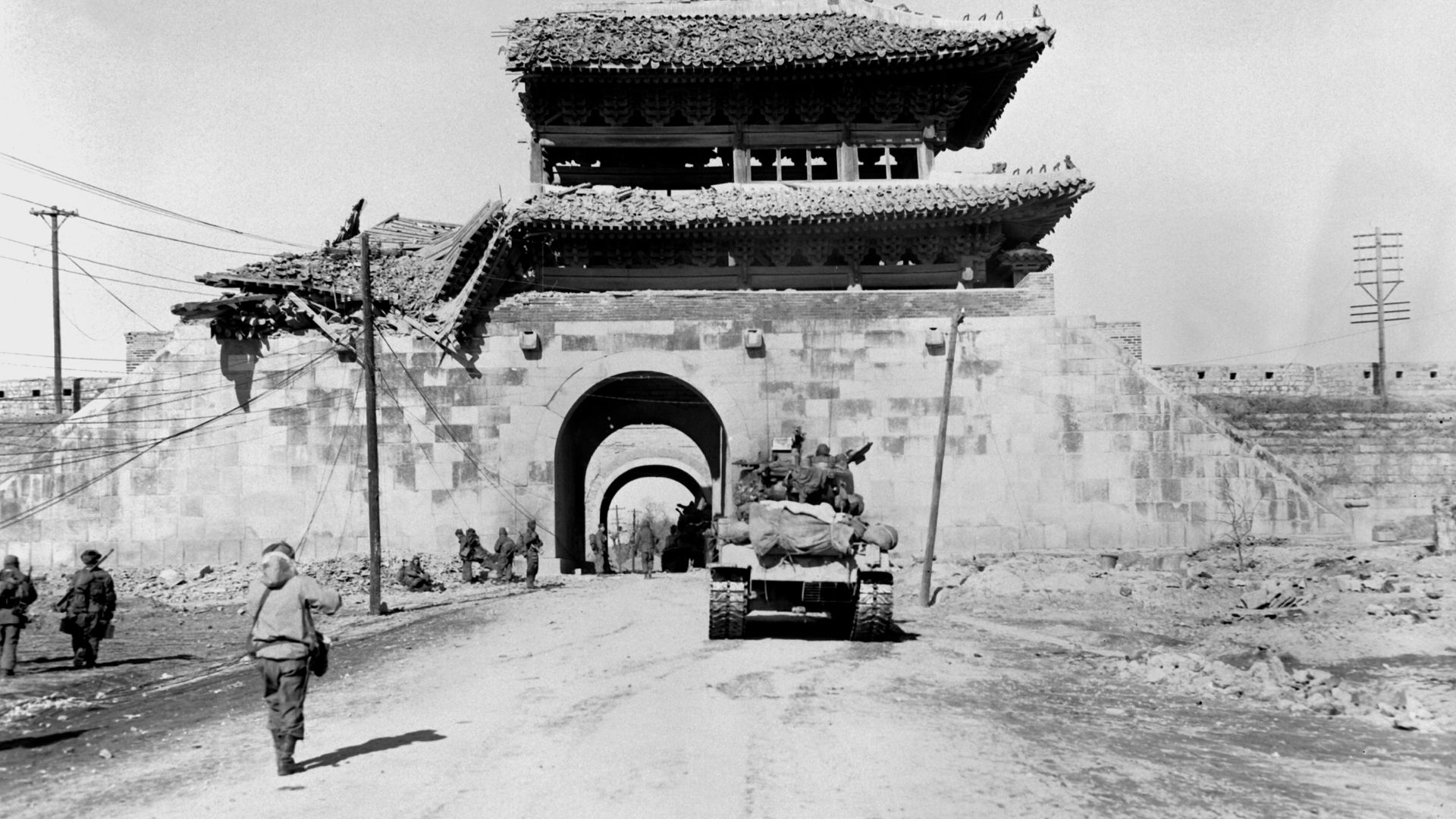 Gene Putnam; Harry S. Truman Library & Museum., Wikimedia Commons
The Iconic 1955 Doubled-Die Error
By the mid-1950s, the economy was strong, and penny production was smooth. That’s why the 1955 doubled-die stands out. A minting mistake doubled Lincoln’s features on thousands of coins. Easy to spot and hard to forget, it quickly became one of the most famous wheat pennies ever made.
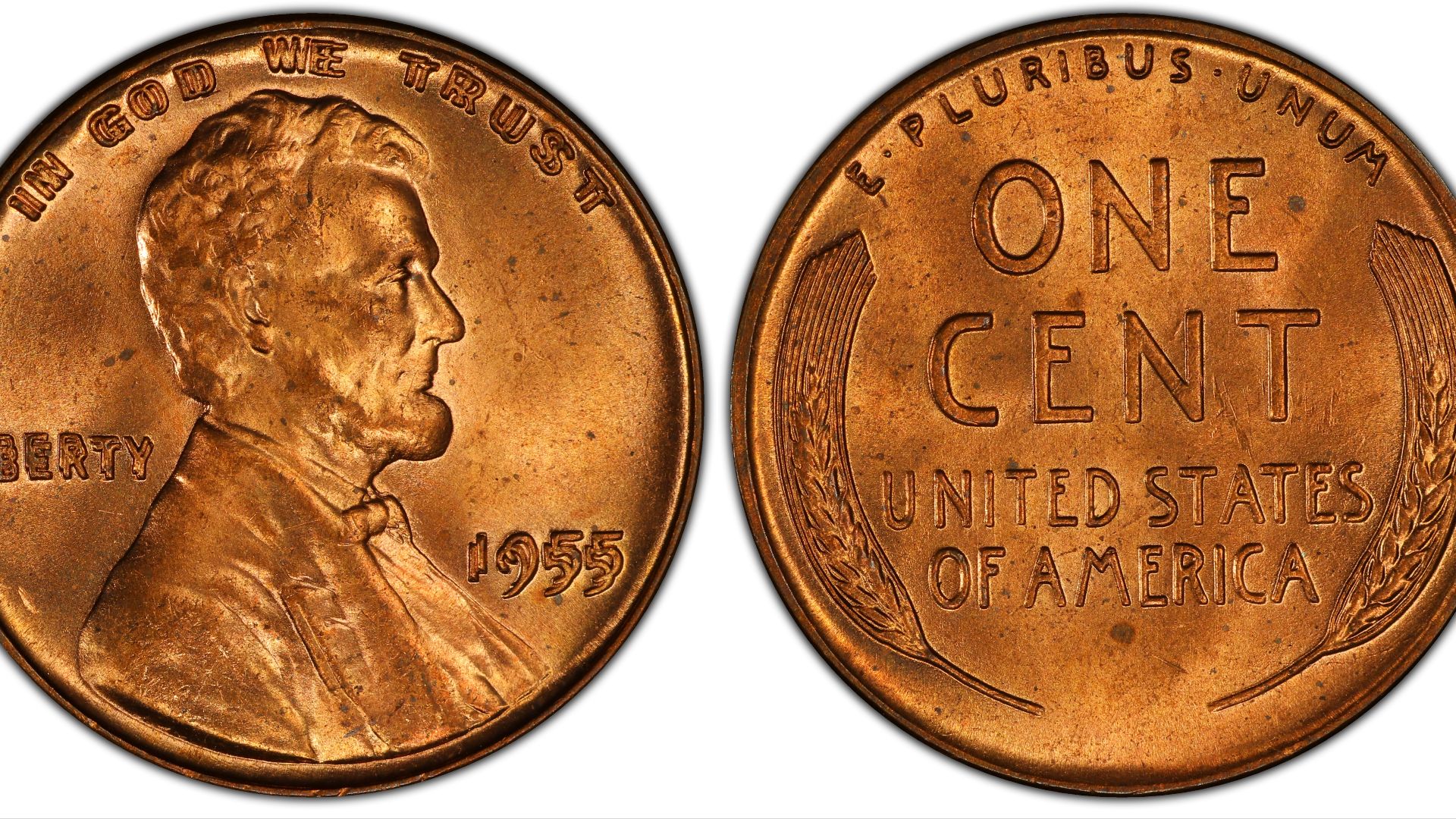 Professional Coin Grading Service, Wikimedia Commons
Late 1950s Design Twilight
As the wheat penny neared retirement, mistakes became part of the farewell. In 1958, doubled-die obverse errors appeared, which made Lincoln’s details look noticeably thicker. These flaws surfaced just before the design change, and turned old wheat pennies into sentimental, high-value collector favorites.
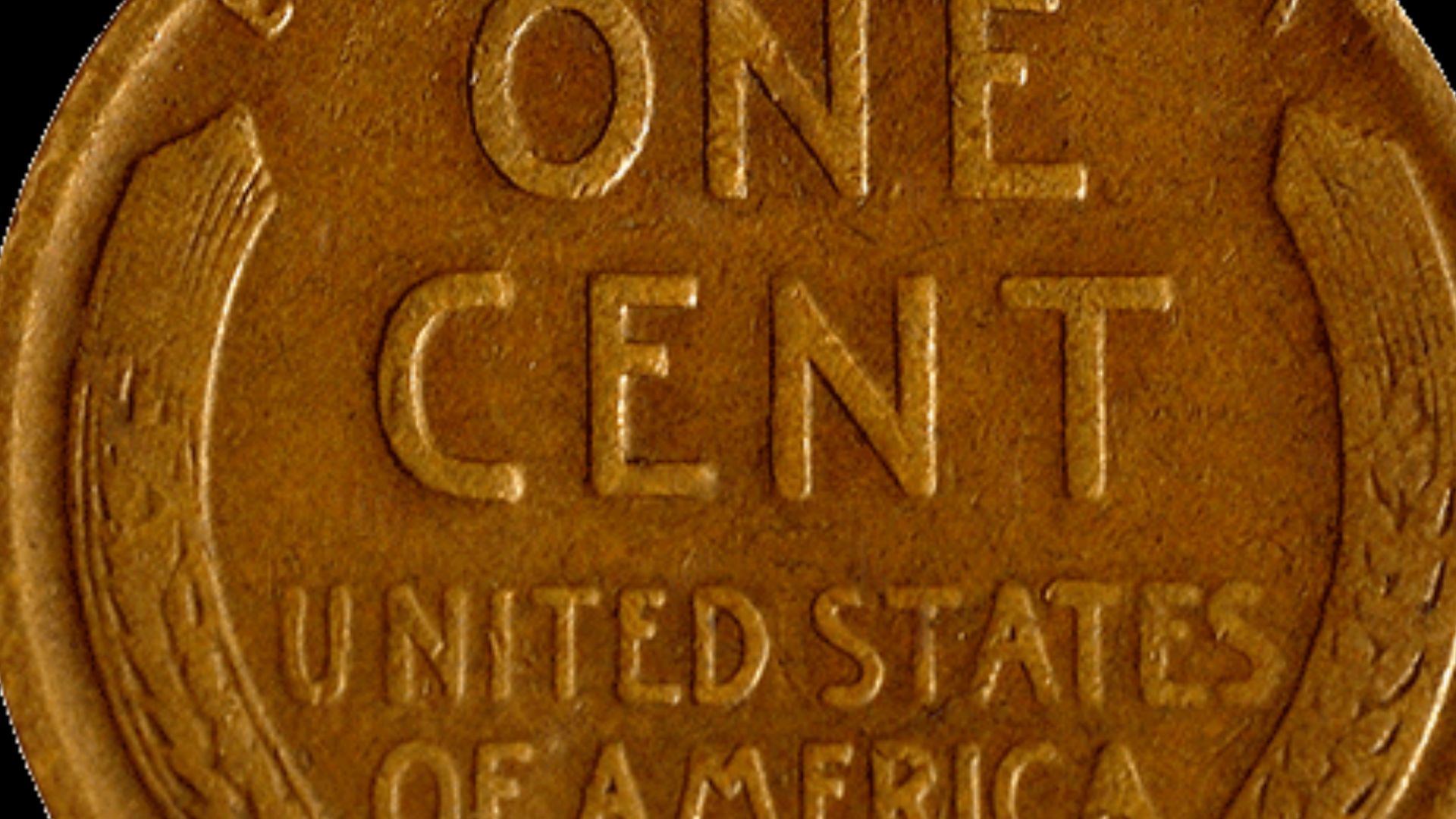 Molnar Gabor David, Wikimedia Commons
Collector Culture’s Emergence
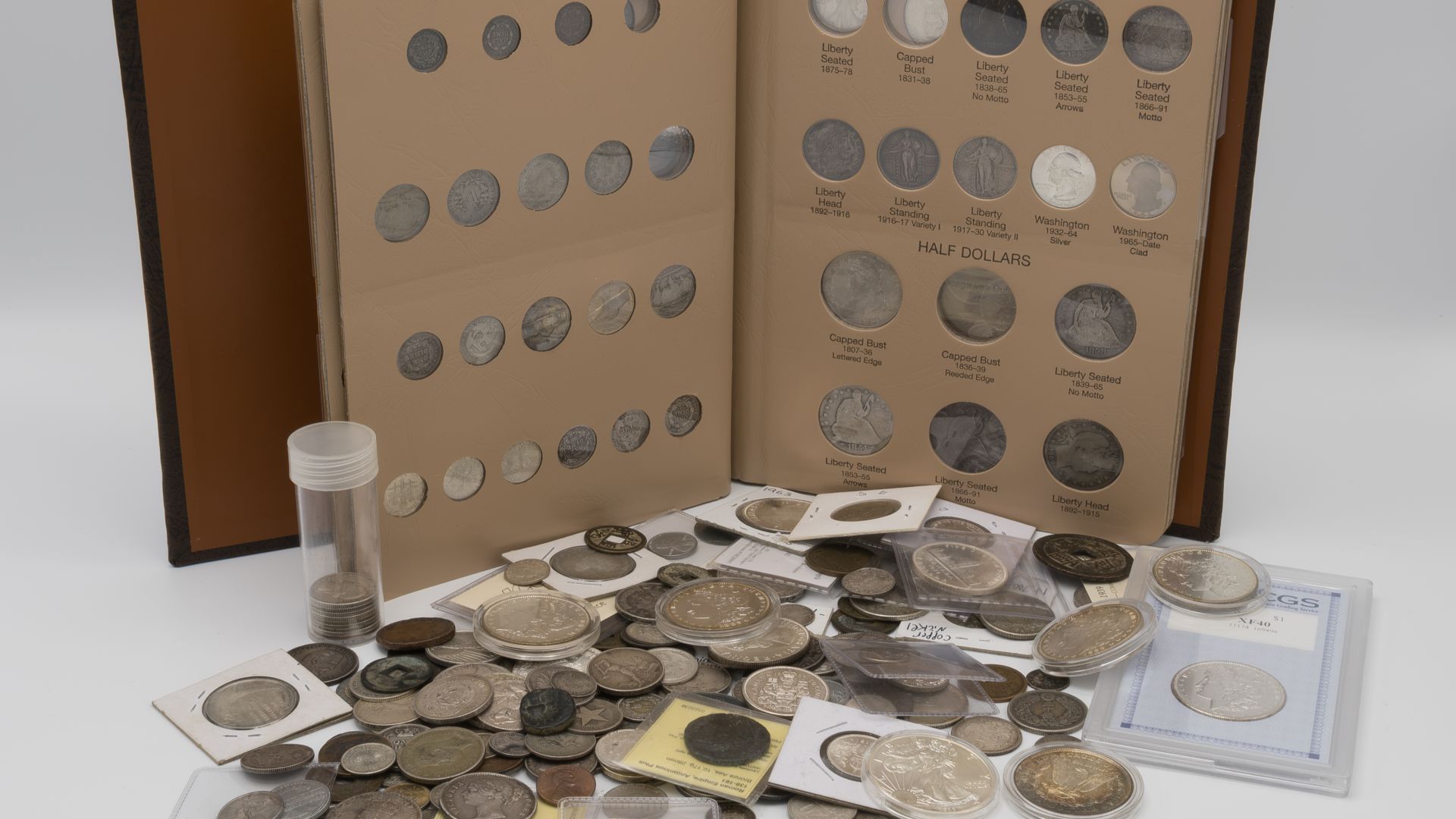
Once the wheat penny disappeared in 1959, people started paying closer attention. Coin books and price guides popped up, and collecting became mainstream. With more money to spend in the 1960s, hobbyists chased key dates. Suddenly, old pennies were investments with stories.
Grading Systems’s Standardization
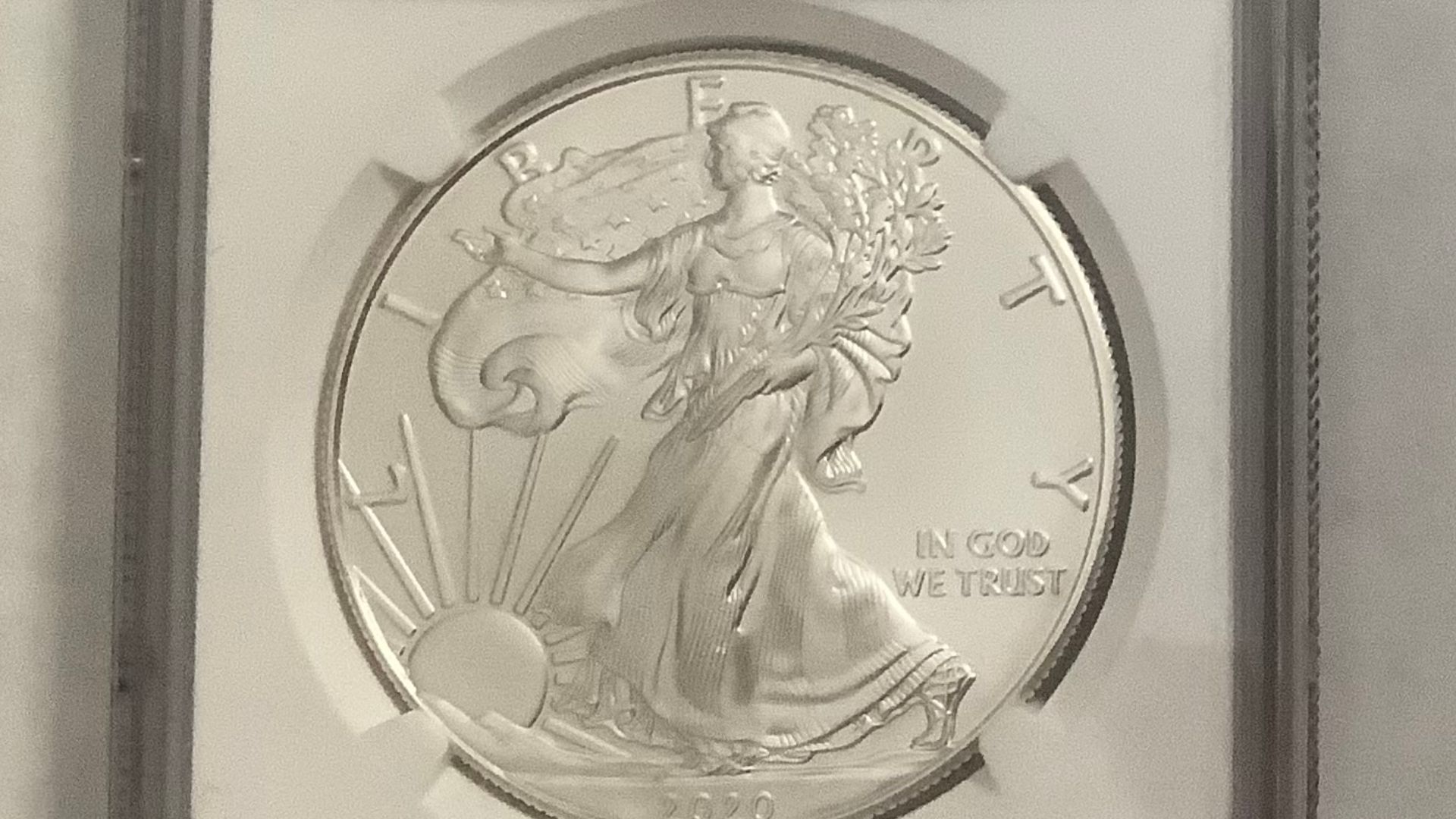
In the 1970s, coin grading finally got organized. Professional services began sealing pennies in protective cases and giving them official grades. That trust changed everything. Suddenly, condition really mattered, and top-quality wheat pennies jumped in value because buyers knew exactly what they were getting.
 Protobowladdict, Wikimedia Commons
Inflation And Alternative Investments
Around the same time, inflation made people nervous about cash. So they looked for real things to hold value, like rare coins. Wheat pennies, especially older and scarcer ones, started climbing fast. Their history made them feel safer, and many collectors joked they were a better investment than money in the bank.
 Anemonemma, Generalissima, 3df, Wikimedia Commons
Auction Houses’s Role In Valuation
Auctions changed everything once real numbers hit the headlines. In 2010, a 1943 bronze wheat penny sold for $1.7 million at Heritage Auctions. That single sale reset expectations, proving just how high collectors were willing to go—and pulling wheat pennies into the global spotlight.
 ajay_suresh, Wikimedia Commons
Digital Revolution In The 1990s
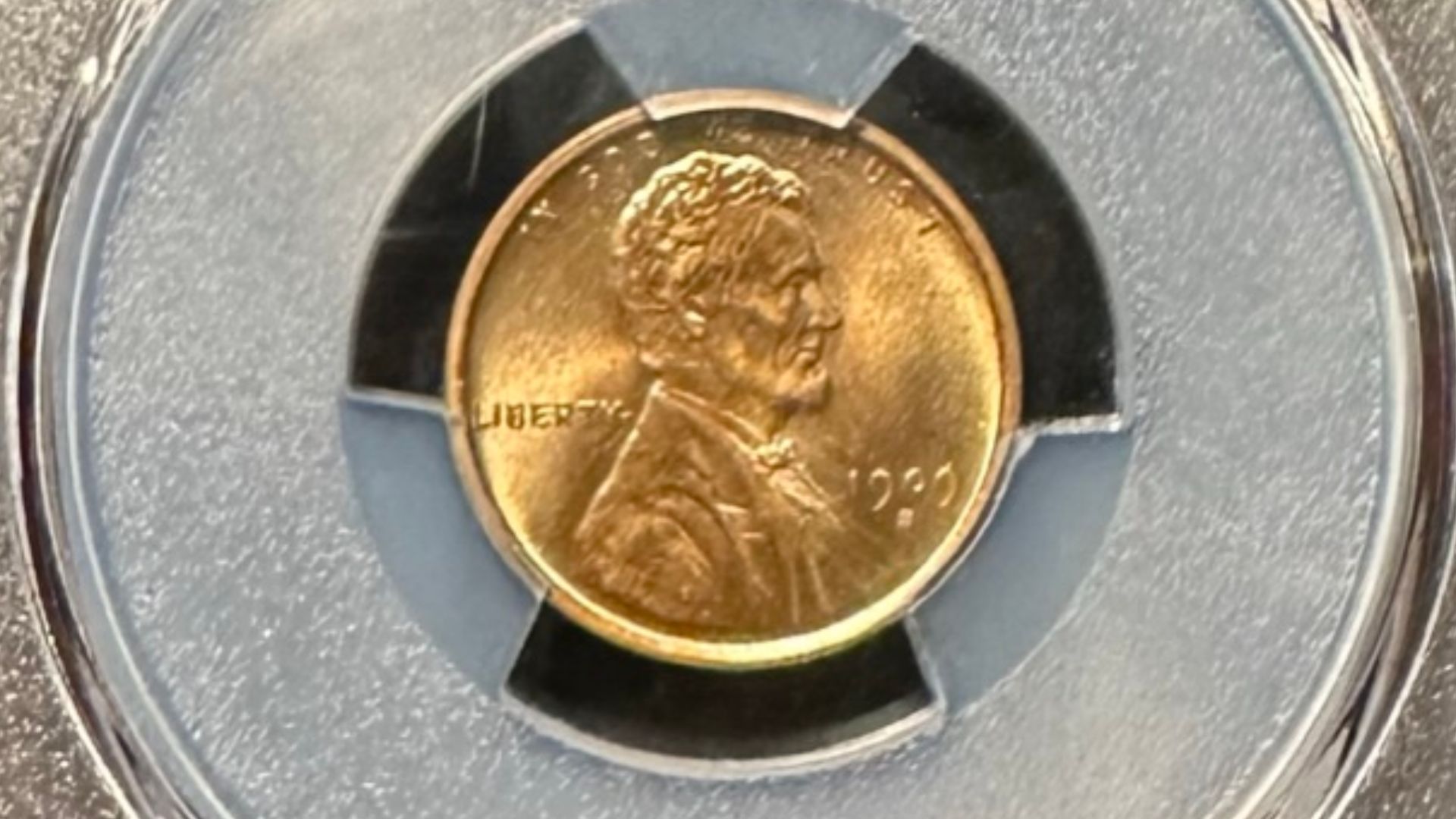
When the internet took off in the 1990s, wheat pennies found a whole new audience. Sites like eBay let everyday people sell and learn about rare coins. Suddenly, attic finds reached global buyers, and key dates like the 1909-S VDB saw demand and prices jump fast.
2000s Economic Crises And Safe Havens
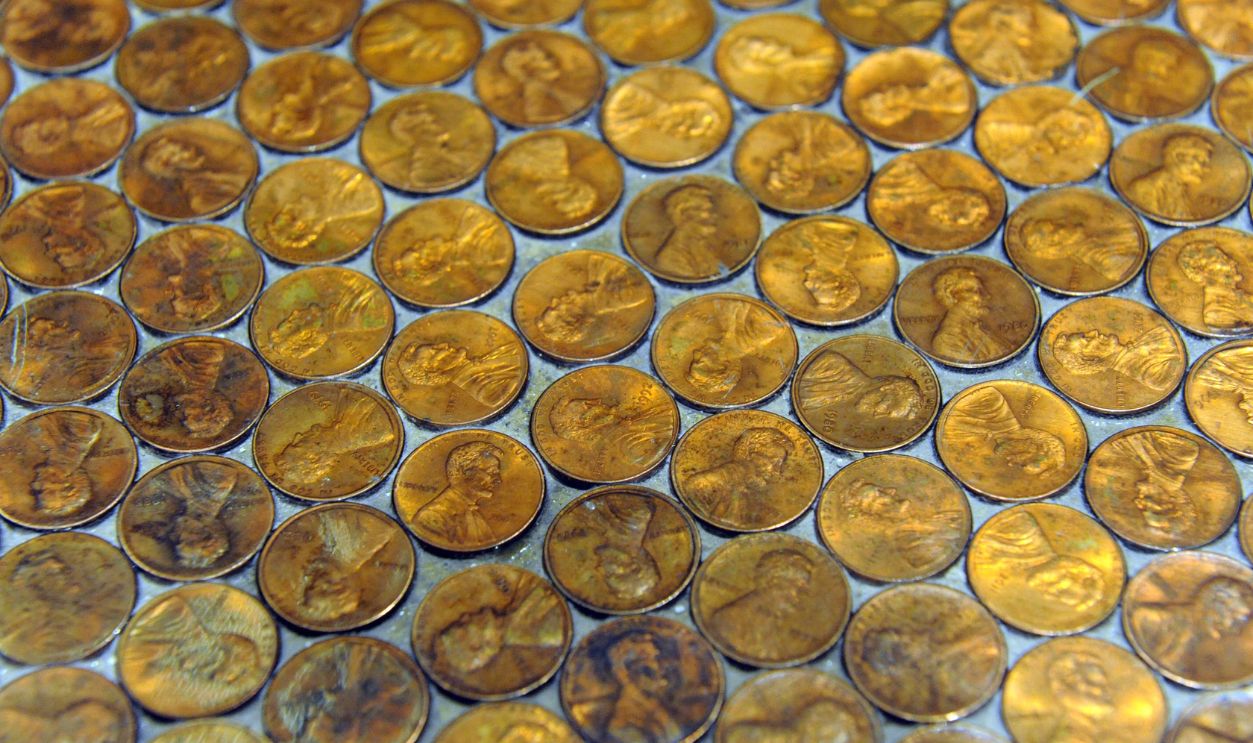
Then came the dot-com crash and the 2008 recession. Once again, people looked for things that felt solid. Wheat pennies fit the bill. Their long history and proven value made them feel dependable, especially during uncertain times. Many collectors saw them as small but steady shelters when markets felt shaky.
 Albany Times Union/Hearst Newspapers, Getty Images
Media And Pop Culture Boost
In the 2010s, TV shows and viral videos put wheat pennies back in the spotlight. Stories of rare finds sparked curiosity everywhere. As more people watched and shared, prices climbed. This proved that attention alone can make old pennies feel exciting again.

Global Collector Expansion
More recently, collectors from around the world have joined the hunt. As economies grew overseas, international buyers started chasing classic US coins. Wheat pennies, with their deep American history, suddenly had global appeal. That wider demand pushed values higher, which turned a once-local hobby into a worldwide market. The most valuable wheat pennies, such as the 1943 Bronze (D & S mints), can be worth as much as $1,000,000.