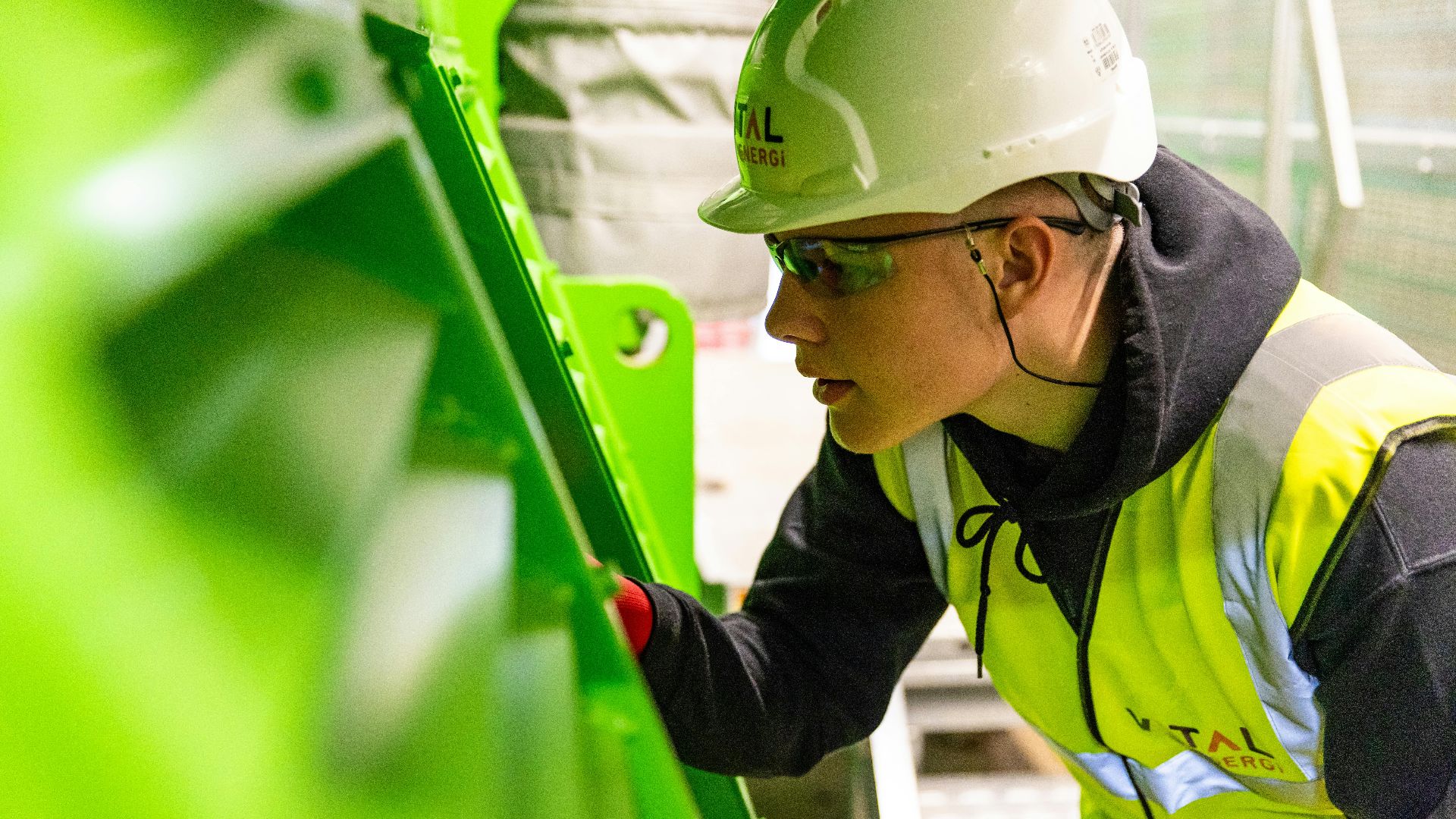
Work Transformed By Technology
Digital systems and smart machines are changing how work gets done. Roles based on repetition and standard procedures are the first to go, replaced by tools that can work 24/7 without fatigue or error.
 Gustavo Fring, Pexels, Modified
Data Entry Clerks
Software can now read documents and pull information into databases on its own. This technology works faster than human typing and makes fewer mistakes. That’s why companies no longer need employees to spend hours entering numbers and text manually.

Telemarketers
Phone-based sales have lost their effectiveness over the past decade. People screen calls and avoid unknown numbers, and laws now restrict when and how telemarketers can contact potential customers. Businesses have also discovered that email campaigns and social media reach more people at a fraction of the cost.

Typists And Transcriptionists (Routine)
Speech-to-text technology accurately converts spoken words into written documents in real time. Meetings and professional recordings are transcribed automatically. Routine typing and transcription roles are increasingly handled by AI, leaving humans only for specialized, context-sensitive tasks.
 William Iven firmbee, Wikimedia Commons
Cashiers
Stores are installing self-checkout lanes at an accelerating pace. Shoppers scan their own items and pay through touchscreens or mobile devices. Some retailers have introduced stores without any checkout counters at all—sensors track what customers take and charge them automatically. This shift reduces labor expenses and speeds up the shopping experience.

Basic Customer Service Agents
Chat programs powered by artificial intelligence now handle common questions about orders, passwords, and account issues. These systems provide instant responses at any hour. They never take breaks or need training on new products. As the technology improves, fewer human agents are needed to manage customer inquiries.

Receptionists
The traditional reception desk is being replaced by screens and sensors. Visitors to office buildings increasingly check in through tablets rather than speaking with someone at a desk. Scheduling software manages appointments without human coordination, and phone calls get routed automatically based on voice commands.

Proofreaders (Routine)
Editing software catches spelling errors, grammatical mistakes, and awkward phrasing as people type. These programs have become sophisticated enough to handle everyday business writing. Only specialized content still benefits from professional editing. Routine proofreading work has largely been automated away.

Telemetry Data Monitors (Industrial)
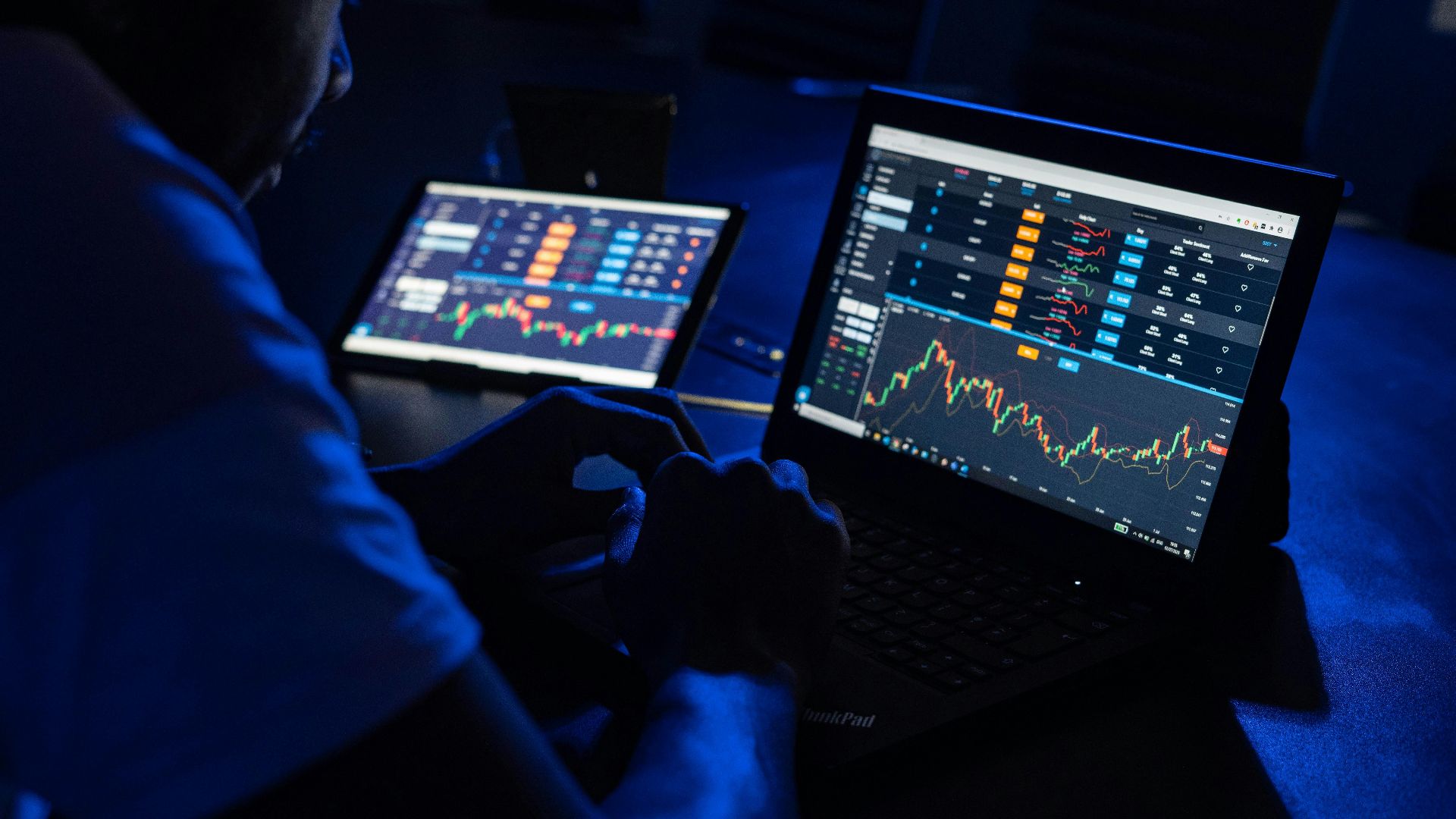
Sensors and AI dashboards now track machinery and system performance continuously. Routine monitoring tasks, once handled by staff watching gauges or alerts, are automated. Humans remain just for interpreting anomalies or performing complex maintenance decisions.
Postal Sorters (Mail Processing)
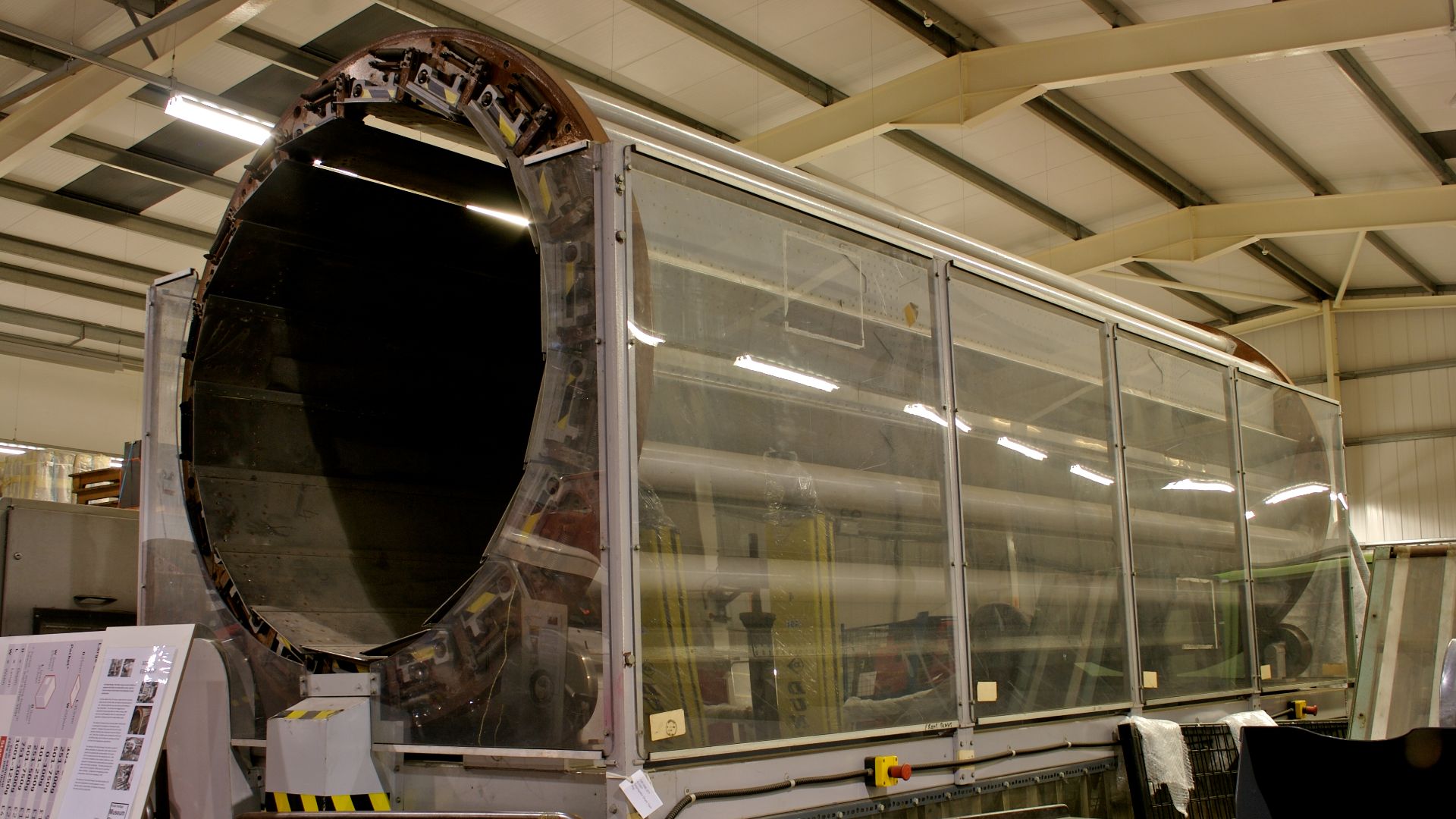
Physical mail volume continues to decline as people communicate electronically. Plus, the sorting facilities that remain operate mostly through automation. A single machine processes more mail in an hour than a team of workers could manage in a day.
Telemetry Data Monitors (Industrial)
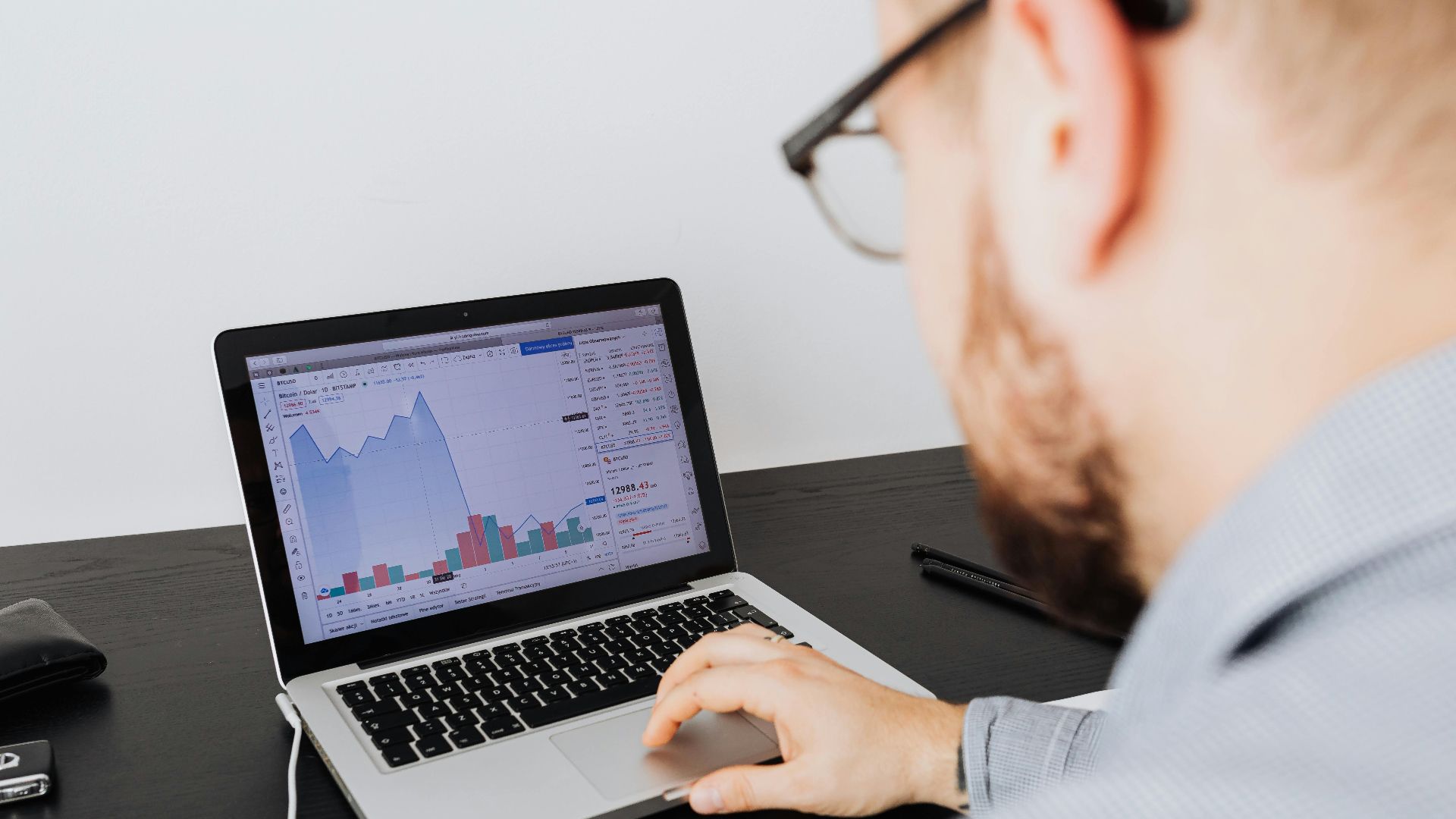
Industrial sensors and AI platforms continuously track machinery performance, logging data and generating alerts automatically. Staff who once monitored gauges or dashboards manually are largely replaced, with attention now focused on interpreting insights and guiding complex operational decisions.
 Karolina Grabowska www.kaboompics.com, Pexels
Assembly Line Operatives (Routine Tasks)
Factories have replaced many workers with robotic arms that weld, paint, and assemble products. These machines maintain perfect consistency across thousands of repetitions. They operate in extreme temperatures and handle toxic materials that would endanger people. As a result, human involvement in repetitive manufacturing tasks continues to decrease.
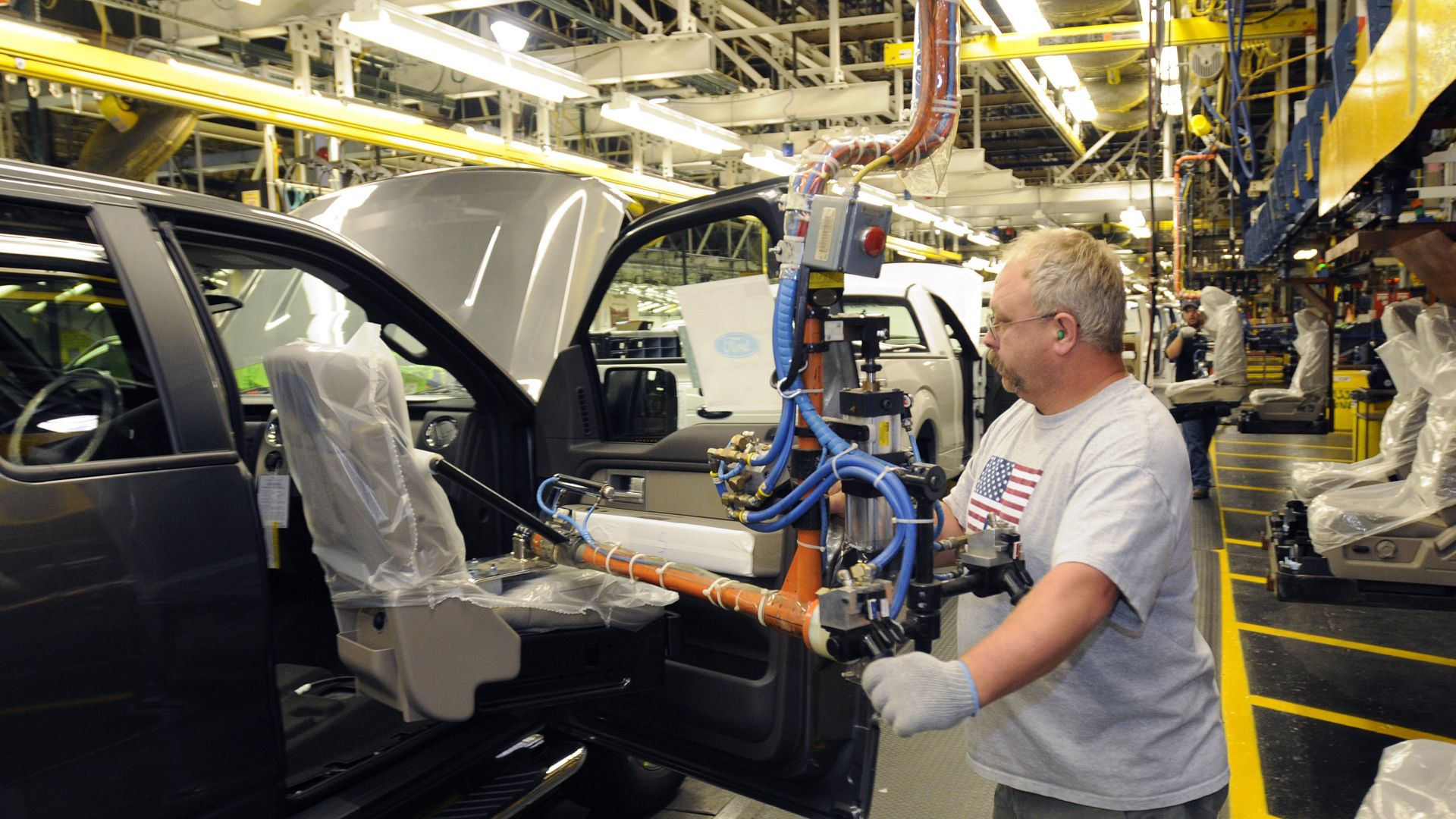 Ford Motor Co, Wikimedia Commons
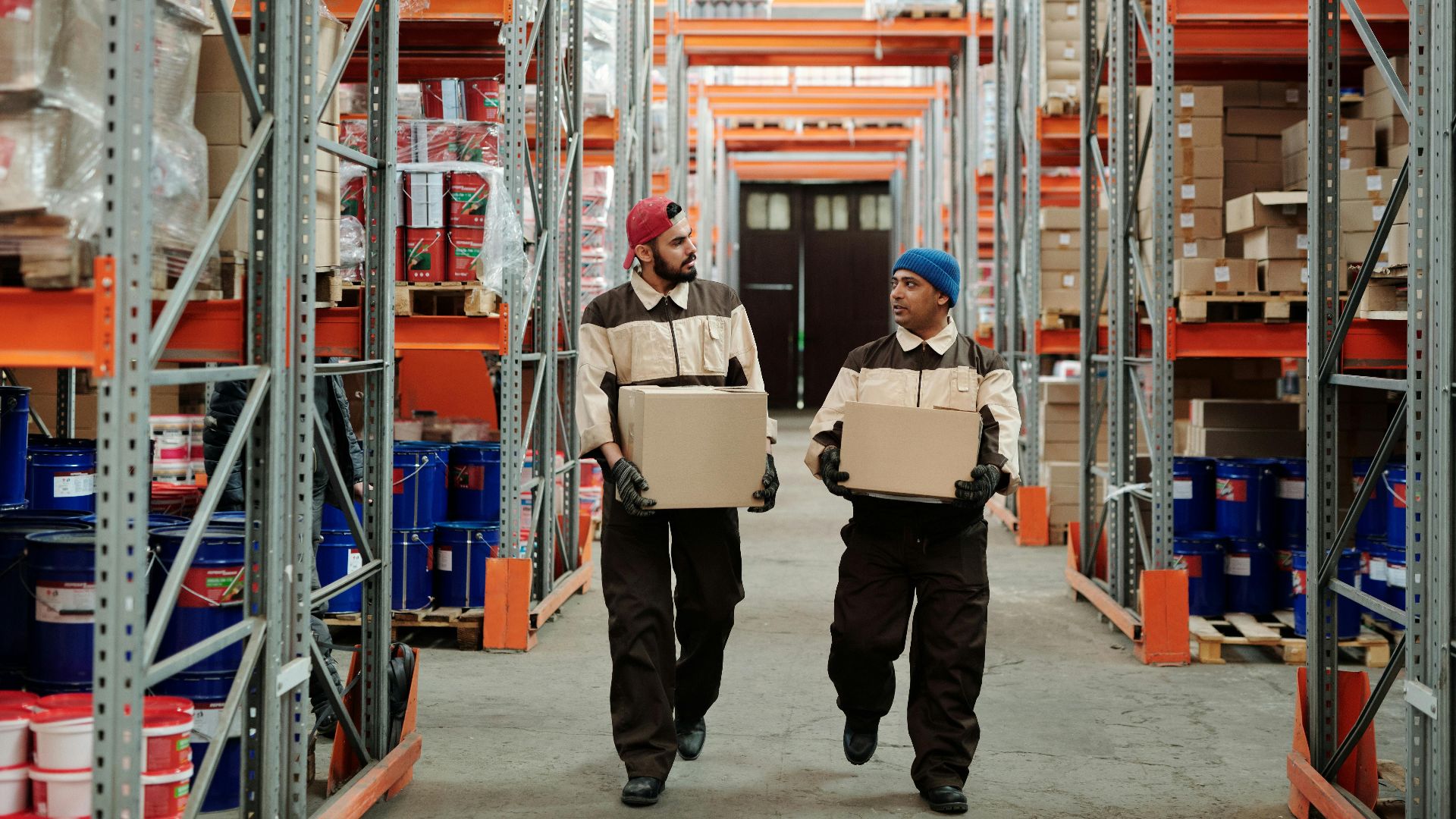
Warehouse Pickers And Packers
The need for human workers to walk aisles and fill boxes has dropped substantially. Robots navigate large warehouses, retrieving items from shelves for customer orders. Conveyor systems move products between stations without manual carrying. Software directs these machines along the most efficient paths.
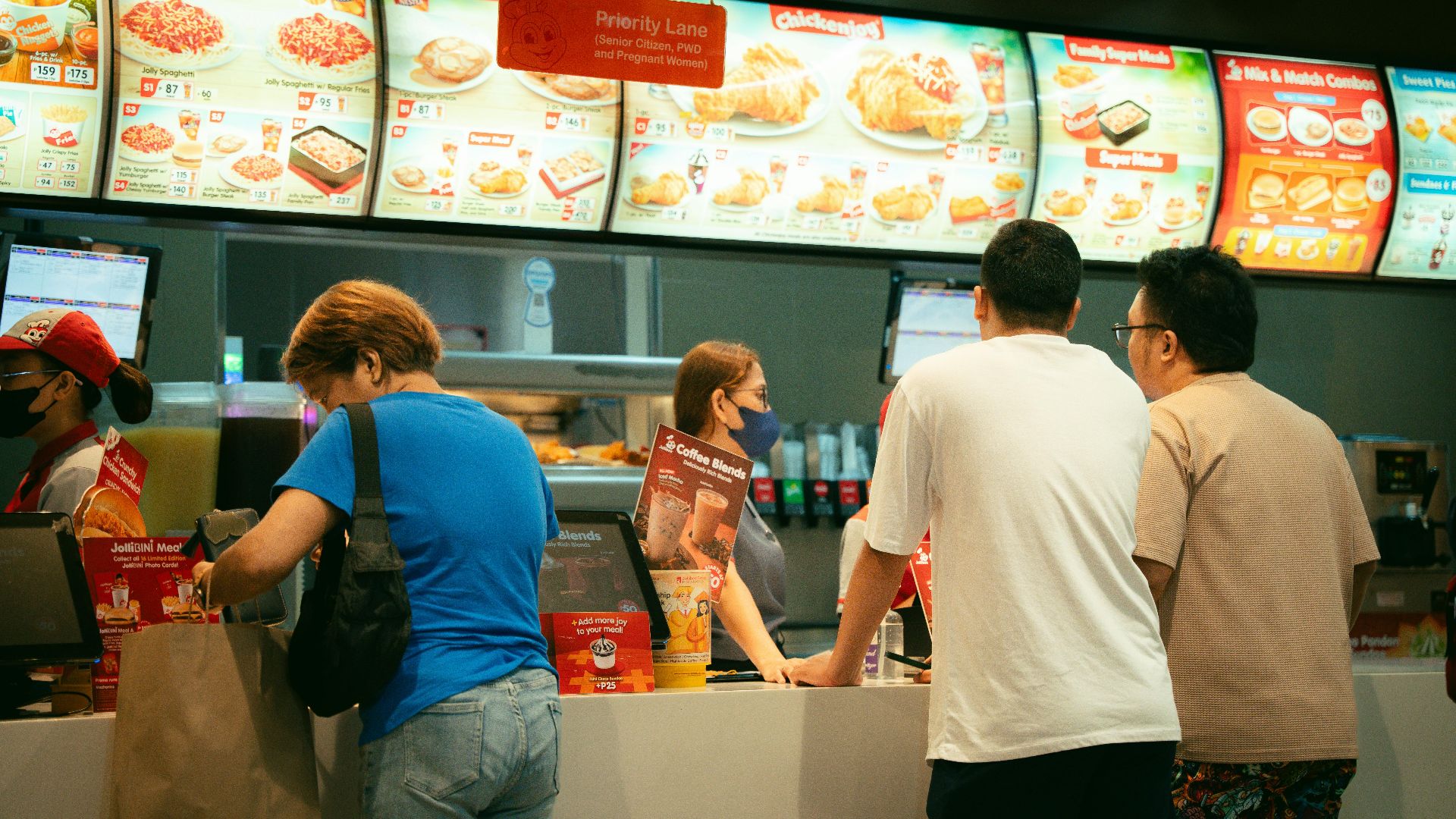
Fast-Food Counter Staff
Customers now enter their orders on large touchscreen kiosks inside restaurants. Besides that, smartphone apps let people request meals before they arrive for pickup. Kitchen equipment has also become more automated, with machines handling frying and timing.
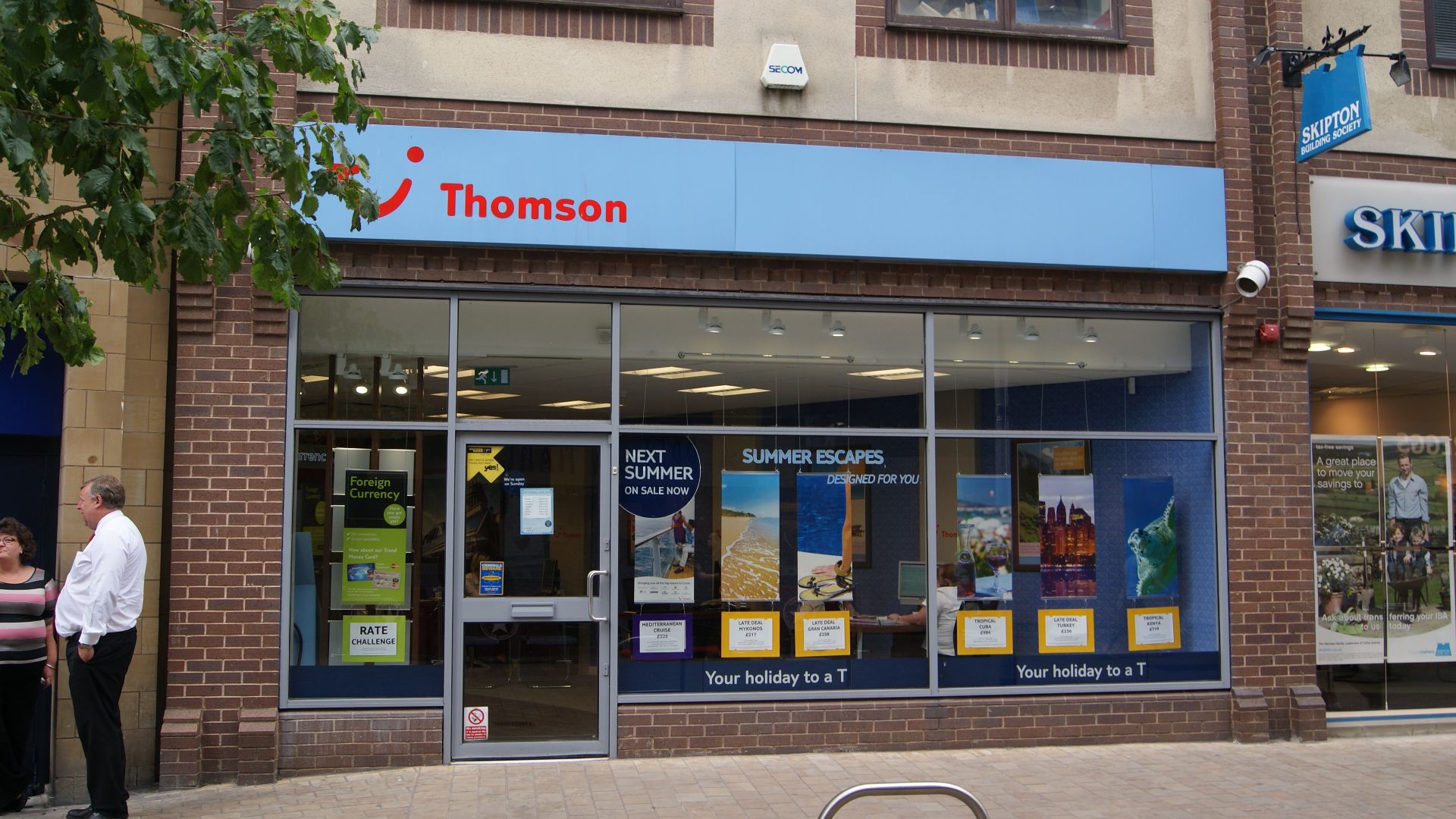
Basic Travel Agents
Websites offer complete travel planning with flights, hotels, and car rentals all bookable in one place. Price comparison happens instantly across hundreds of options, and customer reviews provide insights that travel agents once offered through personal experience. Only complex international trips still justify consulting a specialized agent.
File Clerks And Records Assistants
Paper filing systems have given way to digital storage solutions. Scanning converts old documents into searchable electronic files, while Cloud-based systems let anyone retrieve records through simple keyword searches. The work of organizing and locating paper records has become unnecessary in the digital age.

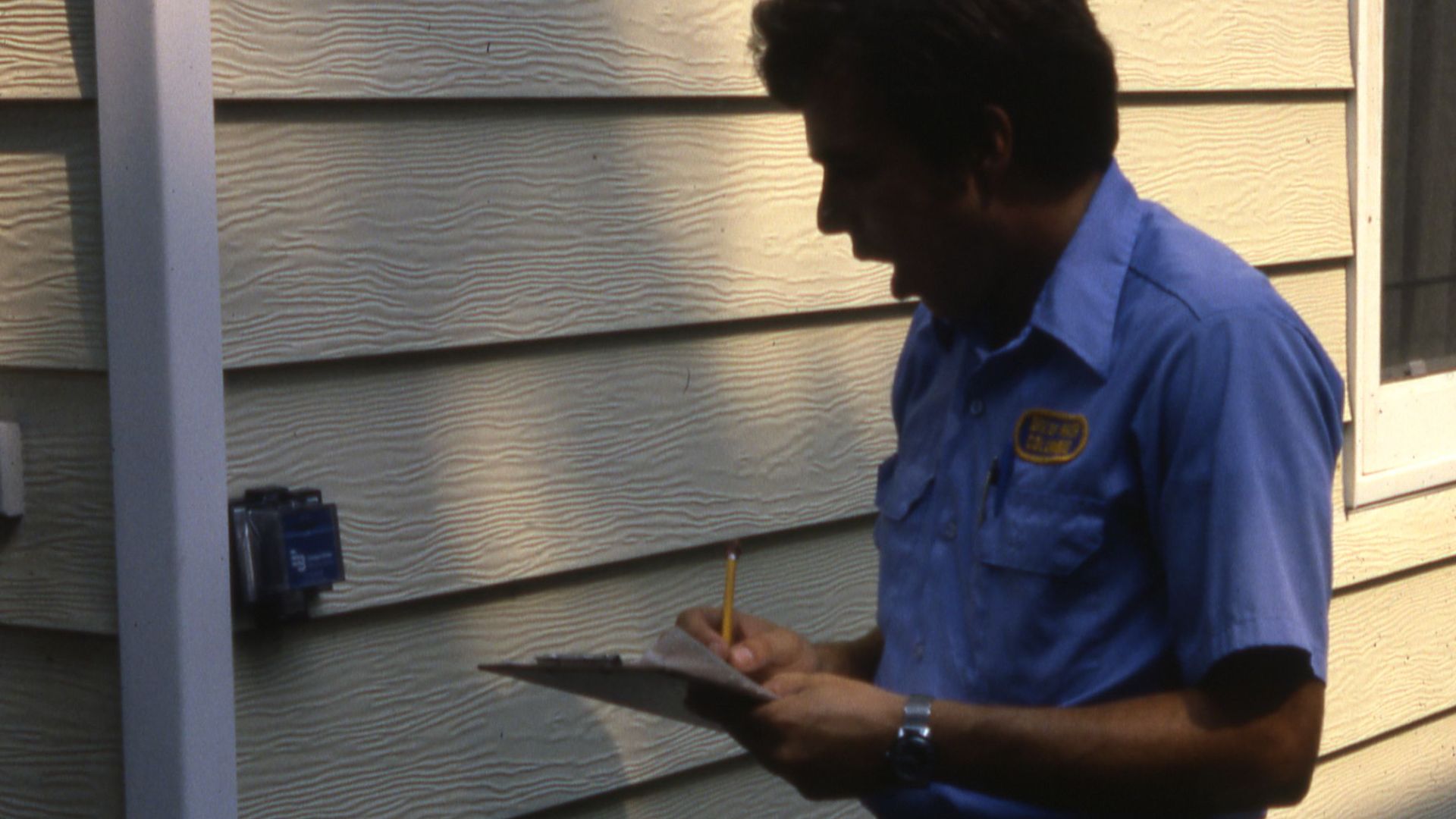
Meter Readers (Utility)
Most utility workers no longer walk neighborhoods recording numbers from individual meters. Electricity, gas, and water meters now send usage data directly to utility companies. Wireless transmission happens automatically without anyone visiting properties. This provides accurate billing and immediate detection of leaks or irregularities.
 David E. Lucas, Wikimedia Commons
Parking Attendants (Manual)
Cameras identify license plates when vehicles enter parking facilities. Payment also happens through apps or automated kiosks, and exit gates open after the system verifies payment electronically. Parking management has become a largely automated function requiring minimal staff presence.

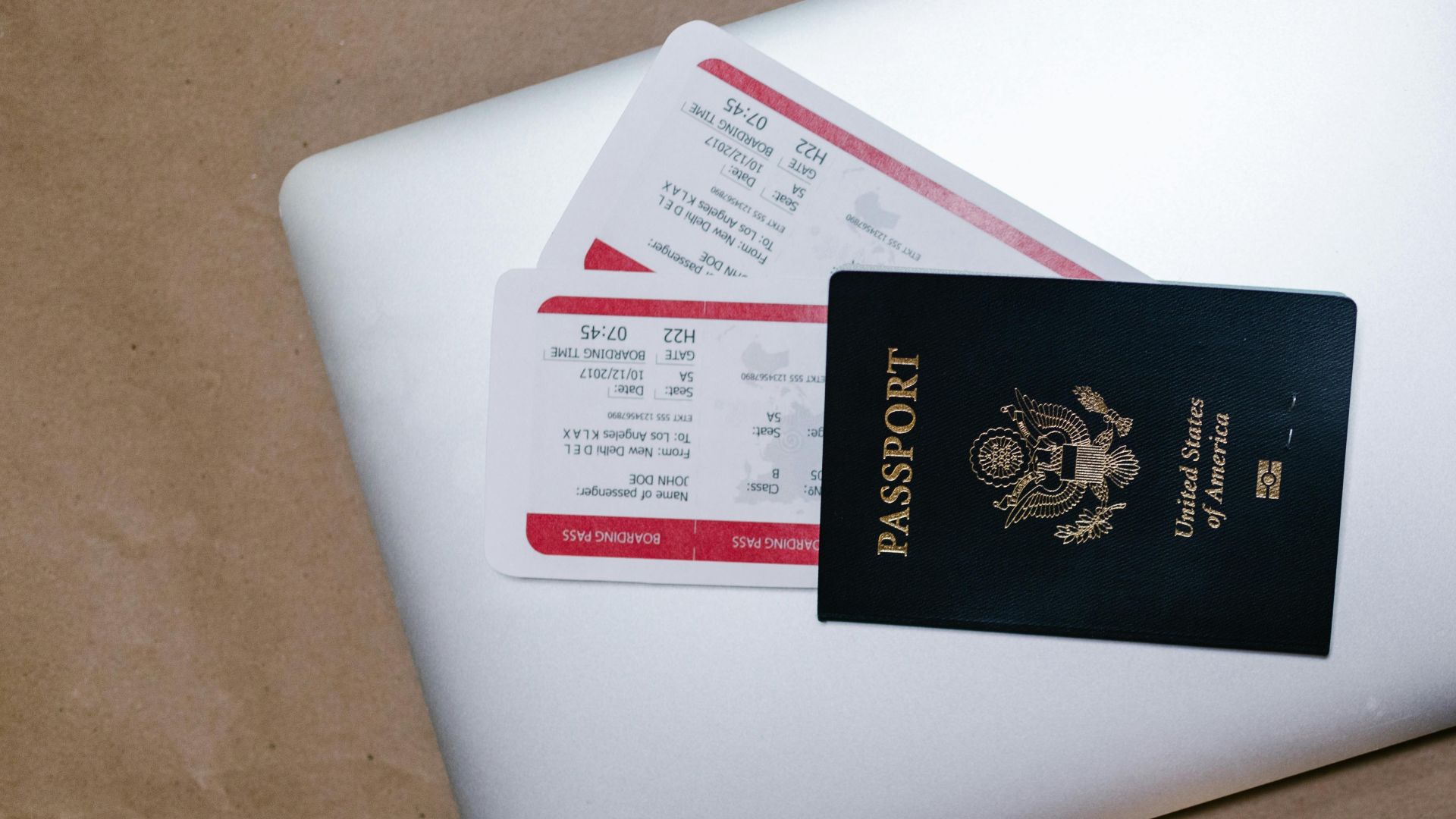
Ticketing Clerks (Transport/Venues)
Digital platforms now sell tickets directly for trains, concerts, and flights, with smartphones displaying scannable codes. Automated gates handle entry efficiently, reducing queues and staff needs. Most venues no longer operate physical ticket windows.
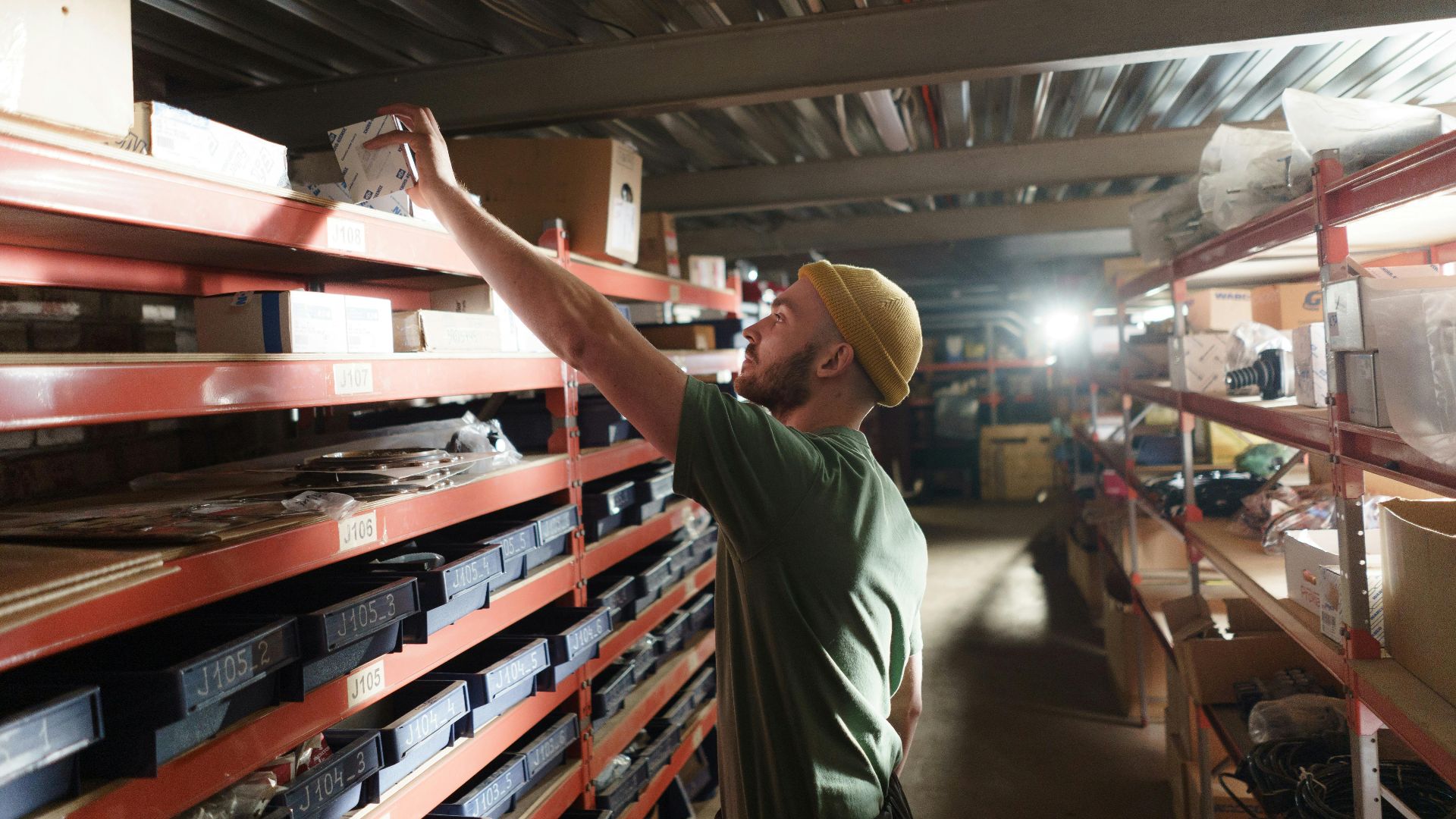
Inventory Clerks (Manual Counts)
Smart sensors and automated tracking systems monitor stock continuously in warehouses and stores. Products are logged and replenished without manual checks, while weight-sensitive shelves detect low inventory. Routine inventory counting has shifted almost entirely to digital processes.
Banknote Counters And Cash Office Clerks
Machines count currency more accurately and quickly than people can. Moreover, society is moving toward digital payments, reducing the volume of physical cash. Automated systems reconcile deposits and manage cash flow in banks and retail locations, so fewer transactions involve paper money.

Survey Interviewers (Routine)
Response rates for phone surveys have declined as people avoid unknown callers. Online survey platforms reach large audiences at minimal cost. Email and app-based surveys gather data without human interviewers, and automated calls collect responses using recorded questions and keypad entries.

Order Takers (Phone-Based)
Restaurants and businesses now receive orders through websites and mobile applications. Customers prefer entering their requests directly rather than explaining them over the phone. Automated systems process orders without errors from miscommunication. The convenience of digital ordering has made phone-based order taking largely unnecessary.

Library Assistants (Routine Tasks)
Digital catalogs and automated checkout systems reduce the need for front-desk library staff. Self-service kiosks handle borrowing and returns, while AI-driven recommendation tools replace manual guidance. Traditional shelving and cataloging roles are shrinking as libraries modernize.

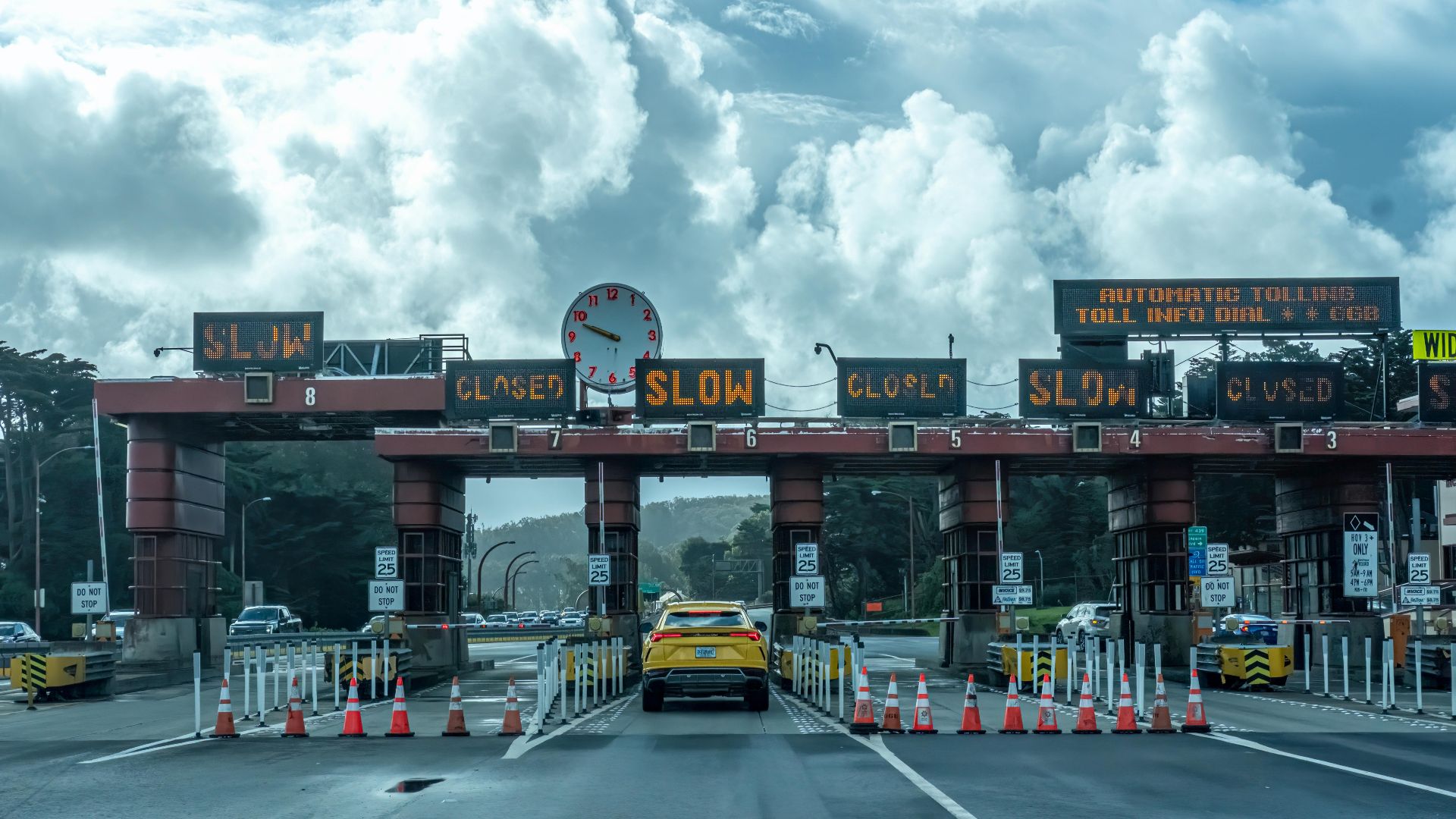
Toll Collectors (Manual)
Electronic toll collection systems charge drivers automatically as they pass sensors at highway speed. Cameras photograph license plates when transponders aren't detected. Then, payment happens through linked accounts or mailed bills. Traffic flows continuously without stopping at toll booths.
Quality Checkers (Basic Visual Inspection)
Manufacturing quality control increasingly relies on automated inspection technology. Computer vision systems inspect products on production lines with greater accuracy than human eyes. Cameras capture thousands of images per minute, detecting defects that might escape visual inspection.