
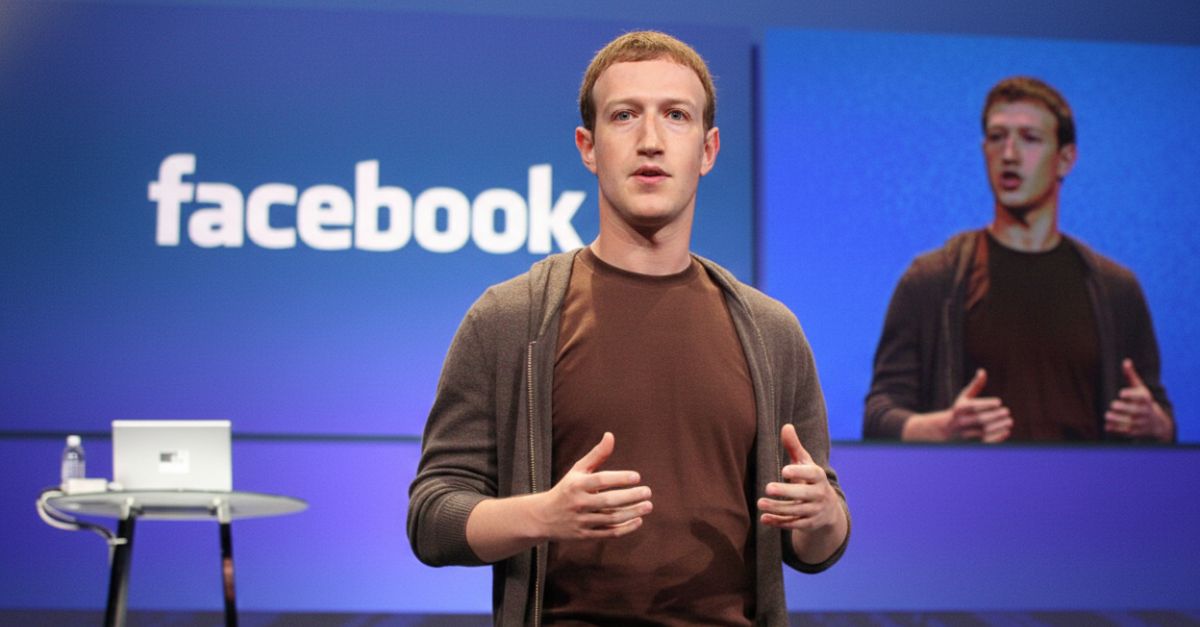
Big Dreams Start Surprisingly Small
It didn’t take a corner office to get things going. Some of the most powerful companies today came to life in tiny spaces with big dreams. The early setups might surprise you more than the success did.
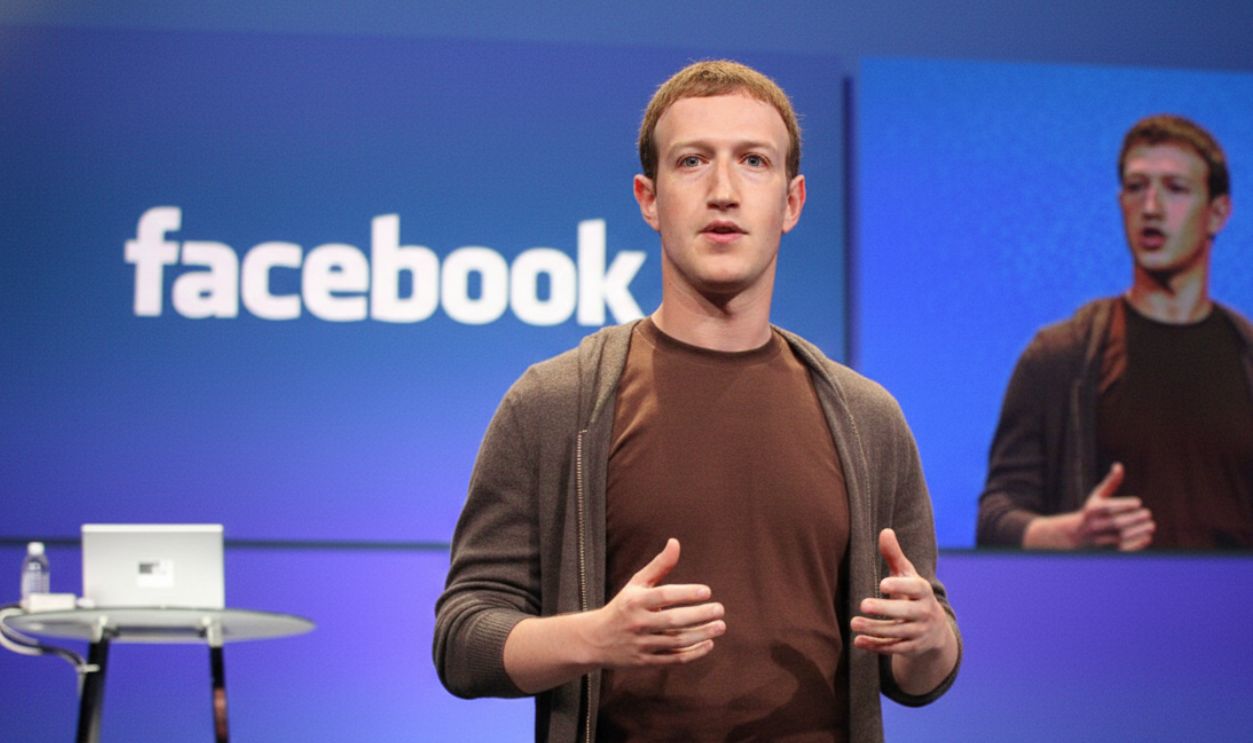 Brian Solis, CC BY 2.0, Wikimedia Commons, Modified
Apple
Back in 1976, Steve Wozniak spent his days engineering calculators at Hewlett-Packard, while Steve Jobs worked nights at Atari. Their off-hours tinkering led to a homemade computer built in a garage. That quiet hobby ended up launching one of the world’s most iconic tech brands.
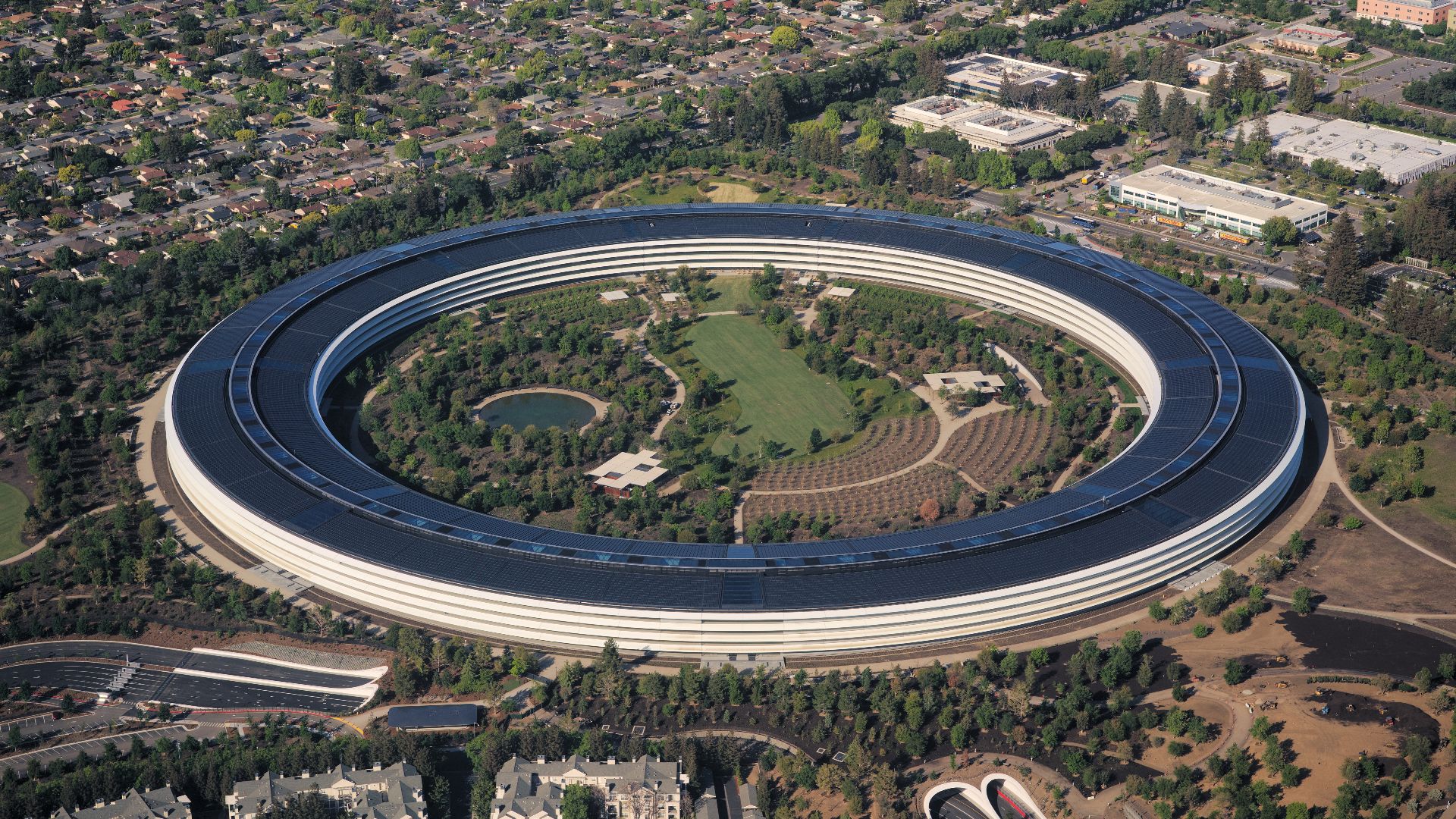 Daniel L. Lu (user:dllu), Wikimedia Commons
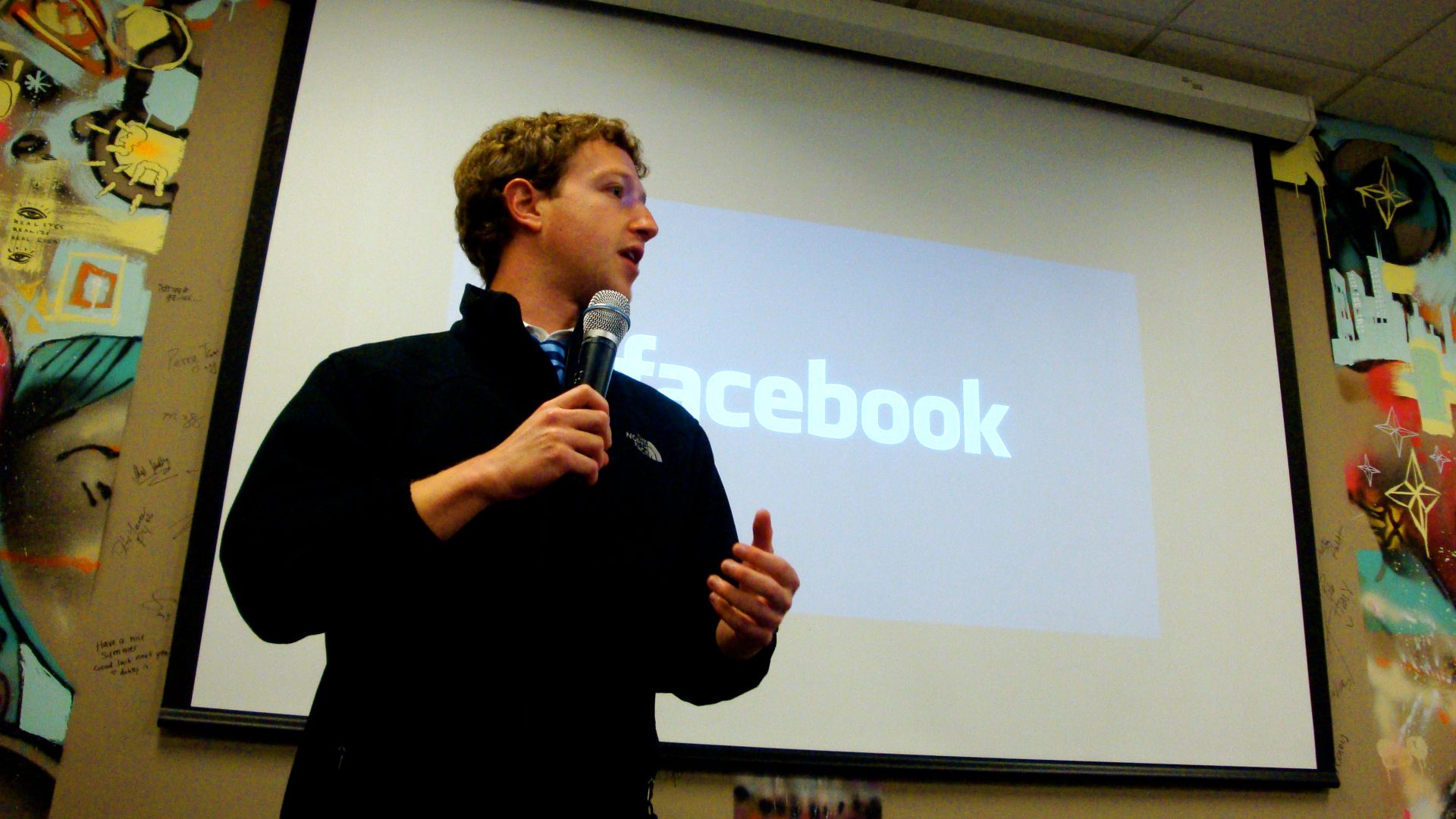
Mark Zuckerberg didn’t plan on building a company. He just wanted to create a simple way for Harvard students to connect. What started as a dorm-room side project spread to other campuses within weeks, and eventually reshaped how billions of people interact online.
 Silverisdead, Wikimedia Commons
YouTube
Three former PayPal employees—Steve Chen, Chad Hurley, and Jawed Karim—just wanted an easier way to share videos with friends. In 2005, they launched a simple platform as a side project. Within a year, millions were watching (and uploading) their own clips online.
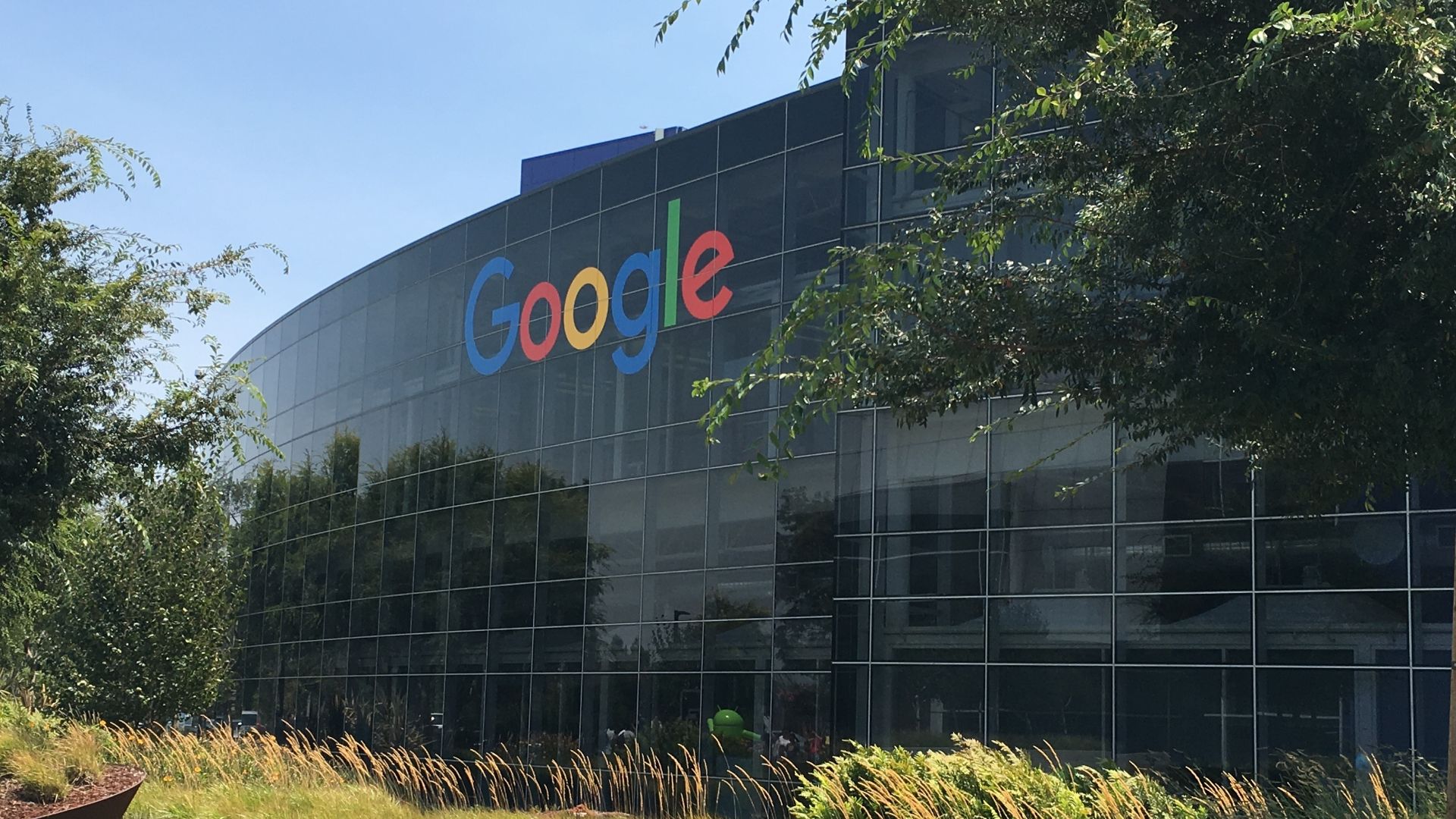
While studying at Stanford, Larry Page and Sergey Brin started developing a smarter way to organize search results using backlinks. To keep costs low, they ran early tests from a rented garage. That low-budget setup marked the beginning of what’s now the world’s most-used search engine.
 The Pancake of Heaven!, Wikimedia Commons
Microsoft
Coding wasn’t their day job—at first. Paul Allen worked full-time at Honeywell, and Bill Gates was still enrolled at Harvard. After hours, they developed software for a brand-new microcomputer. Their first successful demo ended up landing a deal that led to Microsoft’s official launch in 1975.

While looking for a better way to stay in touch with friends, Jan Koum began developing a simple messaging app in his free time. He had recently left Yahoo and wanted something ad-free. Just five years later, WhatsApp reached 400 million active users.
 Yuri Samoilov, Wikimedia Commons
Product Hunt
Ryan Hoover created a simple email list to share new tech products with friends while working full-time at a startup. Interest grew fast, so he turned it into a public site. Product Hunt became a launchpad for startups and a staple in the tech world.

Two University of Virginia students, Alexis Ohanian and Steve Huffman, created a basic forum to share links and ideas. It started as a submission for a startup accelerator, built quickly after class. Over time, the site, , became a go-to space for global internet discussion.
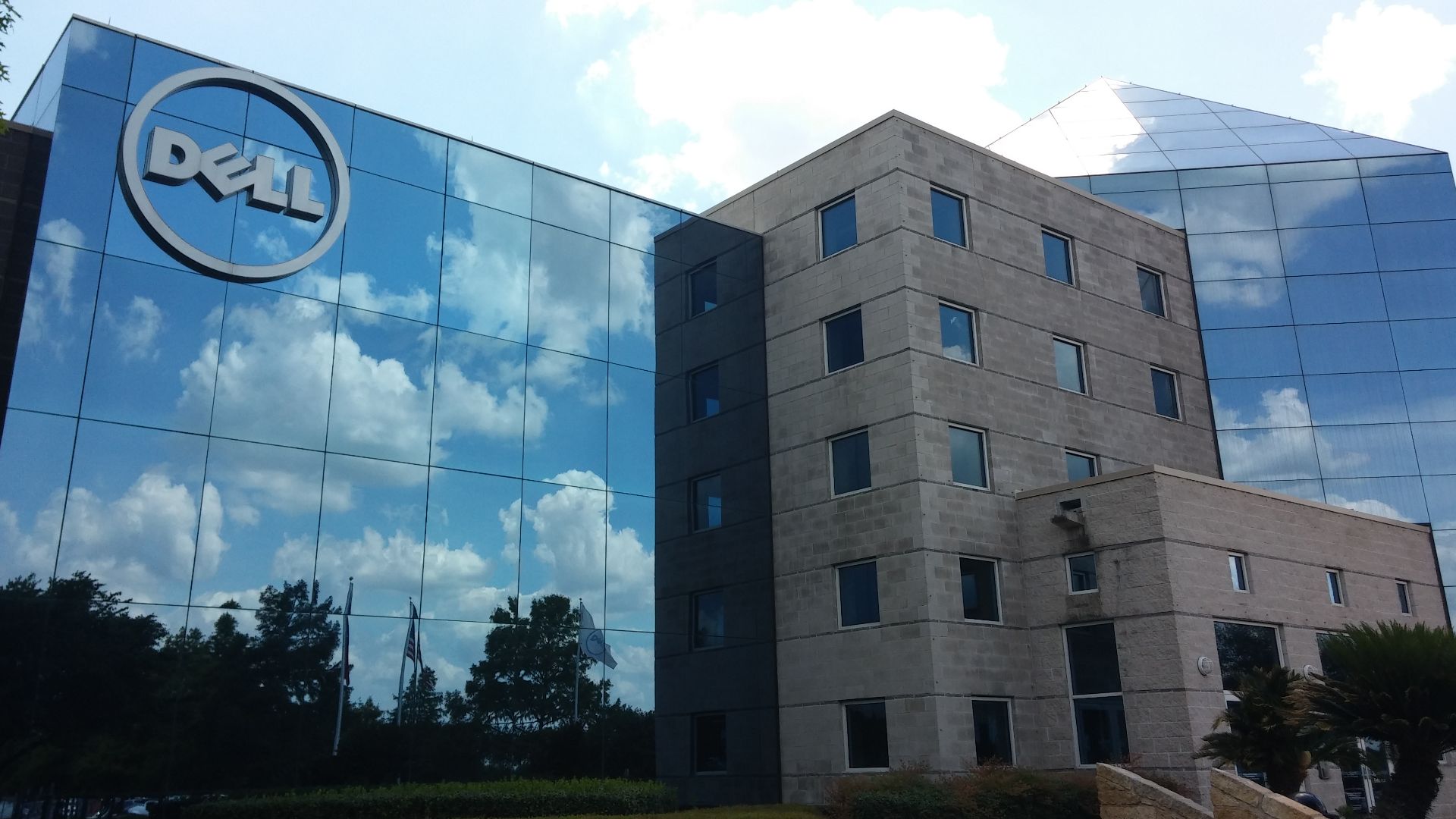
Dell
Michael Dell started assembling custom PCs in his college dorm room while studying pre-med. He took orders between classes and delivered the computers himself. What started as a side hustle grew fast, fueled by word of mouth and demand for affordable, build-to-order machines.
Under Armour
Frustrated by sweat-soaked cotton shirts during football practice, Kevin Plank started designing moisture-wicking alternatives in his spare time. He sold the first batch from his grandmother’s basement while working other jobs. That small gear experiment laid the foundation for a massive athletic brand.
 SoKuite 2000, Wikimedia Commons
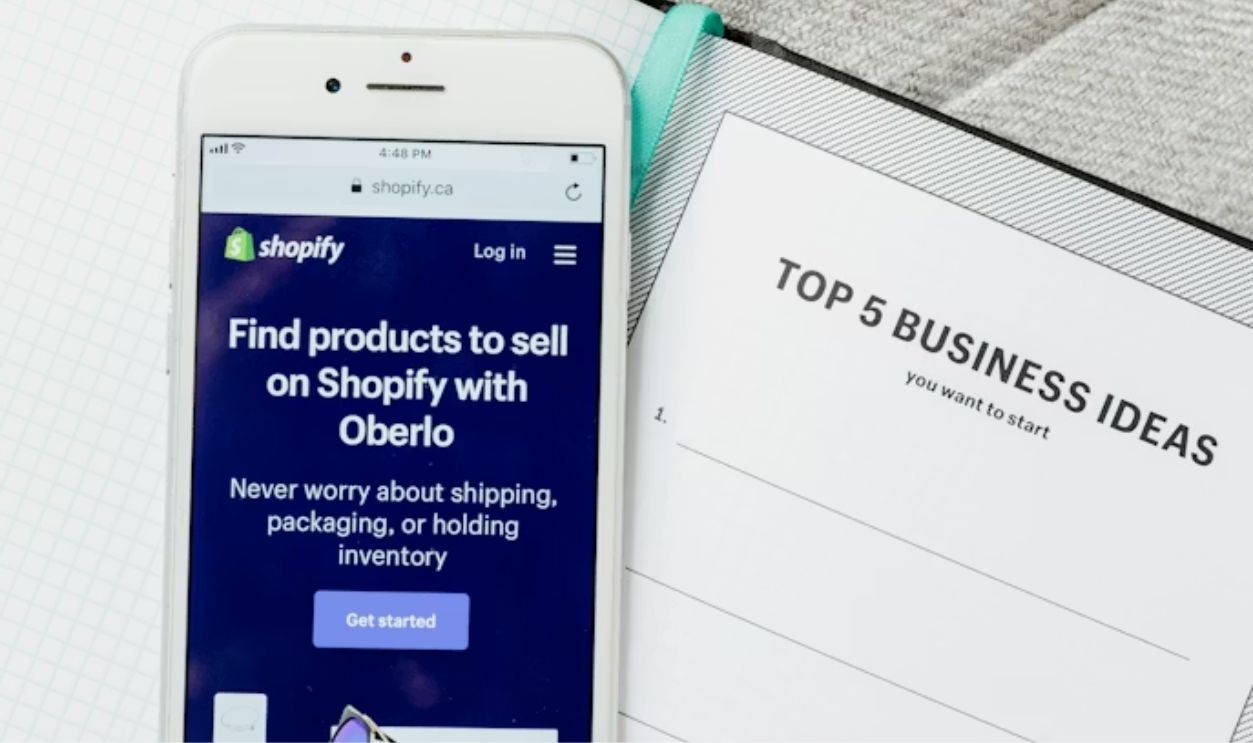
Shopify
Tobias Lutke set out to launch an online snowboard shop, but quickly grew frustrated with the clunky e-commerce tools available. So he built his own system after hours. When other sellers asked to use it, the software took center stage and became Shopify.
Twitch
The original idea was to stream Justin Kan’s daily life. As viewers tuned in, interest shifted from lifecasting to gameplay. Co-founders Justin Kan and Emmett Shear adapted quickly. Within a few years, Amazon acquired Twitch for $970 million, cementing its role in gaming culture.

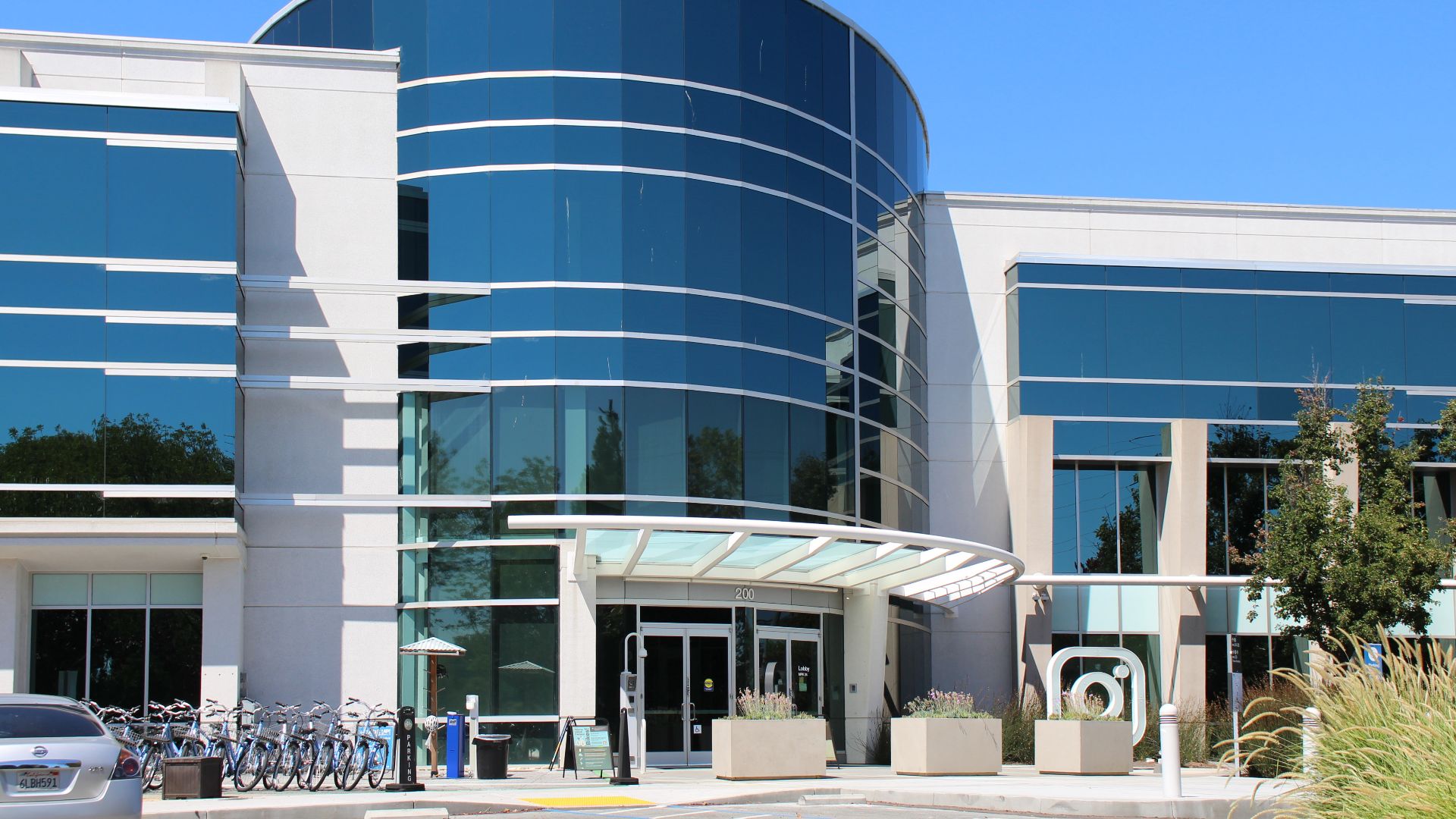
While working in marketing, Kevin Systrom spent his nights learning to code. He built a photo app called Burbn to test location features, then simplified it to focus on images. Just two years later, Instagram had 100 million users and a $1 billion buyout.
Yankee Candle
At sixteen, Michael Kittredge made a candle using melted crayons as a last-minute gift for his mother. When neighbors started requesting their own, he started making small batches in his garage. That modest start eventually led to a $1.75 billion acquisition deal.
 JJBers from Willimantic, Connecticut, USA, Wikimedia Commons
Ben Silbermann had a job at Google when he started playing around with a digital pinboard idea. He wanted a way to collect and organize cool things online, just for fun. Though it began as a personal side app, it soon became a visual discovery engine for millions.

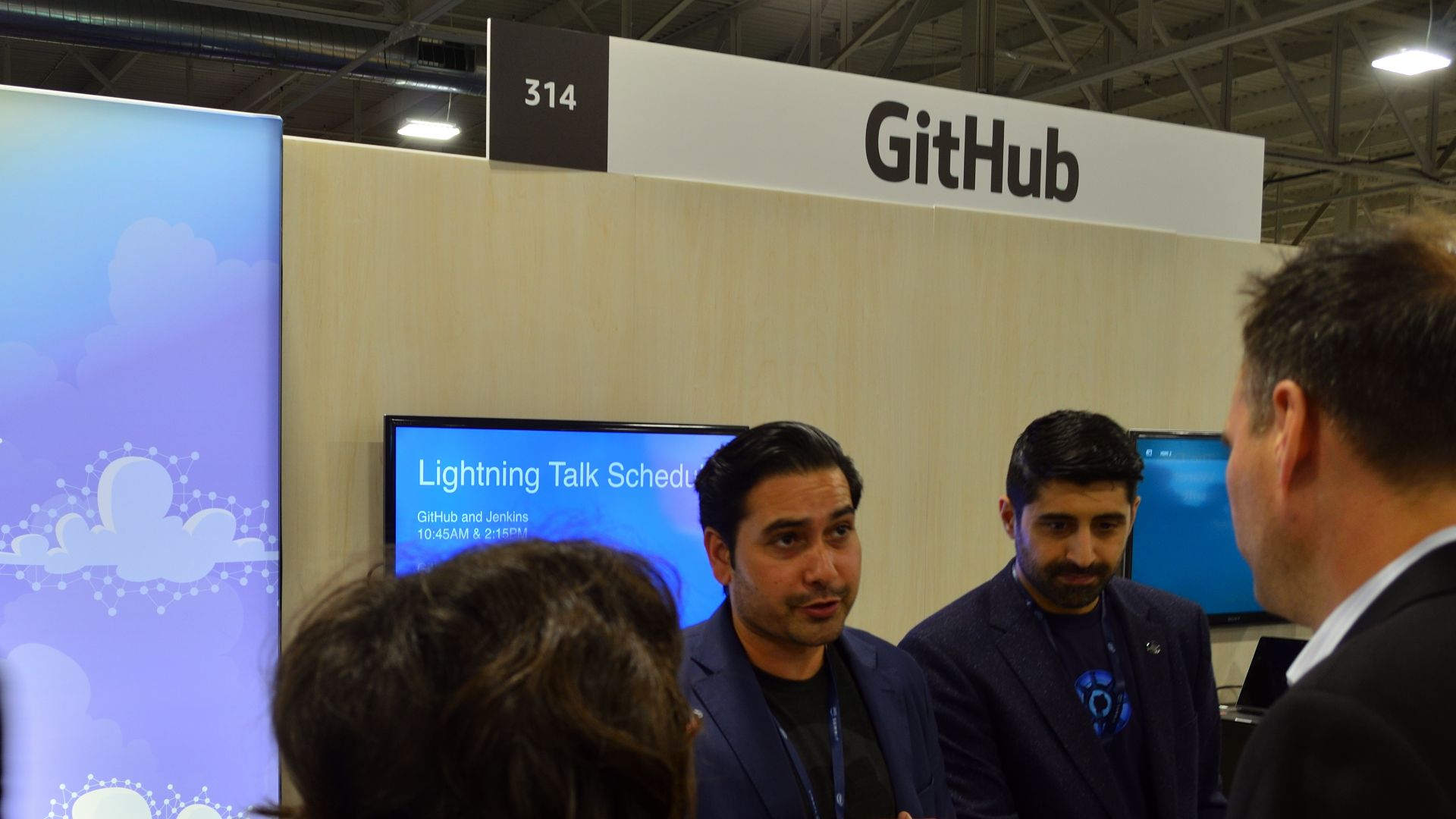
GitHub
Frustrations with sharing code by email led Tom Preston-Werner and Chris Wanstrath to build a better system after work. They were full-time developers by day, tinkerers by night. Their version control side project eventually became GitHub, a tool now used by over 100 million developers.
 Raysonho @ Open Grid Scheduler / Grid Engine, Wikimedia Commons
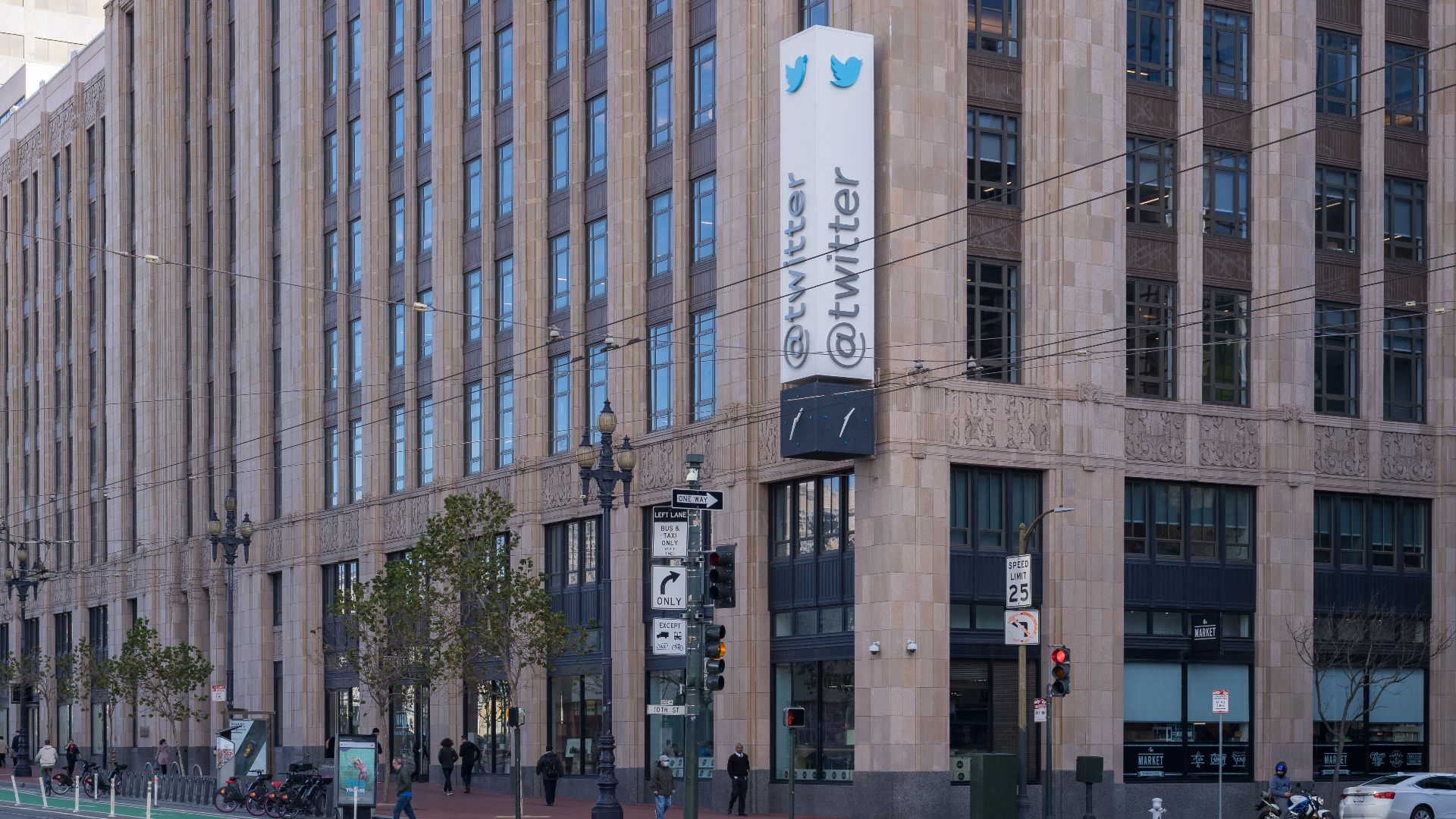
During a hackathon at podcast startup Odeo, Jack Dorsey pitched an idea for sharing quick status updates with friends. It started as an internal side project among employees. Within months, users were tweeting in real time—and the platform was drawing global attention.
 Frank Schulenburg, Wikimedia Commons
Mailchimp
Ben Chestnut and Dan Kurzius were running a web design agency when clients started asking for affordable email tools. To help them out, they built one on the side. Though it started as an internal fix, it now serves millions of businesses across more than 190 countries.

Craigslist
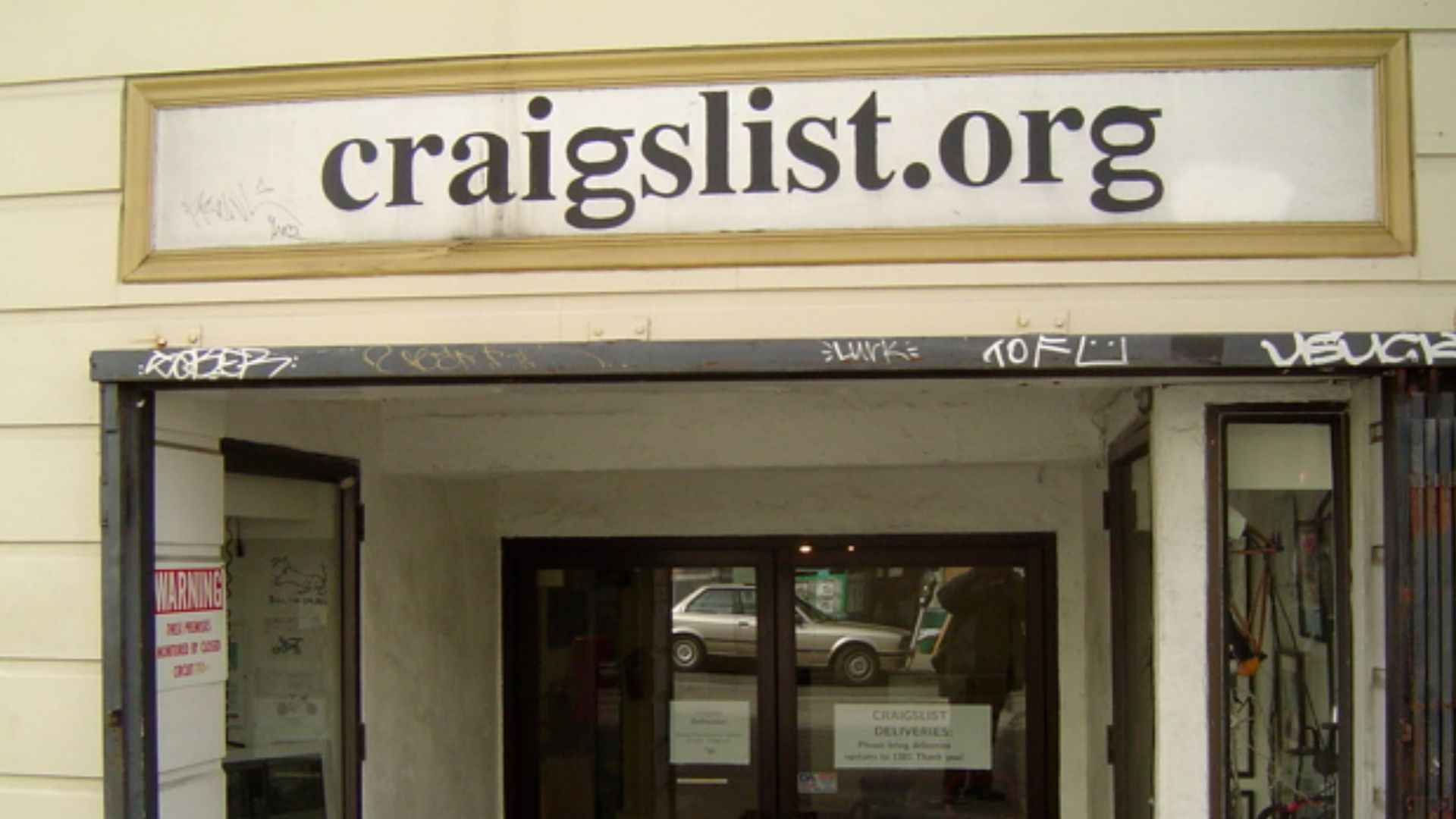
During his time as a software engineer based in San Francisco, Craig Newmark put together a simple email list to share local events with friends. As people started adding their own posts, it quietly transformed into one of the most widely used classifieds platforms in the world.
 No machine-readable author provided. Calton assumed (based on copyright claims)., Wikimedia Commons
Discord
Jason Citron originally built Discord as a voice tool for gamers frustrated by lag and disconnections on existing platforms. It was a side experiment while he was working on a game of his own. The app took off and now supports over 150 million monthly users.
Harley-Davidson
In their spare time, William Harley and Arthur Davidson enjoyed experimenting with engines and bicycles. In 1903, they started building a motor-powered bike in a backyard shed using salvaged parts. Their weekend hobby soon drew attention and laid the groundwork for a legendary motorcycle company.

Figma
Dylan Field started building a browser-based design tool while on a fellowship that encouraged side projects over school. He wasn’t aiming to compete with giants—just wanted design to feel more collaborative. Years later, Figma became a go-to platform for designers across industries.

Stripe
Patrick and John Collison were building side projects when they hit a wall: accepting payments online was far too complicated. So they created a lightweight tool for developers like themselves. Stripe quietly launched in 2010 and now handles transactions for millions of businesses.
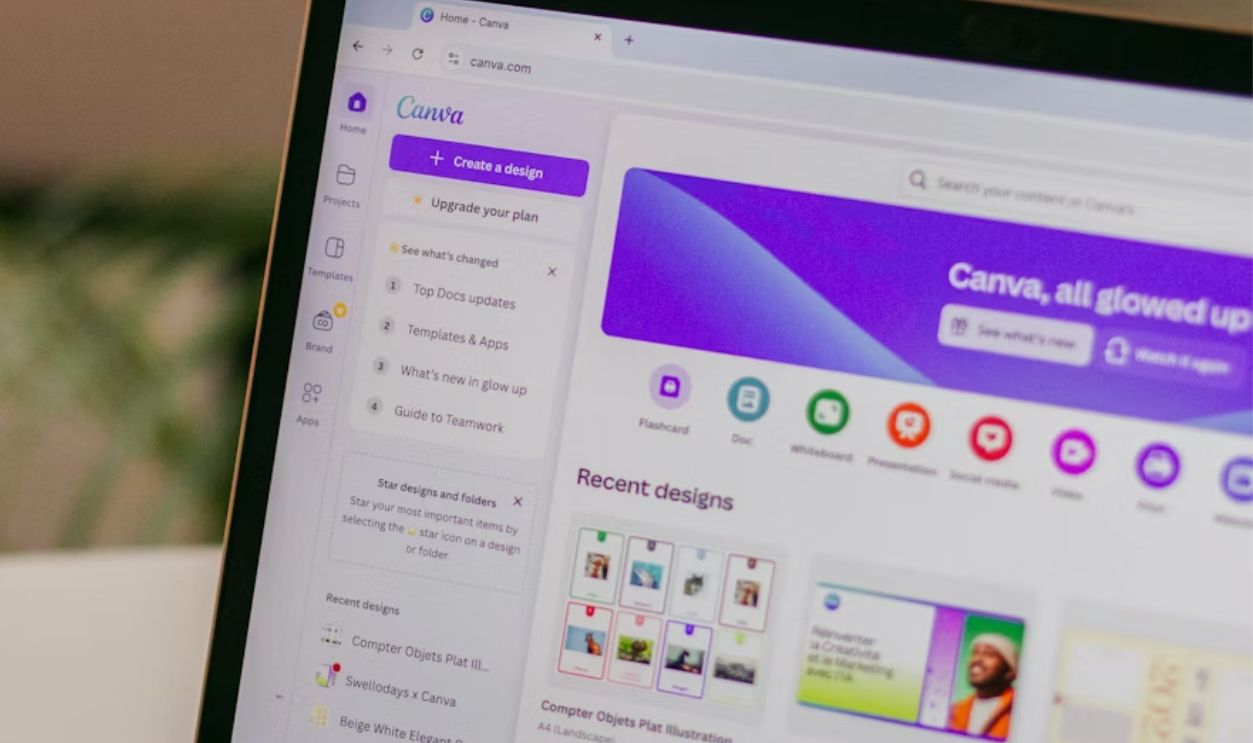
Canva
Melanie Perkins was teaching design software to college students when she realized most tools were overly complicated. To simplify the process, she built a basic online layout tool with a friend. That small idea grew into Canva, now used by over 100 million people.
Patreon
Musician Jack Conte couldn’t earn a steady income from his viral videos, so he worked with Sam Yam to build a platform that supported creators directly. The tool was just meant to solve his own problem—but soon, creators everywhere were using it to fund their work.






.jpg)